Artwork
Picquigny
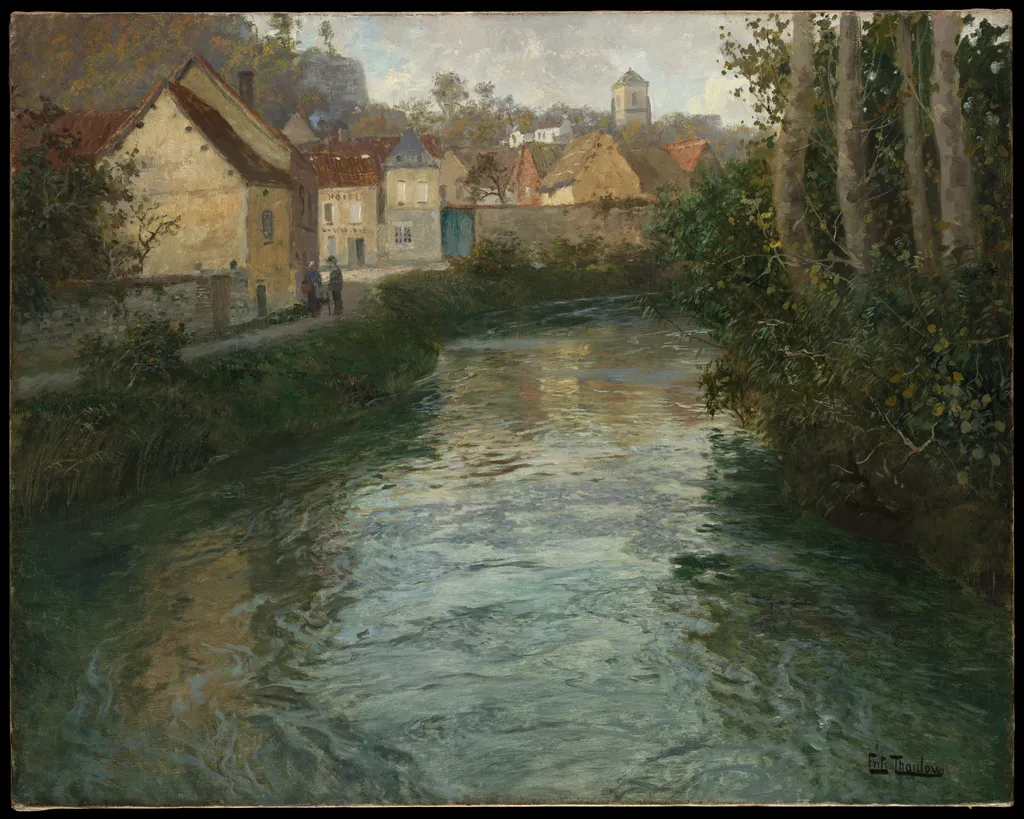
Picquigny is an oil painting by the Impressionist artist Frits Thaulow. It dates from 1900 and is held in the collection of the Metropolitan Museum of Art.
About this work
Overview
Frits Thaulow’s 1900 oil painting *Picquigny* depicts a tranquil riverside village. The composition centers on a gently flowing waterway flanked by modest houses with red tiled roofs and white façades, while a narrow path traces the bank. Two figures are shown in conversation near the dwellings, set within a softly lit atmosphere that emphasizes the calm of the scene.
Subject & Meaning
The work captures a moment of everyday life in a small French settlement, focusing on the interaction between people and their environment. By portraying ordinary figures amid a serene landscape, Thaulow highlights the quiet dignity of rural routine, inviting viewers to contemplate the subtle interplay of light, water, and human presence.
Technique & Style
Thaulow employs a loose, sketch‑like brushwork characteristic of Impressionism, allowing colors to merge especially in the reflections of the river and the sky. The palette is muted yet luminous, with soft transitions that suggest fleeting atmospheric conditions. The handling of paint conveys movement without heavy texture, favoring a delicate, almost airy surface.
History & Provenance
Created at the turn of the twentieth century, *Picquigny* entered the collection of the Metropolitan Museum of Art, where it remains on display. The painting reflects Thaulow’s mature period, during which he traveled extensively in Europe, documenting varied locales through his naturalistic yet impressionistic approach.
Own this work as a print
Artist & collection
Artist
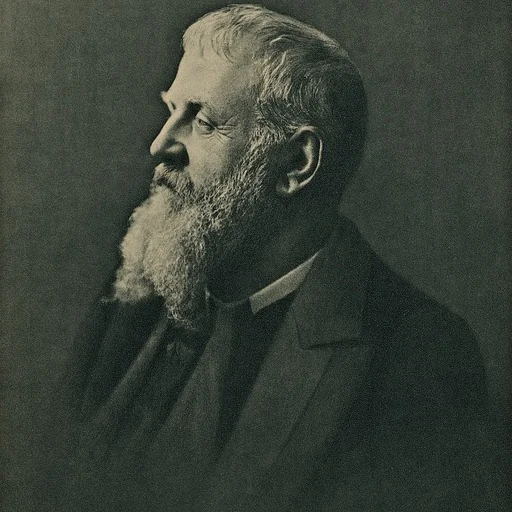
Frits Thaulow (20 October 1847 – 5 November 1906) was a Norwegian Impressionist painter renowned for his naturalistic depictions of landscape.