Artwork
Windoxa koe Krima
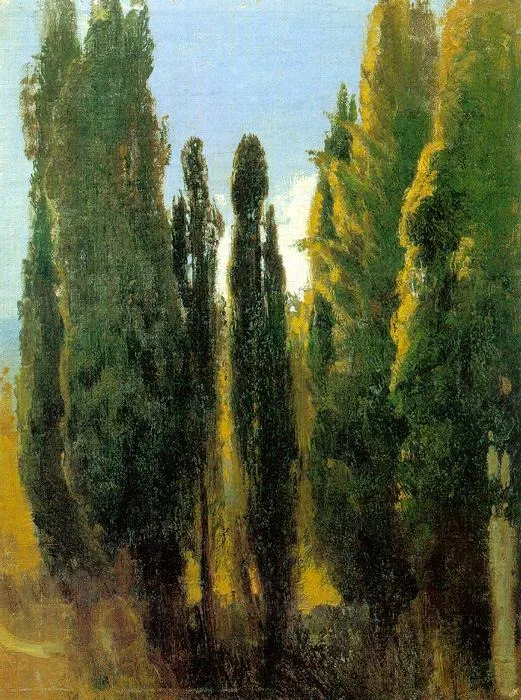
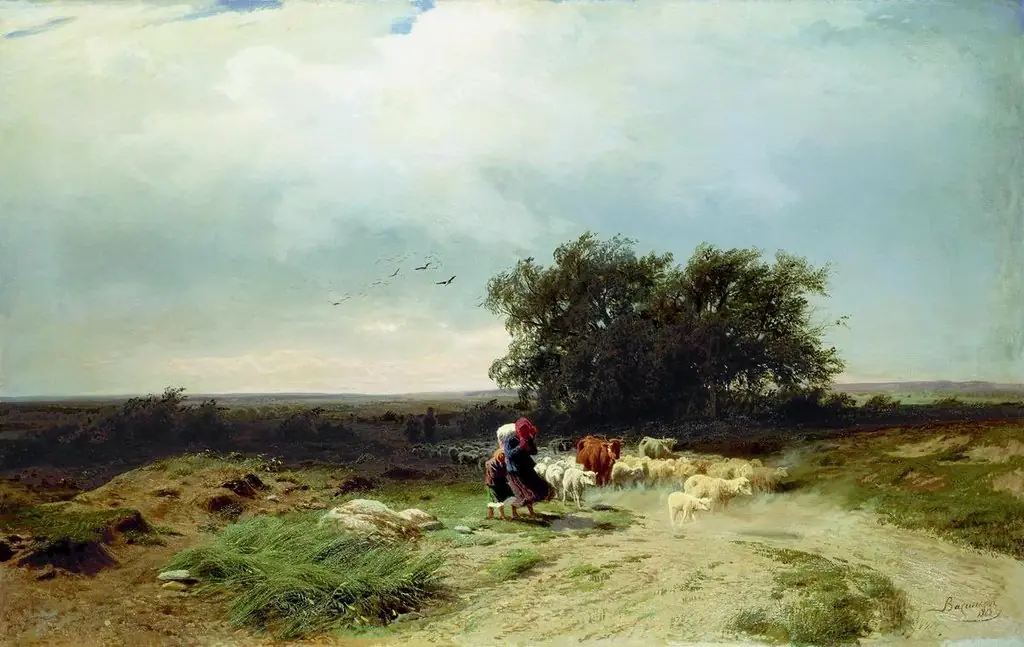
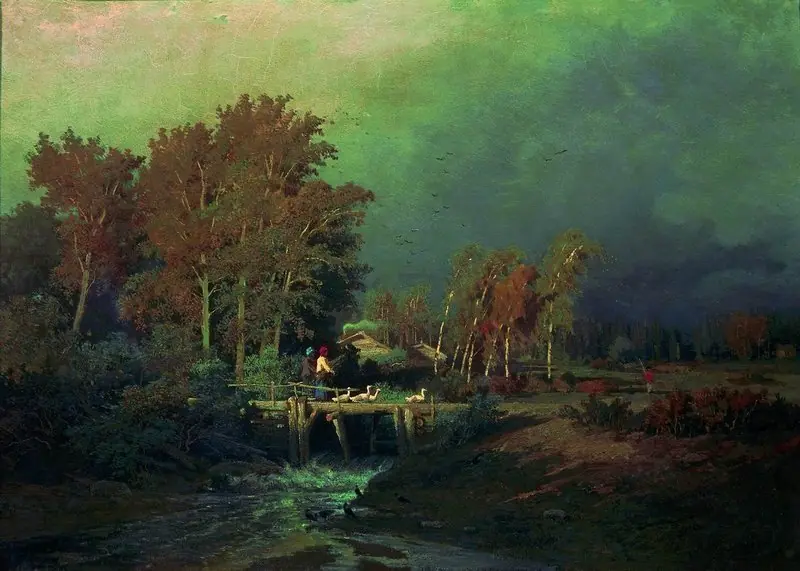
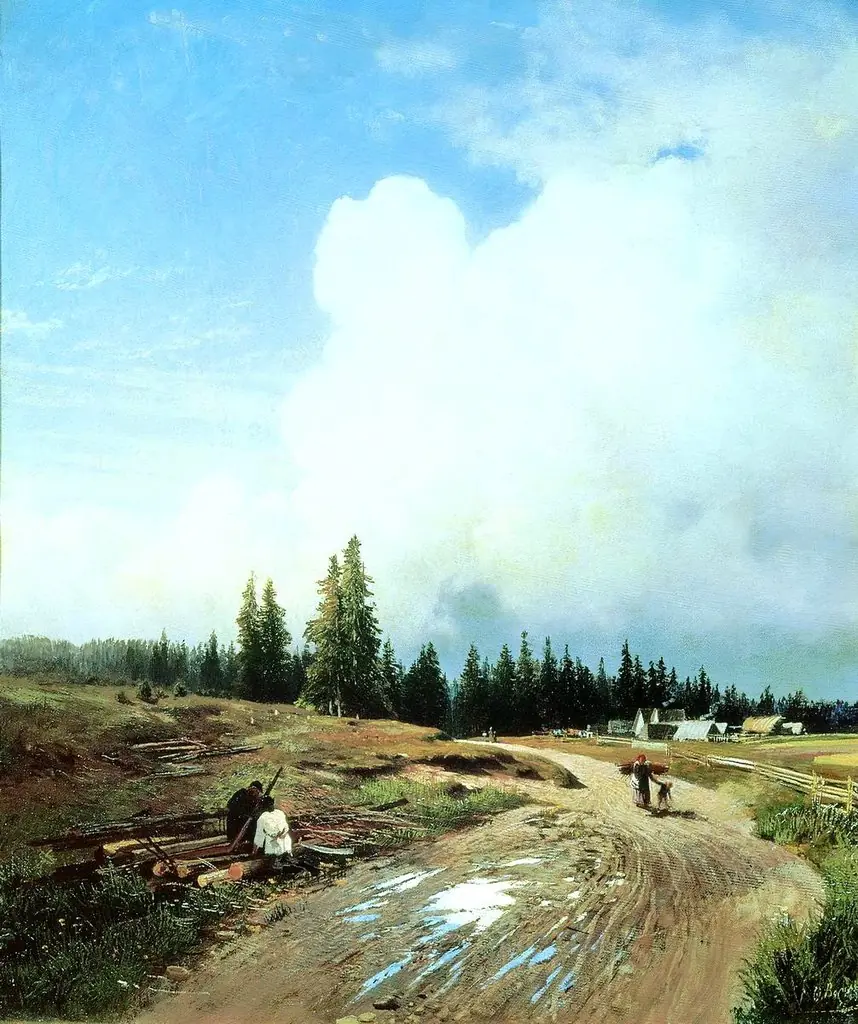
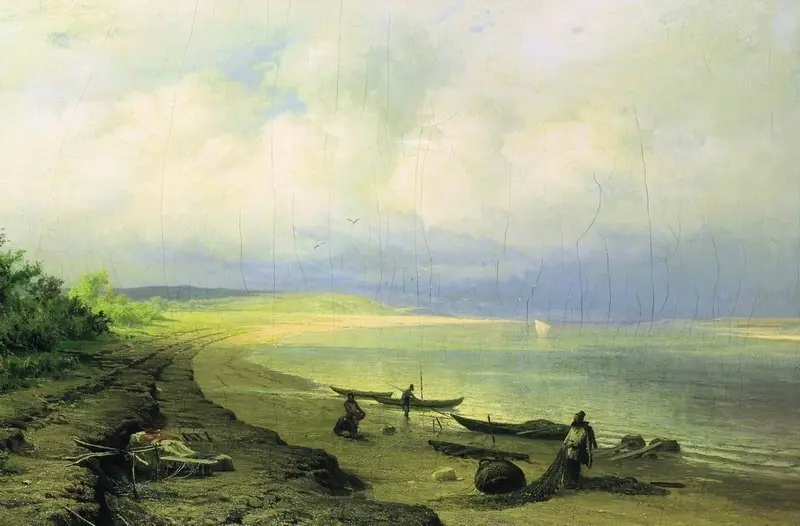
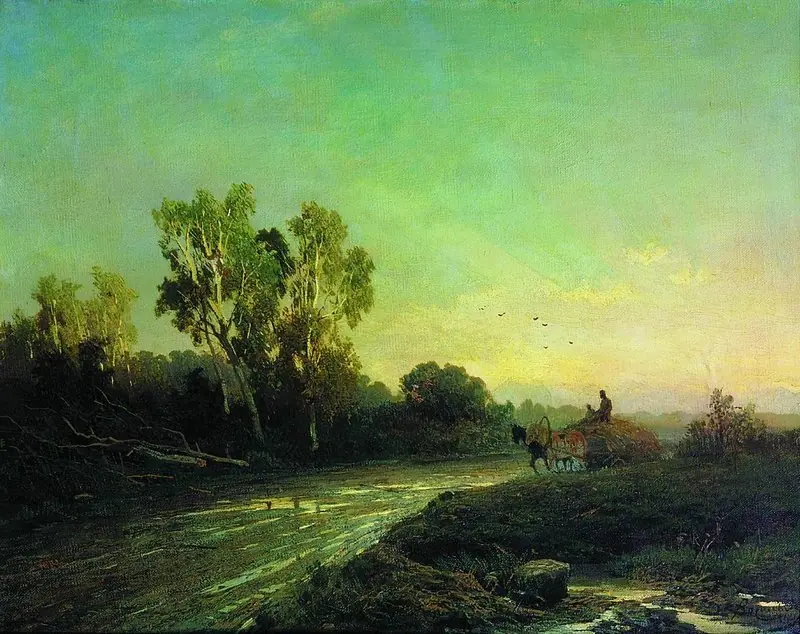
Windoxa koe Krima is an unspecified painting by Fyodor Vasilyev. It dates from 1871 and is held in the collection of the Tretyakov Gallery. Painted around 1871 by Fyodor Alexandrovich Vasilyev, this landscape captures a quiet stretch of Russian countryside.
About this work
Overview
Painted around 1871 by Fyodor Alexandrovich Vasilyev, this landscape captures a quiet stretch of Russian countryside.
Painted around 1871 by Fyodor Alexandrovich Vasilyev, this landscape captures a quiet stretch of Russian countryside. Vasilyev, active during a brief but influential career, focused on the subtle moods of natural scenes. The work is part of the Tretyakov Gallery’s collection, where it represents his contribution to the development of a poetic, emotionally resonant approach to landscape painting in 19th-century Russia.
Subject & Meaning
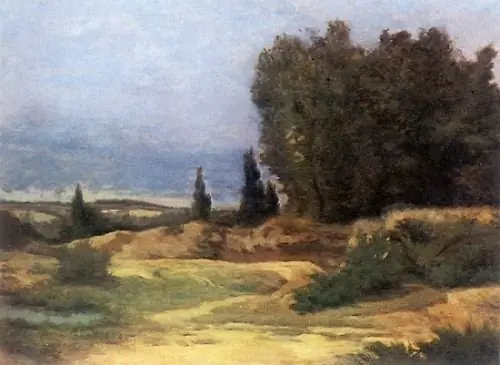
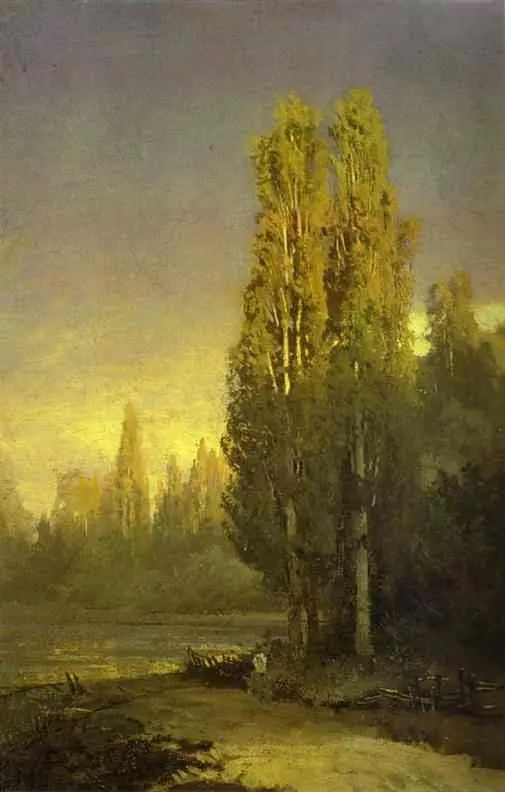
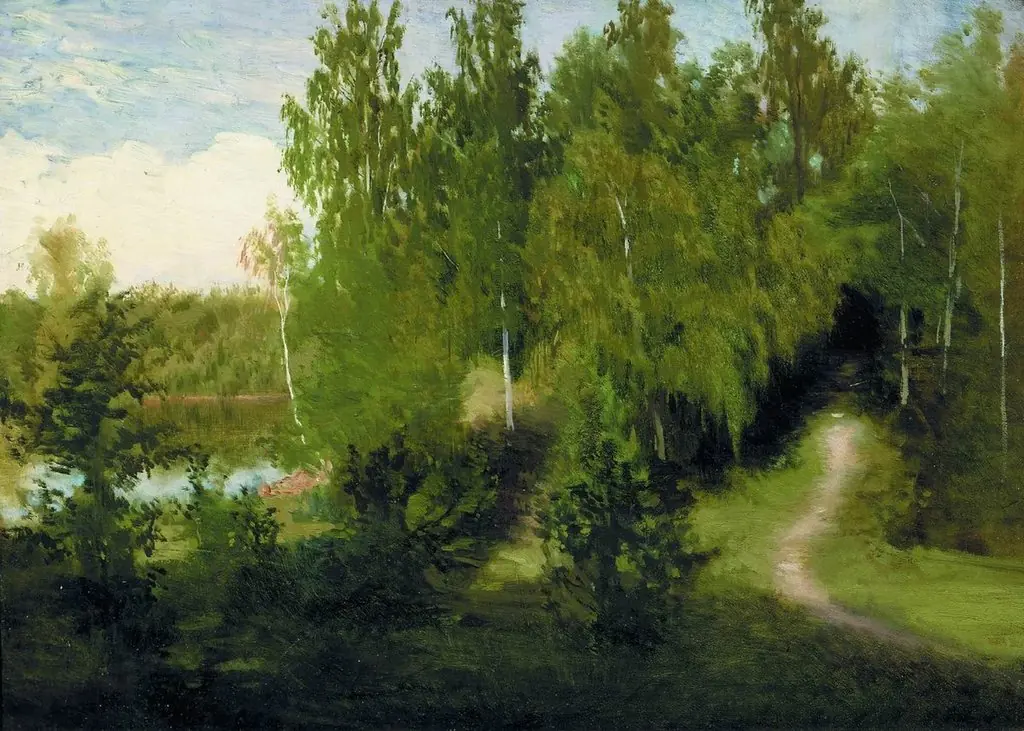
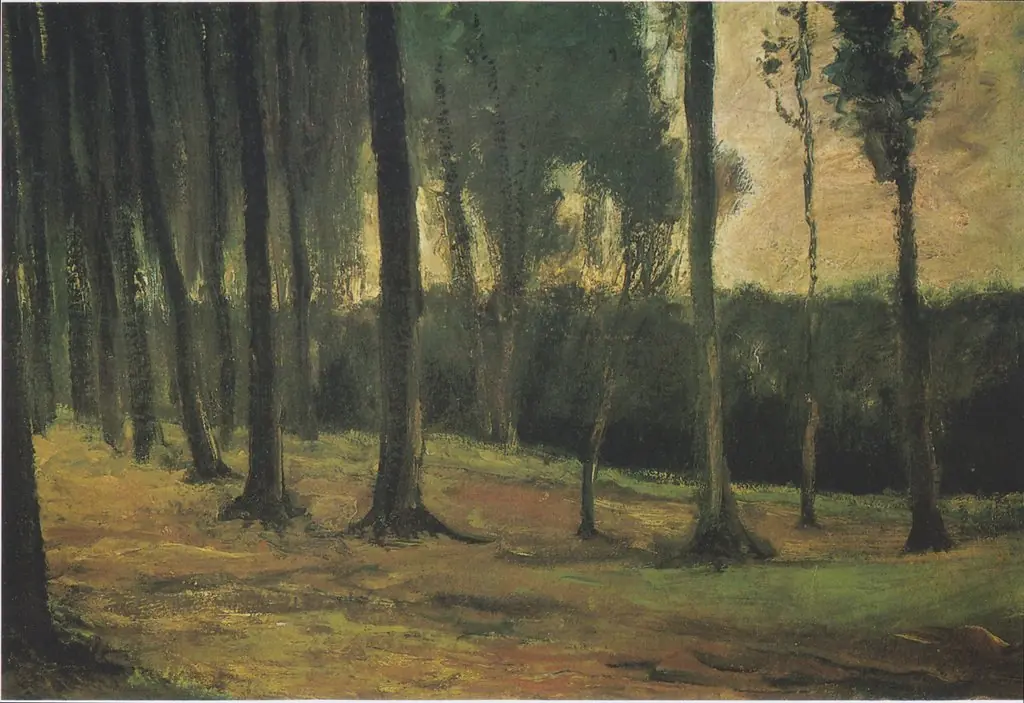
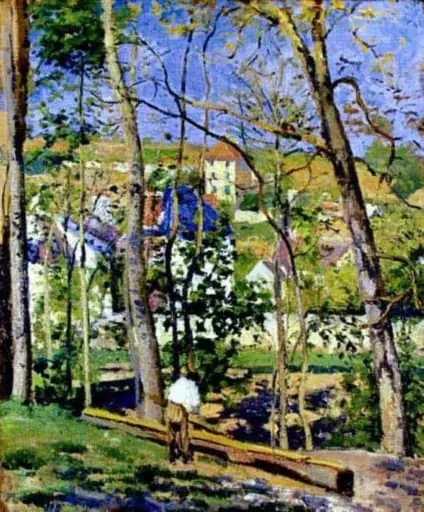
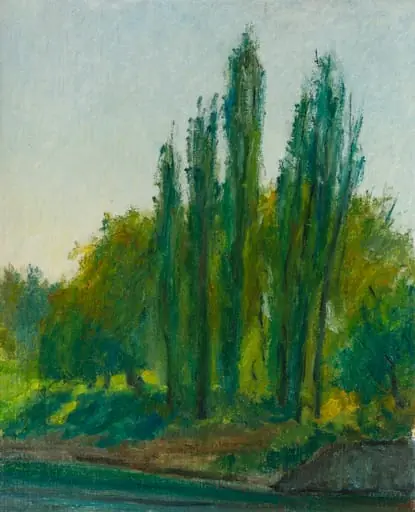
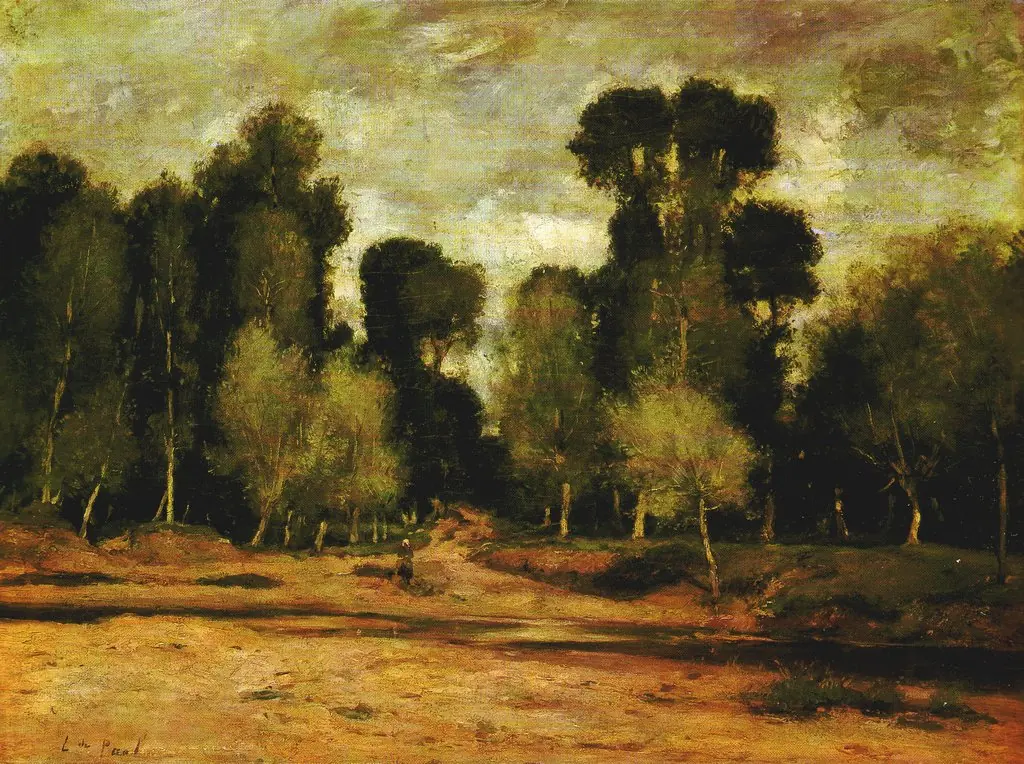
The painting presents a tranquil woodland scene, with slender trees rising in the foreground, their leaves shifting from green to muted yellow and brown. Behind them, a hazy expanse of foliage and possible water suggests depth without defining clear boundaries. The absence of human figures or dramatic events emphasizes solitude and stillness, reflecting Vasilyev’s interest in nature as a space for quiet contemplation rather than narrative.
Technique & Style
Vasilyev employed soft brushwork and delicate tonal transitions to evoke atmosphere over detail. The sky, rendered in pale blue, blends gently into the treetops, while the foliage is suggested rather than meticulously outlined. This restrained technique prioritizes mood and light over precision, aligning with the lyrical landscape tradition he helped shape—where emotion arises from subtle shifts in color and texture.
History & Provenance
Created near the end of Vasilyev’s short life, the painting was acquired by Pavel Tretyakov, who systematically collected works by Russian artists of his time. It entered the Tretyakov Gallery’s permanent holdings shortly after its completion. Vasilyev’s early death in 1873 at age 23 meant few works survived, making this piece a rare example of his mature style and a key document in the evolution of Russian landscape art.
Context
In the early 1870s, Russian artists were moving away from academic historicism toward intimate, nature-centered subjects. Vasilyev’s work emerged alongside the Peredvizhniki movement, though his focus remained on personal, atmospheric responses rather than social commentary. His landscapes offered a quiet alternative to grand narratives, reflecting a growing cultural interest in the emotional resonance of the natural world.
Legacy
Though Vasilyev’s career lasted less than a decade, his emphasis on mood and light influenced later Russian painters who sought to capture nature’s subtleties. *Windoxa koe Krima* exemplifies his ability to convey stillness through restrained composition and nuanced color. It remains a touchstone in discussions of lyrical realism in Russian art, valued for its sincerity and quiet intensity.
Artist & collection
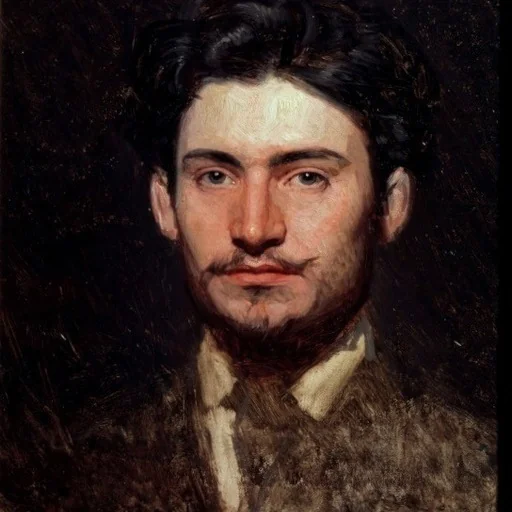
Artist
Fyodor Alexandrovich Vasilyev (Russian: Фёдор Александрович Васильев; 1850 in Gatchina – 1873 in Yalta) was a Russian Imperial landscape painter who introduced the lyrical landscape style in Russian art.