Artwork
The Carthausian Monastery
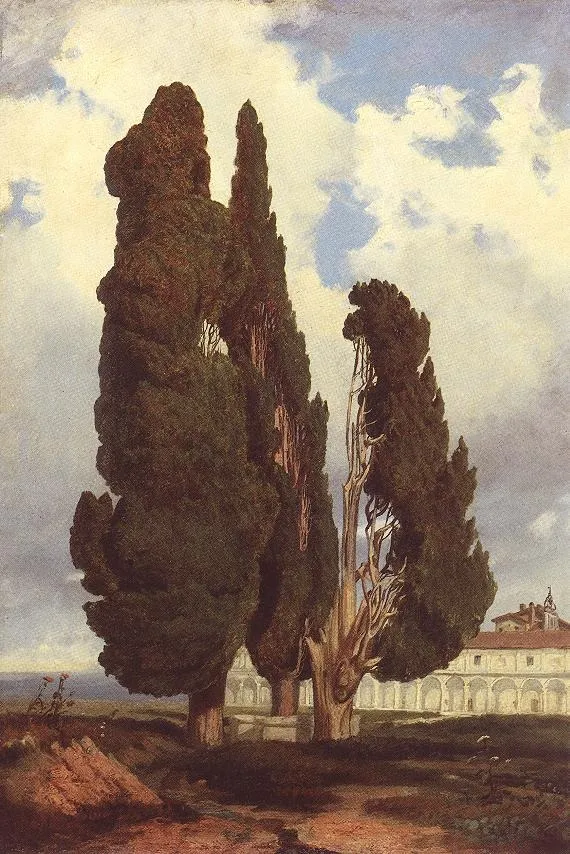
The Carthausian Monastery is an oil painting by the Biedermeier artist Károly Telepy. It dates from 1859 and is held in the collection of the Hungarian National Gallery.
About this work
Overview
The Carthausian Monastery is an 1859 oil painting by Hungarian artist Károly Telepy, created during his time in Budapest. The work is characteristic of the Biedermeier movement, focusing on detailed, serene architectural representation.
Subject & Meaning
The painting depicts a Carthusian monastery set against a cloudy sky, with a prominent, dark green cypress tree in the foreground. The composition juxtaposes the natural element (tree) with the man-made structure (monastery), potentially symbolizing harmony or contrast between nature and religious solitude.
Technique & Style
Telepy employed chiaroscuro to achieve depth and contrast, emphasizing the play of light and shadow. The tree's upward-stretching branches introduce a sense of dynamic movement, set against the static, serene monastery.
History & Provenance
Created in 1859, the painting is now part of the Hungarian National Gallery's collection, reflecting its significance within Hungarian art history.
Context
As a Biedermeier piece, it reflects the movement's emphasis on realism and tranquil scenes, often of domestic or architectural subjects, popular in 19th-century Central Europe.
Legacy
While specific influences of *The Carthausian Monastery* on later art are not widely documented, it contributes to the broader understanding and appreciation of the Biedermeier style and Telepy's contributions to Hungarian art.
Artist & collection

Artist
Károly Telepy (Debrecen 1828 - Budapest 1906) was a Hungarian artist with works in the collection of the Hungarian National Gallery.


 Cypresses
 Windoxa koe Krima
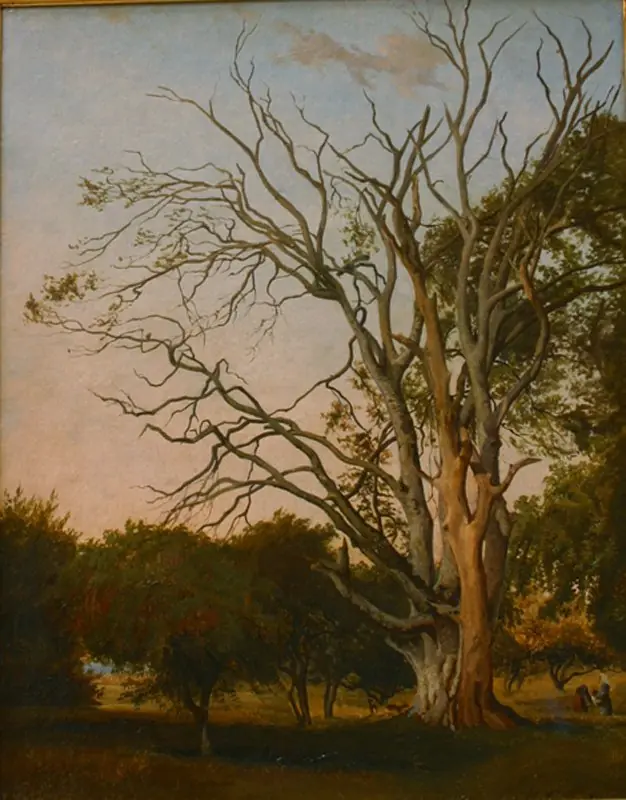 Woodland Scene with a Dead Tree
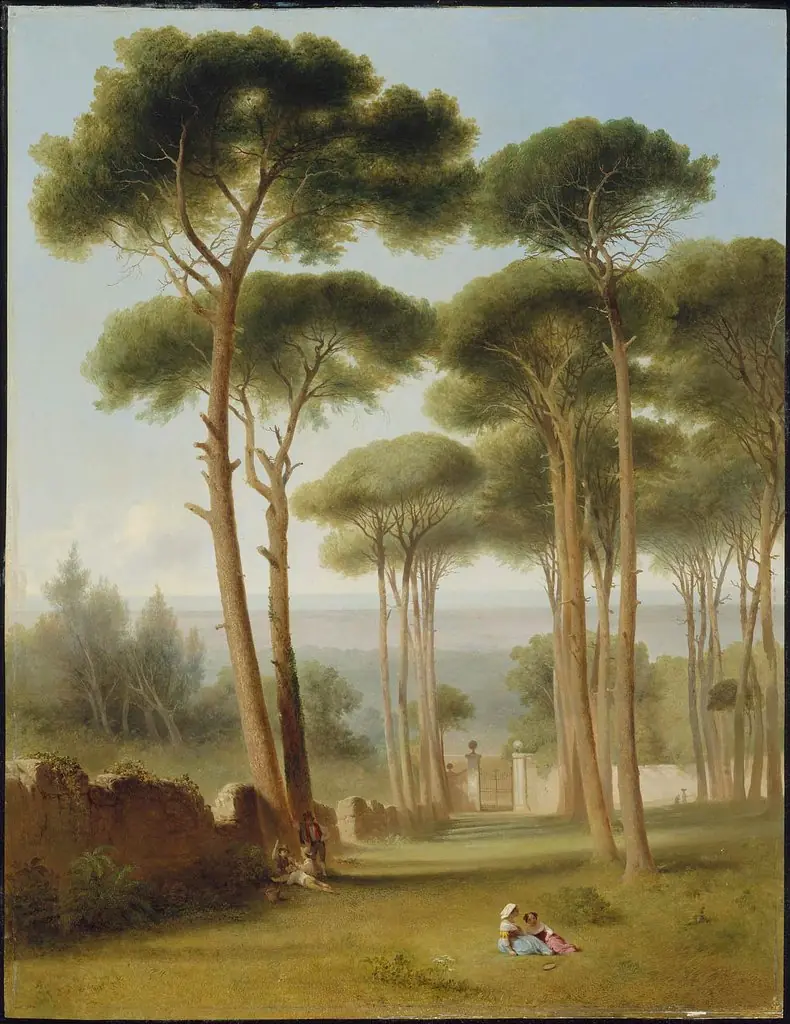 Pines of the Villa Barberini
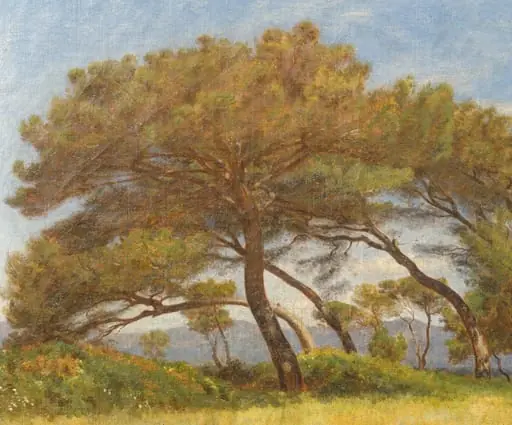 Peisaj la Barbizon
 Woodland Scene with a Dead Tree
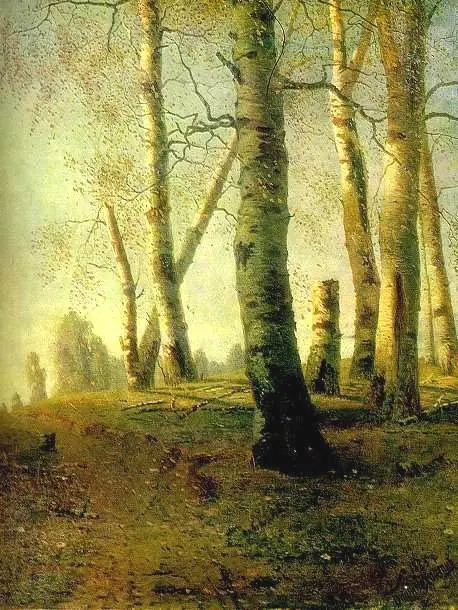 Birch Grove
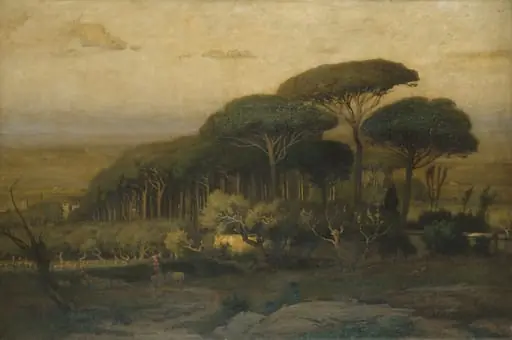 Pine Grove of the Barberini Villa
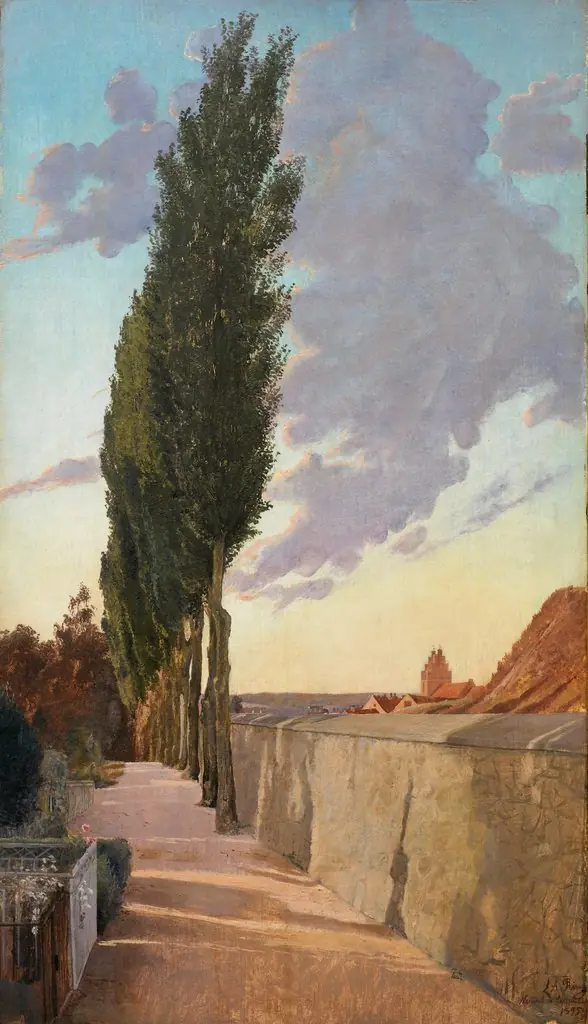 Landscape with Poplars. September Evening
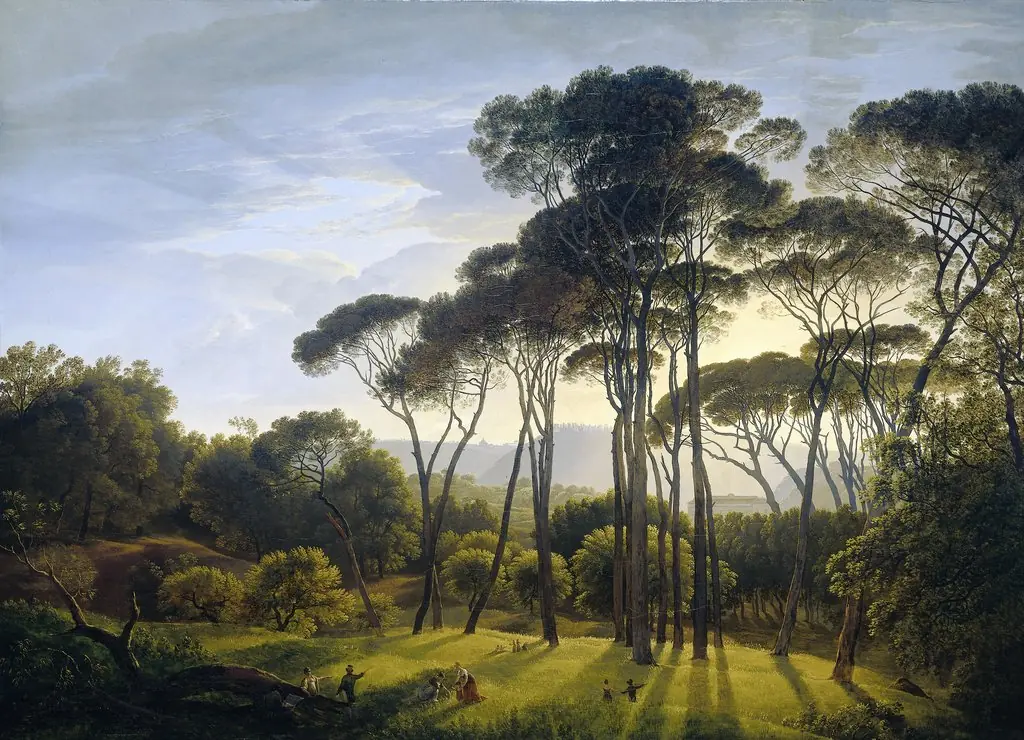 Italian Landscape with Umbrella Pines
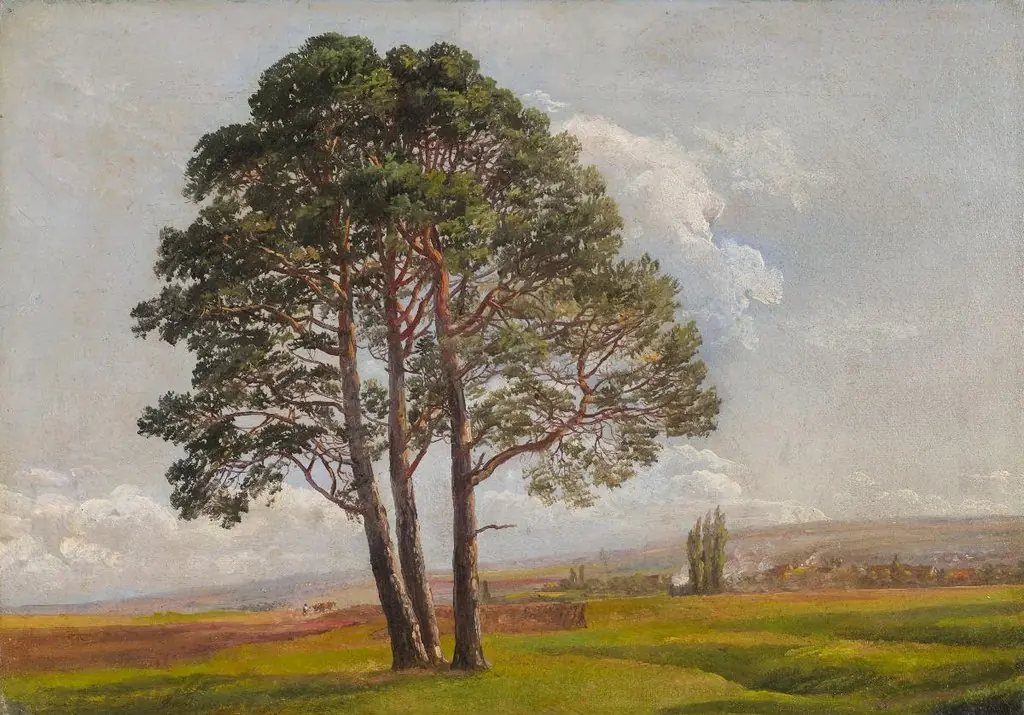 Landschaft ausserhalb Dresdens
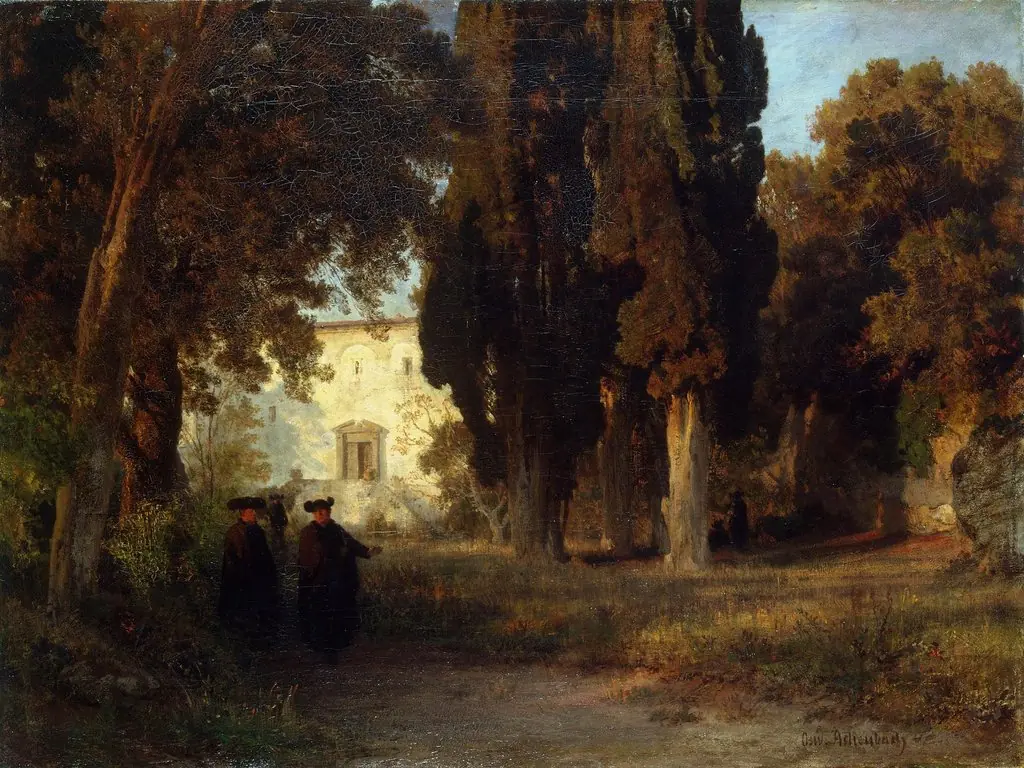 Garden in a Monastery