Artwork
Carnival
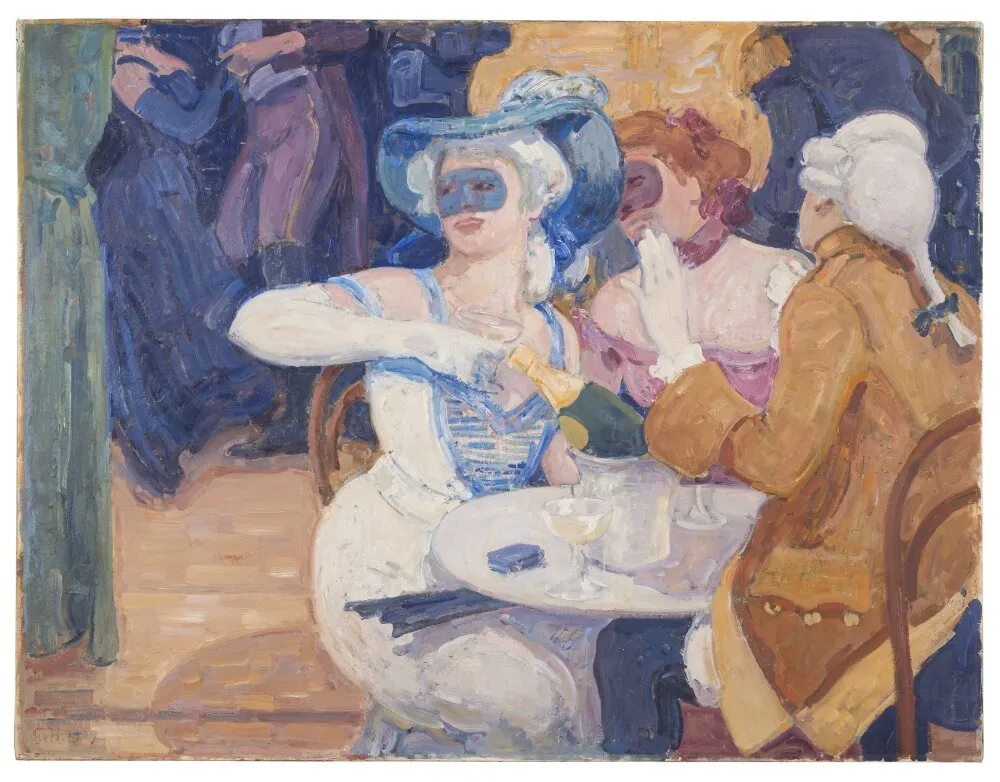
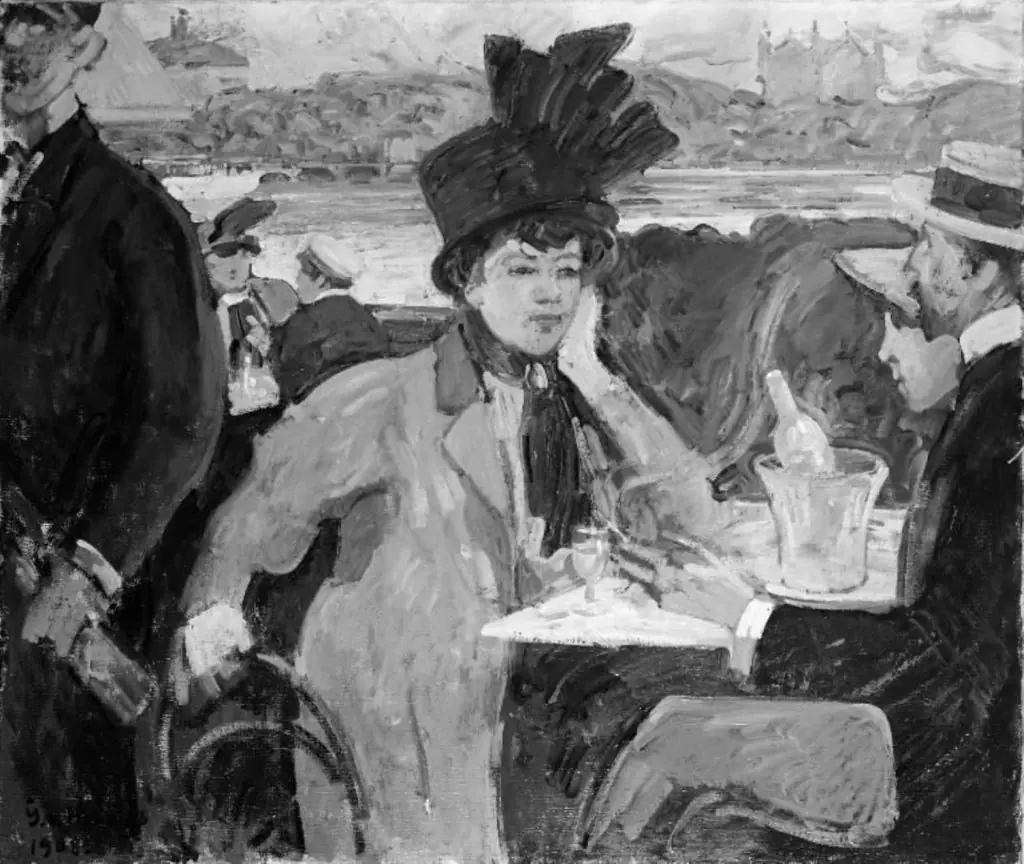
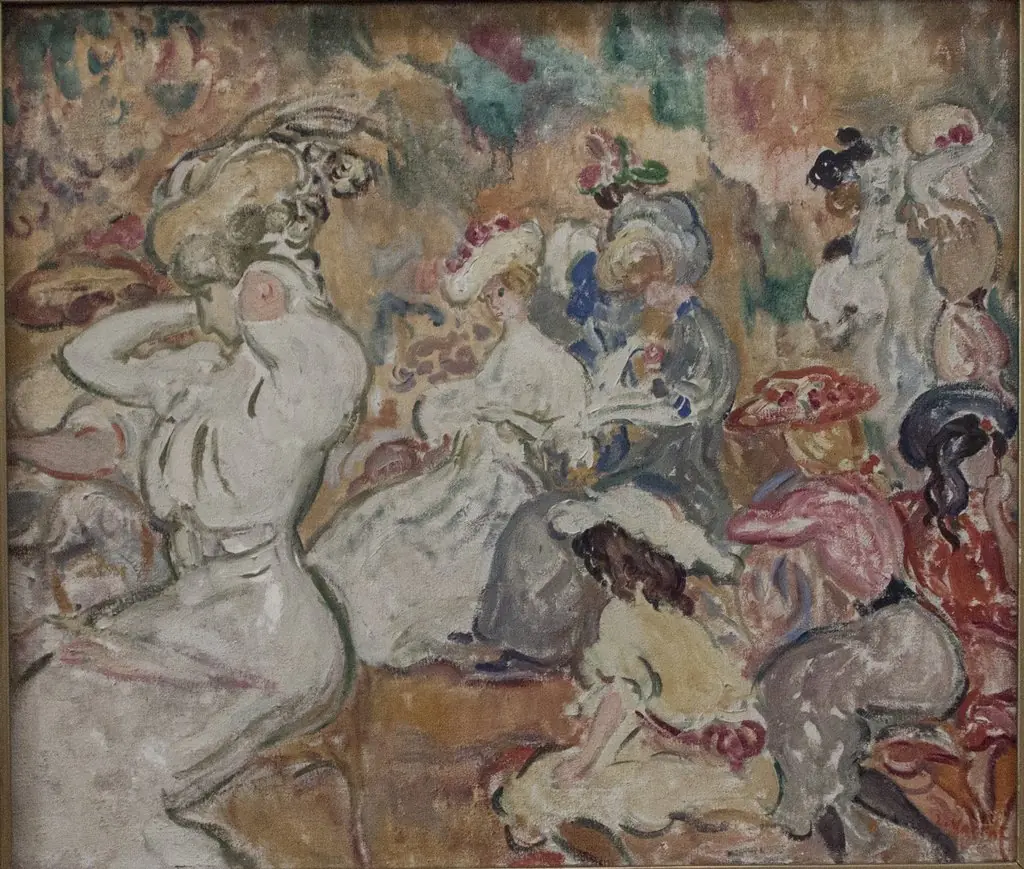
Carnival is an oil painting by the Post-Impressionist artist Gösta von Hennigs. It dates from 1909 and is held in the collection of the Nationalmuseum.
About this work
Overview
Gösta von Hennigs, a Swedish artist born in 1866, completed the oil painting *Carnival* in 1909. Classified within the post‑impressionist current, the work is part of the Nationalmuseum’s permanent collection. It later appeared in the painting competition of the 1932 Summer Olympics, linking the piece to the brief period when art was featured in the Games.
Subject & Meaning
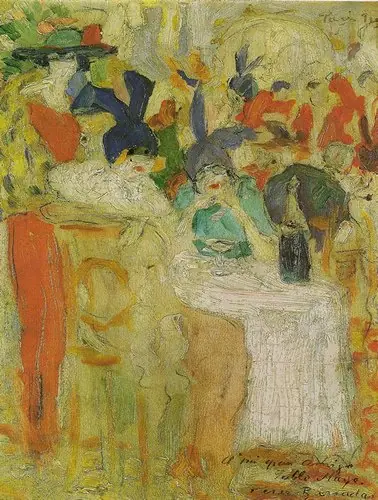
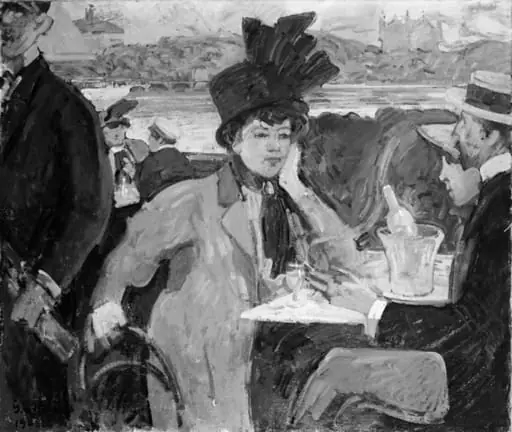
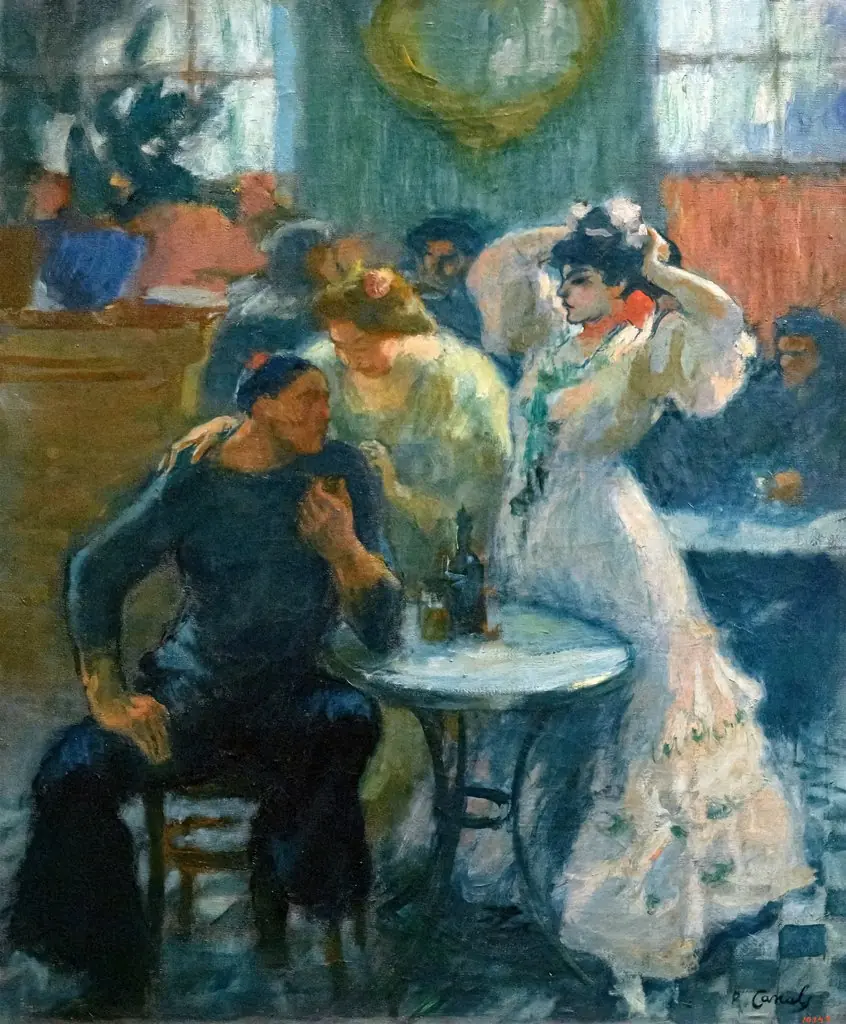
The canvas portrays a bustling festive gathering centered on a table. A woman in a blue hat and white dress holds a glass, suggesting a toast amid celebration. Surrounding figures, both seated and standing, engage in lively interaction, conveying the communal joy typical of a carnival atmosphere.
Technique & Style
Executed in oil, the painting employs the vivid palette and loose brushwork characteristic of post‑impressionism. Bright, saturated colors enhance the sense of movement, while the handling of light creates a shimmering effect that underscores the celebratory mood.
History & Provenance
After its creation, *Carnival* entered the collection of Sweden’s Nationalmuseum, where it remains on display. Its inclusion in the 1932 Olympic art event reflects the era’s practice of integrating visual arts into international sporting exhibitions.
Context
The work emerges at a time when Swedish painters were exploring modernist tendencies beyond academic realism. Von Hennigs’s choice of a carnival scene aligns with contemporary interests in depicting public leisure and the social vibrancy of early‑twentieth‑century Europe.
Artist & collection
Artist
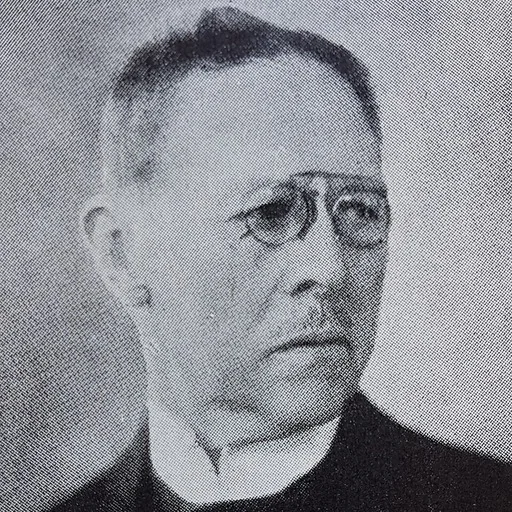
Gösta von Hennigs (15 April 1866 – 26 December 1941) was a Swedish painter. His work was part of the painting event in the art competition at the 1932 Summer Olympics.