Artwork
Pictorul și modelul
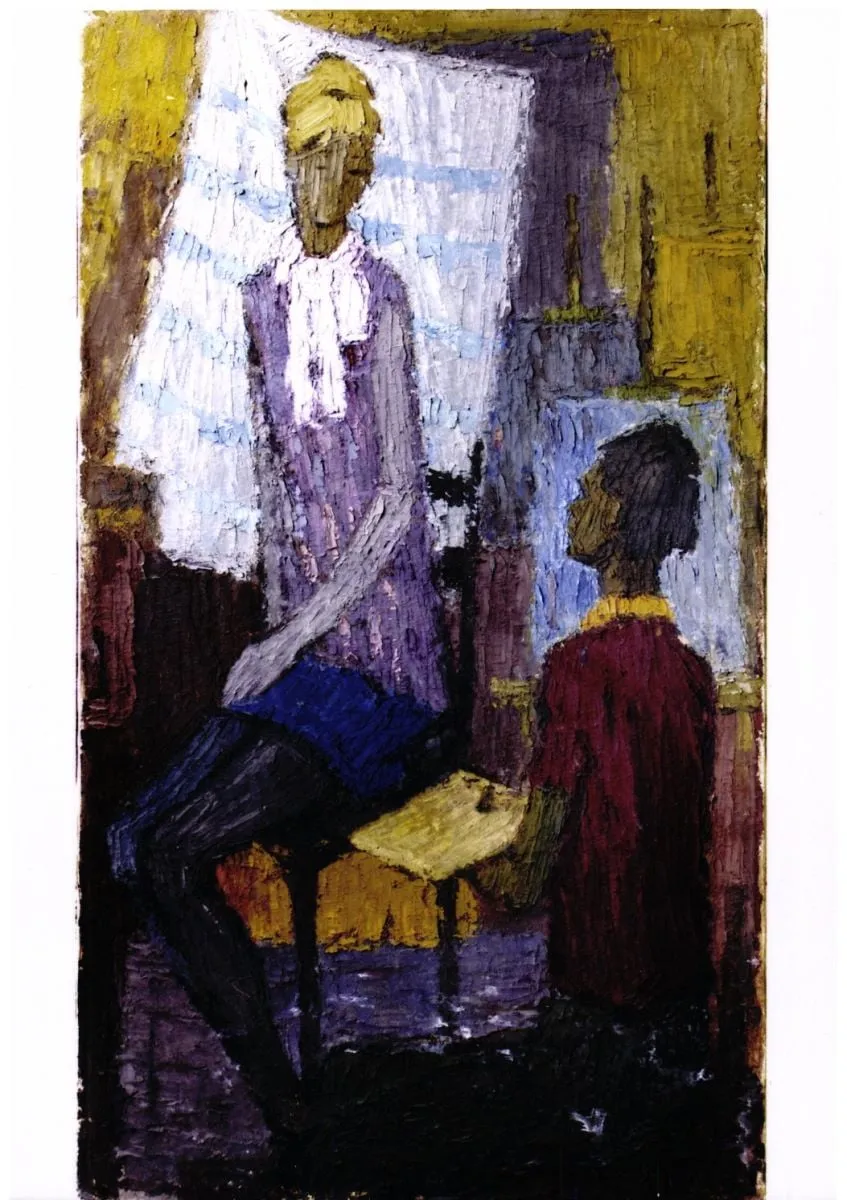
Pictorul și modelul is a print by Piskolti Gabor. It dates from 1937 and is held in the collection of the Mureș County Museum - Art Museum.
About this work
Overview
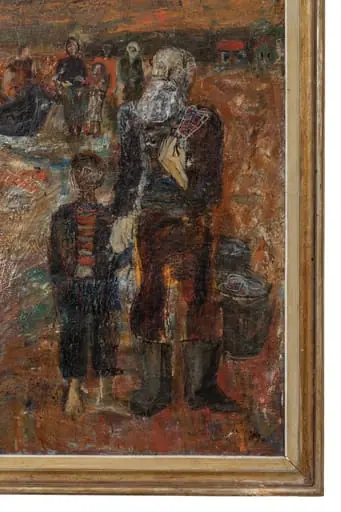
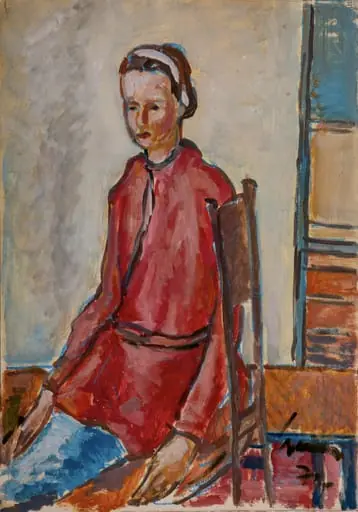
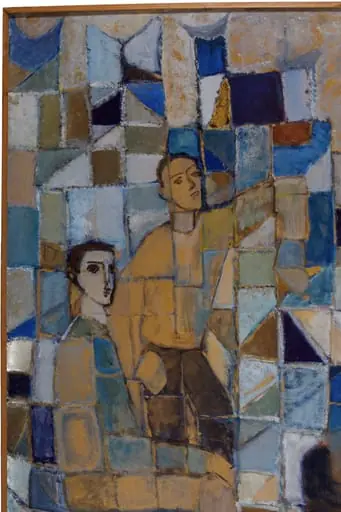
The work presents a studio scene featuring an artist at work and a standing model, rendered with deliberate color contrasts and spatial arrangement.
Pictorul și modelul, dated around 1937, is a painting by Hungarian artist Piskolti Gábor. It resides in the collection of the Museum of Ethnography. The work presents a studio scene featuring an artist at work and a standing model, rendered with deliberate color contrasts and spatial arrangement. The composition focuses on the quiet interaction between creator and subject, avoiding theatricality in favor of intimate observation.
Subject & Meaning
The painting captures a moment of artistic practice: a male painter, equipped with brush and palette, faces a model in a red shirt with a yellow collar. Their positions suggest a routine studio session, emphasizing the quiet dignity of the creative process. The model’s stillness and the artist’s focused posture convey mutual respect, reflecting a broader cultural interest in the artist’s role within everyday life rather than grand narrative.
Technique & Style
Gábor employs a restrained palette of warm yellows, earthy browns, and cool blues to define space and form. The background’s muted tones recede, allowing the figures to emerge with clarity. Subtle modeling and layered brushwork suggest a sensitivity to light and volume. While impasto is noted in his broader oeuvre, this piece favors smoother application, prioritizing harmony over texture.
History & Provenance
The painting was created in the late 1930s, during a period of active artistic development in Hungary. It entered the Museum of Ethnography’s collection through documented acquisition, likely as part of an effort to preserve domestic visual culture. Its preservation reflects institutional interest in documenting the everyday practices of Hungarian artists during the interwar years.
Context
In 1930s Hungary, artists increasingly turned to domestic and studio scenes as subjects, moving away from overt nationalism or historical themes. Gábor’s work aligns with this trend, capturing the quiet rituals of artistic labor. The painting’s modest scale and intimate focus mirror broader European tendencies toward realism and psychological nuance in interwar painting.
Legacy
Though not widely exhibited beyond regional collections, Pictorul și modelul remains a representative example of Hungarian interwar studio painting. It contributes to scholarly understanding of how artists portrayed their own profession with restraint and authenticity. The work continues to inform studies on the social dimensions of artistic practice in Central Europe during the early 20th century.
Artist & collection
Artist
Piskolti Gabor made a print called *Pictorul și modelul*—the title means "The Painter and the Model." It’s the only work we have from them, so we can’t say more about their life or influences.