Artwork
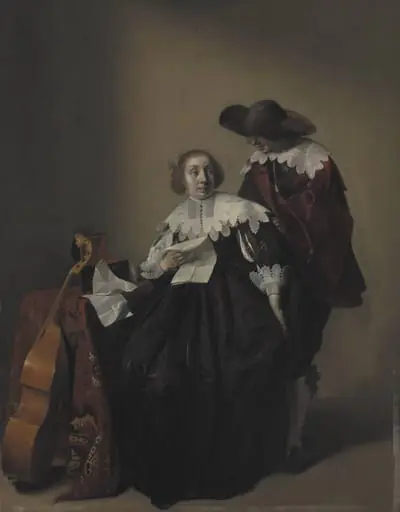
A young Woman Writing Music
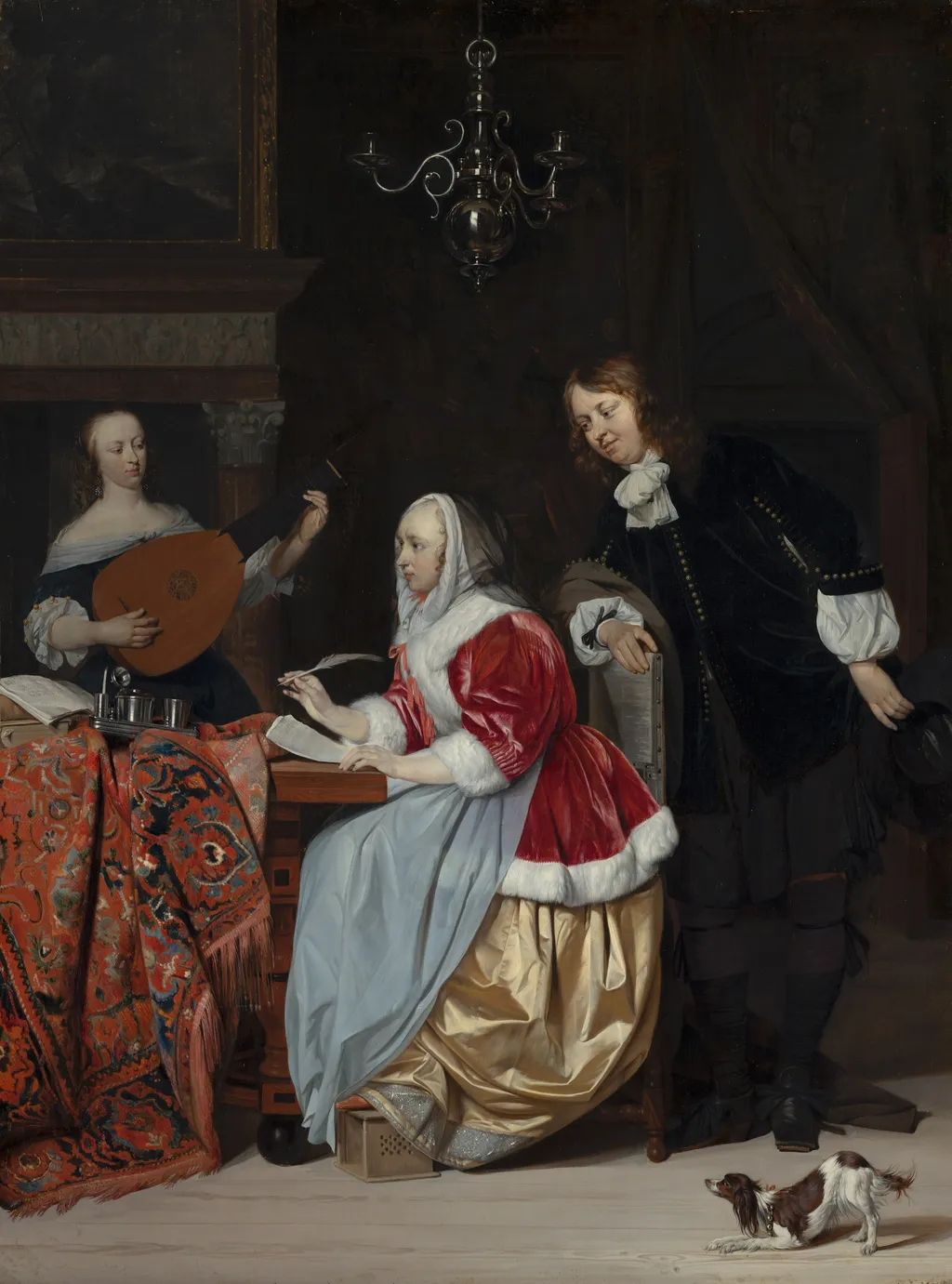
A young Woman Writing Music is an oil painting by the Dutch Golden Age artist Gabriel Metsu. It dates from 1663 and is held in the collection of the Mauritshuis. Painted in 1663 by Gabriël Metsu, this oil-on-canvas work captures a quiet domestic moment in mid-17th-century Holland.
About this work
Overview
Painted in 1663 by Gabriël Metsu, this oil-on-canvas work captures a quiet domestic moment in mid-17th-century Holland. It belongs to the broader tradition of Dutch genre painting, which elevated everyday life into subjects worthy of artistic attention. The scene unfolds in a dimly lit interior, with careful attention paid to light, texture, and the subtle interactions between figures.
Subject & Meaning
The composition implies a shared cultural space where music is both personal and communal, reflecting values of refinement in middle-class Dutch households.
A young woman is shown intently composing music at a table, her posture suggesting focus and quiet creativity. Behind her, a man observes her work with quiet interest, while another woman plays a lute to the left. The presence of a small dog at her feet adds a note of domestic intimacy. The composition implies a shared cultural space where music is both personal and communal, reflecting values of refinement in middle-class Dutch households.
Technique & Style
Metsu employs a refined, detailed brushwork typical of his mature period, with soft transitions between light and shadow to model forms. The red and white dress of the central figure contrasts subtly with the muted tones of the room, drawing the eye without overt drama. The chandelier and fabric folds are rendered with precision, while the dark background isolates the figures, enhancing their psychological presence.
History & Provenance
The painting entered the collection of the Mauritshuis in The Hague in the 19th century, where it remains today. Its attribution to Metsu has been consistently supported by stylistic analysis and documentary evidence. Though not widely exhibited in its early history, it gained recognition as a representative example of Dutch genre painting during the 20th century.
Context
During the Dutch Golden Age, music-making in the home became a symbol of education, virtue, and social grace, especially among urban elites. Paintings of women engaged in musical activity were common, often conveying ideals of modesty and intellectual refinement. Metsu’s work aligns with this trend, avoiding theatricality in favor of restrained, believable interaction.
Legacy
The painting contributes to the understanding of how Dutch artists portrayed private, non-narrative moments with psychological nuance. While not among Metsu’s most famous works, it exemplifies his ability to balance realism with emotional subtlety. It continues to be studied for its depiction of gender, leisure, and the cultural role of music in early modern Dutch society.
Own this work as a print
Artist & collection

Artist
Gabriël Metsu (1629–1667) was a Dutch painter of history paintings, still lifes, portraits, and genre works.

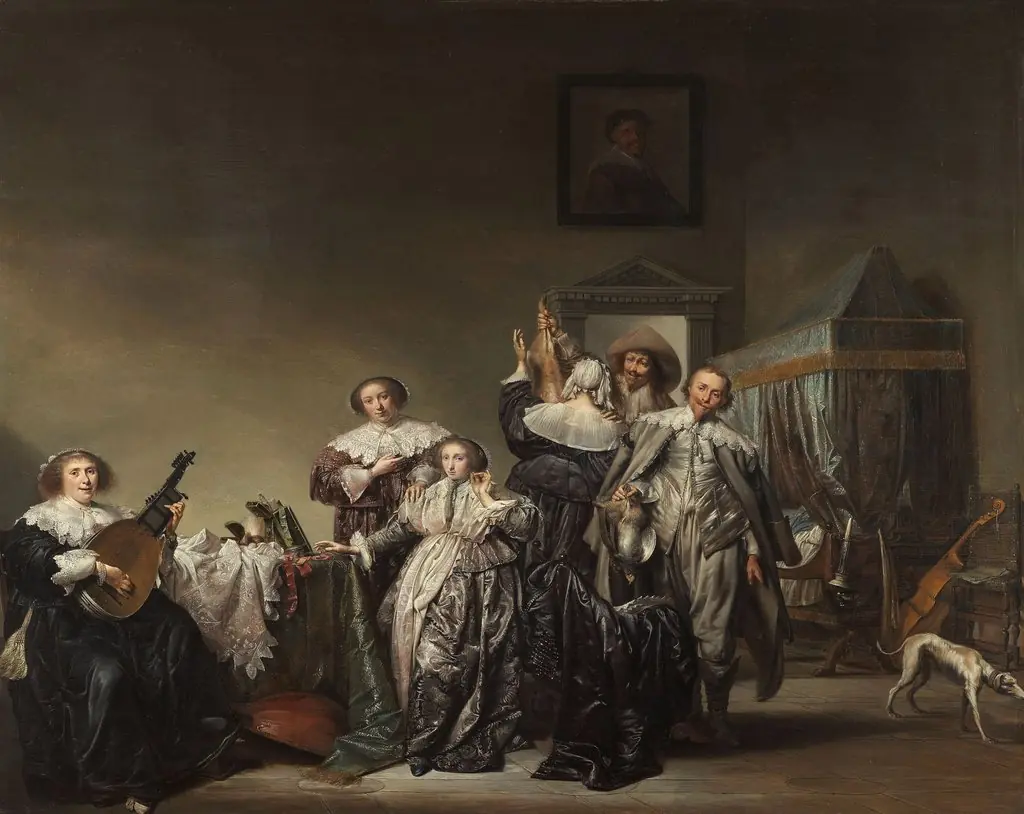 Gallant Company
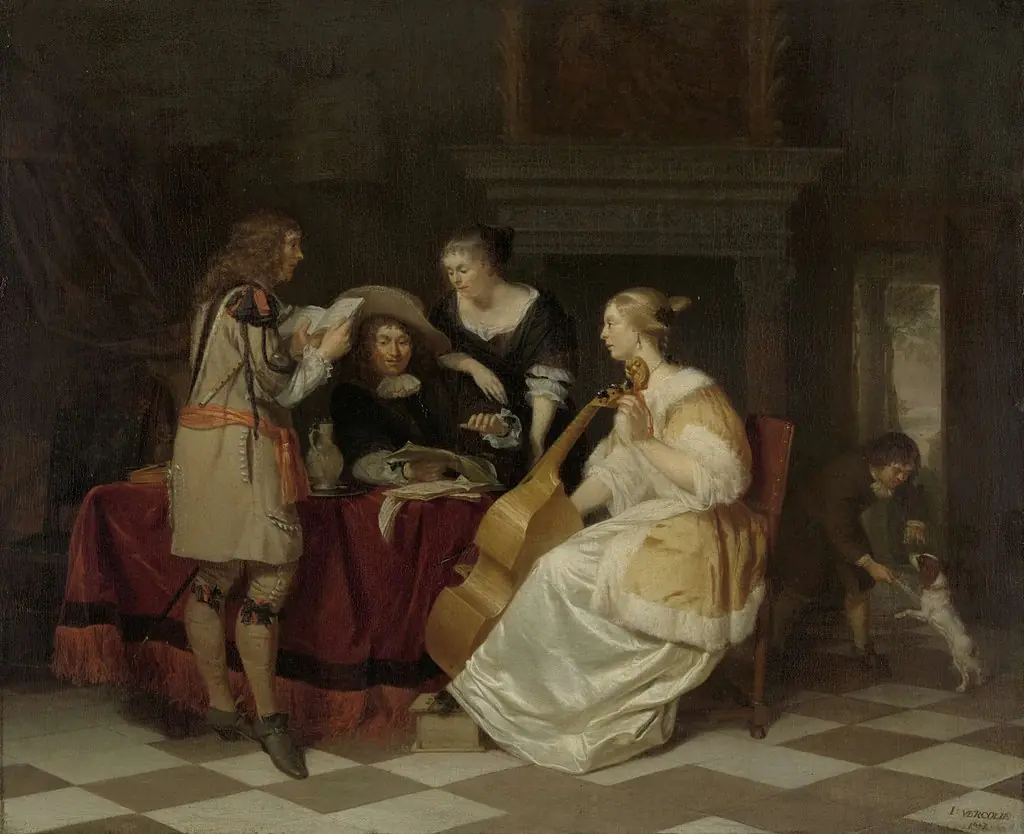 A Musical Company
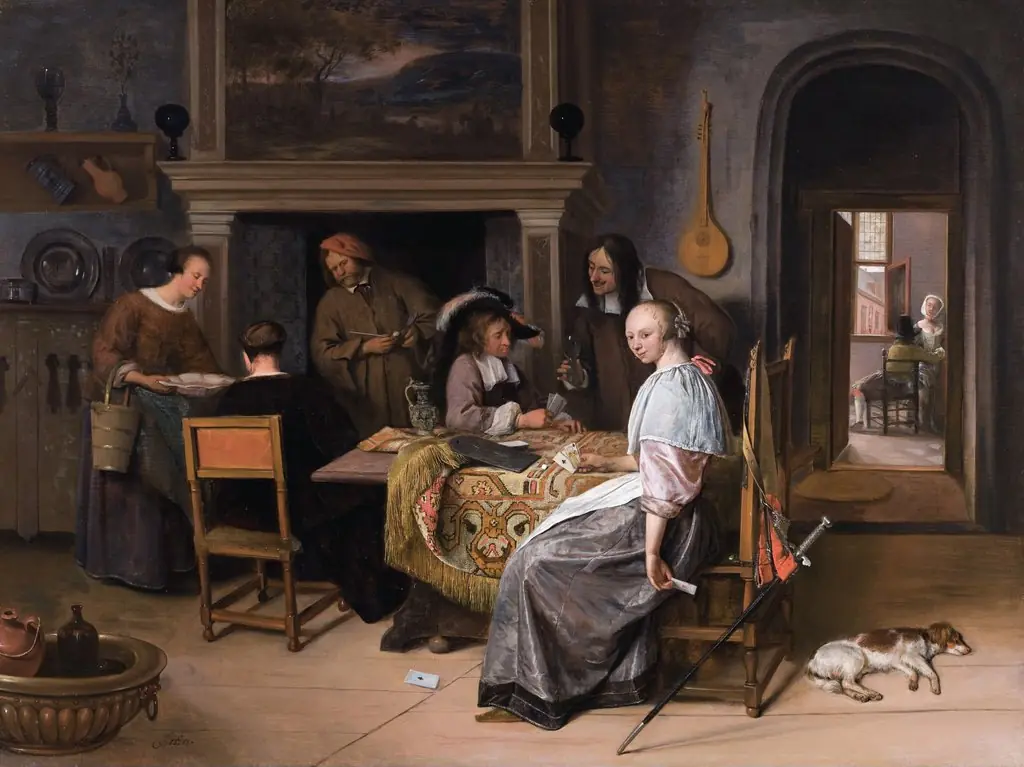 The Card Players in an Interior
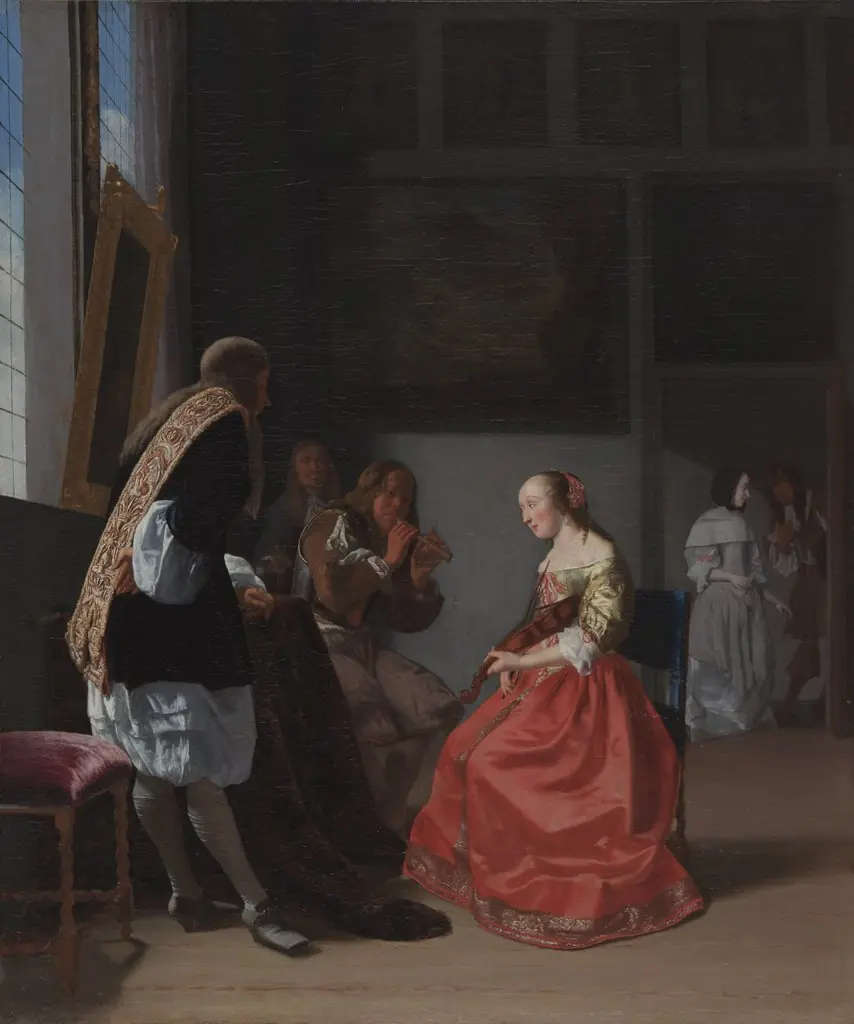 A Musical Company
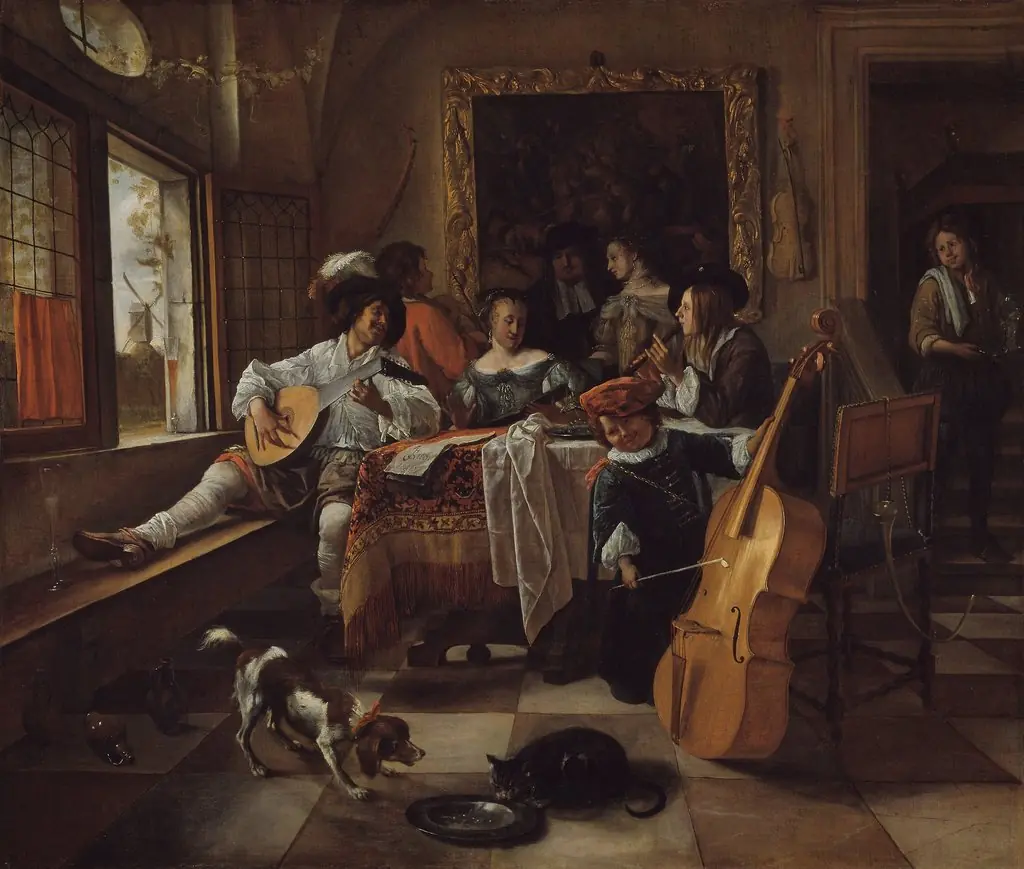 The Family Concert
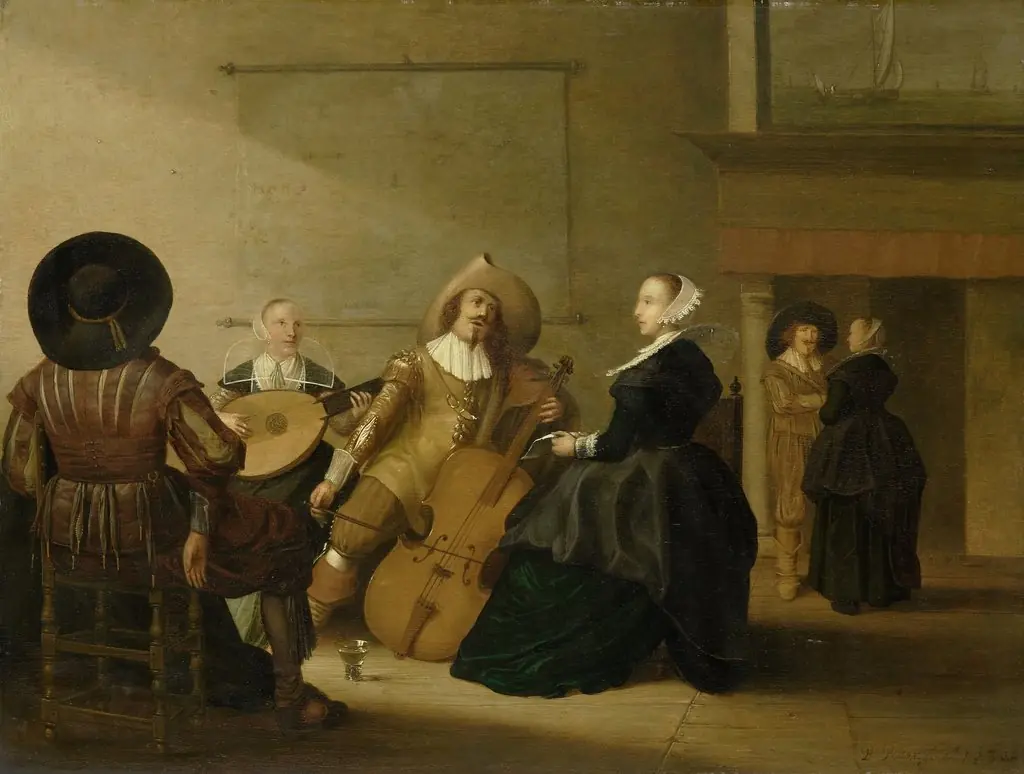 A musical company in an interior
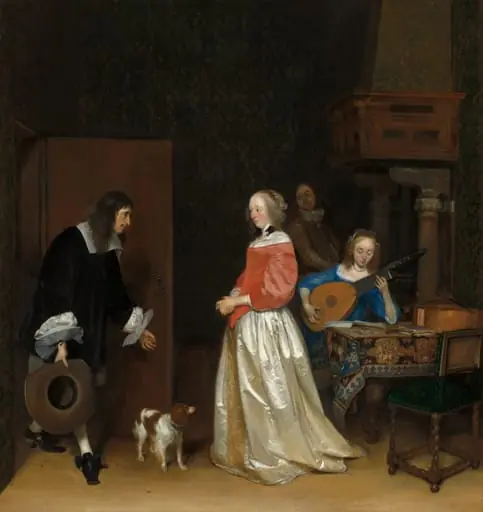 The Suitor's Visit
 A Musical Company
 The Family Concert
 Concert
 Elegant company playing music and singing in an interior
 A Seated Woman with a Letter, a Gentleman Standing by Her