Artwork
The Note
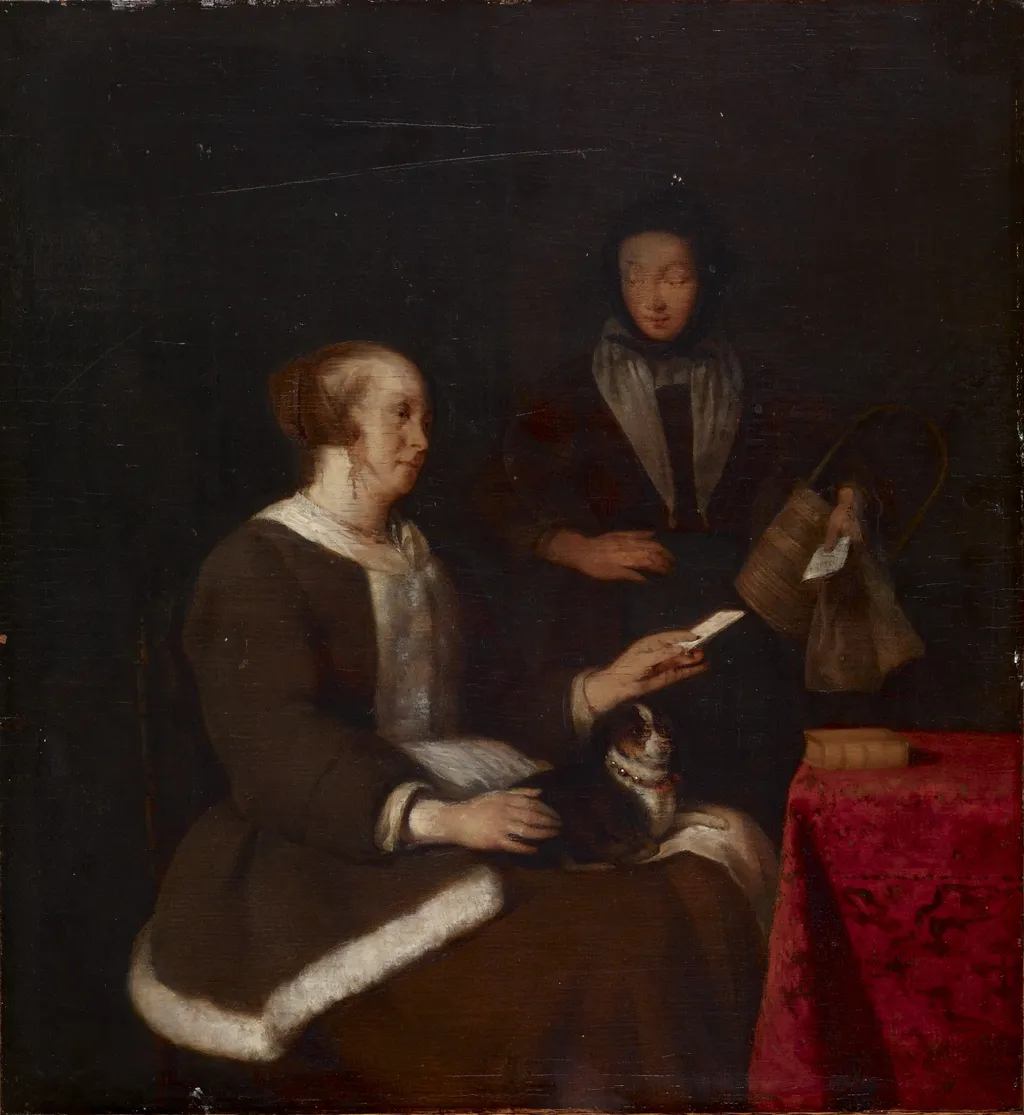
The Note is an oil painting by the Dutch Golden Age artist Gabriel Metsu. It dates from 1650 and is held in the collection of the Walters Art Museum.
About this work
Overview
Painted around 1650 by Gabriël Metsu, *The Note* is a genre scene from the Dutch Golden Age, capturing a quiet domestic moment with subtle emotional nuance.
Painted around 1650 by Gabriël Metsu, *The Note* is a genre scene from the Dutch Golden Age, capturing a quiet domestic moment with subtle emotional nuance. Metsu, known for his adaptability across painting styles, rarely dated his works, making precise chronology difficult. The painting resides in the Walters Art Museum, where it exemplifies the period’s interest in intimate, everyday life rendered with technical precision and restrained elegance.
Subject & Meaning
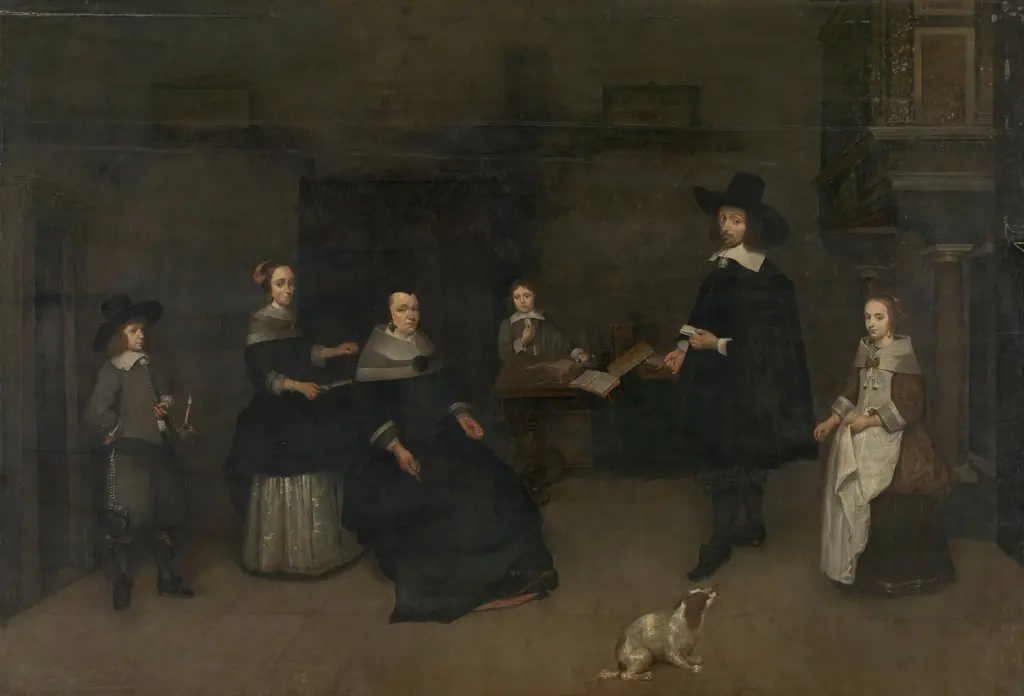
Two women, one seated and one standing, share a private space illuminated by soft light. The seated figure holds a note, suggesting communication or personal correspondence, while the standing woman carries a basket, hinting at domestic labor. A small dog rests between them, reinforcing the sense of quiet companionship. The scene avoids narrative drama, instead emphasizing stillness and unspoken connection, typical of Dutch genre painting’s focus on private virtue and routine.
Technique & Style
Metsu employs chiaroscuro to model forms with gentle contrast, drawing attention to the figures’ faces and hands without harsh shadows. The warm, localized light enhances the tactile quality of fabrics—dark wool, white linen, and the red tablecloth—while the deep background isolates the subjects, heightening their intimacy. Brushwork is refined but unobtrusive, favoring clarity over flourish, aligning with the period’s preference for naturalism and restrained detail.
History & Provenance
The painting entered the Walters Art Museum’s collection in the early 20th century, following its acquisition by Henry Walters. Its earlier provenance remains undocumented, as was common with many Dutch genre works of the era, which were often privately owned and rarely recorded in public archives. Metsu’s reputation during his lifetime ensured circulation among collectors, though few of his works bear dates or signatures.
Context
In mid-17th-century Amsterdam and Leiden, genre scenes like this one appealed to a growing middle class seeking art that reflected their domestic values. Unlike grand historical or religious subjects, these paintings celebrated modesty, order, and quietude. Metsu’s work aligned with artists like Vermeer and de Hooch, who used light and composition to elevate ordinary moments into contemplative experiences.
Legacy
*The Note* exemplifies the enduring appeal of Dutch genre painting’s understated realism. Though Metsu is less widely known than some contemporaries, his ability to convey emotional resonance through subtle gesture and light has secured his place in the canon. The painting continues to be studied for its composition and its reflection of 17th-century social norms, particularly the roles and spaces assigned to women in domestic life.
Own this work as a print
Artist & collection

Artist
Gabriël Metsu (1629–1667) was a Dutch painter of history paintings, still lifes, portraits, and genre works.

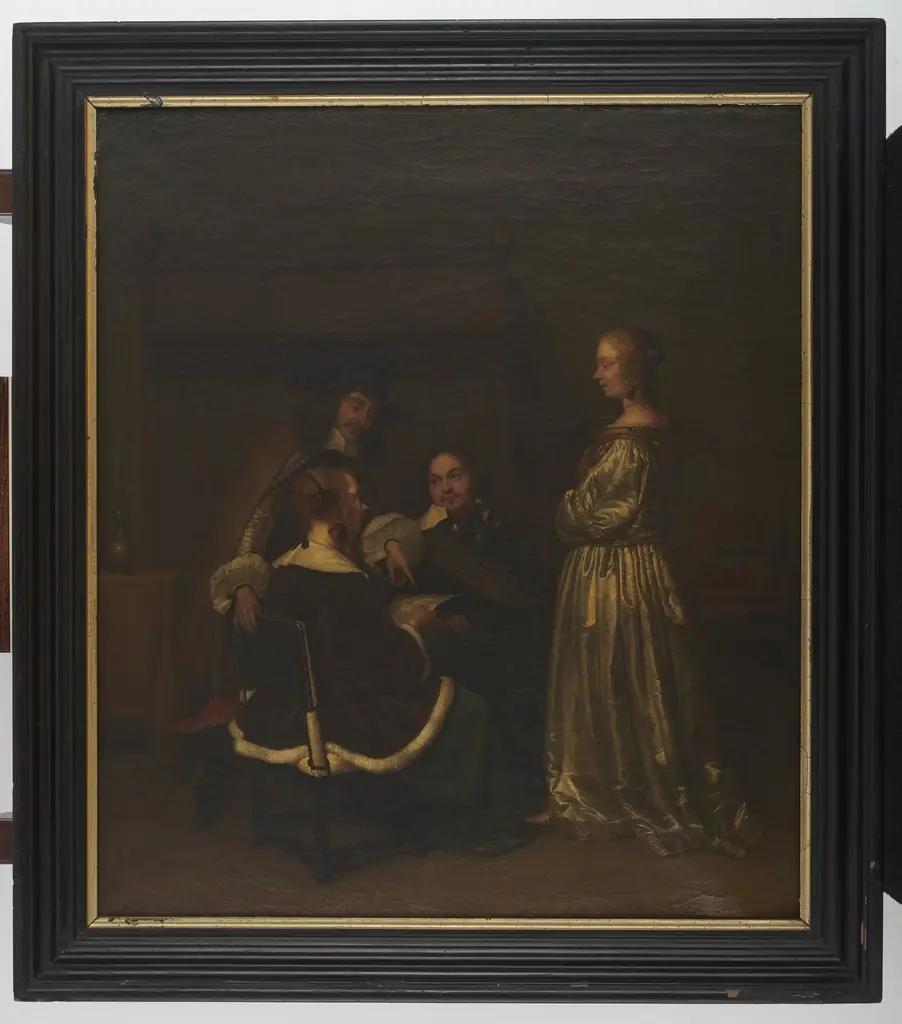 Reading a letter
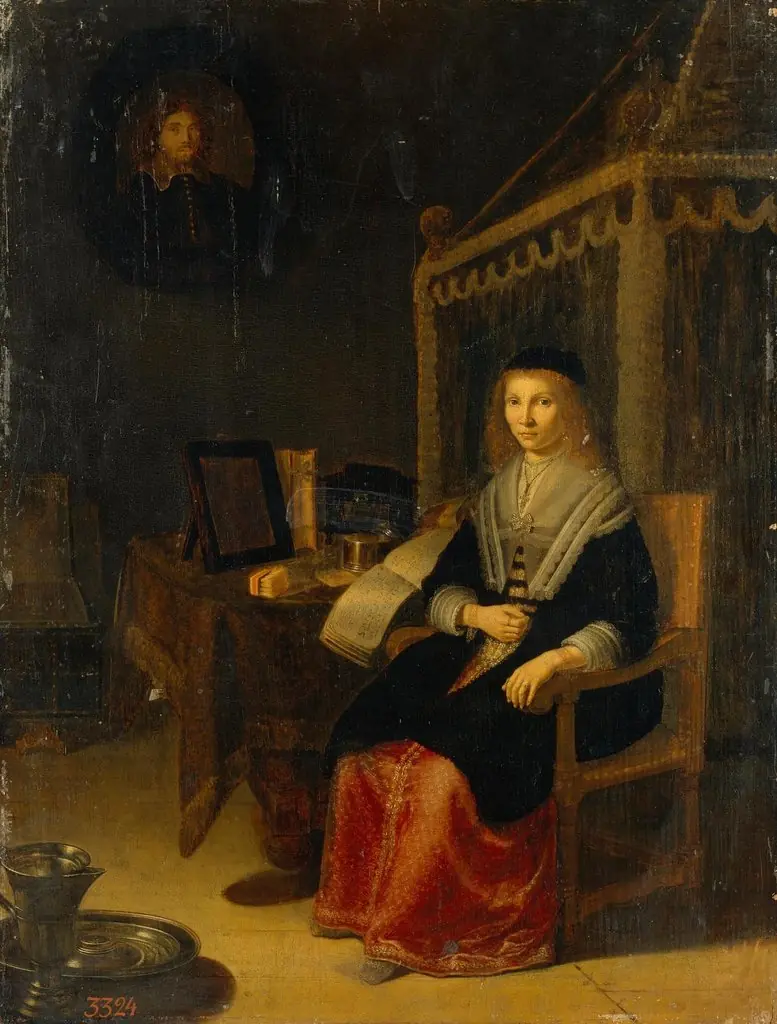 Portrait of a Lady at the Table with Music
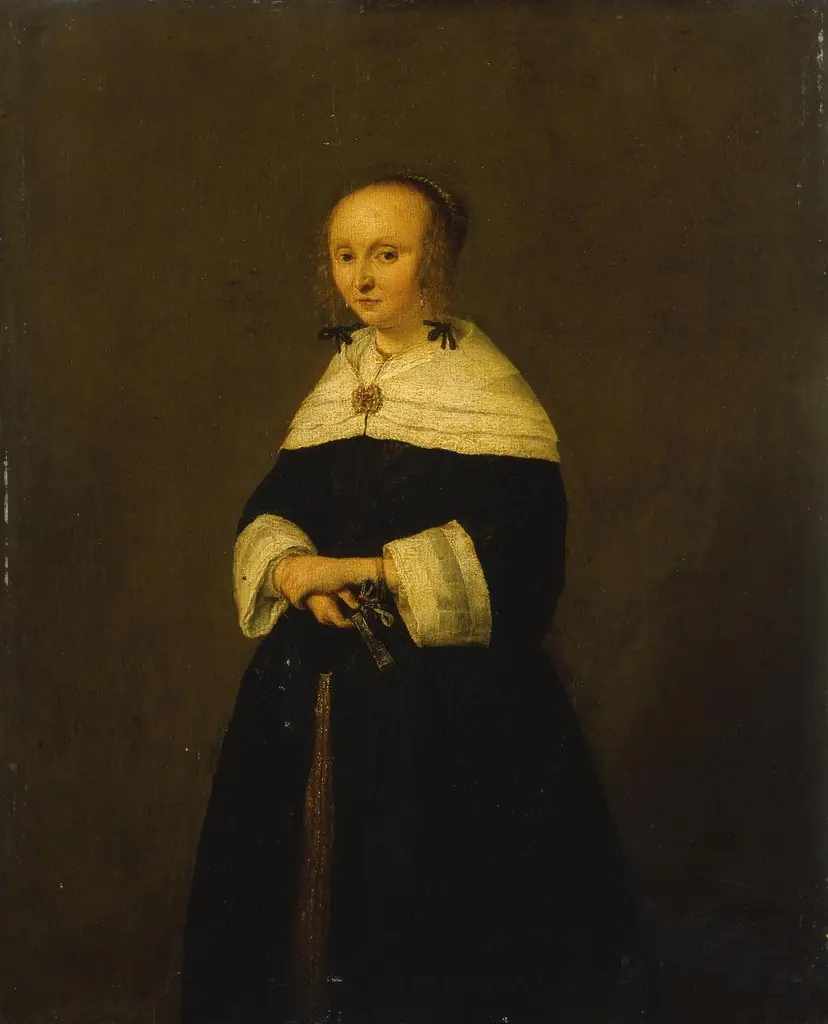 Portrait of a Woman
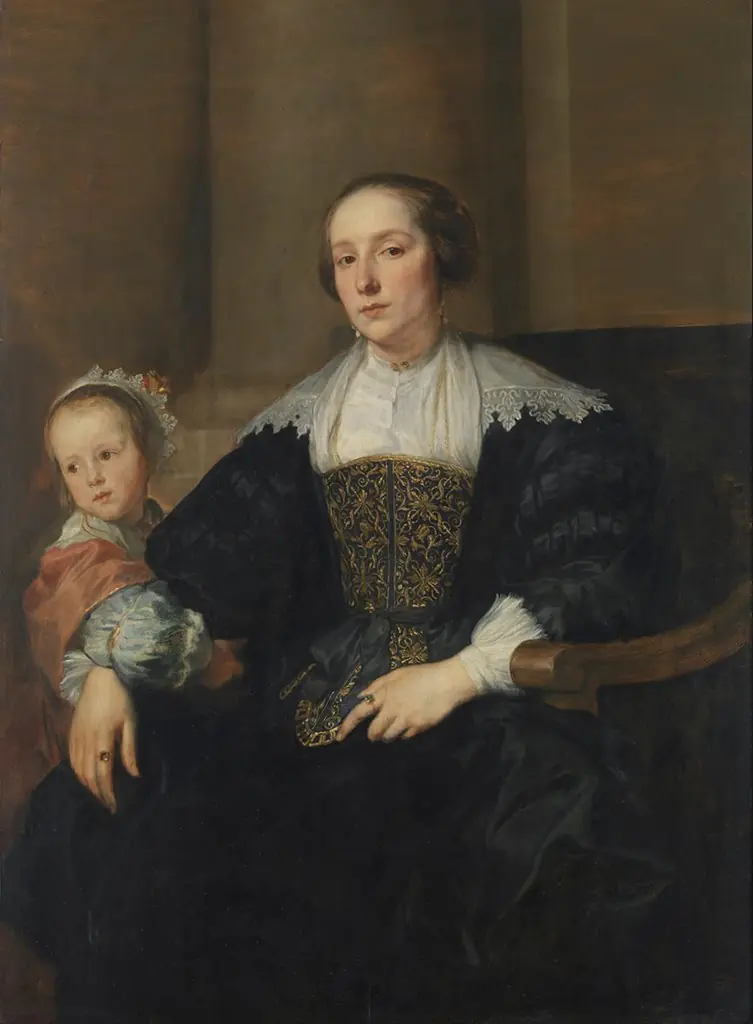 Portrait of Anna van Thielen, wife of the painter Theodoor Rombouts with their daughter
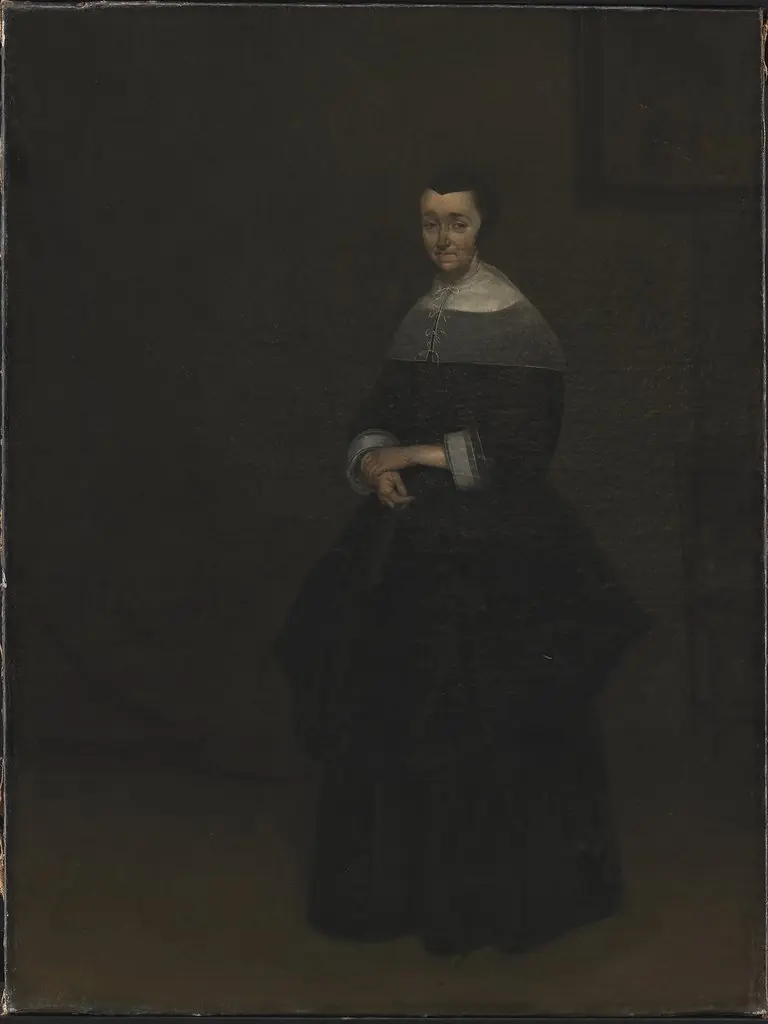 Portrait of a Lady
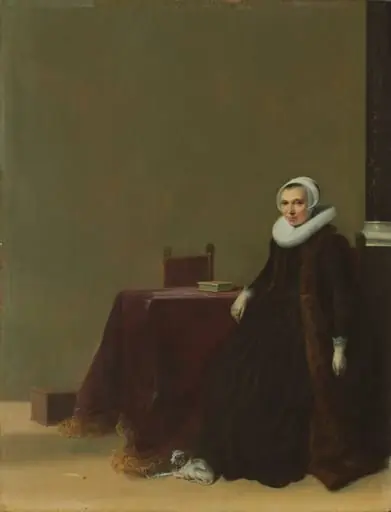 Portrait of a Woman with a Dog
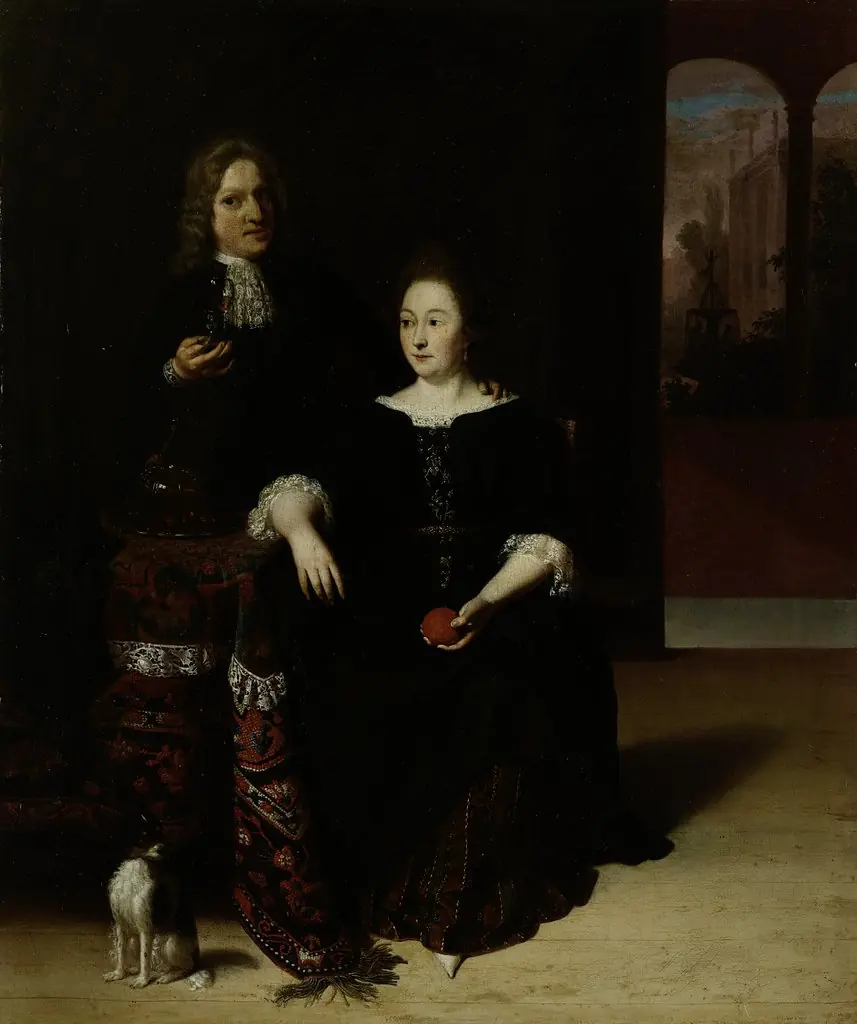 Portrait of a woman and a man in an interior
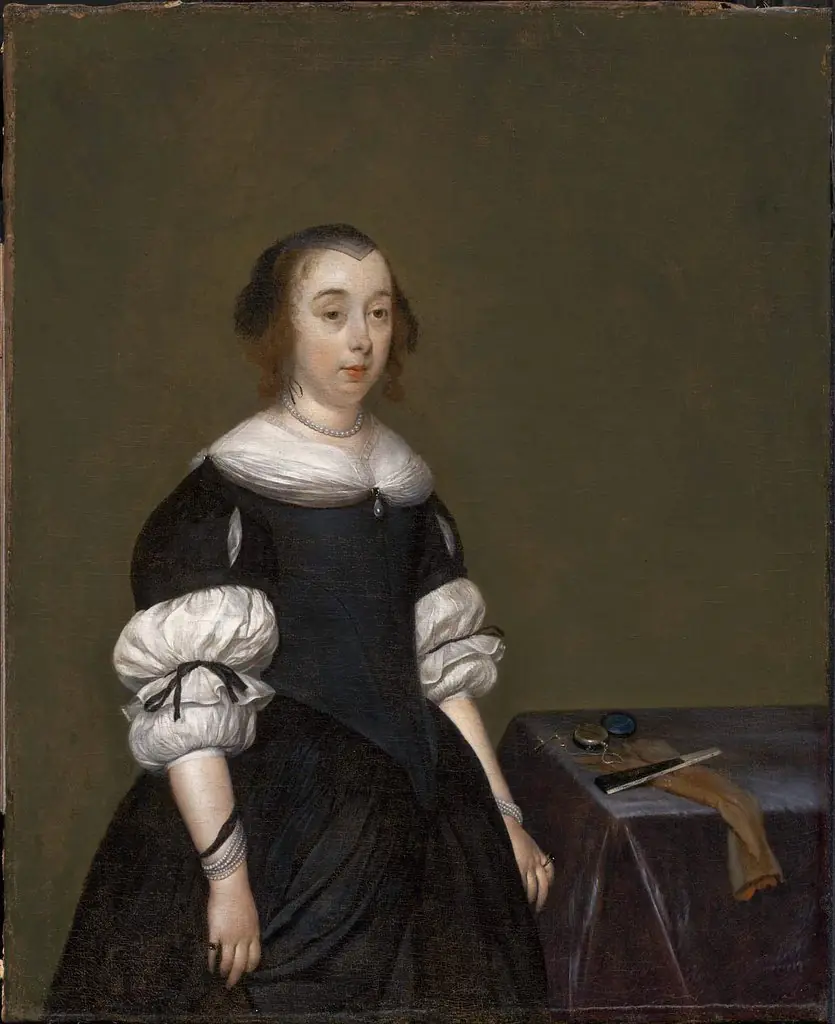 Portrait of a Woman
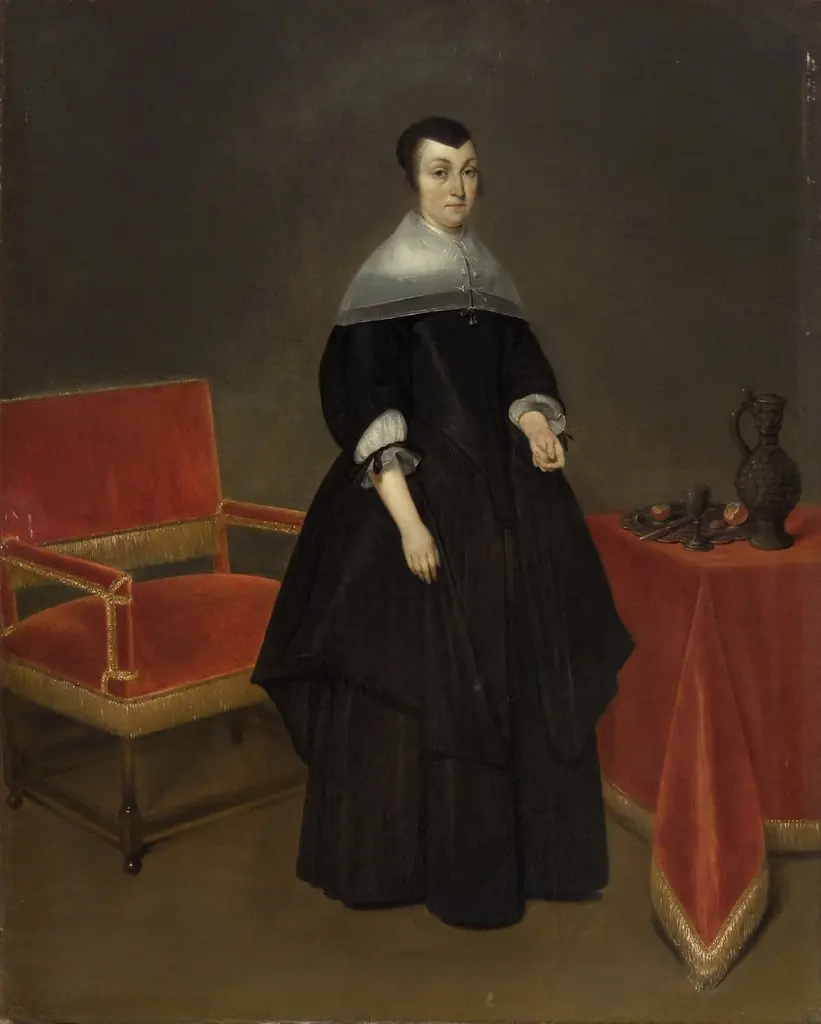 Portrait of Hermana von der Cruysse (1615-1705)
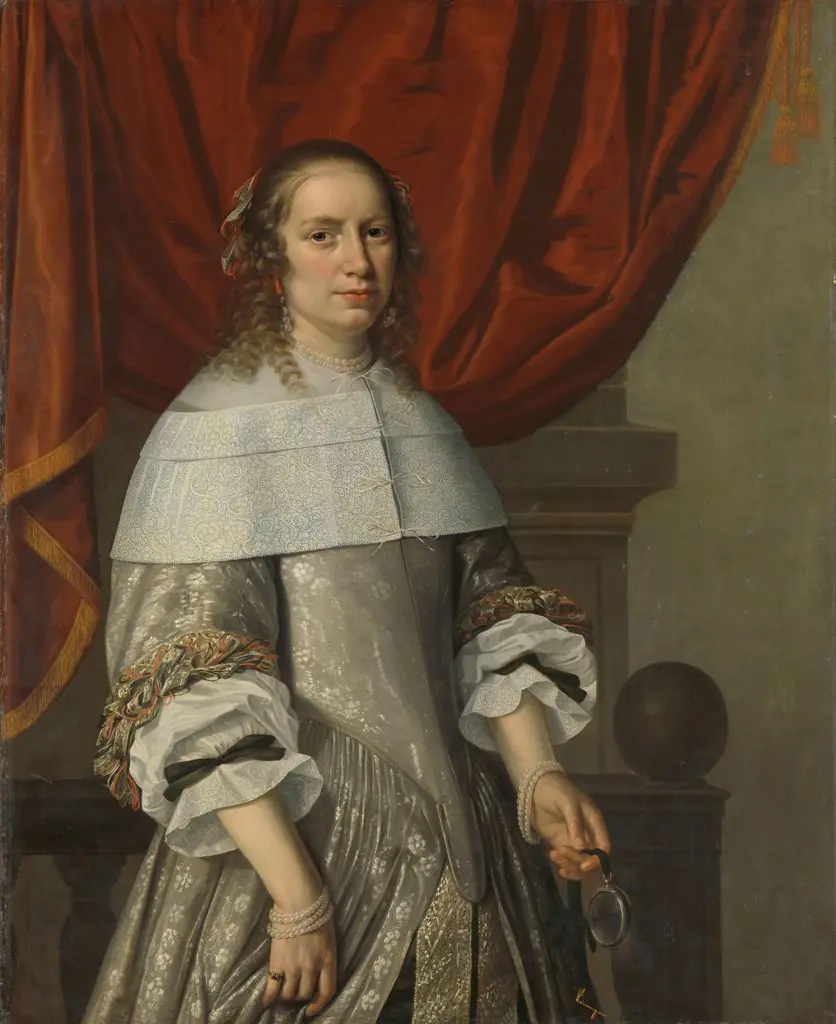 Portrait of a woman
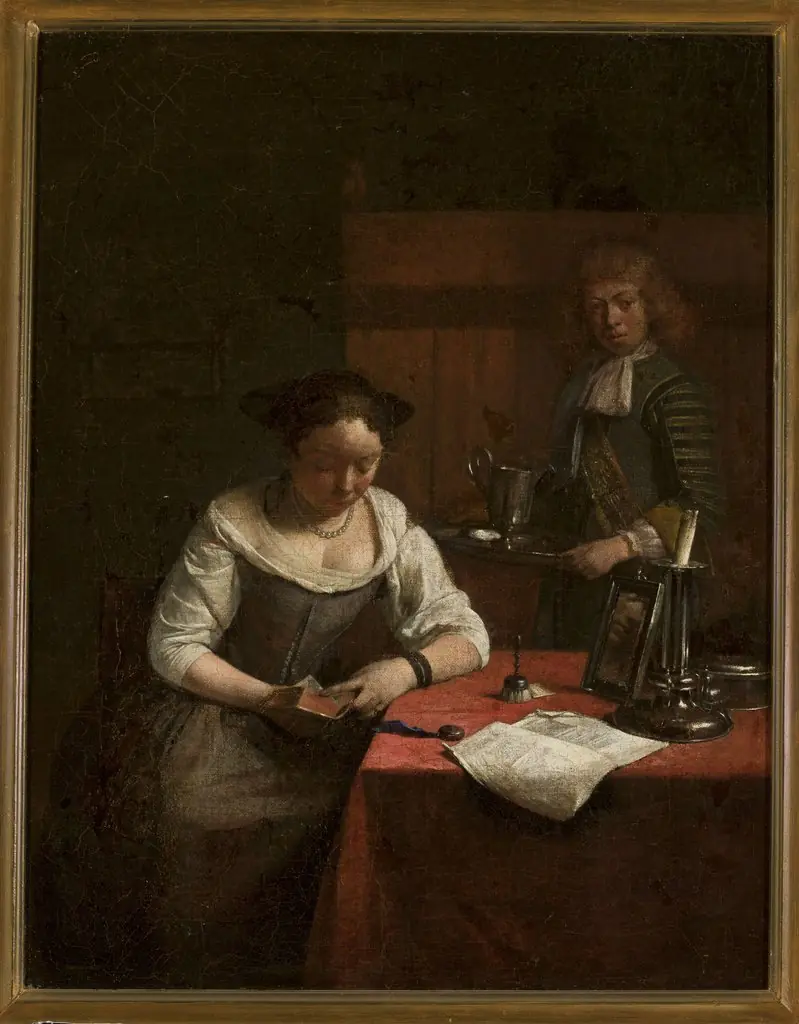 Woman reading a book
 Family scene