Artwork
Reading a letter
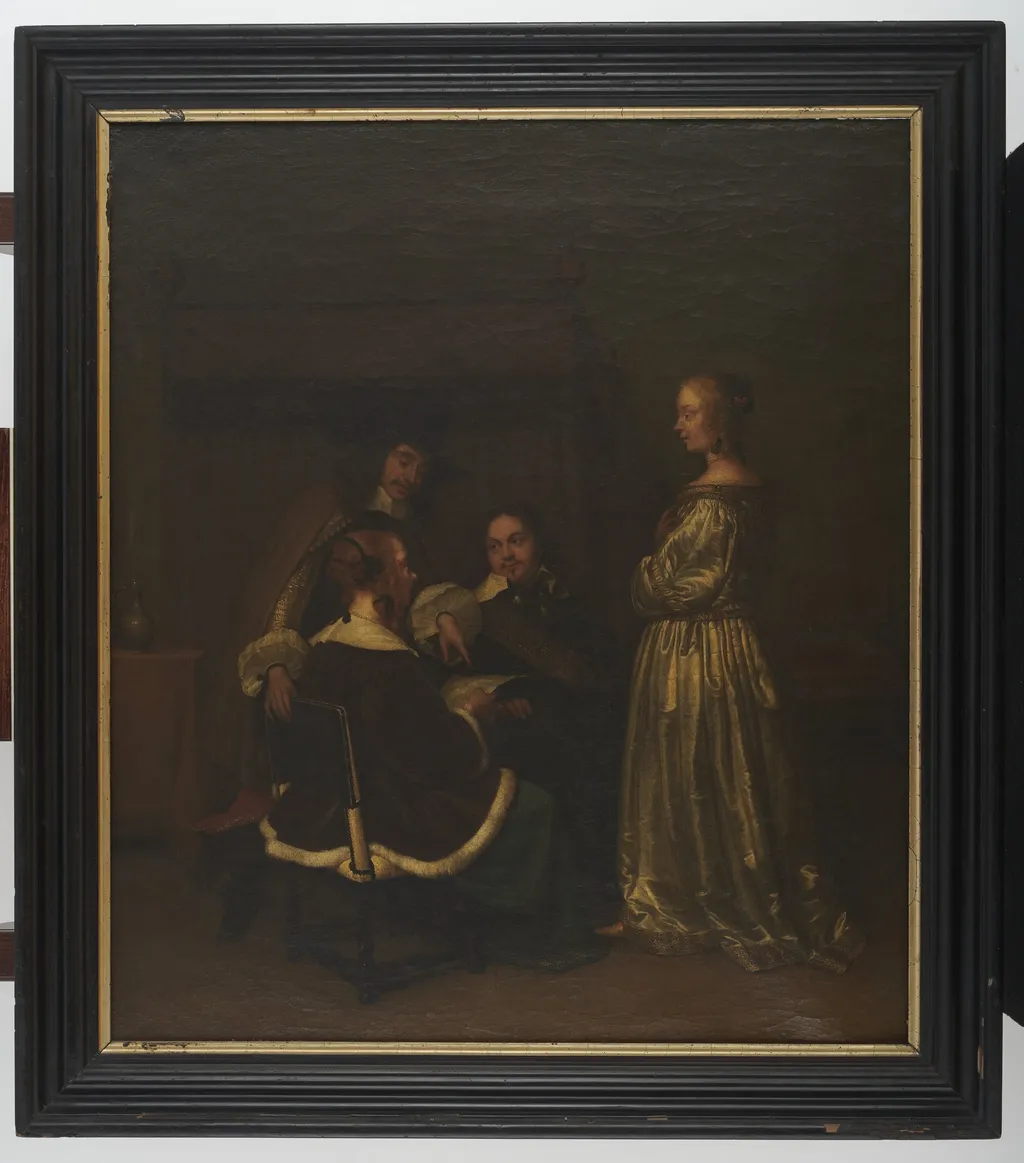
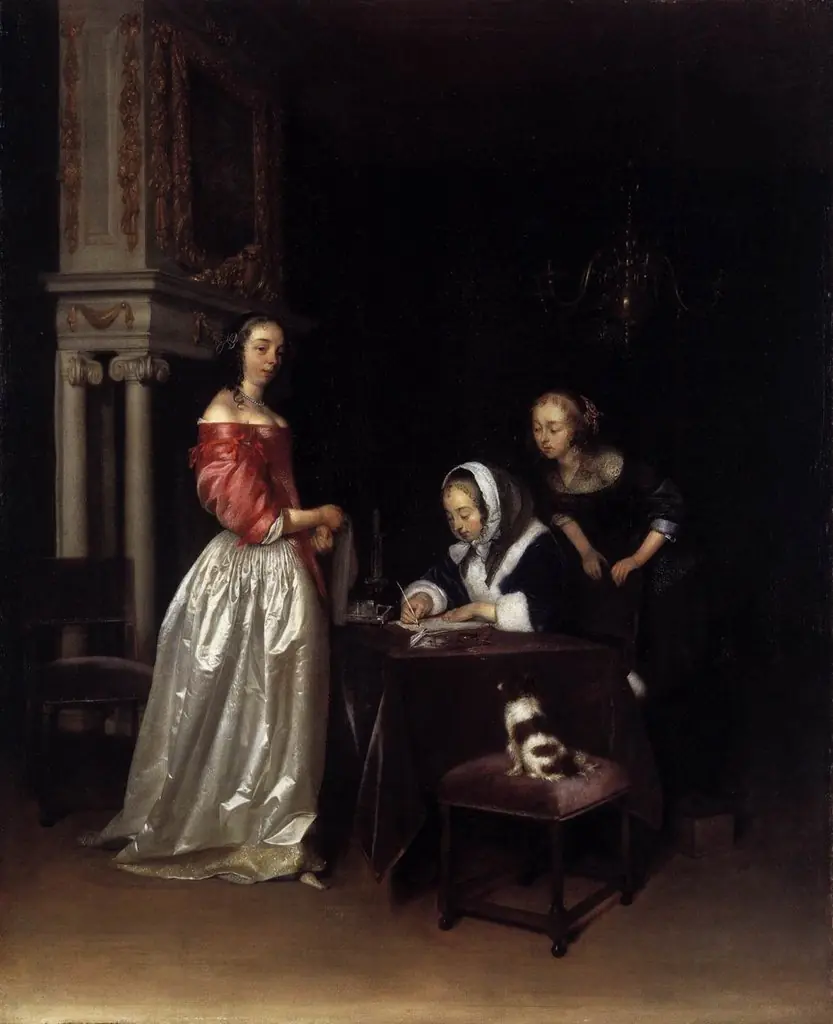
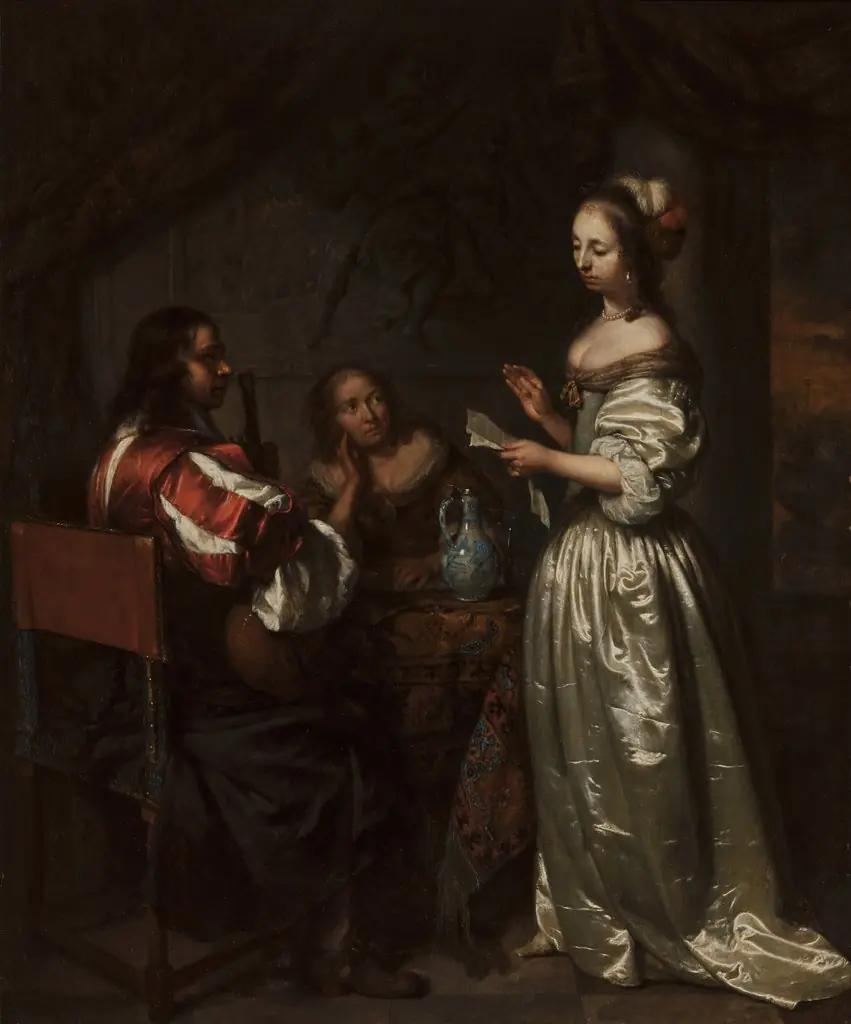
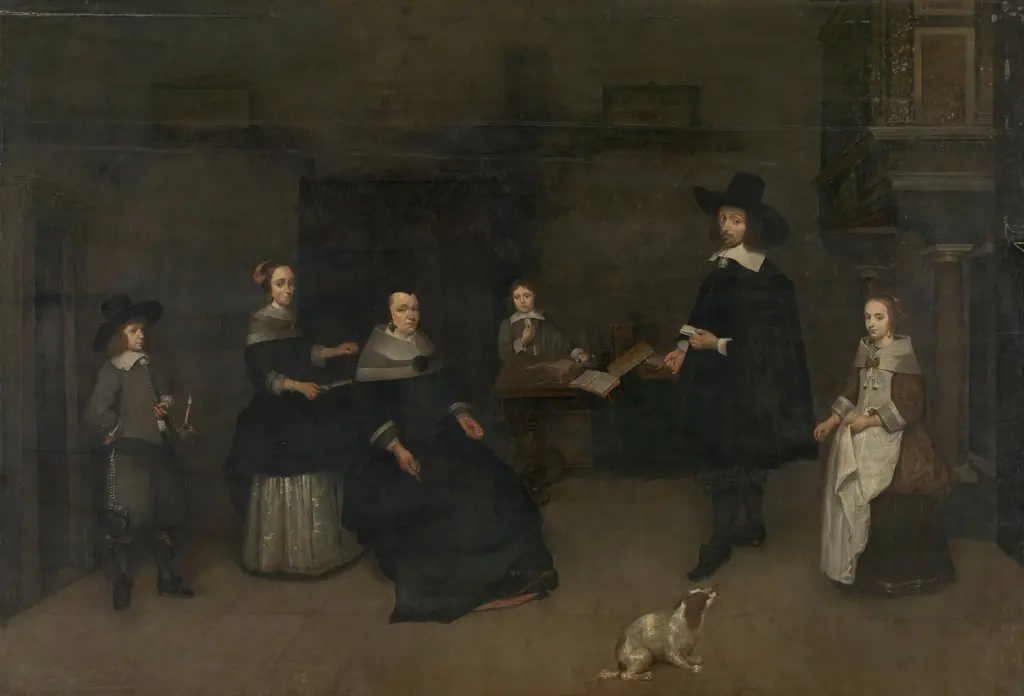
Reading a letter is an oil painting by the Dutch Golden Age artist Gerard ter Borch. It dates from 1659 and is held in the collection of the National Museum in Warsaw.
About this work
Overview
Ter Borch, known for his sensitivity to private life, avoids dramatic action, instead focusing on the psychological weight of ordinary gestures.
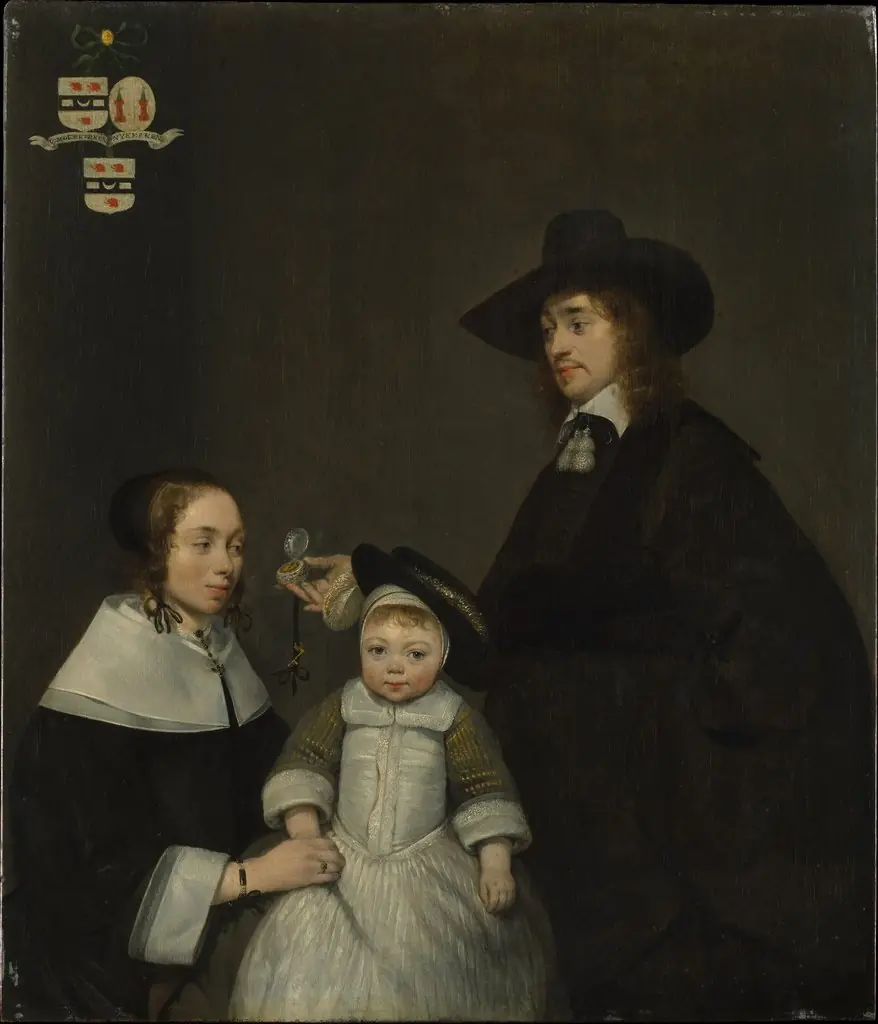
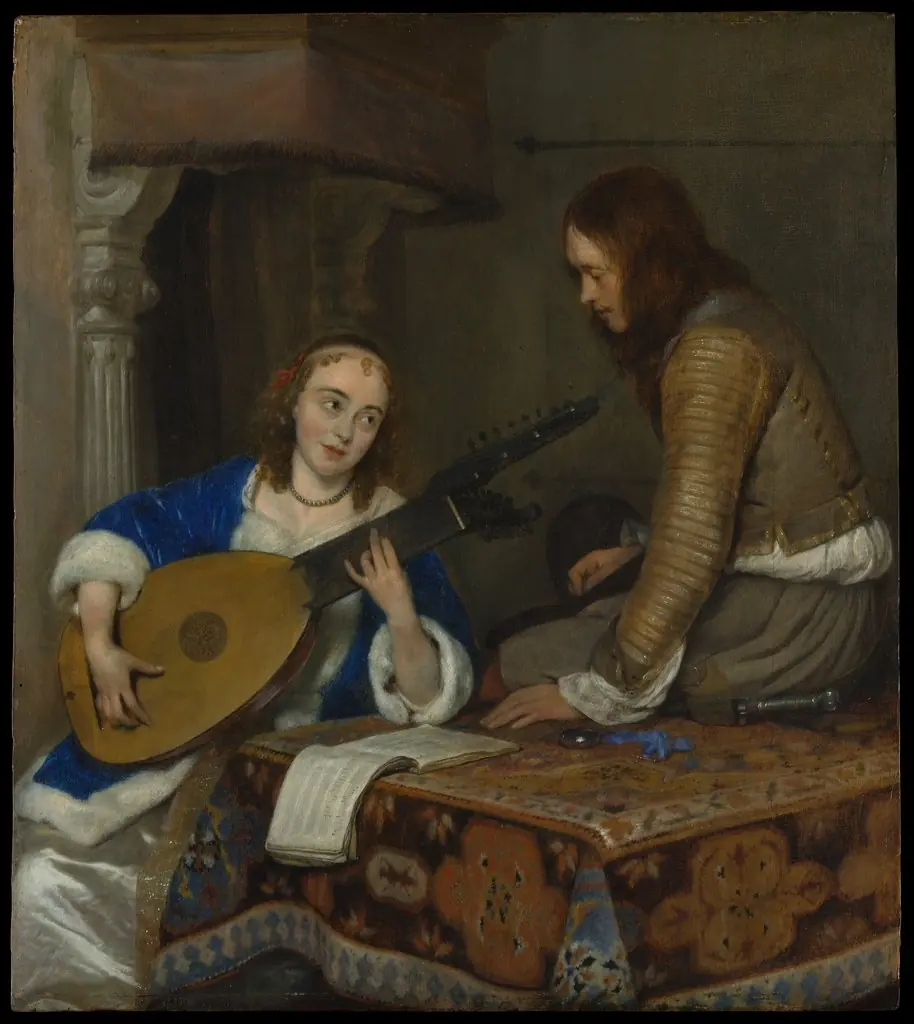
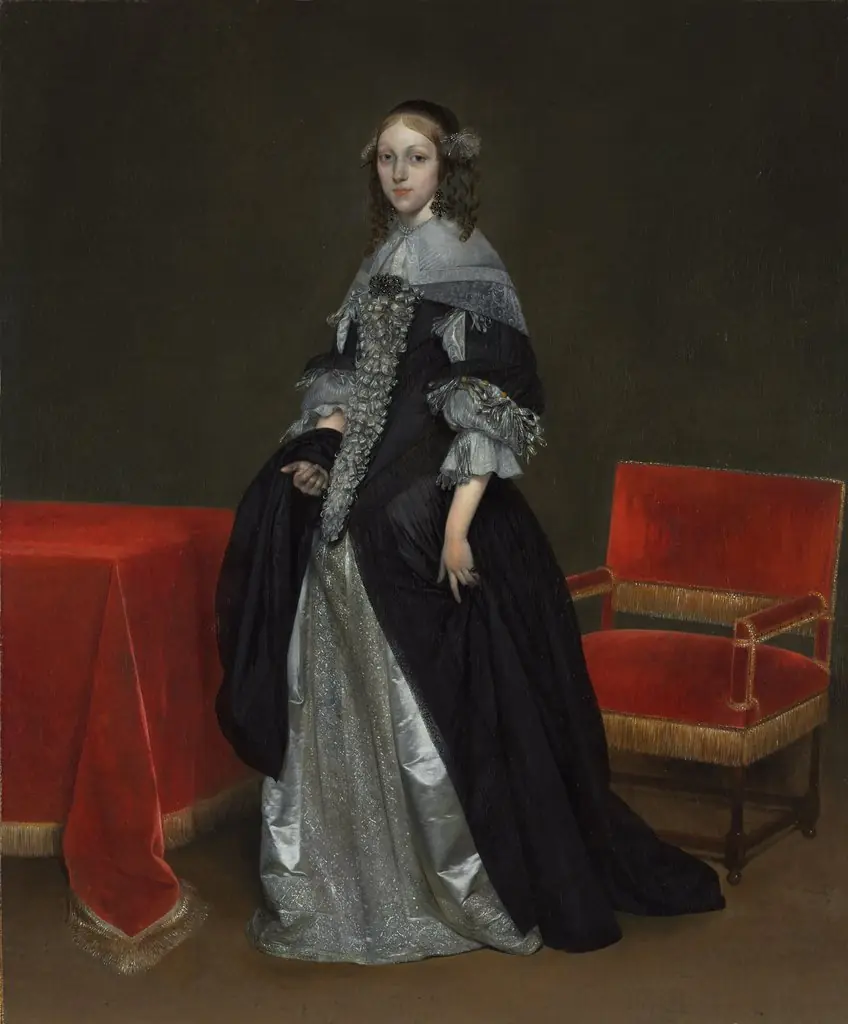
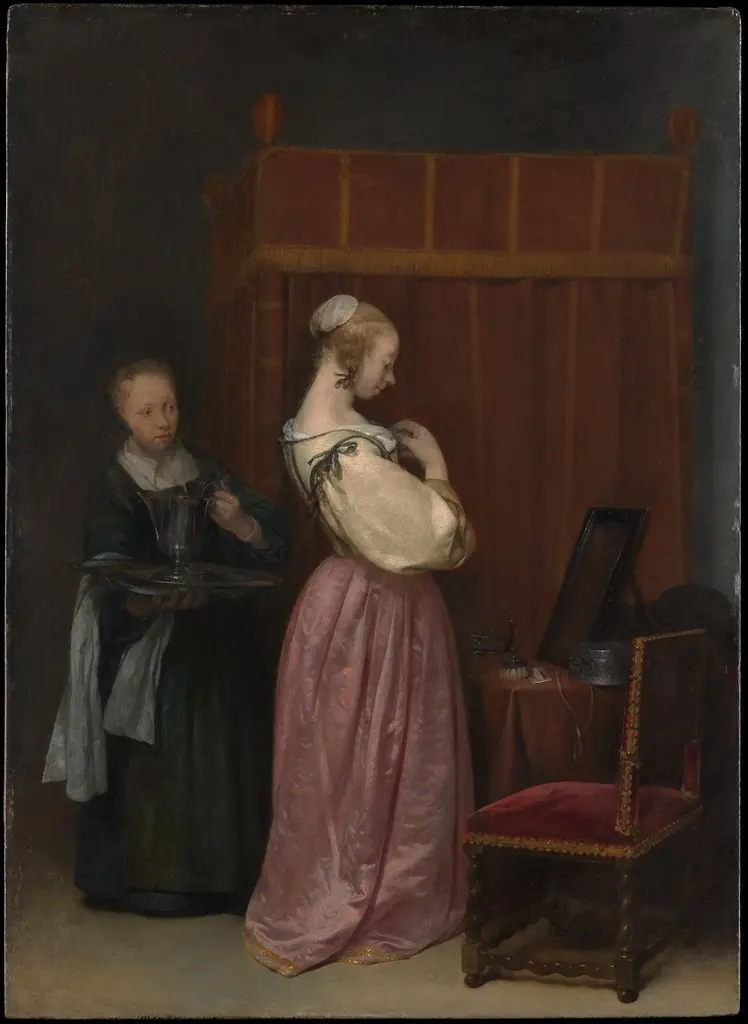
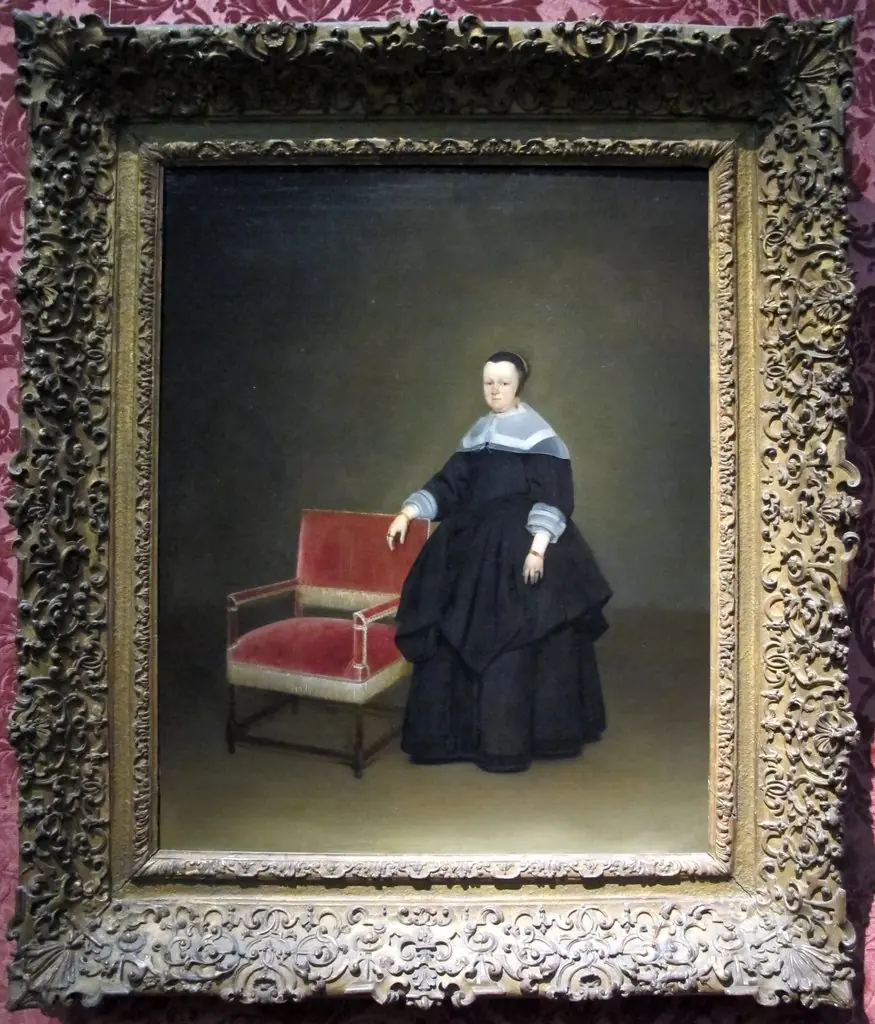
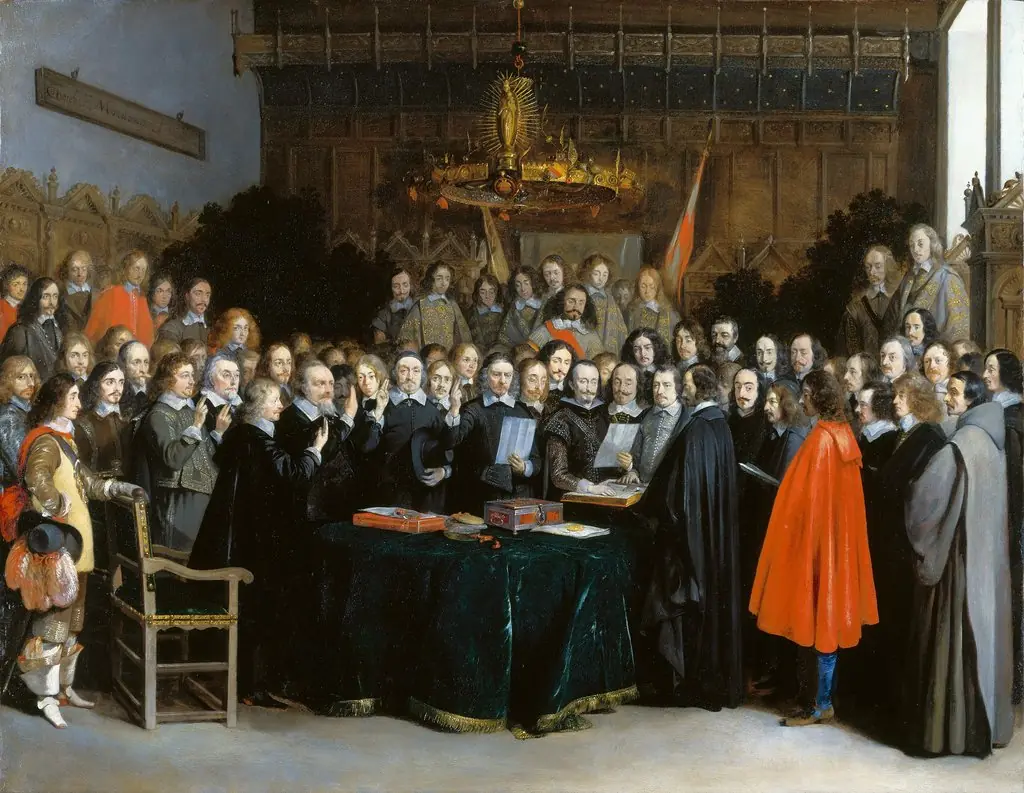
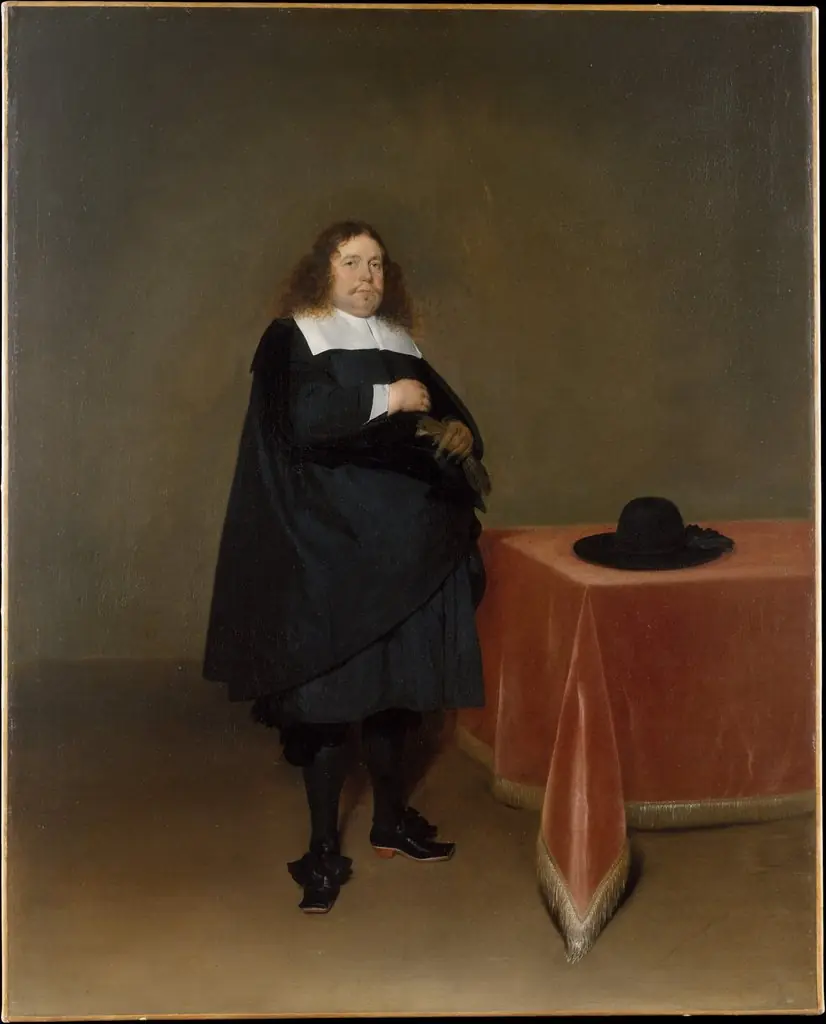
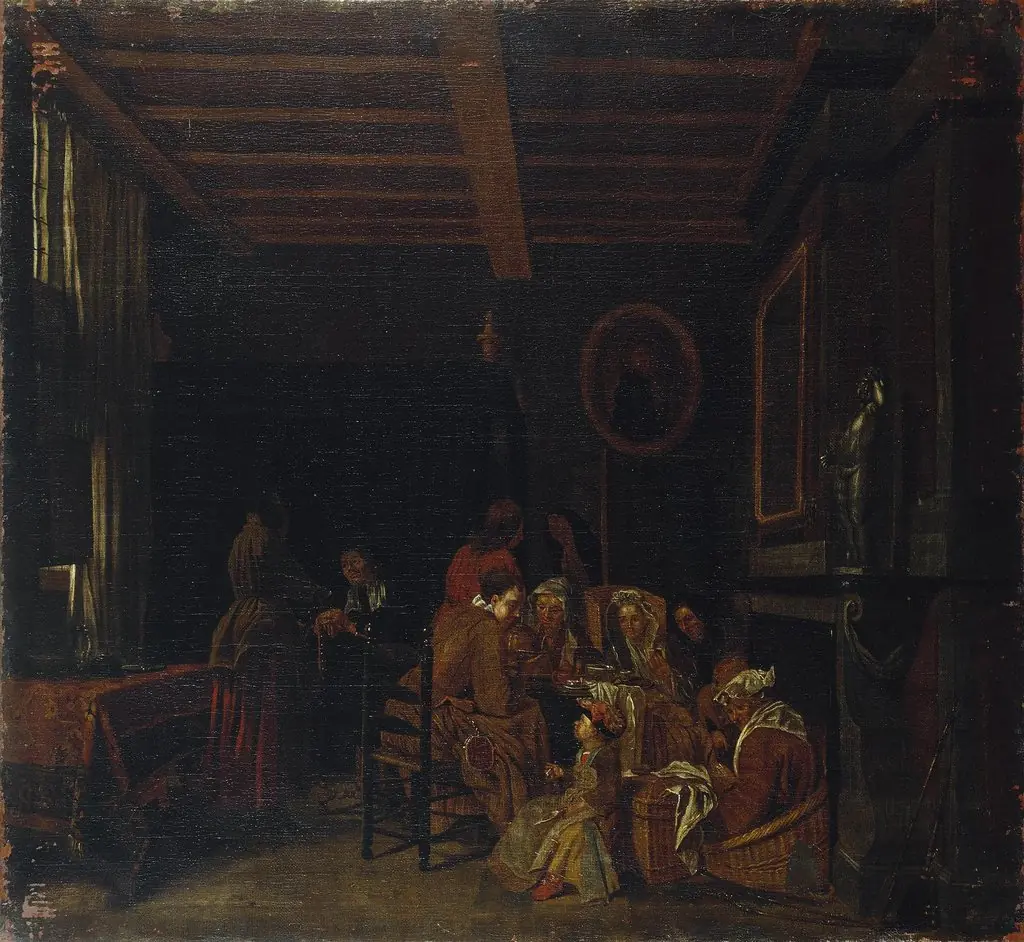
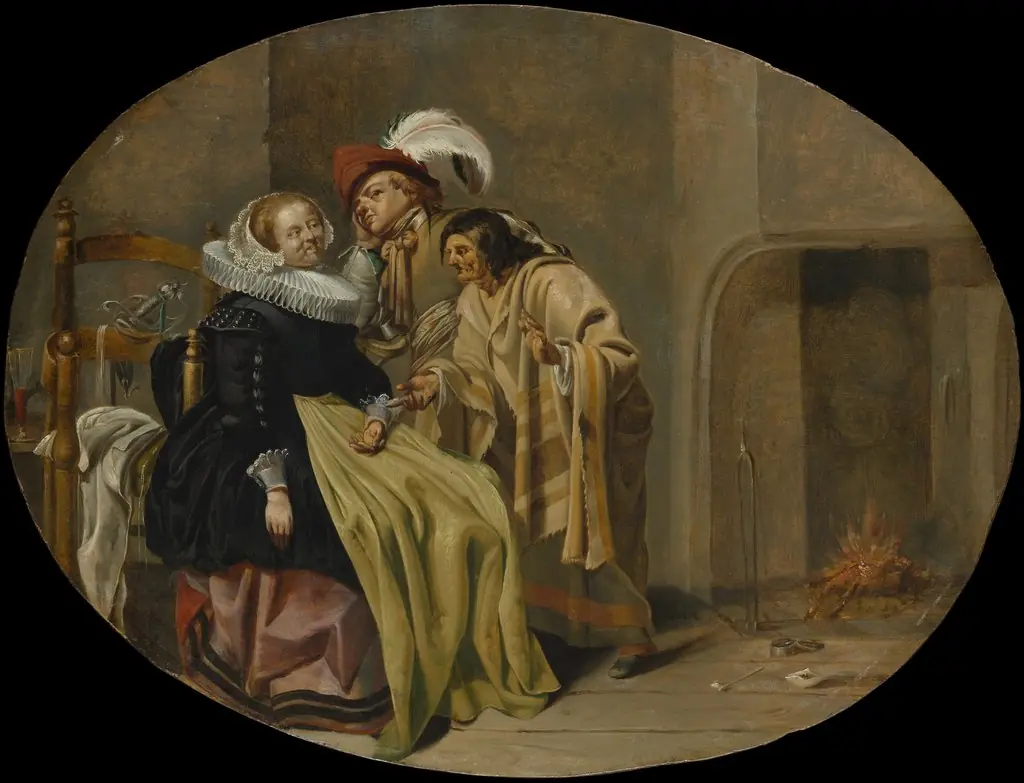
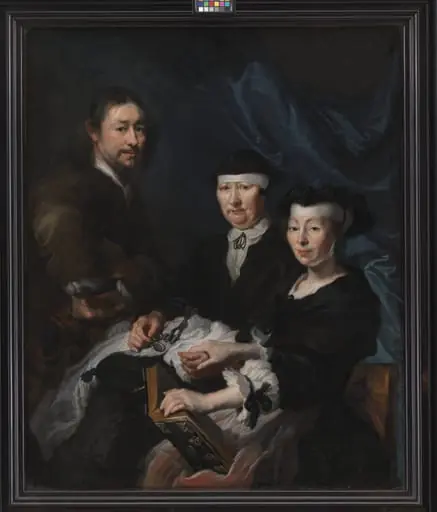
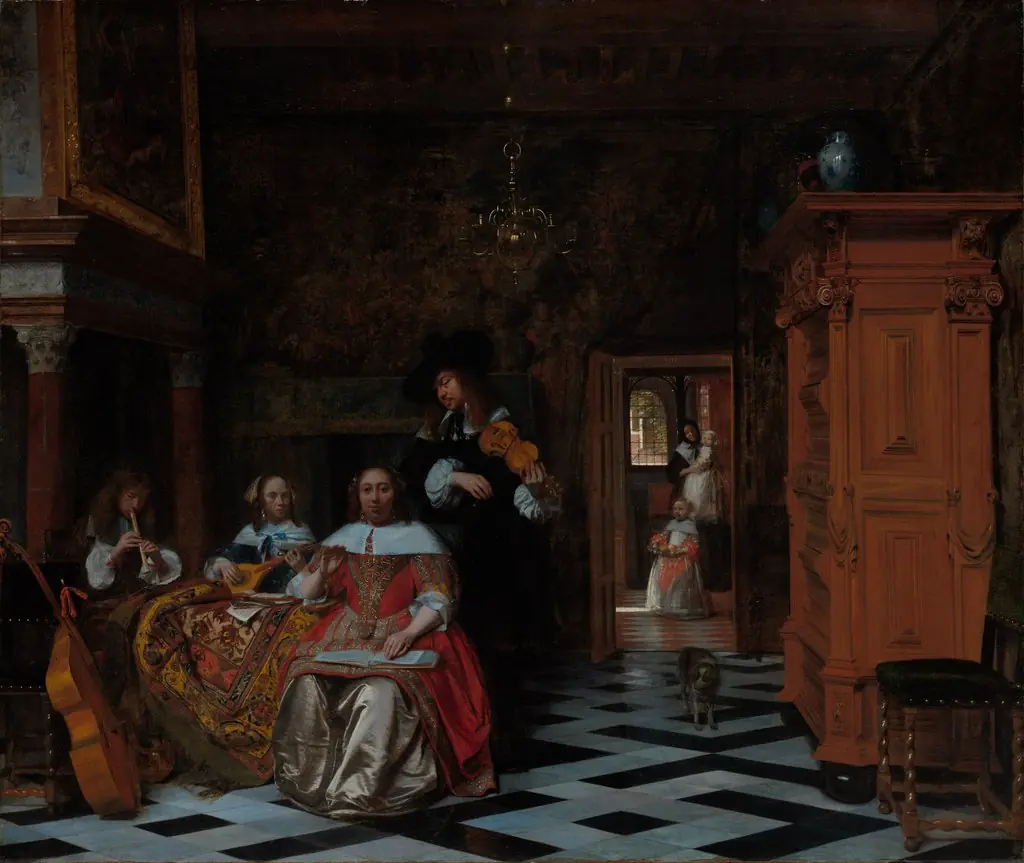
Gerard ter Borch’s *Reading a Letter*, dated around 1659, is an oil painting that captures a quiet domestic moment within a Dutch household. The scene unfolds with restrained composition and subdued tones, emphasizing stillness and introspection. Ter Borch, known for his sensitivity to private life, avoids dramatic action, instead focusing on the psychological weight of ordinary gestures. The work exemplifies his mature style and aligns with the broader Dutch Golden Age interest in intimate interiors.
Subject & Meaning
A woman in a white dress stands alone on the right, holding a letter, while three others—two men and a woman—occupy the left side of the room, engaged in silent observation. The figures do not interact directly; their attention is drawn inward or toward the letter, suggesting unspoken tension or contemplation. The act of reading, not spoken aloud, becomes a focal point for emotional resonance, hinting at private news, duty, or longing without narrative clarity.
Technique & Style
Ter Borch employs fine brushwork to render textures—delicate fabric folds, the sheen of skin, and the matte surface of paper—with precision. The palette is restrained, dominated by grays, browns, and muted whites, enhancing the somber mood. Light falls softly, modeling forms without theatrical contrast. His attention to minute details, like the position of a hand or the angle of a gaze, conveys psychological nuance, avoiding overt expression in favor of subtlety and restraint.
History & Provenance
The painting has been in the collection of the National Museum in Warsaw since the early 20th century. Its earlier provenance is not fully documented, but it likely passed through private Dutch or German collections before entering Polish hands. It was acquired during a period of increased interest in Dutch genre painting by European institutions, reflecting broader scholarly appreciation for ter Borch’s quiet realism.
Context
Created during the height of the Dutch Golden Age, the painting reflects a cultural shift toward domestic introspection in art. While public life and trade flourished, artists like ter Borch turned inward, depicting private moments with psychological depth. His work influenced contemporaries such as Vermeer, who similarly explored the quiet drama of everyday life. The emphasis on stillness and observation aligns with broader societal values of modesty and self-restraint in the Dutch Republic.
Legacy
Ter Borch’s *Reading a Letter* remains a key example of 17th-century Dutch genre painting’s capacity to convey emotion through restraint. Its influence endures in the way later artists approached interior scenes—not as narrative illustrations, but as studies of presence and silence. The painting’s quiet power continues to inform interpretations of domestic life in art, valued for its understated humanity rather than its spectacle.
Artist & collection
Artist
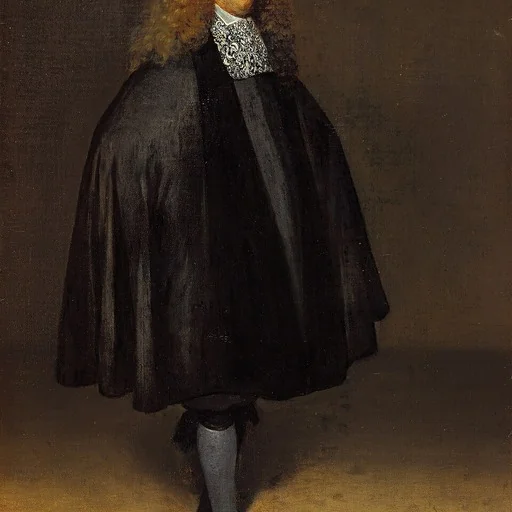
Gerard ter Borch (Dutch: ; December 1617 – 8 December 1681), also known as Gerard Terburg (Dutch: ), was a Dutch Golden Age painter mainly of genre subjects.