Artwork
Woman at her Toilette
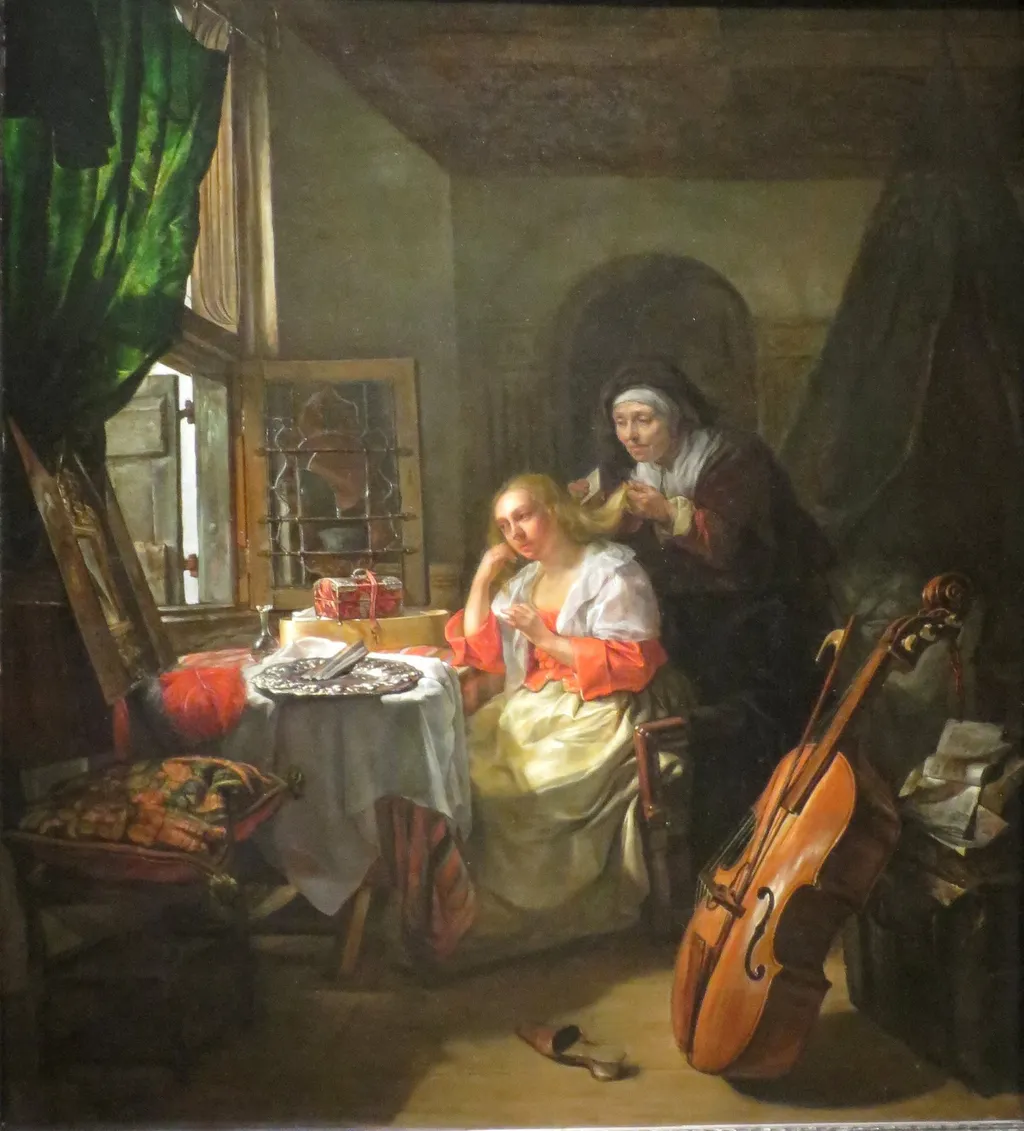
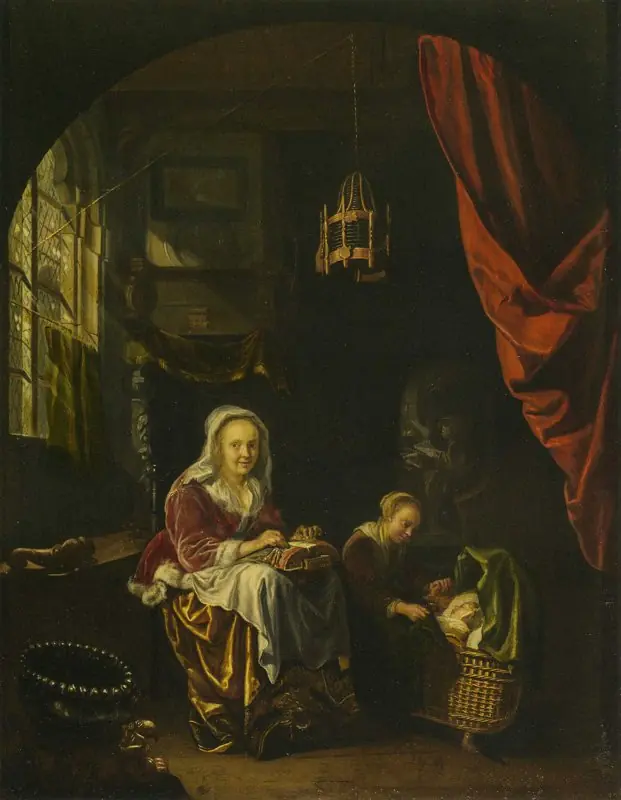
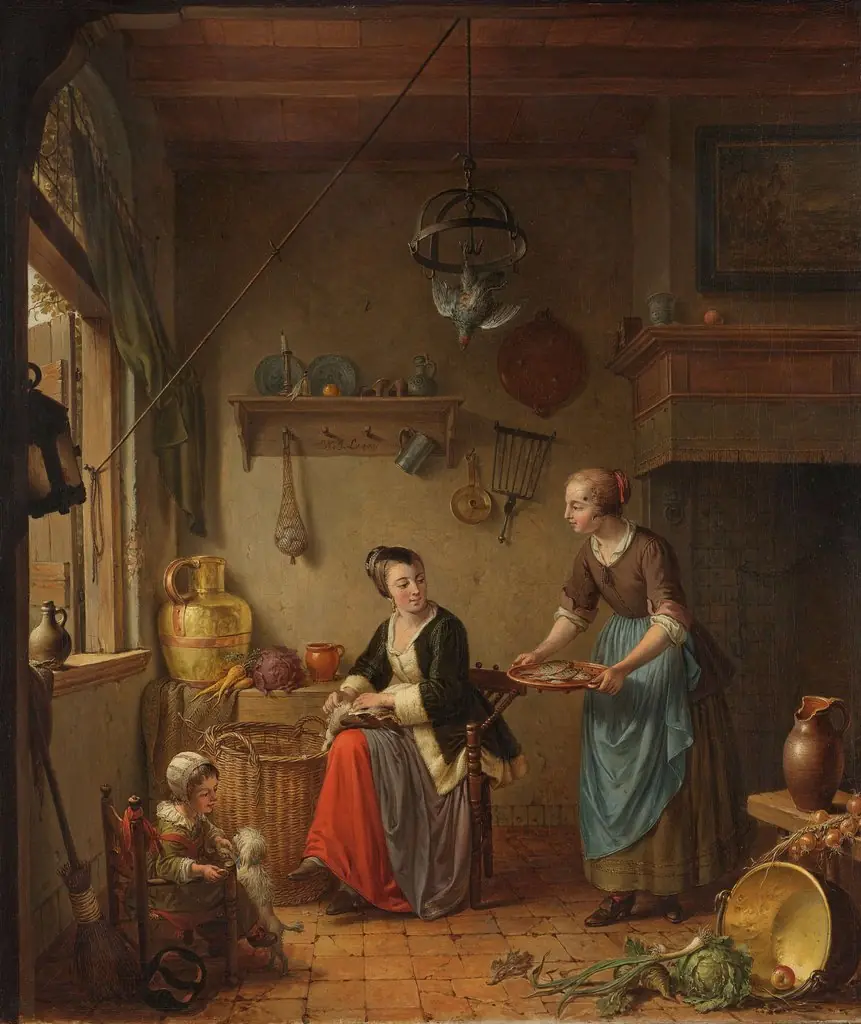
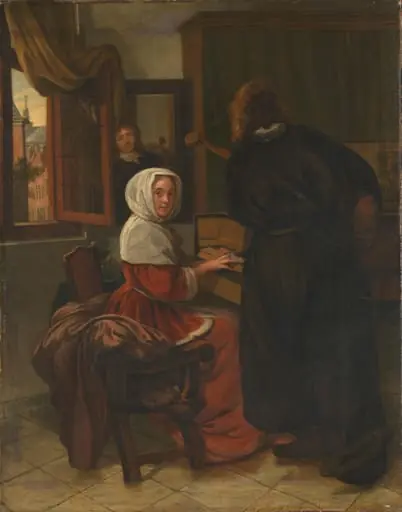
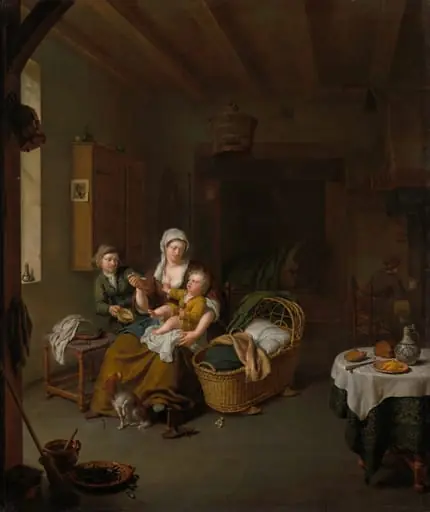
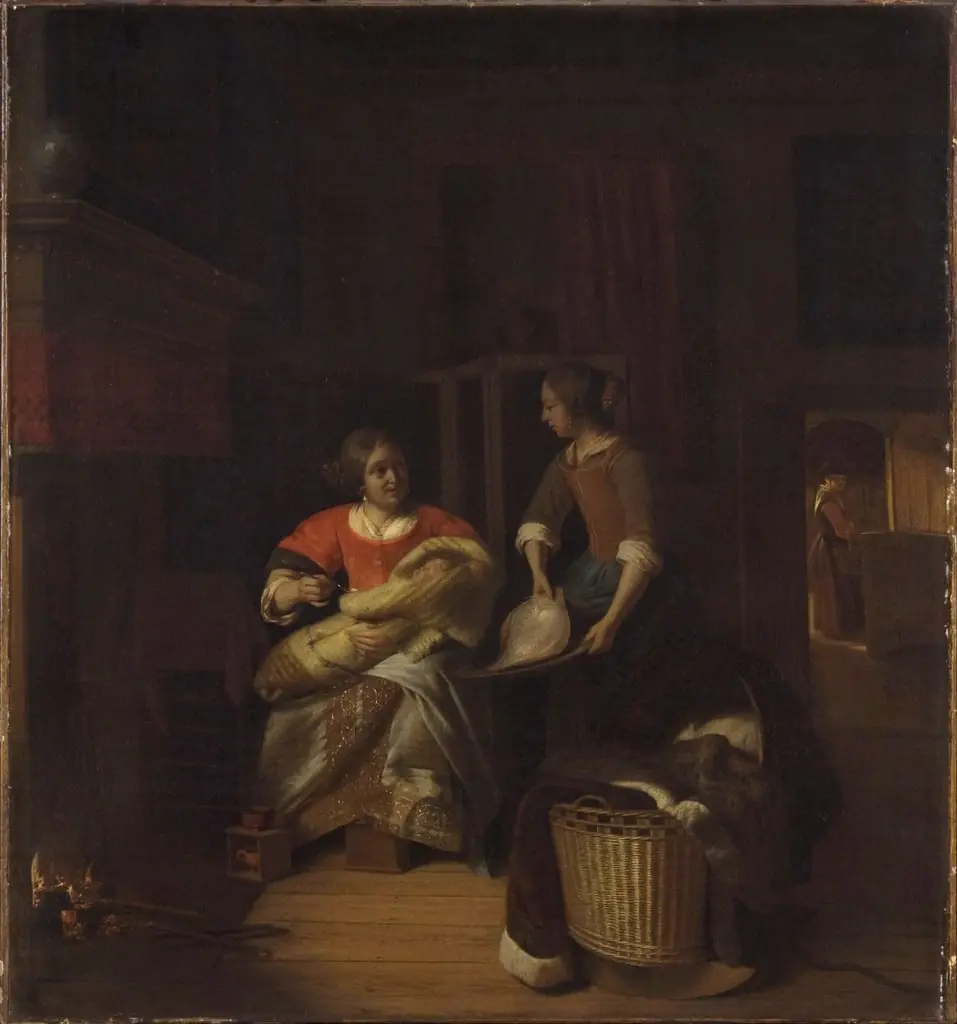
Woman at her Toilette is an oil painting by the Dutch Golden Age artist Gabriel Metsu. It dates from 1656 and is held in the collection of the Norton Simon Museum.
About this work
Overview
The work resides in the Norton Simon Museum’s collection, reflecting the period’s interest in intimate, everyday subjects rendered with technical precision.
Painted in 1656 by Gabriel Metsu, *Woman at her Toilette* is a quiet interior scene from the Dutch Golden Age. It captures a private moment of personal care, avoiding grand narrative in favor of subtle observation. Metsu, known for his versatility across genres, here focuses on domestic life with restrained elegance. The work resides in the Norton Simon Museum’s collection, reflecting the period’s interest in intimate, everyday subjects rendered with technical precision.
Subject & Meaning
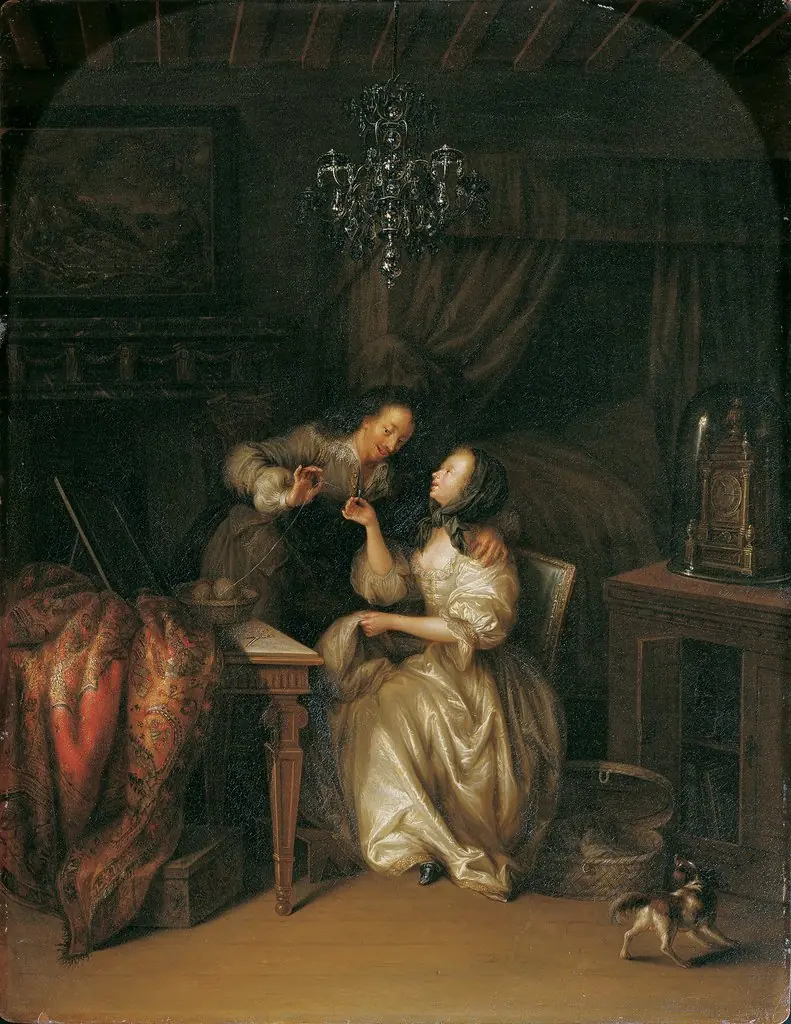
The painting portrays a woman seated before a mirror, attended by another woman who brushes her hair. Her gaze is lowered, suggesting introspection rather than vanity. The presence of a viola on the floor introduces a note of cultural refinement, while the dim interior and focused lighting emphasize solitude and ritual. The scene invites contemplation of private routines, not as spectacle but as dignified, unspoken habit.
Technique & Style
Metsu employs a muted palette of browns, grays, and soft reds to ground the scene in quiet realism. Chiaroscuro is used subtly to model form and direct attention: light enters from the window, illuminating the woman’s hands and the mirror’s edge while leaving the background in soft shadow. Brushwork is refined but unobtrusive, enhancing the sense of stillness without drawing attention to technique itself.
History & Provenance
Created during Metsu’s mature period in Leiden, the painting entered the Norton Simon Museum’s collection in the 20th century after passing through private European holdings. Its attribution has remained consistent, with no significant disputes over authorship. The work’s survival in good condition reflects its careful stewardship, preserving the delicate interplay of light and texture Metsu achieved.
Context
In mid-17th-century Holland, domestic interiors became a favored subject among genre painters, reflecting rising middle-class values and a fascination with private life. Metsu’s work aligns with artists like Vermeer and de Hooch, though his approach is more tactile and less idealized. The inclusion of musical instruments and mirrors points to broader cultural associations between personal grooming, music, and moral reflection.
Legacy
Though less widely known than some of his contemporaries, Metsu’s *Woman at her Toilette* exemplifies the Dutch Golden Age’s capacity to elevate ordinary moments through careful observation. Its influence lies in its restraint — avoiding sentimentality while preserving emotional nuance. The painting continues to be studied for its quiet composition and its contribution to the genre’s evolution toward psychological depth.
Artist & collection

Artist
Gabriël Metsu (1629–1667) was a Dutch painter of history paintings, still lifes, portraits, and genre works.