Artwork
The Three Eldest Daughters of George III: Princesses Charlotte Augusta Matilda (1766–1828), Augusta Sophia (1768–1840), and Elizabeth (1770–1840) (after Thomas Gainsborough)
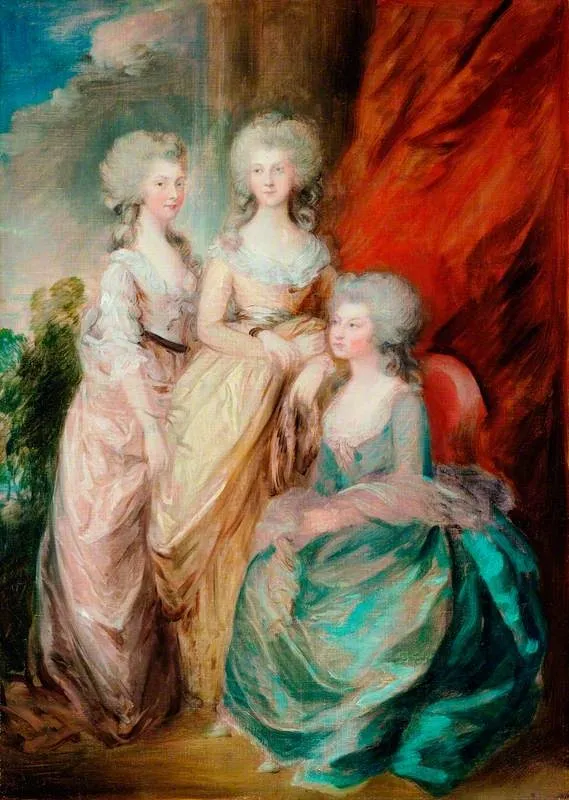
The Three Eldest Daughters of George III: Princesses Charlotte Augusta Matilda (1766–1828), Augusta Sophia (1768–1840), and Elizabeth (1770–1840) (after Thomas Gainsborough) is an oil painting by the Neoclassicist artist Gainsborough Dupont. It dates from 1785 and is held in the collection of the Victoria and Albert Museum.
About this work
The woman on the left wears a pink dress, while the one in the middle is dressed in yellow, and the one on the right sits in a teal dress.
The painting depicts three young women in long dresses, standing and sitting in a room with a red curtain behind them. The woman on the left wears a pink dress, while the one in the middle is dressed in yellow, and the one on the right sits in a teal dress.
The women are all dressed in the style of the late 18th century, with their hair styled in curly updos. The background of the painting features a red curtain, which adds a pop of color to the otherwise muted tones of the dresses.
This painting is reminiscent of the work of artist Gainsborough Dupont.
Overview
This oil painting, dated circa 1785, portrays the three eldest daughters of King George III: Princesses Charlotte Augusta Matilda, Augusta Sophia, and Elizabeth. Executed by Gainsborough Dupont, a nephew and pupil of Thomas Gainsborough, the work adheres to a composition originally conceived by his renowned mentor.
Subject & Meaning
The painting captures the likenesses of the three royal sisters in a domestic setting, characterized by a red curtain. Their late 18th-century attire and hairstyles reflect the period's fashion. The depiction emphasizes their youth and sibling relationship, set against a muted color palette punctuated by the vibrant curtain.
Technique & Style
The work embodies the neoclassical movement's principles, as evident in its balanced composition, attention to detail in the subjects' dress, and the restrained yet expressive use of color. Dupont's execution faithfully interprets Gainsborough's original design, showcasing his training under the master.
History & Provenance
Created around 1785, the painting is now part of the Victoria and Albert Museum's collection. Its provenance highlights the artistic lineage from Gainsborough to Dupont, illustrating the transmission of style and technique within a familial and mentorship context.
Context
Commissioned during the reign of King George III, the portrait reflects the royal family's patronage of the arts. It also situates Dupont within the broader neoclassical art movement prevalent in late 18th-century Britain, characterized by a return to classical ideals of order and simplicity.
Legacy
While not widely recognized as a standalone masterpiece due to its derivative nature, the painting contributes to the understanding of Gainsborough's influence on his pupils and the dissemination of neoclassical styles among British artists of the time. It remains a significant piece within the Victoria and Albert Museum's holdings for its historical and artistic connections.
Artist & collection
Artist
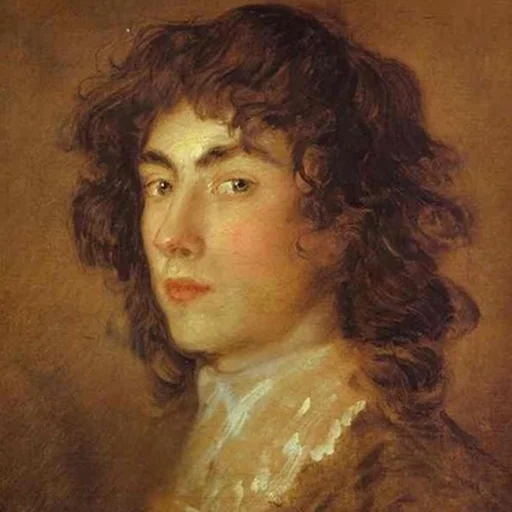
Gainsborough Dupont (20 December 1754 – 20 January 1797) was a British artist, the nephew and pupil of Thomas Gainsborough, R.A.

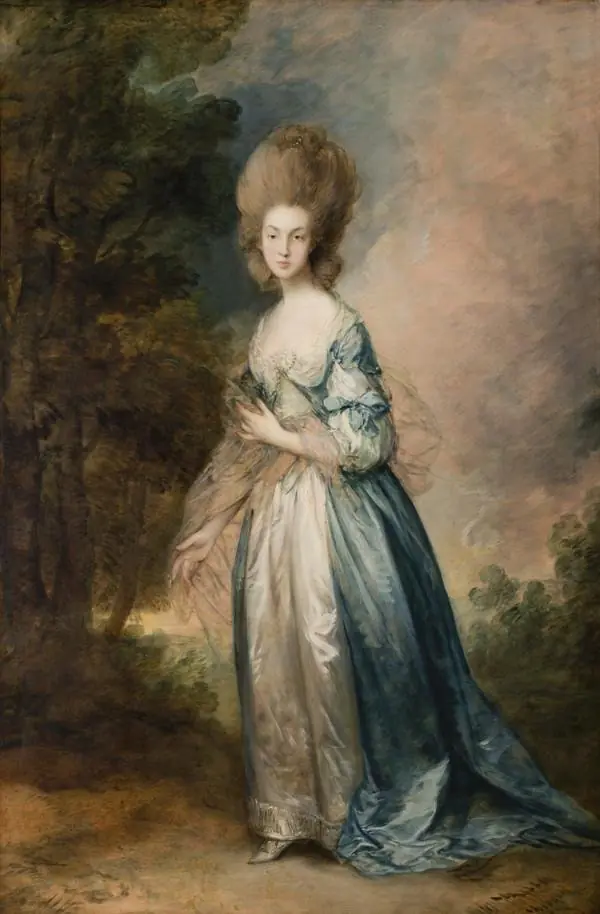 Portrait of Selina Thistlethwayte of Norman Court, full-length in blue and white dress
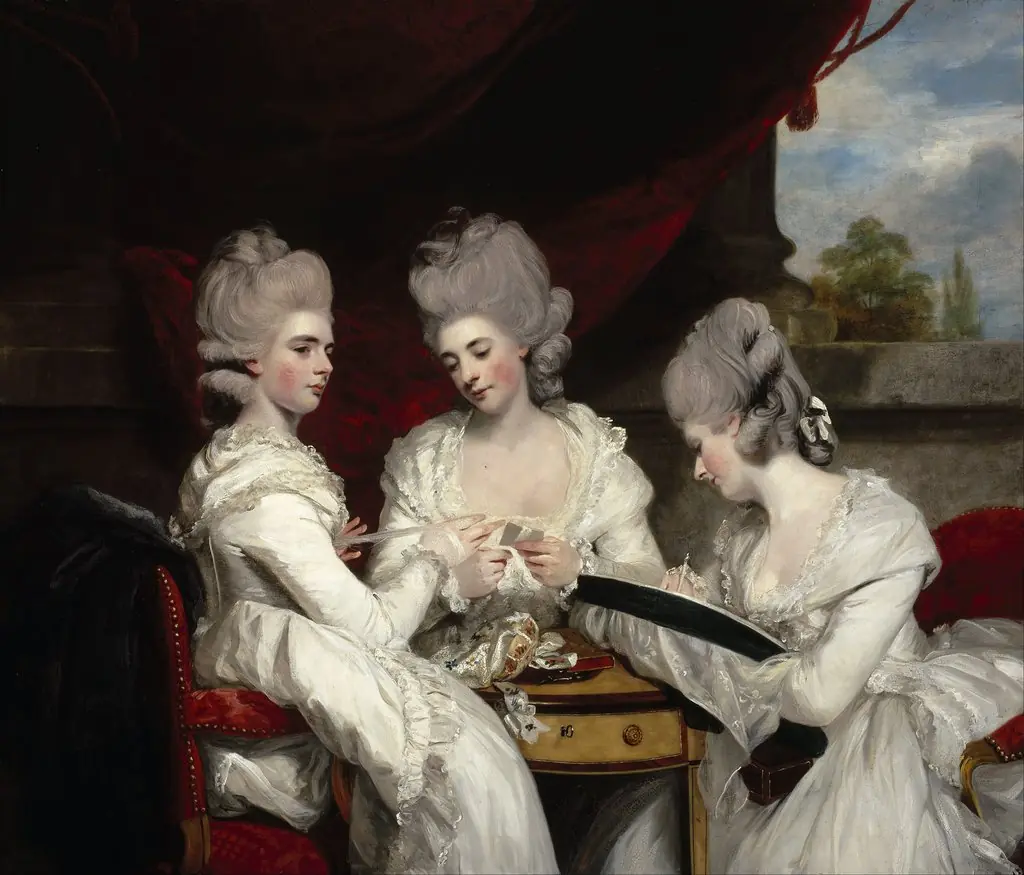 The Ladies Waldegrave
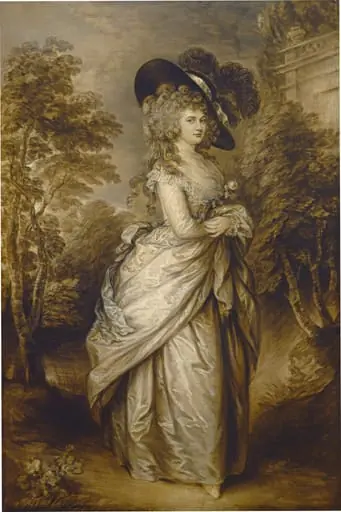
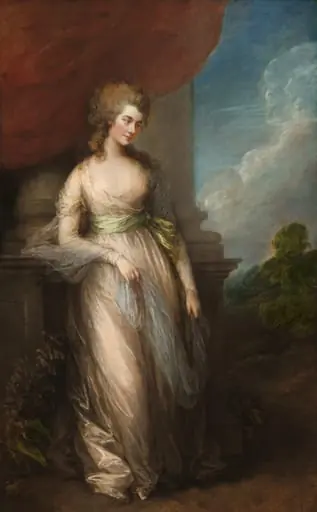 Georgiana, Duchess of Devonshire
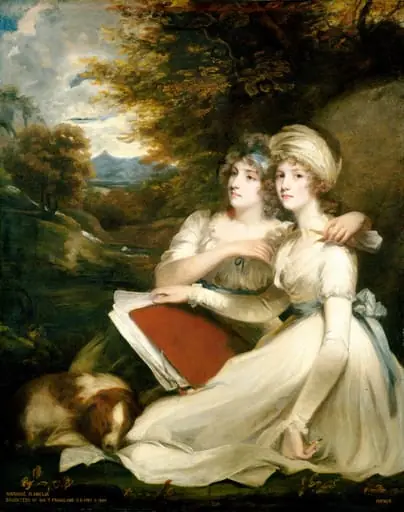 The Frankland Sisters
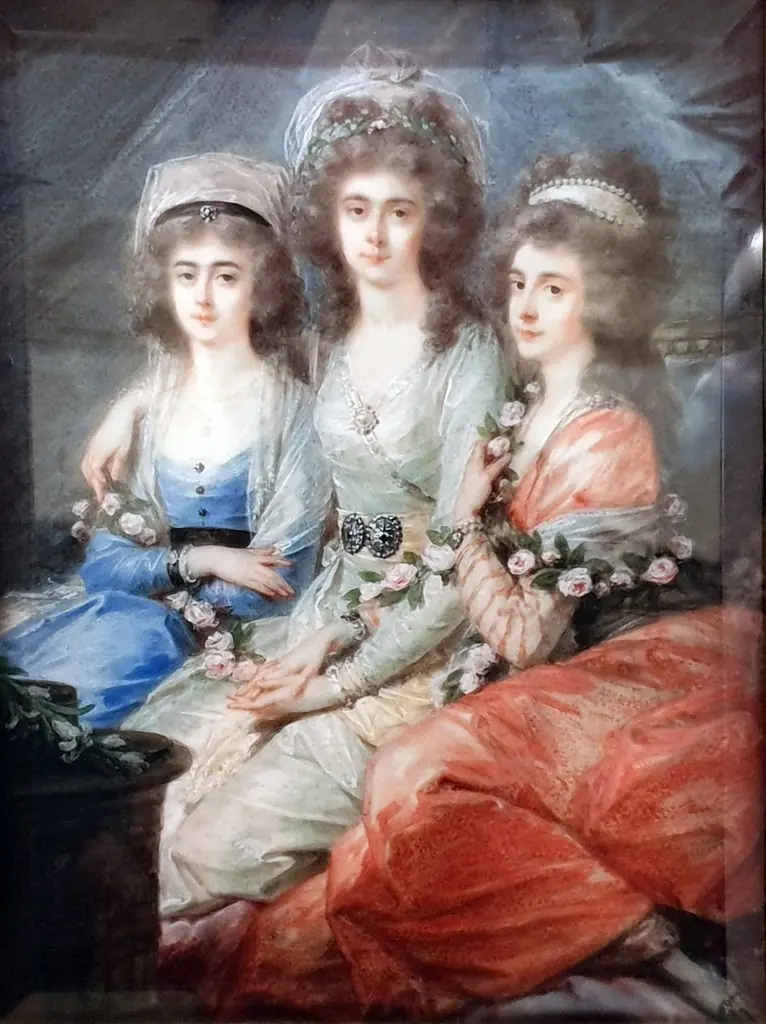 The countesses Elisabeth, Christiane and Marie Karoline Thun-Hohenstein-Klösterle
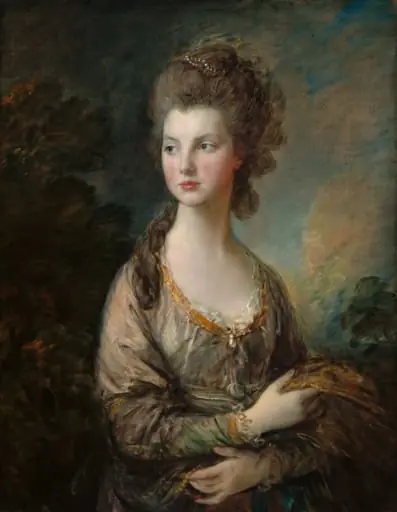 The Hon. Mrs. Thomas Graham
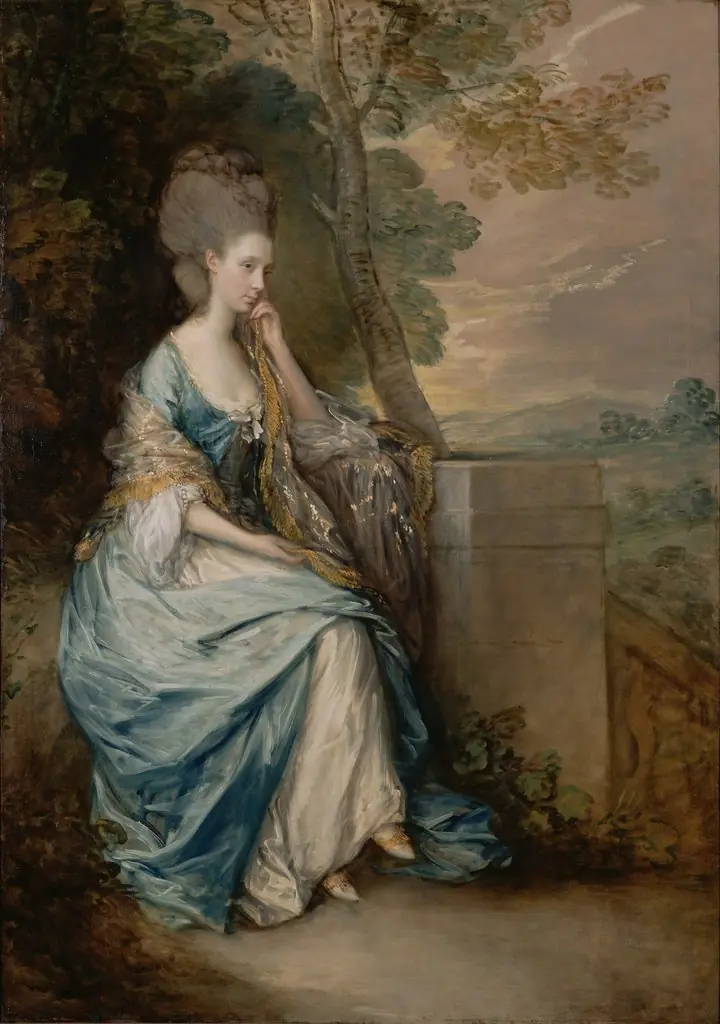 Portrait of Anne, Countess of Chesterfield
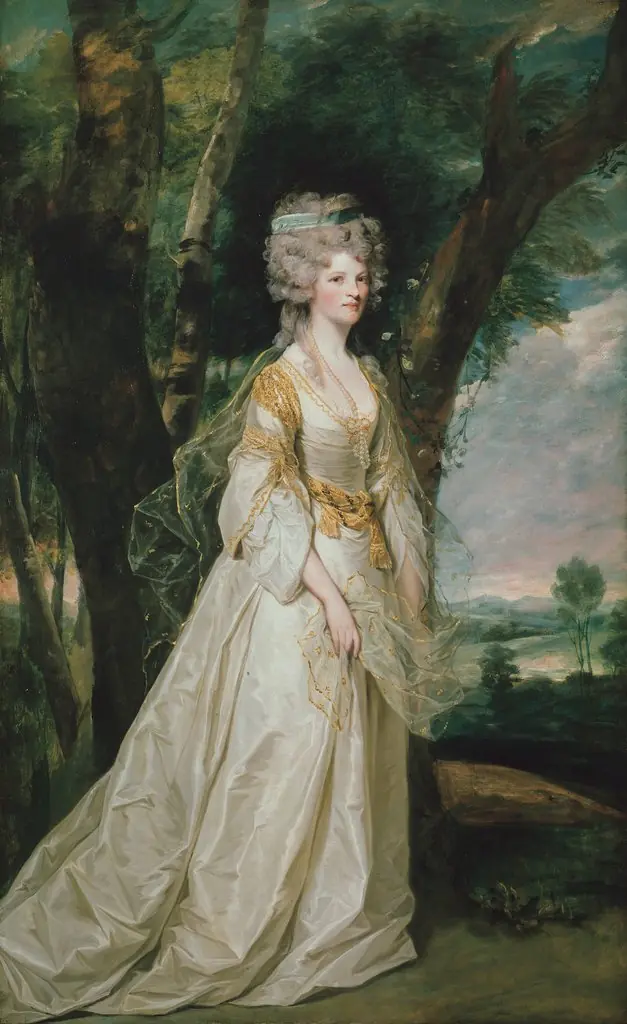 Lady Sunderlin