Artwork
Madonna
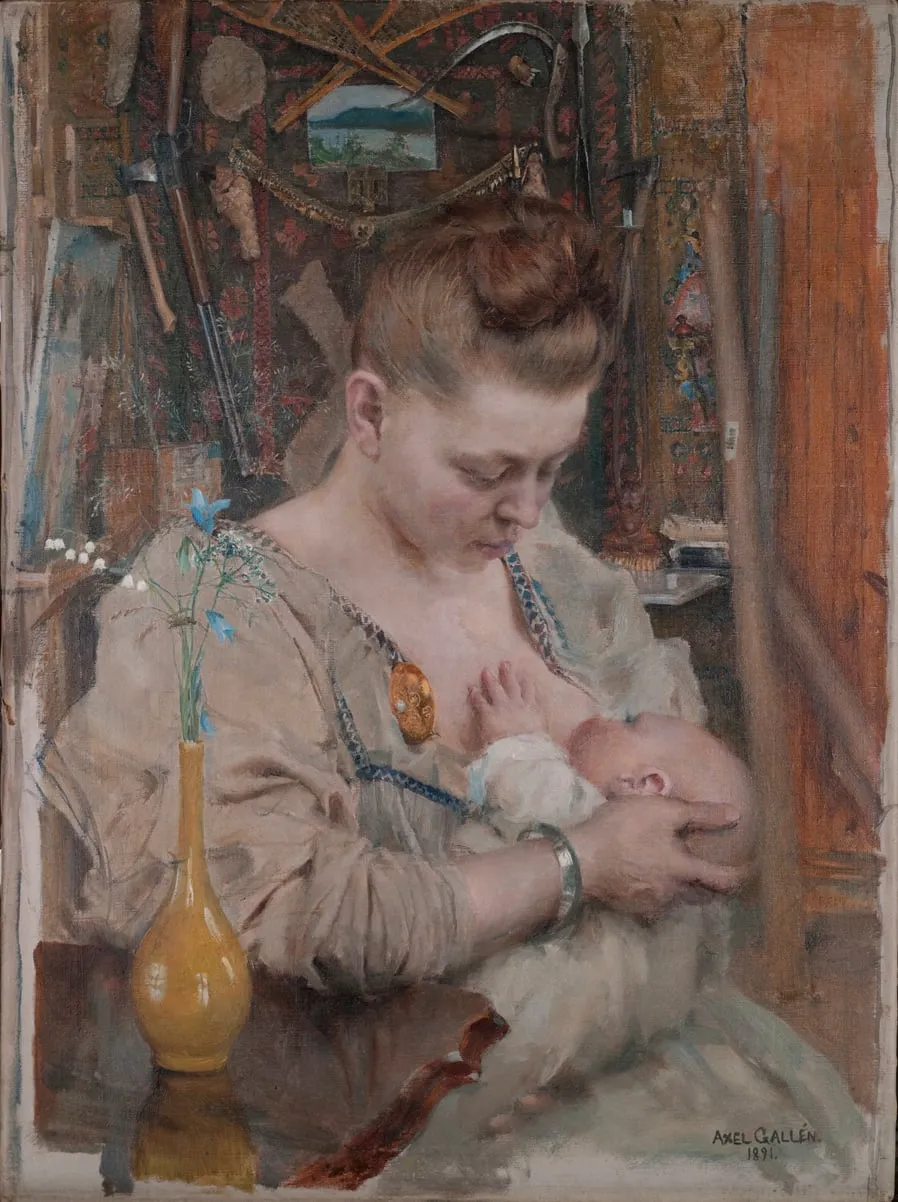
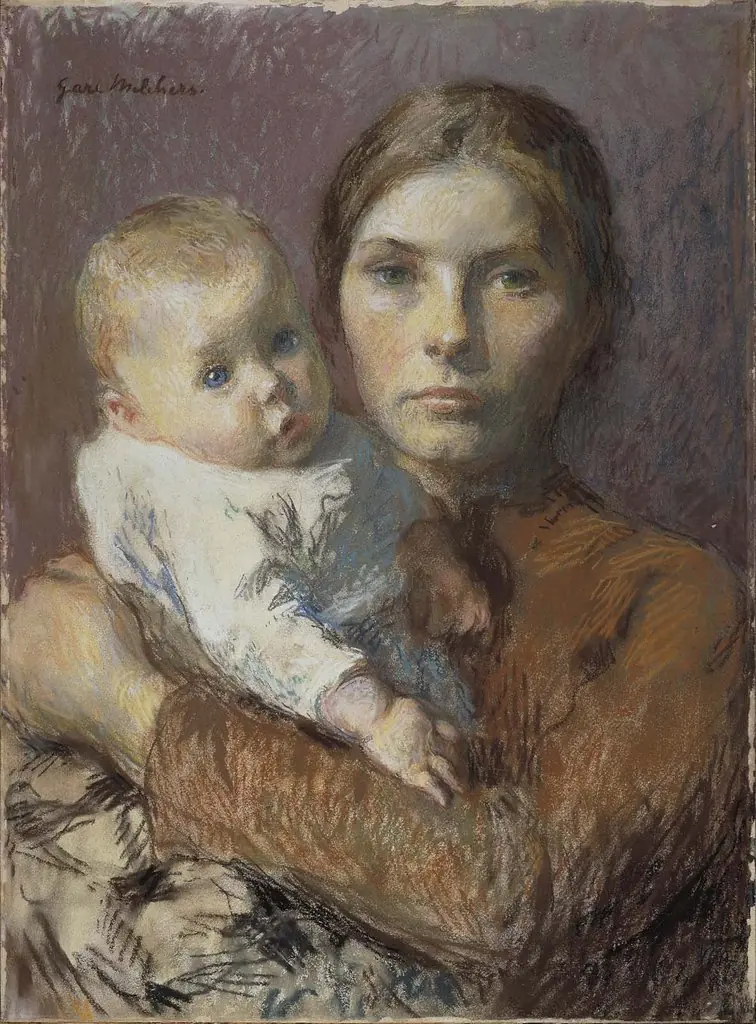
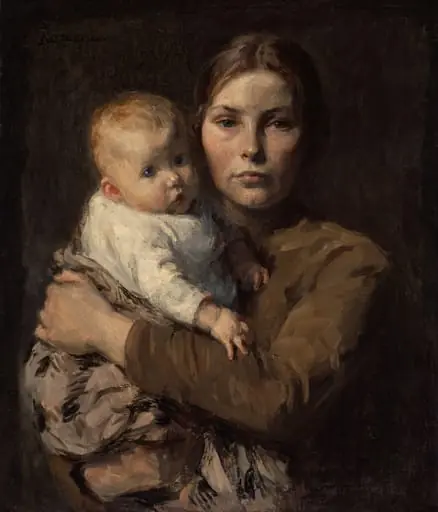
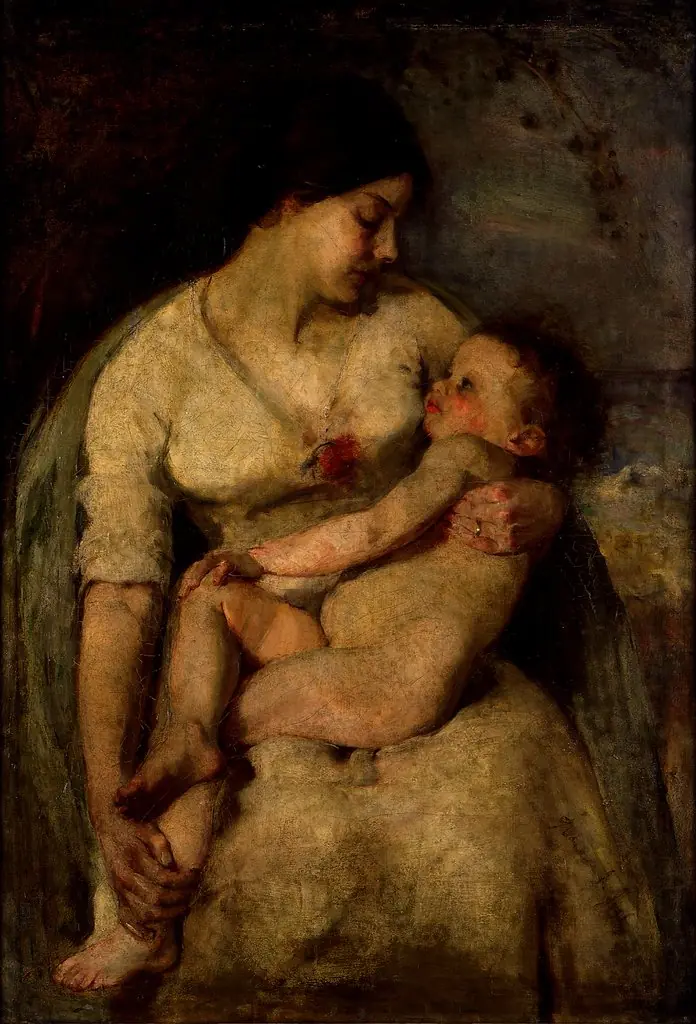
Madonna is an unspecified painting by Akseli Gallen-Kallela. It is held in the collection of the Gallen-Kallela Museum.
About this work
Overview
Akseli Gallen-Kallela painted *Madonna* during a period when he was moving away from realism toward a symbolic, national-romantic style.
Akseli Gallen-Kallela painted *Madonna* during a period when he was moving away from realism toward a symbolic, national-romantic style. Created in the late 19th or early 20th century, the work reflects his effort to infuse religious imagery with Finnish cultural identity. Rather than adhering to traditional European iconography, he grounded the sacred in everyday Finnish domestic life, aligning spiritual themes with local aesthetics and material culture.
Subject & Meaning
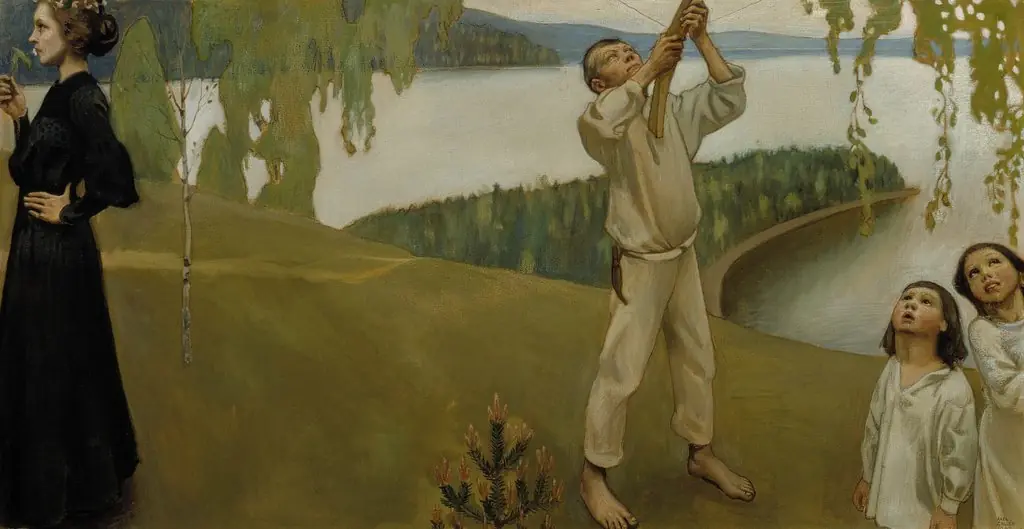
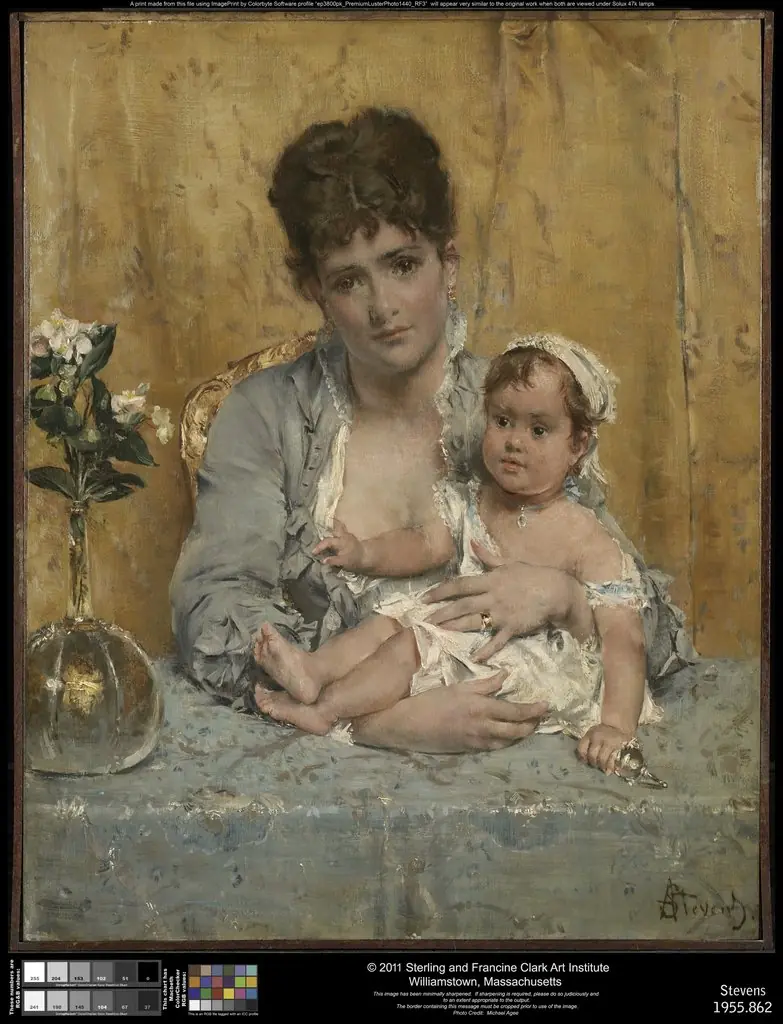
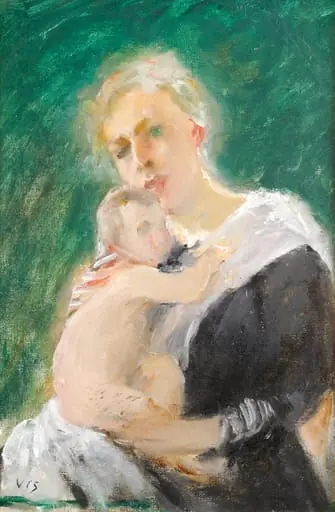
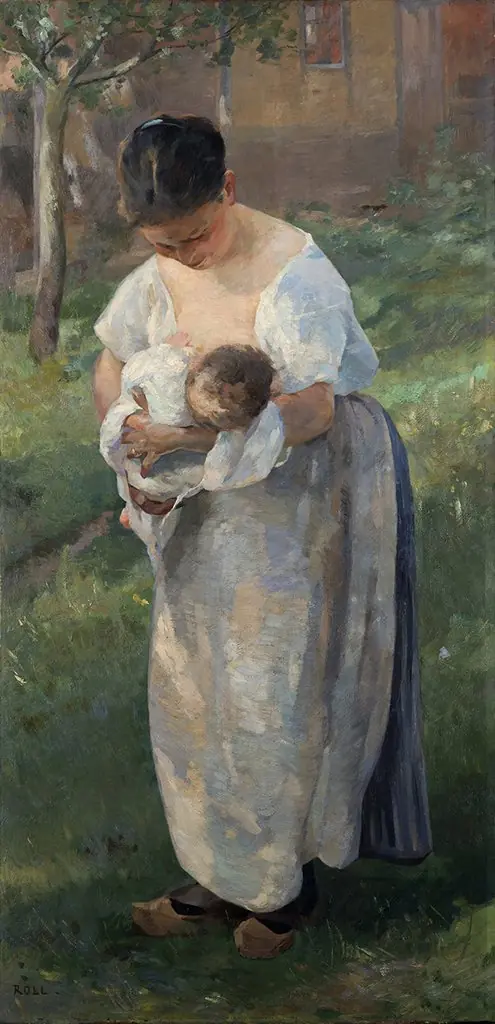
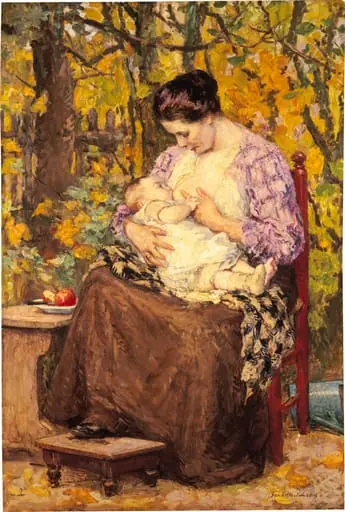
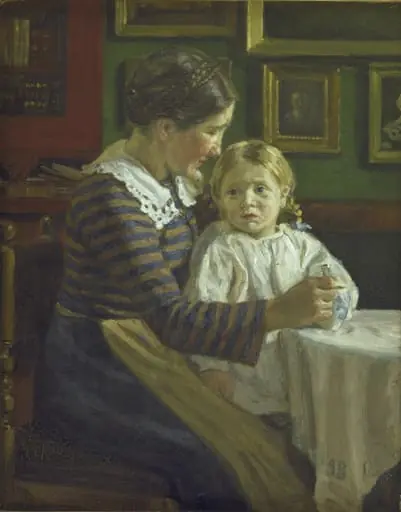
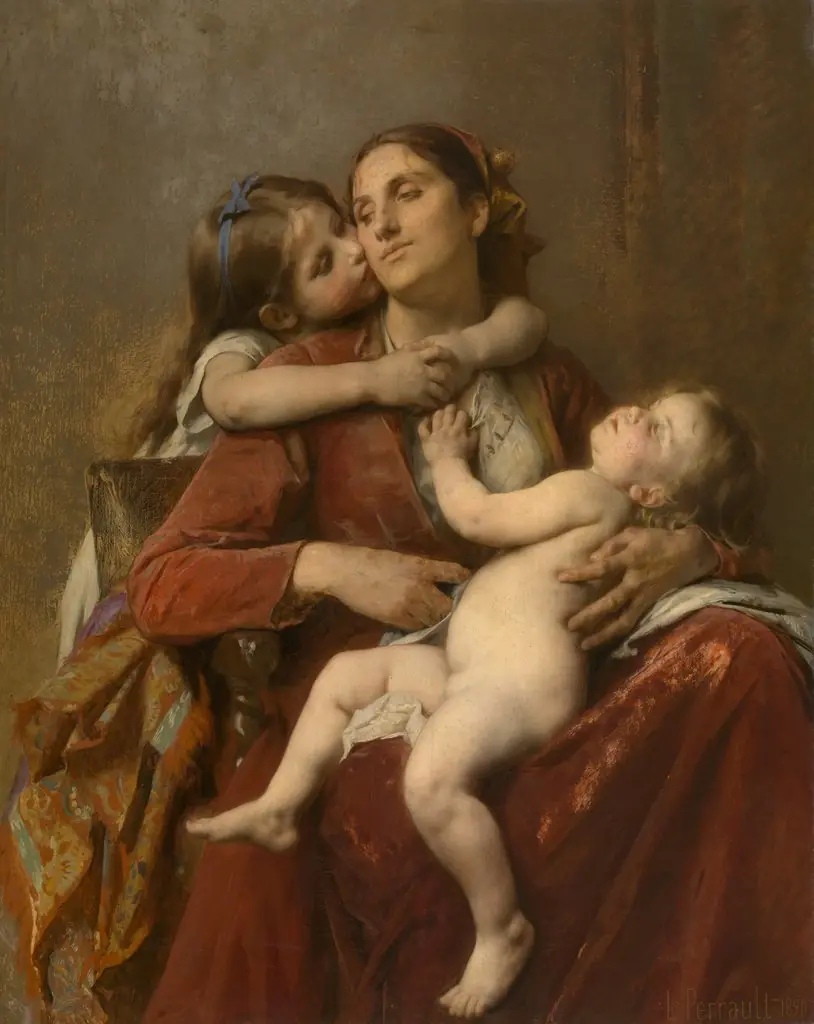
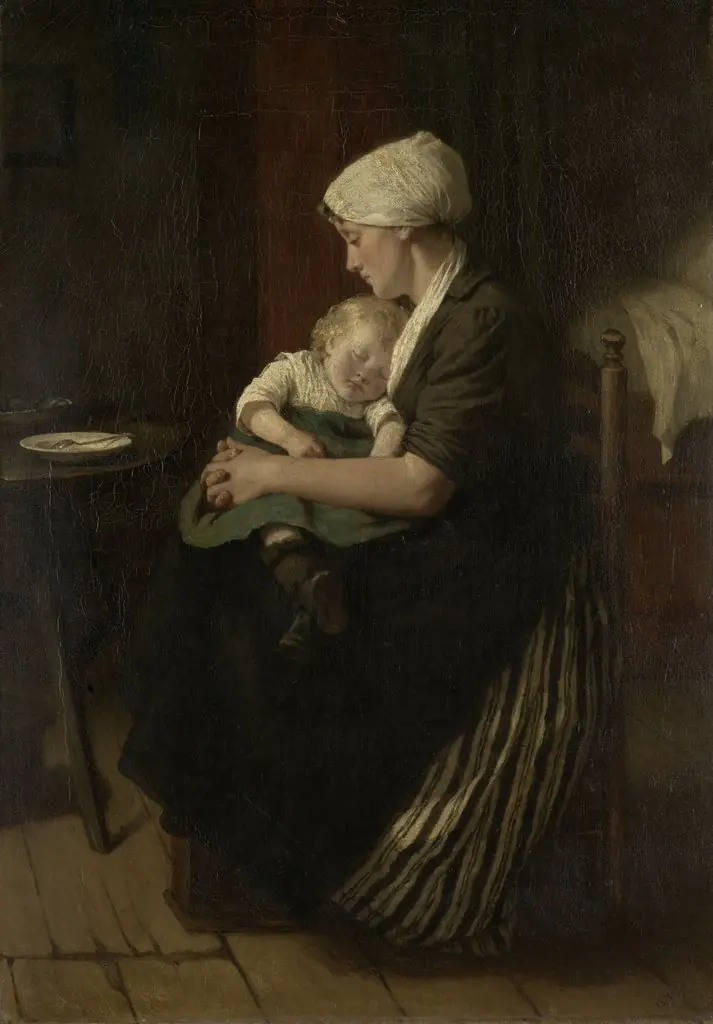
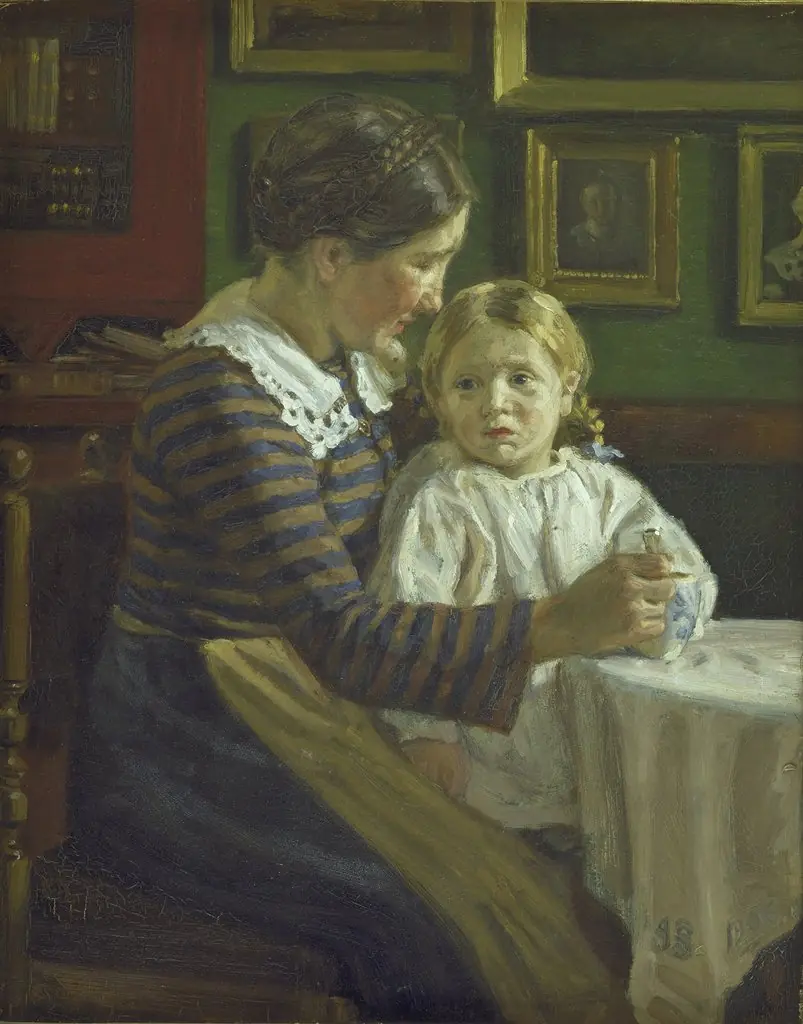
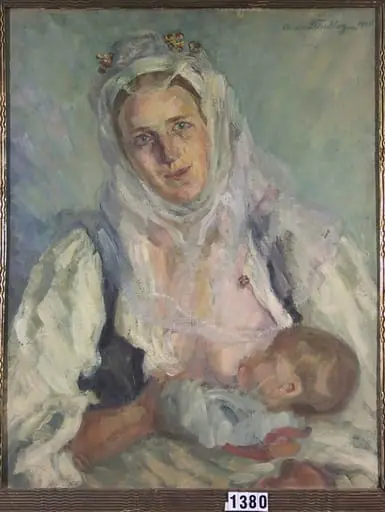
The painting presents a mother and child in a modest interior, evoking the Virgin and Infant Jesus without overt religious symbols. The woman’s calm demeanor and simple attire suggest a universal maternal figure, while the surrounding tools and fabrics imply a working household. This blending of the sacred and the ordinary reflects Gallen-Kallela’s belief that Finnish spirituality was rooted in daily life, not institutional doctrine.
Technique & Style
Gallen-Kallela employed thick, textured brushwork, using impasto to build surface depth and emotional weight. The lighting is subdued yet directional, highlighting the mother’s face against a shadowed background, drawing focus to her expression. The room’s clutter is rendered with loose, energetic strokes, contrasting with the smoother modeling of the figures. This approach merges realism with symbolic abstraction, characteristic of his national-romantic phase.
History & Provenance
Created during Gallen-Kallela’s most productive period of nationalistic exploration, *Madonna* emerged alongside his other religious and mythological works intended to foster Finnish cultural pride. It was likely exhibited in early 20th-century Finnish art circles and later entered public collections as part of efforts to preserve the nation’s artistic heritage. Its provenance remains tied to Finnish institutions that championed his legacy.
Context
At the turn of the century, Finland was under Russian rule and seeking cultural autonomy. Gallen-Kallela’s art, including *Madonna*, contributed to a broader movement that redefined national identity through indigenous themes. By situating Christian imagery within Finnish domestic spaces, he offered a visual alternative to imported European models, reinforcing the idea that Finnishness could be both spiritual and secular.
Legacy
The painting remains a key example of how Finnish artists synthesized religious tradition with local realism to forge a distinct national voice. Though not widely reproduced, it influenced later generations who sought to depict Finnish life with dignity and symbolic depth. Its quiet, unidealized portrayal of motherhood continues to resonate as a quiet assertion of cultural self-definition.
Artist & collection
Artist
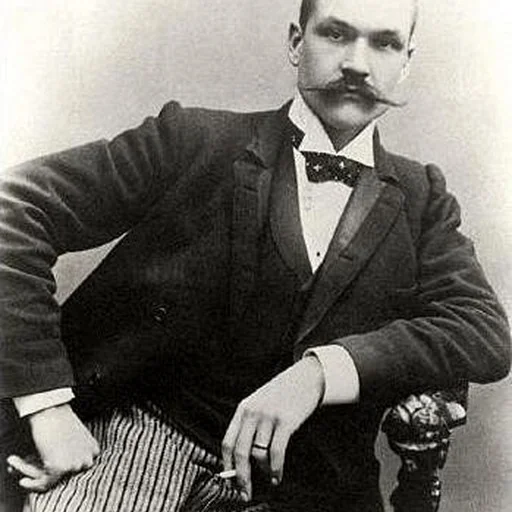
Akseli Gallen-Kallela (born Axel Waldemar Gallén; 26 April 1865 – 7 March 1931) was a Finnish painter and a leading figure of Finnish romantic nationalism around the turn of the 20th century.