Artwork
Omakuva Firenzen Uffizi-galleriaa varten
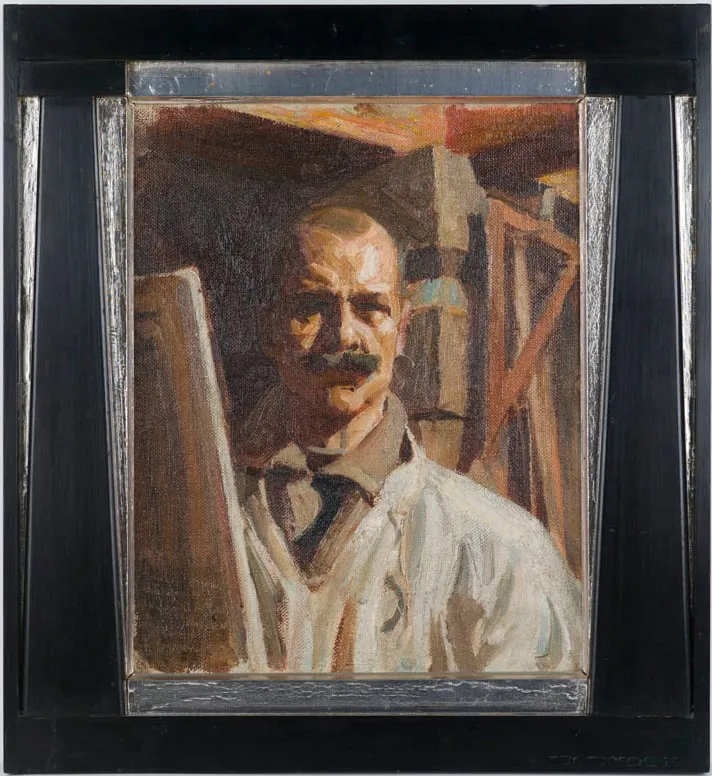
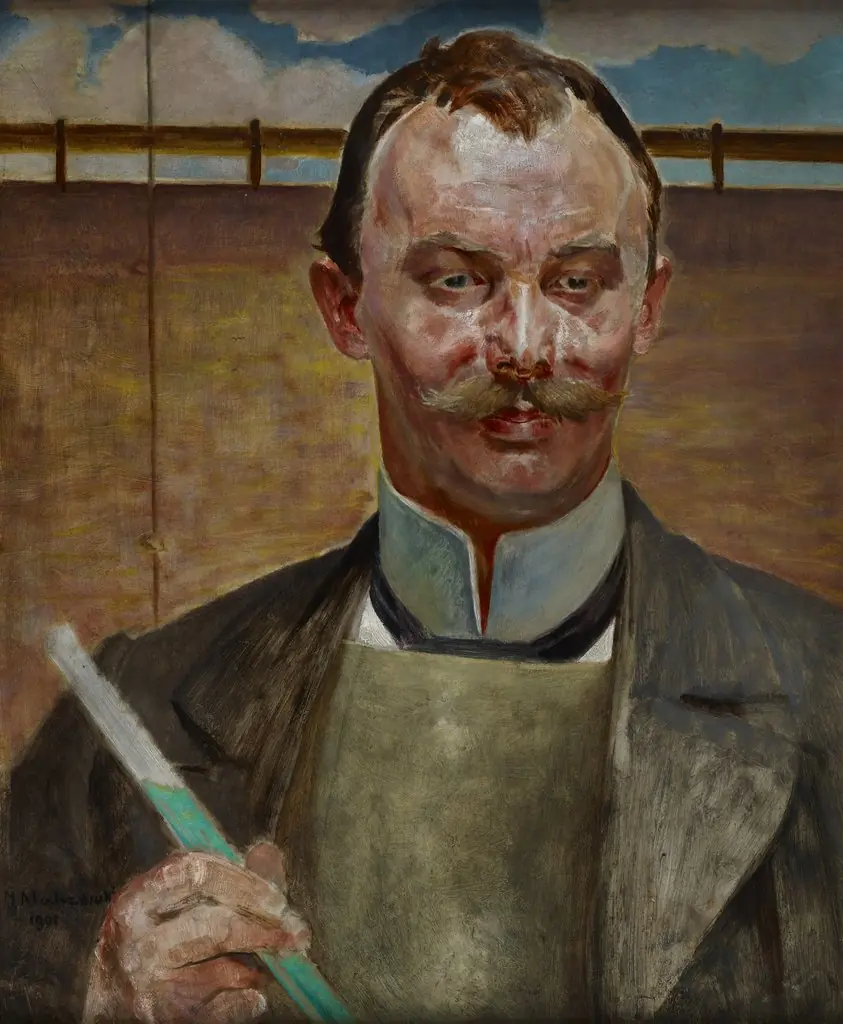
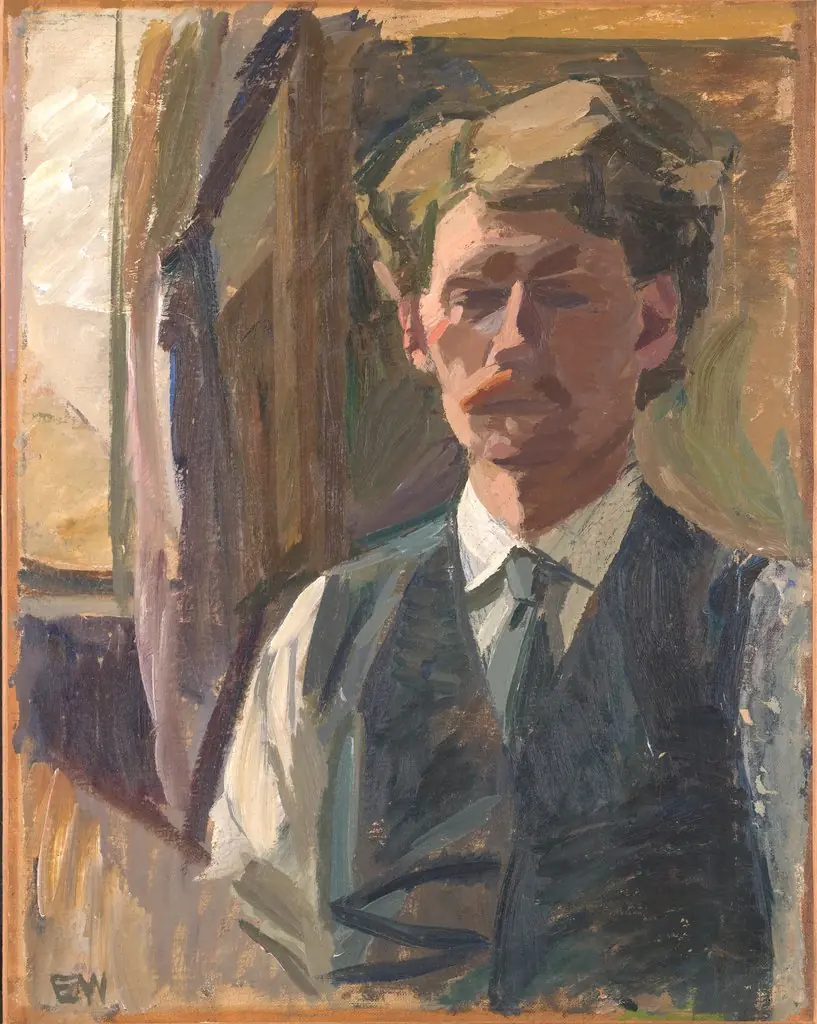
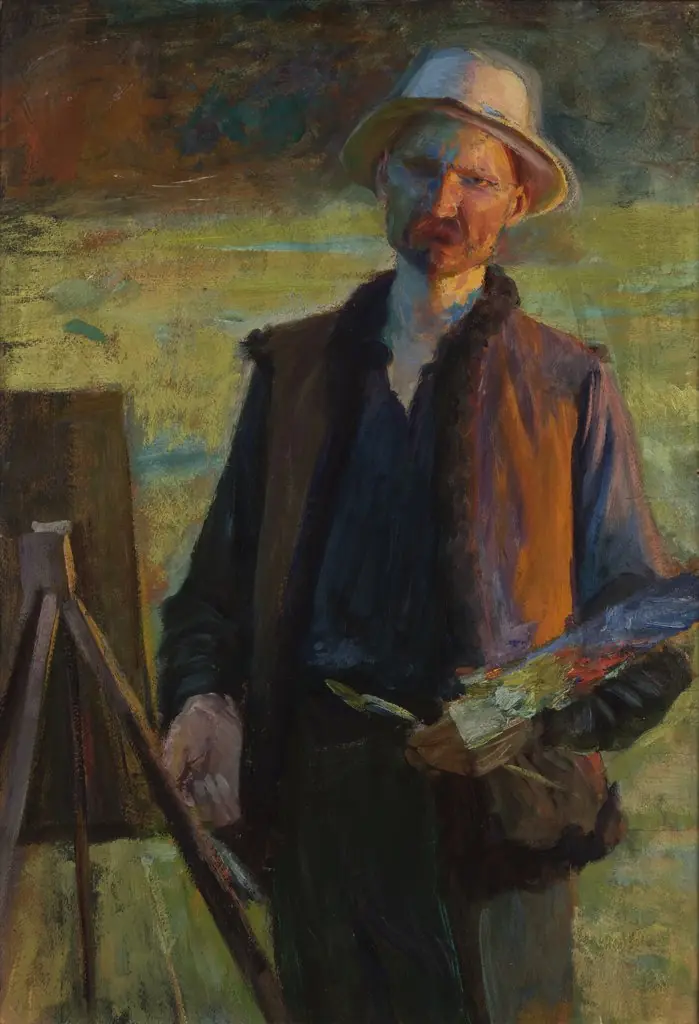
Omakuva Firenzen Uffizi-galleriaa varten is an unspecified painting by Akseli Gallen-Kallela. It is held in the collection of the Gallen-Kallela Museum. This portrait depicts a man in formal attire, standing before a large canvas in a dimly lit interior.
About this work
Overview
The painting’s composition centers on the subject’s relationship to his own artistic creation, implying self-reflection through the act of painting.
This portrait depicts a man in formal attire, standing before a large canvas in a dimly lit interior. His expression is focused, and his posture suggests engagement with his work. Thick, tactile brushwork defines his figure and the surrounding space, emphasizing presence over detail. The painting’s composition centers on the subject’s relationship to his own artistic creation, implying self-reflection through the act of painting.
Subject & Meaning
The figure, likely an artist, holds a tool in one hand and faces a blank canvas, positioning himself as both creator and subject. His serious demeanor and attire convey professionalism, while the act of painting himself underscores a contemplative engagement with identity and labor. The blurred background isolates him, reinforcing the introspective nature of the scene and the solitary nature of artistic practice.
Technique & Style
The painting employs bold, visible brushstrokes that build form through texture rather than fine detail. Dark, indistinct surroundings contrast with the sharply rendered figure, drawing attention to his presence. The use of light is subtle, modeling his face and clothing without dramatic highlights. This approach favors emotional resonance over realism, aligning with late 19th-century tendencies toward expressive brushwork and psychological depth.
History & Provenance
The work was created for the Uffizi Gallery in Florence, likely as part of a commission or collection initiative focused on contemporary artists. Its origin is tied to Finnish artistic circles, and it is associated with Akseli Gallen-Kallela, who frequently portrayed himself in the act of creation. The painting entered the Uffizi’s holdings as a representation of Nordic artistic identity during a period of expanding European cultural exchange.
Context
In the late 1800s, self-portraiture became a vehicle for artists to assert individuality and professional legitimacy. Gallen-Kallela, among others, used this format to explore national identity and the role of the artist in society. This work reflects broader trends in Northern Europe, where painters sought to connect personal expression with cultural revival, often through intimate, unidealized depictions of their own practice.
Legacy
The painting contributes to a tradition of artist self-representation that influenced later generations in Scandinavia and beyond. Its emphasis on the artist’s physical presence amid the tools of creation resonates with modernist inquiries into authorship and labor. Though not widely exhibited, it remains a quiet testament to the introspective nature of artistic identity in the fin de siècle.
Artist & collection
Artist
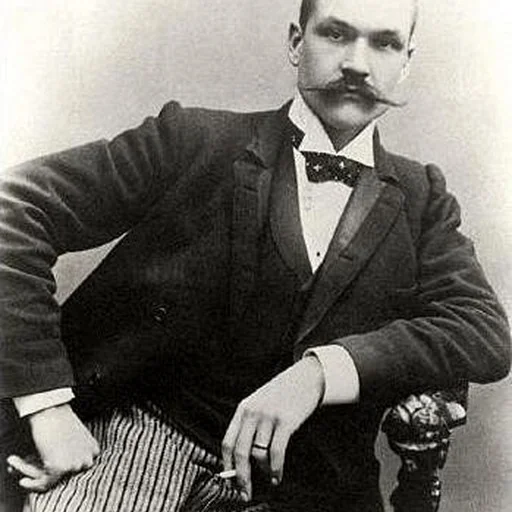
Akseli Gallen-Kallela (born Axel Waldemar Gallén; 26 April 1865 – 7 March 1931) was a Finnish painter and a leading figure of Finnish romantic nationalism around the turn of the 20th century.