Artwork
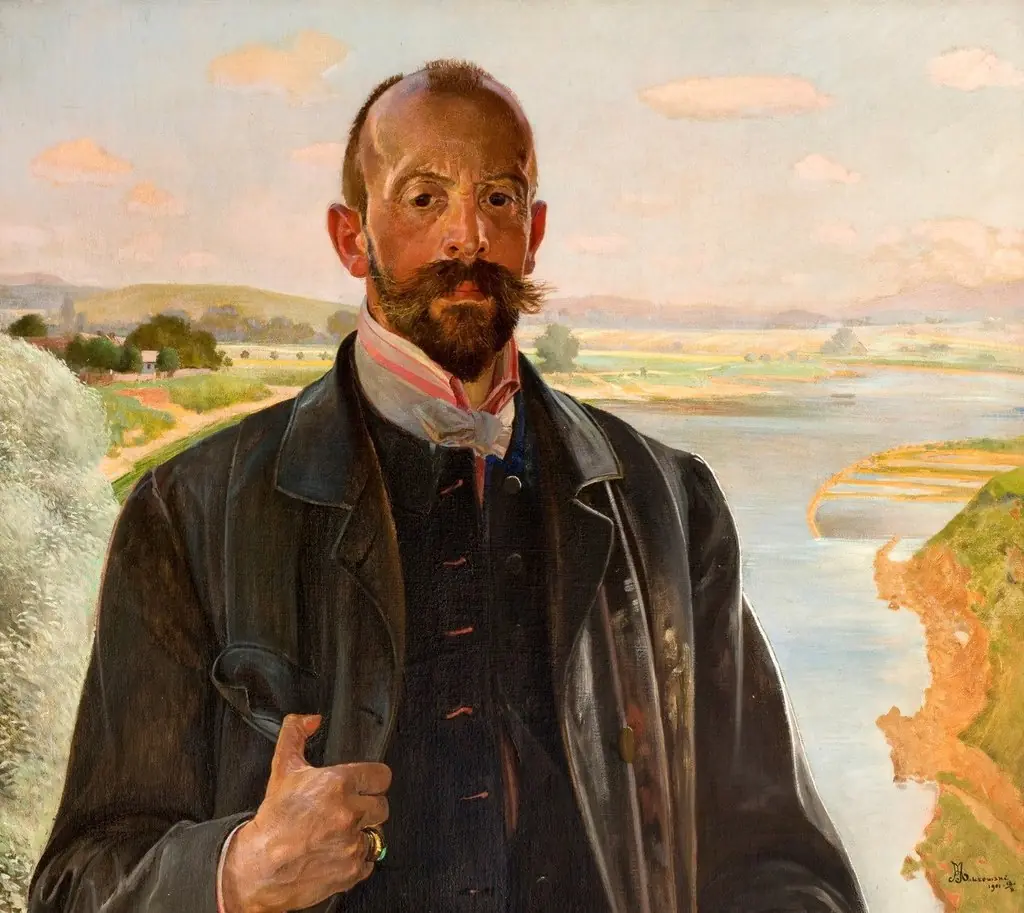
Portrait of Alfred Stepek
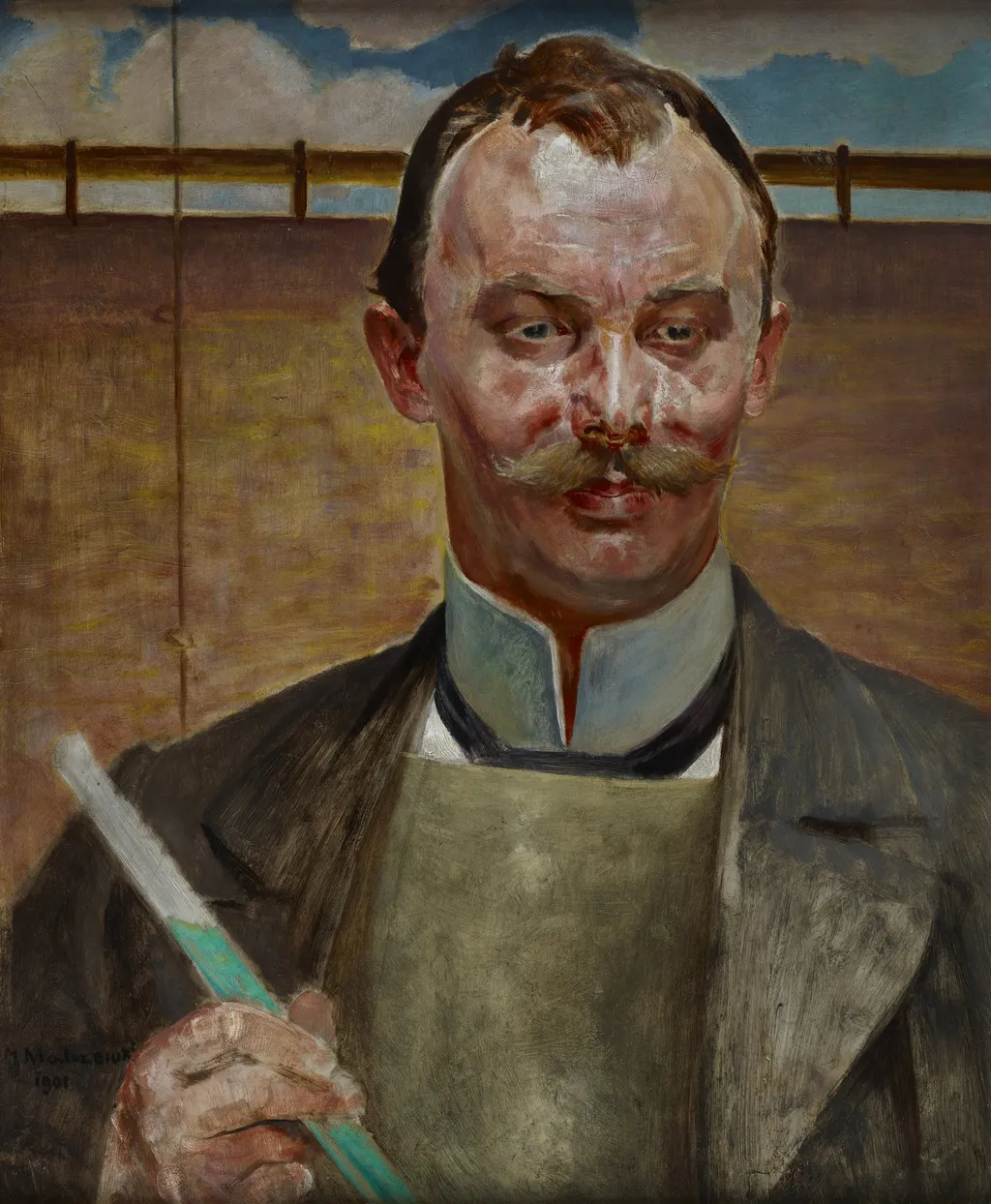
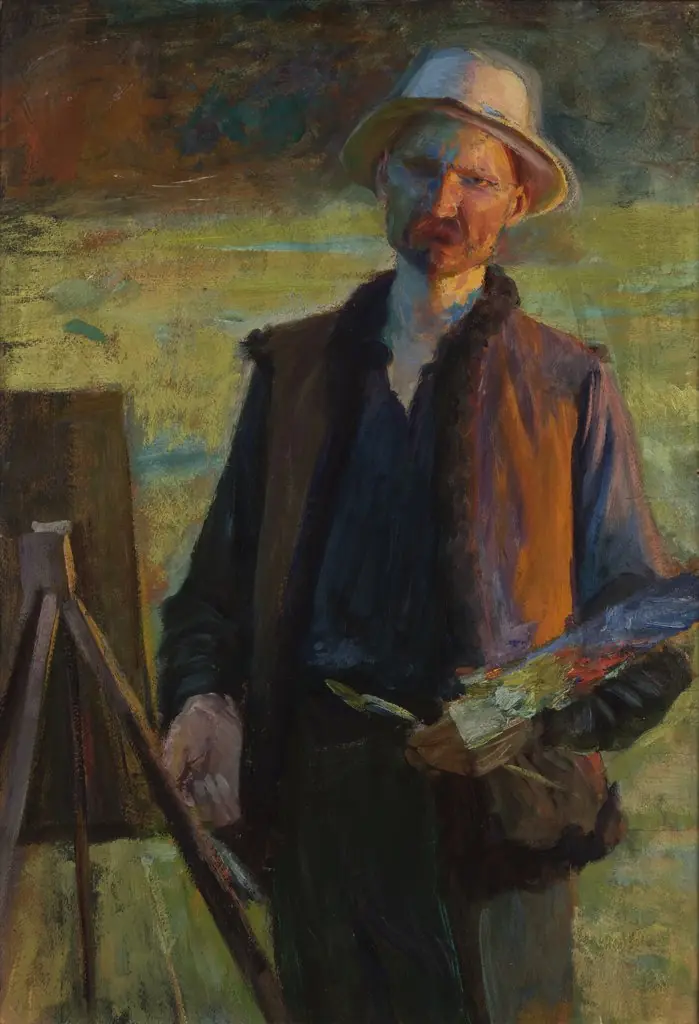
Portrait of Alfred Stepek is an oil painting by the Post-Impressionist artist Jacek Malczewski. It dates from 1901 and is held in the collection of the National Museum in Kraków.
About this work
Overview
Painted in 1901 by Jacek Malczewski, this oil portrait captures Alfred Stepek, a figure associated with the cultural circles of Young Poland.
Painted in 1901 by Jacek Malczewski, this oil portrait captures Alfred Stepek, a figure associated with the cultural circles of Young Poland. The work is part of the National Museum in Kraków’s collection and reflects Malczewski’s engagement with portraiture during a period when he was synthesizing modern techniques with symbolic depth. Though rooted in realism, the painting carries subtle psychological and contextual layers characteristic of his broader artistic concerns.
Subject & Meaning
The sitter, Alfred Stepek, is depicted in work attire—a dark jacket, white shirt, and green apron—suggesting a manual or artisanal trade. In his right hand, he holds a slender green object, possibly a tool or implement tied to his profession. The calm, direct gaze and composed posture convey quiet dignity, avoiding theatricality. The setting, with its simple wall and sky, frames him as an individual rather than a symbol, grounding the portrait in everyday reality while leaving room for interpretation.
Technique & Style
Malczewski employs a restrained palette dominated by earth tones and muted greens, with the blue sky offering a quiet contrast. Brushwork is deliberate but not overly detailed, emphasizing form and mood over fine texture. The composition centers the figure against a shallow background, directing focus to his face and hands. This approach aligns with post-impressionist tendencies, prioritizing emotional resonance and structural clarity over naturalistic detail.
History & Provenance
The painting entered the National Museum in Kraków’s collection shortly after its completion, likely through direct acquisition or donation linked to Malczewski’s ties to the city’s artistic community. Its early inclusion in the museum’s holdings underscores its recognition within Polish cultural institutions. No significant changes in ownership or restoration are documented, preserving its original condition and intent.
Context
Created during the height of the Young Poland movement, the portrait reflects a broader cultural shift toward introspective realism and national self-definition. While Malczewski is better known for mythological allegories, this work reveals his capacity to portray ordinary individuals with gravity. It stands as a quiet counterpoint to his more elaborate symbolic pieces, illustrating the range of his engagement with Polish identity beyond legend and folklore.
Legacy
Though less discussed than Malczewski’s allegorical works, this portrait contributes to understanding his versatility as a painter of character. It exemplifies how symbolic artists of the era could turn to portraiture to explore human presence without overt narrative. The painting remains a reference point for studies of early 20th-century Polish realism and the nuanced ways identity was rendered outside grand historical themes.
Own this work as a print
Artist & collection
Artist
Jacek Malczewski (Polish: ; 15 July 1854 – 8 October 1929) was a Polish symbolist painter who was one of the central figures of the patriotic Young Poland movement.

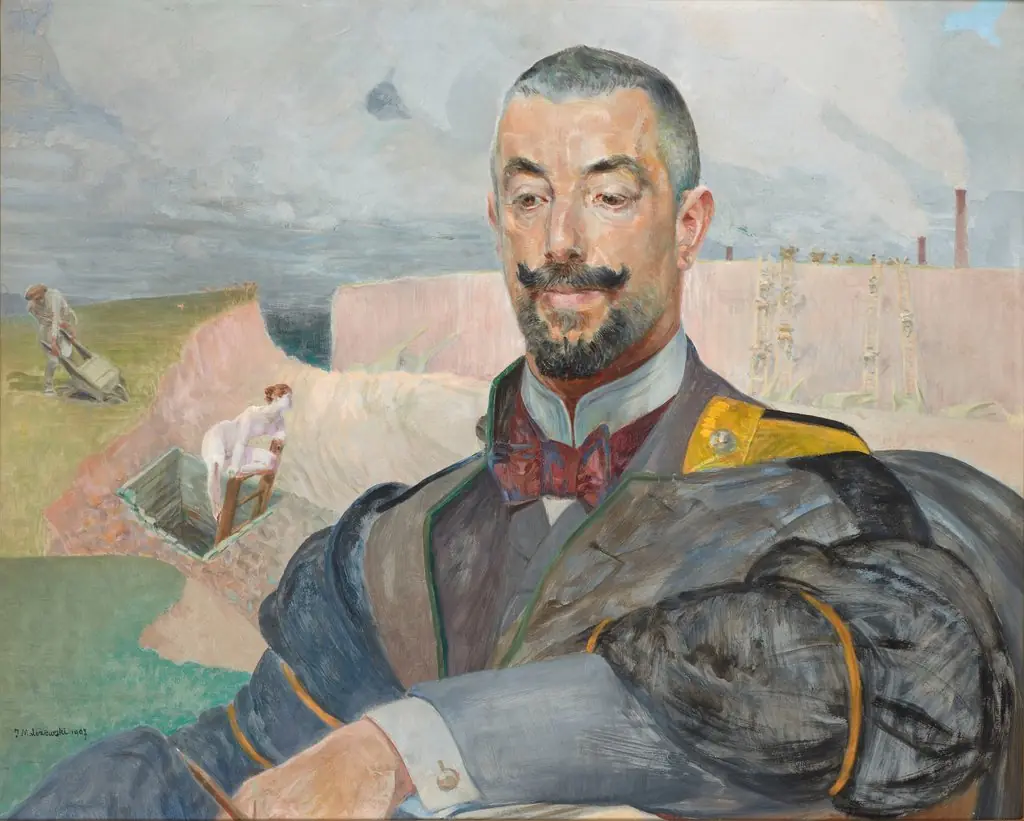
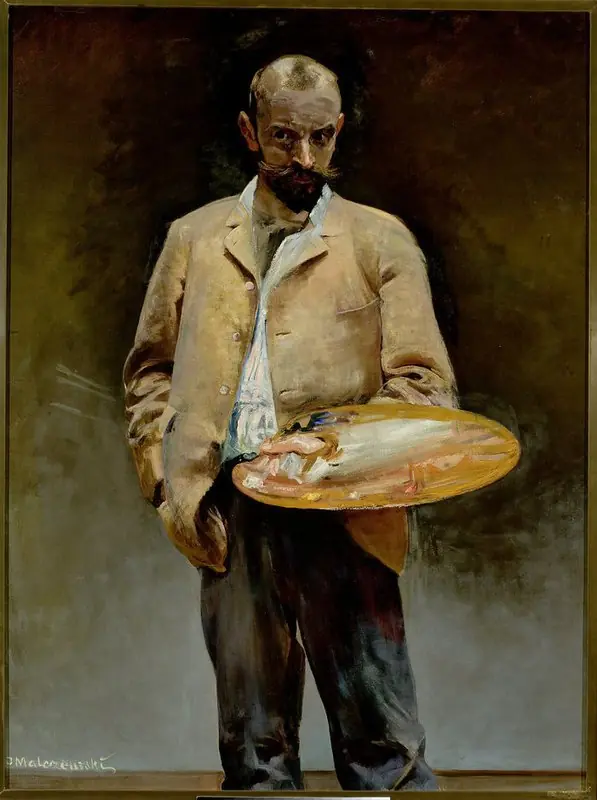
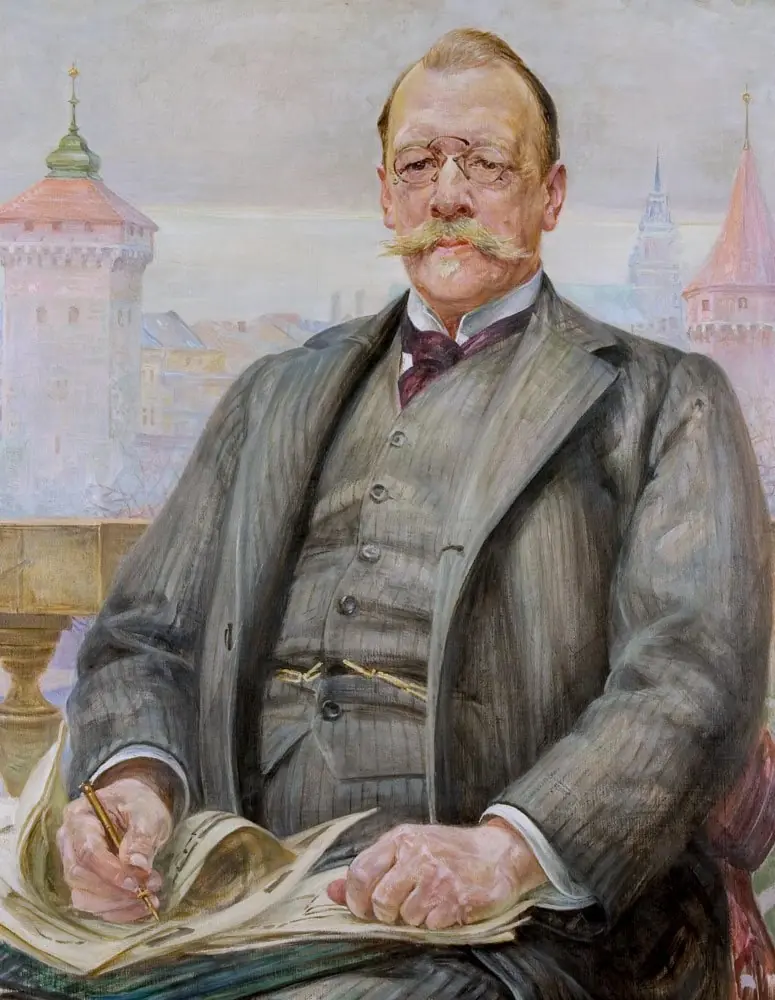
 Omakuva Firenzen Uffizi-galleriaa varten
 Portrait of Bogdan Faleński – two-sided painting
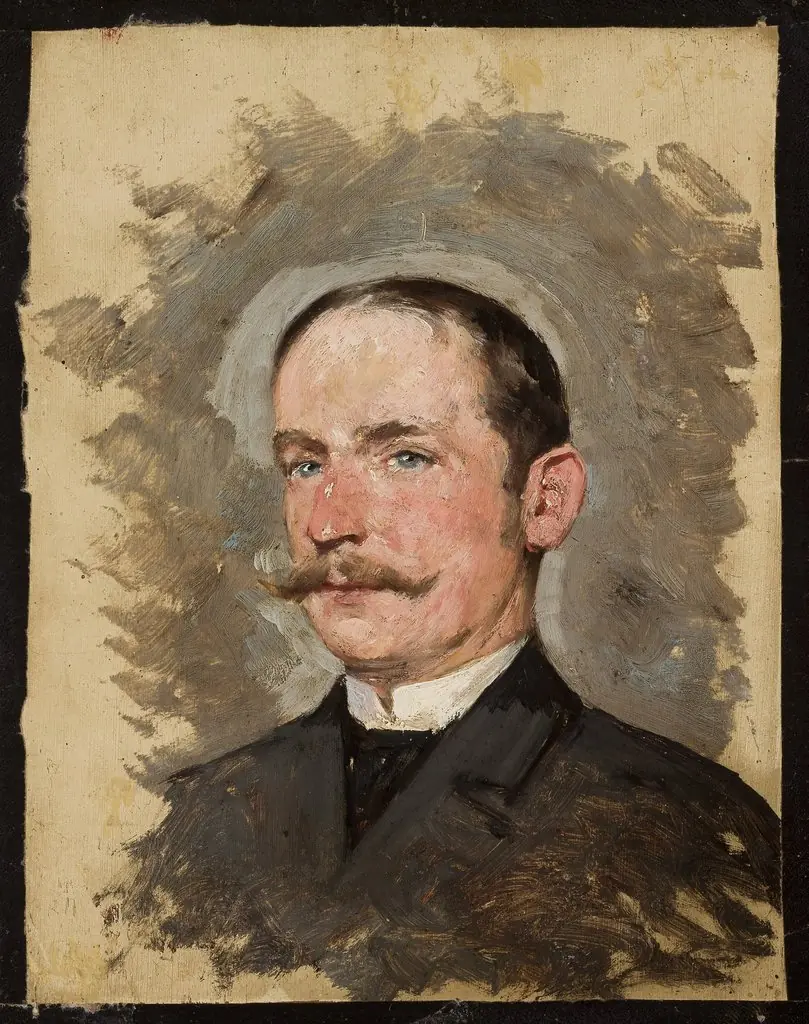 Portrait of a man
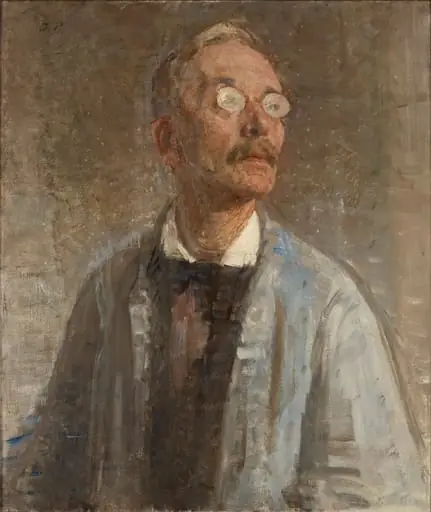 Omakuva
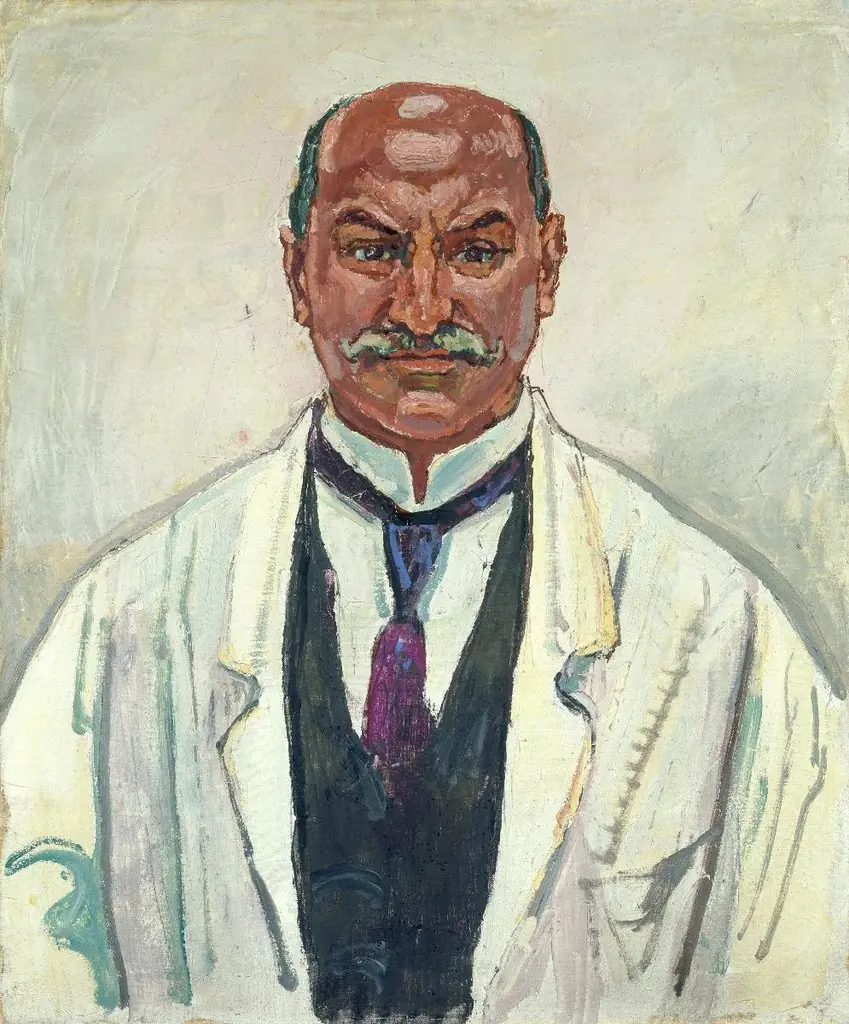 Bildnis Professor Beuttner
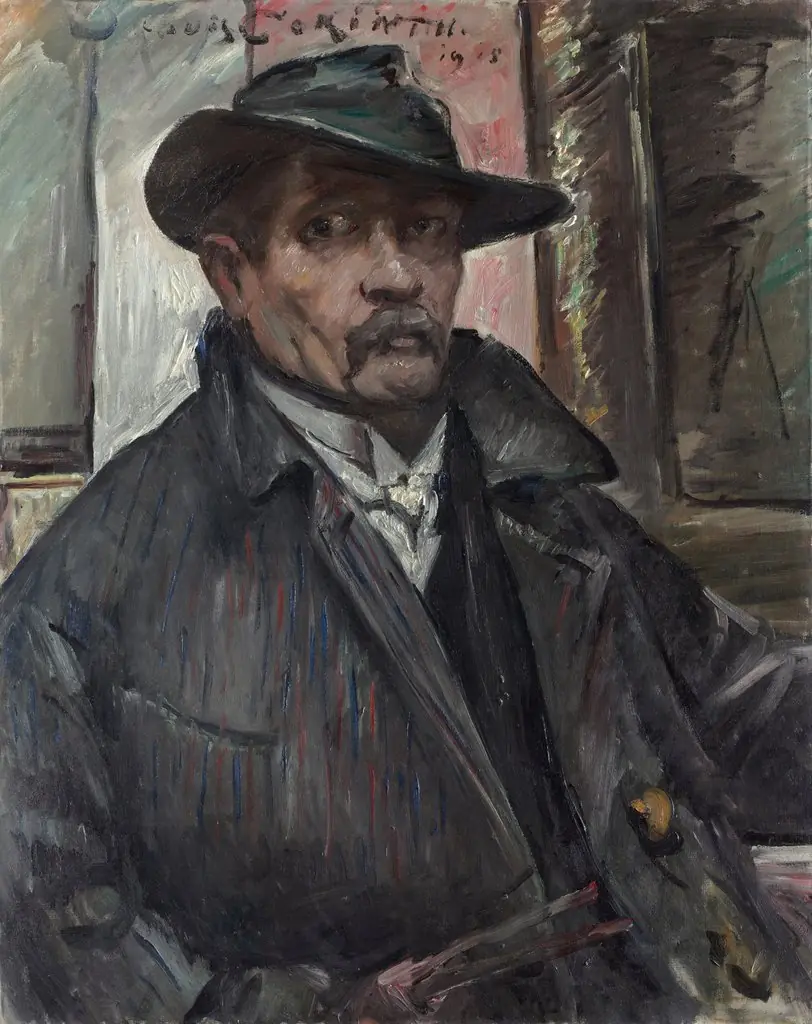 Self-Portrait with Hat and Coat
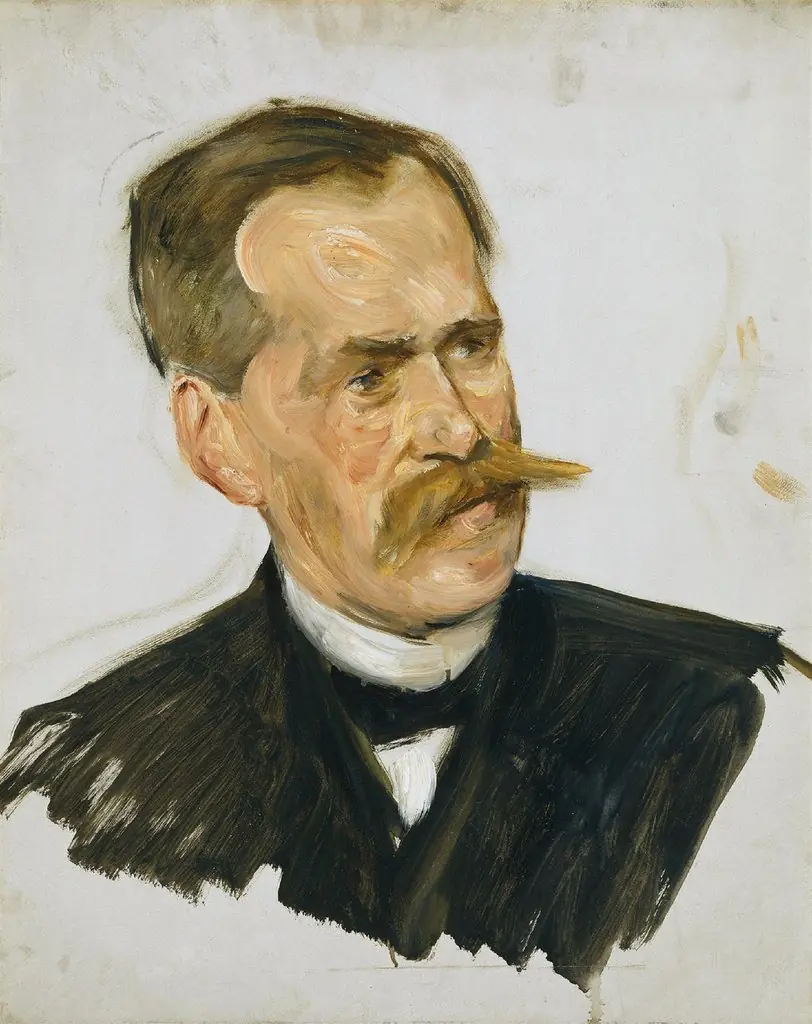 Professor Eduard Zacharias
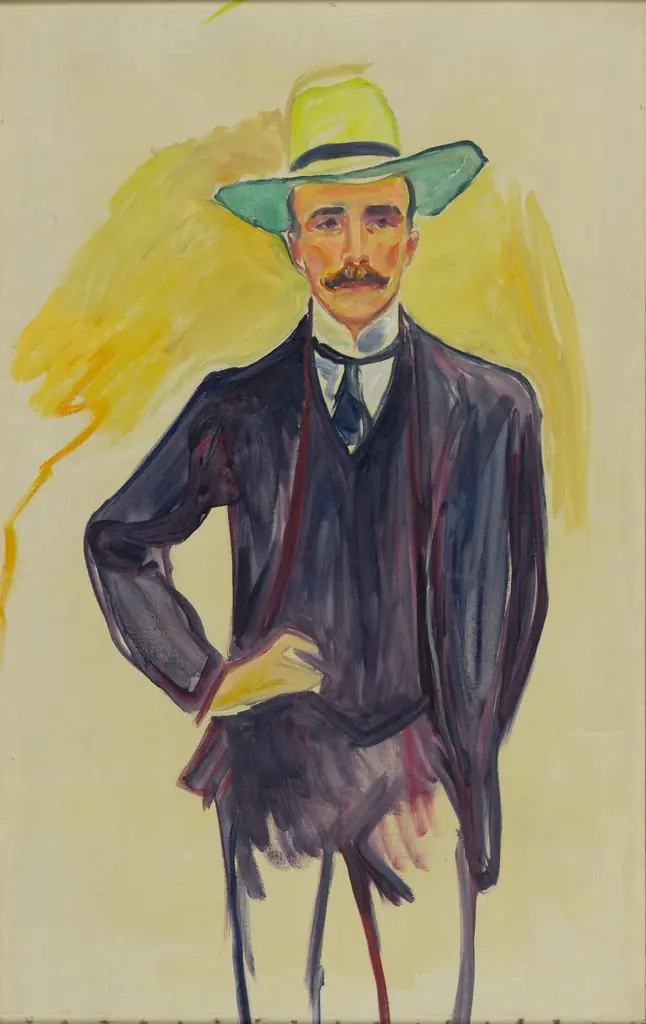 Harry Graf Kessler
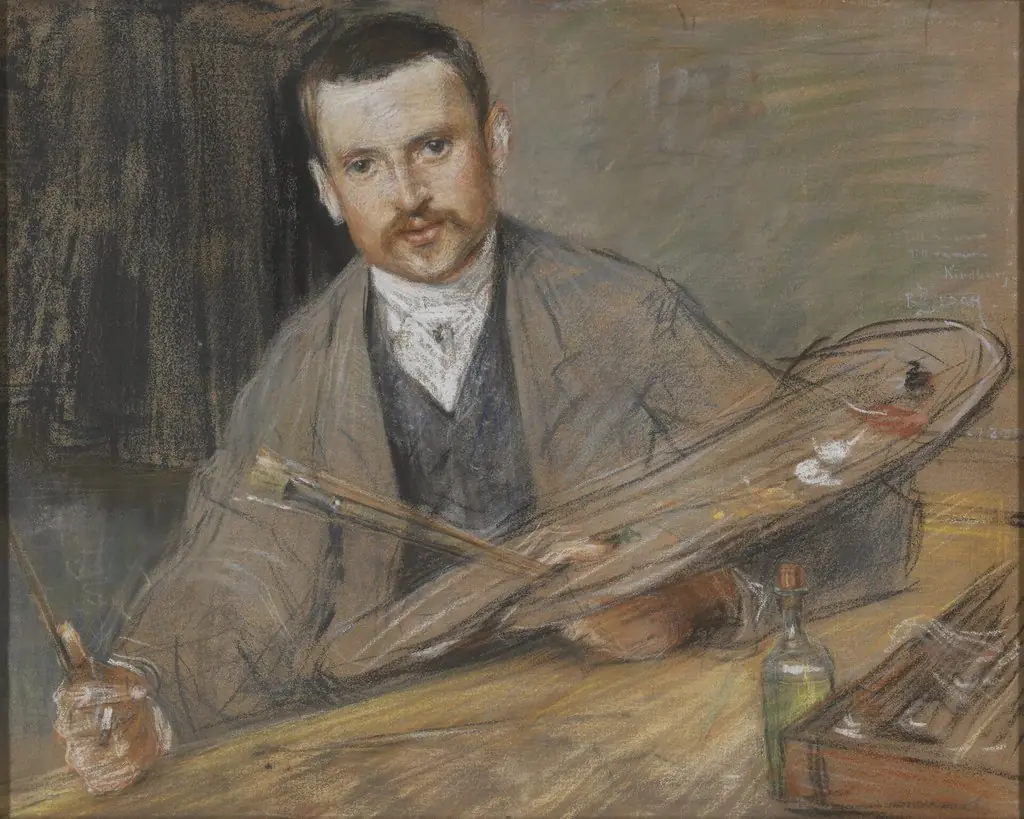 Johan Kindborg, 1861-1907, konstnär, gift med trägravören Emy Edman
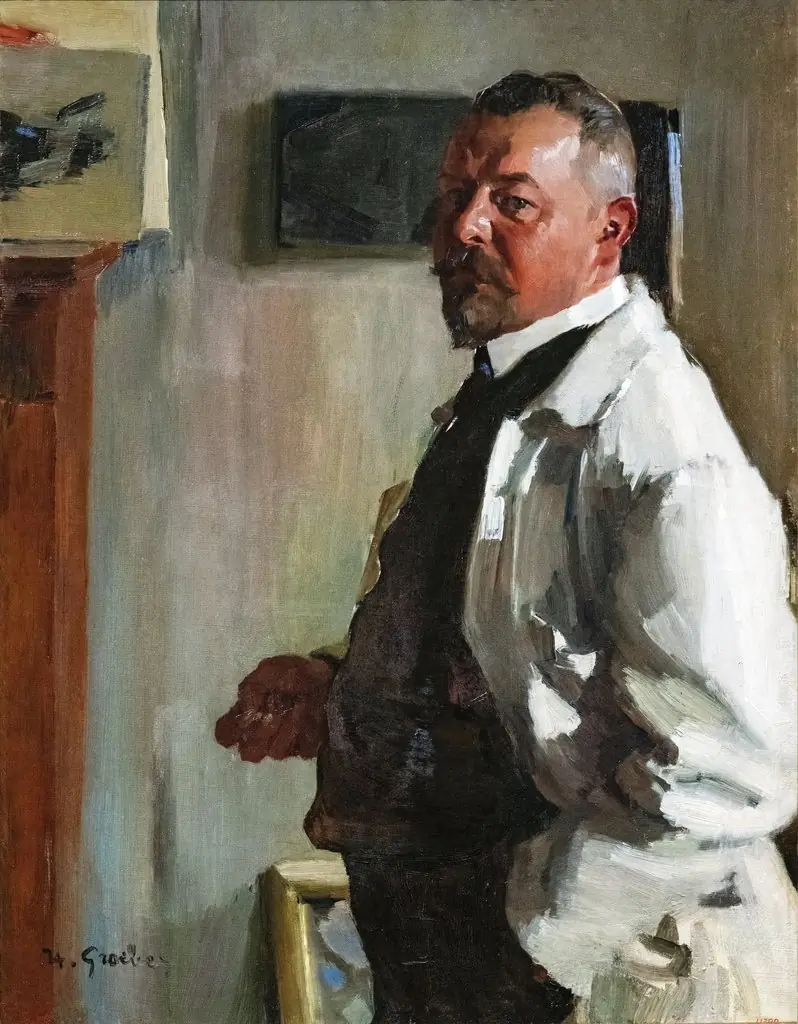 Retrat de l'escultor Beer (1846-1912)
 Self-Portrait
 Portrait of Jarosław Odrowąż-Pieniążek