Artwork
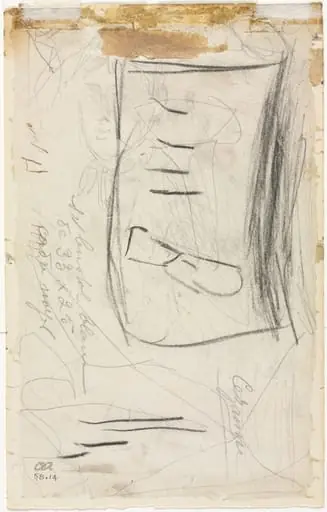
Scribbles; Two Shapes [verso]
![Scribbles; Two Shapes [verso], by Paul Gauguin, crayon, 1886](https://artifactworldgallery.com/img/paul-gauguin--scribbles-two-shapes-verso--e2a0386c2e41033b-w1024.webp)
Scribbles; Two Shapes [verso] is a crayon drawing by the Impressionist artist Paul Gauguin. It dates from 1886 and is held in the collection of the National Gallery of Art. Created in 1886, this small drawing on wove paper is an intimate exercise in line and form, executed in crayon.
About this work
Overview
Created in 1886, this small drawing on wove paper is an intimate exercise in line and form, executed in crayon. It belongs to a series of informal studies Gauguin made during a transitional phase in his artistic development, before his mature Symbolist style fully emerged. The work’s simplicity and spontaneity contrast with his later, more structured compositions.
Subject & Meaning
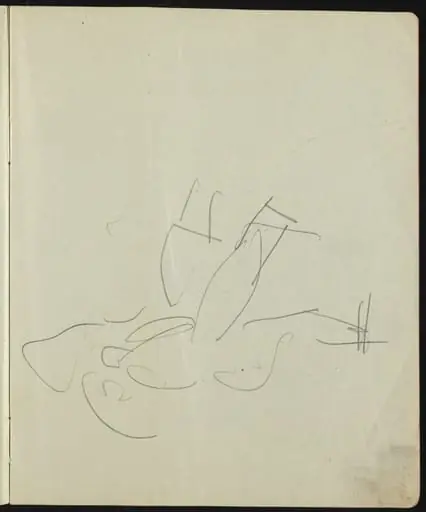
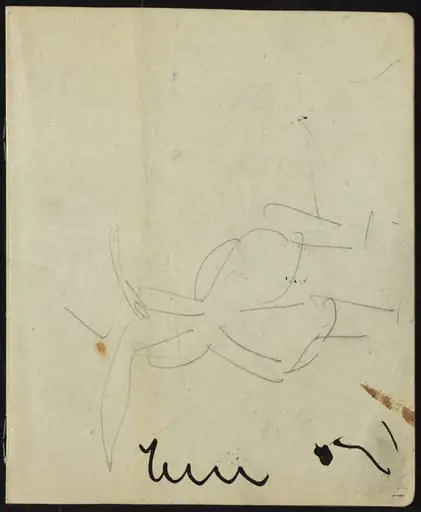
The drawing presents two abstract, non-representational forms—one a loose oval with surrounding strokes, the other a vertical shape with irregular appendages. Neither suggests a recognizable object; instead, they function as visual experiments. Gauguin used these marks to explore gesture and composition, possibly as preparatory thoughts for larger works or as meditative sketches.
Technique & Style
Crayon was applied with minimal refinement, emphasizing immediacy over polish. The lines are uneven, hurried, and uncorrected, revealing a direct, tactile engagement with the medium. This approach aligns with Gauguin’s broader interest in stripping away academic conventions, favoring raw expression over detailed rendering during this period.
History & Provenance
The drawing was made during Gauguin’s time in Brittany, a period when he was distancing himself from Impressionist techniques and seeking new modes of expression. It likely remained in his personal collection or among studio sketches, later entering institutional holdings as part of broader efforts to document his artistic evolution.
Context
In 1886, Gauguin was experimenting with simplified forms and symbolic content, influenced by folk art and medieval woodcuts. This drawing reflects his search for an alternative to naturalism, preceding his fully developed Synthetist style. Such sketches were part of a larger practice of visual note-taking that informed his later, more celebrated works.
Legacy
Though minor in scale, this drawing illustrates Gauguin’s commitment to process over product. It reveals the quiet, iterative nature of his artistic development, offering insight into how abstract experimentation preceded his iconic paintings. Today, it serves as a testament to the value of preliminary work in shaping modernist innovation.
Artist & collection
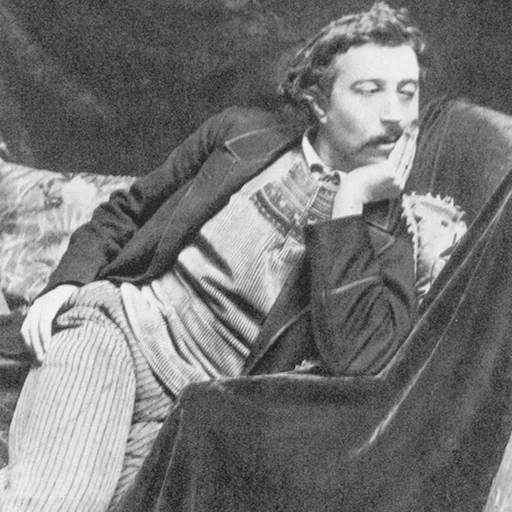
Artist
Eugène Henri Paul Gauguin (; French: ; 7 June 1848 – 8 May 1903) was a French painter, sculptor, printmaker, ceramist, and writer, whose work has been primarily associated with the Post-Impressionist and Symbolist movements.

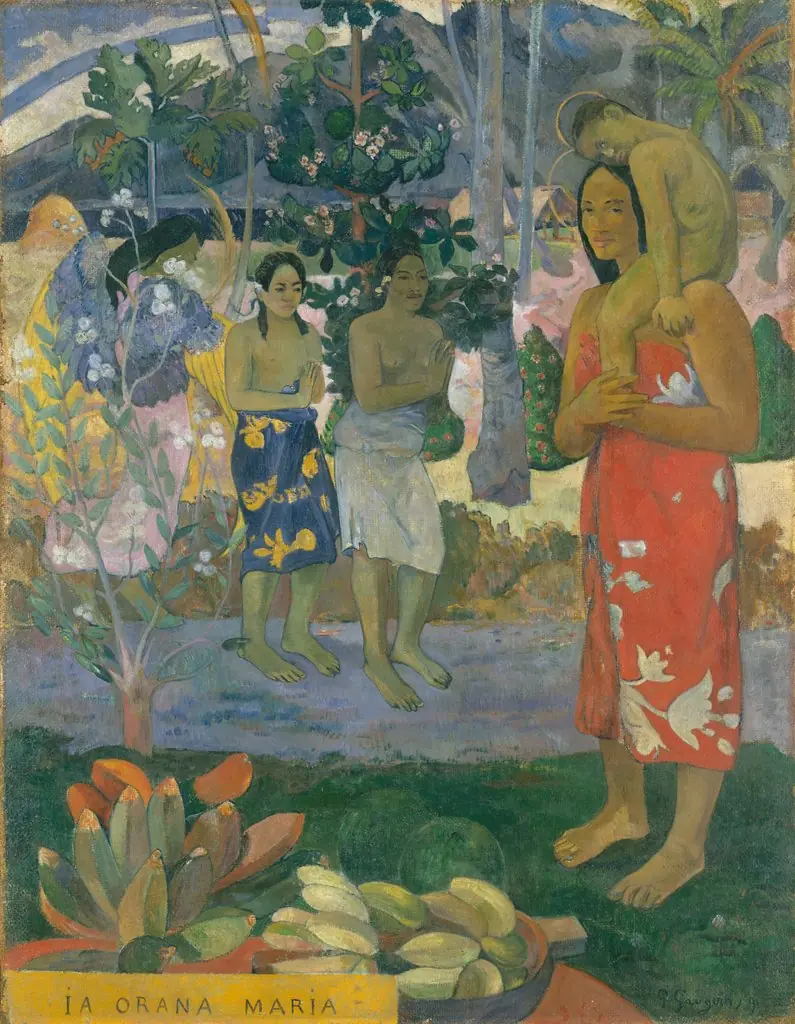
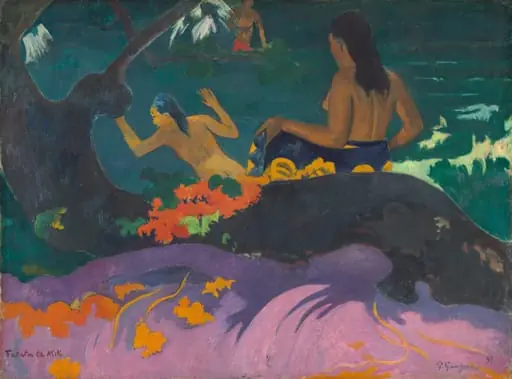
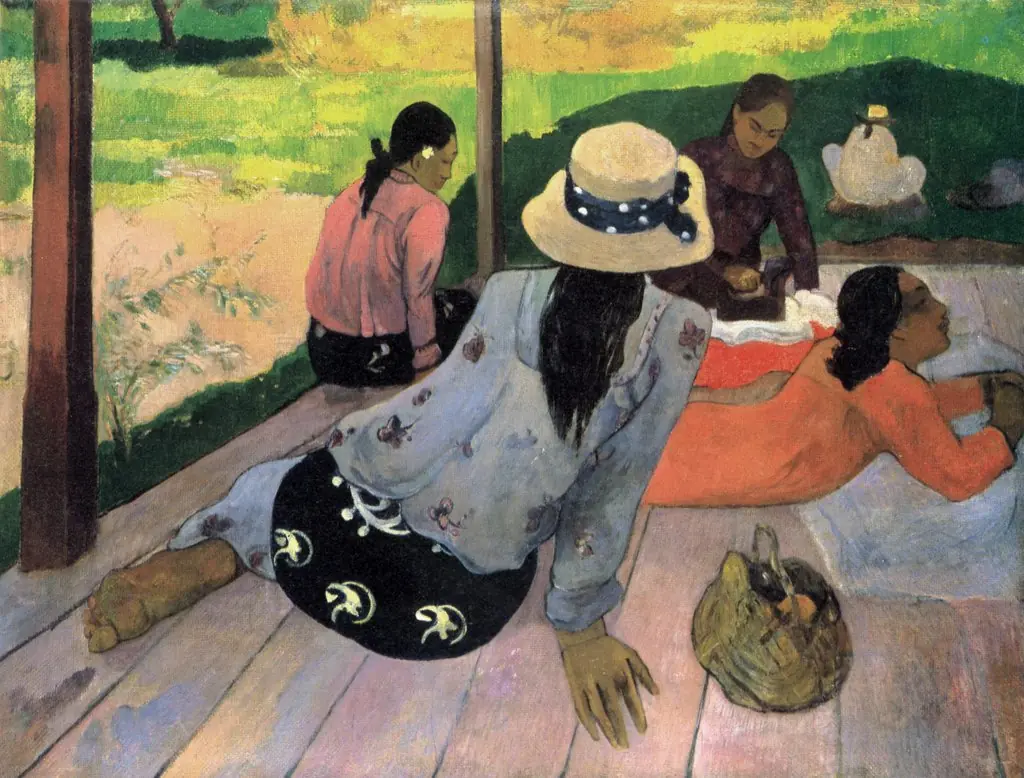
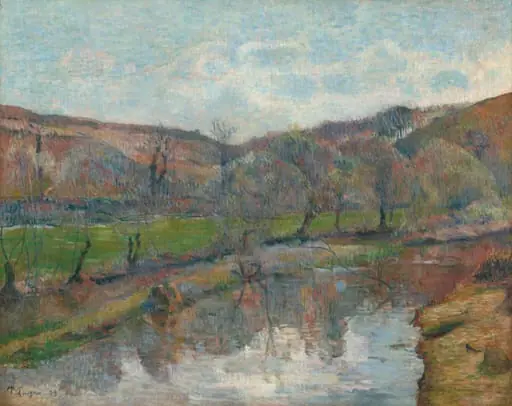
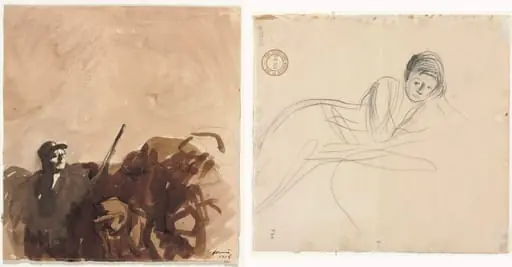 Soldier in a Trench (recto) Reclining Woman (verso)
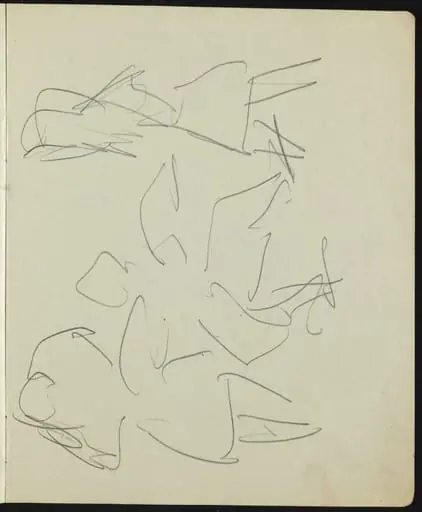 Dancers and Performers (Page from a Sketchbook)
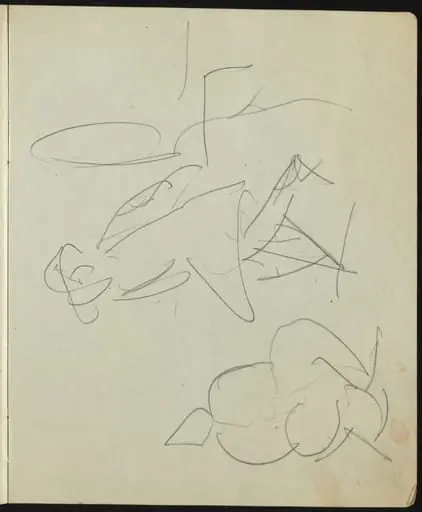 Dancers and Performers (Page from a Sketchbook)
 Dancers and Performers (Page from a Sketchbook)
 Dancers and Performers (Page from a Sketchbook)
 Dancers and Performers (Page from a Sketchbook)
 Dancers and Performers (Page from a Sketchbook)
 Sketch of Madame Cézanne (verso)
 Montarea tronsonului de cale ferată