Artwork
Dancers and Performers (Page from a Sketchbook)
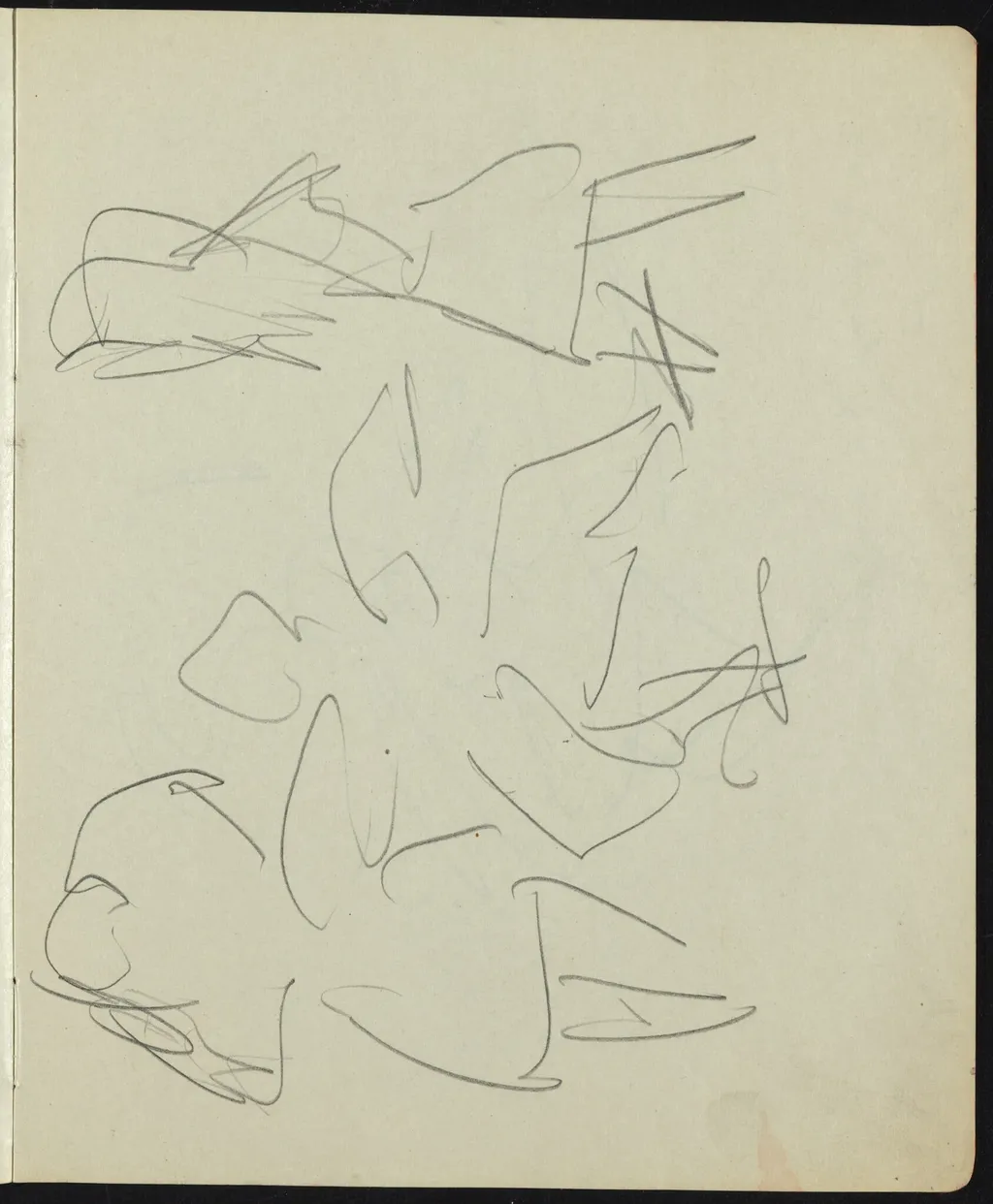
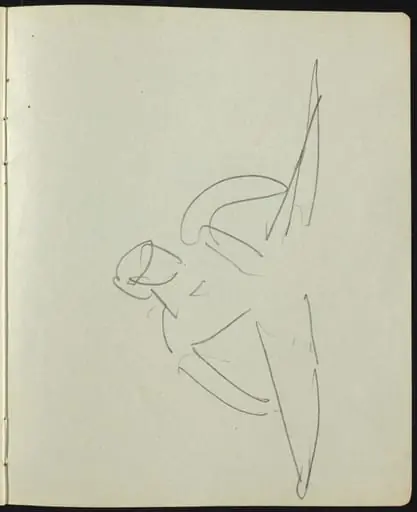
Dancers and Performers (Page from a Sketchbook) is a graphite drawing by Ernst Ludwig Kirchner. It dates from 1911 and is held in the collection of the National Gallery of Art.
About this work
Overview
This drawing is one of many pages from Ernst Ludwig Kirchner’s sketchbook, dated around 1911. Executed in graphite on wove paper, it captures a sequence of gestural marks that suggest motion rather than defined figures. The composition lacks color and detail, focusing instead on the rhythm of line and pressure to convey the energy of performance.
Subject & Meaning
The page does not depict specific dancers or performances but rather abstracts their movement through overlapping curves and angular strokes.
The page does not depict specific dancers or performances but rather abstracts their movement through overlapping curves and angular strokes. Kirchner was drawn to the dynamism of urban entertainment, and here, the forms evoke the physicality of stage performers—bodies in flux, limbs entwined, gestures caught mid-motion. The ambiguity invites multiple readings, emphasizing sensation over narrative.
Technique & Style
Kirchner used graphite with varying pressure, creating dense, smudged areas where his hand pressed firmly and faint, sketchy traces where he lifted the pencil. Lines intersect and retrace, suggesting revision and immediacy. The absence of shading or tone shifts the focus to line quality alone, reinforcing the expressive, almost musical rhythm of his hand.
History & Provenance
Created during Kirchner’s time in Berlin, this page belongs to a series of studies made in his studio between 1910 and 1913. These sketches were not intended for public display but served as direct responses to live performances and movement. The sketchbook remained in private hands until acquired by a major institution, preserving its intimate, unpolished character.
Context
In early 20th-century Germany, artists like Kirchner sought to break from academic traditions by capturing modern life’s urgency. Dancers and performers were frequent subjects, symbolizing both vitality and alienation in the city. This drawing reflects his alignment with Expressionism—prioritizing emotional resonance over realism, using gesture to convey inner experience.
Legacy
Kirchner’s sketchbook pages, including this one, influenced later generations by demonstrating how drawing could function as a direct conduit for perception. Their raw energy and rejection of finish challenged conventional notions of artistic completion, affirming the sketch as a legitimate vessel for artistic inquiry and emotional truth.
Artist & collection
Artist
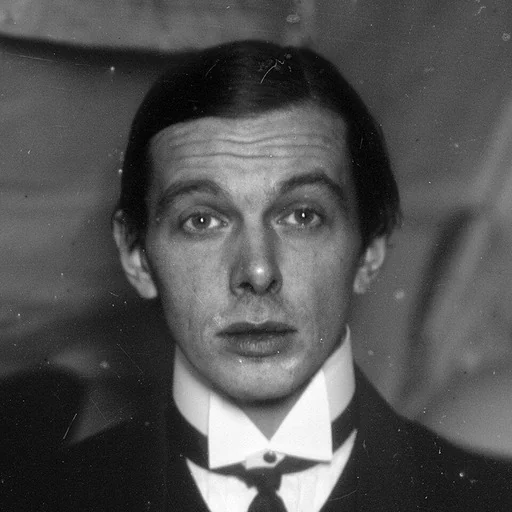
Ernst Ludwig Kirchner (6 May 1880 – 15 June 1938) was a German expressionist painter and printmaker.

![Dance Hall Bellevue [obverse], by Ernst Ludwig Kirchner](https://artifactworldgallery.com/img/ernst-ludwig-kirchner--dance-hall-bellevue-obverse--d1e14aac4297c69e-w320.webp)
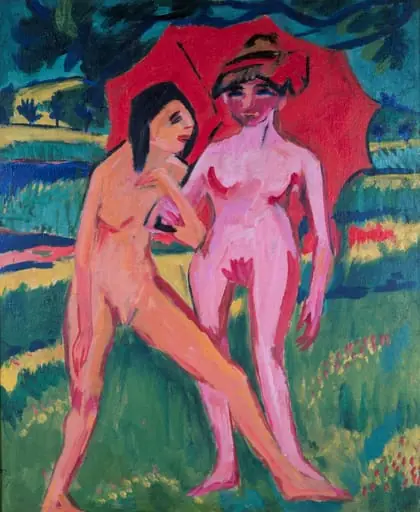
![Nude Figure [reverse], by Ernst Ludwig Kirchner](https://artifactworldgallery.com/img/ernst-ludwig-kirchner--nude-figure-reverse--4b135f0364753e98-w320.webp)
![Two Nudes [obverse], by Ernst Ludwig Kirchner](https://artifactworldgallery.com/img/ernst-ludwig-kirchner--two-nudes-obverse--eb3914183f0bc96d-w320.webp)
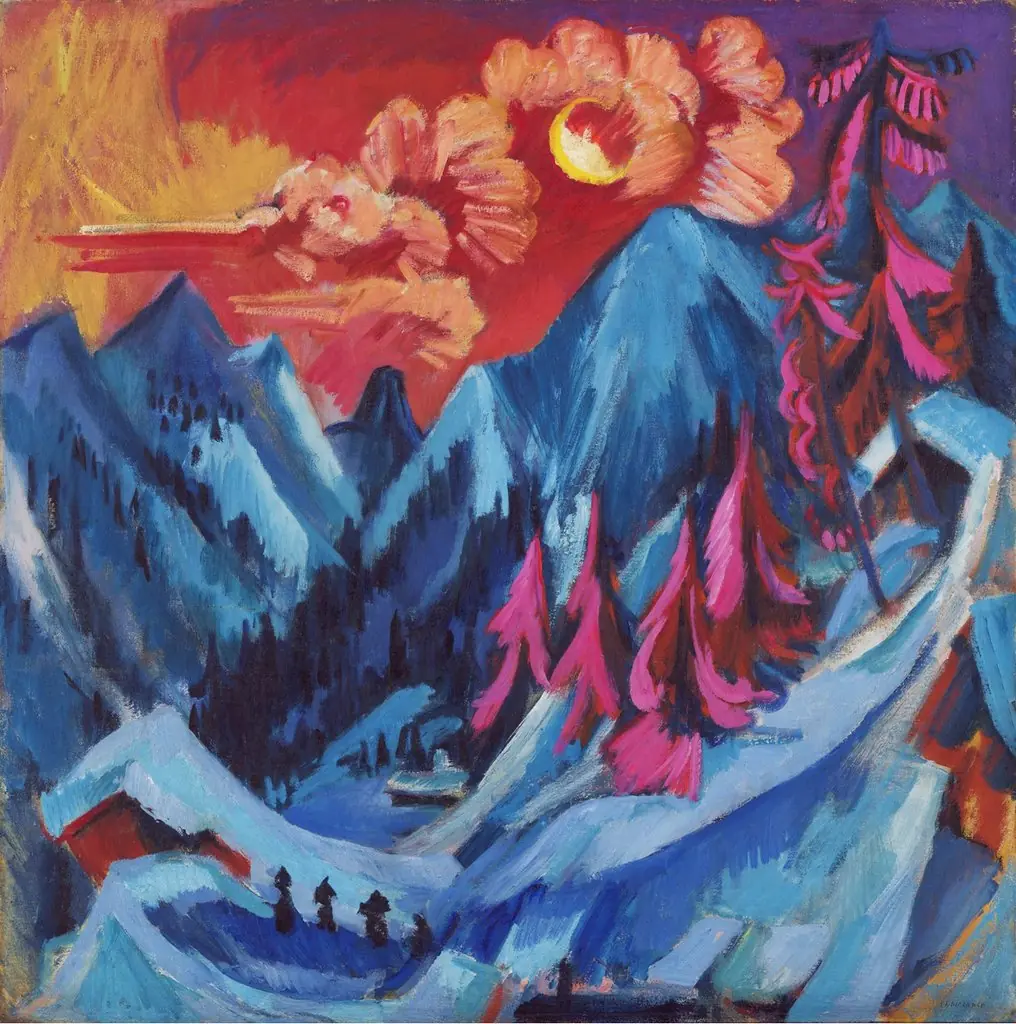
![Dancing Couple in the Snow [reverse], by Ernst Ludwig Kirchner](https://artifactworldgallery.com/img/ernst-ludwig-kirchner--dancing-couple-in-the-snow-reverse--87ca007d7c05b553-w320.webp)
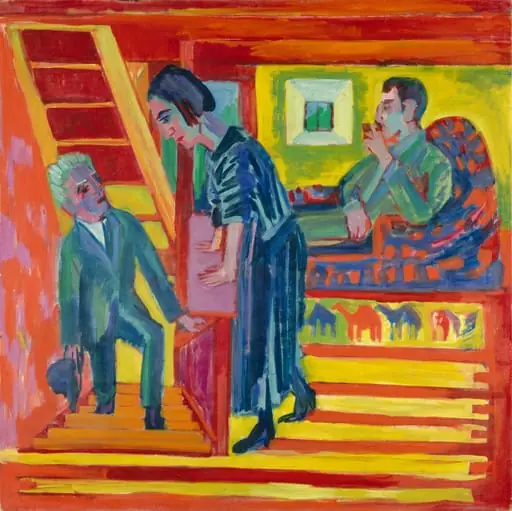
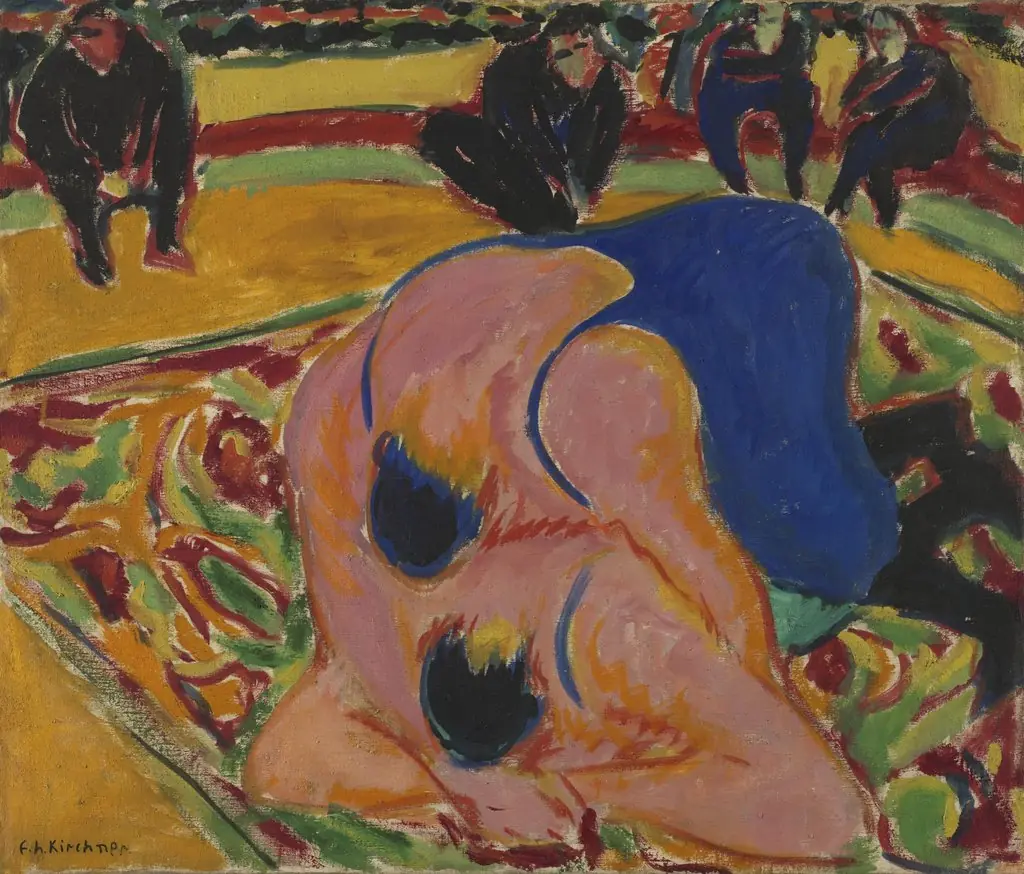
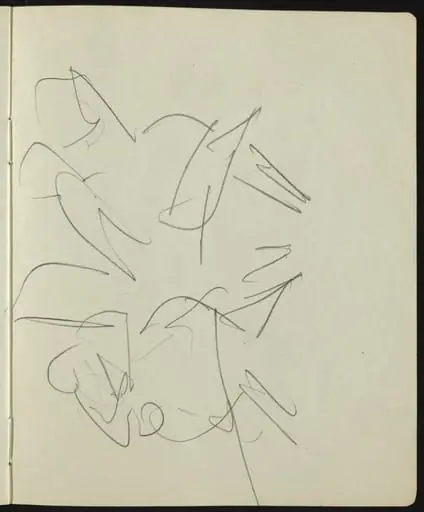 Dancers and Performers (Page from a Sketchbook)
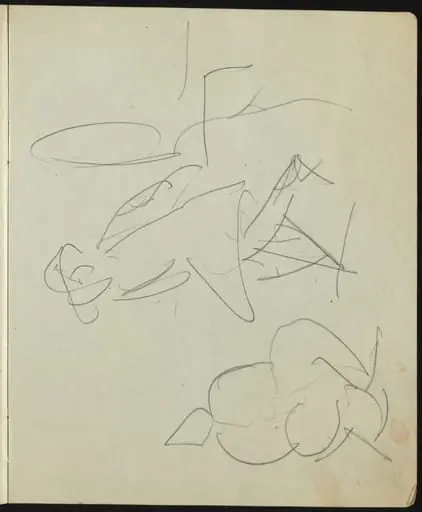 Dancers and Performers (Page from a Sketchbook)
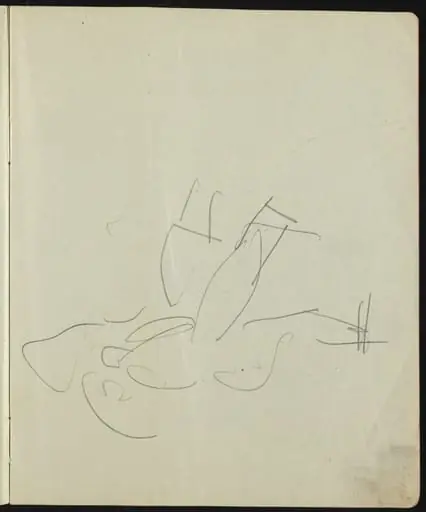 Dancers and Performers (Page from a Sketchbook)
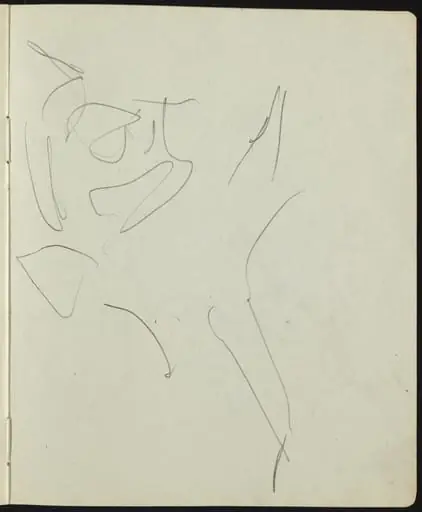 Dancers and Performers (Page from a Sketchbook)
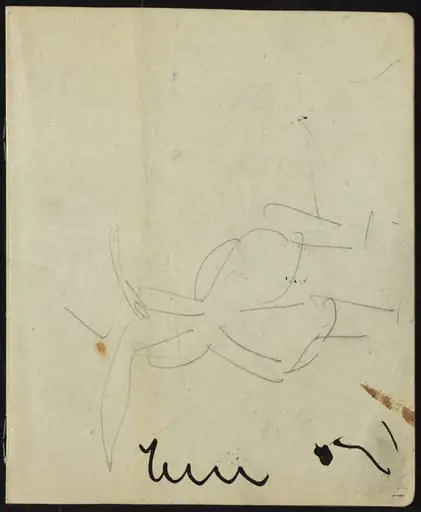 Dancers and Performers (Page from a Sketchbook)
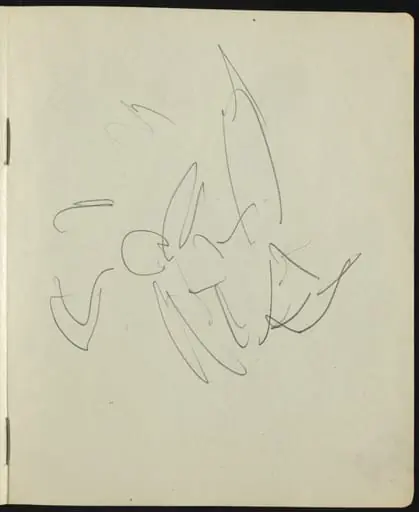 Dancers and Performers (Page from a Sketchbook)
 Dancers and Performers (Page from a Sketchbook)