Artwork
Seated Nude Seen from Above
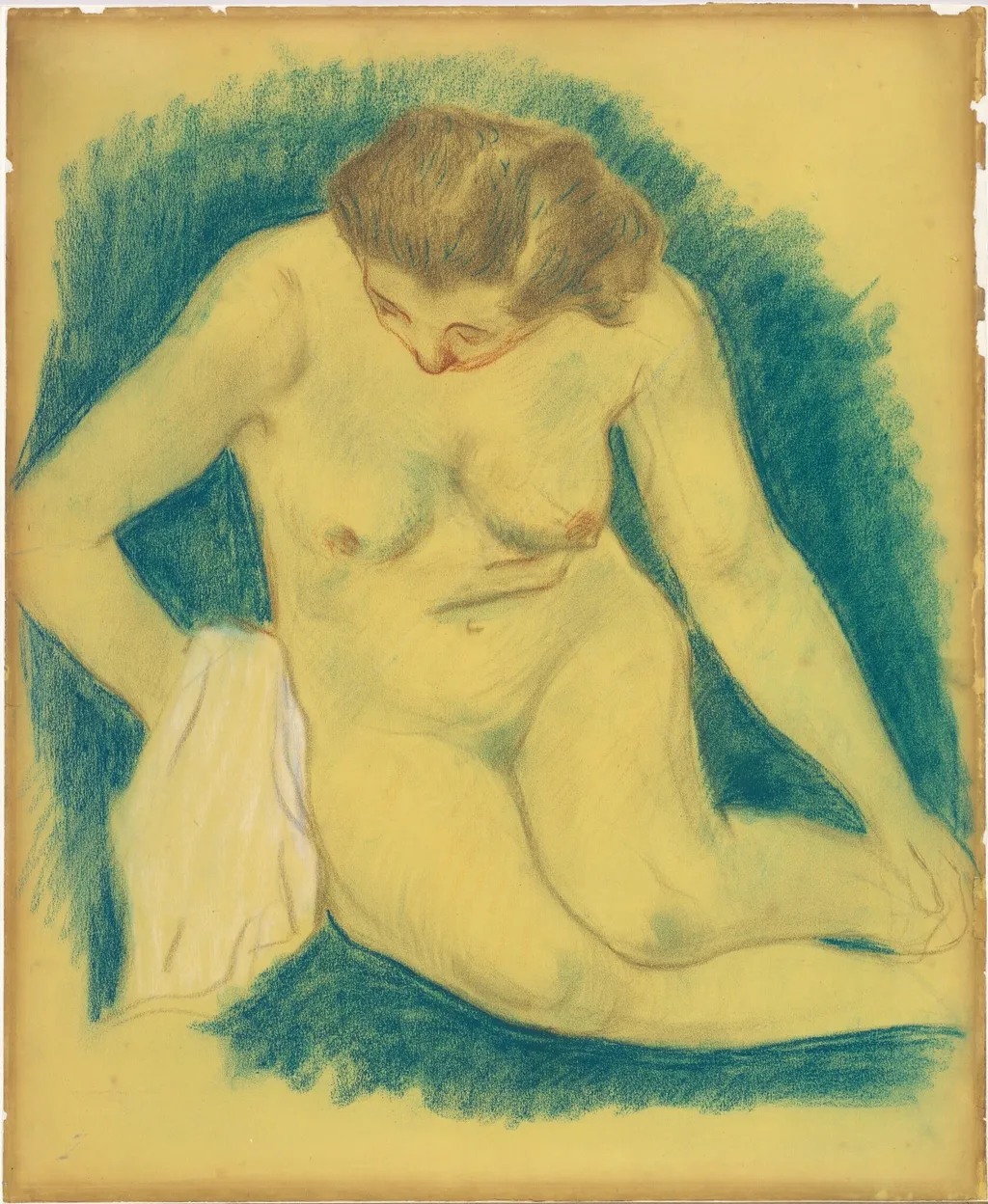
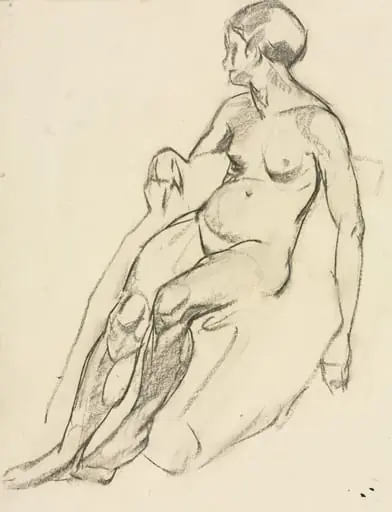
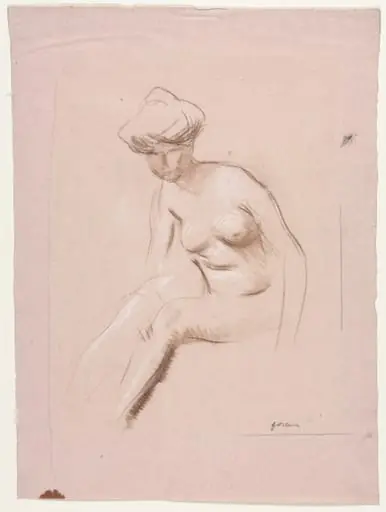
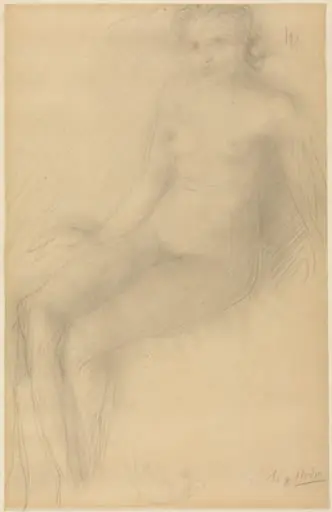
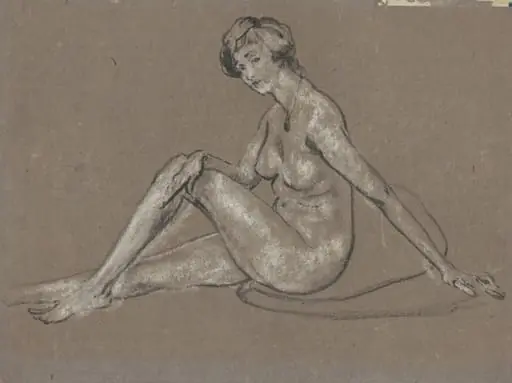
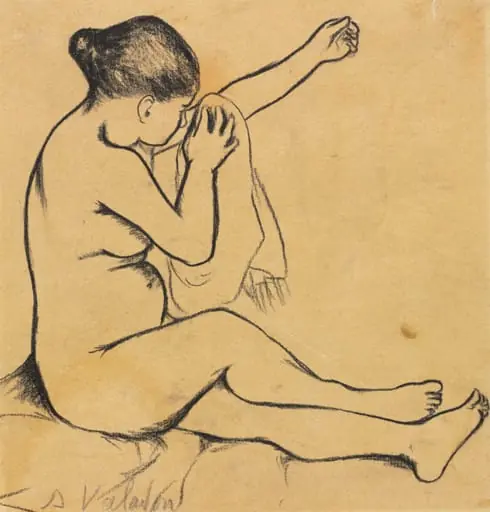
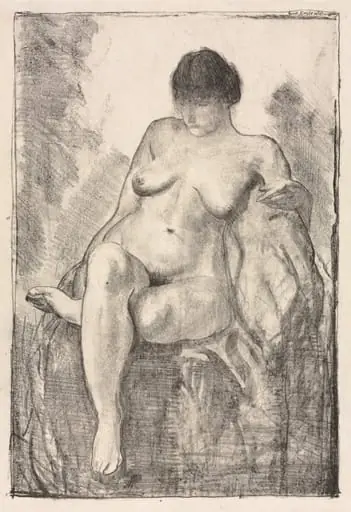
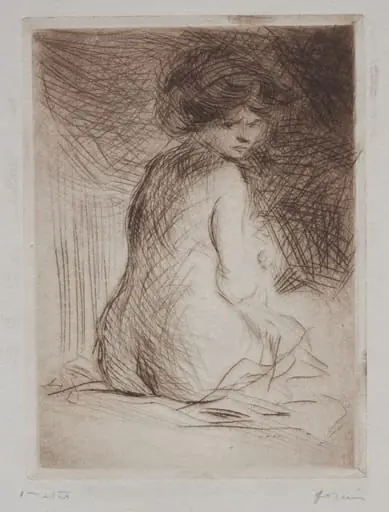
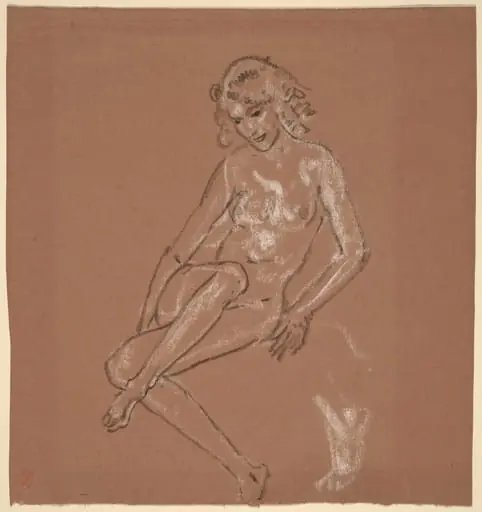
Seated Nude Seen from Above is a pastel drawing by the Impressionist artist Paul Gauguin. It dates from 1888 and is held in the collection of the National Gallery of Art.
About this work
Overview
Seated Nude Seen from Above is a pastel drawing on yellow paper created by Paul Gauguin in 1888. The work features a nude figure viewed from an elevated perspective, characterized by Gauguin's distinctive color palette and form.
Subject & Meaning
The subject is a seated nude with their back turned, arms on knees, and hair pulled back, partially draped with a cloth on one arm. The pose and viewpoint emphasize the figure's contemplative, natural state.
Technique & Style
Gauguin employed pastel on yellow paper, yielding warm, slightly fuzzy tones with soft yellows and greens. Quick, sketchy lines and loose shapes reflect his Synthetist approach, prioritizing expressive simplicity over detail.
History & Provenance
Created in 1888, this work exemplifies Gauguin's experimental Post-Impressionist and Symbolist tendencies, diverging from contemporary Impressionism through its bold, expressive style.
Context
The piece was made during a period when Gauguin was exploring non-naturalistic color and form, influenced by his interest in Synthetism—a movement emphasizing emotional intensity and flat, two-dimensional representation.
Legacy
Seated Nude Seen from Above contributes to Gauguin's legacy as a pioneer of early 20th-century avant-garde movements, inspiring future artists with its innovative use of color and perspective.
Own this work as a print
Artist & collection
Artist
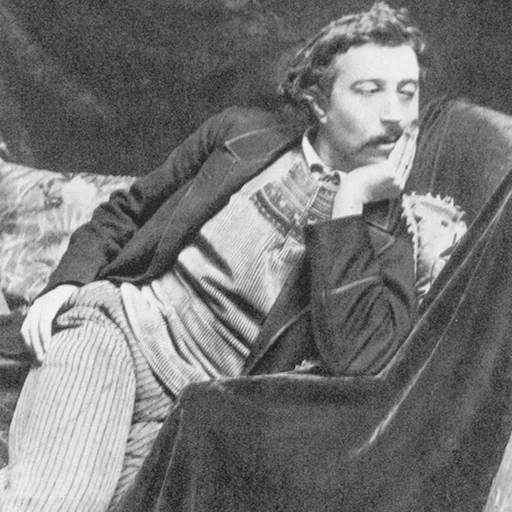
Eugène Henri Paul Gauguin (; French: ; 7 June 1848 – 8 May 1903) was a French painter, sculptor, printmaker, ceramist, and writer, whose work has been primarily associated with the Post-Impressionist and Symbolist movements.