Artwork
The painter Leopold Brunner the Younger
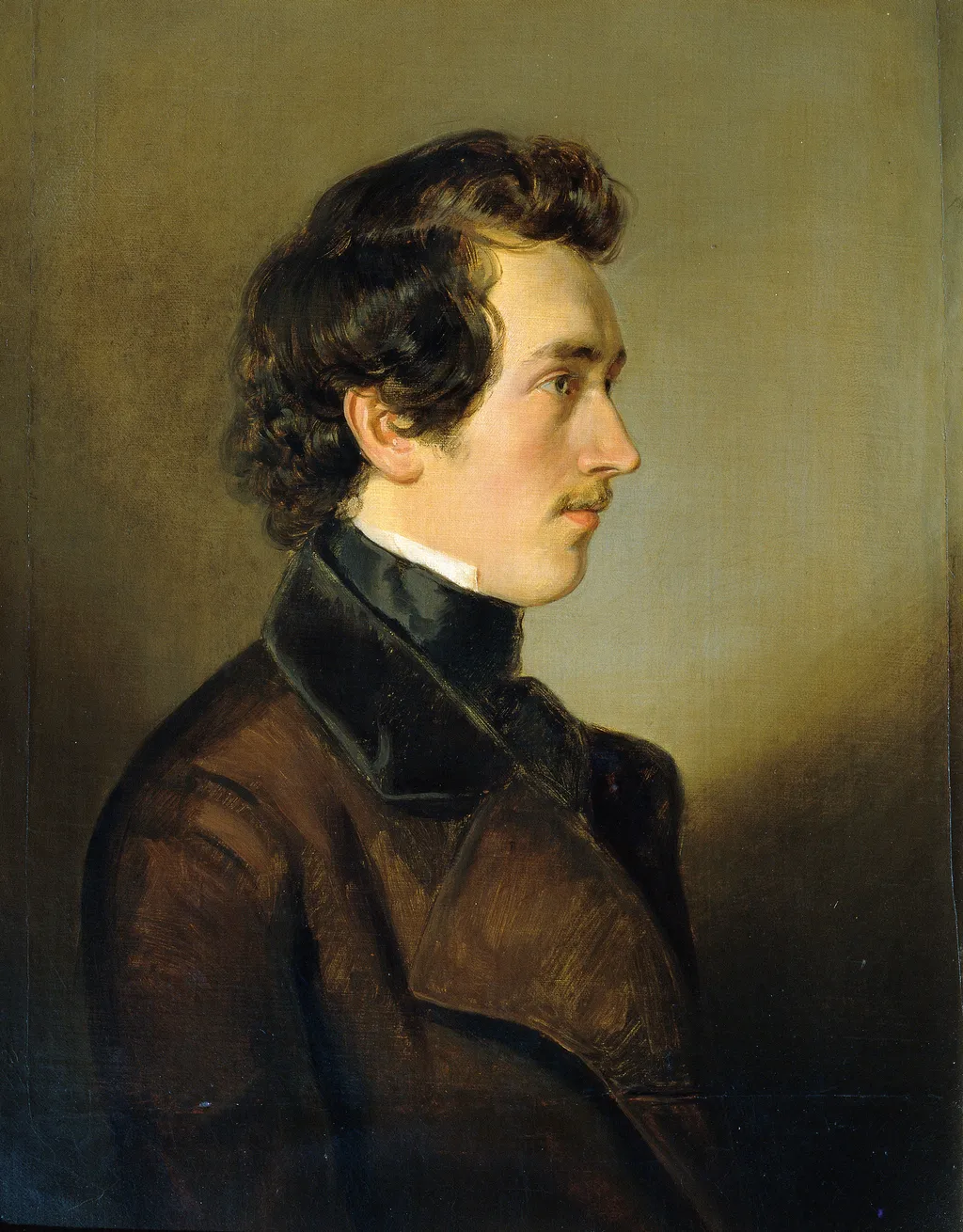
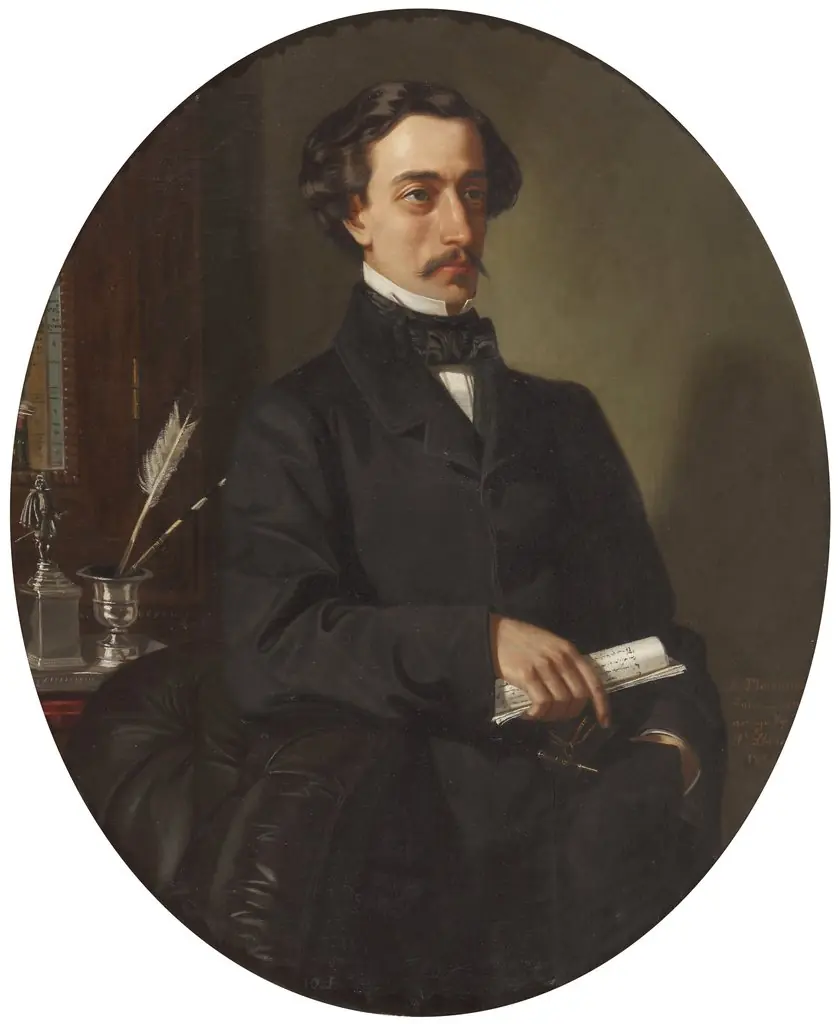
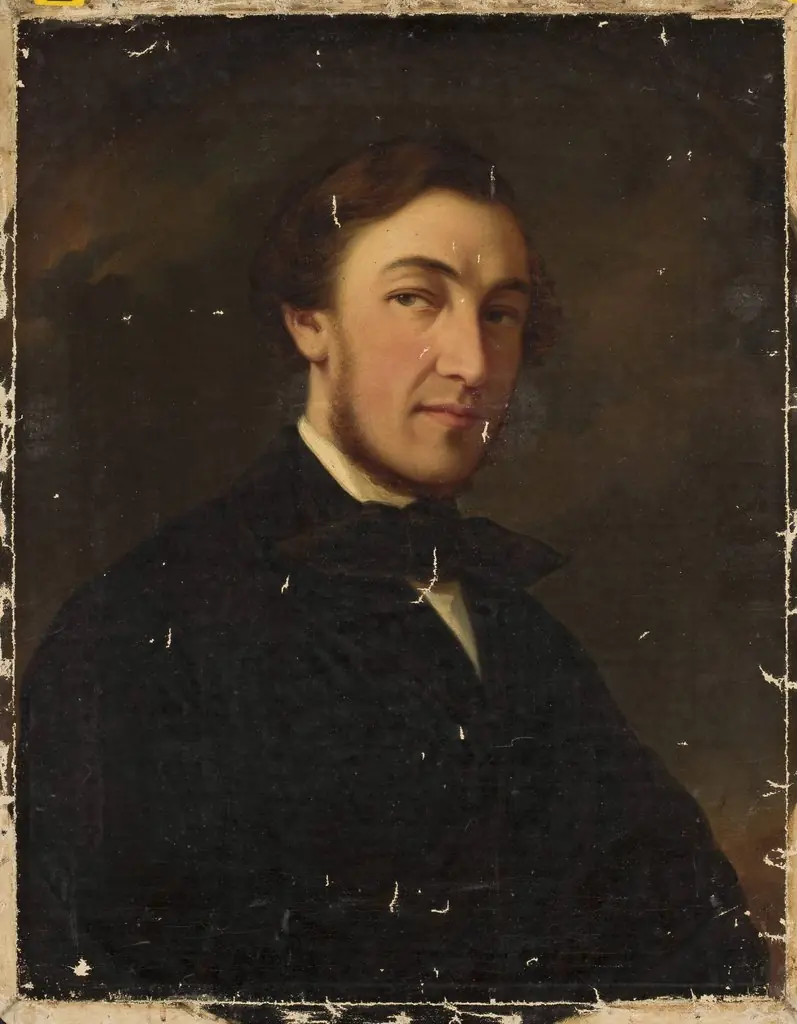
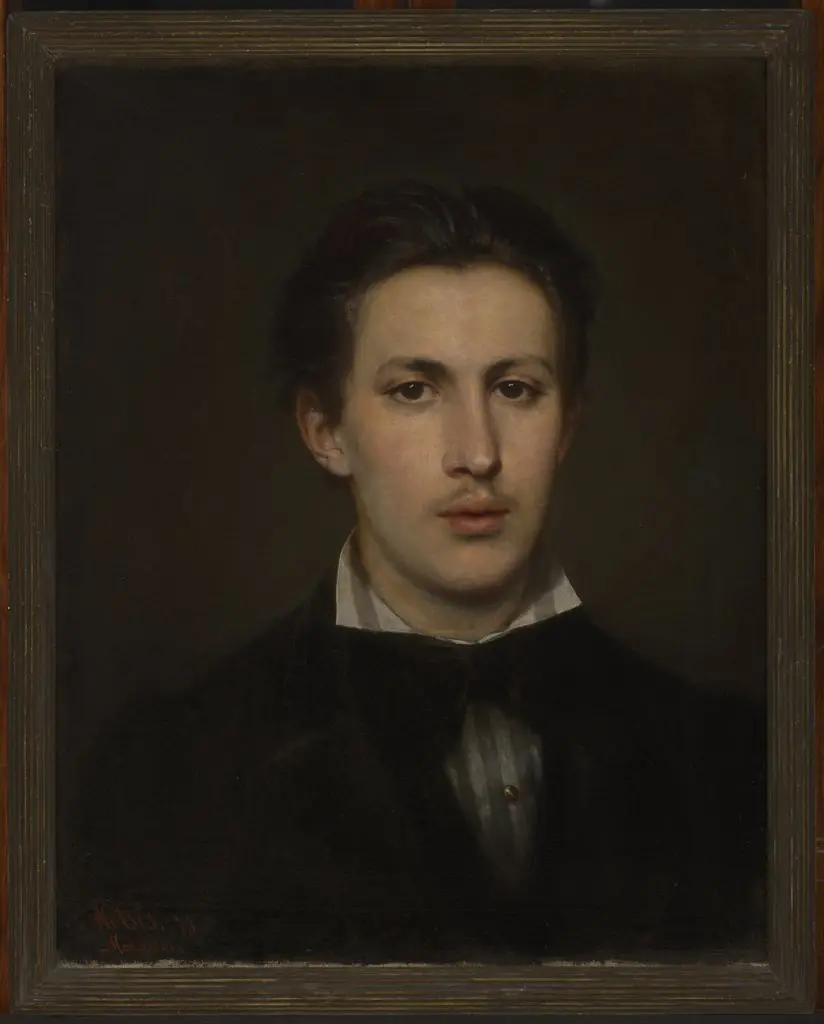
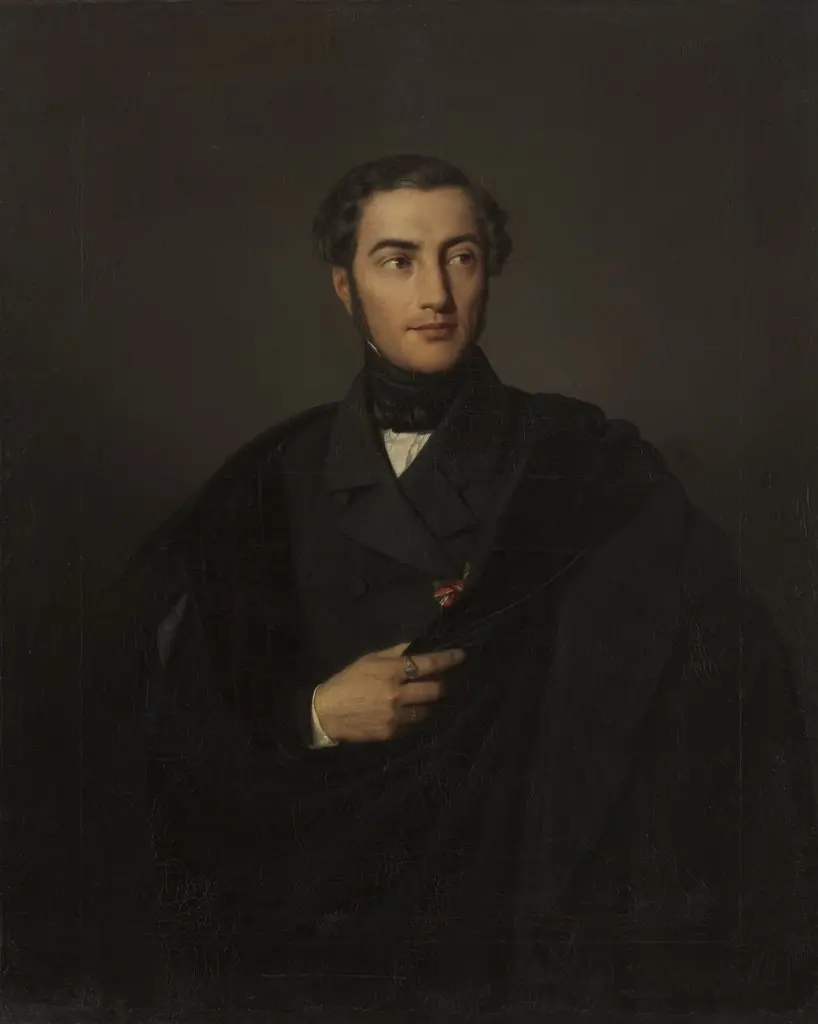
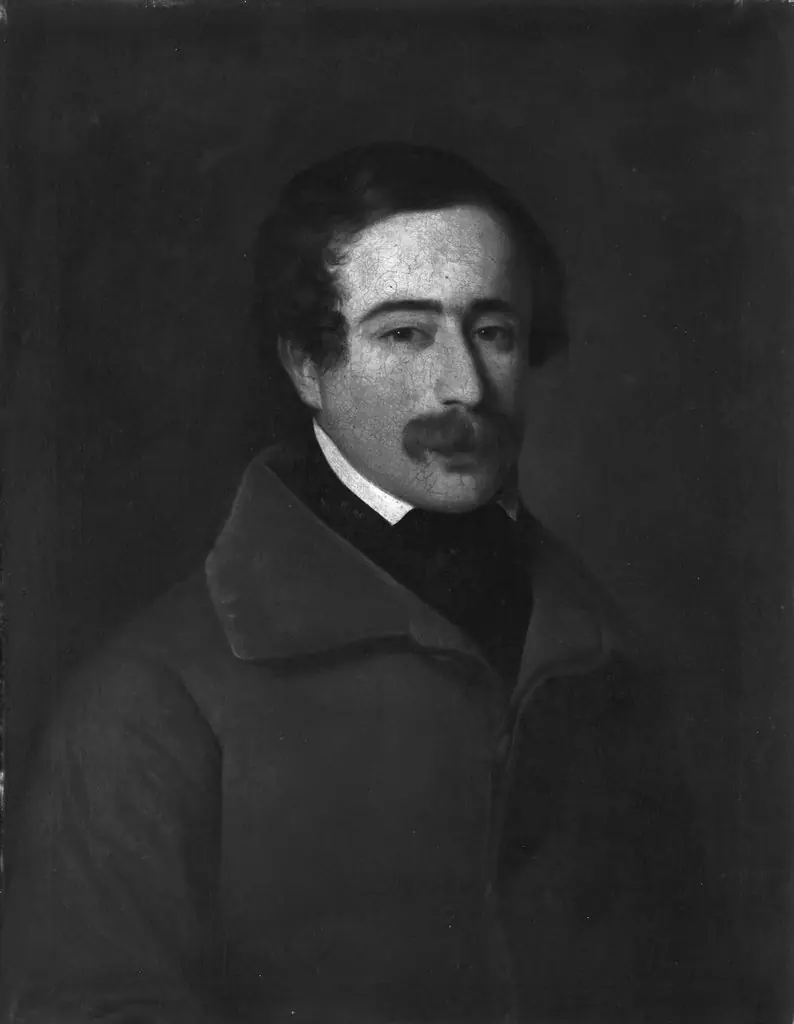
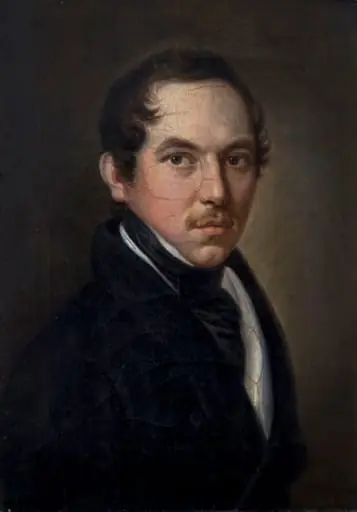
The painter Leopold Brunner the Younger is an oil painting by the Biedermeier artist Georg Decker. It dates from 1845 and is held in the collection of the Kunsthistorisches Museum.
About this work
You can learn more about this type of art by looking into the technique of glazing.
The painting shows a portrait of Leopold Brunner the Younger.
It was created by Georg Decker in 1845.
The artist used oil paint to create this work, which is now held at a museum.
The portrait genre suggests a focus on the subject's likeness.
The painting is a representation of a person, which is a common theme in art.
You can learn more about this type of art by looking into the technique of glazing.
Overview
Painted in 1845 by Georg Decker, this oil-on-canvas portrait captures Leopold Brunner the Younger, a fellow artist. Decker, a respected Viennese portraitist and professor, worked within the Biedermeier tradition, emphasizing quiet dignity and precise detail. The work resides in the Kunsthistorisches Museum’s collection, reflecting its status as a documented example of mid-19th-century Austrian artistic culture.
Subject & Meaning
Leopold Brunner the Younger is portrayed not as a noble or aristocrat, but as a practicing painter, suggesting an identity rooted in craft rather than status. The composition avoids theatricality, focusing instead on a composed, introspective gaze. This restrained presentation aligns with Biedermeier values, where personal character and professional identity took precedence over external display.
Technique & Style
Decker employed traditional oil techniques, including subtle glazing to achieve soft transitions in skin tones and fabric textures. The brushwork is controlled, with attention to the rendering of light on the subject’s coat and the quiet clarity of the background. The portrait’s realism reflects academic training and the period’s preference for understated elegance over dramatic expression.
History & Provenance
Commissioned during Decker’s tenure as a professor at Vienna’s Academy of Fine Arts, the painting likely served as a record of a peer within the city’s artistic community. It entered the Kunsthistorisches Museum’s holdings in the 19th century, possibly through institutional acquisition or donation, ensuring its preservation as part of Austria’s artistic heritage.
Context
In 1840s Vienna, the Biedermeier era emphasized domesticity, intellectual refinement, and the quiet dignity of professional life. Portraits like this one documented the rising class of artists, musicians, and scholars who defined urban middle-class identity. Decker’s work contributed to a visual archive of Vienna’s cultural elite beyond the nobility.
Legacy
The portrait remains a quiet testament to the interconnectedness of Vienna’s artistic circles. While neither artist achieved widespread fame, their mutual recognition through portraiture illustrates how professional networks were visually affirmed. The painting continues to inform studies of 19th-century Austrian art practice and the social role of the artist.
Own this work as a print
Artist & collection
Artist
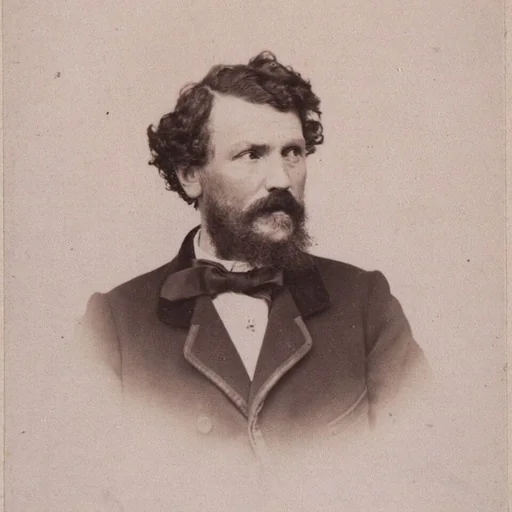
Georg Decker (7 December 1818 – 13 February 1894) was an Austro-Hungarian portrait artist.