Artwork
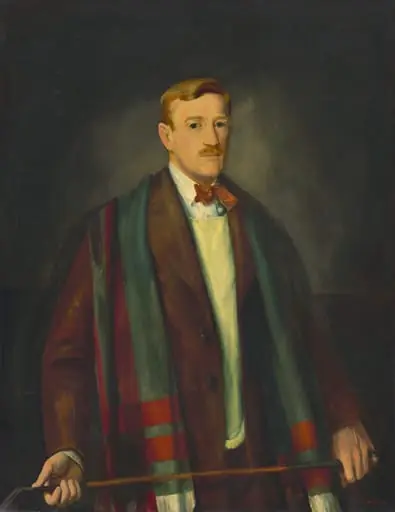
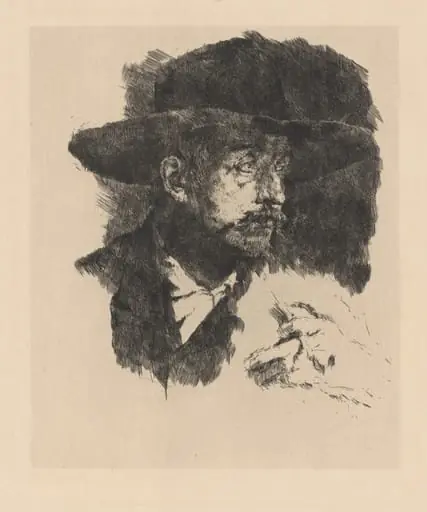
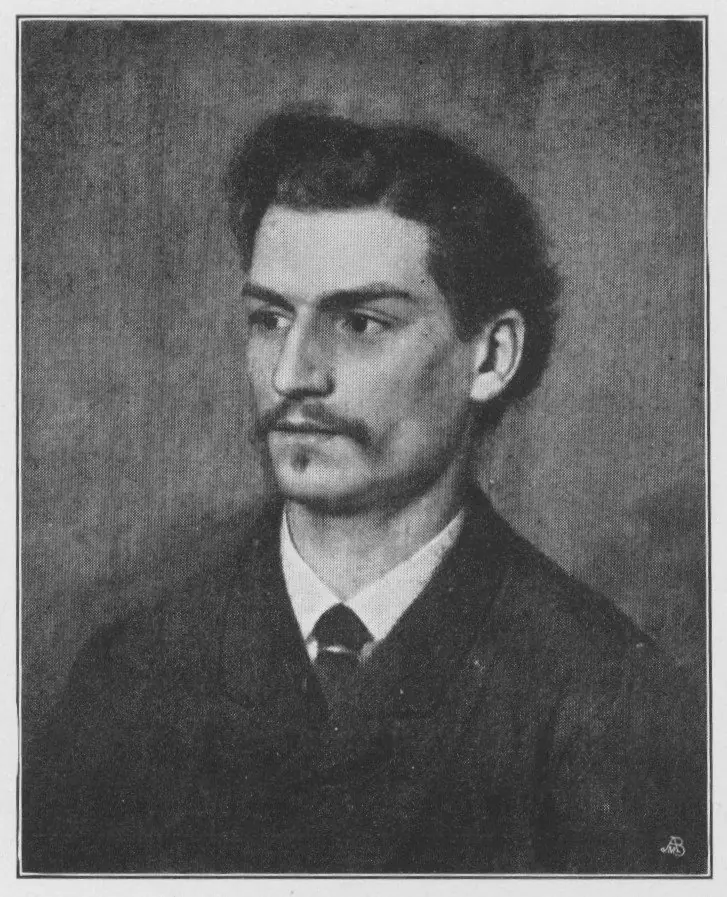
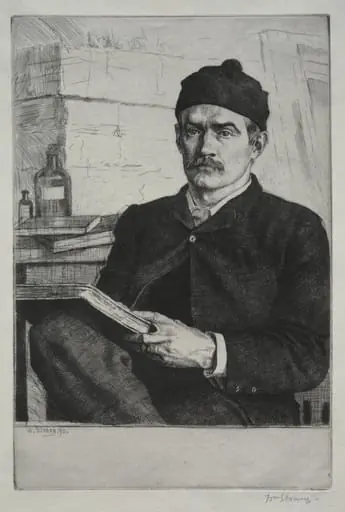
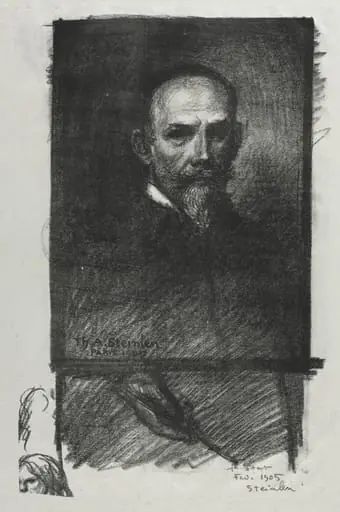
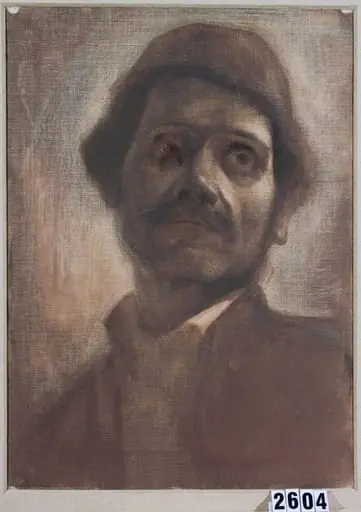
Portrait of John Carroll
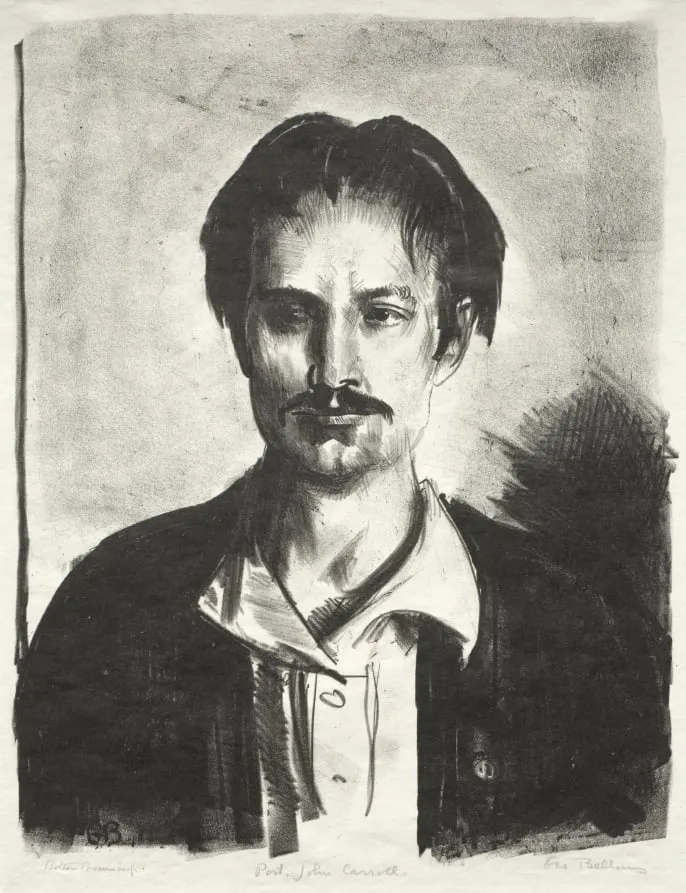
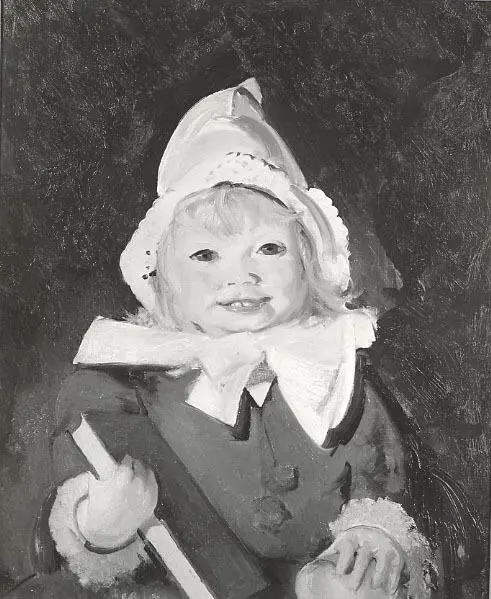
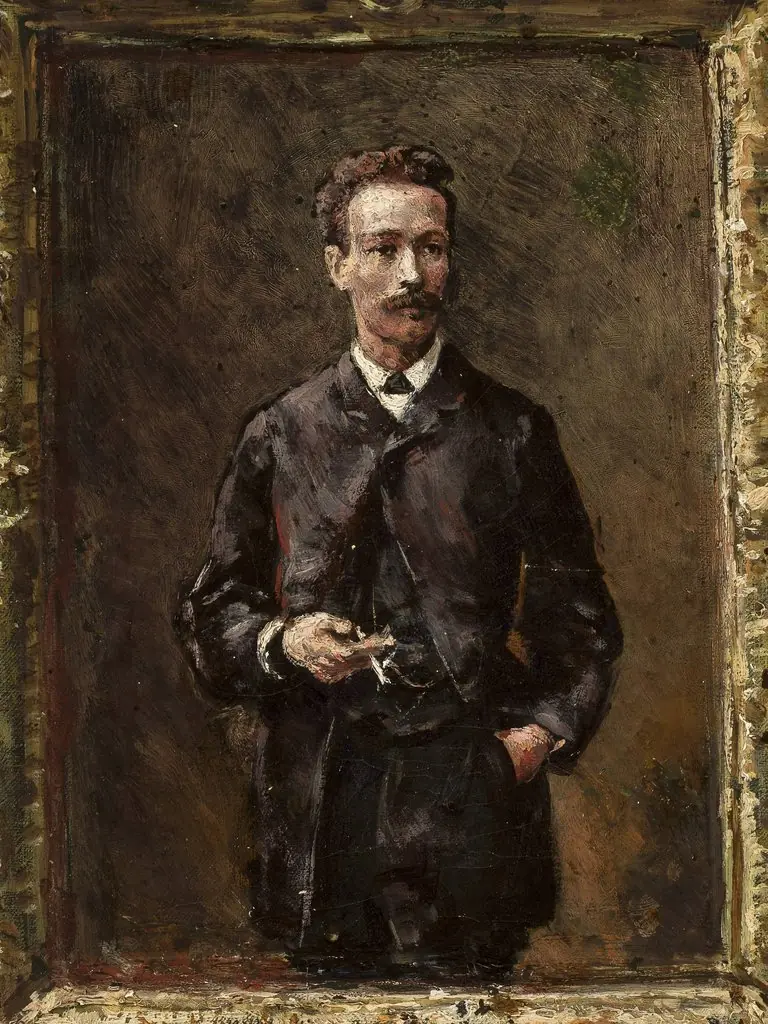
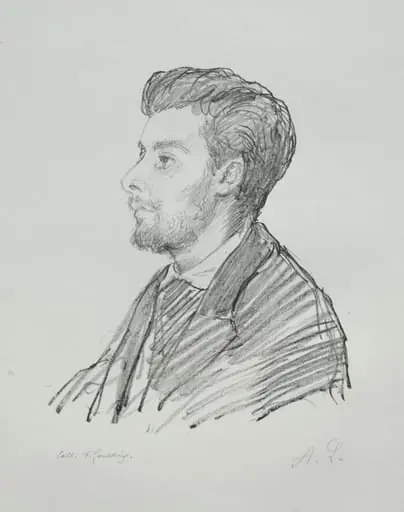
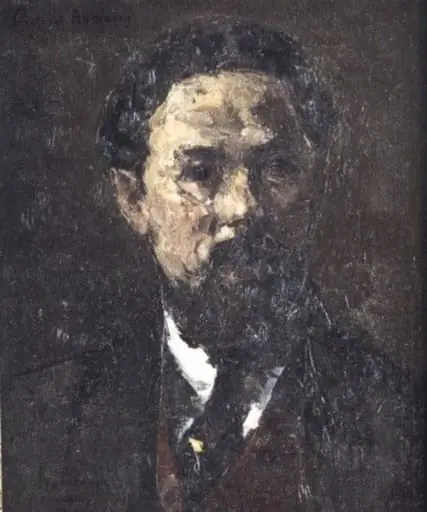
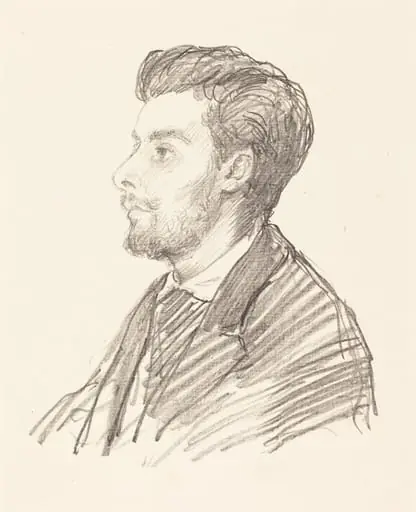
Portrait of John Carroll is a print by George Bellows. It dates from 1923 and is held in the collection of the Cleveland Museum of Art.
About this work
Overview
The painting resides in The Cleveland Museum of Art’s collection, representing a lesser-known but significant facet of his oeuvre.
George Bellows painted the portrait of John Carroll in 1923, capturing a quiet, introspective figure in oil on canvas. Though Bellows was best known for dynamic scenes of urban life, this work reflects a more restrained approach, focusing on individual presence rather than movement. The painting resides in The Cleveland Museum of Art’s collection, representing a lesser-known but significant facet of his oeuvre.
Subject & Meaning
John Carroll, a figure of modest prominence, is rendered without embellishment or narrative context. His neutral expression and direct gaze convey a sense of quiet dignity, avoiding theatricality. The absence of identifying symbols or setting invites contemplation of character rather than status. Bellows presents the sitter as he is—unadorned, composed, and psychologically present.
Technique & Style
Bellows employed strong contrasts of light and shadow to model the figure’s form, using chiaroscuro to define the contours of the face and jacket. The dark tones of the clothing anchor the composition, while the pale shirt and grey background provide subtle tonal relief. Brushwork is firm yet controlled, emphasizing structure over texture, reinforcing the portrait’s solemn gravity.
History & Provenance
The portrait was completed during a period when Bellows was increasingly engaged in portraiture, often commissioned by acquaintances or cultural figures. It entered The Cleveland Museum of Art’s collection in the mid-20th century, likely through donation or purchase. Its provenance remains relatively unremarkable, reflecting its status as a private commission rather than a public statement.
Context
In the early 1920s, American artists were redefining portraiture beyond idealized conventions. Bellows, though associated with the Ashcan School’s gritty realism, here turned inward, aligning with a broader trend toward psychological depth. The portrait reflects a shift in his work—from public spectacle to private stillness—mirroring broader cultural interests in individual identity.
Legacy
While not among Bellows’s most widely exhibited works, the portrait contributes to understanding his range as a portraitist. It demonstrates his ability to convey presence through restraint, distinguishing him from contemporaries who favored dramatic gesture. The painting remains a quiet testament to his skill in capturing the quiet essence of a subject without embellishment.
Artist & collection
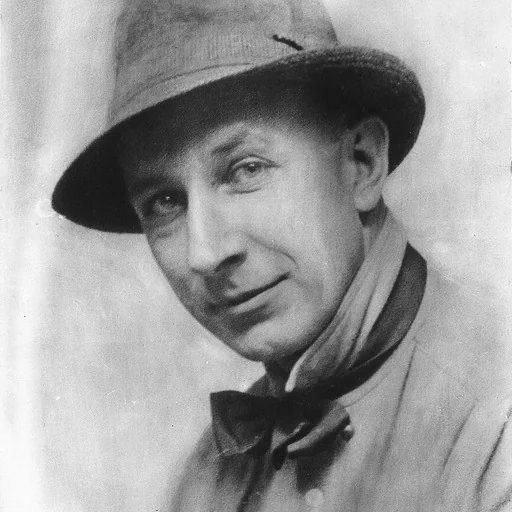
Artist
George Wesley Bellows (August 12 or August 19, 1882 – January 8, 1925) was an American realist painter, known for his bold depictions of urban life in New York City.