Artwork
A Chinese man, and a boatwoman carrying a child
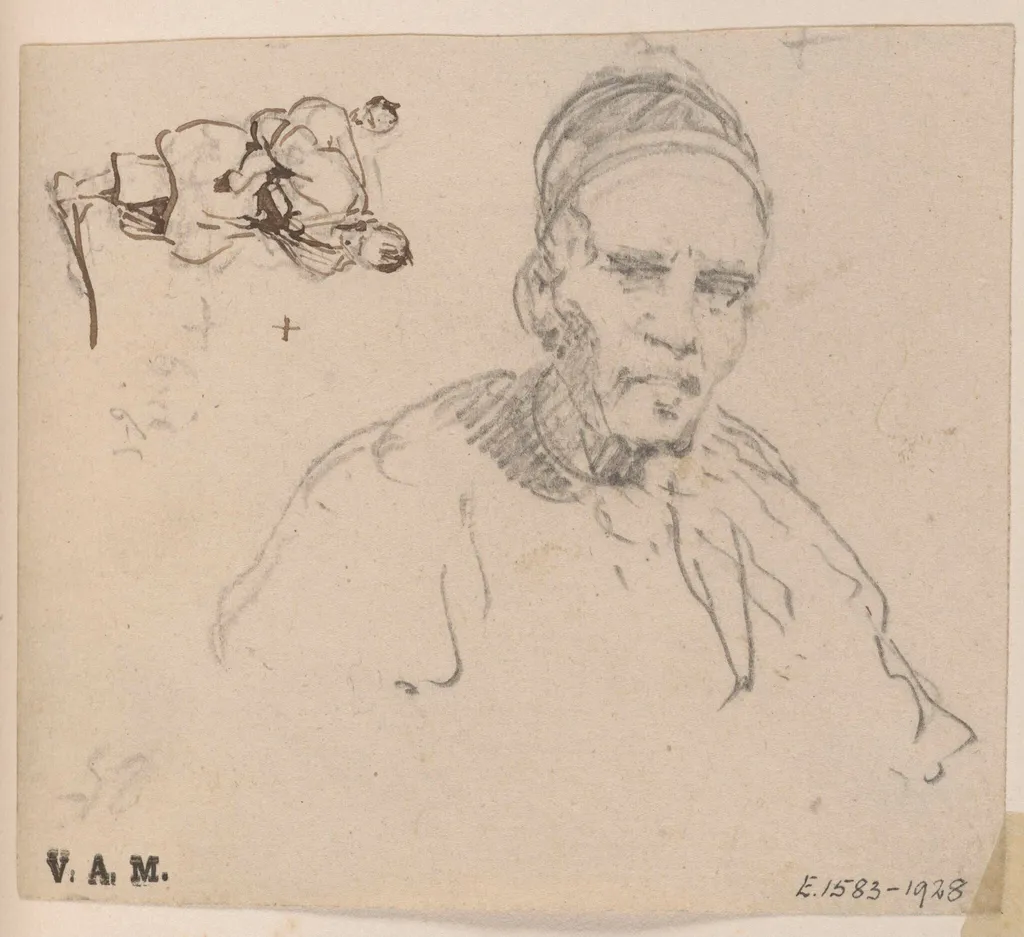
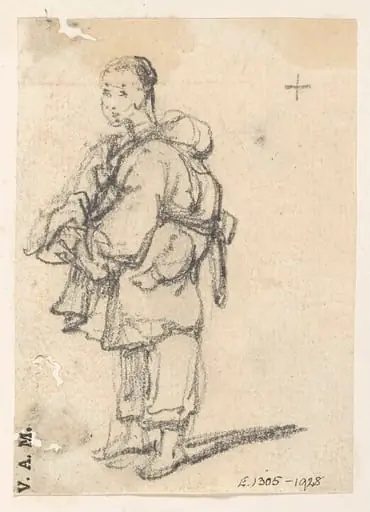
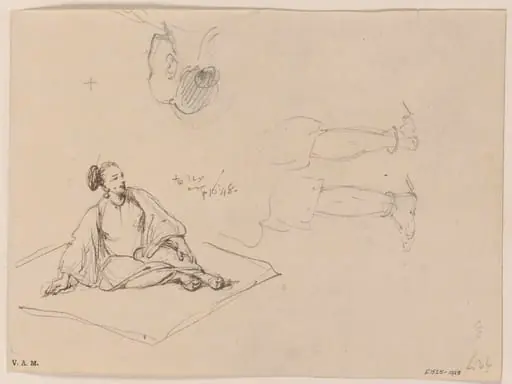
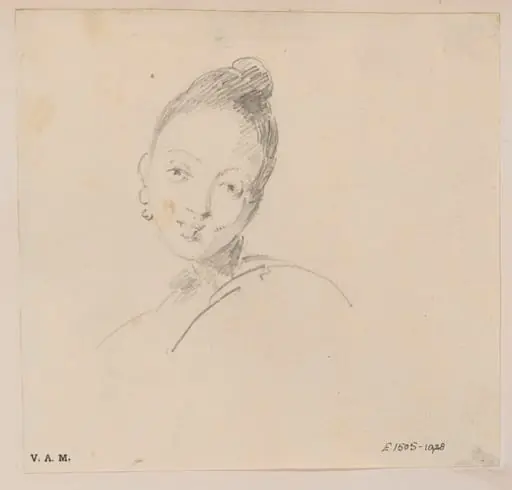
A Chinese man, and a boatwoman carrying a child is a drawing by the Romanticist artist George Chinnery. It dates from 19 and is held in the collection of the Victoria and Albert Museum. This drawing, created between 1825 and 1852, depicts two figures observed in daily life: a Chinese man and a boatwoman with a child.
About this work
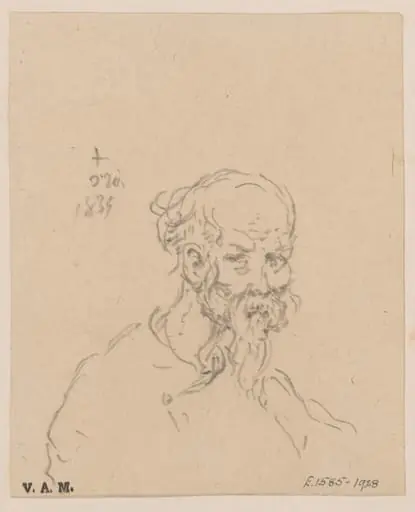
This is a pencil drawing from 1825-1852. It shows two people: a Chinese man in a close cap and a boatwoman with a child on her back. The artist drew the man's head and shoulders in pencil. The boatwoman and child appear in ink.
George Chinnery made this during the Romantic era. He worked in India and China, so he saw these two living side by side.
Look up the artist George Chinnery next.
Overview
This drawing, created between 1825 and 1852, depicts two figures observed in daily life: a Chinese man and a boatwoman with a child.
This drawing, created between 1825 and 1852, depicts two figures observed in daily life: a Chinese man and a boatwoman with a child. Executed in pencil and ink, the work reflects the observational approach of George Chinnery, who lived and worked in southern China during the early 19th century. The differing media suggest a deliberate distinction between the subjects, possibly indicating their relative prominence or the artist’s shifting focus during the session.
Subject & Meaning
The man, rendered in pencil, wears a close-fitting cap and is shown from the head to shoulders, suggesting a portrait-like attention to individual identity. The boatwoman, drawn in ink, carries a child on her back—a common sight in riverine communities. Together, they represent two facets of local life in coastal China, neither idealized nor dramatized, but recorded with quiet immediacy, reflecting the artist’s interest in ordinary people.
Technique & Style
Chinnery employed pencil for the man’s likeness, allowing for subtle tonal gradations and a softer, more intimate rendering. The boatwoman and child were outlined in ink, giving them greater definition and visual weight. This contrast in media may reflect practical choices during sketching or a conscious decision to differentiate the figures’ roles or presence within the scene, typical of Chinnery’s spontaneous, on-site method.
History & Provenance
Created during George Chinnery’s decades-long residence in Guangzhou and Macau, the drawing stems from his extensive practice of documenting local life. As a British artist working in China, he produced hundreds of sketches that served as personal records rather than commissioned works. This piece likely originated from his private notebooks, later preserved in institutional collections as part of his broader ethnographic archive.
Context
In the early 19th century, foreign traders and artists in southern China had limited access to inland areas but observed daily life along riverbanks and docks. Chinnery’s drawings capture this liminal space where local laborers and foreign observers intersected. His work offers a rare visual record of non-elite Chinese society during a period of increasing Western contact, before widespread photographic documentation.
Legacy
Chinnery’s sketches, including this one, remain valuable for their unembellished depiction of 19th-century Chinese life. Unlike many contemporaries who exoticized their subjects, he presented individuals with quiet dignity. These drawings now serve as historical documents, informing studies of cross-cultural exchange, portraiture, and the visual anthropology of colonial-era Asia.
Artist & collection
Artist
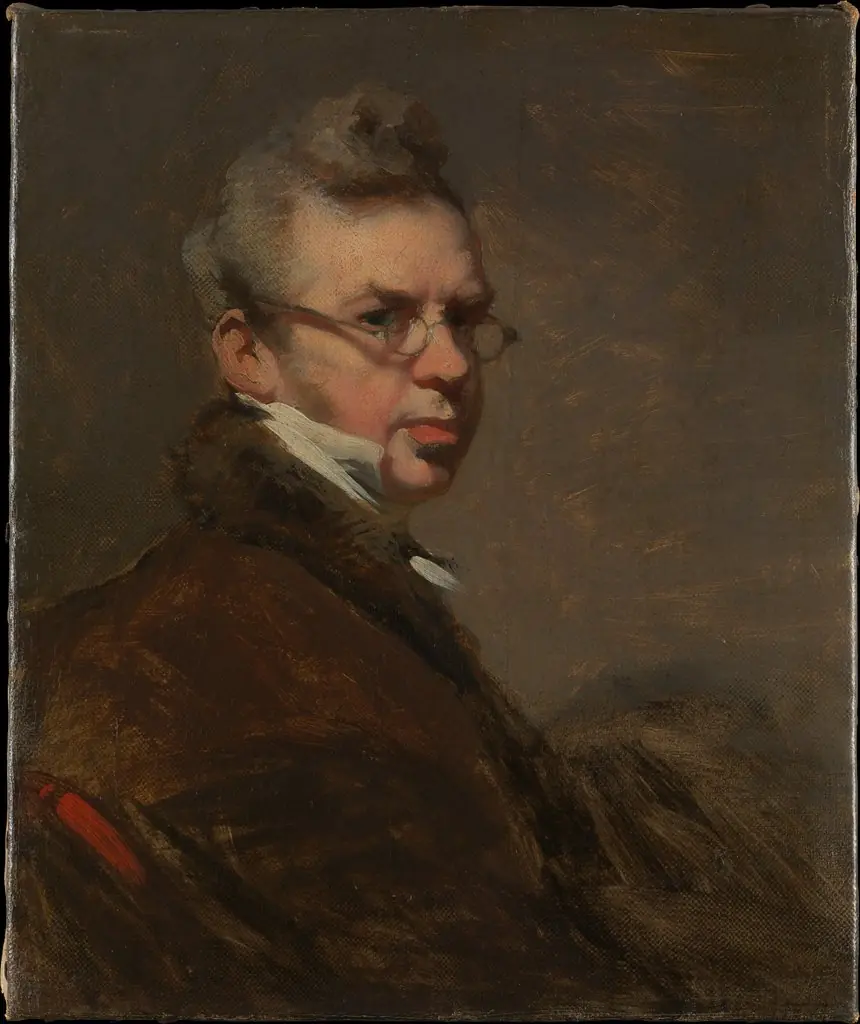
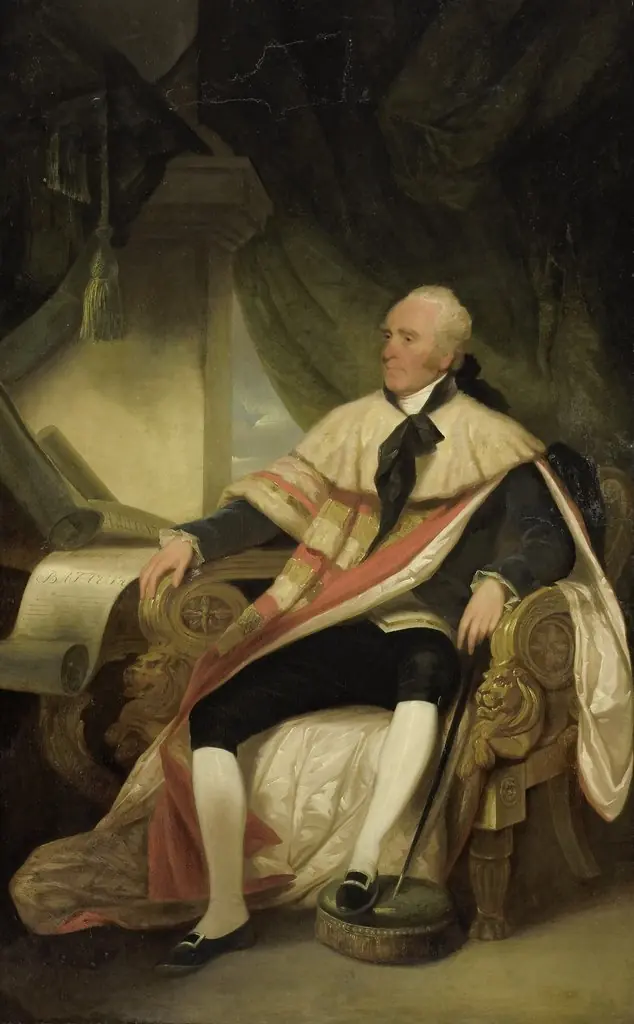
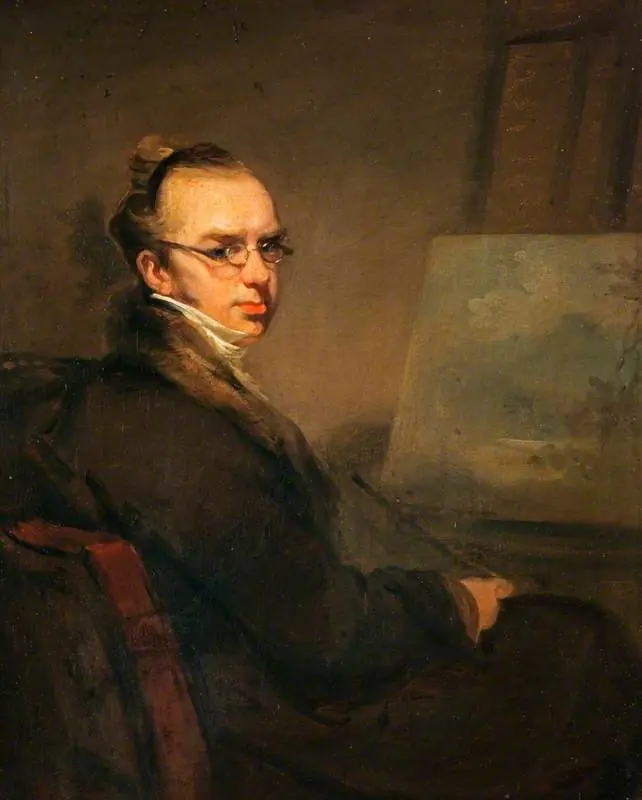
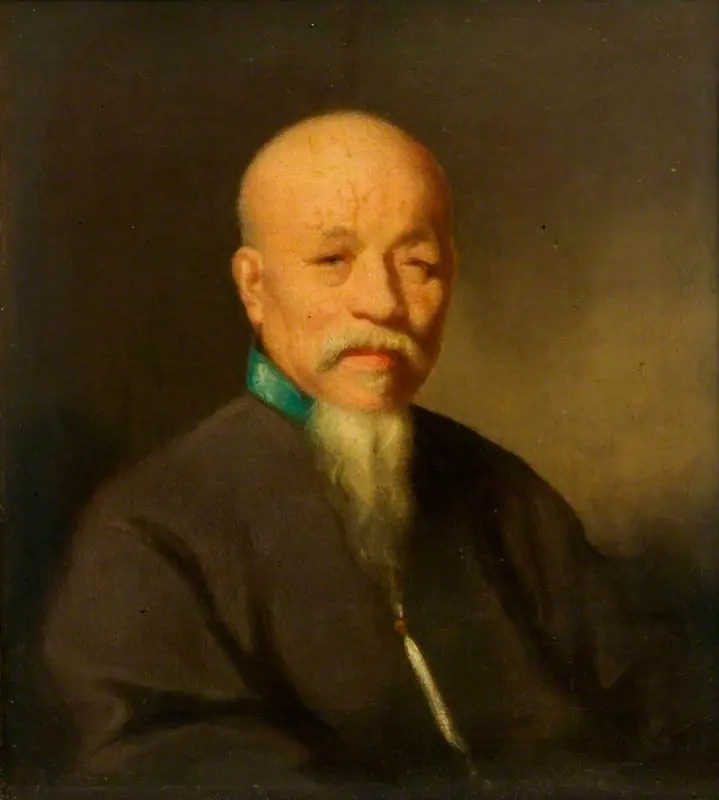
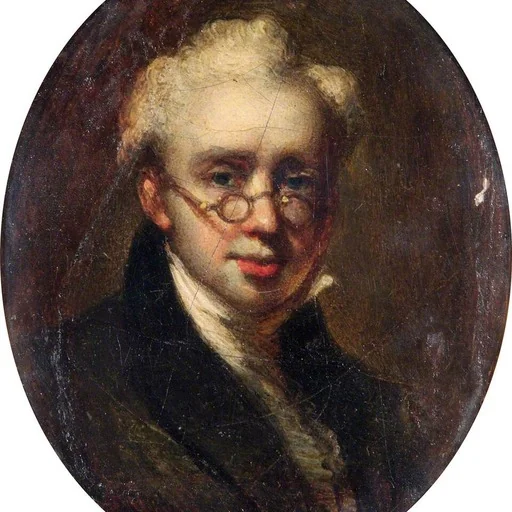
George Chinnery (Chinese: 錢納利; 5 January 1774 – 30 May 1852) was an English painter who spent most of his life in Asia, especially India and southern China.