Artwork
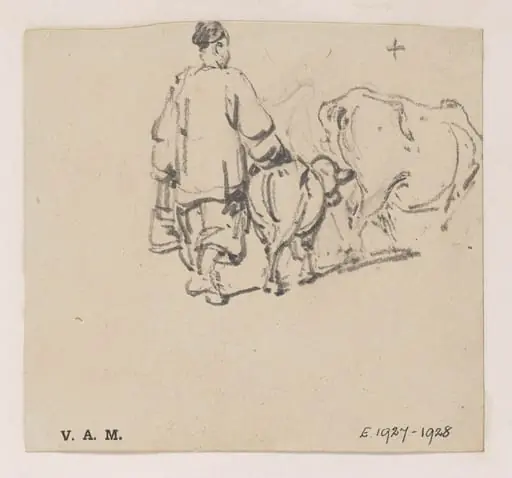
A Macanese woman seen from behind
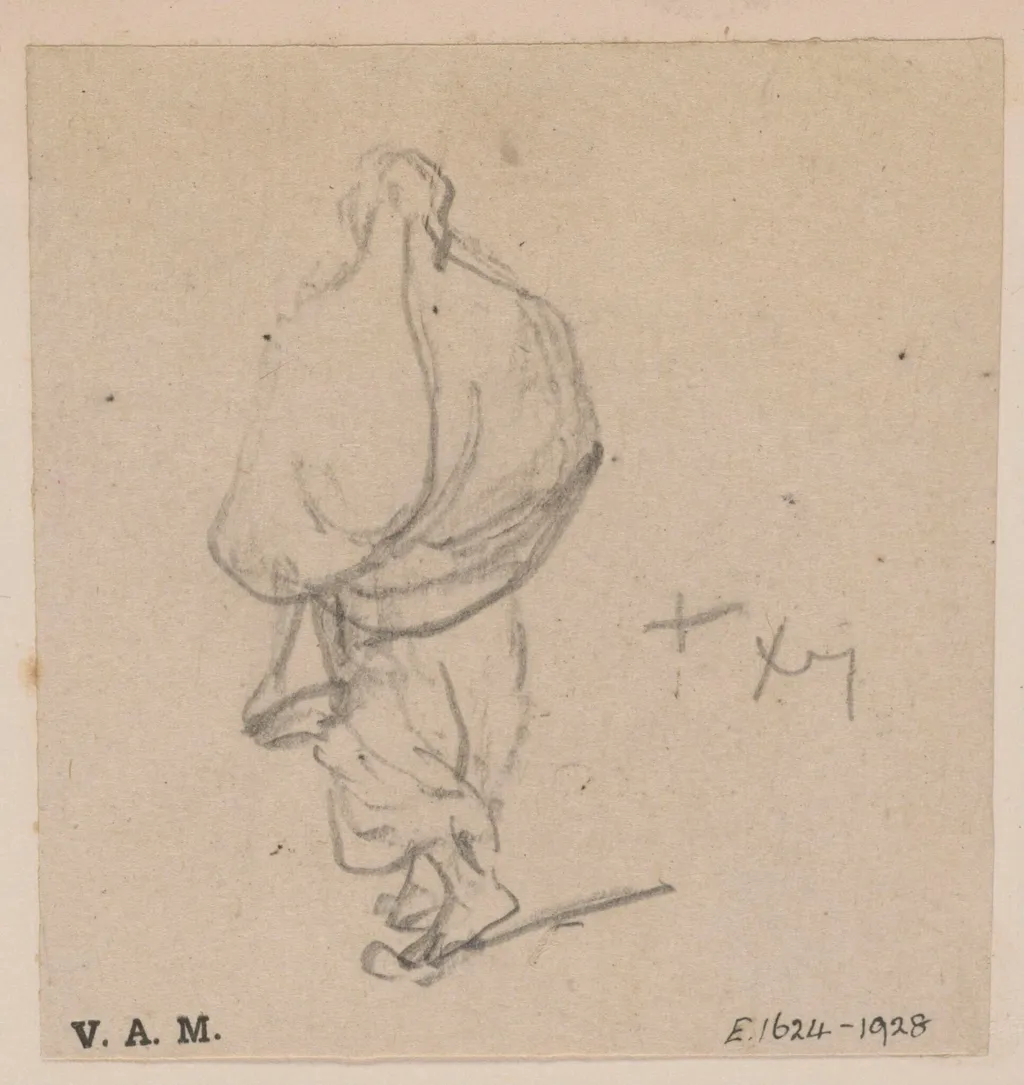
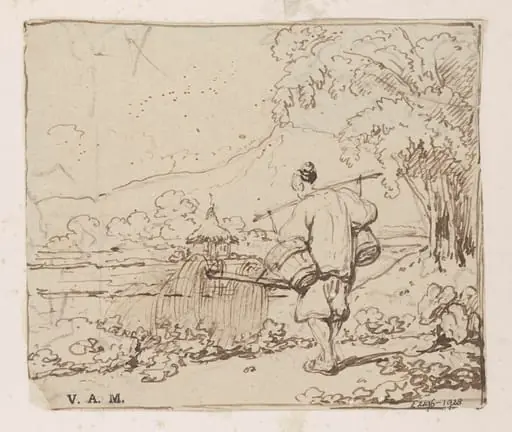
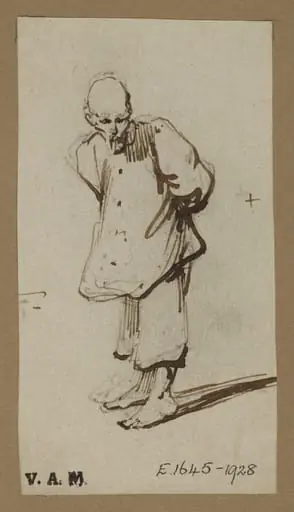
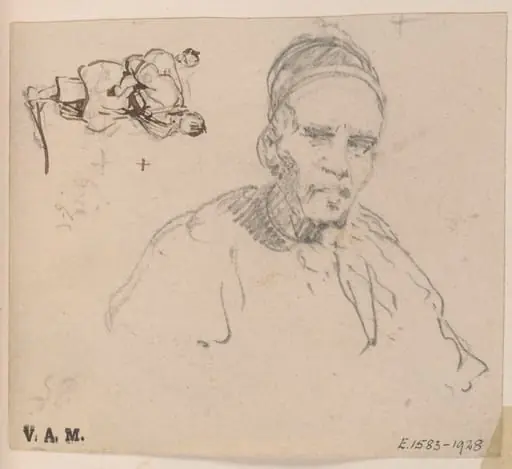
A Macanese woman seen from behind is a drawing by the Romanticist artist George Chinnery. It dates from 19 and is held in the collection of the Victoria and Albert Museum.
About this work
Overview
A Macanese woman seen from behind is a drawing by George Chinnery, portraying a female figure with her head and shoulders enveloped in a cloak, captured in a pose that turns her away from the viewer.
Subject & Meaning
The subject's averted gaze and everyday attire suggest the artist's focus on mundane, observational scenes, potentially reflecting Chinnery's interest in documenting ordinary life.
Technique & Style
The drawing likely employs cross-hatching, a technique characteristic of Chinnery's work, which involves layering hatched lines to achieve depth, texture, and shading, though specific details on its execution in this piece are not provided.
History & Provenance
No specific historical or provenance details are available for this drawing beyond its attribution to George Chinnery, indicating a need for further research into its creation context and ownership history.
Context
Created by a British artist in Macau, the work may intersect with colonial and cultural exchange themes, though the drawing's humble, everyday subject downplays overt colonial narratives in favor of quiet observation.
Legacy
The legacy of 'A Macanese woman seen from behind' is not explicitly outlined in available information, suggesting it may be more notable for its representative value of Chinnery's observational style rather than widespread critical acclaim or influence.
Artist & collection
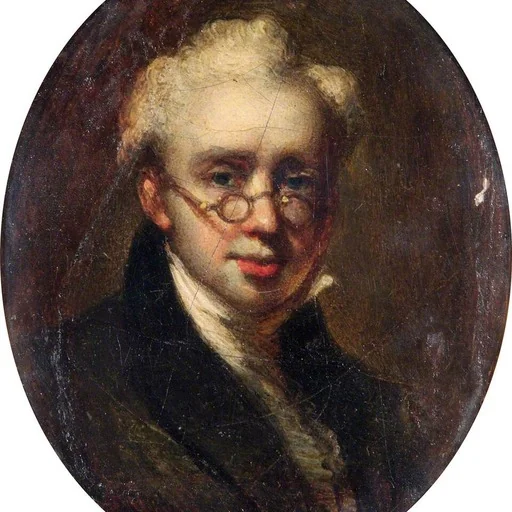
Artist
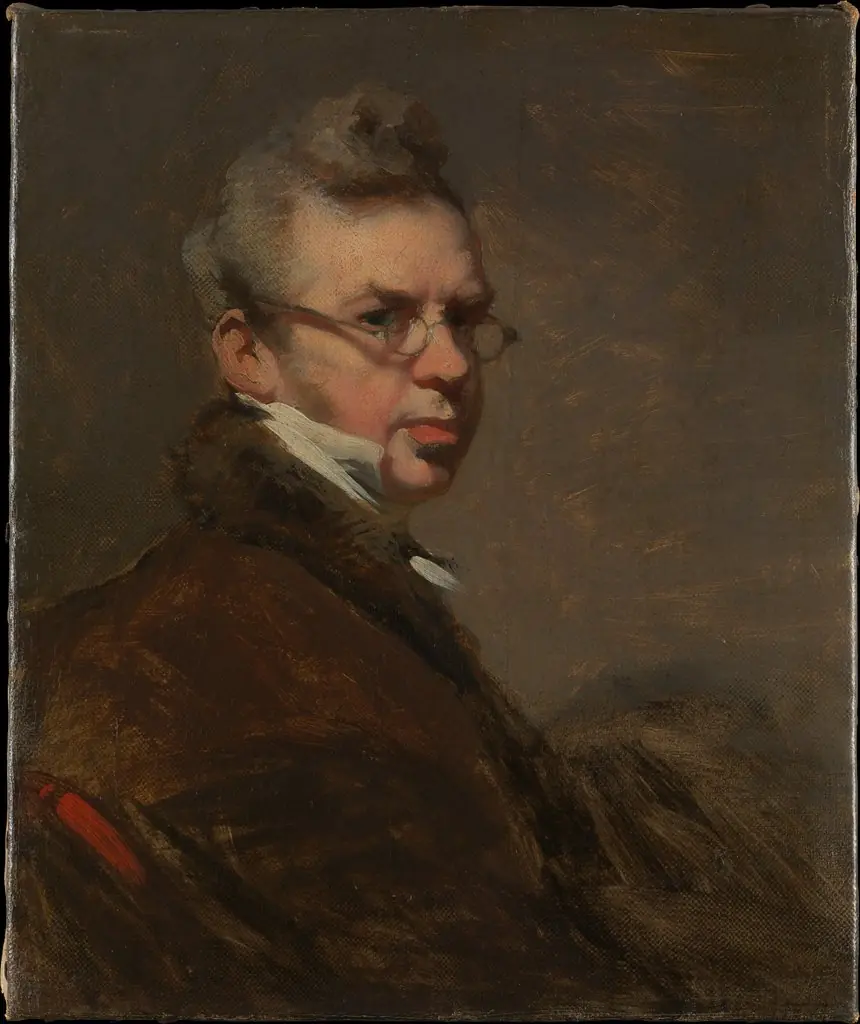
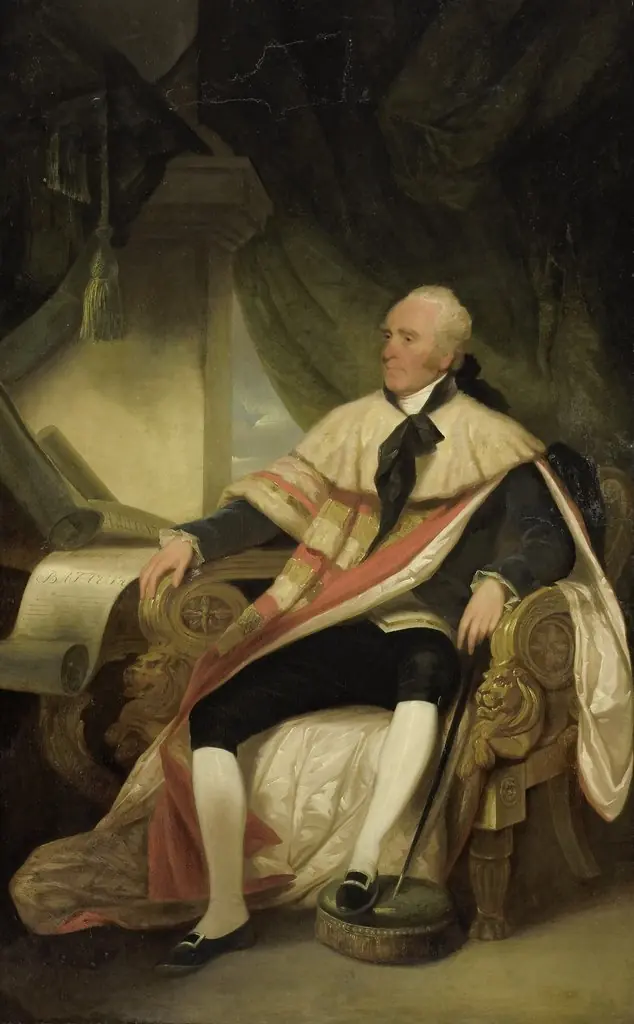
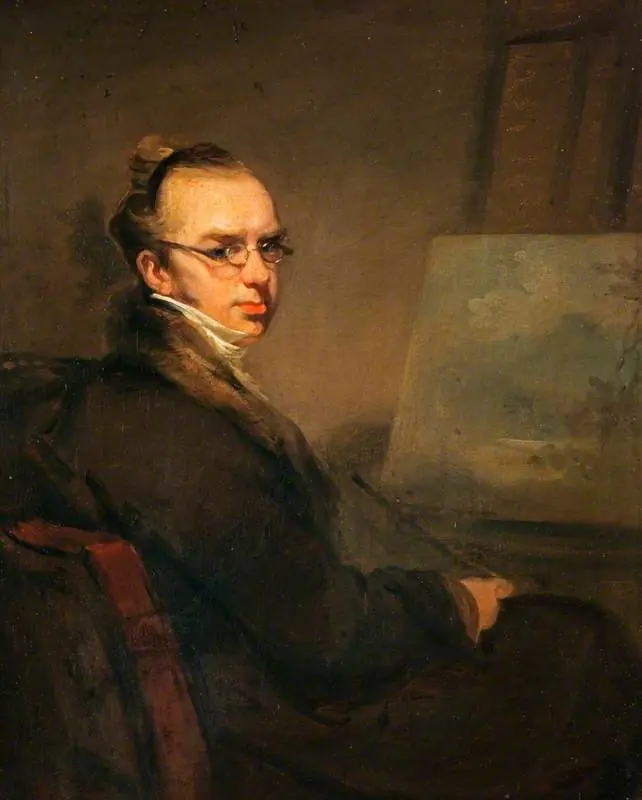
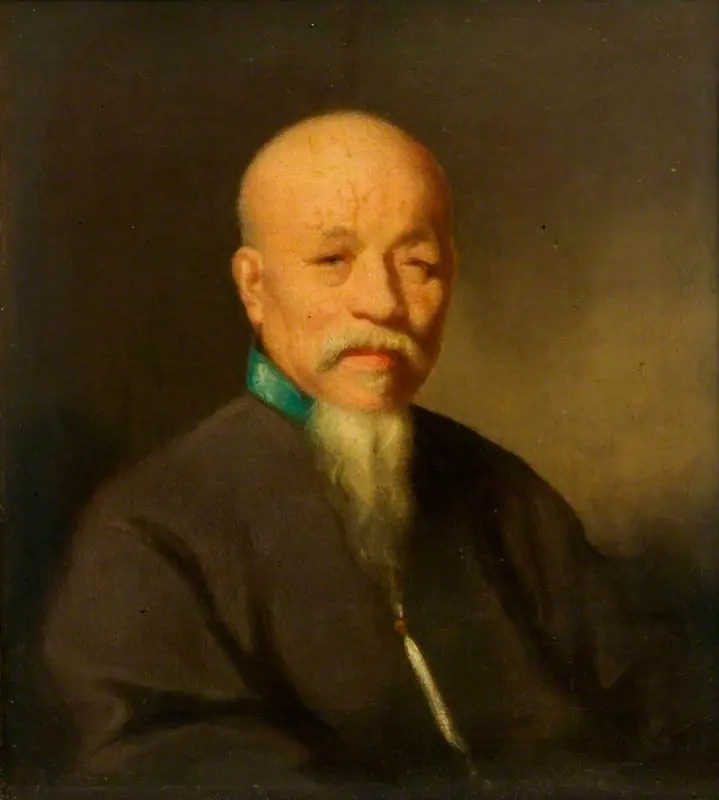
George Chinnery (Chinese: 錢納利; 5 January 1774 – 30 May 1852) was an English painter who spent most of his life in Asia, especially India and southern China.