Artwork
Broken Tanka boat on the shore
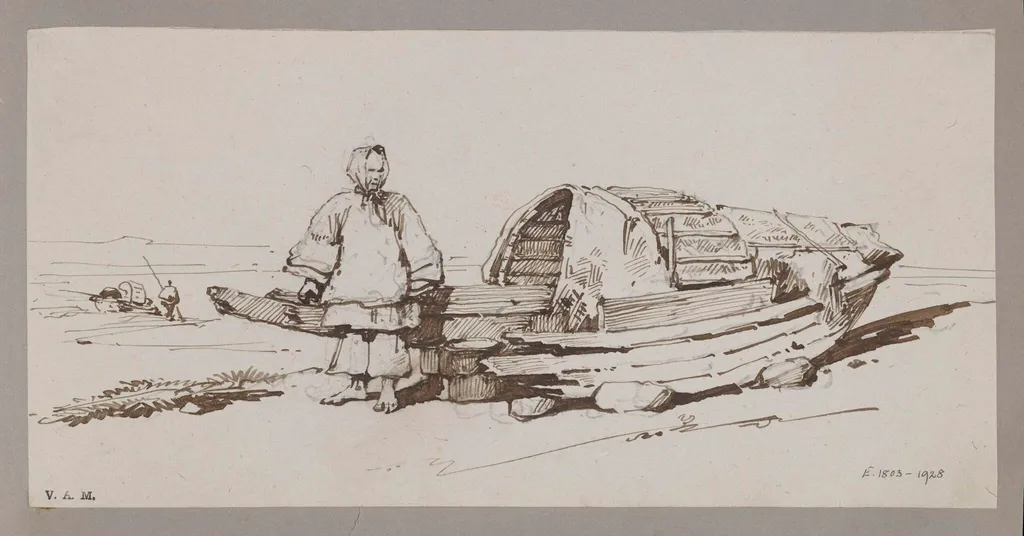
Broken Tanka boat on the shore is a drawing by the Romanticist artist George Chinnery. It dates from 19 and is held in the collection of the Victoria and Albert Museum.
About this work
Overview
This drawing depicts a Tanka boat, traditionally used by nomadic boat-dwelling communities in southern China, stranded and partially dismantled on a rocky shoreline. The vessel’s front section has been modified into a rudimentary shelter, suggesting adaptation to life ashore. A woman stands nearby, her presence anchoring the scene in human experience amid decay.
Subject & Meaning
The figure of the boatwoman and the ruined vessel together evoke displacement and transition. The Tanka people, historically marginalized and maritime, are shown at the edge of a way of life. The boat’s transformation from transport to shelter signals a quiet surrender to land-based existence, reflecting broader social changes affecting coastal communities in the 20th century.
Technique & Style
Rendered in pencil or ink, the drawing employs restrained linework to convey texture and form without embellishment. The composition emphasizes the boat’s fragmentation against the starkness of the shore, with minimal background detail. The woman’s posture is unembellished, her stillness contrasting with the boat’s disarray, reinforcing a tone of quiet resignation.
History & Provenance
The work likely originates from mid-20th century China, during a period when government policies encouraged Tanka communities to settle on land. Drawings of this subject were sometimes made by artists documenting social change or by ethnographers. Its current location and ownership remain undocumented, but its subject aligns with regional documentary art of the era.
Context
The Tanka people, long excluded from land ownership and formal education, faced increasing pressure to abandon their boats from the 1950s onward. This drawing captures a moment of cultural erosion, when traditional livelihoods gave way to state-led assimilation. The scene reflects broader patterns of rural transformation across post-imperial China.
Legacy
As a record of a vanishing way of life, the drawing holds anthropological value. It does not idealize or dramatize but quietly preserves the material and emotional residue of displacement. Though not widely exhibited, it contributes to visual archives of marginalized communities in modern Chinese history.
Artist & collection
Artist
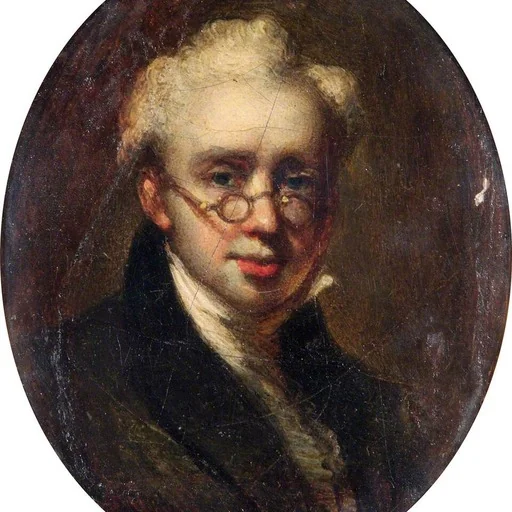
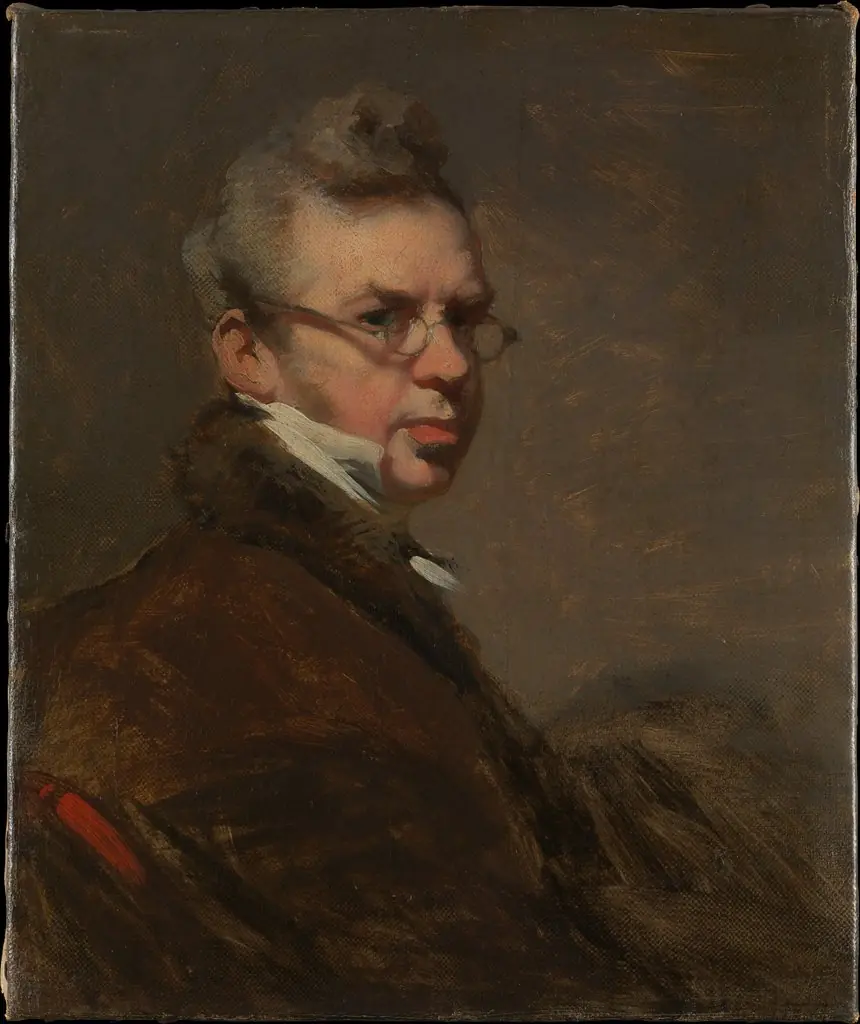
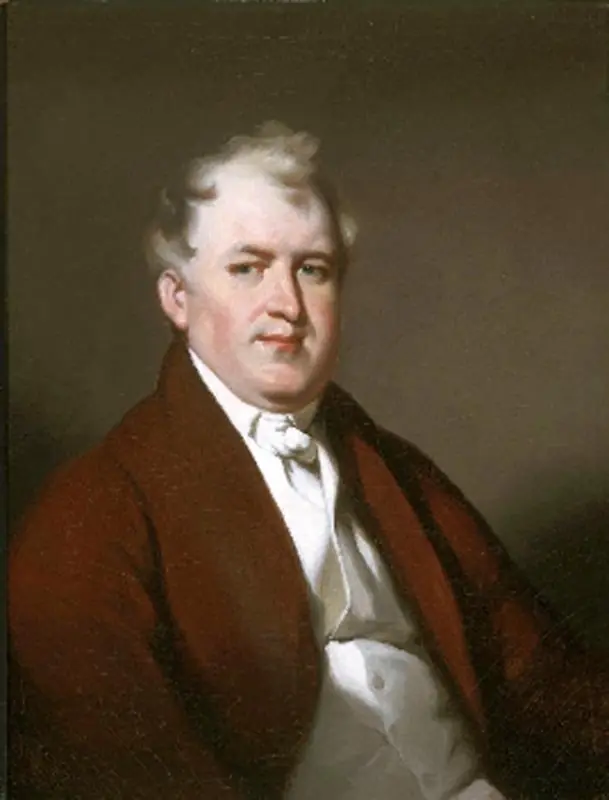
George Chinnery (Chinese: 錢納利; 5 January 1774 – 30 May 1852) was an English painter who spent most of his life in Asia, especially India and southern China.


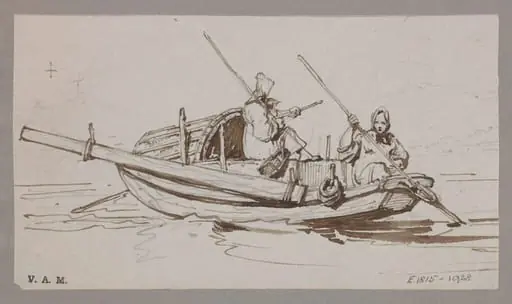 A Tanka boat operated by two boatwomen
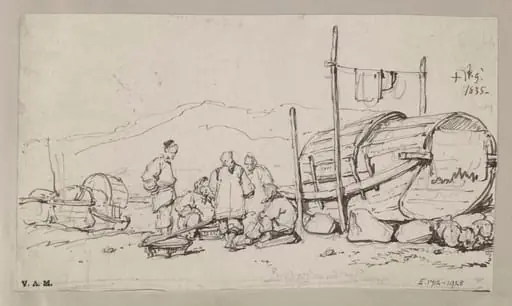 Boatpeople by a Tanka boat raised up on the beach
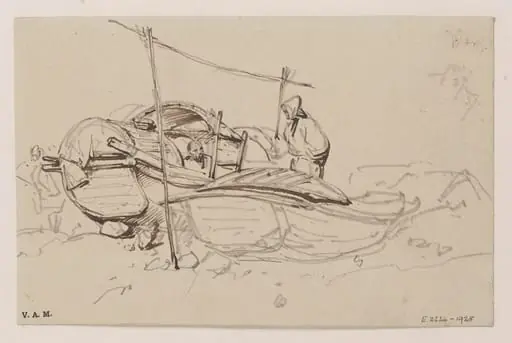 Untitled
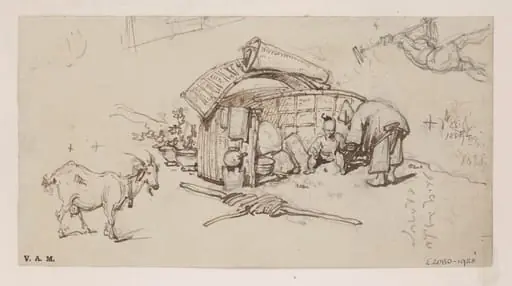 A beached Tanka boat adapted as a dwelling
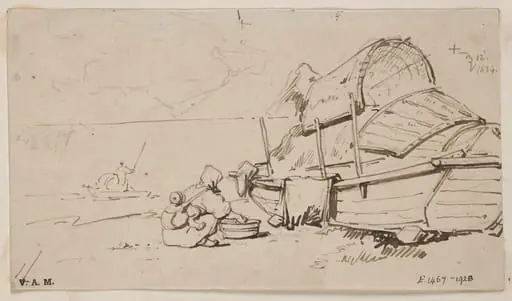 A boatwoman and child beside a beached Tanka boat
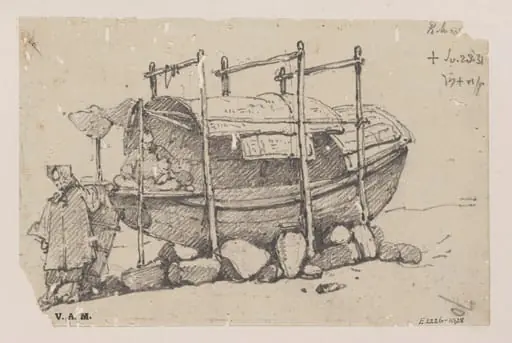 Figures by a beached Tanka boat
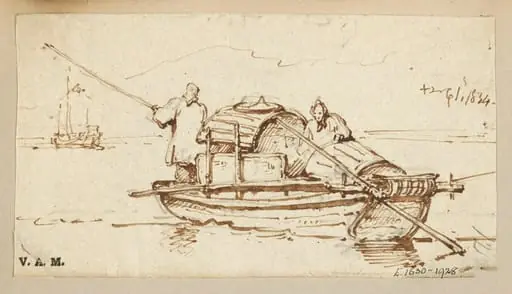 A Tanka boat with two boatwomen
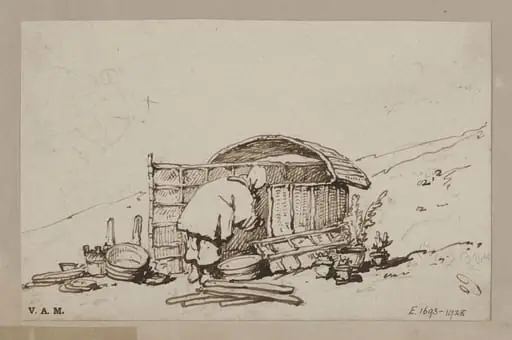 A boatwoman entering a beach dwelling
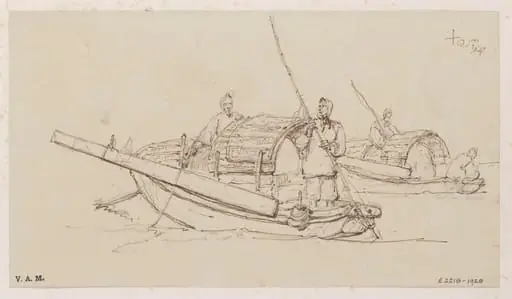 Two Tanka boats
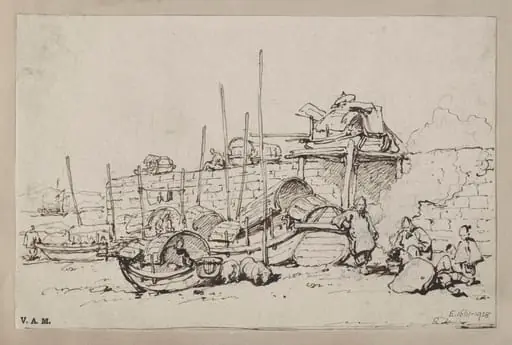 Tanka boats and boatpeople on the beach by the sea wall, Macau
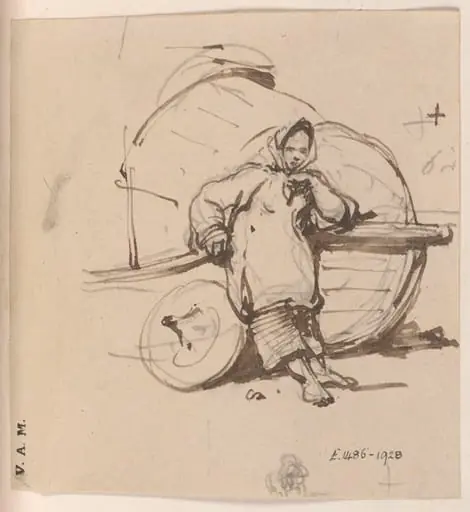 A boatwoman leaning against a beached Tanka boat