Artwork
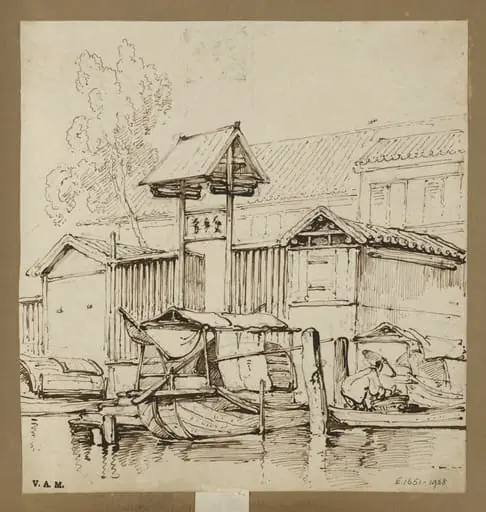
Gateways on the riverside, Canton
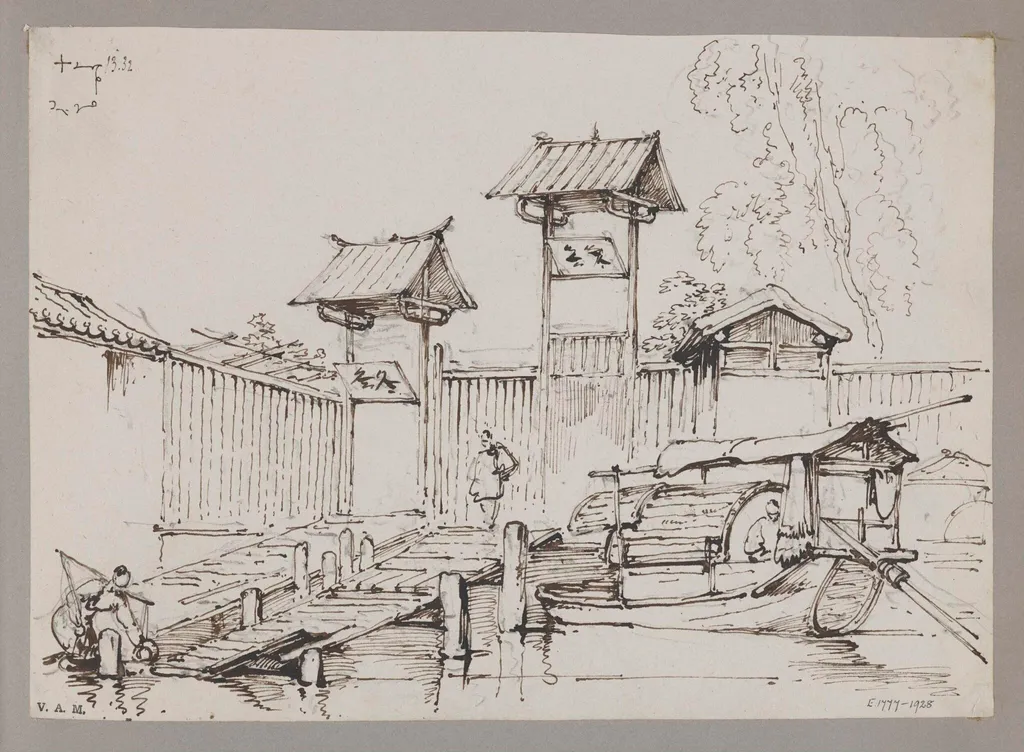
Gateways on the riverside, Canton is a drawing by the Romanticist artist George Chinnery. It dates from 10 and is held in the collection of the Victoria and Albert Museum.
About this work
This drawing shows a Tanka boat on the Pearl River near Canton. George Chinnery used pencil or ink to capture the scene in 1832. Simple wooden ramps lead to small gateways topped with gabled roofs.
The boat sits right on the water, with the ramps and gateways close by. You can almost hear the river sounds just from this quiet drawing.
Check out the Victoria and Albert Museum.
Overview
The composition captures a moment of daily life, emphasizing the relationship between waterborne livelihoods and the riverbank infrastructure.
This 1832 drawing by George Chinnery depicts a Tanka boat moored along the Pearl River near Canton. The scene is rendered in pencil or ink with quiet precision, focusing on the boat’s position beside simple wooden ramps that lead to modest gateways with sloping tiled roofs. The composition captures a moment of daily life, emphasizing the relationship between waterborne livelihoods and the riverbank infrastructure.
Subject & Meaning
The Tanka boat, home to a nomadic fishing community, anchors the composition as both a vessel and a symbol of transient existence. The ramps and gateways suggest a liminal space between land and water, where commerce or passage occurs. The absence of figures heightens the sense of quiet routine, inviting reflection on the rhythms of riverine life rather than dramatic narrative.
Technique & Style
Chinnery employed a restrained linear approach, using fine pencil or ink strokes to define form without heavy shading. The drawing’s clarity lies in its economy of line—each ramp, roof, and hull is suggested with minimal yet deliberate marks. The lack of color or embellishment reinforces the observational tone, aligning with the artist’s practice of recording everyday scenes with documentary precision.
History & Provenance
Created during Chinnery’s years in southern China, the drawing stems from his extensive sketching trips along the Pearl River. It was likely made on-site, as part of a broader series documenting Canton’s riverine culture. The work entered the Victoria and Albert Museum’s collection through later acquisitions of his personal sketches, preserved for their ethnographic and artistic value.
Context
In the early 1830s, Canton was a key port in foreign trade, yet Chinnery turned his attention away from commercial hubs to the quieter margins of river life. The Tanka people, often marginalized in official records, are rendered here with unembellished dignity. The drawing reflects a colonial-era interest in local customs, but without overt exoticism, offering a grounded view of daily resilience.
Legacy
Chinnery’s drawings of Canton’s waterways remain among the most detailed visual records of 19th-century riverine life in southern China. This piece, like others in his oeuvre, contributes to a historical archive that captures ordinary scenes often overlooked by official histories. Its quiet realism continues to inform studies of cross-cultural observation and material culture in the region.
Artist & collection
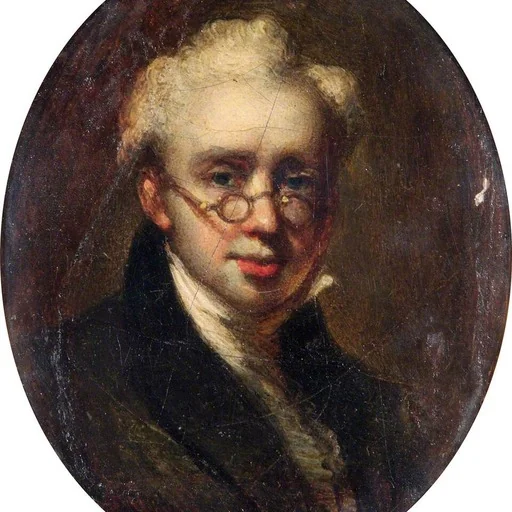
Artist
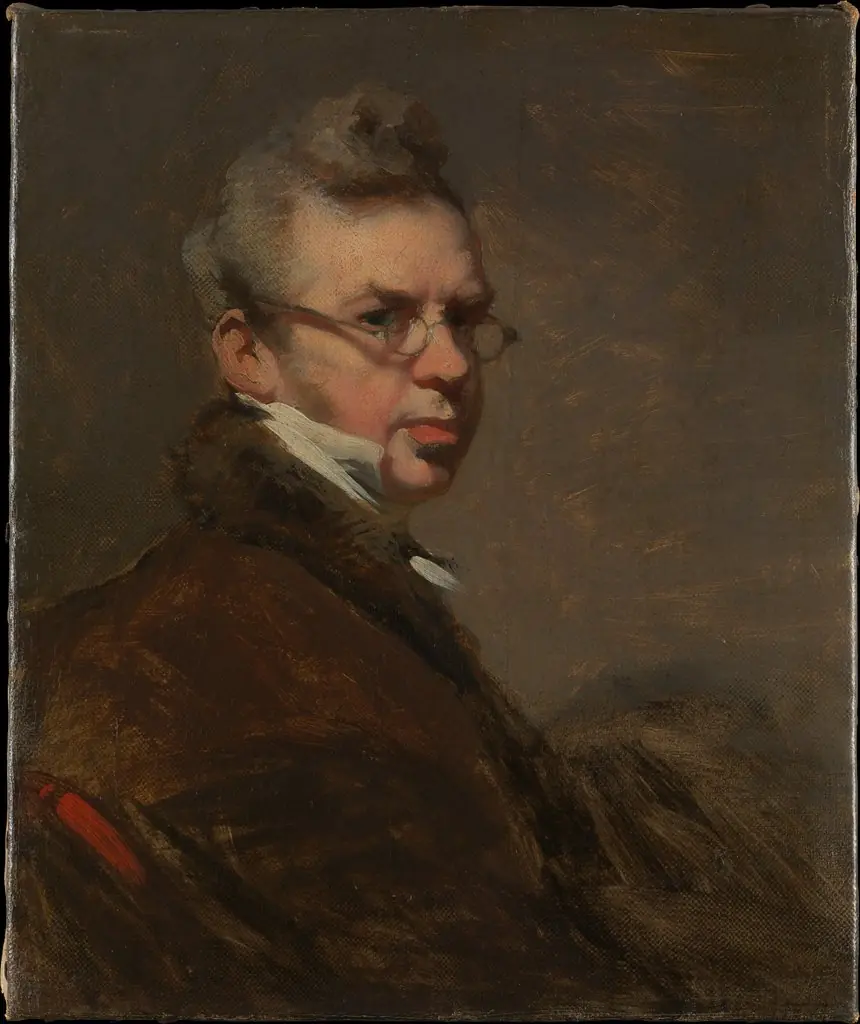
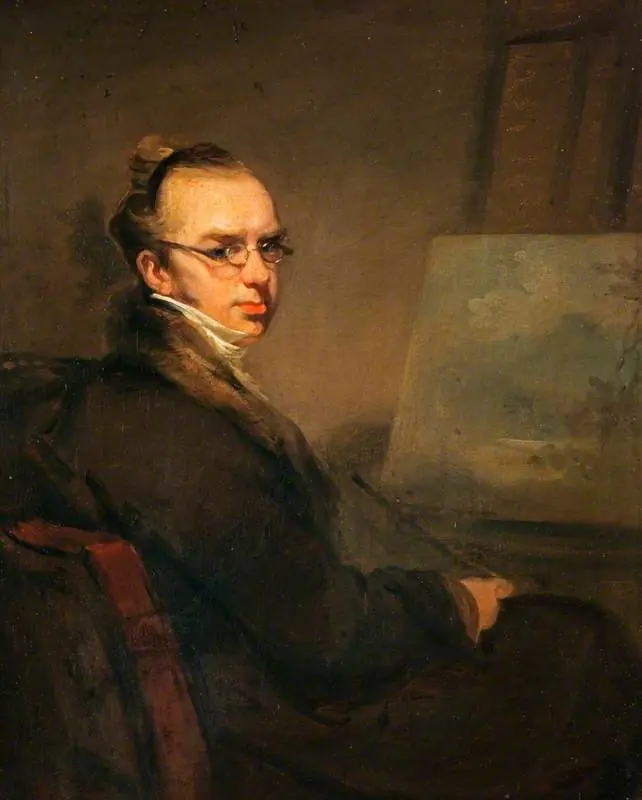
George Chinnery (Chinese: 錢納利; 5 January 1774 – 30 May 1852) was an English painter who spent most of his life in Asia, especially India and southern China.