Artwork
Indian figures
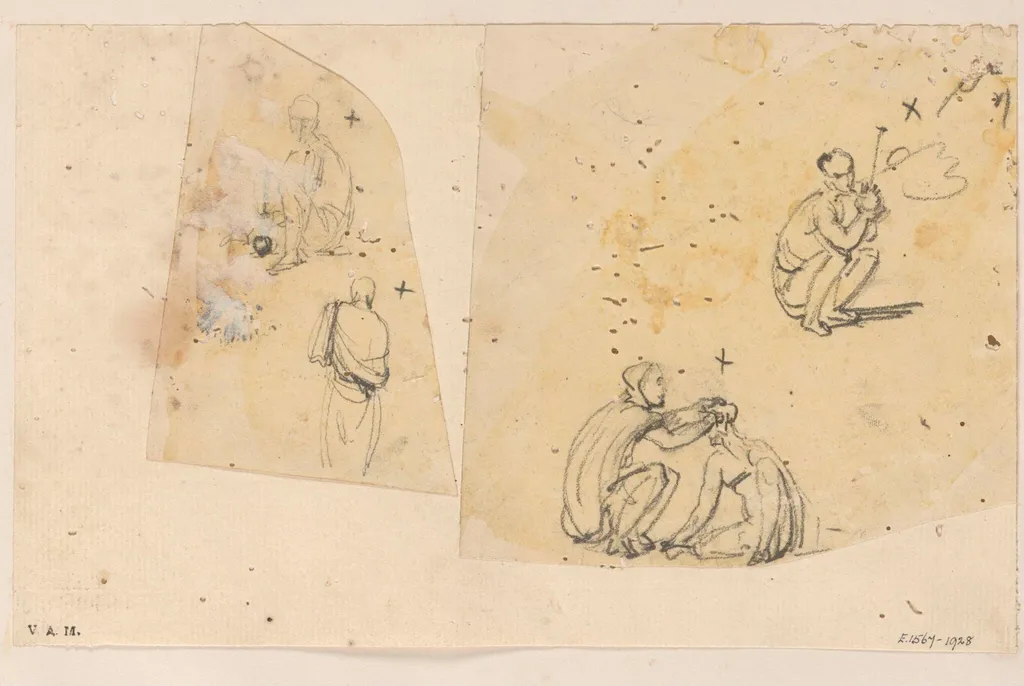
Indian figures is a drawing by the Romanticist artist George Chinnery. It dates from 16 and is held in the collection of the Victoria and Albert Museum.
About this work
George Chinnery drew figures from daily life in India around 1825. It’s a sheet of paper with pencil or ink on it. The drawing shows two men standing together and three single figures, one with a hookah.
Chinnery worked in British-ruled India and liked to sketch local people. This work is small and quick, not a finished painting.
Look up the Victoria and Albert Museum.
Overview
This drawing depicts five Indian figures, rendered in pencil or ink on a single sheet of paper.
Subject & Meaning
The work shows two men standing together and three solitary figures, one of whom is smoking a coconut-shell hookah, capturing a moment from daily life in early 19th-century India.
Technique & Style
Executed in a quick and informal manner, the drawing is characteristic of George Chinnery's sketching style, which focused on observing and recording local people and their activities.
History & Provenance
Created around 1825, the drawing is associated with Chinnery's time in British-ruled India, where he developed a keen interest in documenting the local population.
Artist & collection
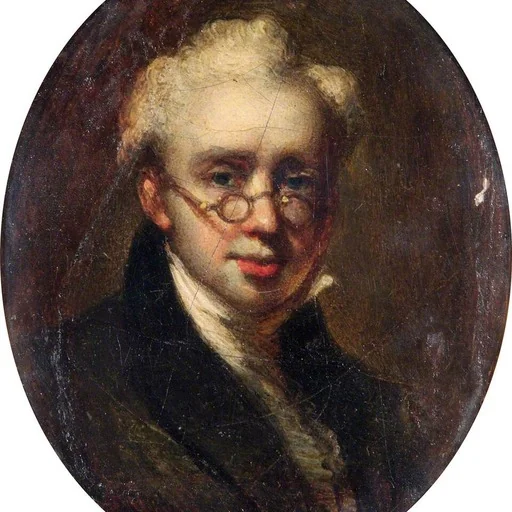
Artist
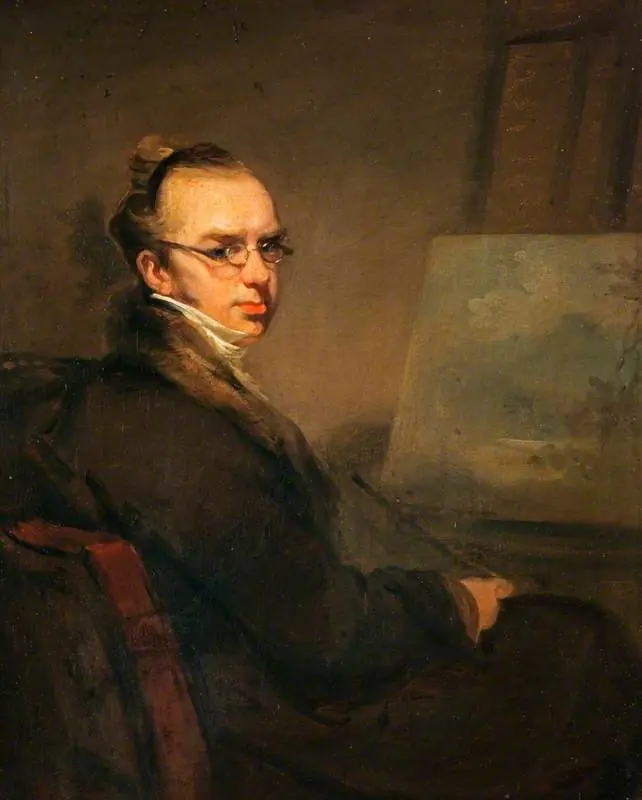
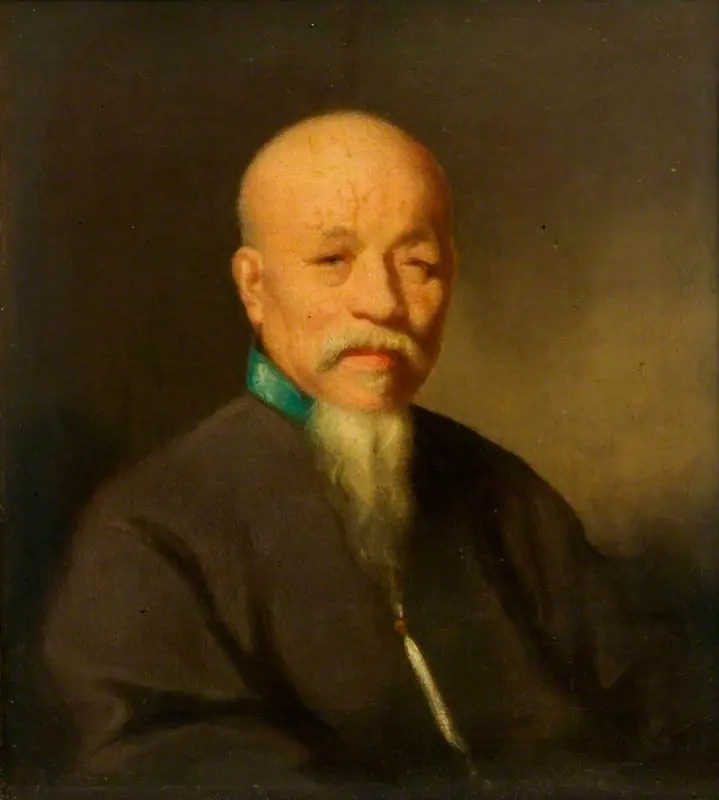
George Chinnery (Chinese: 錢納利; 5 January 1774 – 30 May 1852) was an English painter who spent most of his life in Asia, especially India and southern China.

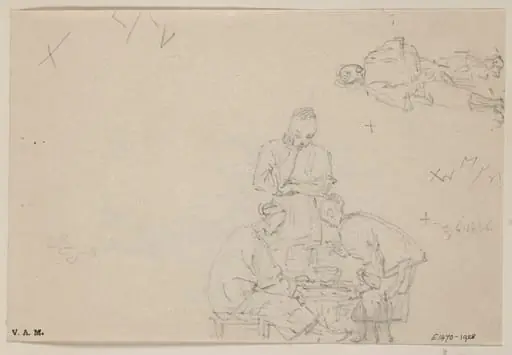 Chinese figures
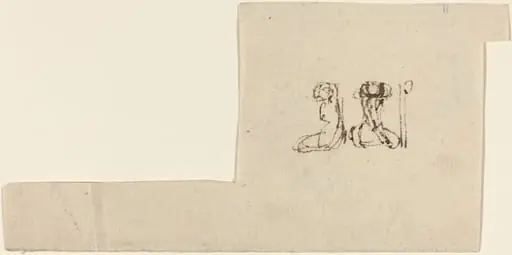 Two Seated Female Figures with Arms Lifted Overhead
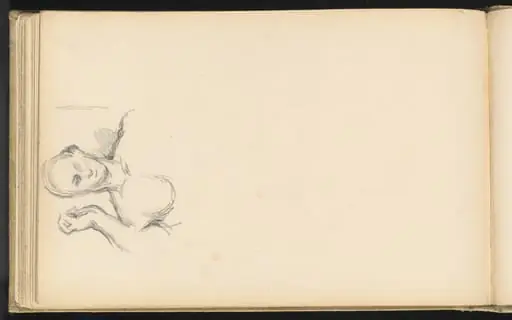 Study of "The Roman Orator (Germanicus)"
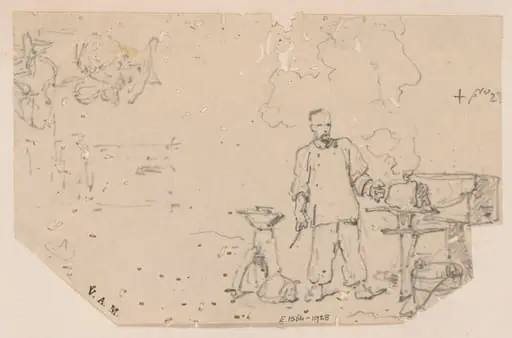 A blacksmith and a seated man
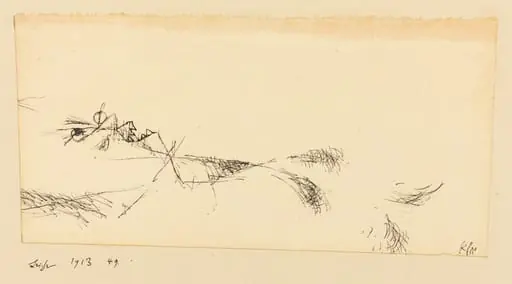 Leiche (Corpse)
![Sheet of Studies [recto and verso], by John Flaxman](https://artifactworldgallery.com/img/john-flaxman--sheet-of-studies-recto-and-verso--acf1b2004c9fc50f-w320.webp) Sheet of Studies [recto and verso]
Sheet of Studies [recto and verso]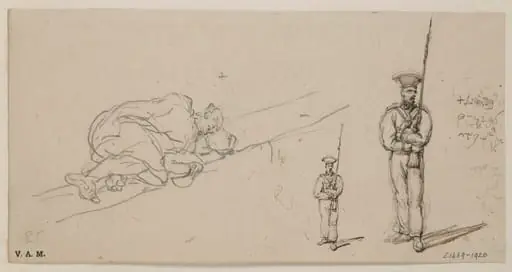 A sleeping Chinese man and a Portuguese soldier
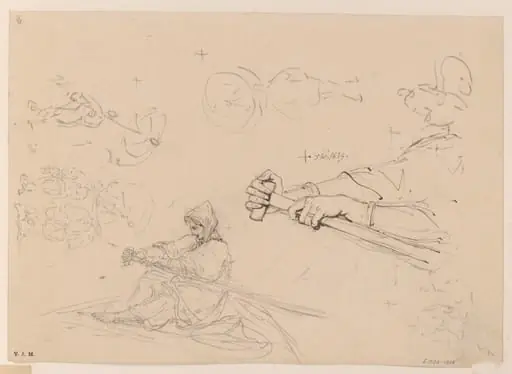 Drawings of a boatwoman rowing, and sketches of figures with parasols