Artwork
Two studies of a cow seen from behind
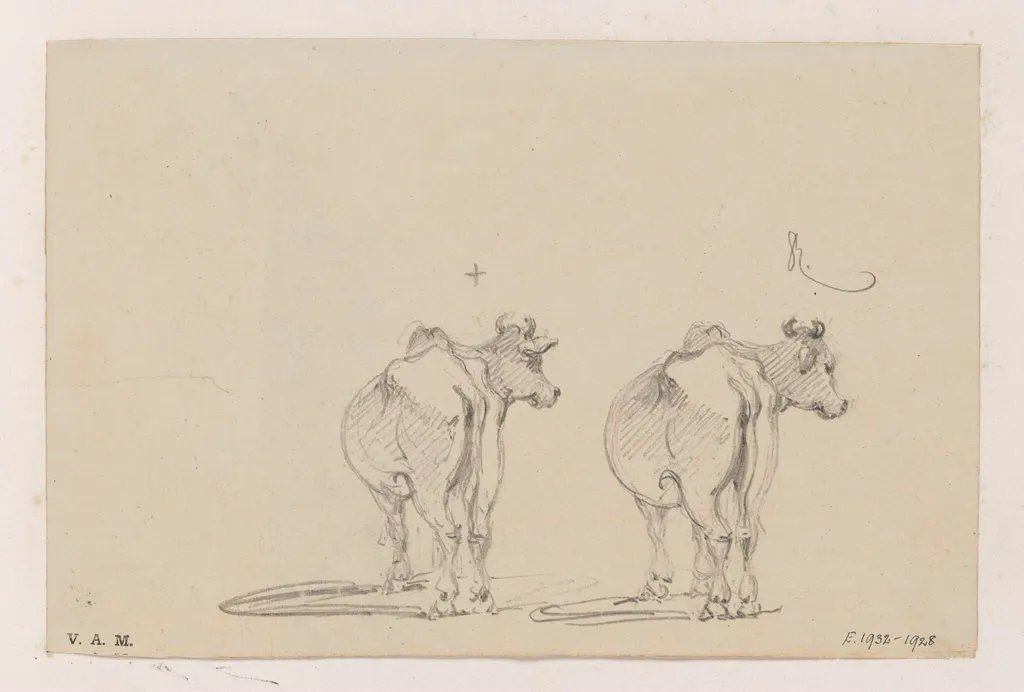
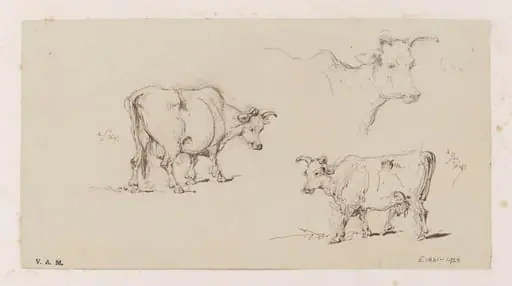
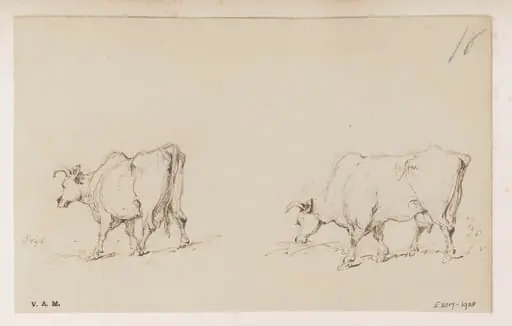
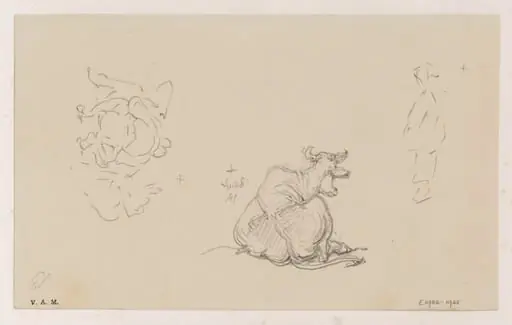
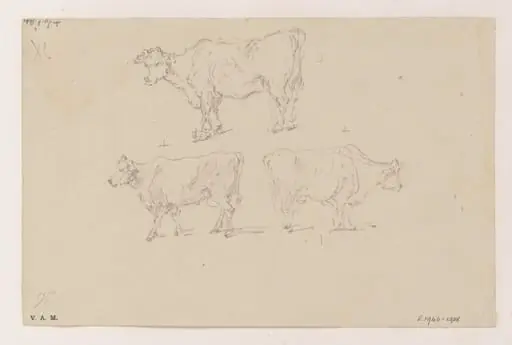
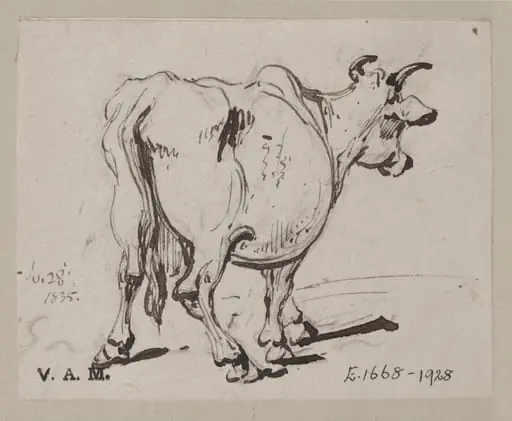
Two studies of a cow seen from behind is a drawing by the Romanticist artist George Chinnery. It dates from 19 and is held in the collection of the Victoria and Albert Museum. This pair of ink drawings from 1825 presents two rapid observations of a single cow, viewed from behind.
About this work
The drawings show how he varied line and shading just enough to study its shape and posture.
George Chinnery drew two quick studies of a cow from behind. The artist captured the same animal twice, its head turned right in both sketches. The drawings show how he varied line and shading just enough to study its shape and posture.
Done in 1825, these tiny ink studies feel fresh and direct. They’re not fancy portraits—just a quick look at a cow’s rear end and tail.
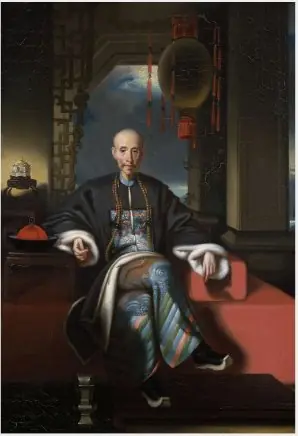
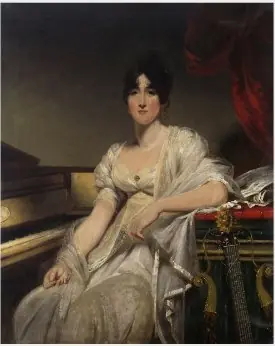
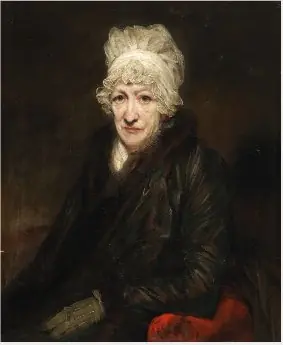
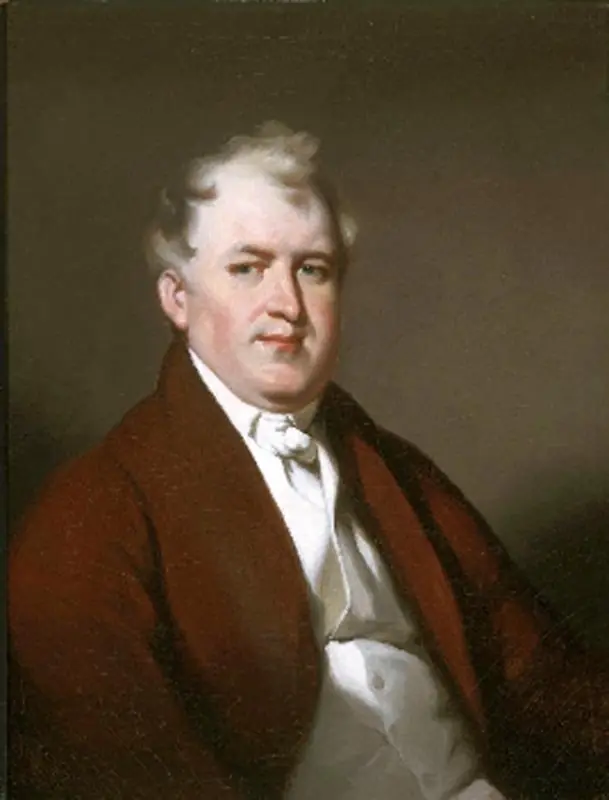
Next, check out more drawings by George Chinnery.
Overview
This pair of ink drawings from 1825 presents two rapid observations of a single cow, viewed from behind. Executed on a small scale, the works emphasize immediacy over refinement, offering a straightforward record of the animal’s posture and physical contours without idealization or narrative embellishment.
Subject & Meaning
The drawings depict a cow with its head turned to the right, captured twice in near-identical poses. Rather than a symbolic or allegorical representation, the images serve as direct studies of form, focusing on the animal’s hindquarters, tail, and slight variations in stance. Their purpose appears observational, isolating the cow’s physical presence without contextual or decorative intent.
Technique & Style
Rendered in ink, the sketches employ swift, unlabored lines and minimal shading to define the cow’s shape. Subtle differences between the two versions suggest an exploration of how slight adjustments in mark-making could convey volume and movement. The approach reflects a practice-oriented method, prioritizing economy of means over finished detail.
History & Provenance
Created in 1825, these drawings are attributed to George Chinnery, an artist known for his rapid, on-site studies. Their modest scale and direct execution align with his broader output of observational sketches. Little is documented about their early ownership, though they exemplify the period’s interest in informal, working drawings as tools for artistic development.
Context
Such studies reflect the 19th-century practice of drawing from life as a means of honing technical skill. Unlike commissioned animal portraits or decorative works, these sketches occupy a space between preparatory exercise and independent record. Their unassuming nature underscores the era’s emphasis on direct observation as a foundation for more elaborate compositions.
Artist & collection
Artist
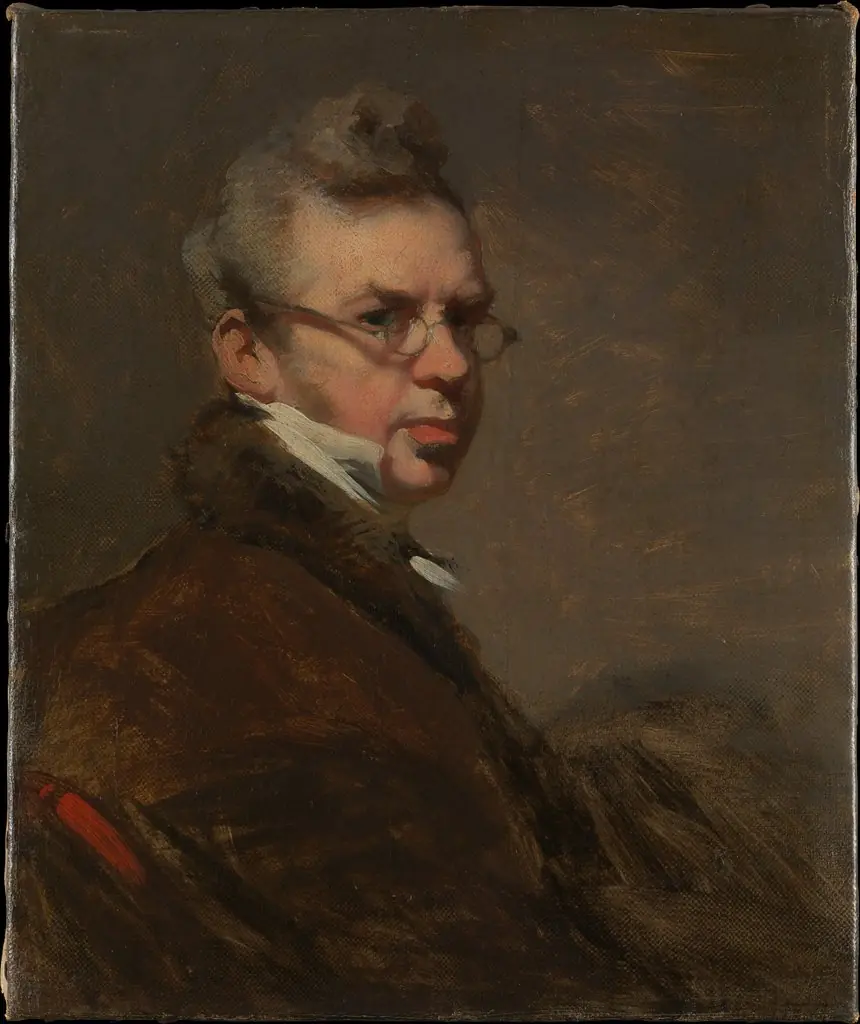
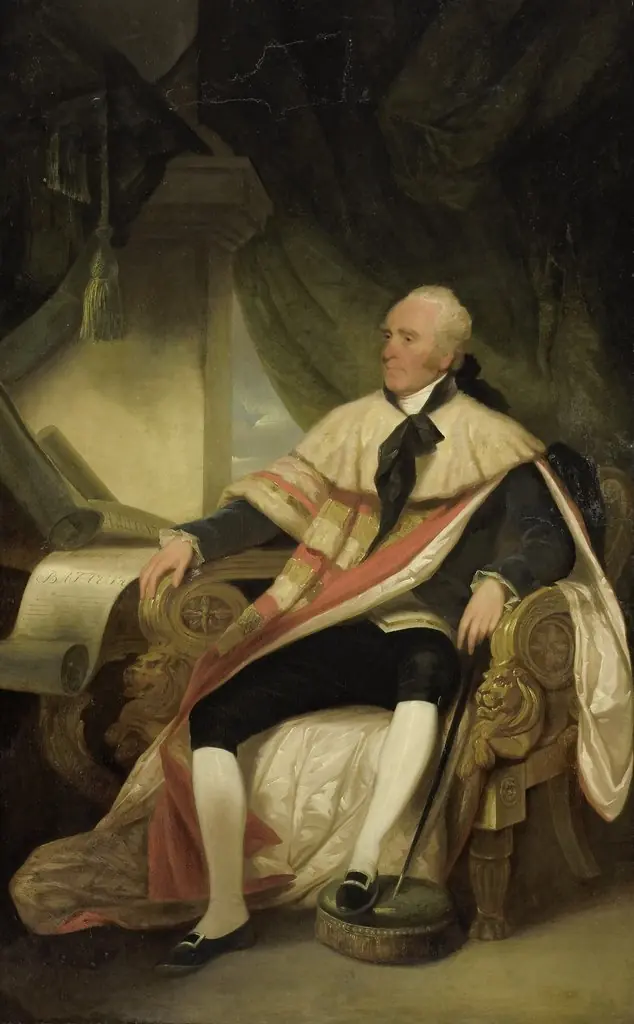
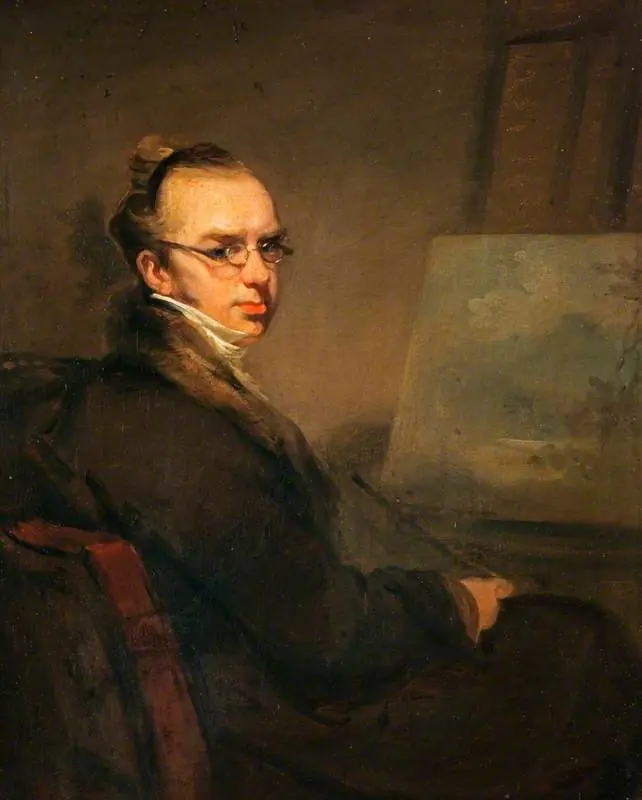
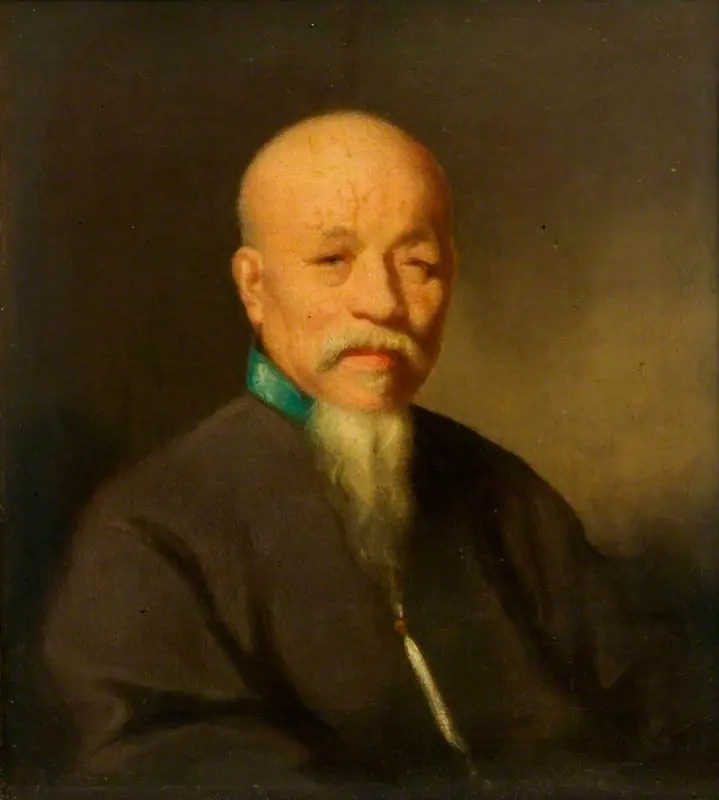
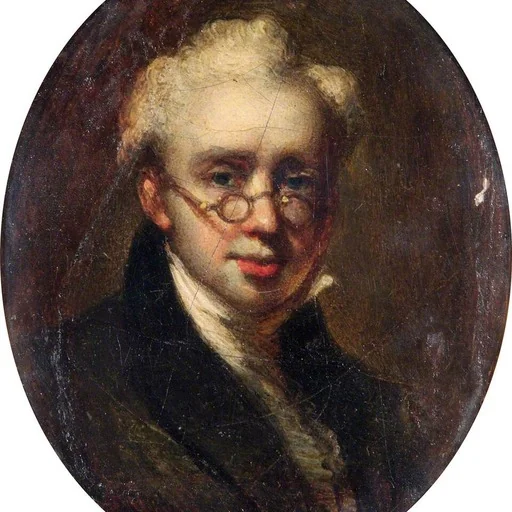
George Chinnery (Chinese: 錢納利; 5 January 1774 – 30 May 1852) was an English painter who spent most of his life in Asia, especially India and southern China.