Artwork
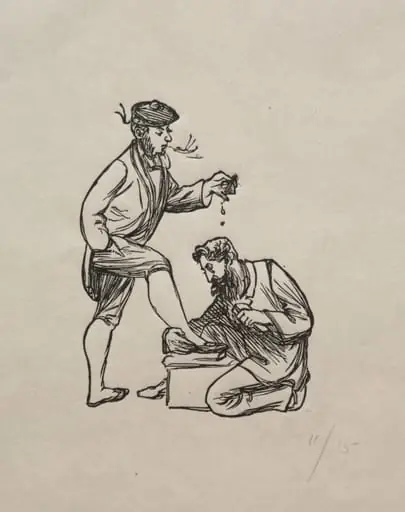
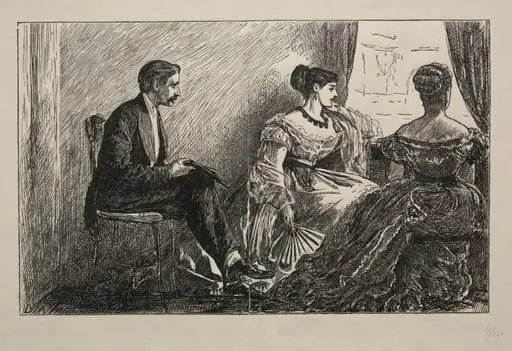
Coelebs in Search of a Mulready Envelope
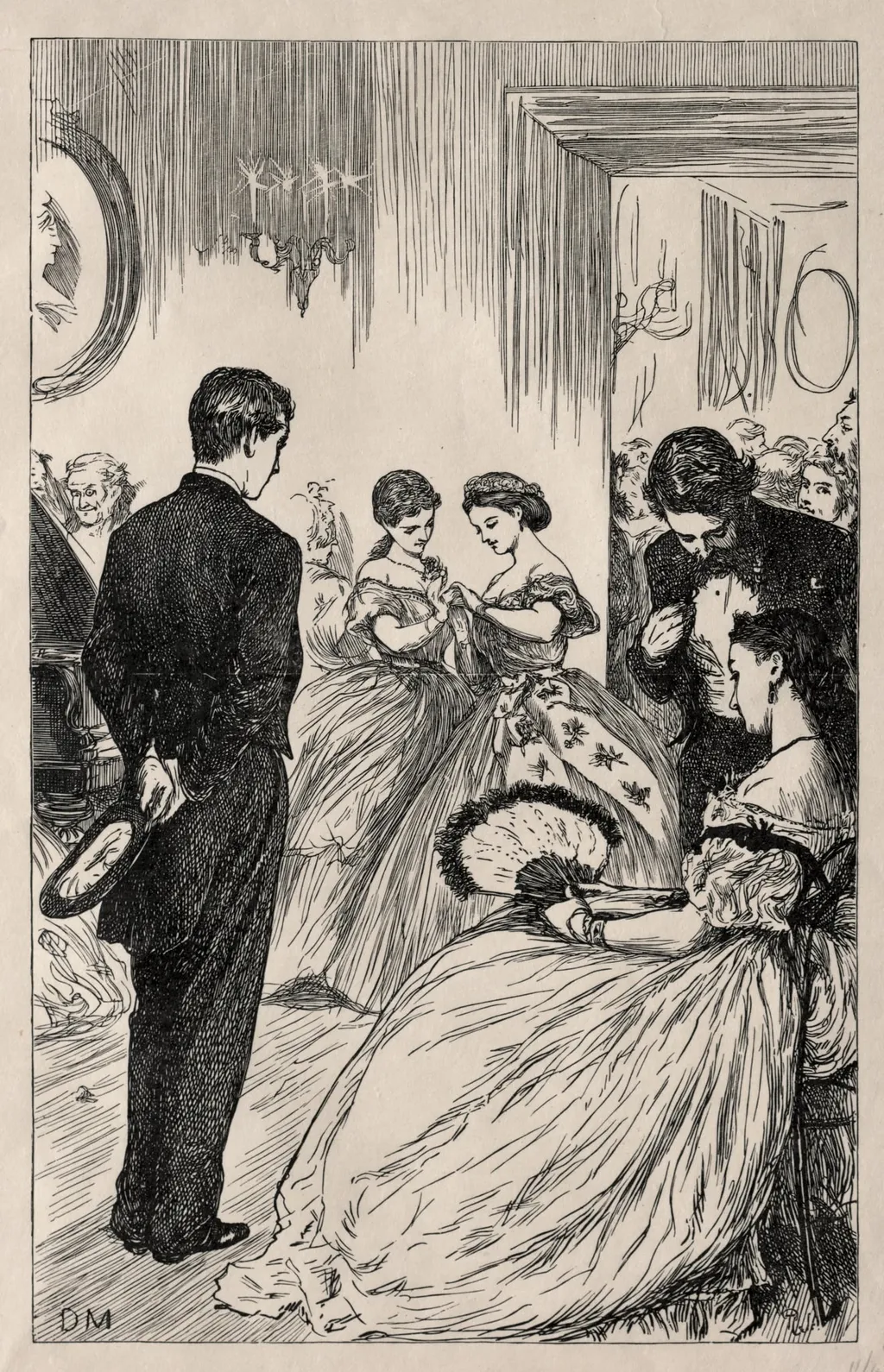
Coelebs in Search of a Mulready Envelope is a print by the Impressionist artist George Louis Palmella Busson Du Maurier. It dates from 1865 and is held in the collection of the Cleveland Museum of Art.
About this work
This painting shows a man searching for something.
He's looking through a stack of papers and envelopes.
The detail that makes this work interesting is the way it seems to comment on everyday life in the 19th century, with the man's task being a common one.
You can learn more about this style by looking at the work of artist: George Louis Palmella Busson Du Maurier (British, 1834–1896).
Overview
Created in 1865 by George Louis Palmella Busson du Maurier, this print is a satirical depiction of a man rummaging through a pile of correspondence.
Created in 1865 by George Louis Palmella Busson du Maurier, this print is a satirical depiction of a man rummaging through a pile of correspondence. Du Maurier, a French-born illustrator active in Victorian England, produced this work for the pages of *Punch*, where his sharp observations of middle-class life found a wide audience. The piece exemplifies his talent for transforming mundane routines into subtle social commentary.
Subject & Meaning
The figure, identified as 'Coelebs'—a term for an unmarried man—searches for a specific envelope, the Mulready, a government-issued postal item introduced in 1840. Its failure in public favor made it a symbol of bureaucratic misstep. The scene humorously captures the frustration of navigating institutional inefficiency, reflecting broader Victorian anxieties about communication, bureaucracy, and the changing pace of daily life.
Technique & Style
Du Maurier employed fine pen-and-ink lines with delicate washes to render the cluttered desk and the figure’s weary posture. His style blends precise draftsmanship with expressive detail, characteristic of *Punch*’s illustrative tradition. The composition’s tight framing and layered papers create visual tension, mirroring the subject’s disorientation. Subtle shading and rhythmic line work guide the viewer’s eye through the chaotic scene.
History & Provenance
The print was originally published in *Punch* in 1865 as part of a series commenting on postal reforms. It entered the Cleveland Museum of Art’s collection through a later acquisition, likely from a private donor with an interest in Victorian graphic art. Its survival in good condition reflects its status as a well-preserved example of mid-19th-century British illustration, valued for its historical and artistic context rather than rarity.
Context
The Mulready envelope was a government initiative meant to simplify postage, but its ornate design was ridiculed and quickly abandoned. Du Maurier’s satire tapped into public sentiment, aligning with a broader cultural critique of Victorian administrative overreach. His work resonated among readers familiar with the postal fiasco, turning a bureaucratic misstep into a shared comedic moment that revealed the gap between policy and lived experience.
Legacy
Though less known today than his novels, du Maurier’s illustrations remain significant for their insight into Victorian social norms. This print endures as a quiet testament to the power of graphic satire in documenting everyday frustrations. It influenced later cartoonists and illustrators who used domestic scenes to critique institutional life, cementing his role in the evolution of British visual humor.
Artist & collection
Artist
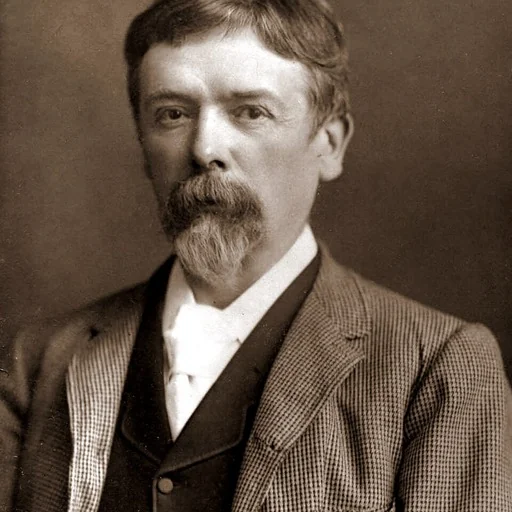
George Louis Palmella Busson Du Maurier
George Louis Palmella Busson du Maurier (French: ; 6 March 1834 – 8 October 1896) was a French-British cartoonist, illustrator, and novelist.

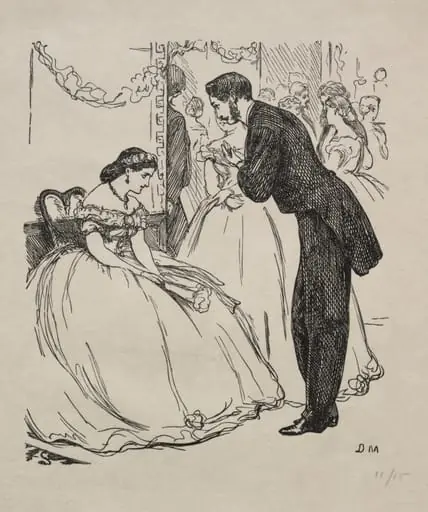 The Song of the Disconsolate One
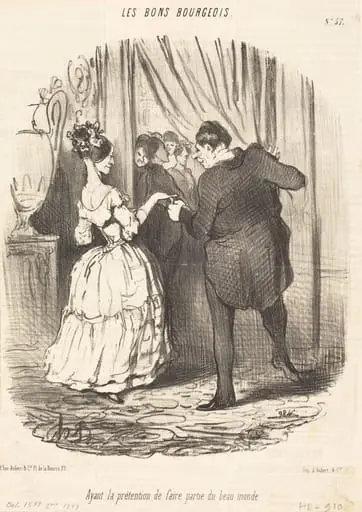 Ayant la prétention de faire partie du beau monde
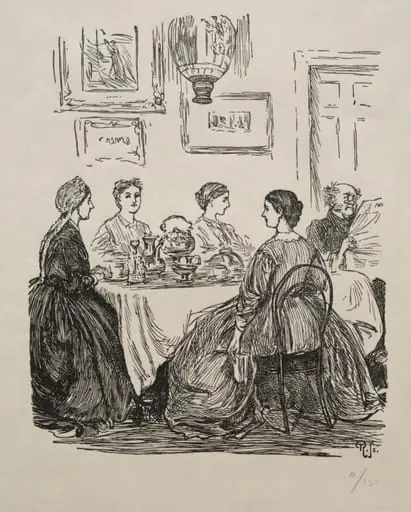 The Annual Question - Where Shall We Go?
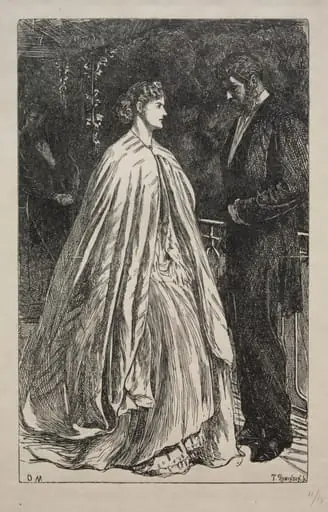 Two to One on the Major
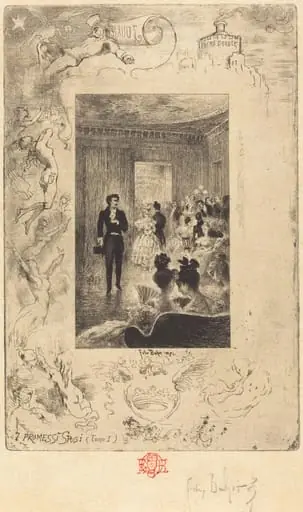 I Promessi Sposi (The Betrothed)
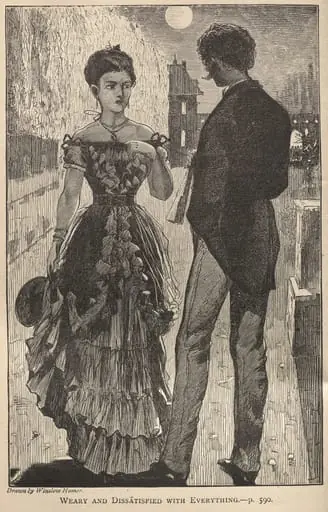 Weary and Dissatisfied with Everything
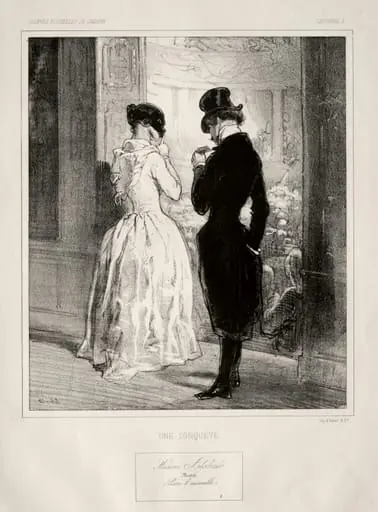 Carnaval
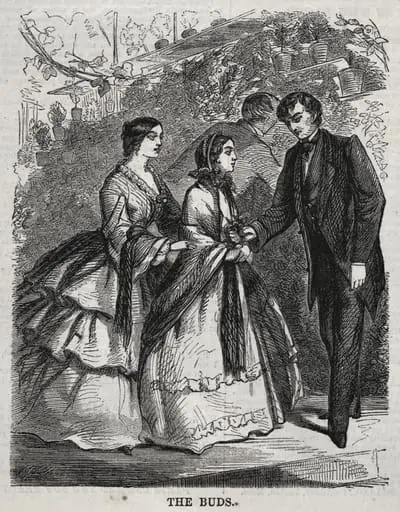 The Buds
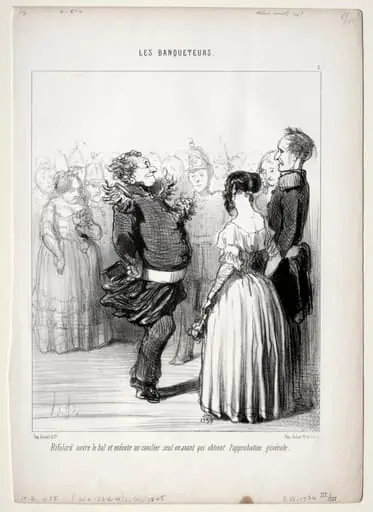 Rifolard opens the ball...
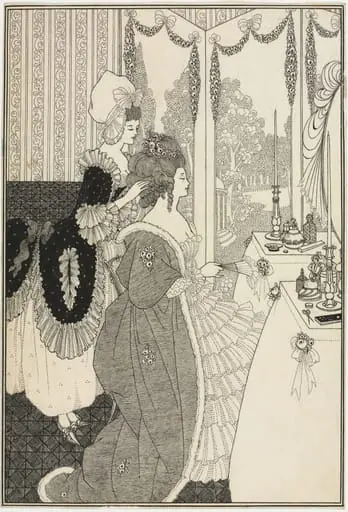 The Toilet, from The Rape of the Lock by Alexander Pope
 The White Camellia