Artwork
Havana Cuba
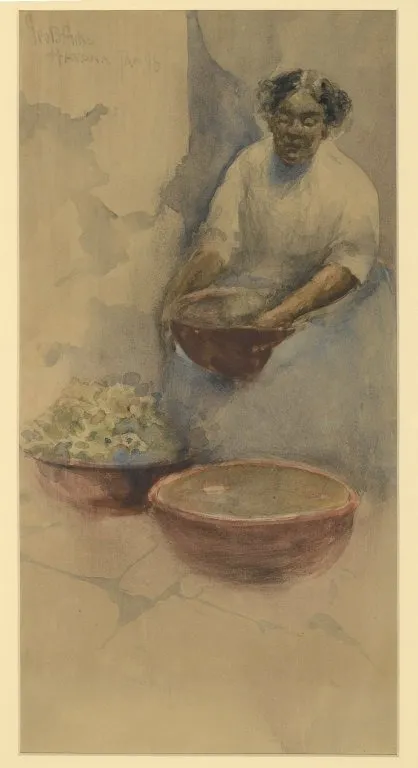
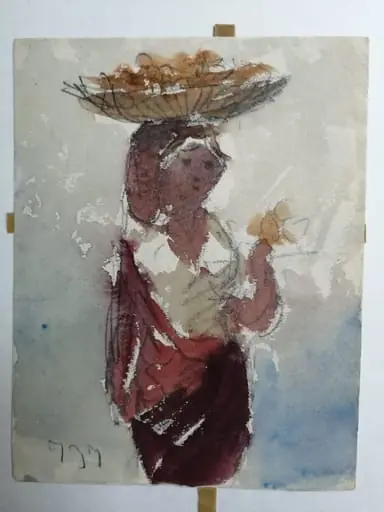
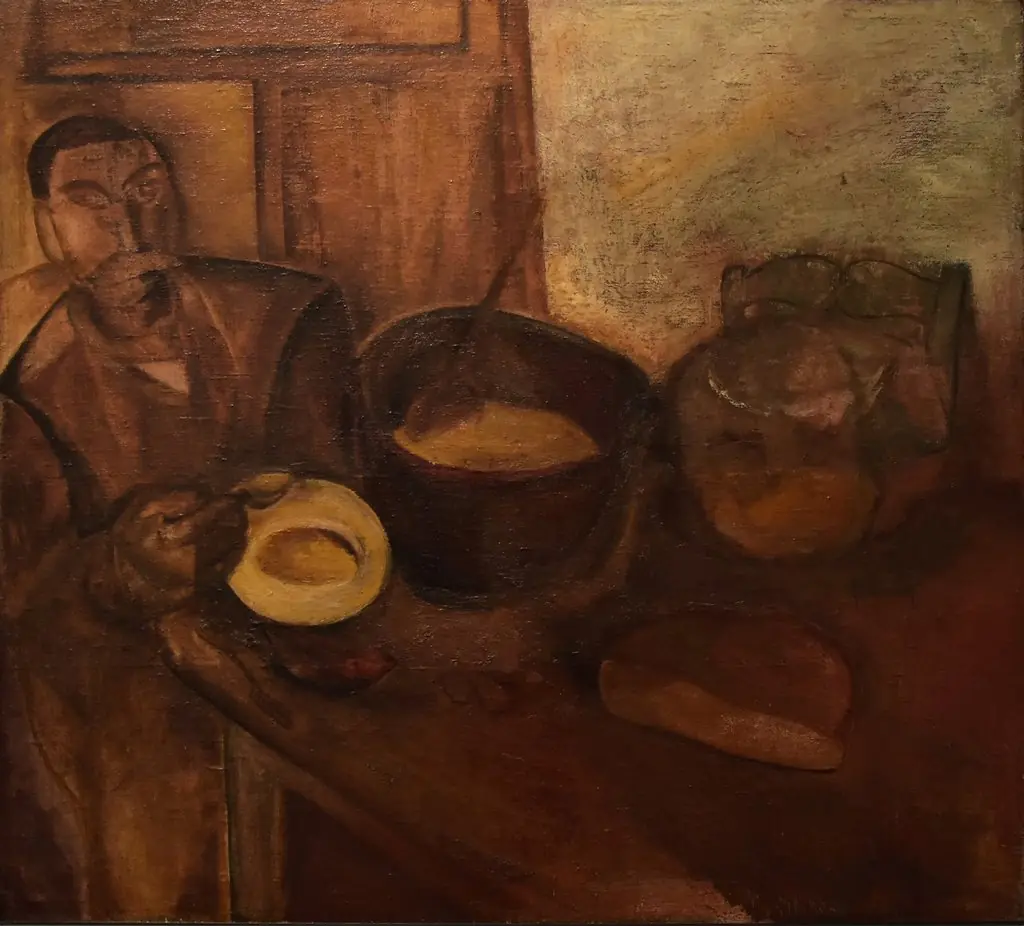
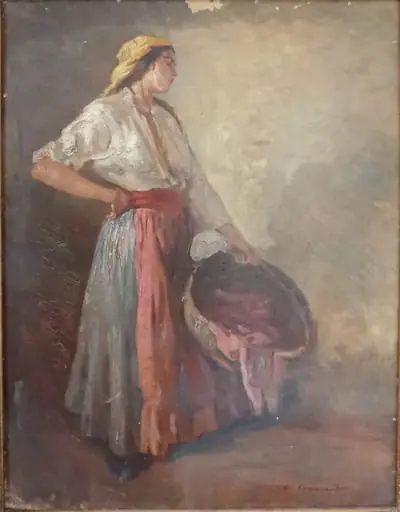
Havana Cuba is an unspecified painting by the Impressionist artist George Luks. It dates from 1898 and is held in the collection of the Brooklyn Museum.
About this work
Overview
The painting reflects his engagement with everyday life beyond American streets, hinting at broader cultural observations during a time of U.
George Luks painted *Havana Cuba* in 1898, a period when he was transitioning from illustration to fine art. Though associated with the Ashcan School’s focus on urban realism, this work departs from his typical city scenes, instead capturing a quiet domestic moment in a Cuban setting. The painting reflects his engagement with everyday life beyond American streets, hinting at broader cultural observations during a time of U.S. imperial interest in the Caribbean.
Subject & Meaning
The painting depicts a woman standing beside three ceramic bowls, one containing flowers, the others empty. Her posture suggests routine domestic activity, perhaps preparing or arranging items. The obscured face and soft lighting shift focus from individual identity to the quiet rhythm of daily life. The flowers and vessels imply care and ritual, evoking a sense of stillness and personal dignity within an ordinary moment, free from overt narrative or drama.
Technique & Style
Luks employed loose brushwork and a muted palette to create a gentle, atmospheric tone. The light background and diffused edges soften the figures and objects, aligning with Impressionist sensibilities, though without the vibrant color contrasts typical of French Impressionism. His background in illustration informs the clear composition and restrained detail, emphasizing form and mood over precise rendering, resulting in a calm, intimate visual rhythm.
History & Provenance
Created during Luks’s early career, shortly after he left newspaper illustration and began studying under Robert Henri, *Havana Cuba* reflects his experimentation beyond urban realism. The painting’s origin in Cuba remains undocumented, but its subject suggests Luks may have traveled there during or after the Spanish-American War. Its provenance is not widely recorded, and it has remained outside major institutional collections, contributing to its relative obscurity.
Context
In 1898, the U.S. military presence in Cuba following the Spanish-American War heightened American interest in the island’s culture and daily life. While many artists depicted war or political scenes, Luks chose a private, non-political moment. This choice aligns with the Ashcan School’s broader interest in authentic human experience, even when it occurred outside the familiar streets of New York or Philadelphia.
Legacy
Though less known than Luks’s New York street scenes, *Havana Cuba* illustrates his versatility and willingness to explore quiet, non-urban subjects. It stands as a quiet counterpoint to the grittier works of the Ashcan School, revealing his sensitivity to light, gesture, and domestic tranquility. The painting contributes to a broader understanding of American artists engaging with the Caribbean during a period of geopolitical change.
Artist & collection
Artist
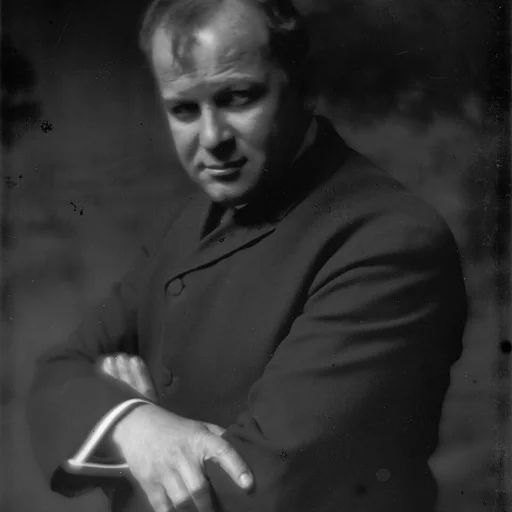
George Benjamin Luks (August 13, 1867 – October 29, 1933) was an American artist, identified with the aggressively realistic Ashcan School of American painting.