Artwork
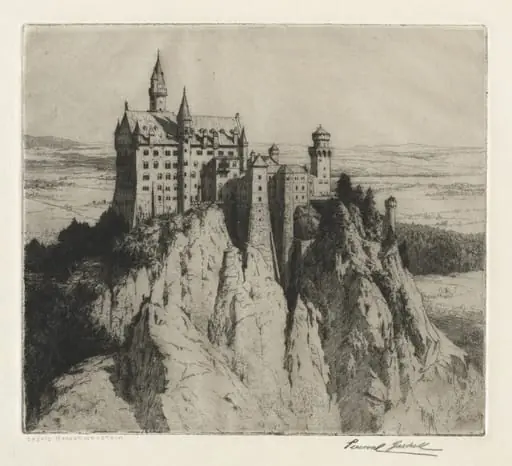
Castle Neuschwanstein
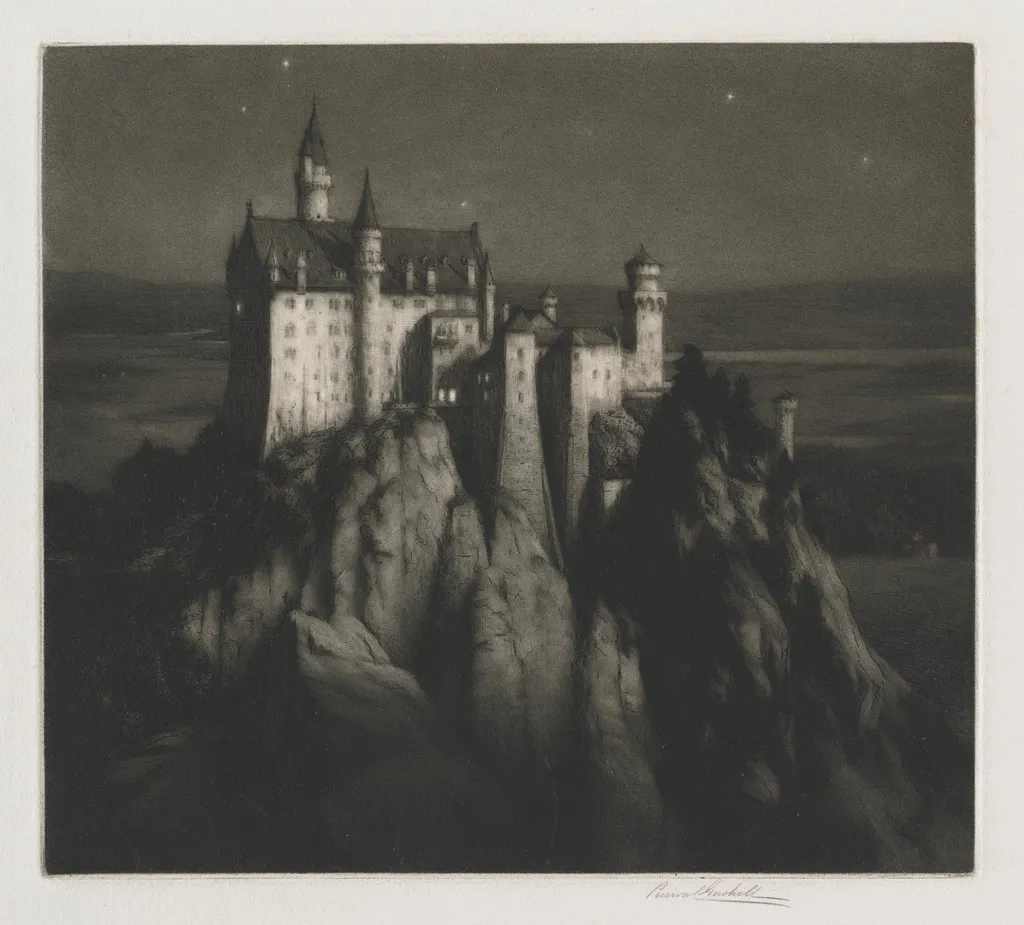
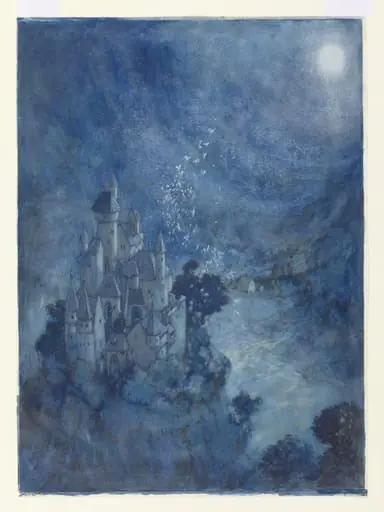
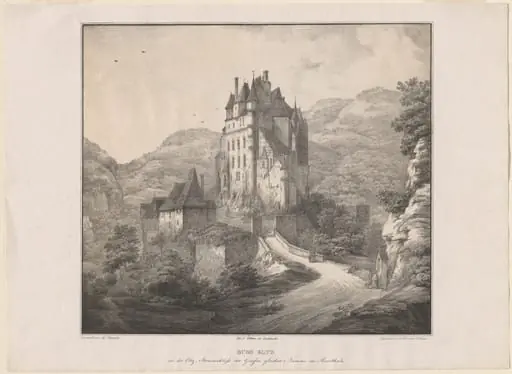
Castle Neuschwanstein is a print by George Percival Gaskell. It dates from 1911 and is held in the collection of the Cleveland Museum of Art.
About this work
The artist likely painted this because of the castle's unique architecture and romantic location.
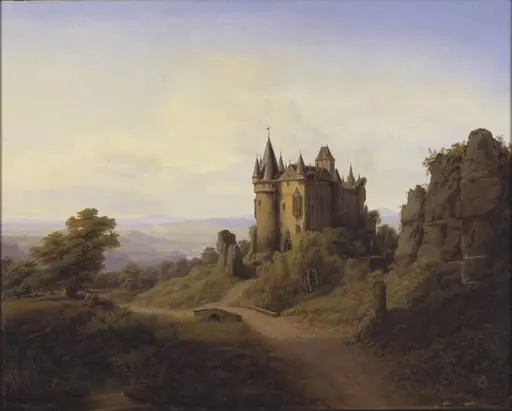
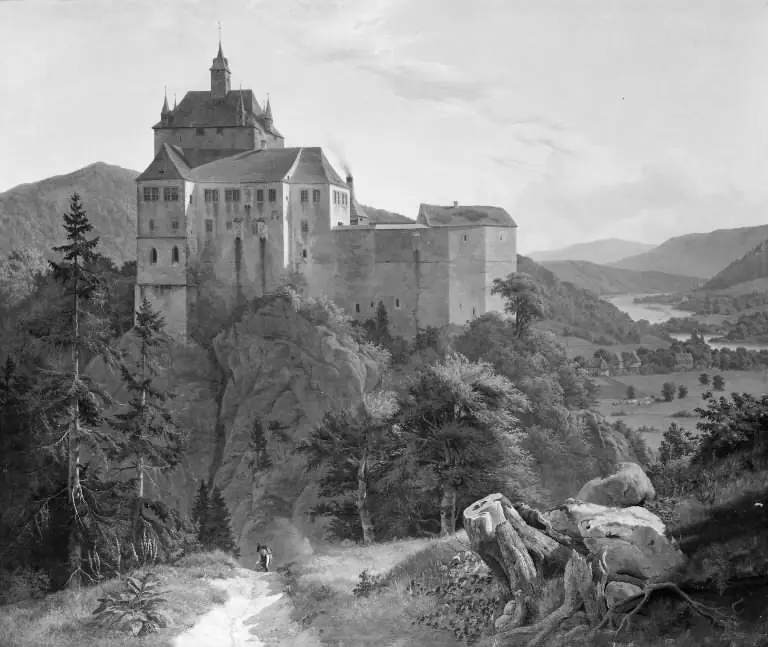
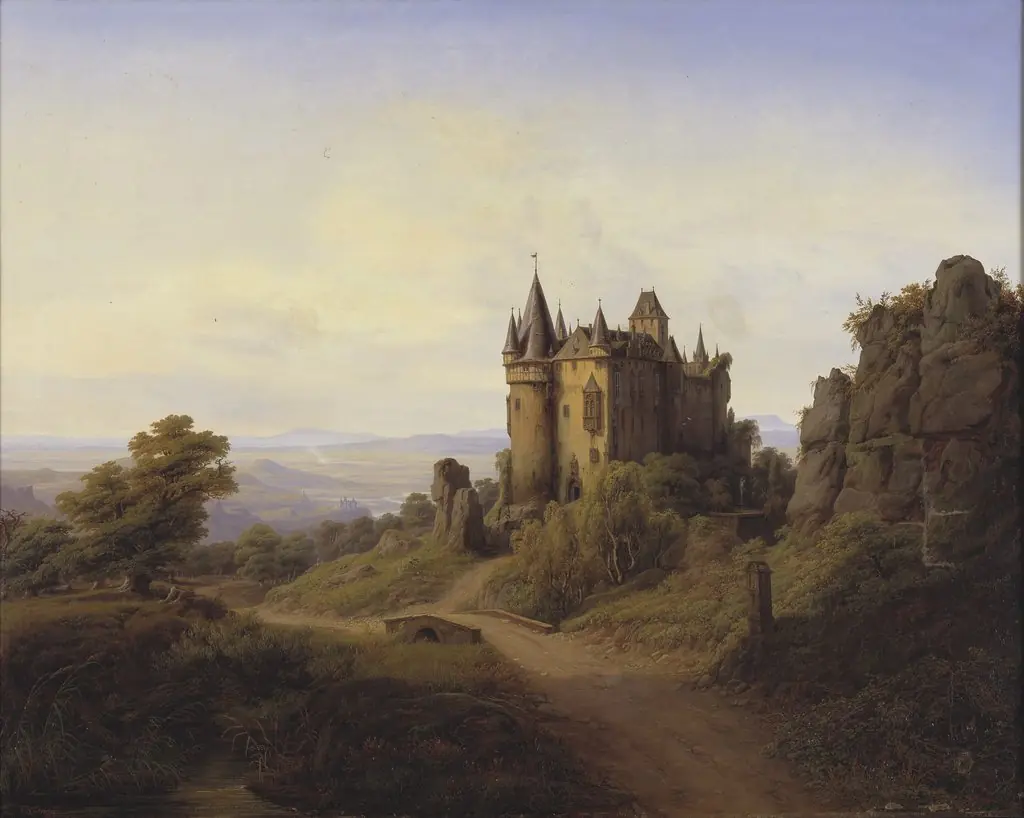
This painting shows Castle Neuschwanstein, a famous castle in Germany.
It's an interesting scene with towers and turrets.
The artist likely painted this because of the castle's unique architecture and romantic location.
The painting has a lot of detail, with intricate stone walls and grand windows.
This level of detail suggests the artist was trying to show the castle's beauty.
You can learn more about this style by looking at the work of artist: George Percival Gaskell (British, 1868–1934)
Overview
Created around 1911 by British artist George Percival Gaskell, this print depicts Neuschwanstein Castle in southern Germany. The work is part of the collection at The Cleveland Museum of Art. Gaskell rendered the castle with careful attention to architectural form, capturing its elevated position amid alpine terrain. The medium and composition reflect early 20th-century interest in European historic architecture as a subject for artistic study.
Subject & Meaning
Neuschwanstein Castle, commissioned by King Ludwig II of Bavaria, symbolized a romantic idealization of medieval chivalry and myth. Gaskell’s depiction emphasizes its fairy-tale silhouette—towers, spires, and arched windows rising from rugged hills. The image does not portray human activity, focusing instead on the structure as a solitary monument, evoking solitude and grandeur rather than narrative or historical event.
Technique & Style
Gaskell employed precise linework and tonal gradation to convey the castle’s stonework and atmospheric depth. The print’s clarity suggests a lithographic or etched technique, common in architectural illustrations of the period. Details like window tracery and rampart textures are rendered with restraint, avoiding excessive ornamentation while preserving structural legibility and spatial harmony.
History & Provenance
The print entered The Cleveland Museum of Art’s collection as part of a broader acquisition of early 20th-century European architectural prints. Gaskell, active in Britain and known for topographical works, produced this image during a period when travel and illustrated guides fueled public fascination with continental landmarks. Its provenance traces to private collections in the UK before its acquisition by the museum.
Context
In the early 1900s, Neuschwanstein became a popular subject for artists and photographers drawn to its romanticized medievalism. Gaskell’s print aligns with a trend among British illustrators who documented European landmarks for educational and aesthetic audiences. Unlike later tourist imagery, his version avoids sentimentality, presenting the castle as a formal architectural study rather than a picturesque postcard.
Legacy
Gaskell’s print remains a documented example of early 20th-century architectural representation, valued for its technical precision and restrained aesthetic. While not widely reproduced, it contributes to the historical record of how Neuschwanstein was perceived beyond Germany. The work continues to serve as a reference for scholars studying the intersection of travel, print culture, and architectural appreciation in the pre-war era.
Artist & collection