Artwork
H Beard Print Collection
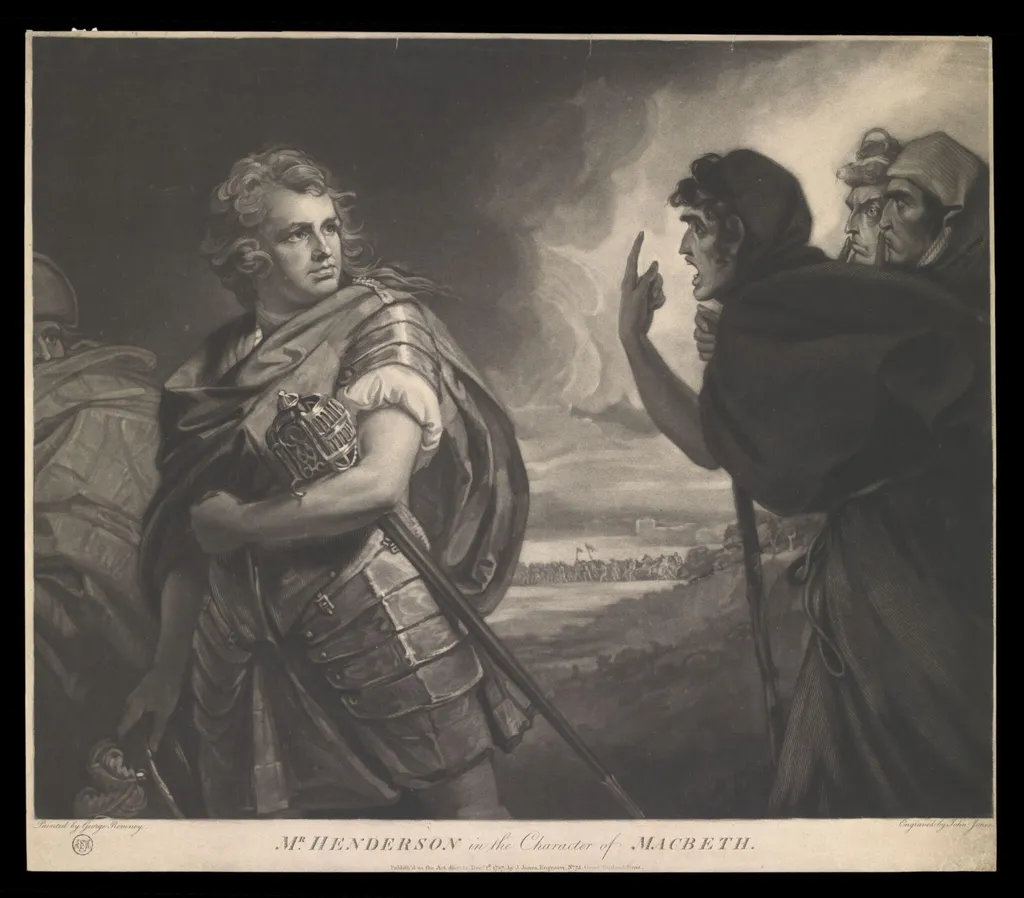
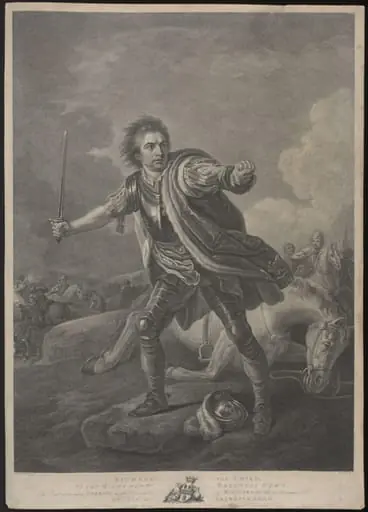
H Beard Print Collection is a print by the Romanticist artist George Romney. It dates from 1 and is held in the collection of the Victoria and Albert Museum. This print, dated 1 December 1787, is part of the H.
About this work
The print is titled H Beard Print Collection by George Romney.
It was created on 1st December 1787.
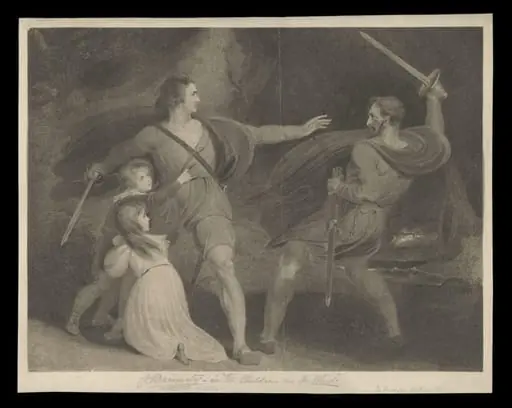
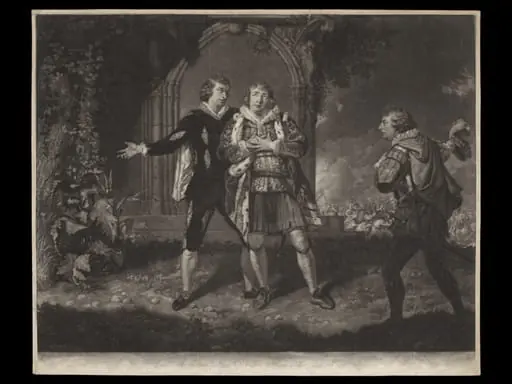
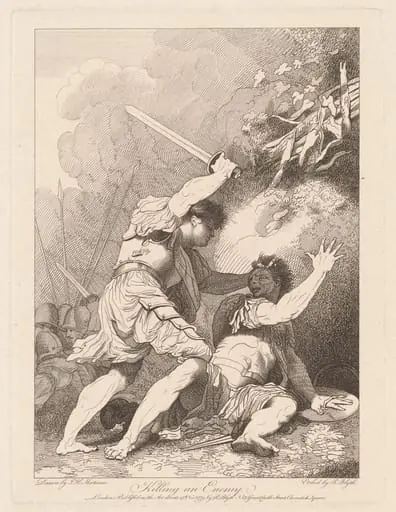
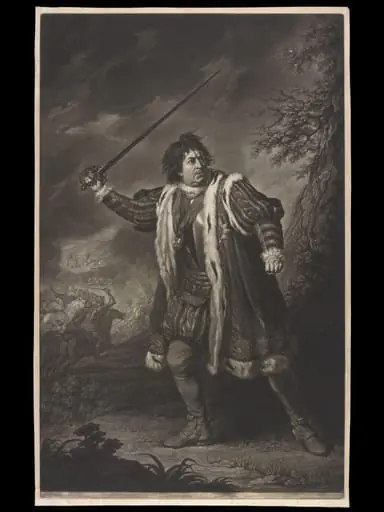
The print depicts John Henderson as Macbeth, and this character portrayal is interesting because it shows Romney's work in a theatrical context, which was a common theme during the Romanticism period.
You can learn more about this style by looking into Romanticism.
Overview
This print, dated 1 December 1787, is part of the H. Beard Print Collection and depicts actor John Henderson in the role of Macbeth. It was produced by J. Jones and based on a design by George Romney. The work belongs to a series of theatrical portraits that captured prominent stage performers of the late 18th century, reflecting a broader interest in the intersection of drama and visual art.
Subject & Meaning
The image invites contemplation of guilt and ambition, themes central to Shakespeare’s play and resonant in the cultural climate of the time.
John Henderson, a noted actor of the period, is portrayed as Shakespeare’s tragic king, moments after the murder of Duncan. Romney’s depiction emphasizes psychological tension rather than grandeur, aligning with emerging Romantic sensibilities that favored inner turmoil over heroic spectacle. The image invites contemplation of guilt and ambition, themes central to Shakespeare’s play and resonant in the cultural climate of the time.
Technique & Style
Romney rendered the figure in a restrained, linear style typical of his portrait work, with soft shading and careful attention to facial expression. The print, executed in etching and engraving, preserves the subtlety of his draftsmanship. Background elements are minimal, focusing attention on the actor’s posture and gaze, reinforcing the intimate, psychological character study that defined Romney’s approach to theatrical subjects.
History & Provenance
The print was published by J. Jones in London shortly after its creation, likely to meet public interest in Henderson’s acclaimed performance. It entered the H. Beard Collection, a 19th-century assembly of theatrical imagery, which later became part of a major institutional archive. Its survival reflects the value placed on documenting stage history during a period when live performance left few physical traces.
Context
In the late 1780s, British culture saw a surge in prints depicting actors in famous roles, fueled by rising literacy and the popularity of the stage. Romney, primarily known for portraiture, engaged with this trend, bridging fine art and popular entertainment. His Macbeth reflects a wider movement toward capturing the emotional depth of theatrical performance, anticipating Romanticism’s emphasis on individual experience.
Legacy
This print endures as a record of both a specific performance and a broader artistic trend. It illustrates how painters like Romney contributed to the visual documentation of theater, preserving ephemeral stage moments for posterity. While not widely exhibited today, it remains a valuable resource for scholars studying 18th-century performance culture and the visual representation of Shakespearean characters.
Artist & collection
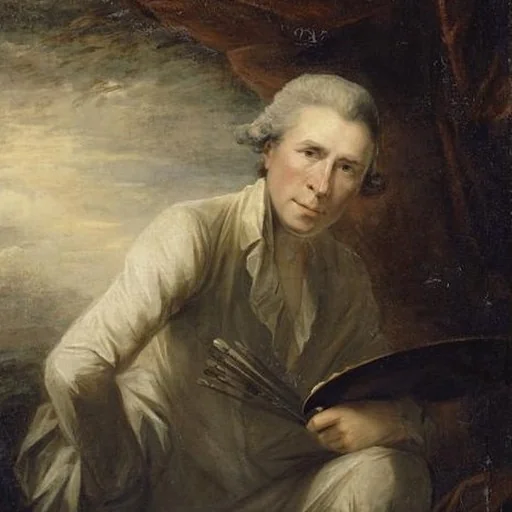
Artist
George Romney (26 December 1734 – 15 November 1802) was an English painter. He was the most fashionable artist of his day, painting many leading society figures – including his artistic muse, Emma Hamilton, mistress of Lord Nelson.

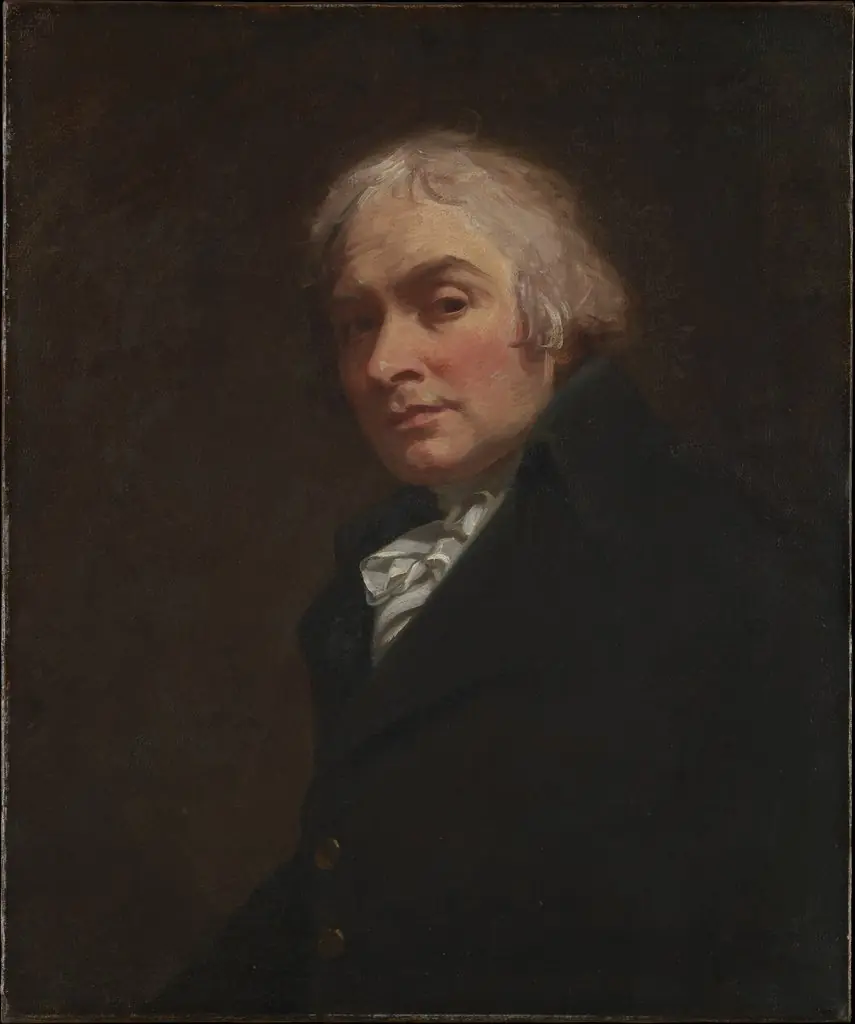 Self-Portrait
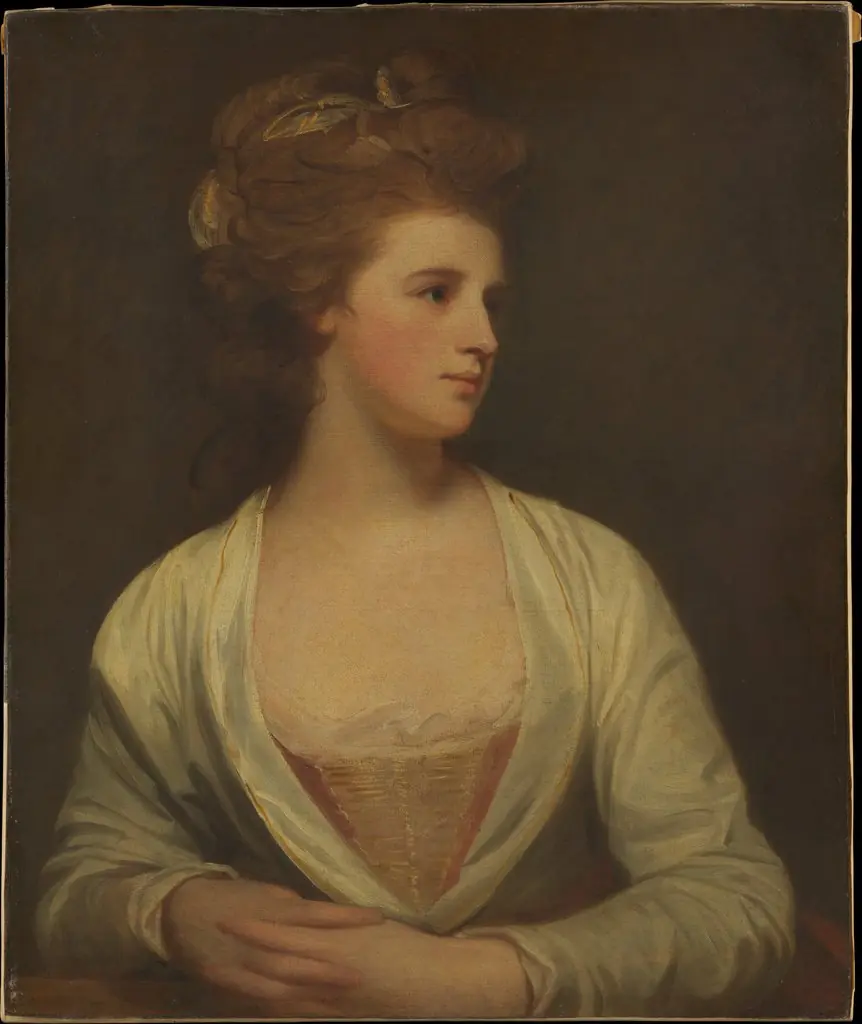 Portrait of a Woman, Said to Be Emily Bertie Pott (died 1782)
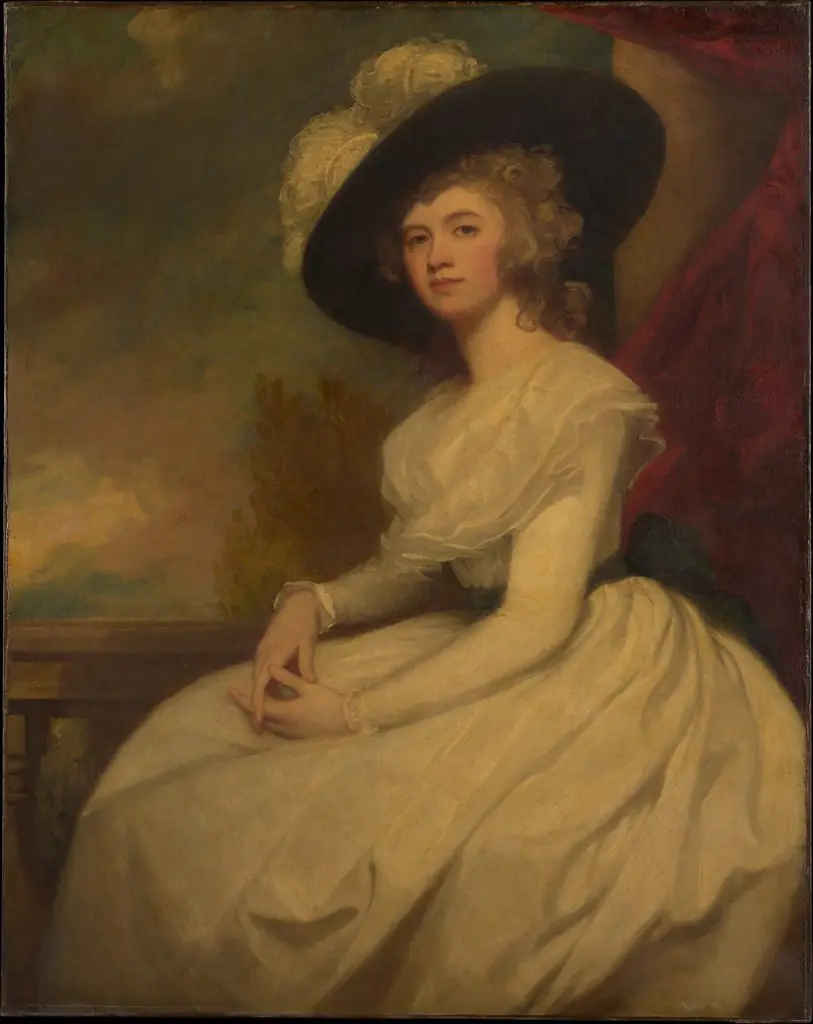 Mrs. Bryan Cooke (Frances Puleston, 1765–1818)
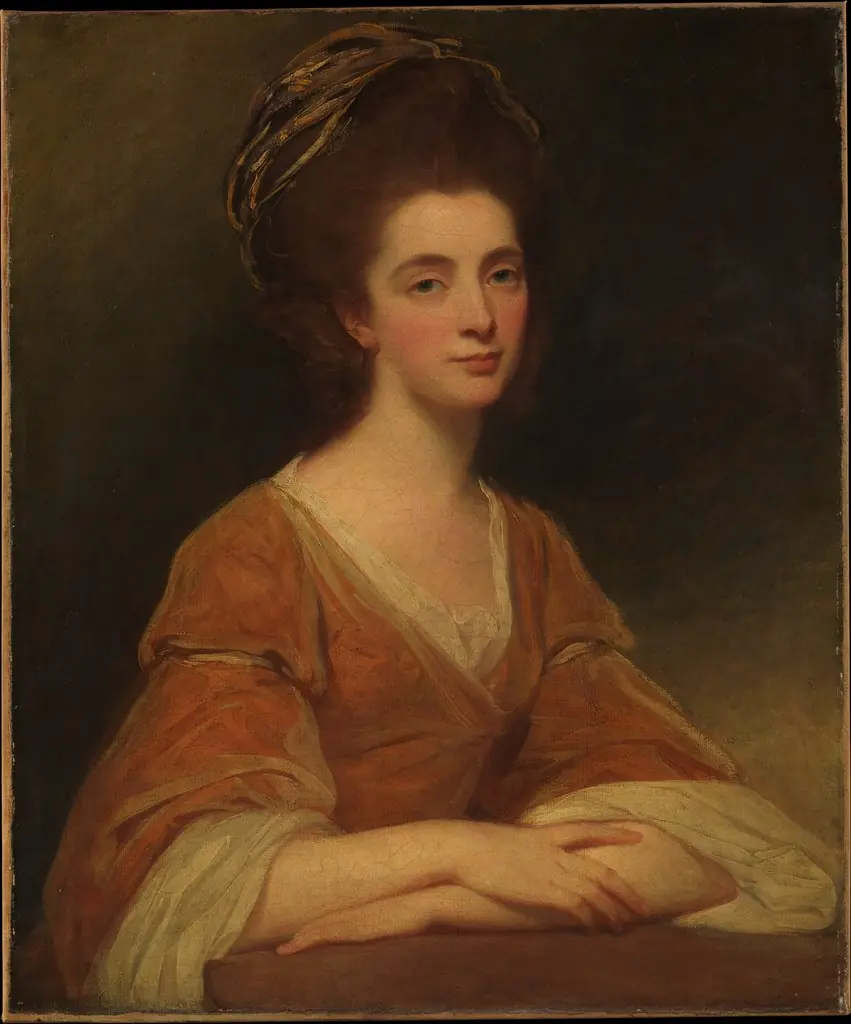 Mrs. Charles Frederick (Martha Rigden, died 1794)
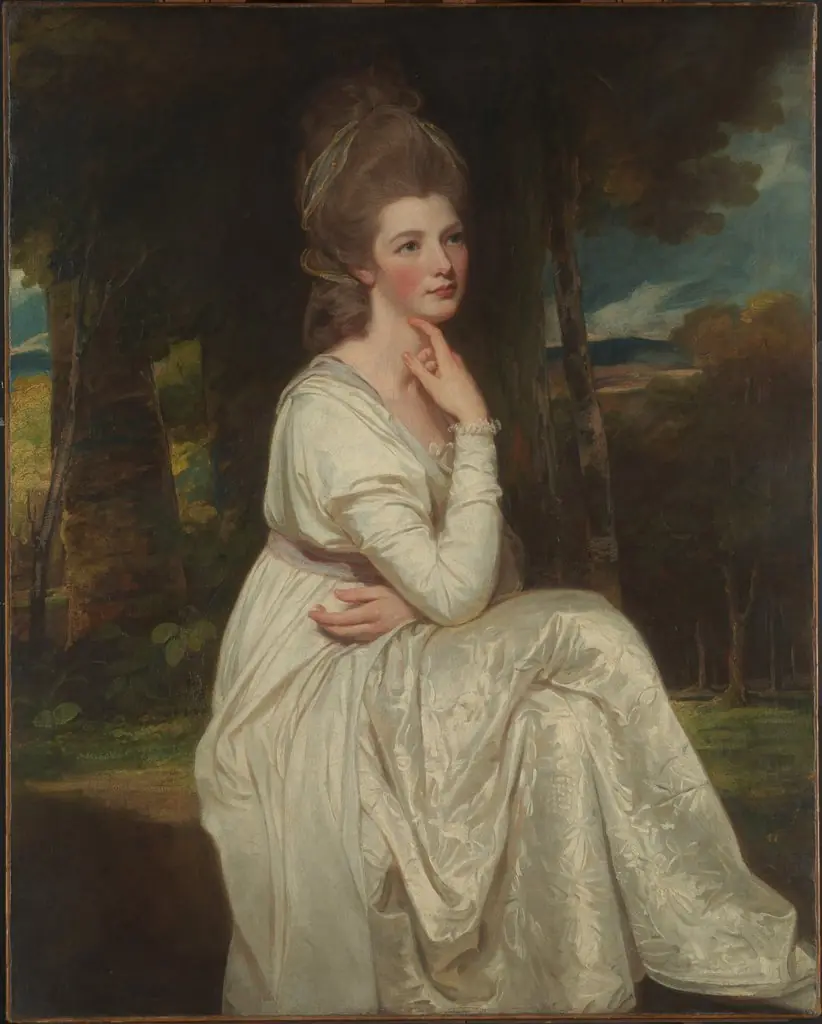 Lady Elizabeth Hamilton (1753–1797), Countess of Derby
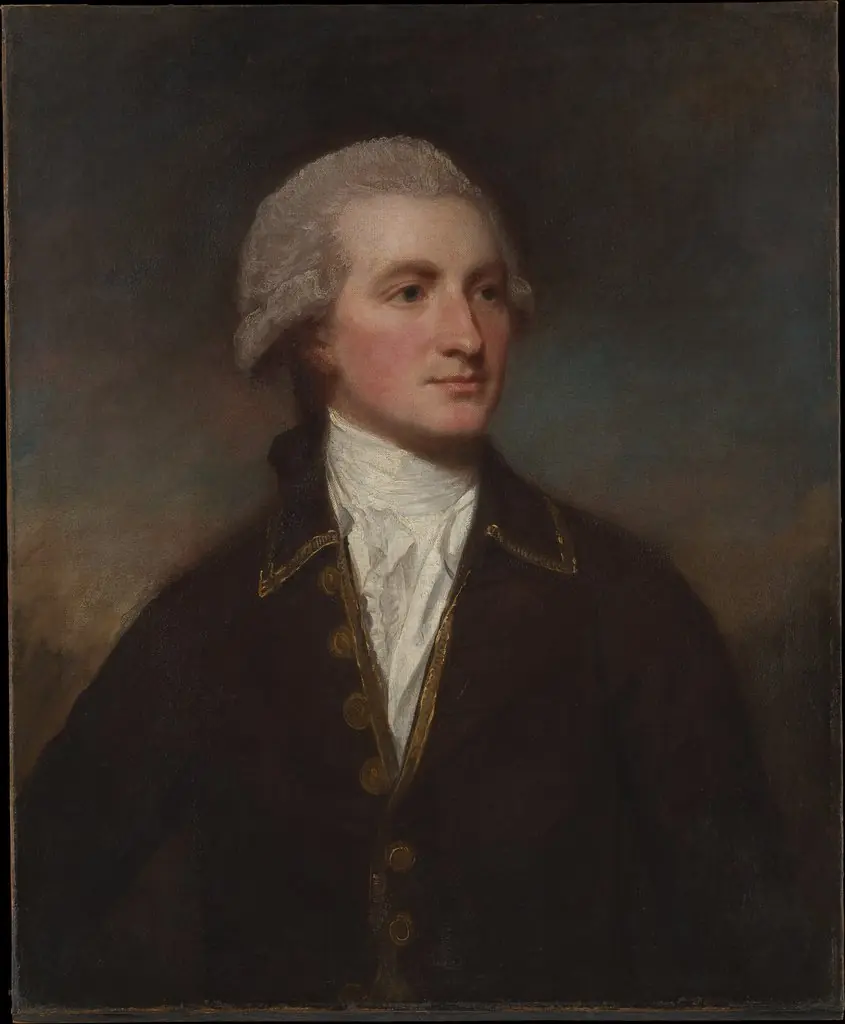 Portrait of a Man
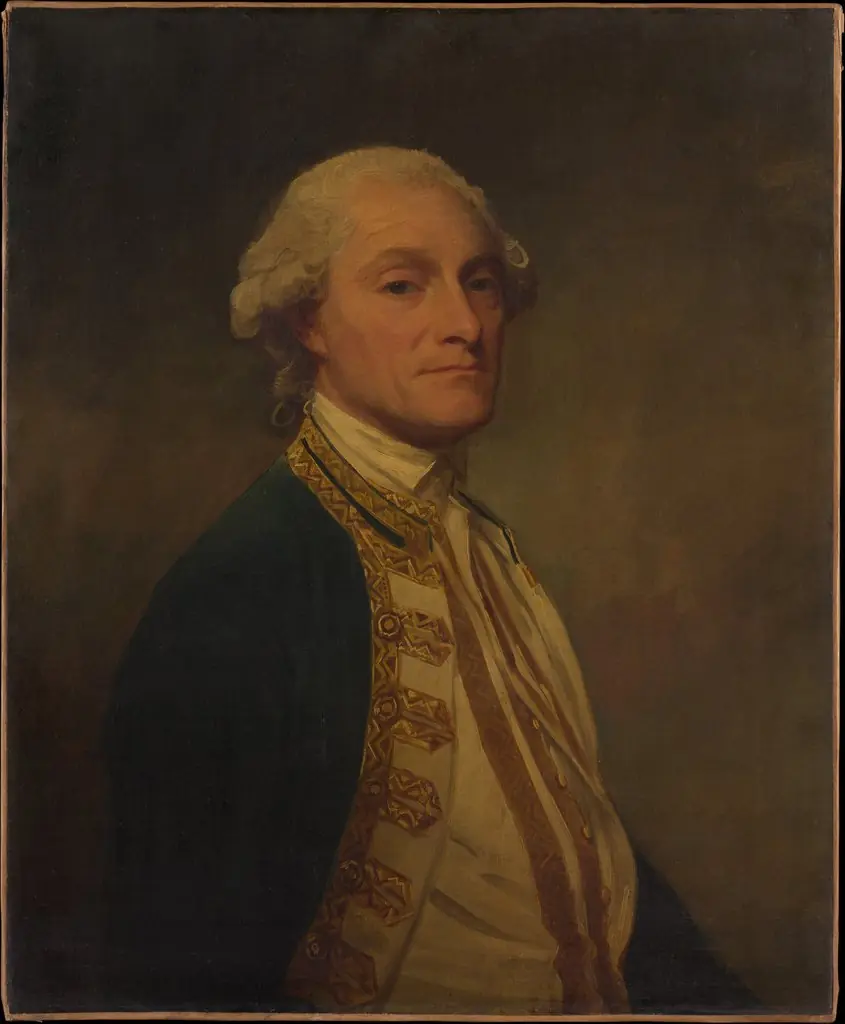 Admiral Sir Chaloner Ogle (1726–1816)
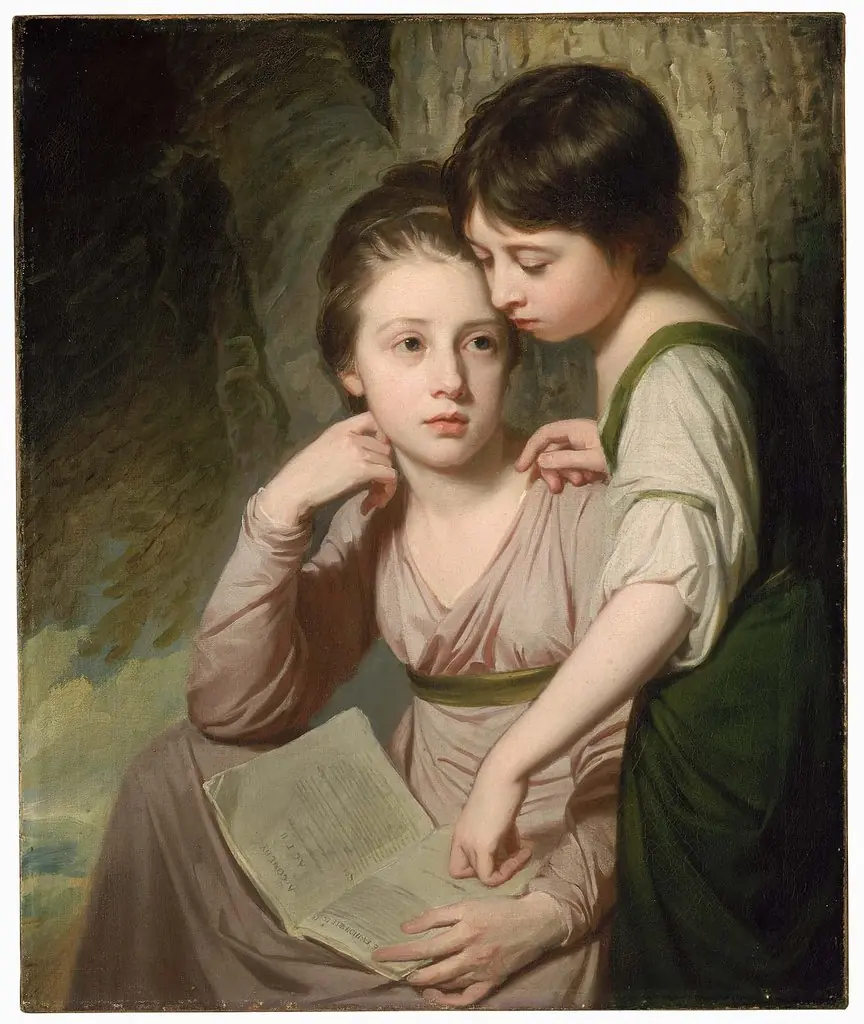 Portrait of Two Girls (Misses Cumberland)