Artwork
Portrait of Mrs. Finch
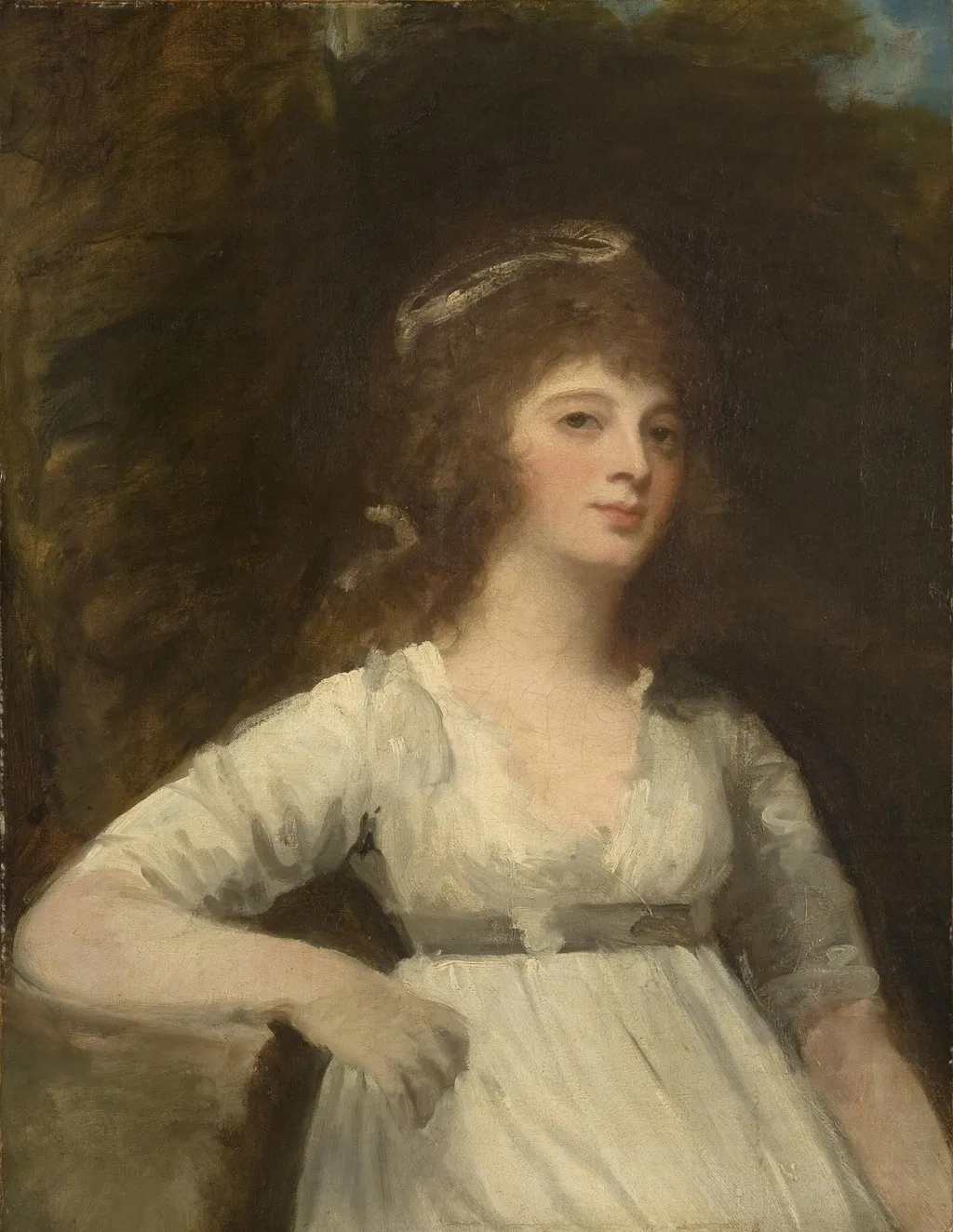
Portrait of Mrs. Finch is an oil painting by George Romney. It dates from 1796 and is held in the collection of the Philadelphia Museum of Art. Portrait of Mrs.
About this work
Overview
Portrait of Mrs. Finch, painted in 1796 by George Romney, is an oil painting depicting Mary Brouncker. Romney, a prominent English portraitist (1734-1802), was renowned for capturing British society's elite.
Subject & Meaning
The subject, Mary Brouncker (Mrs. Finch), is portrayed with calmness and poise, her right hand on her hip, conveying confidence. Her facial features are subtly rendered, with a serene expression.
Technique & Style
The painting features soft brushstrokes and a muted color palette set against a dark background, creating a serene atmosphere. Mrs. Finch's white dress with a low neckline and short sleeves is delicately captured.
History & Provenance
Painted in 1796, the work exemplifies Romney's characteristic portraiture style of the late 18th century. The subject's identity as Mary Brouncker highlights Romney's connections with British society's prominent figures.
Context
Created during Romney's active period as a leading portrait artist, the painting reflects the aesthetic preferences of late 18th-century British portraiture, emphasizing dignity and calm demeanor in its subjects.
Legacy
While not uniquely groundbreaking, *Portrait of Mrs. Finch* contributes to Romney's legacy as a prolific and skilled portraitist of his era, reflecting the artistic and social values of late 18th-century Britain.
Own this work as a print
Artist & collection
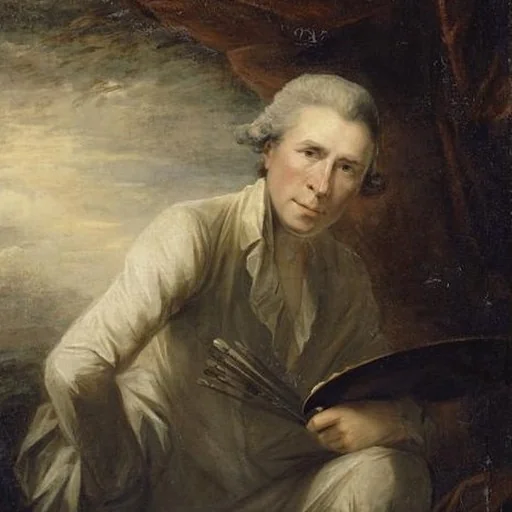
Artist
George Romney (26 December 1734 – 15 November 1802) was an English painter. He was the most fashionable artist of his day, painting many leading society figures – including his artistic muse, Emma Hamilton, mistress of Lord Nelson.

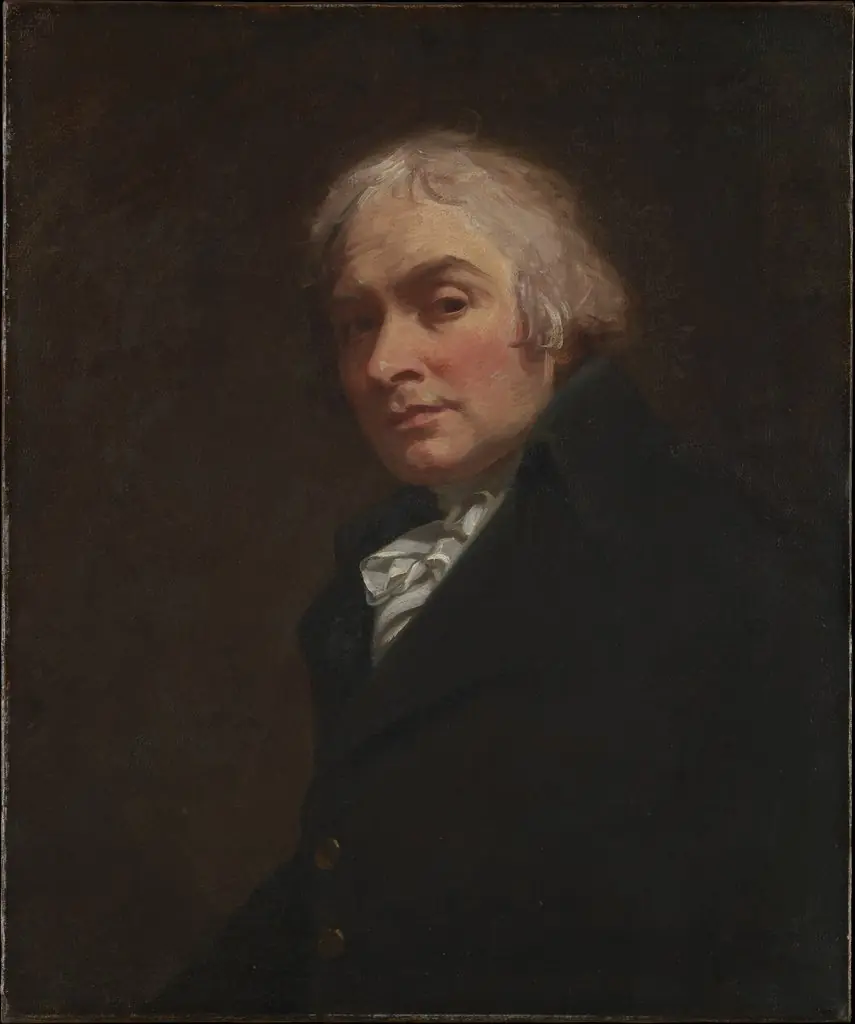 Self-Portrait
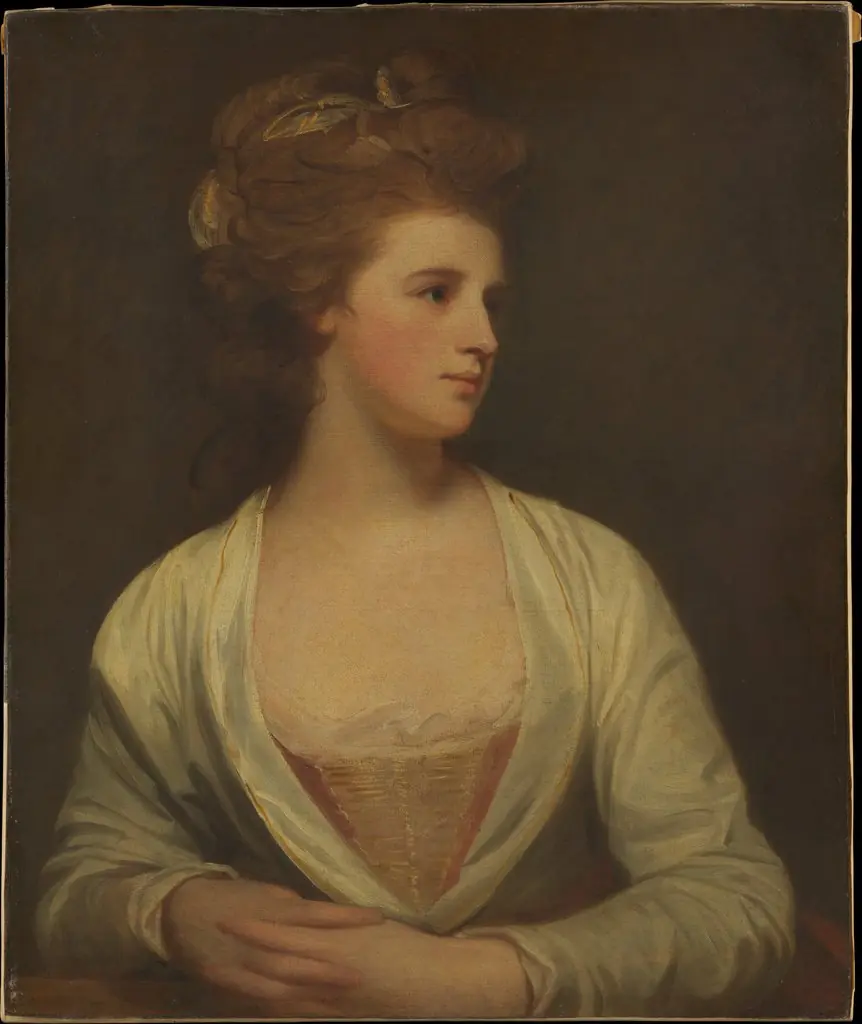 Portrait of a Woman, Said to Be Emily Bertie Pott (died 1782)
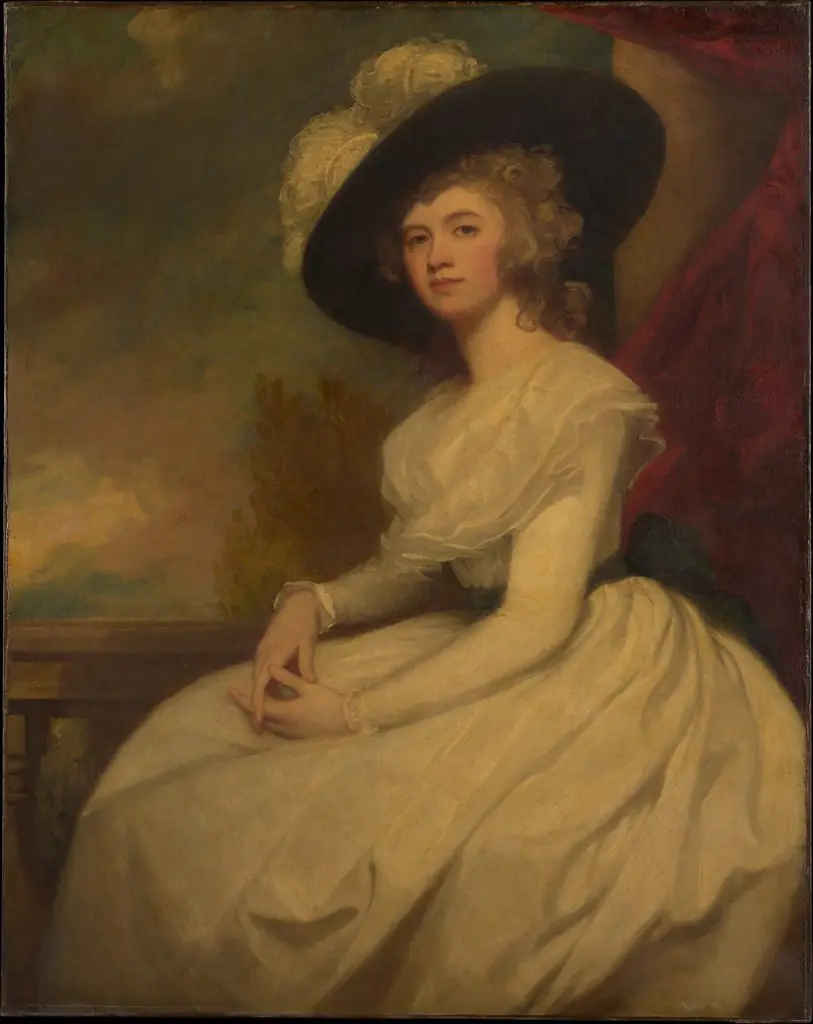 Mrs. Bryan Cooke (Frances Puleston, 1765–1818)
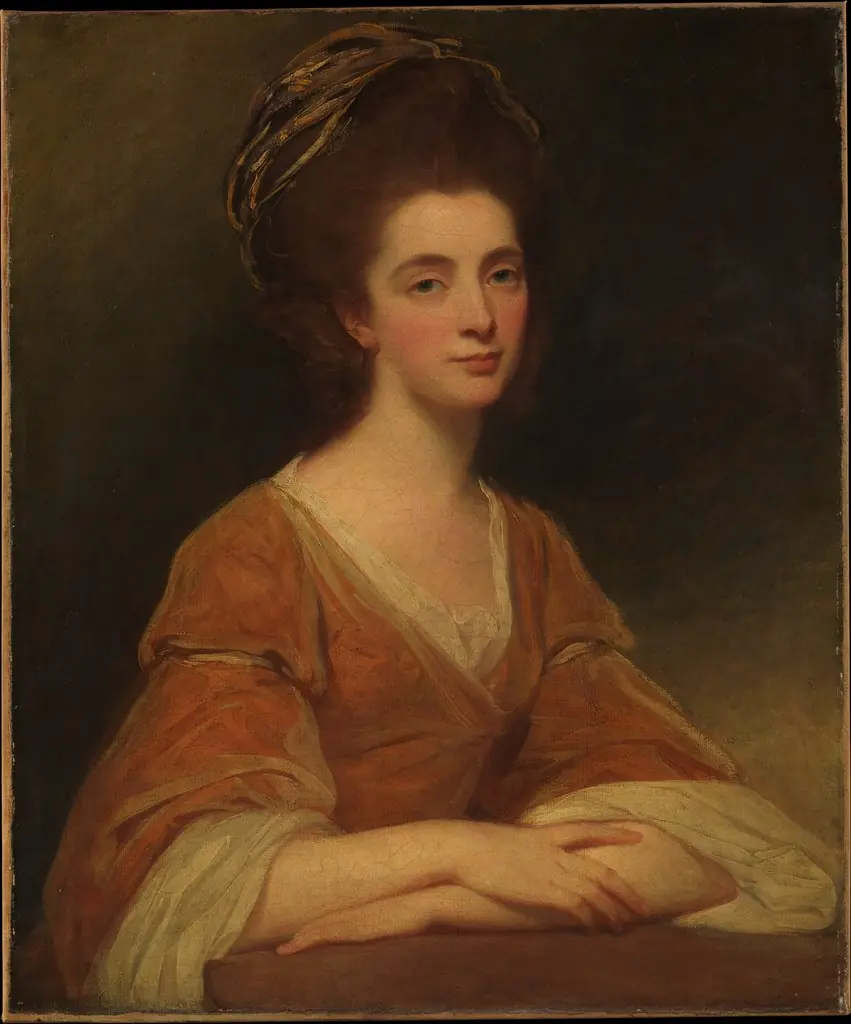 Mrs. Charles Frederick (Martha Rigden, died 1794)
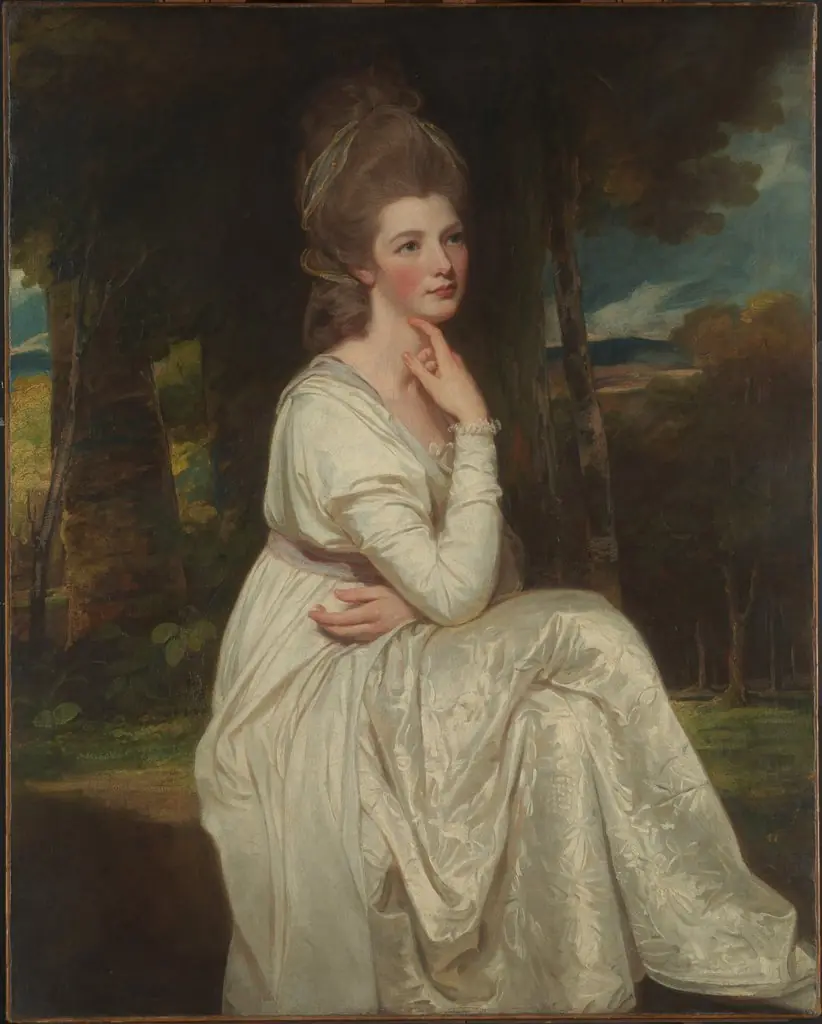 Lady Elizabeth Hamilton (1753–1797), Countess of Derby
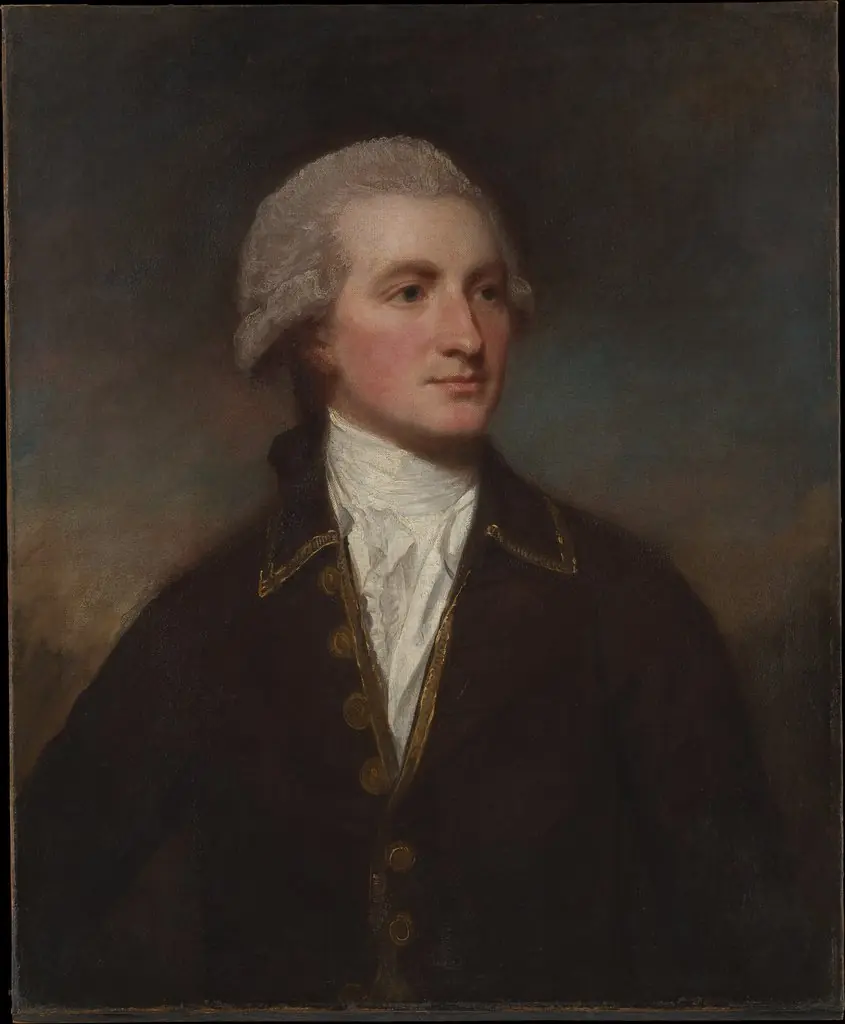 Portrait of a Man
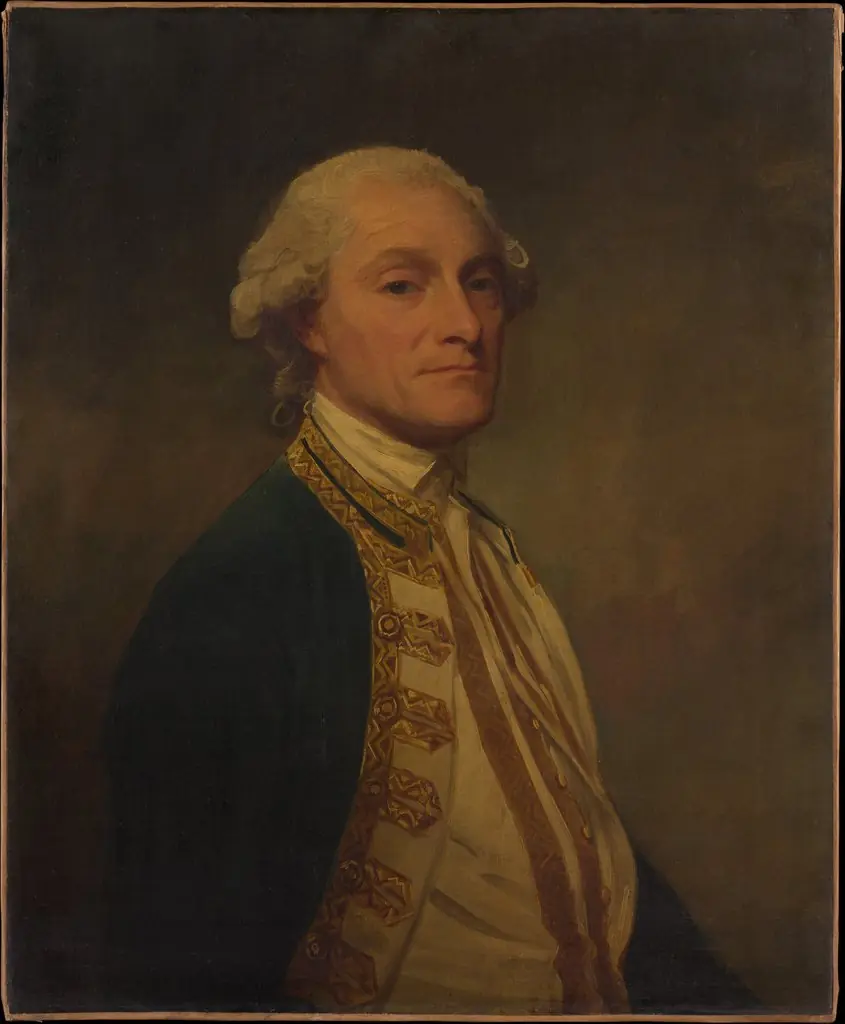 Admiral Sir Chaloner Ogle (1726–1816)
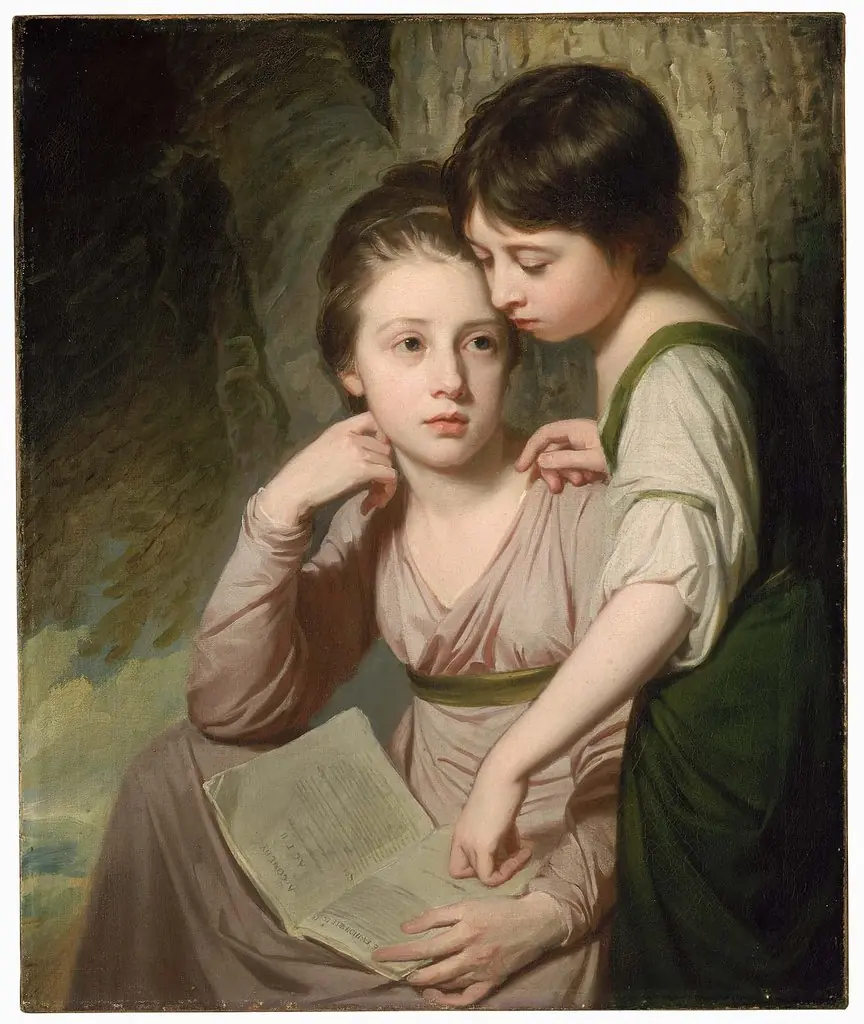 Portrait of Two Girls (Misses Cumberland)
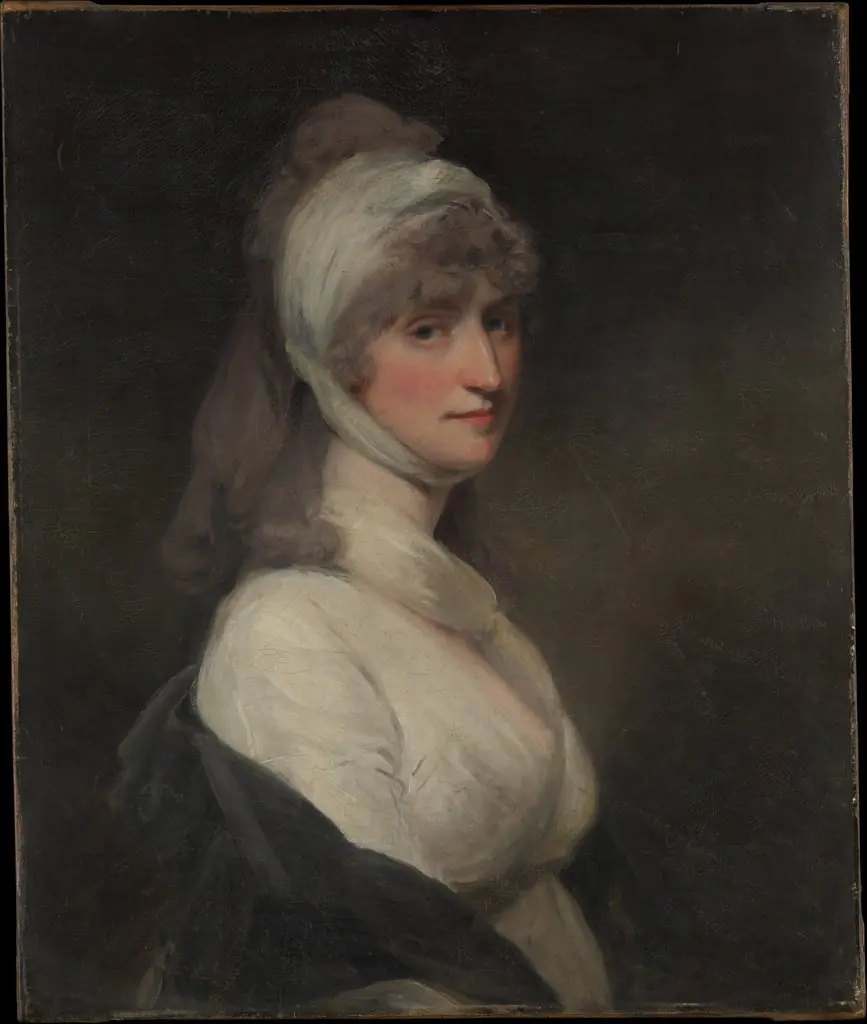 Mrs. Thomas Pechell (Charlotte Clavering, died 1841)
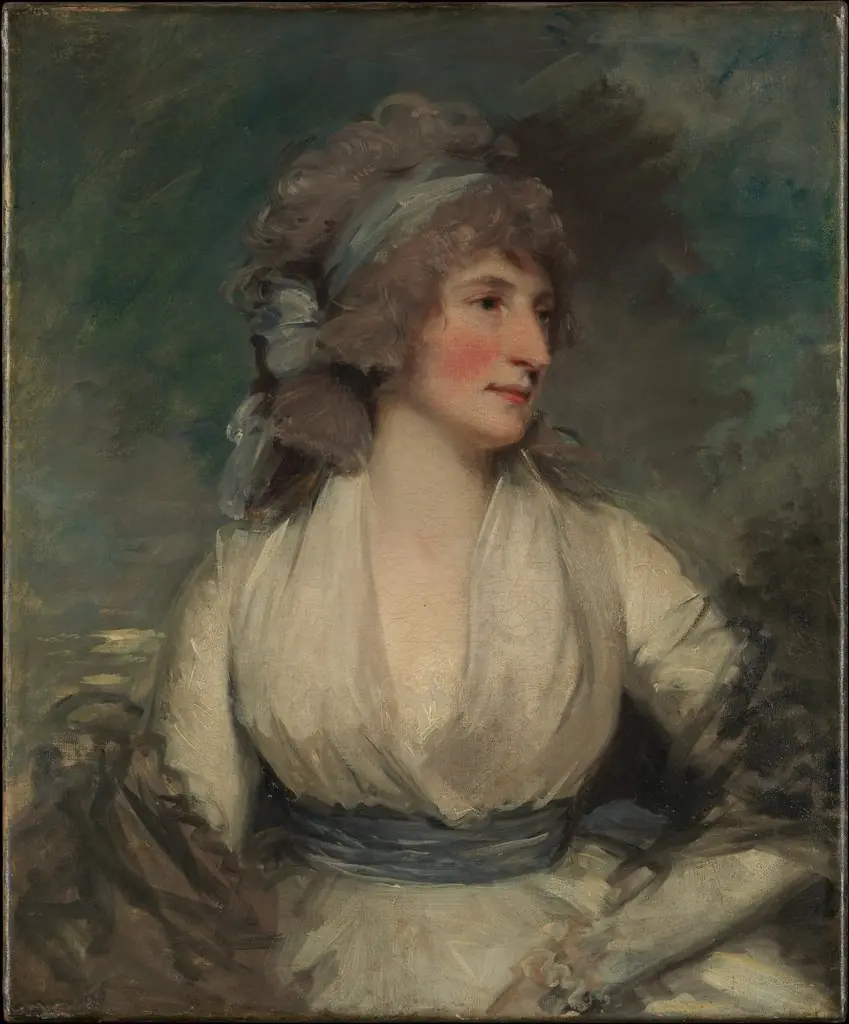 Portrait of a Woman; (reverse, now covered by relining canvas) Study of a Child's Head
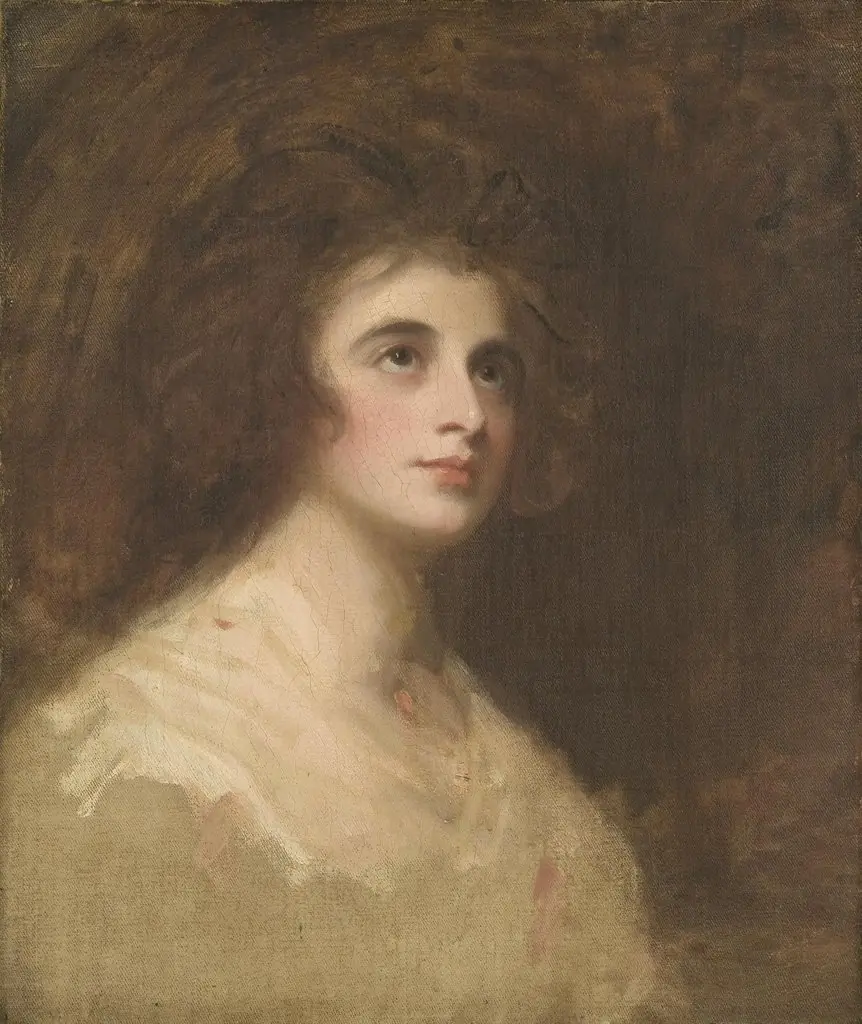 Portrait of Mrs. Tickell
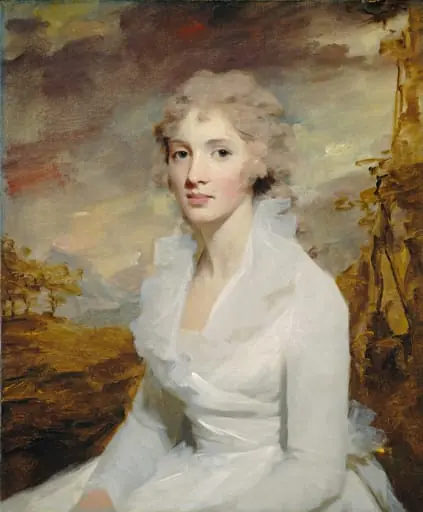 Miss Eleanor Urquhart
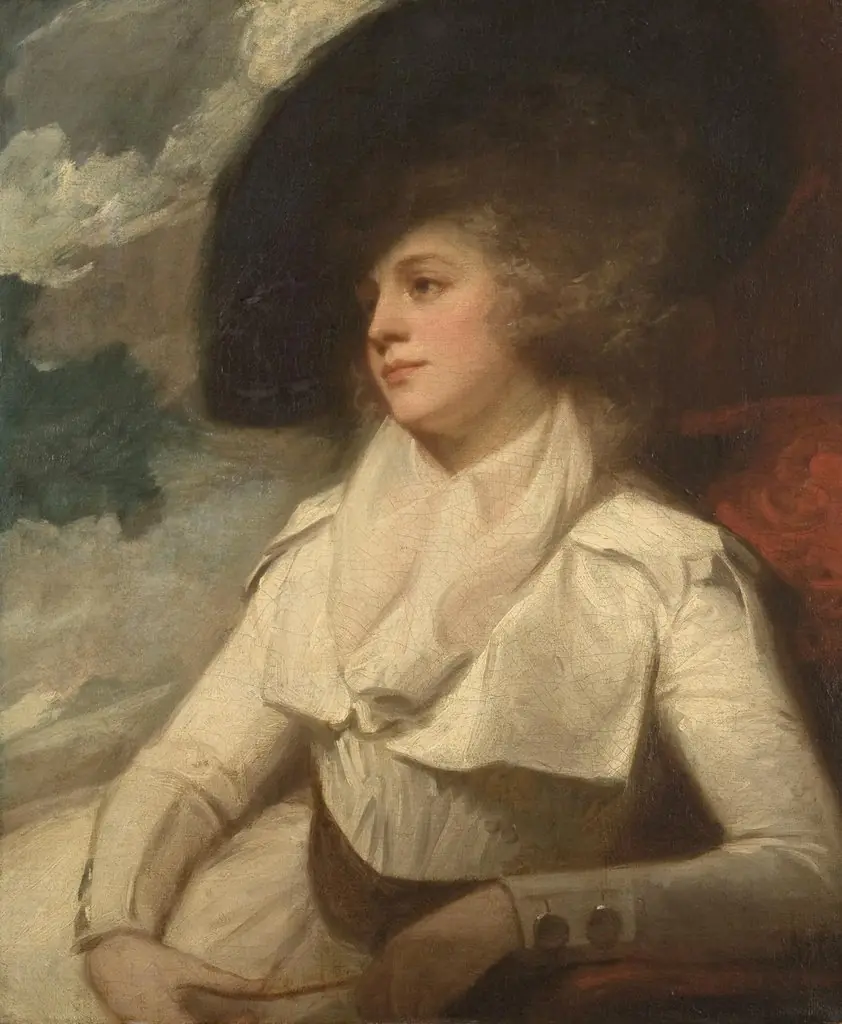 Portrait of Mrs. Sophia Vandergucht
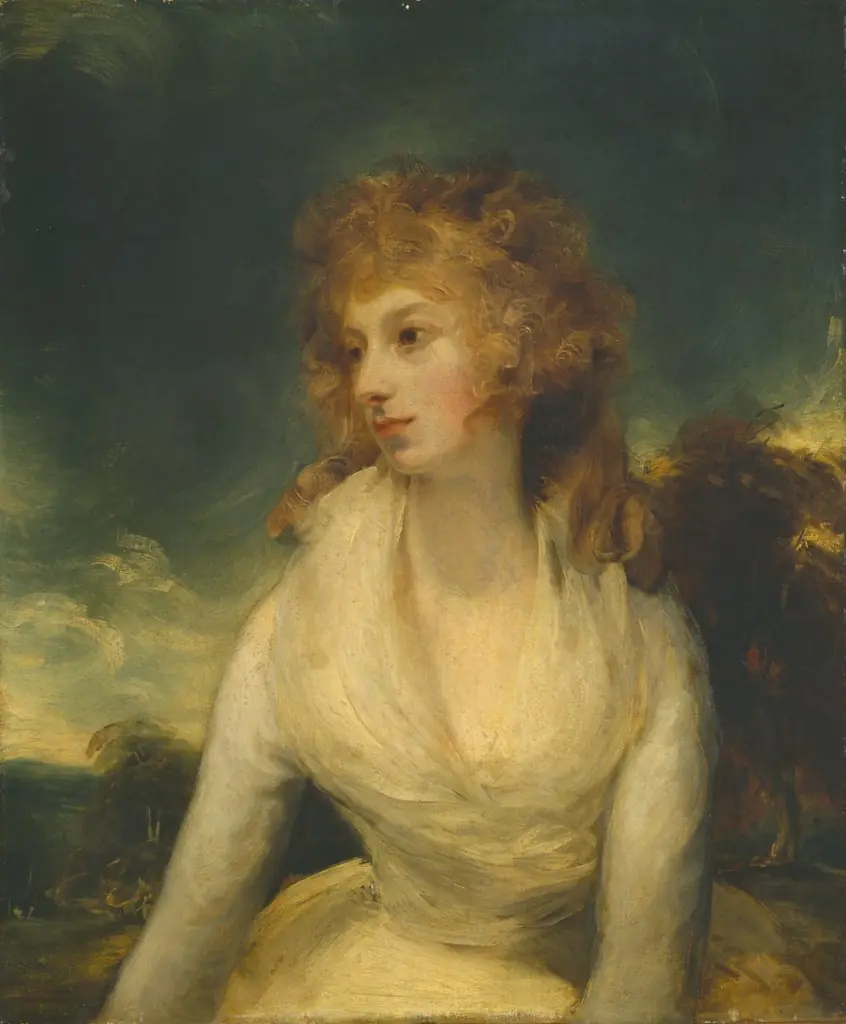 Mrs. Ayscoghe Boucherett
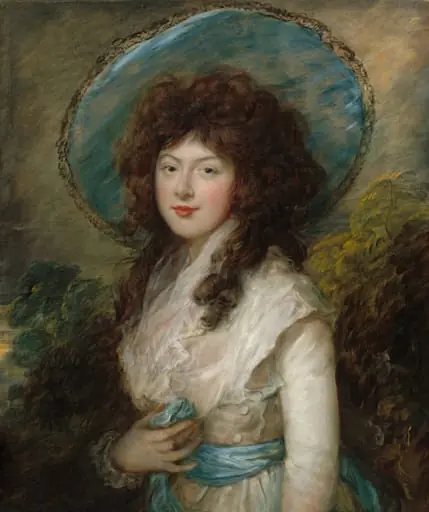 Miss Catherine Tatton
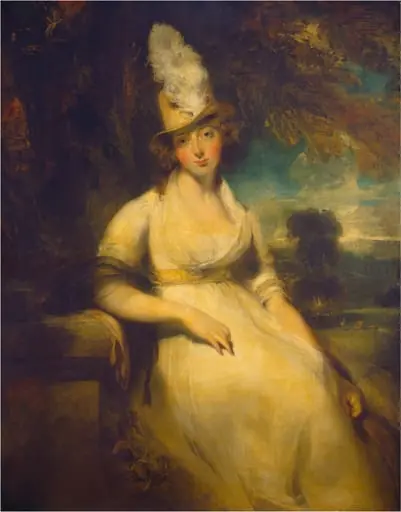 Mrs. Robert Blencowe
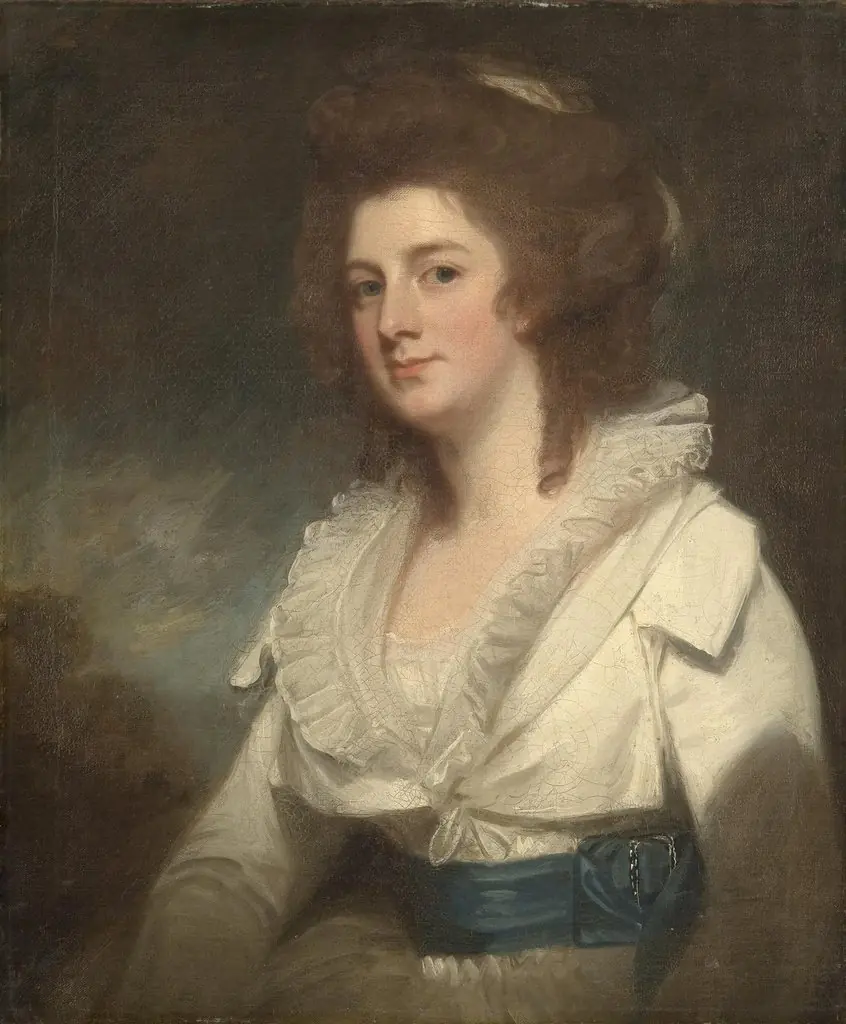 Portrait of the Honorable Mrs. Beresford
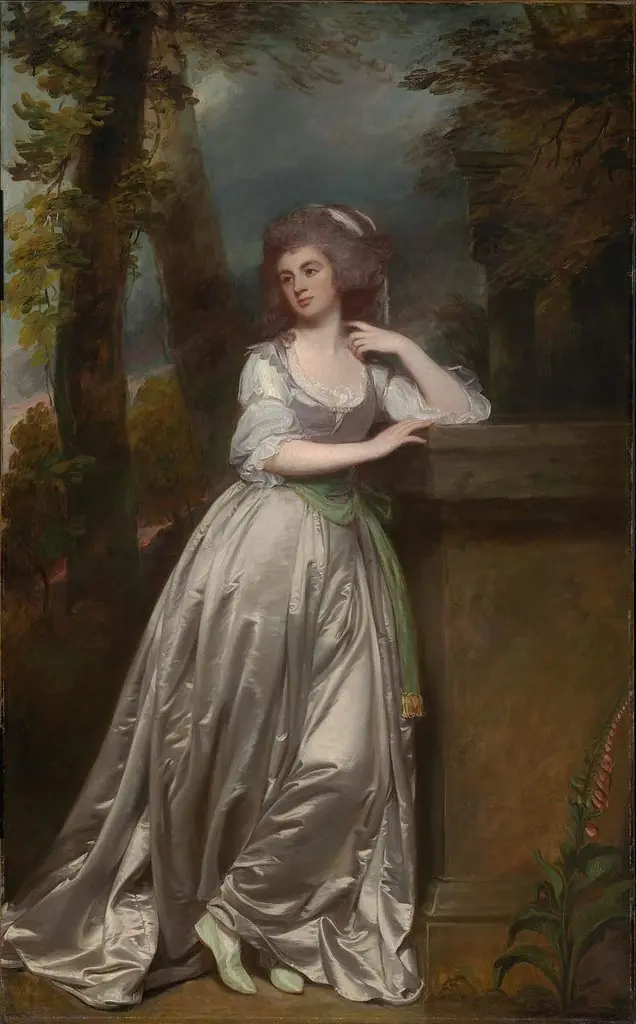 Anne, Lady de la Pole