Artwork
Portrait of Mrs. Tickell
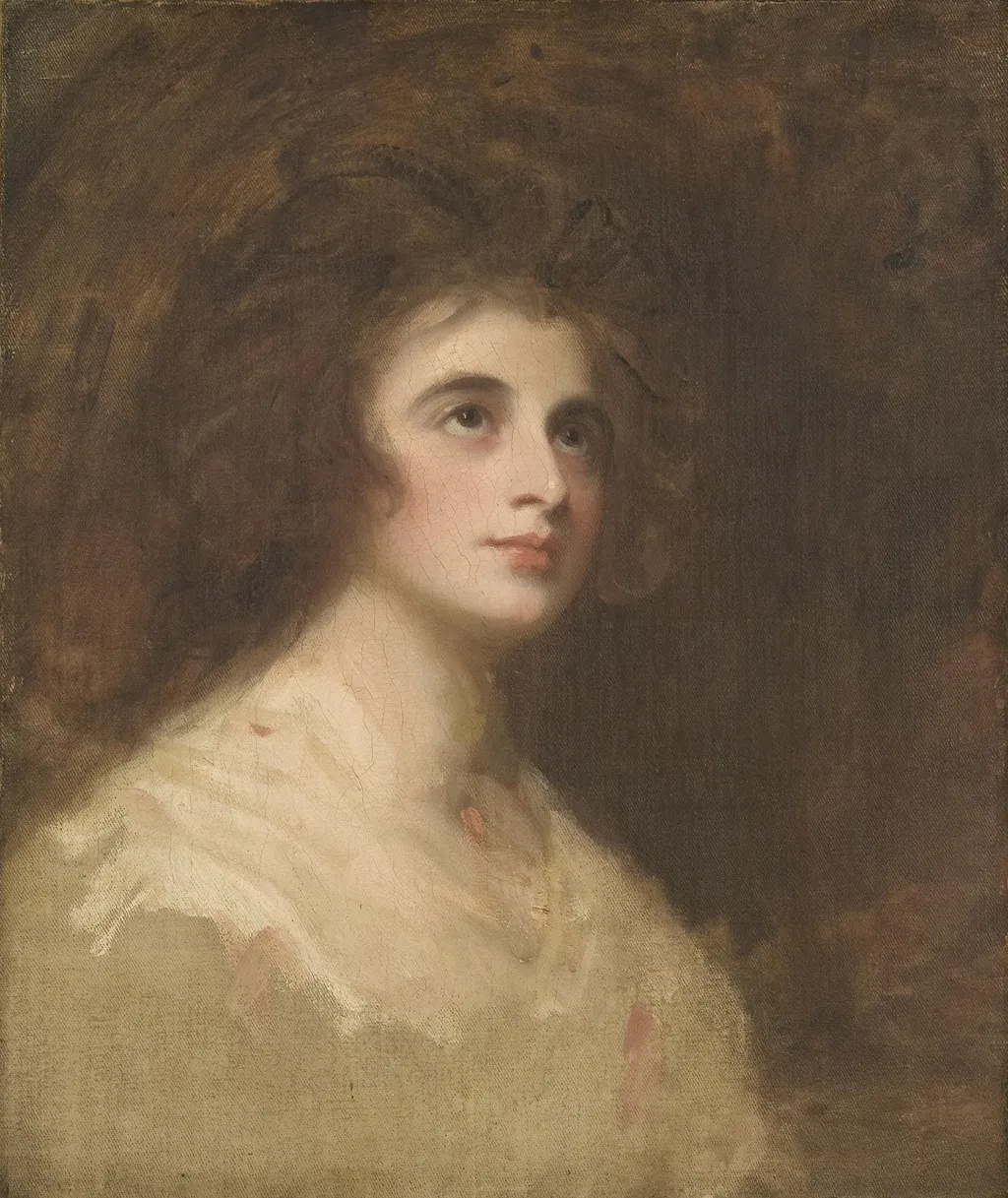
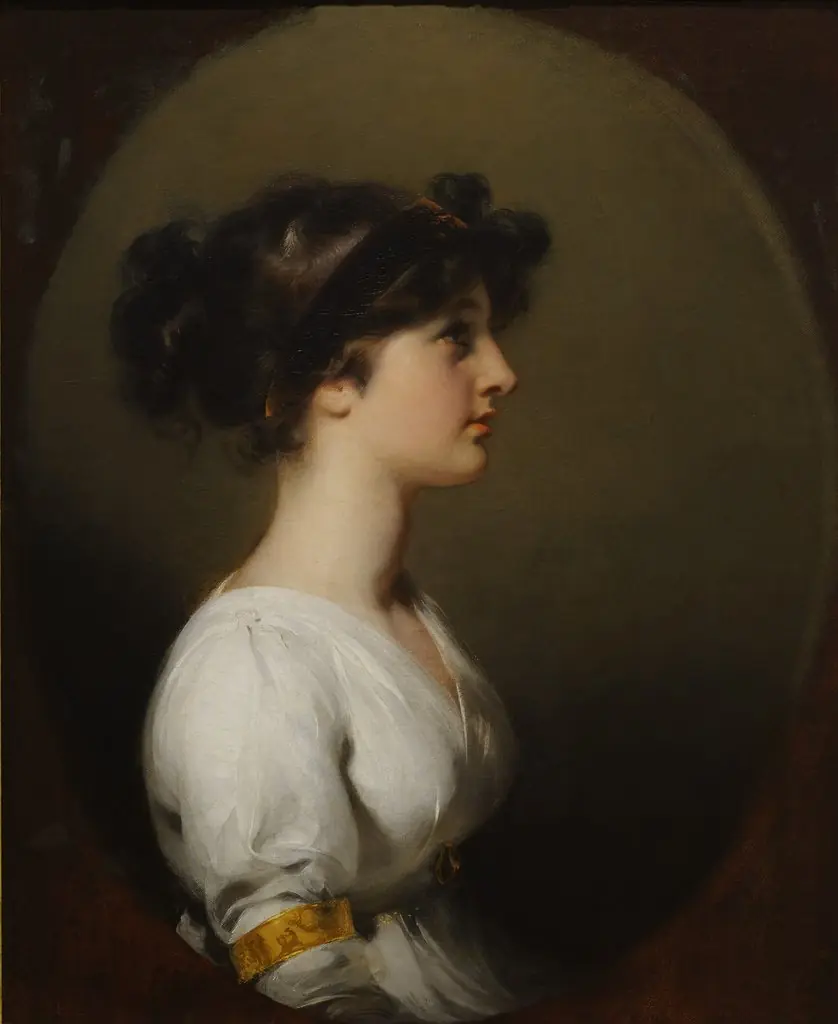
Portrait of Mrs. Tickell is an oil painting by George Romney. It dates from 1796 and is held in the collection of the Philadelphia Museum of Art.
About this work
Her dark hair is styled in loose waves, and she wears a white dress with a low neckline and a shawl draped over her shoulders.
This painting is a portrait of a woman, likely from the 18th century. She is depicted from the chest up, facing the viewer with a neutral expression. Her dark hair is styled in loose waves, and she wears a white dress with a low neckline and a shawl draped over her shoulders.
The background of the painting is dark and indistinct, which helps to draw attention to the subject's face and clothing. The overall effect is one of quiet elegance and refinement.
If you're interested in learning more about the artist behind this portrait, you might want to look up George Romney.
Overview
George Romney completed the oil portrait of Mrs. Tickell in 1796, capturing Sarah Ley, wife of the Reverend Tickell. The painting is a full-length bust portrait, rendered in the refined style typical of Romney’s mature period. It reflects his reputation as a leading English portraitist of the late 18th century, known for his ability to convey quiet dignity rather than theatrical grandeur.
Subject & Meaning
The sitter, Sarah Ley Tickell, is portrayed without ornamentation or symbolic props, emphasizing her personal presence over social status. Her composed expression and modest attire suggest restraint and inner calm, aligning with ideals of feminine virtue in late Georgian society. The absence of overt indicators of rank or wealth shifts focus to her individuality, a hallmark of Romney’s approach to portraiture.
Technique & Style
Romney employed soft, blended brushwork to render the texture of fabric and skin, creating a gentle luminosity on the subject’s face and décolletage. The dark, unmodeled background isolates the figure, enhancing the focus on her form and attire. The white dress, loosely draped with a shawl, is rendered with subtle tonal variations, avoiding sharp contrasts while maintaining a sense of volume and light.
History & Provenance
The painting was completed during Romney’s later years, after his peak popularity had begun to wane with the rise of Thomas Lawrence. It remained in private collections for much of the 19th and 20th centuries, with no documented public exhibition until the 20th century. Its provenance traces through English aristocratic families, though its exact ownership history before the 1900s remains partially obscure.
Context
In the 1790s, British portraiture increasingly favored naturalism over the theatricality of earlier decades. Romney’s work, though rooted in the tradition of Reynolds, leaned toward intimacy and psychological subtlety. This portrait reflects a broader cultural shift toward valuing personal character over aristocratic display, even among the upper classes who commissioned such works.
Legacy
Though less celebrated today than Romney’s portraits of celebrities or aristocrats, this painting exemplifies his consistent ability to render quiet presence with technical precision. It remains a representative example of his late style—unadorned, emotionally restrained, and focused on the dignity of the individual. Art historians cite it as evidence of his enduring influence on English portraiture beyond his most famous subjects.
Artist & collection
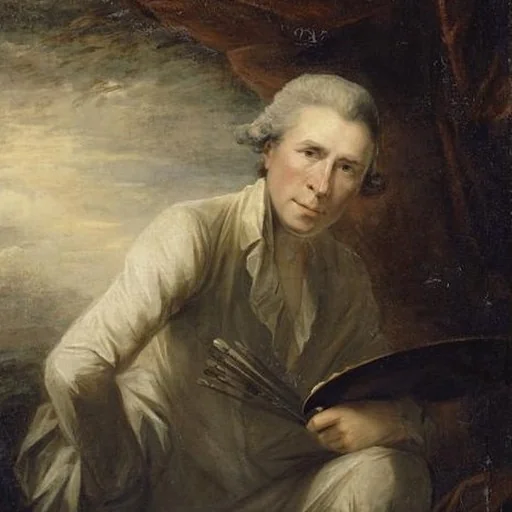
Artist
George Romney (26 December 1734 – 15 November 1802) was an English painter. He was the most fashionable artist of his day, painting many leading society figures – including his artistic muse, Emma Hamilton, mistress of Lord Nelson.

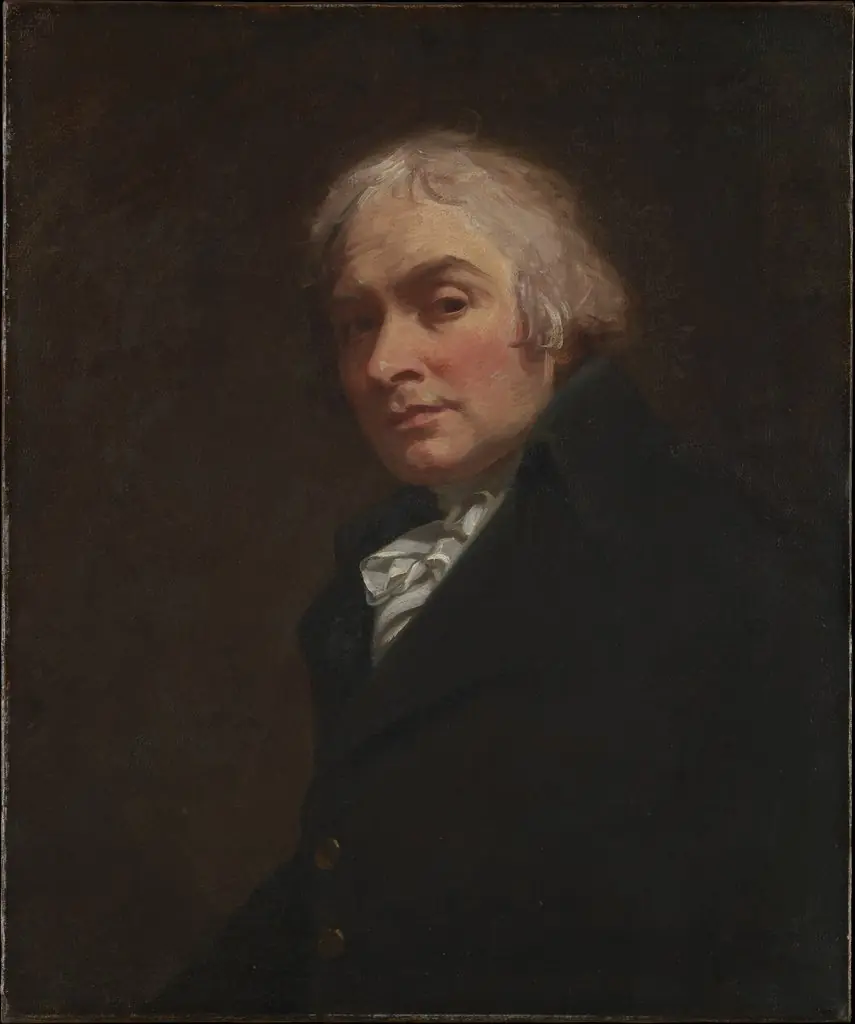 Self-Portrait
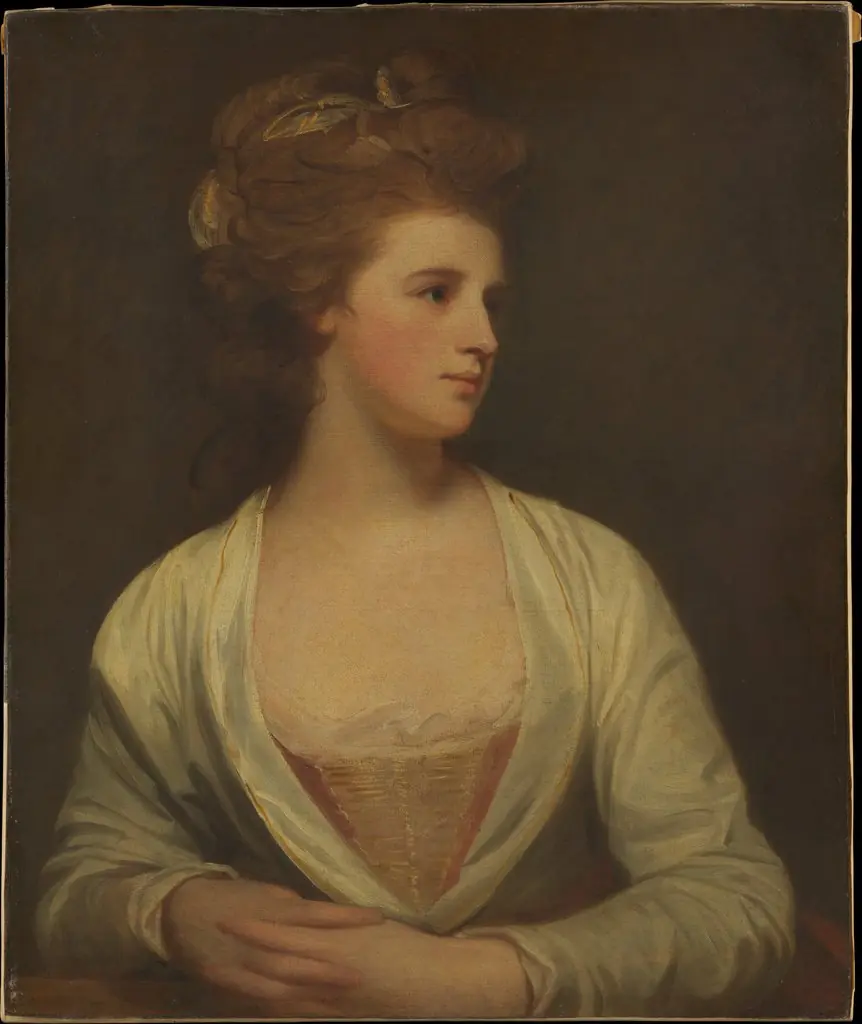 Portrait of a Woman, Said to Be Emily Bertie Pott (died 1782)
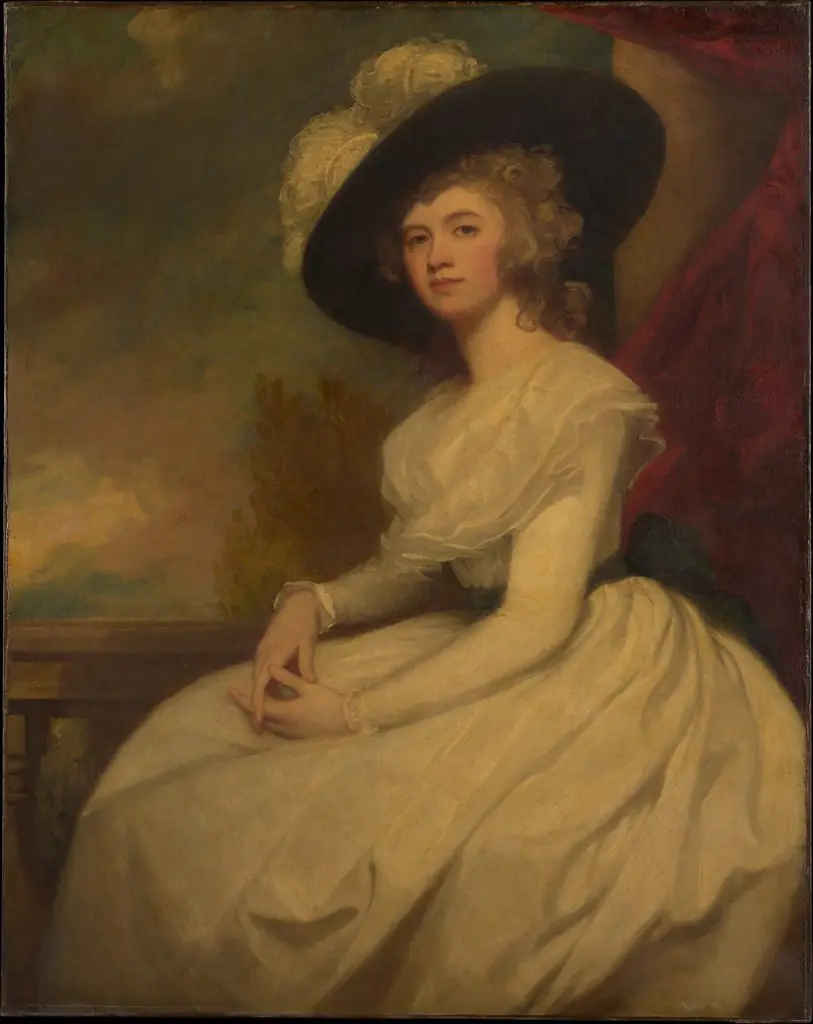 Mrs. Bryan Cooke (Frances Puleston, 1765–1818)
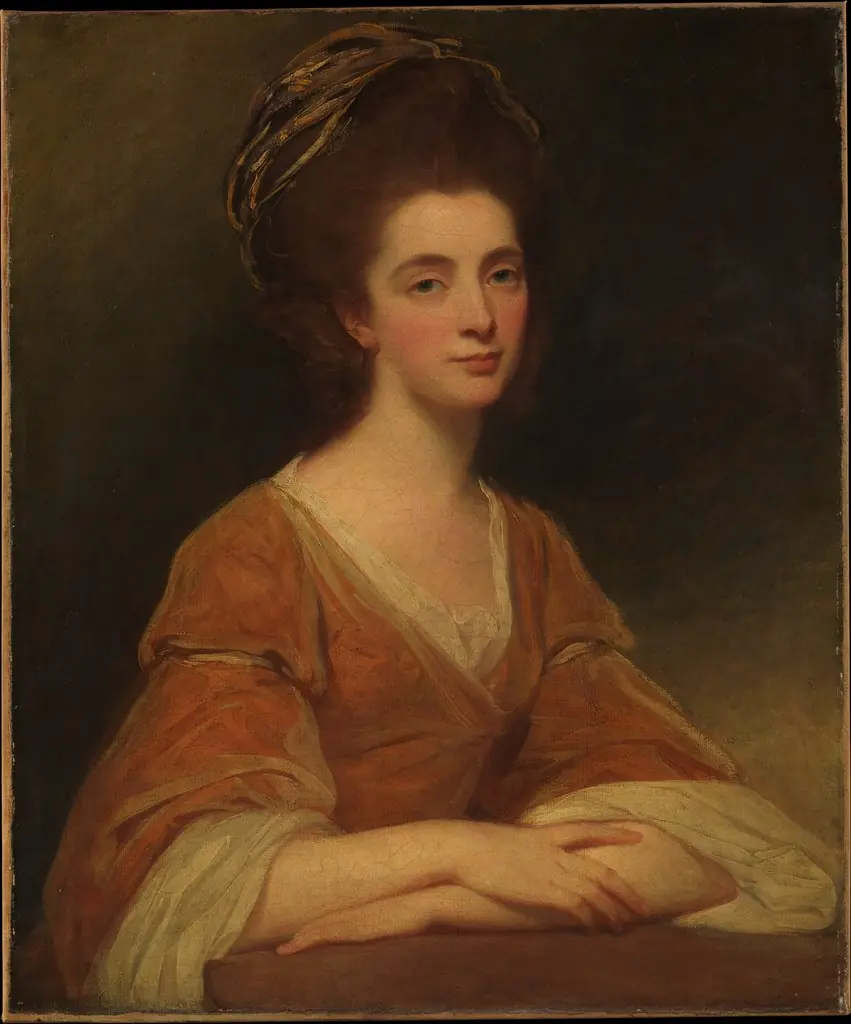 Mrs. Charles Frederick (Martha Rigden, died 1794)
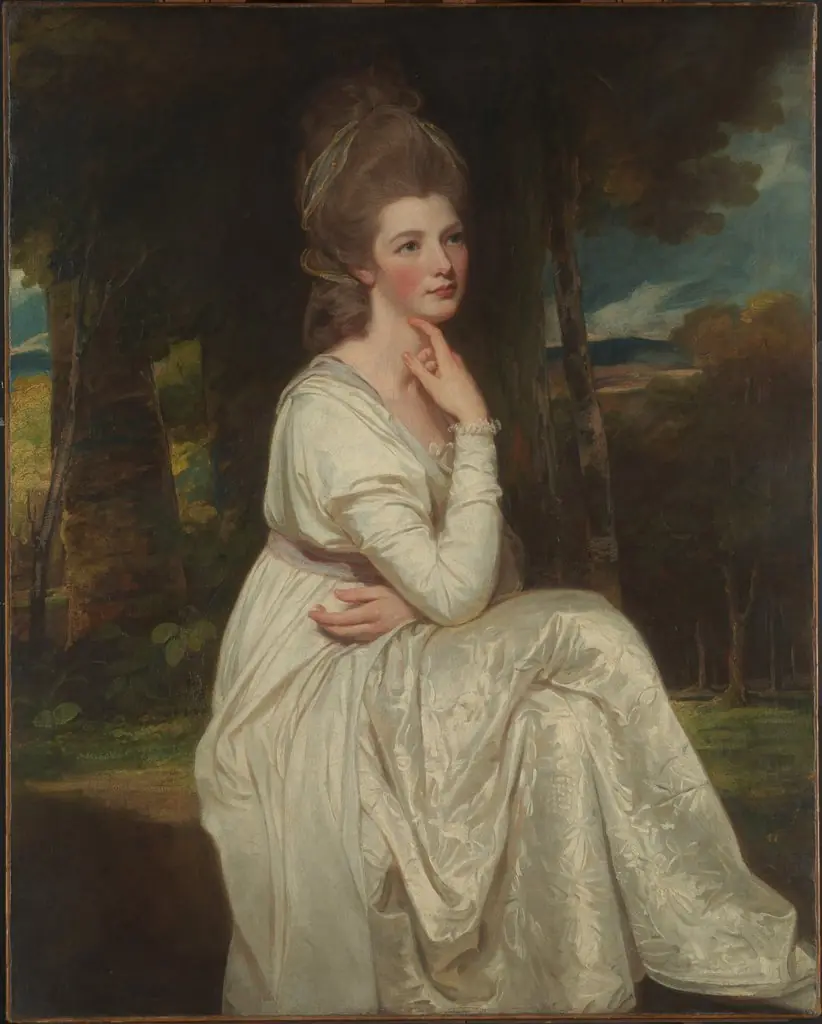 Lady Elizabeth Hamilton (1753–1797), Countess of Derby
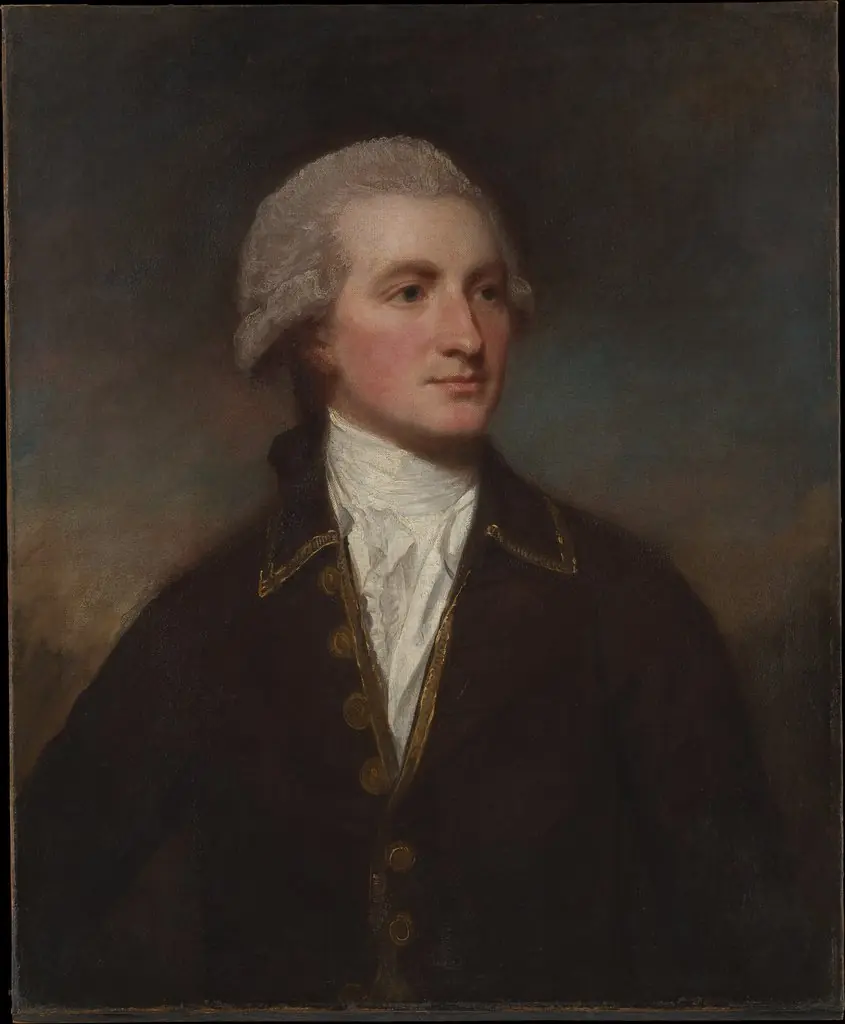 Portrait of a Man
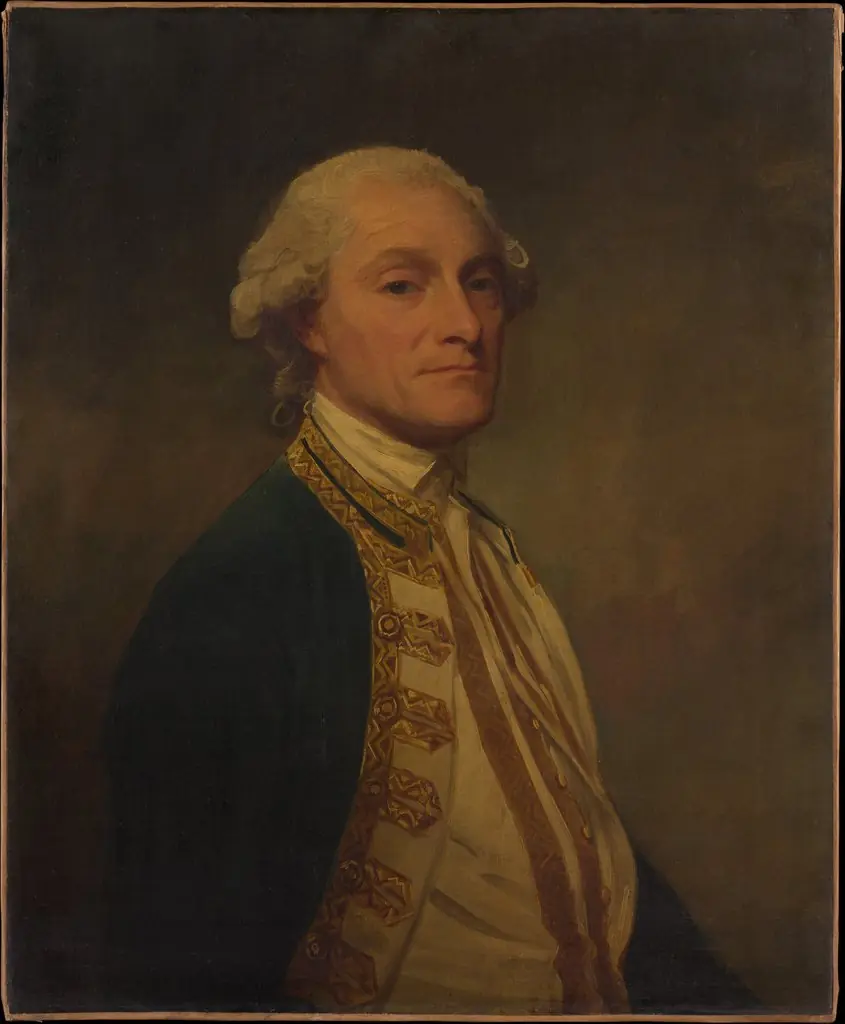 Admiral Sir Chaloner Ogle (1726–1816)
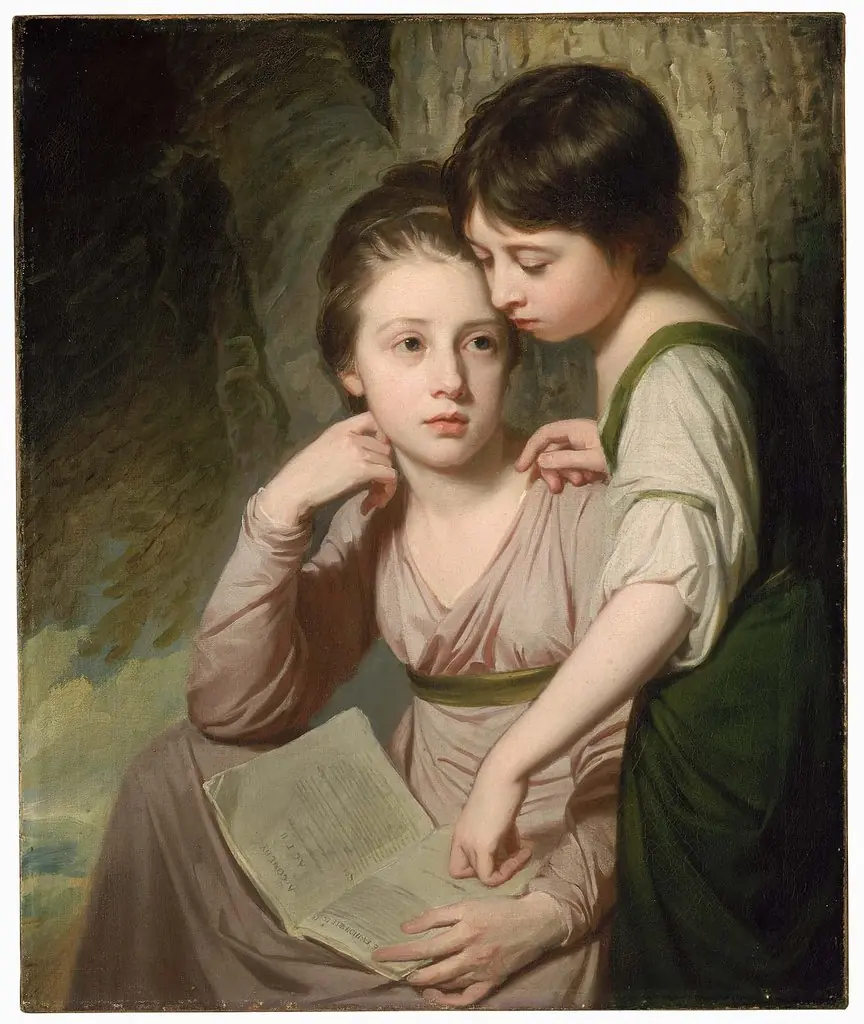 Portrait of Two Girls (Misses Cumberland)
![Portrait of Miss Elizabeth Linley [later Mrs. Richard Brinsley Sheridan], by Thomas Gainsborough](https://artifactworldgallery.com/img/thomas-gainsborough--portrait-of-miss-elizabeth-linley-later-mrs-richard-brinsley--f6700966431aaba8-w320.webp) Portrait of Miss Elizabeth Linley [later Mrs. Richard Brinsley Sheridan]
Portrait of Miss Elizabeth Linley [later Mrs. Richard Brinsley Sheridan]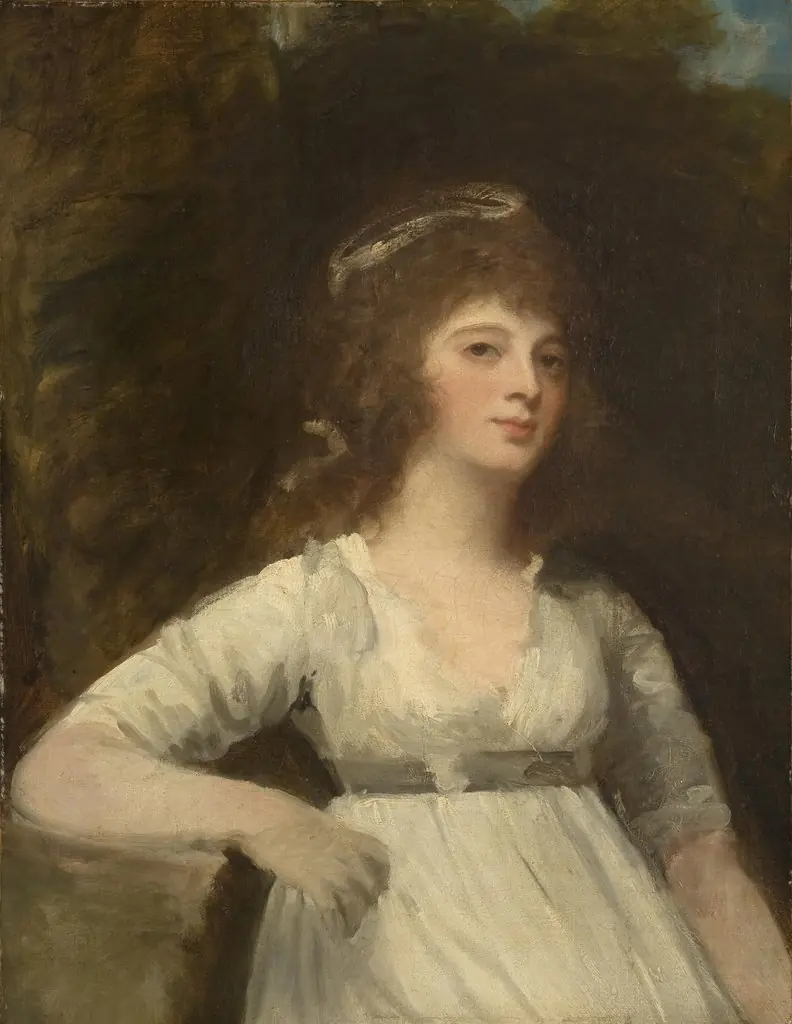 Portrait of Mrs. Finch
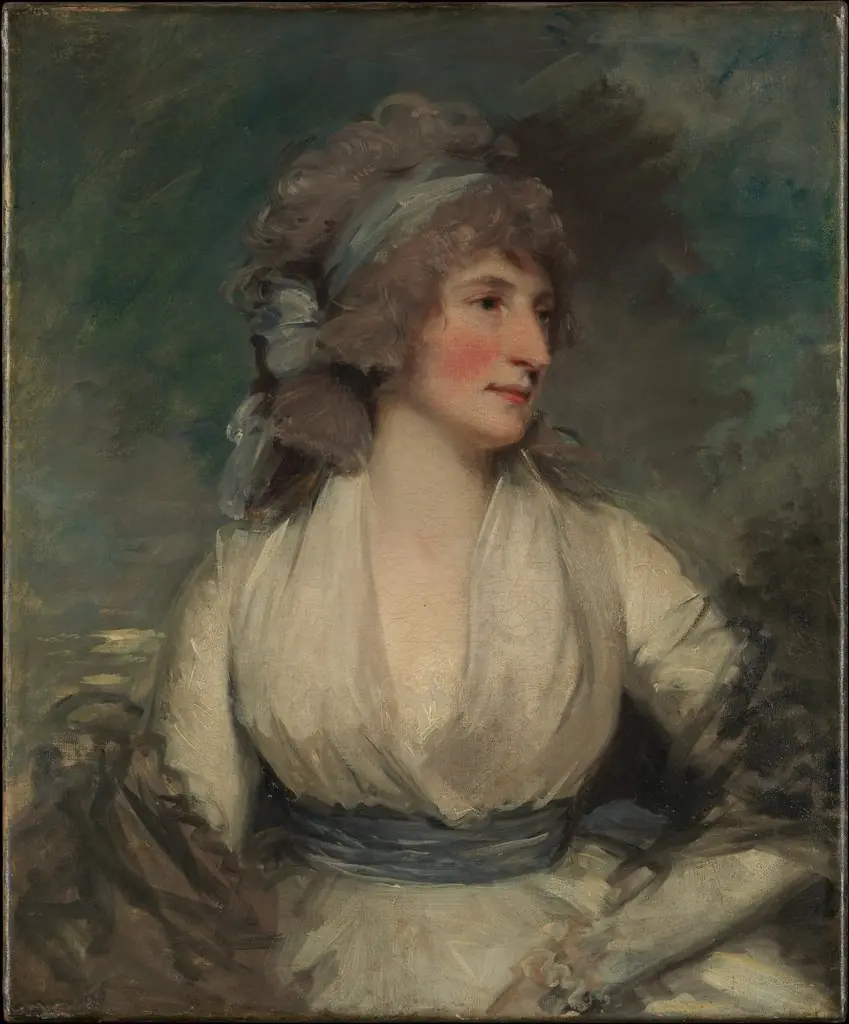 Portrait of a Woman; (reverse, now covered by relining canvas) Study of a Child's Head
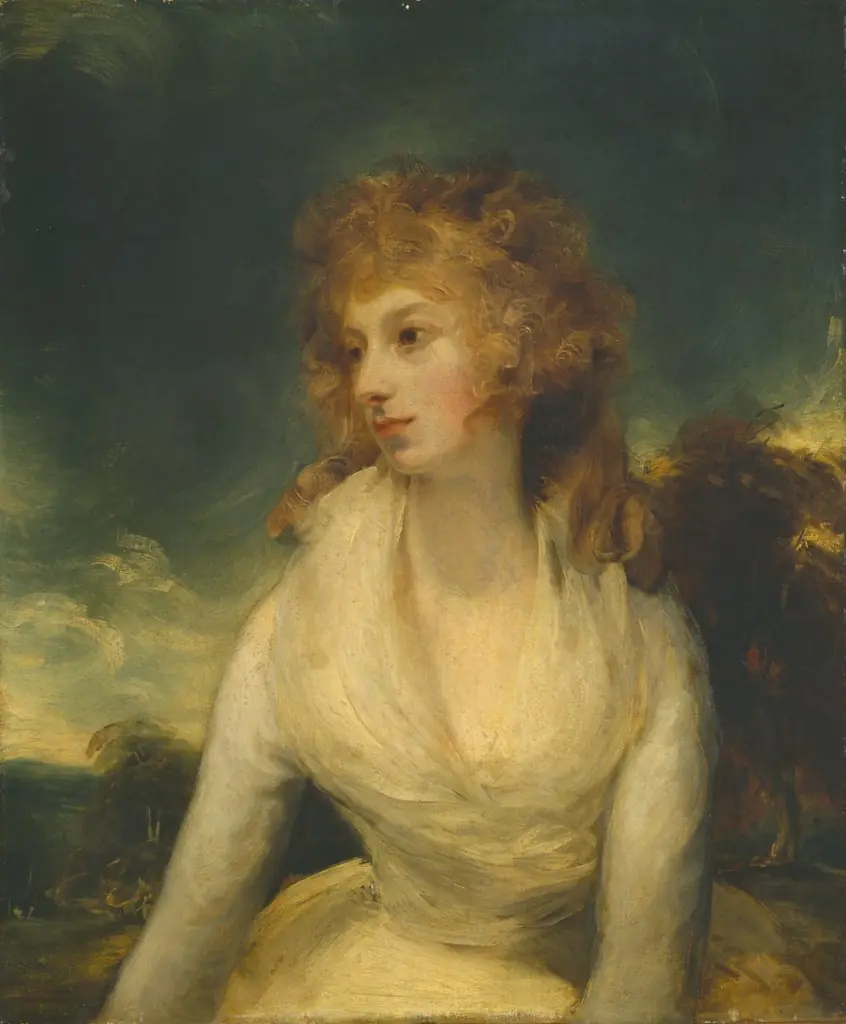 Mrs. Ayscoghe Boucherett
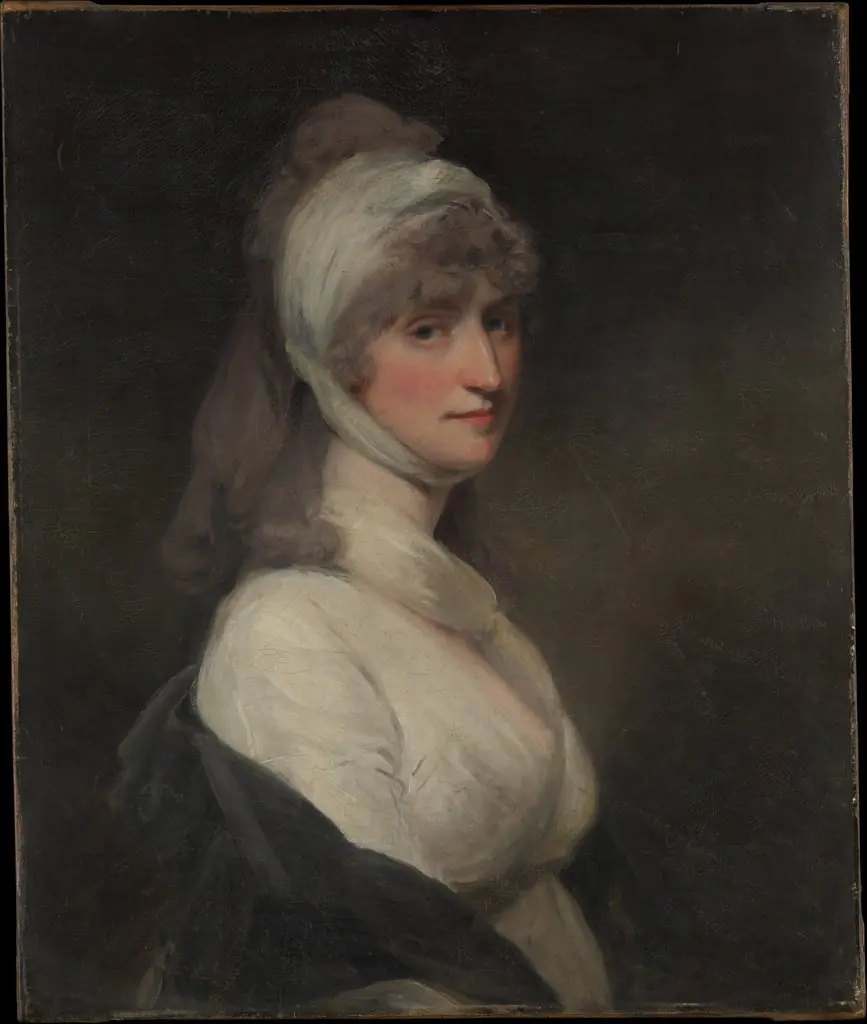 Mrs. Thomas Pechell (Charlotte Clavering, died 1841)
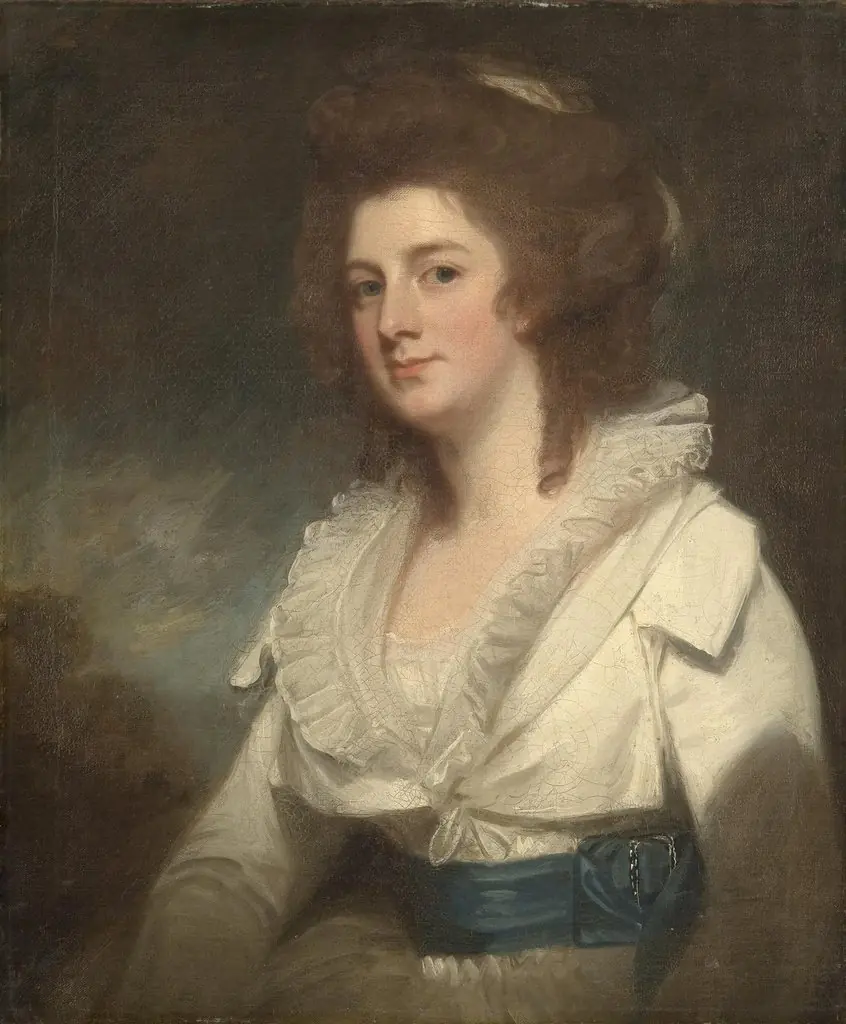 Portrait of the Honorable Mrs. Beresford
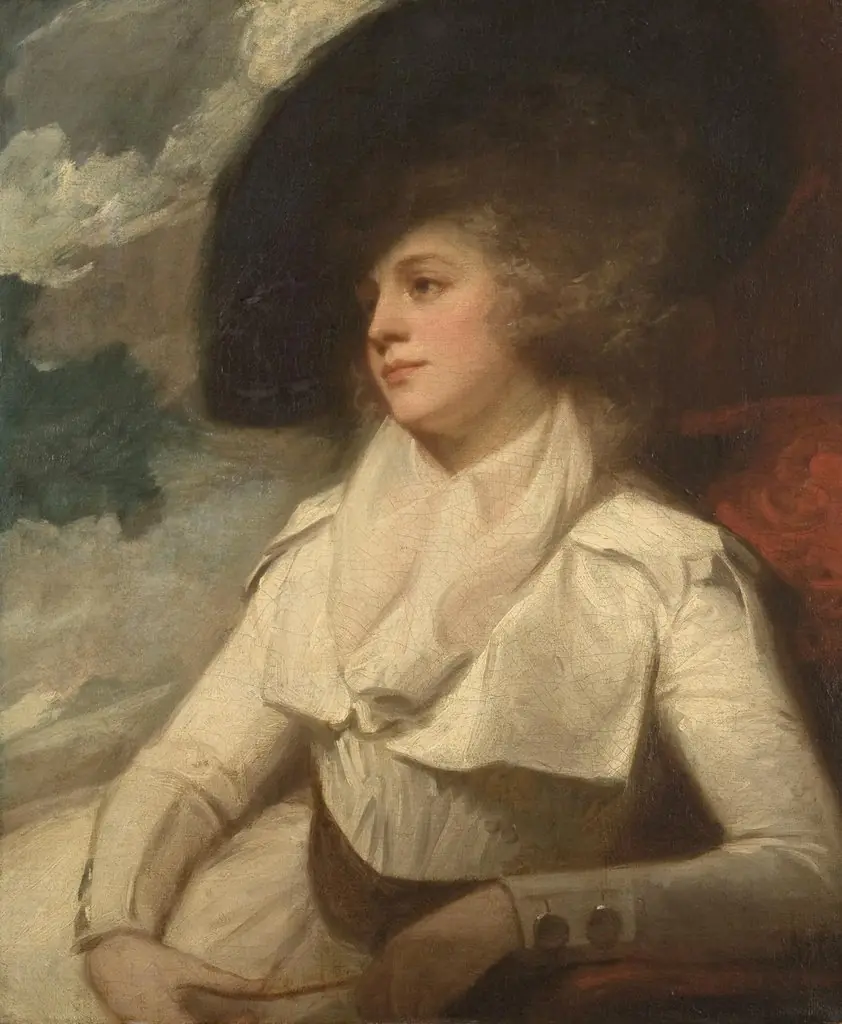 Portrait of Mrs. Sophia Vandergucht
 The Honorable Caroline Upton