Artwork
John Walter (ou Wharton) Tempest
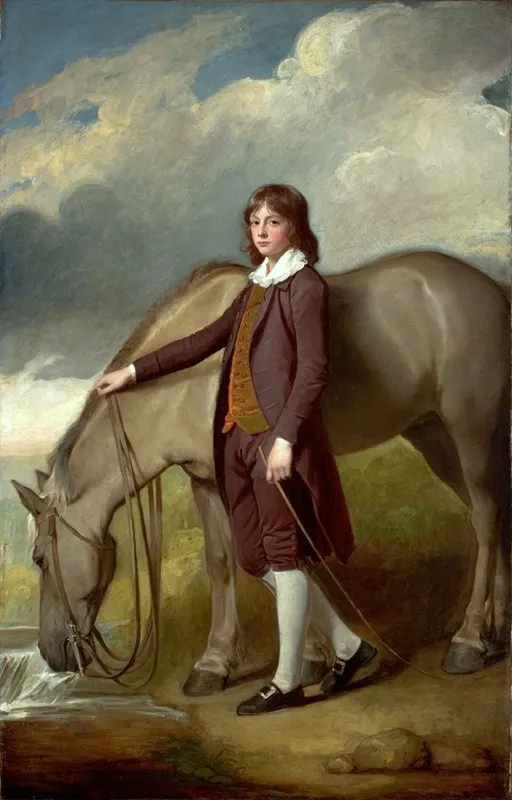
John Walter (ou Wharton) Tempest is an oil painting by the Neoclassicist artist George Romney. It dates from 1790 and is held in the collection of the São Paulo Museum of Art.
About this work
Overview
George Romney’s 1790 oil portrait, titled *John Walter (ou Wharton) Temped*, presents a youthful figure beside a light‑brown horse. Executed in the neoclassical idiom, the work balances a clear, restrained palette with a composed arrangement, situating the sitter in an outdoor setting under a blue sky dotted with clouds. The painting is part of the São Paulo Museum of Art’s permanent collection.
Subject & Meaning
He holds the horse’s reins in his right hand and a whip in his left, while the animal lowers its head to drink from a small stream.
The canvas depicts a young boy with brown hair, dressed in a brown coat, white ruffled collar, yellow waistcoat, brown breeches, black shoes and white stockings. He holds the horse’s reins in his right hand and a whip in his left, while the animal lowers its head to drink from a small stream. The scene suggests a moment of leisurely activity or training, emphasizing a harmonious relationship between youth and animal.
Technique & Style
Romney employs oil on canvas with a smooth, almost polished surface typical of late‑18th‑century neoclassicism. The brushwork is fine and controlled, rendering the textures of fabric, leather and the horse’s coat with subtle gradations of light. A restrained colour scheme—earthy browns, muted yellows and soft blues—creates a calm atmosphere, while the clear delineation of forms reflects the period’s emphasis on clarity and order.
History & Provenance
Painted in 1790, the portrait was likely commissioned by the family of John Walter (also recorded as Wharton) Tempest, a member of the English gentry. After changing hands through private collections, the work entered the São Paulo Museum of Art, where it remains on display as part of the museum’s European painting holdings.
Context
Romney, a leading portraitist of his generation, was renowned for capturing the elegance of Britain’s upper classes. This painting aligns with his practice of portraying youthful heirs in naturalistic settings, reflecting contemporary ideals of genteel upbringing and the pastoral leisure associated with the landed elite during the late Georgian era.
Artist & collection
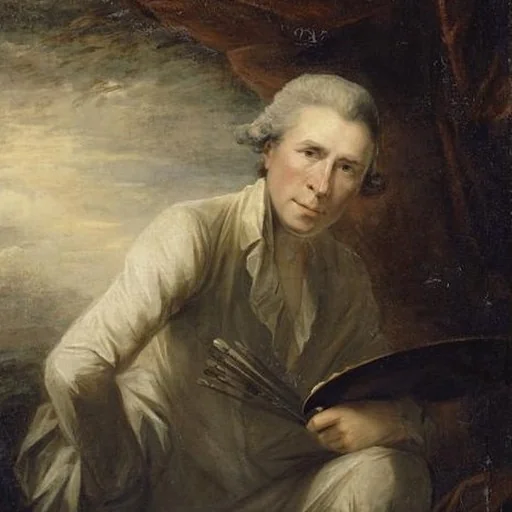
Artist
George Romney (26 December 1734 – 15 November 1802) was an English painter. He was the most fashionable artist of his day, painting many leading society figures – including his artistic muse, Emma Hamilton, mistress of Lord Nelson.

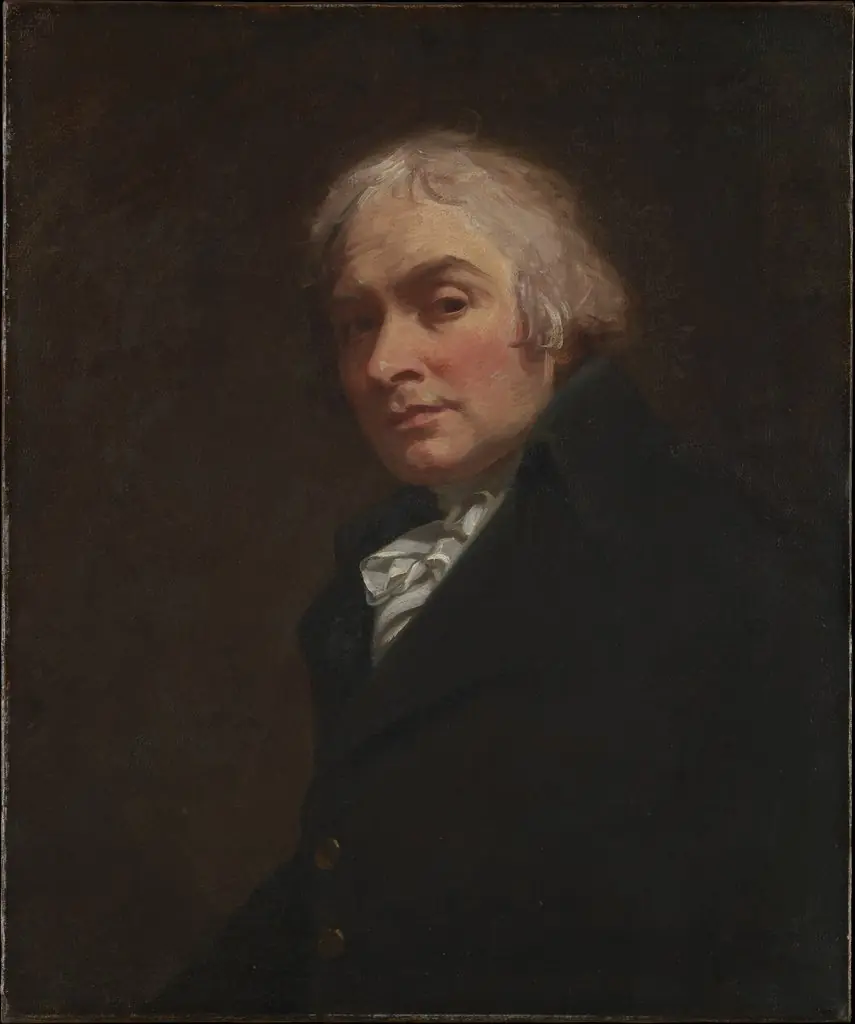 Self-Portrait
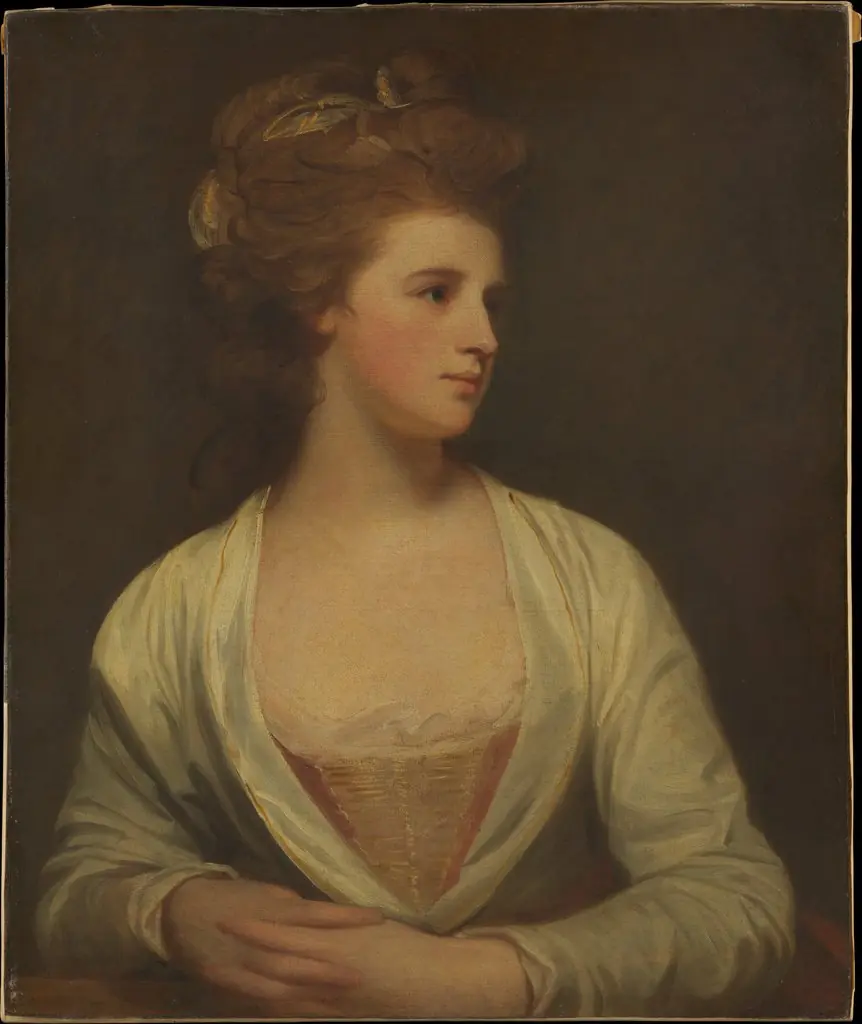 Portrait of a Woman, Said to Be Emily Bertie Pott (died 1782)
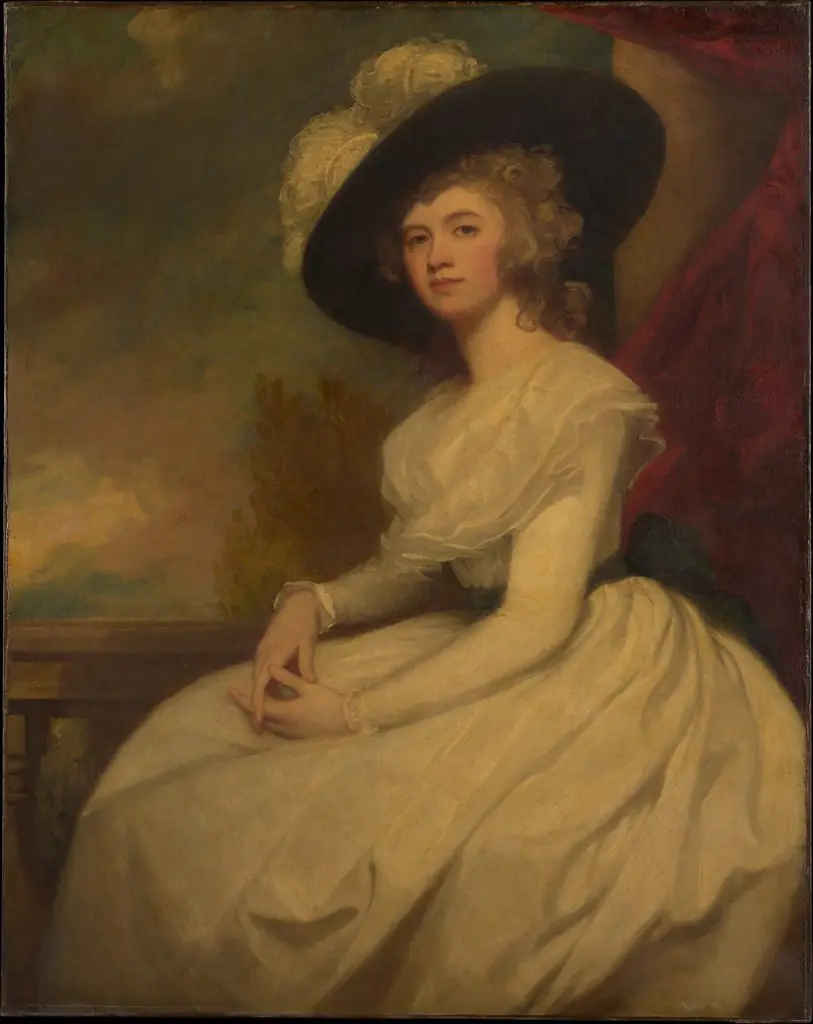 Mrs. Bryan Cooke (Frances Puleston, 1765–1818)
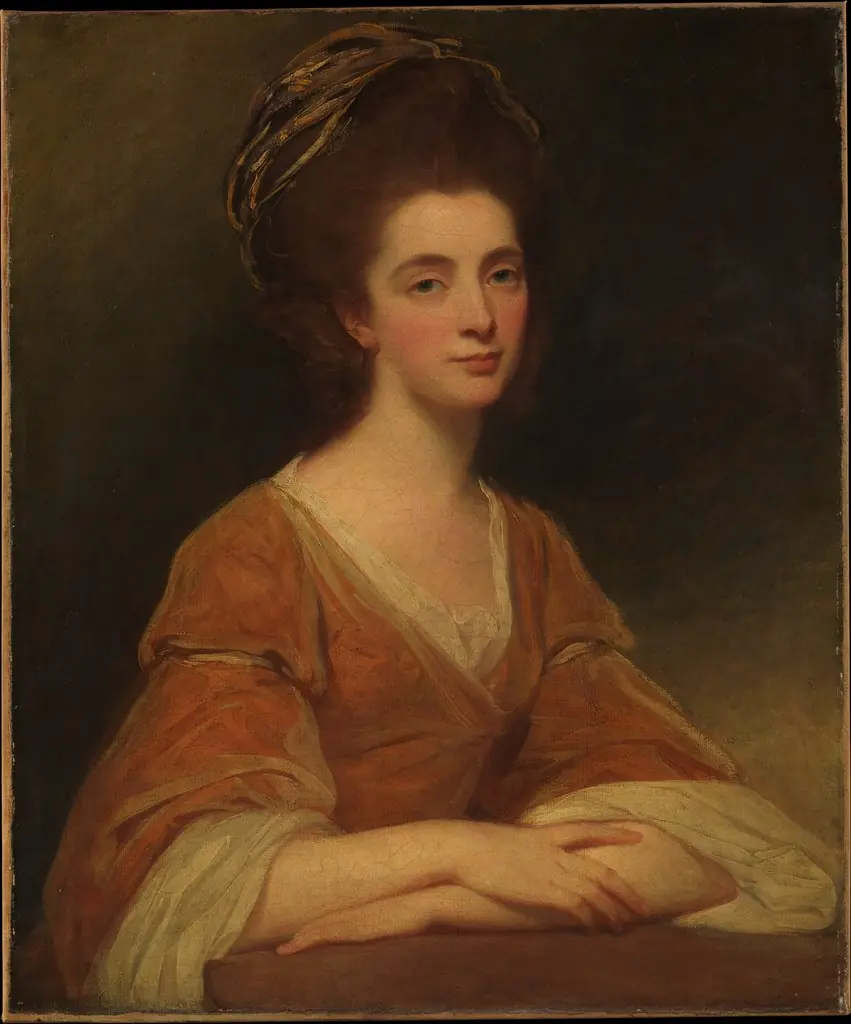 Mrs. Charles Frederick (Martha Rigden, died 1794)
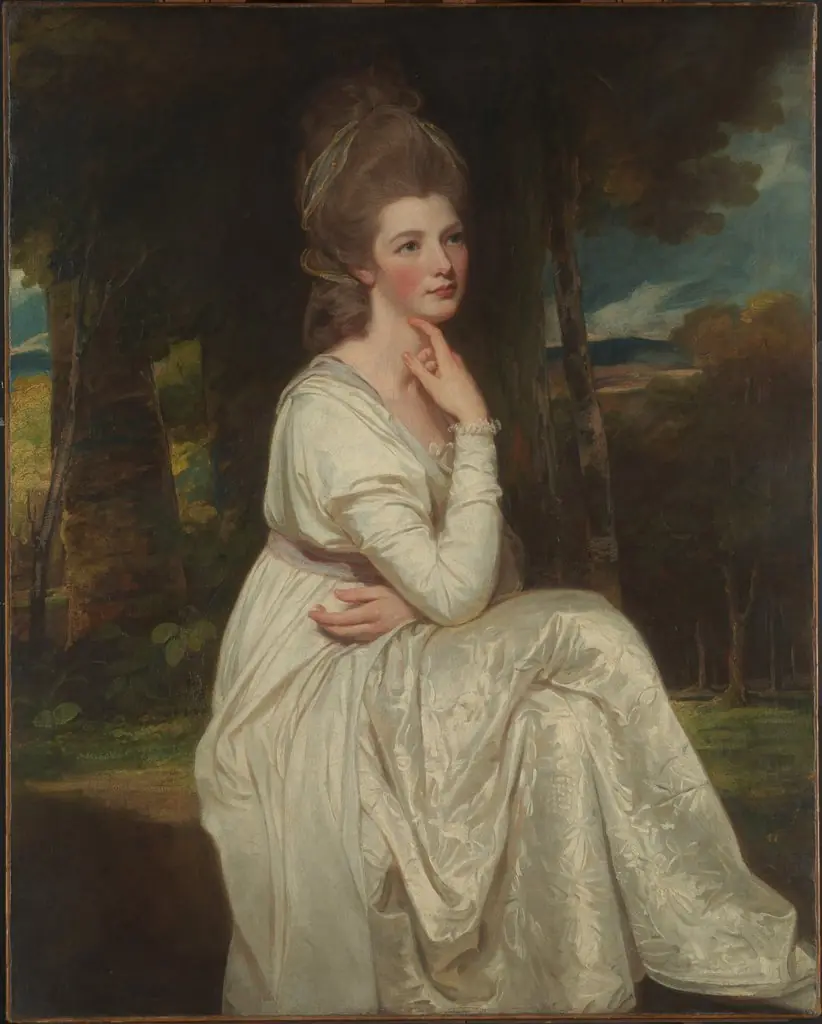 Lady Elizabeth Hamilton (1753–1797), Countess of Derby
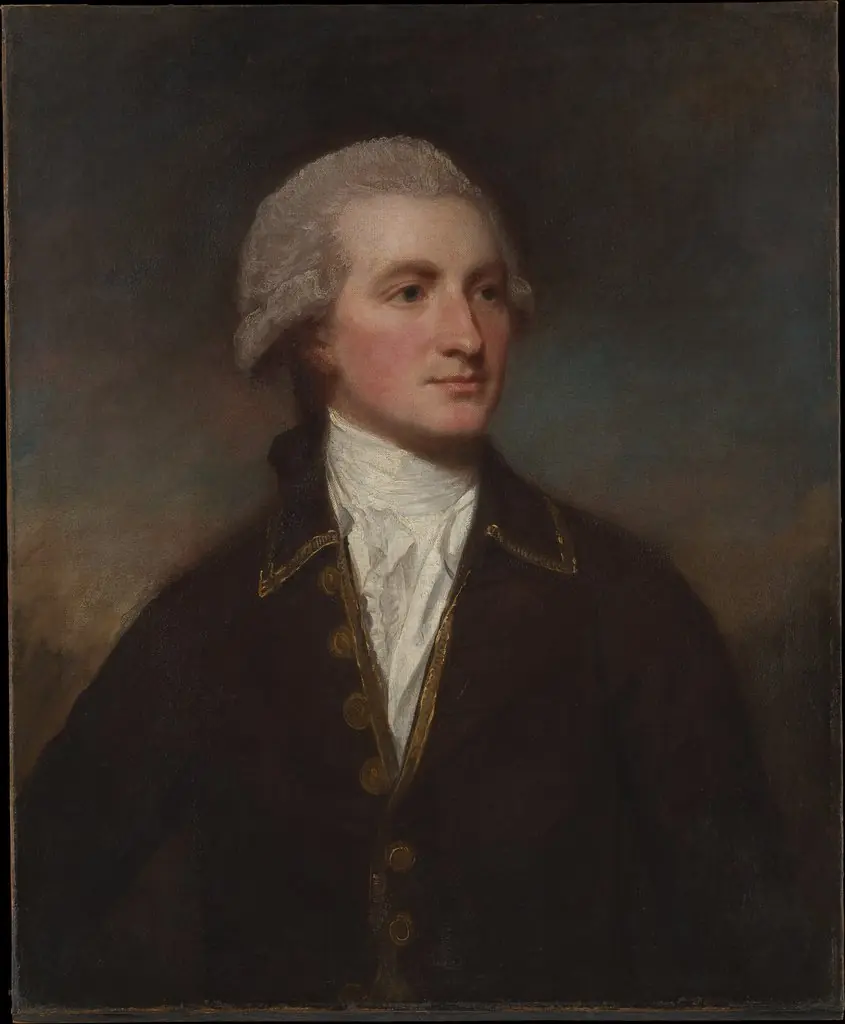 Portrait of a Man
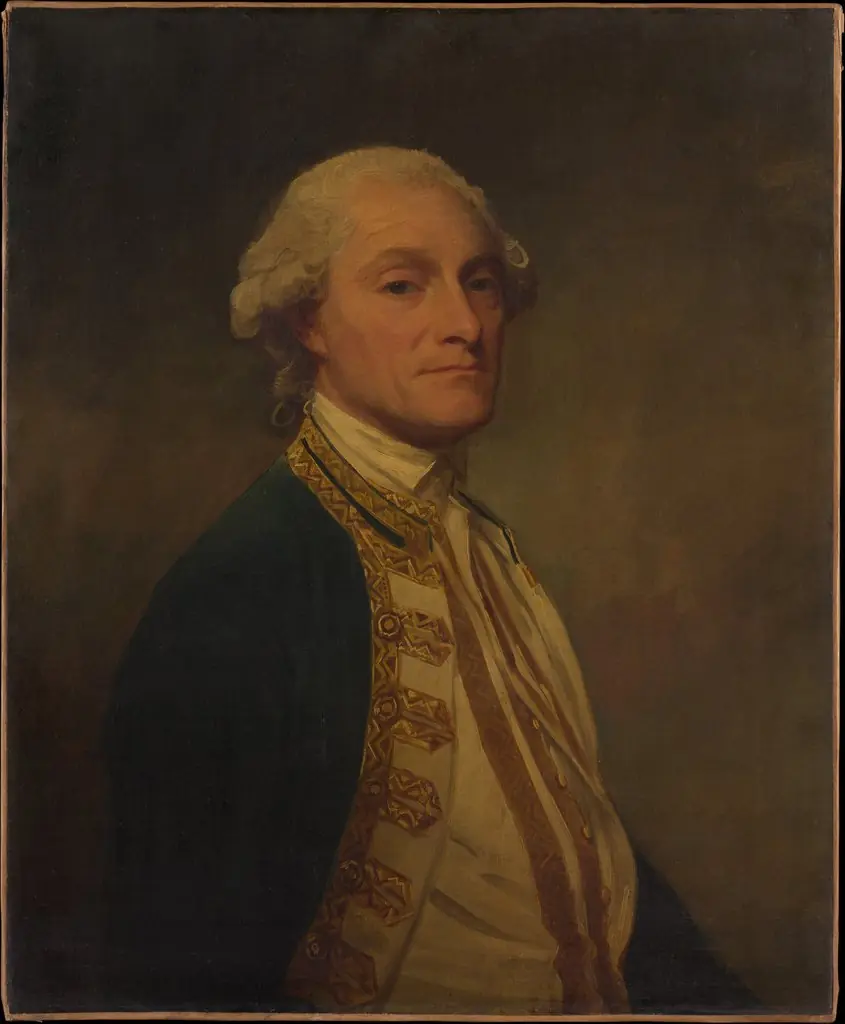 Admiral Sir Chaloner Ogle (1726–1816)
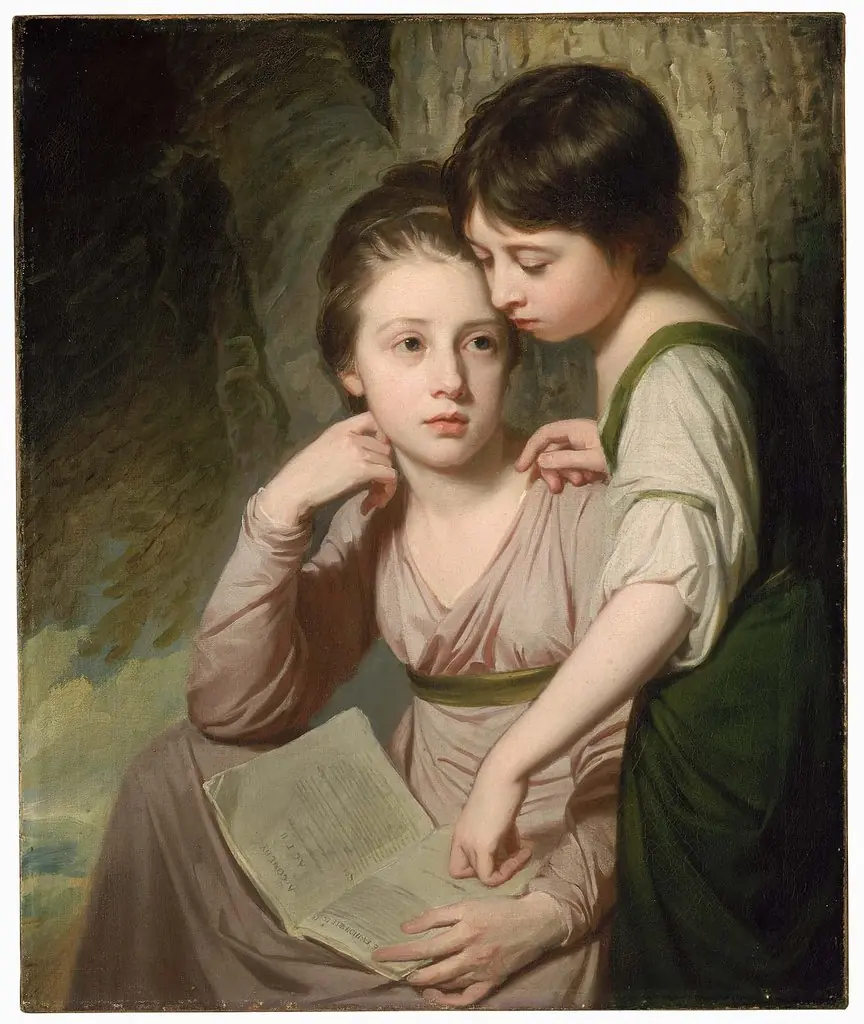 Portrait of Two Girls (Misses Cumberland)
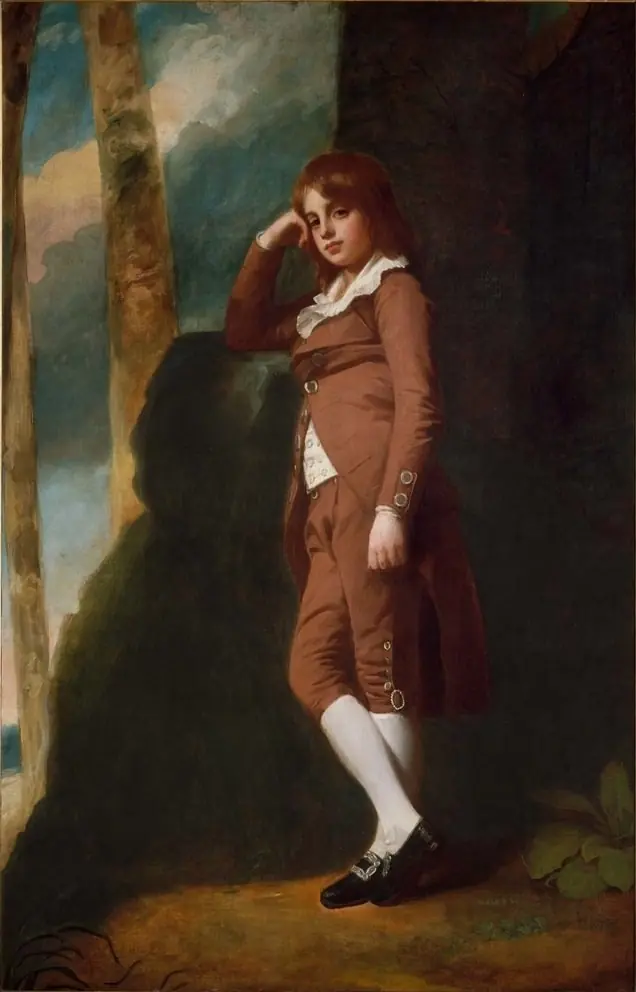 John Bensley Thornhill (1773–1841) as a Boy
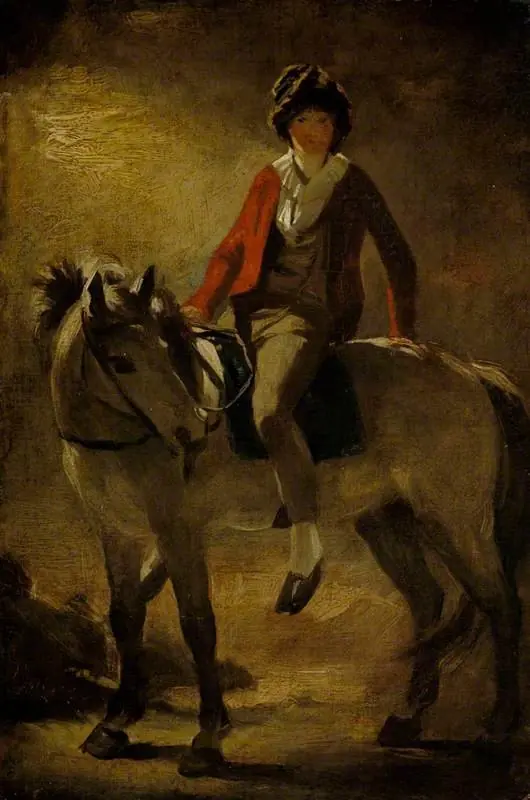 Henry Raeburn (1784 - 1863) on a Grey Pony
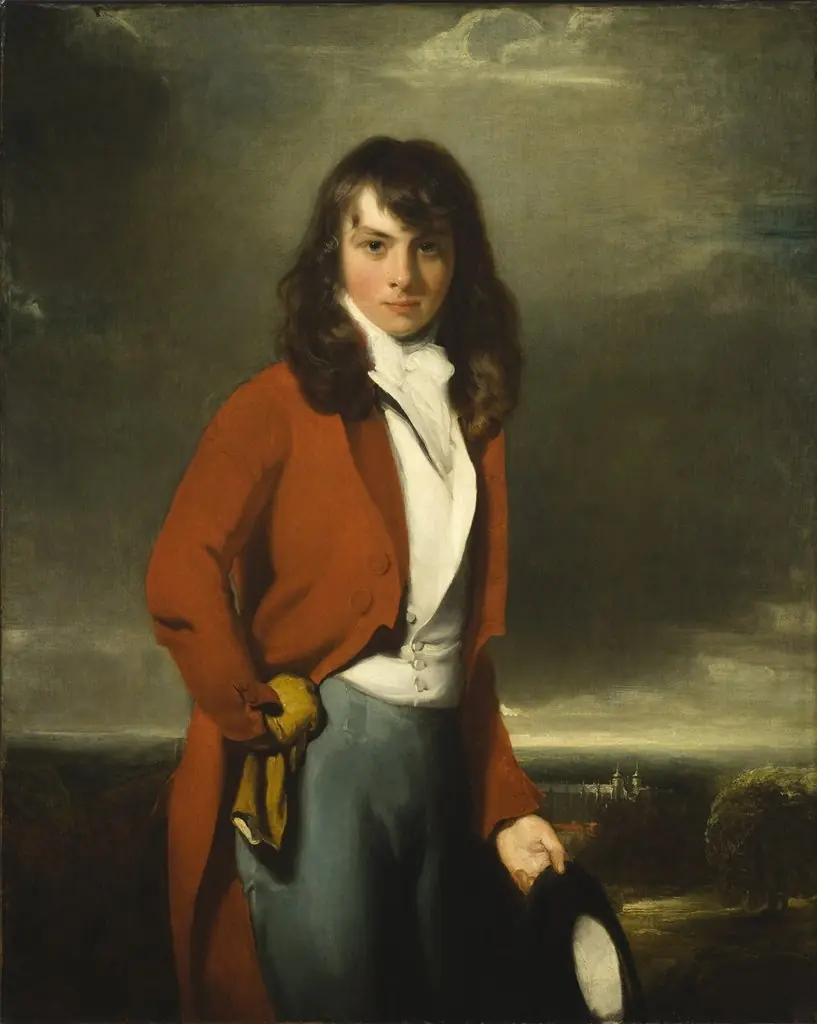 Portrait of Arthur Atherley as an Etonian
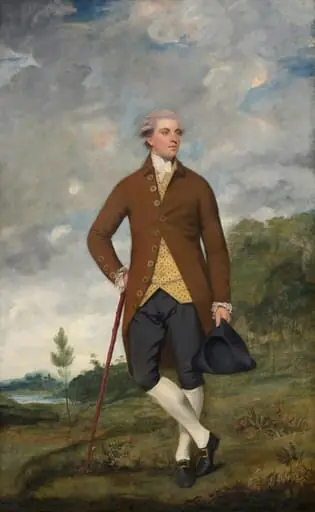 John Musters
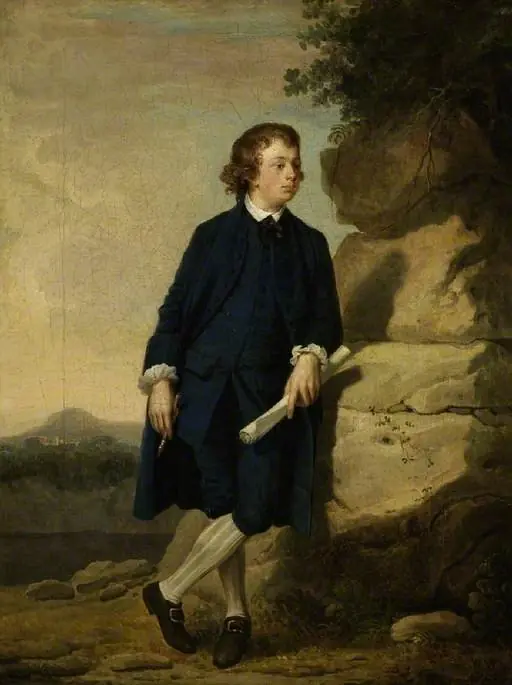 A young draughtsman (1767)
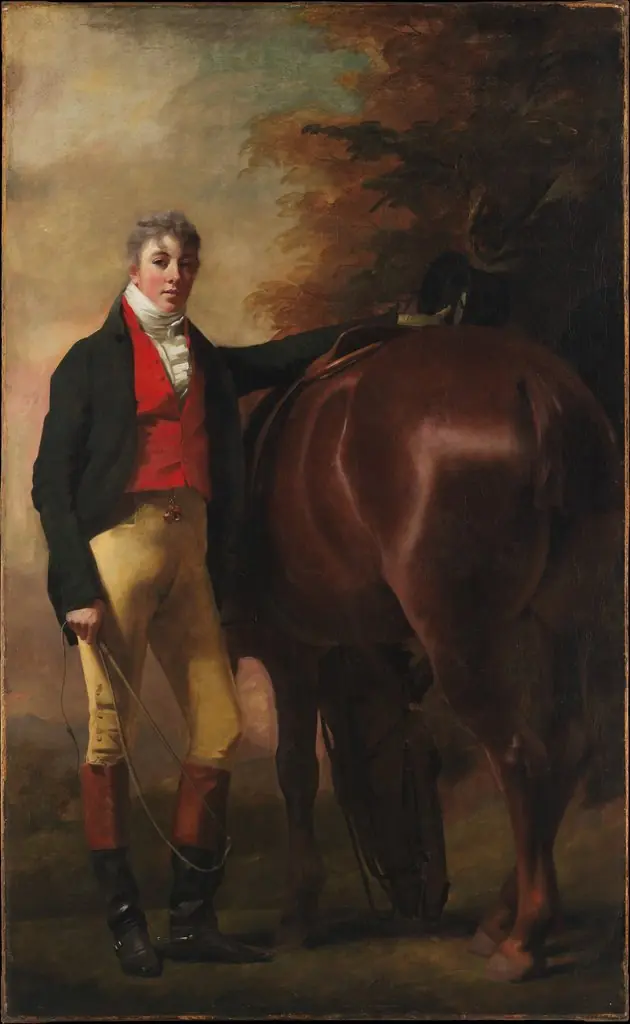 George Harley Drummond (1783–1855)
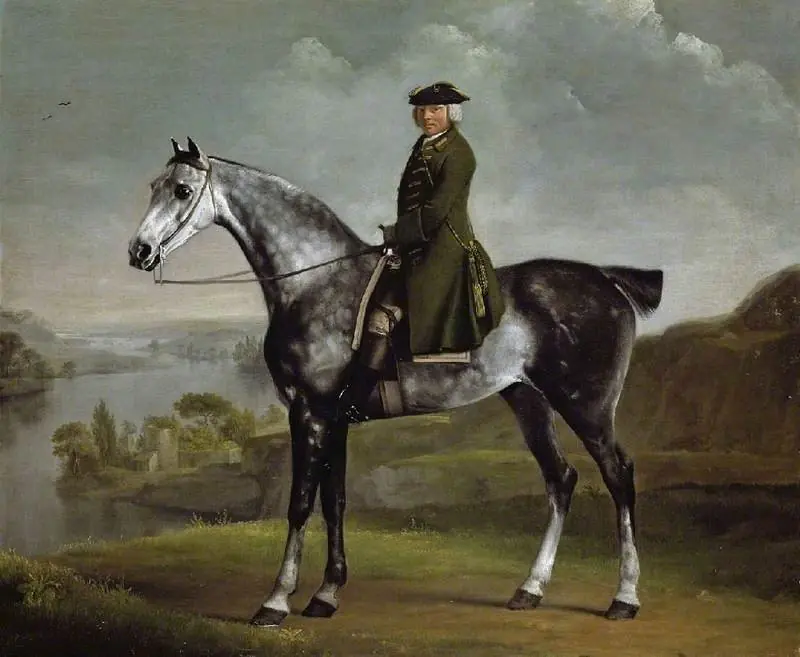 Joseph Smyth Esq, Lieutenant of Whittlebury Forest, Northamptonshire, on a dapple grey horse
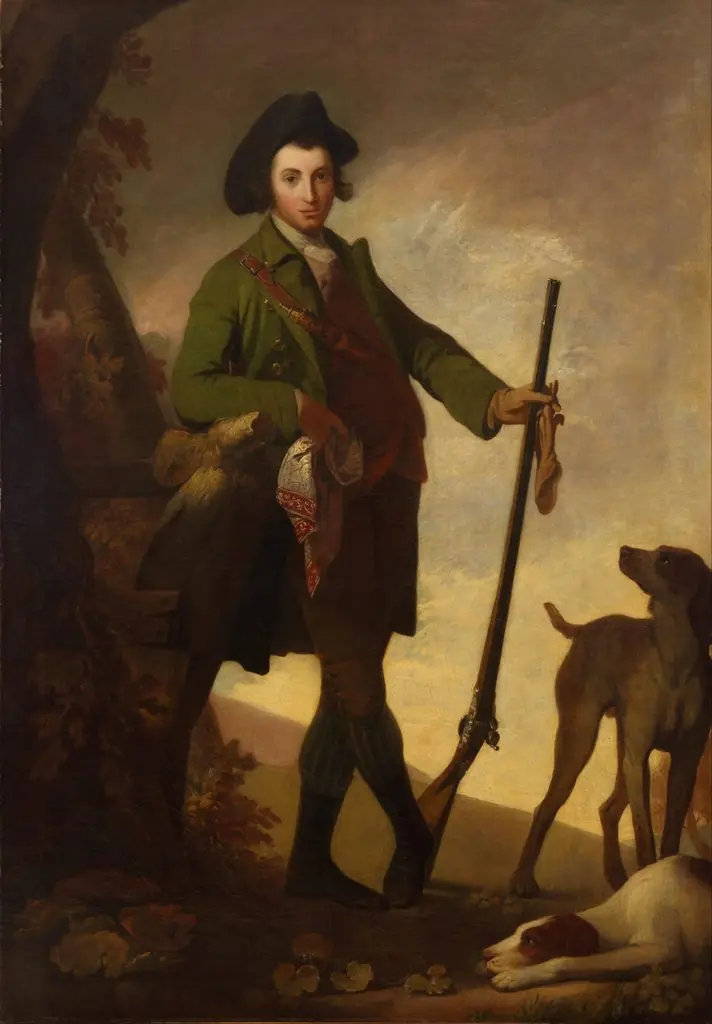 The young sportsman
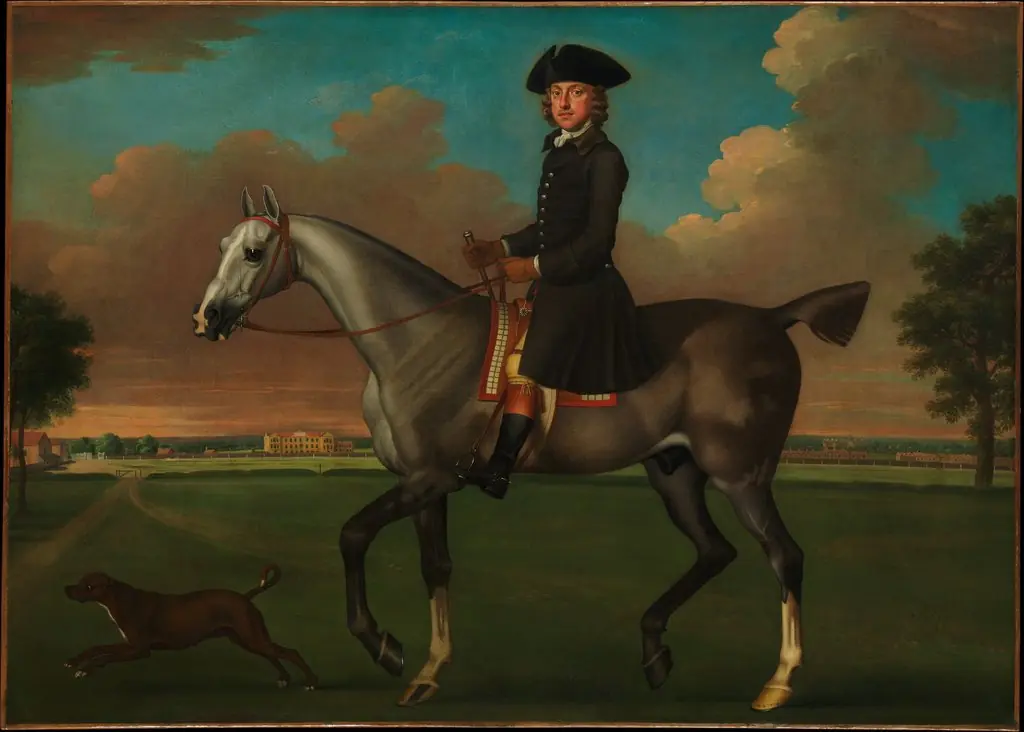 Portrait of a Horseman
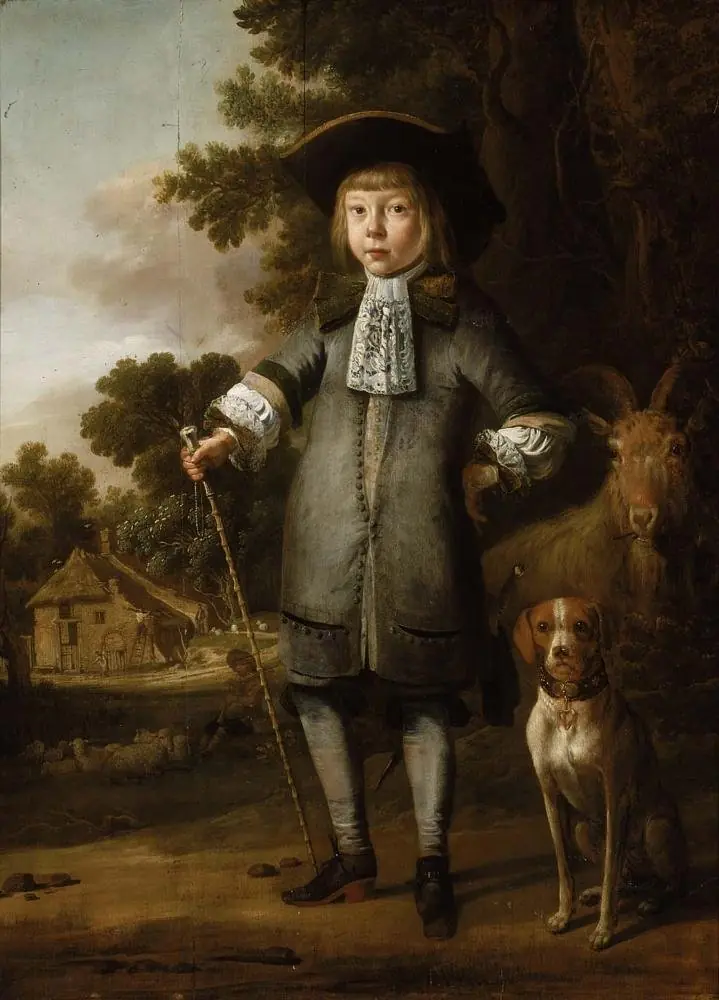 Portrait of a Boy
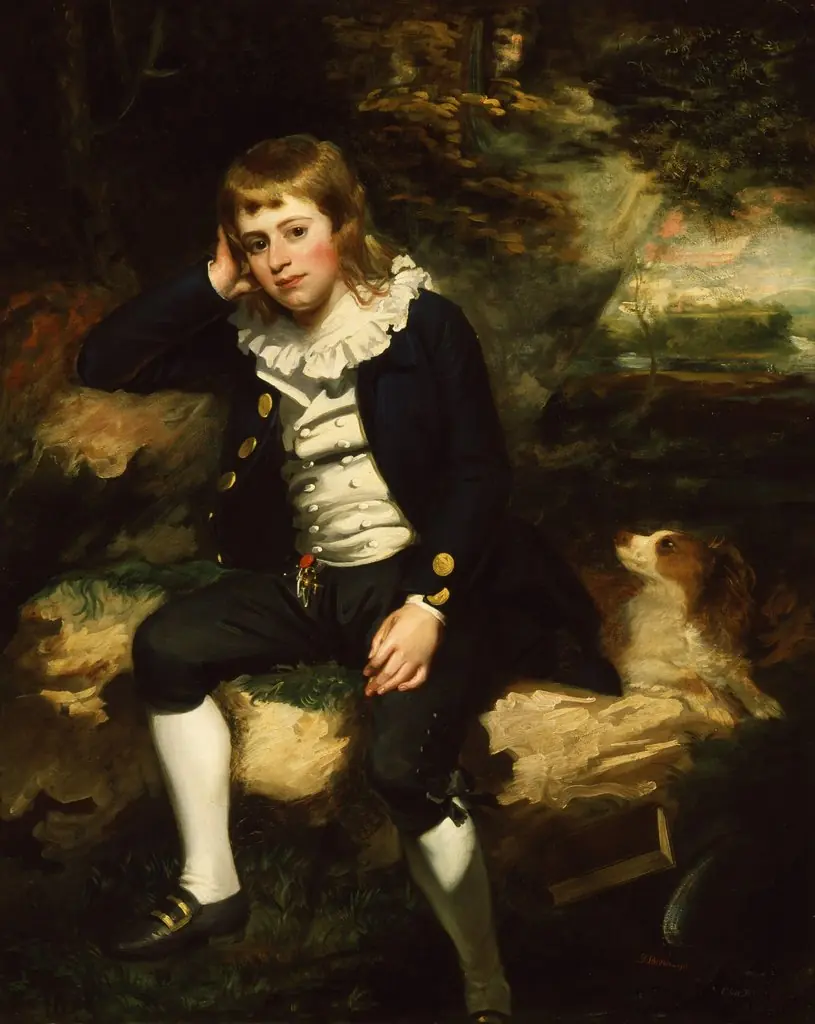 Master Charles William Park
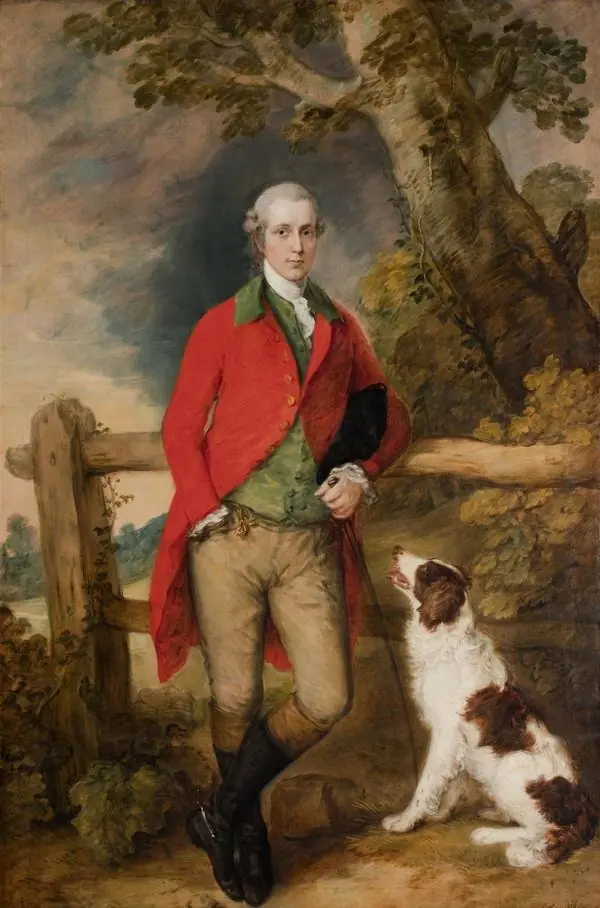 Portrait of Robert Thistlethwayte of Norman Court, standing full-length, wearing a red coat, green waistcoat and buff breaches, holding a can, leaning against a fence, a spaniel by his side