Artwork
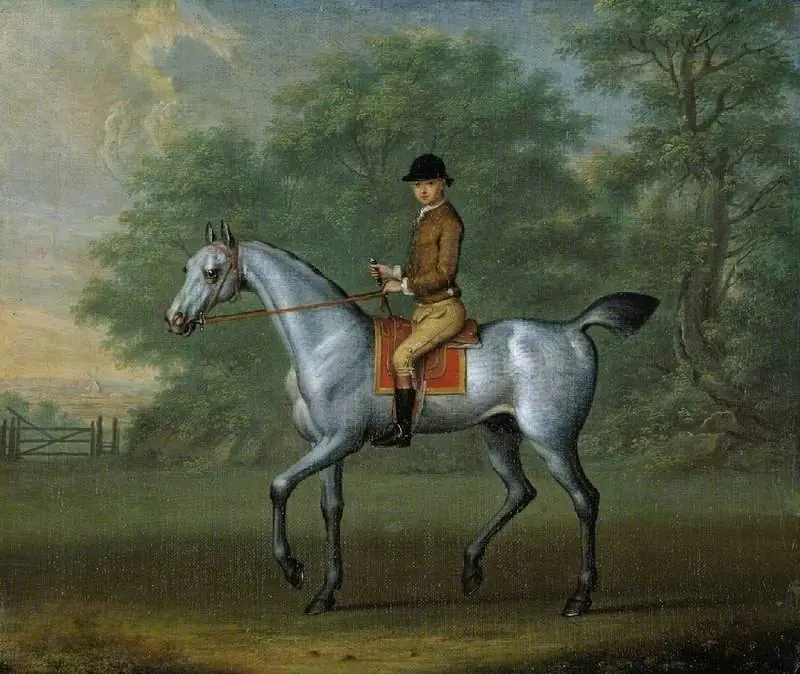
Joseph Smyth Esq, Lieutenant of Whittlebury Forest, Northamptonshire, on a dapple grey horse
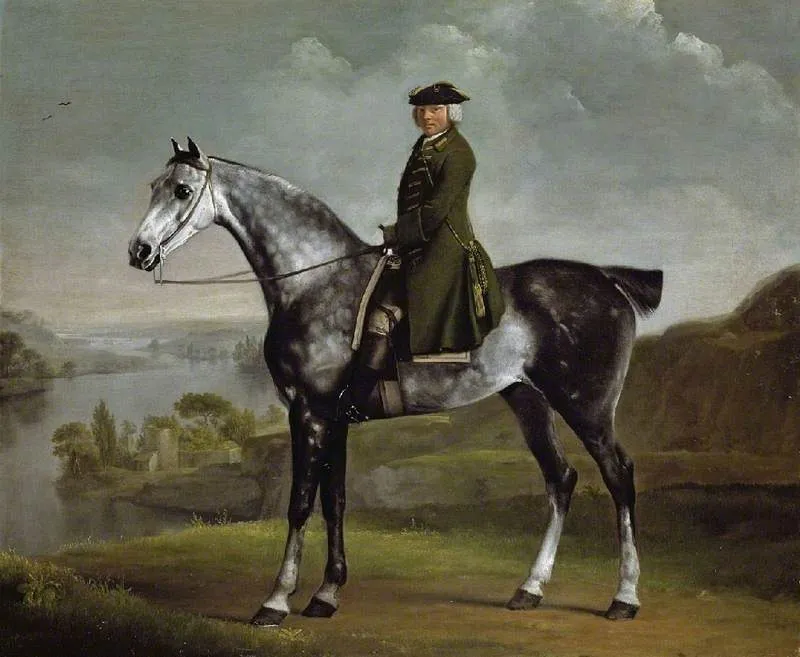
Joseph Smyth Esq, Lieutenant of Whittlebury Forest, Northamptonshire, on a dapple grey horse is an oil painting by the Rococo painting artist George Stubbs. It dates from 1763 and is held in the collection of the Fitzwilliam Museum.
About this work
Overview
Painted in 1763 by George Stubbs, this oil portrait depicts Joseph Smyth, a local official in Northamptonshire, mounted on a dapple grey stallion.
Painted in 1763 by George Stubbs, this oil portrait depicts Joseph Smyth, a local official in Northamptonshire, mounted on a dapple grey stallion. Stubbs, self-taught in equine anatomy, specialized in precise depictions of horses and their riders. The work reflects his growing reputation for combining naturalistic animal rendering with genteel portraiture, capturing a moment of quiet authority rather than theatrical display.
Subject & Meaning
Joseph Smyth, Lieutenant of Whittlebury Forest, is portrayed in his official capacity, dressed in a green coat with gold trim and carrying a sword, symbols of his administrative role. His composed posture and the horse’s alert stance suggest vigilance and control over the landscape. The pairing of man and animal underscores the social and functional bond between land steward and mount, typical of rural gentry identity in 18th-century England.
Technique & Style
Stubbs rendered the horse with meticulous attention to musculature and coat texture, using layered glazes to achieve the dappled grey’s subtle tonal shifts. The rider’s clothing is rendered with crisp detail, particularly the gold embroidery and leather accoutrements. The background, softly modeled with muted greens and blues, recedes to suggest depth without distracting from the central figures, reflecting Stubbs’s disciplined approach to composition.
History & Provenance
Commissioned in 1763, the painting remained in private hands until entering the Fitzwilliam Museum’s collection. Its survival in good condition reflects its continued appreciation among collectors. Unlike many equestrian portraits of the period, it lacks overt grandeur, suggesting a local patronage context rather than royal or aristocratic commission, aligning with Smyth’s modest official status.
Context
In mid-18th-century England, horse portraiture flourished among landowners and military officers as a marker of status and connection to the land. Stubbs’s rise coincided with this trend, though his scientific study of anatomy set him apart from contemporaries. This work exemplifies how regional elites used art to affirm their roles within the rural hierarchy, distinct from the more flamboyant Rococo styles of urban centers.
Legacy
Stubbs’s unembellished realism in equine portraiture influenced later generations of animal painters and contributed to the scientific understanding of horse anatomy. While not as widely known as his larger compositions, works like this one demonstrate his ability to elevate everyday subjects through precision and quiet dignity. The painting remains a key example of provincial portraiture within his broader oeuvre.
Artist & collection
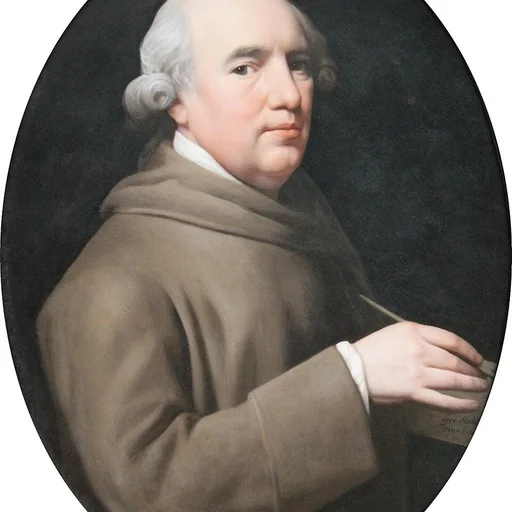
Artist
George Stubbs (25 August 1724 – 10 July 1806) was an English painter, best known for his paintings of horses.

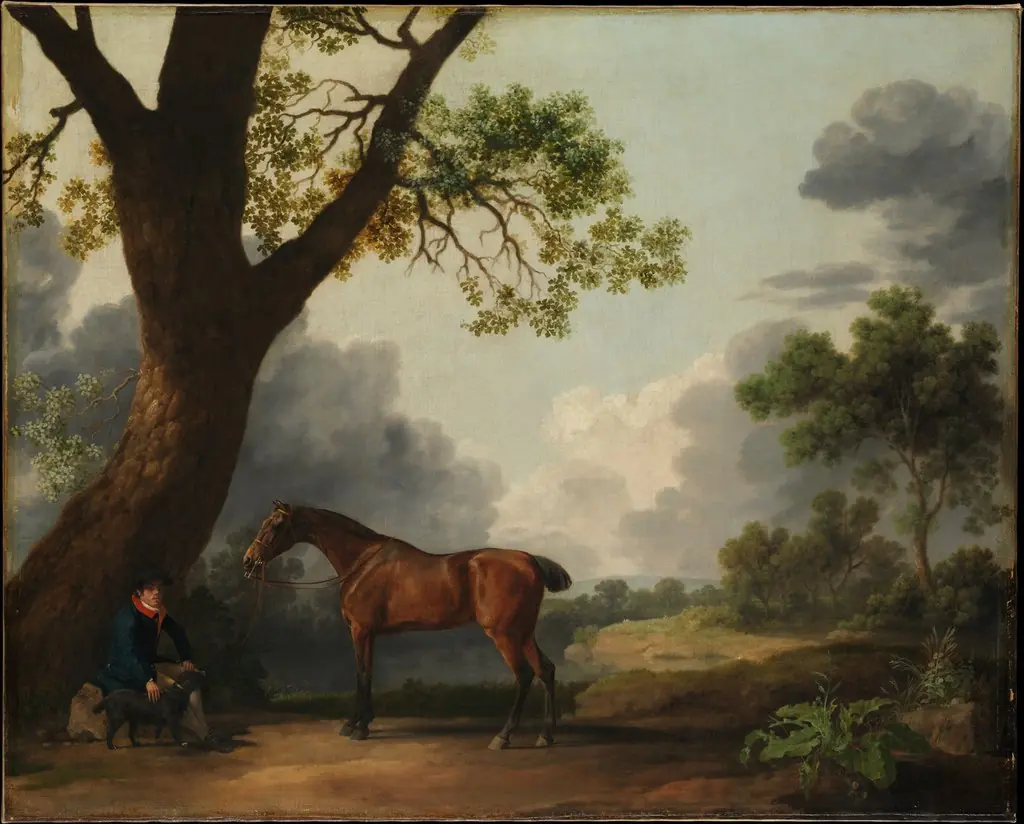
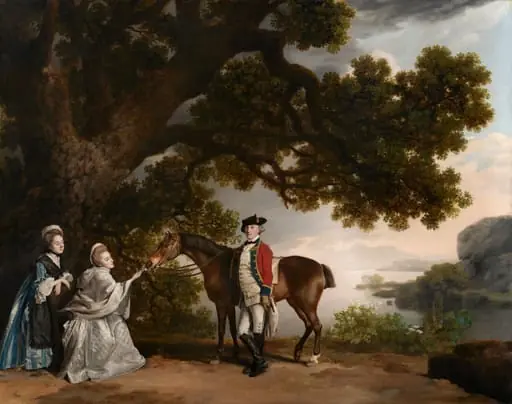
 Horse and groom
 Two Horses with a Groom
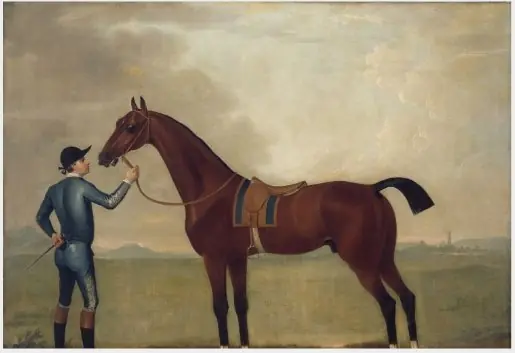 A Bay Racehorse with a Jockey in the Colours of Wyndham Quin
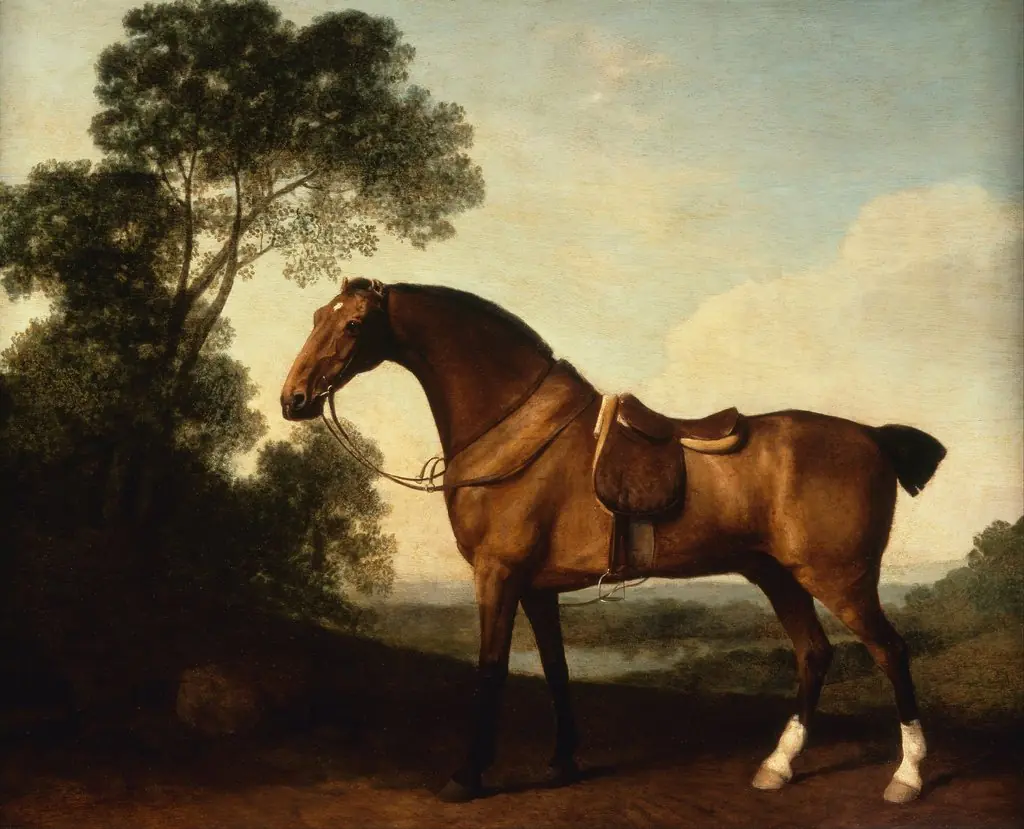 A Saddled Bay Hunter
 Painting
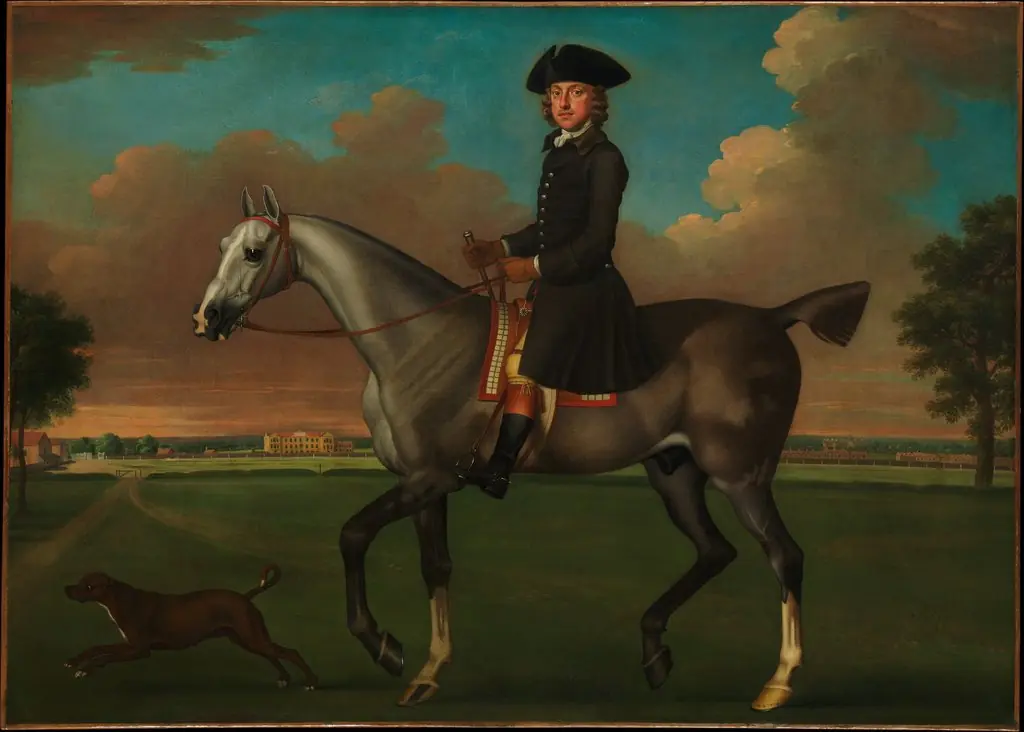 Portrait of a Horseman
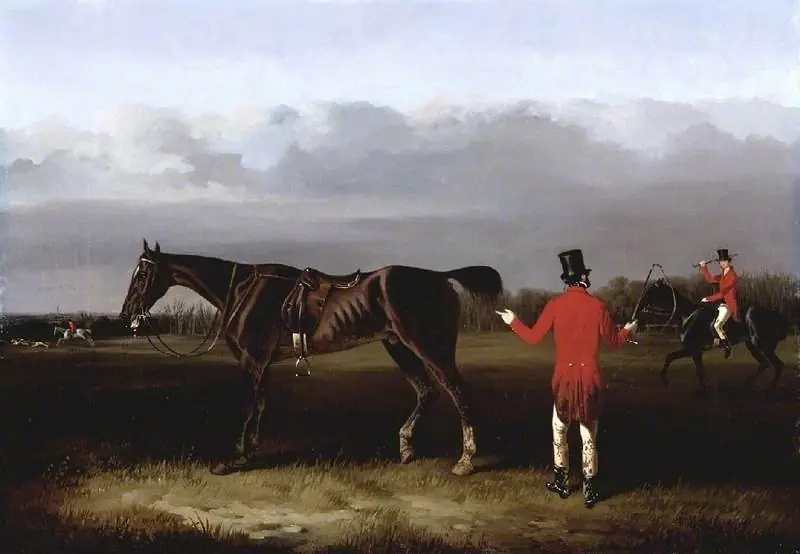 The End of the Day
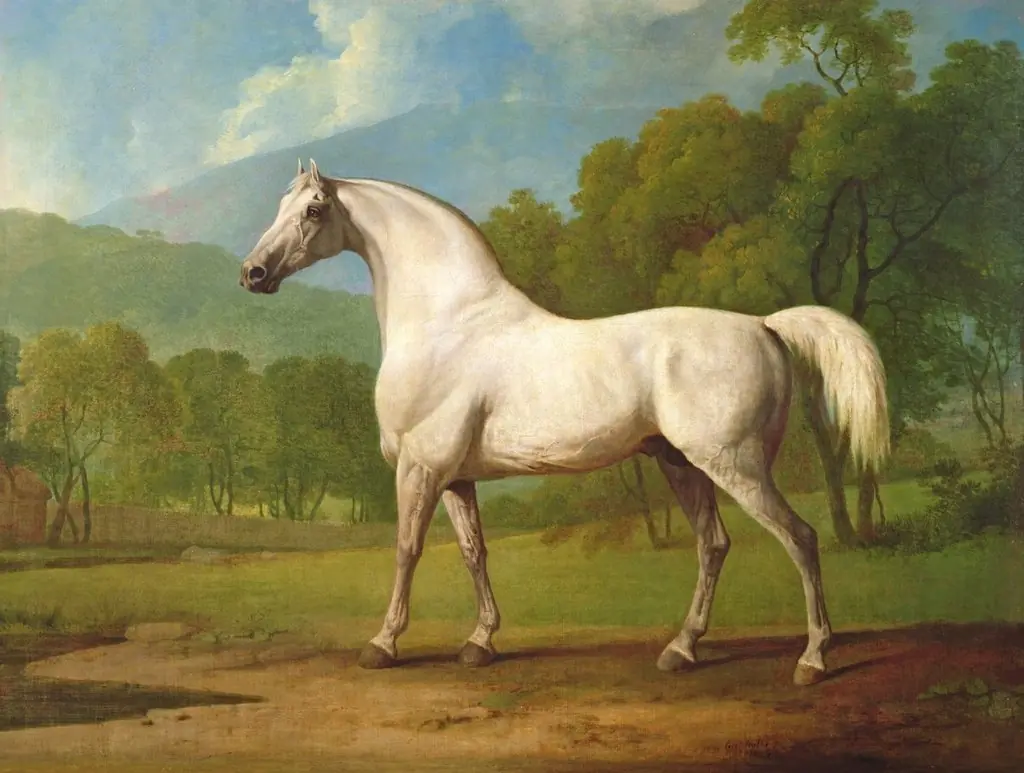 Mambrino
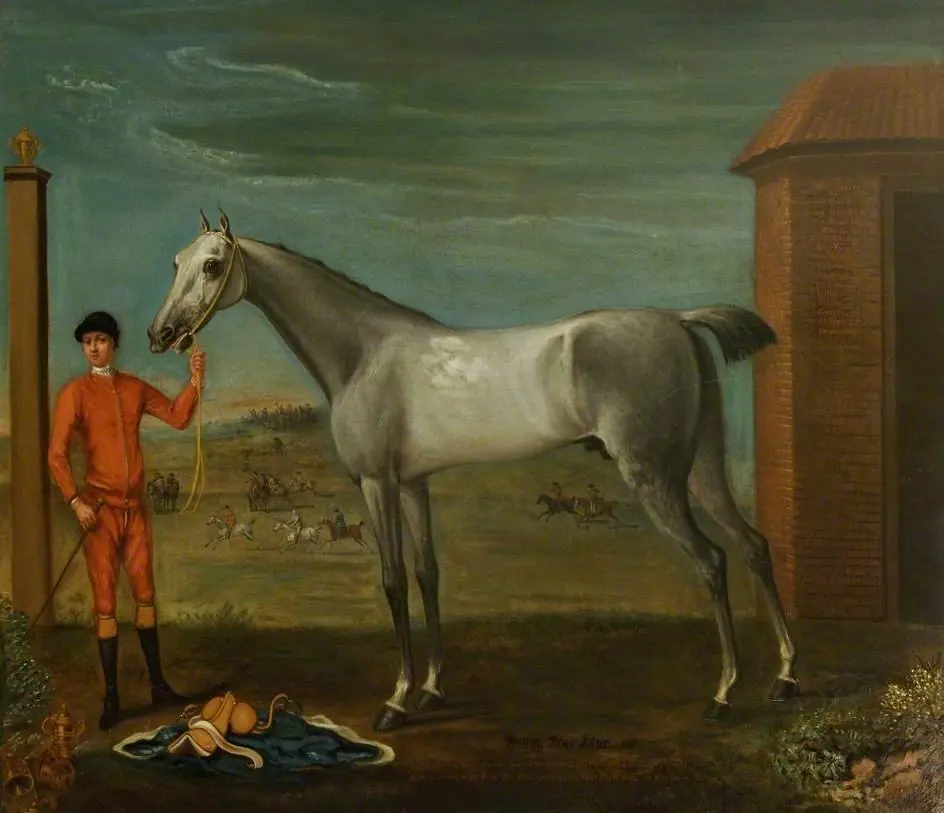 Young True Blue at Newmarket
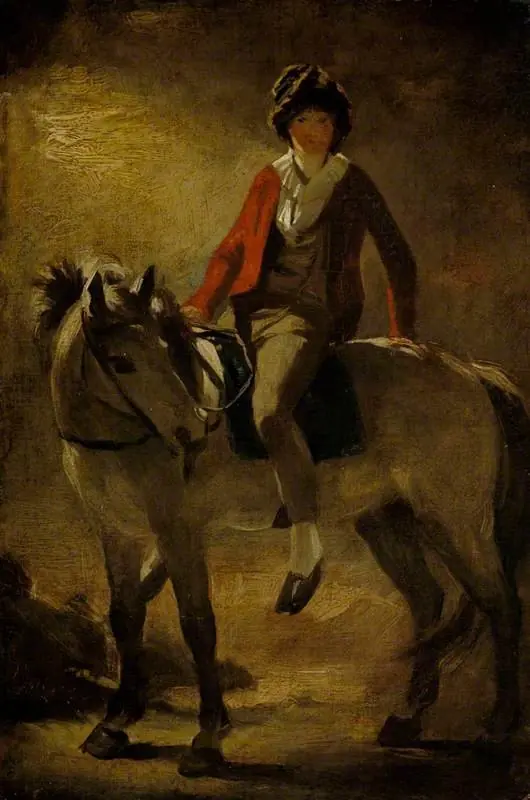 Henry Raeburn (1784 - 1863) on a Grey Pony
 Adriaan van der Hoop’s Trotter ‘De Vlugge’ (The Fast One) in a Meadow