Artwork
William Watson
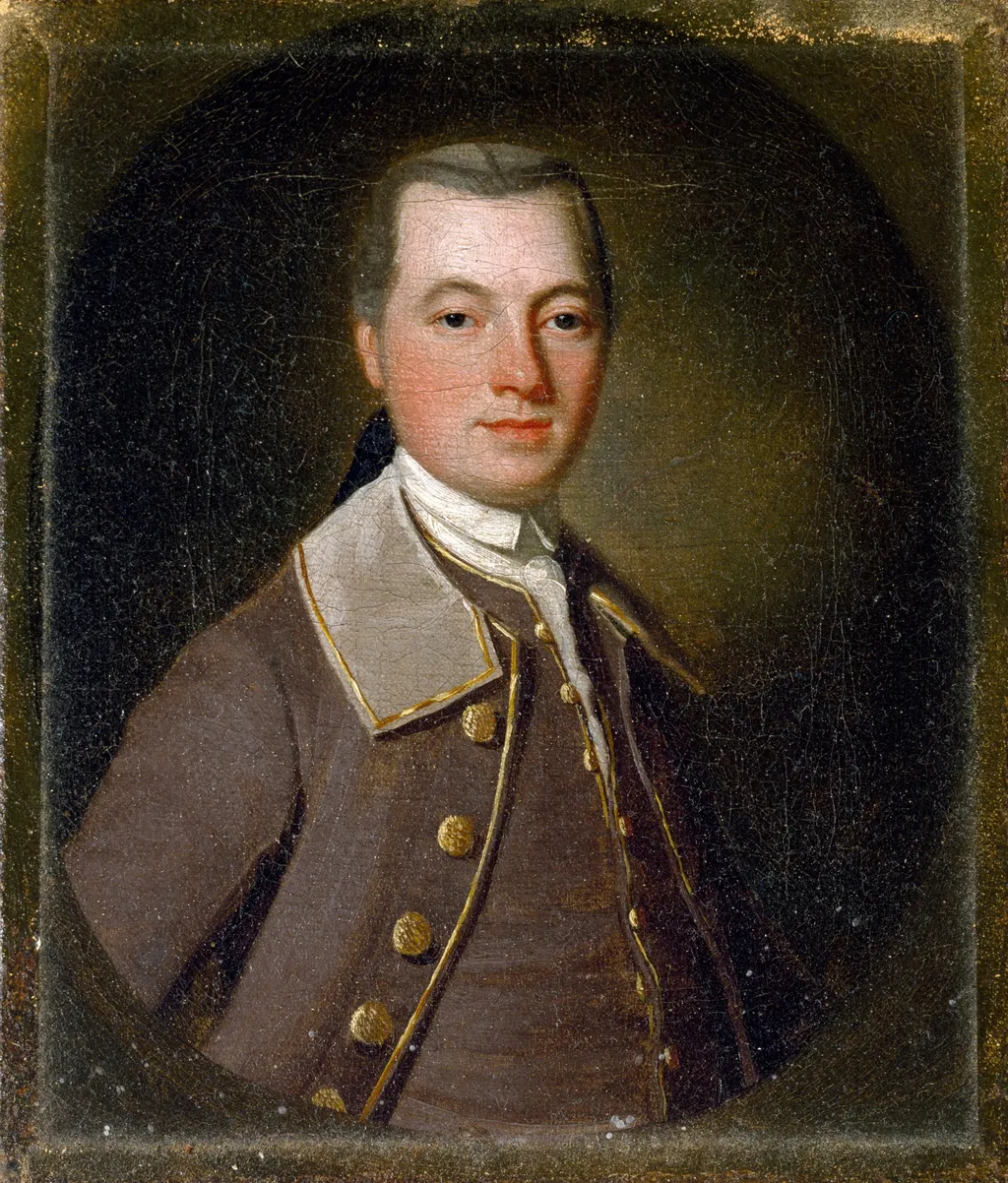
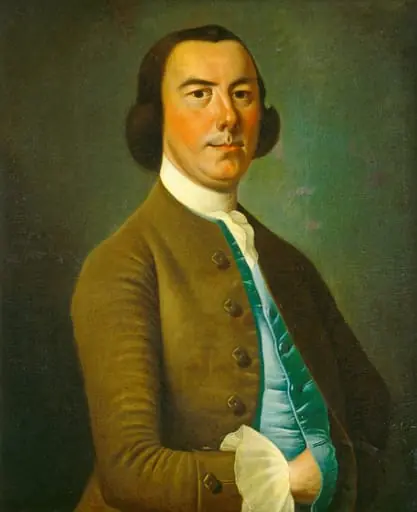
William Watson is an oil painting by the Neoclassicist artist George Romney. It dates from 1778 and is held in the collection of the Museum of Fine Arts, Houston.
About this work
The painting's style suggests it may be from the 18th century, given the subject's clothing and the artist's technique.
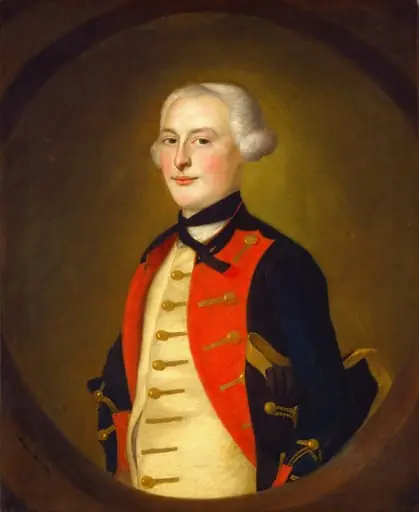
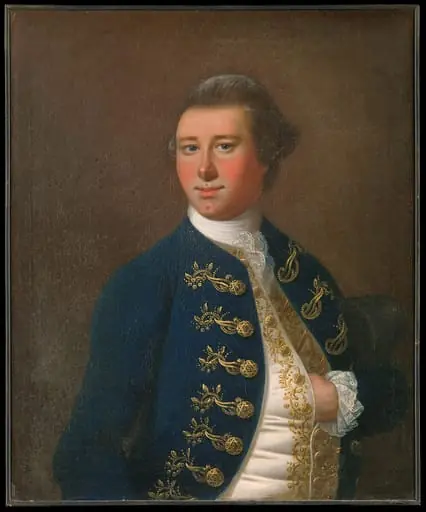
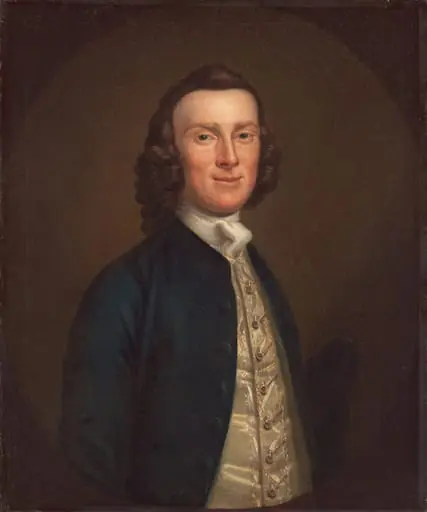
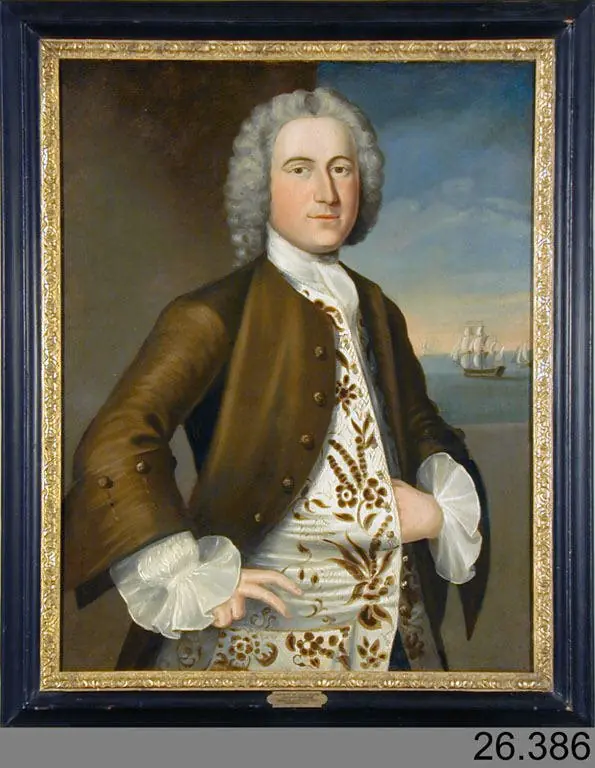
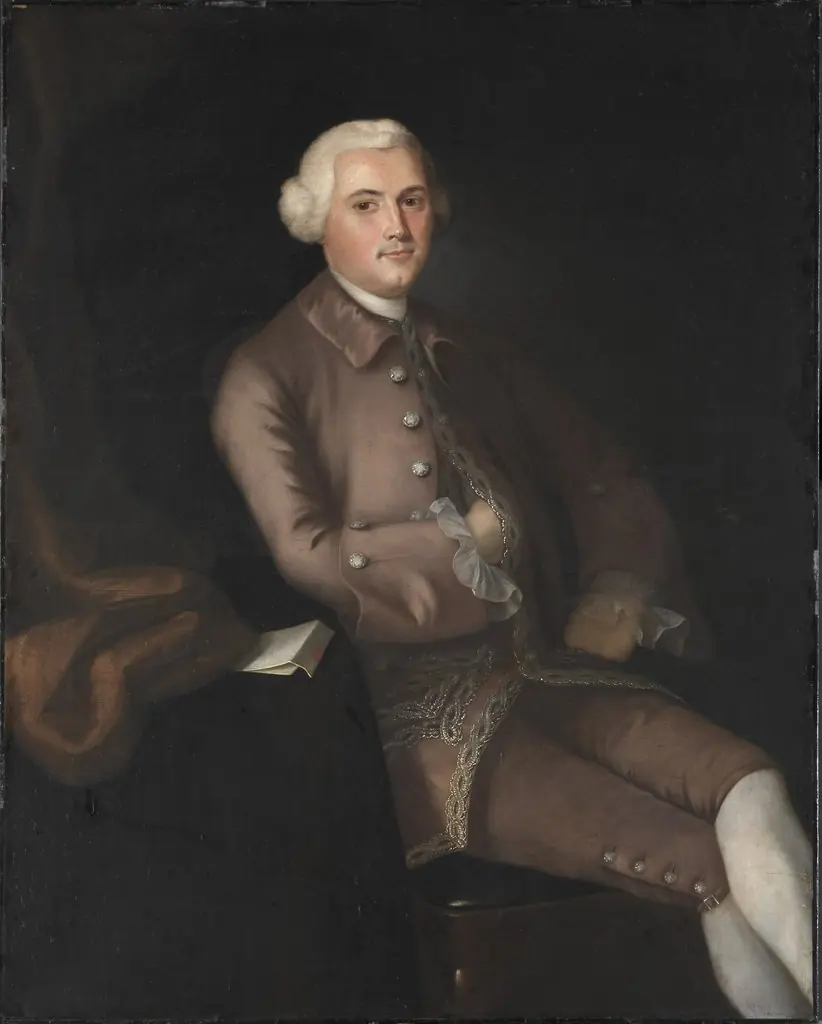
This portrait shows a man dressed in 18th-century attire, with a brown coat featuring gold buttons and a white collar. The background is dark, with a lighter area behind the subject's head.
The painting's style suggests it may be from the 18th century, given the subject's clothing and the artist's technique. The use of oil paint and the attention to detail in the subject's face and clothing are notable.
If you're interested in learning more about the artist behind this piece, you might want to look up George Romney.
Overview
George Romney’s oil portrait of William Watson, executed circa 1778, presents a gentleman in formal eighteenth‑century dress. The sitter is shown against a subdued backdrop that brightens behind his head, emphasizing his features. The work exemplifies the restrained elegance typical of Romney’s high‑society commissions and is presently part of the Museum of Fine Arts, Houston’s collection.
Subject & Meaning
The painting portrays William Watson, a man attired in a brown coat trimmed with gilt buttons and a crisp white collar, indicative of genteel status in the late 1700s. The composition focuses on his composed expression and dignified bearing, reflecting the period’s ideals of personal virtue and social standing conveyed through portraiture.
Technique & Style
Romney employs oil on canvas with meticulous brushwork that renders the textures of fabric and flesh with clarity. The palette is restrained, favoring earth tones and subtle highlights, while the chiaroscuro of the dark background against the illuminated head creates a sense of depth. The overall effect aligns with neoclassical principles of order and restraint in portraiture.
History & Provenance
Created near the end of the 1770s, the portrait entered the Museum of Fine Arts, Houston, through acquisition (date of purchase not specified). Its provenance traces back to the artist’s studio, where Romney produced numerous likenesses of prominent figures, underscoring his reputation as a leading portraitist of his era.
Context
Romney’s career flourished during a time when English portraiture was shifting toward neoclassical aesthetics, emphasizing clarity, balanced composition, and moral seriousness. This work reflects those trends while also catering to the tastes of affluent patrons who sought to affirm their social position through refined visual representation.
Artist & collection
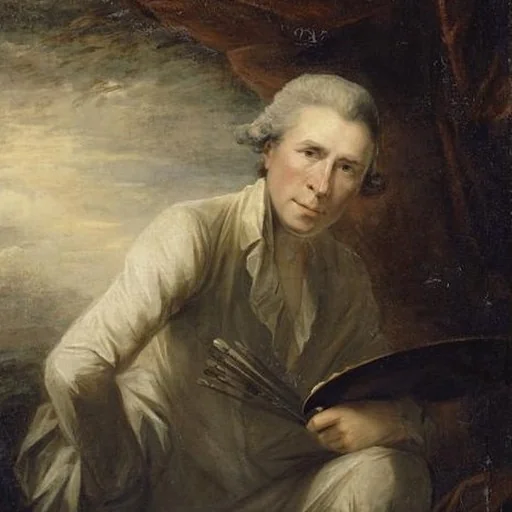
Artist
George Romney (26 December 1734 – 15 November 1802) was an English painter. He was the most fashionable artist of his day, painting many leading society figures – including his artistic muse, Emma Hamilton, mistress of Lord Nelson.

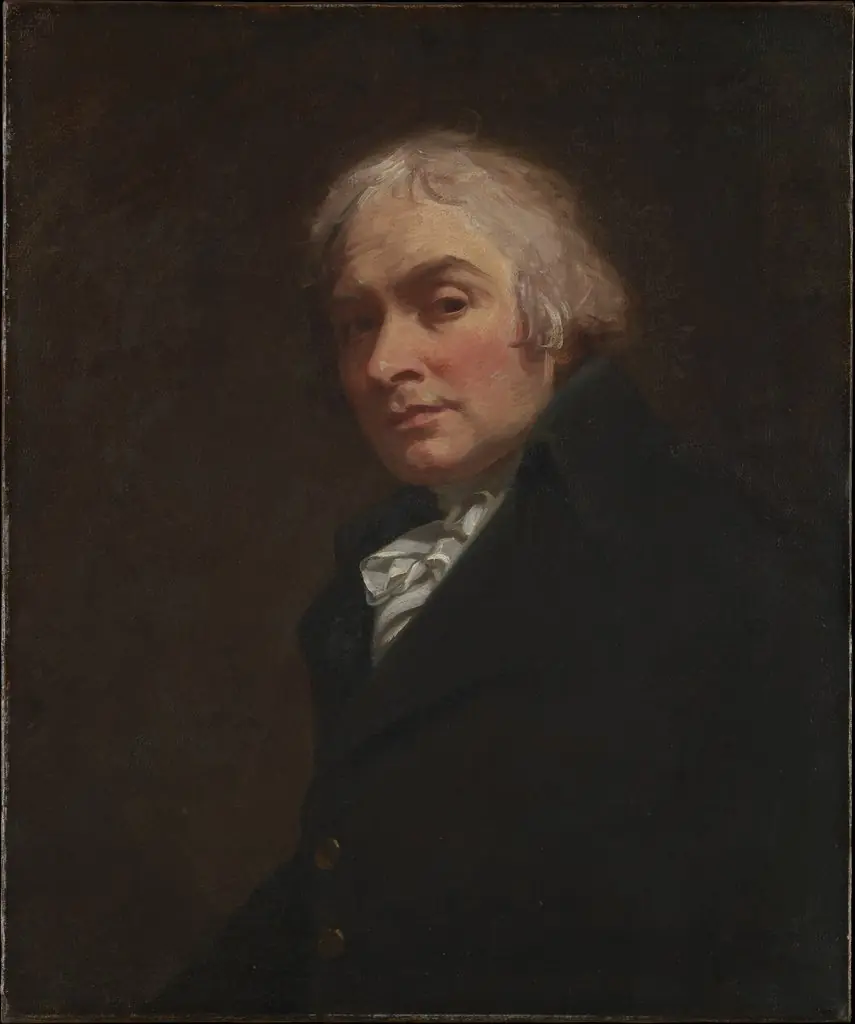 Self-Portrait
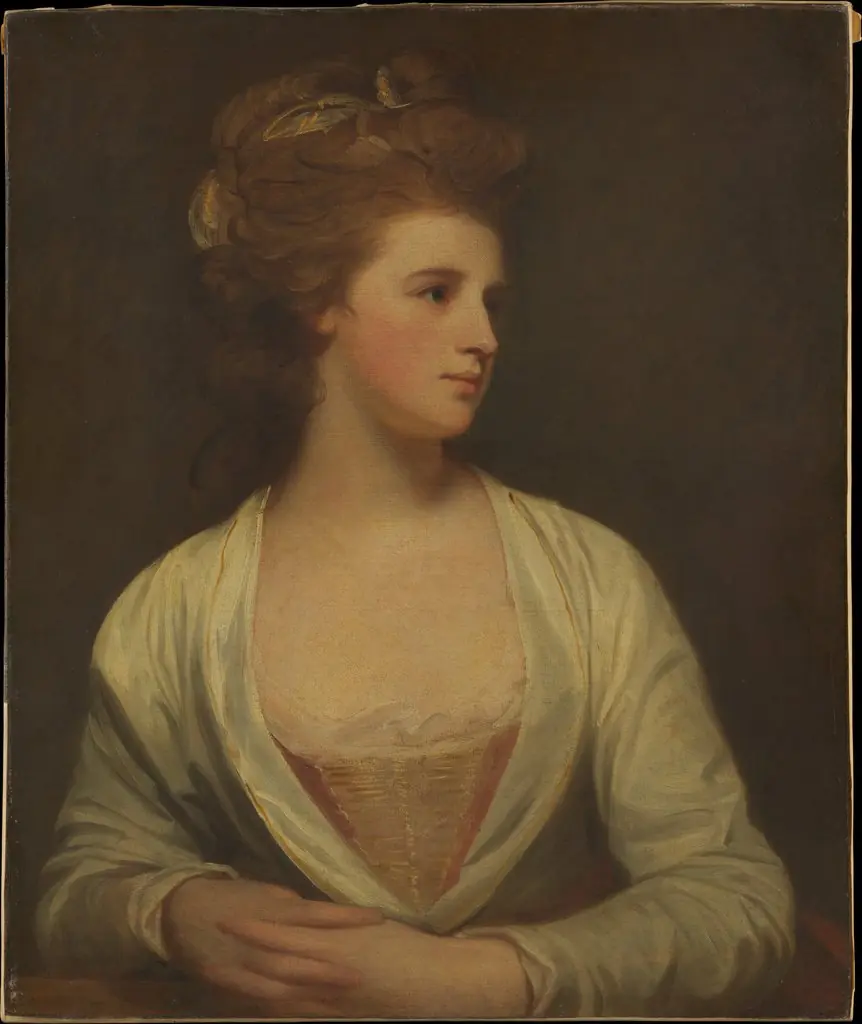 Portrait of a Woman, Said to Be Emily Bertie Pott (died 1782)
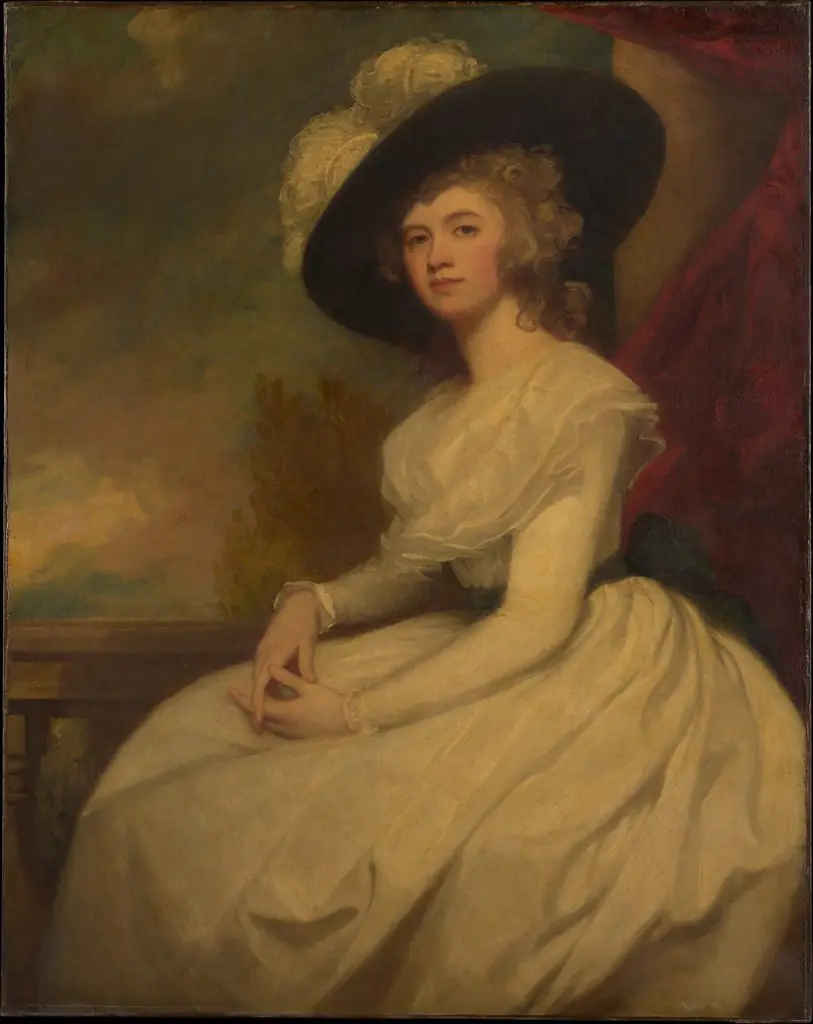 Mrs. Bryan Cooke (Frances Puleston, 1765–1818)
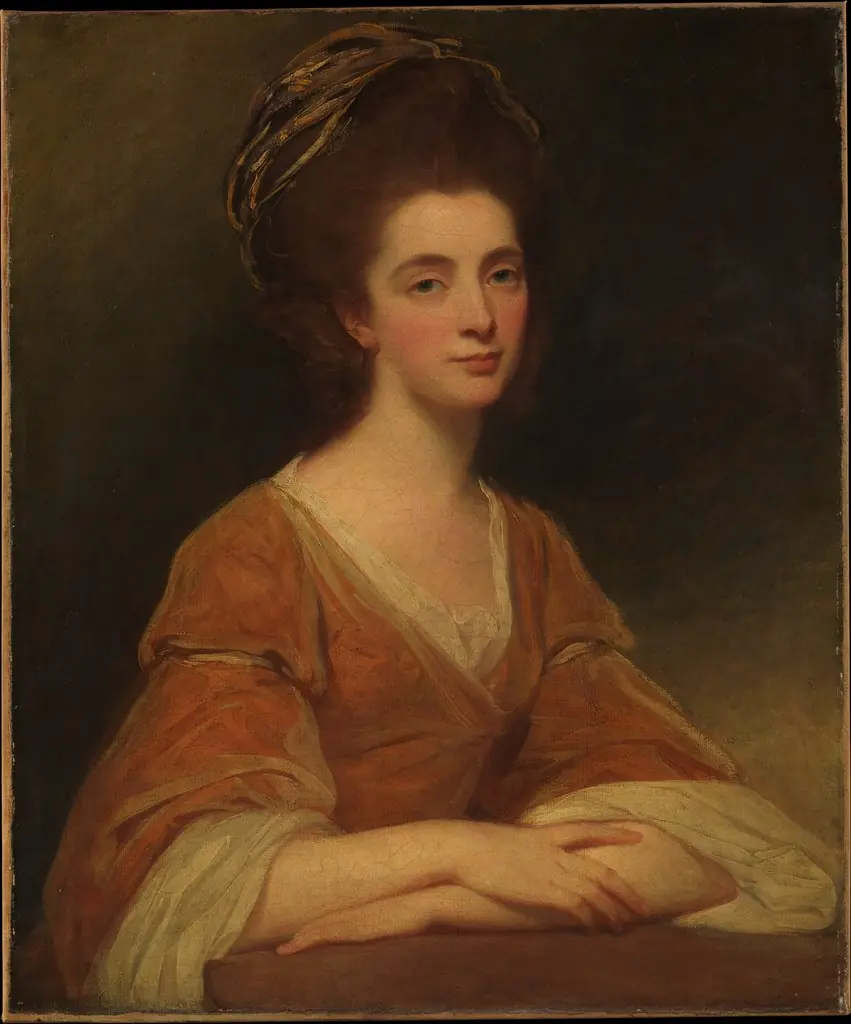 Mrs. Charles Frederick (Martha Rigden, died 1794)
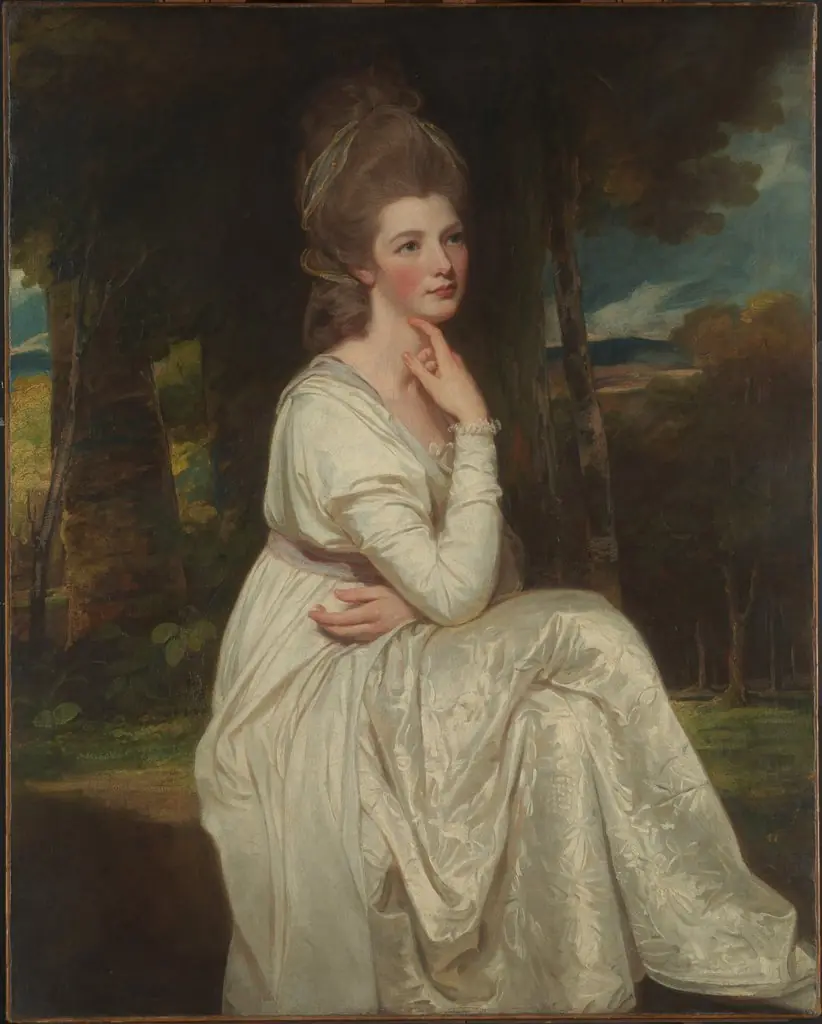 Lady Elizabeth Hamilton (1753–1797), Countess of Derby
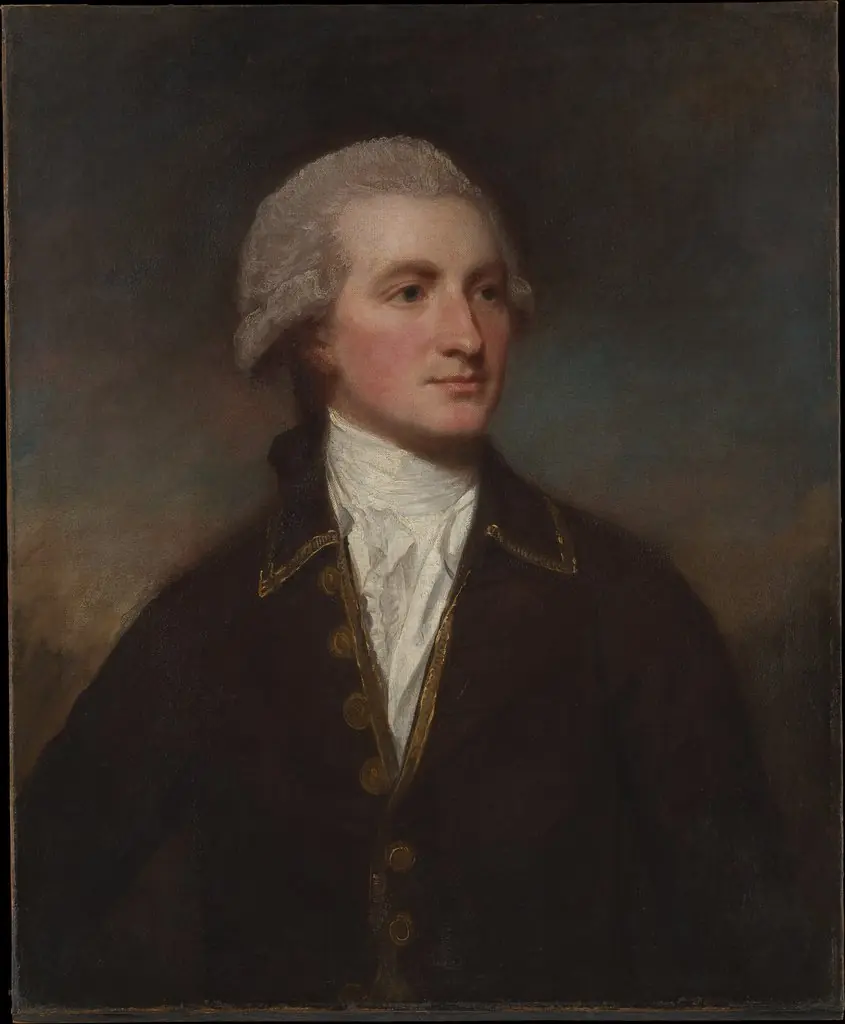 Portrait of a Man
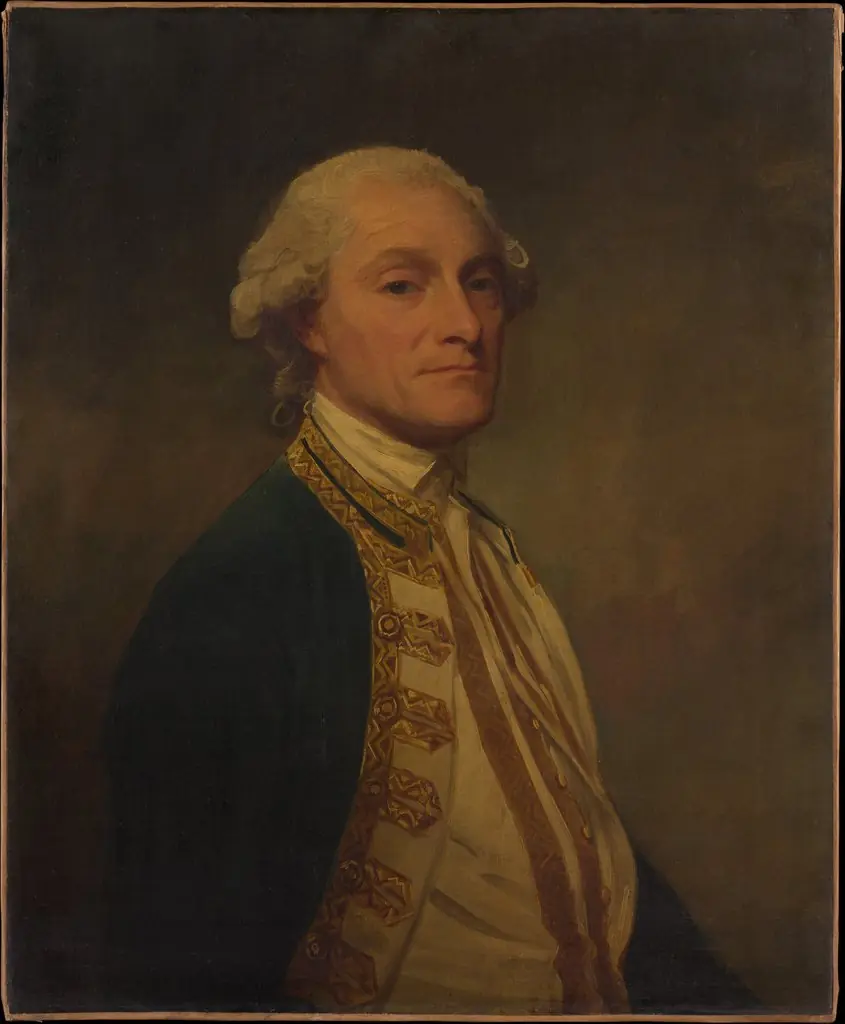 Admiral Sir Chaloner Ogle (1726–1816)
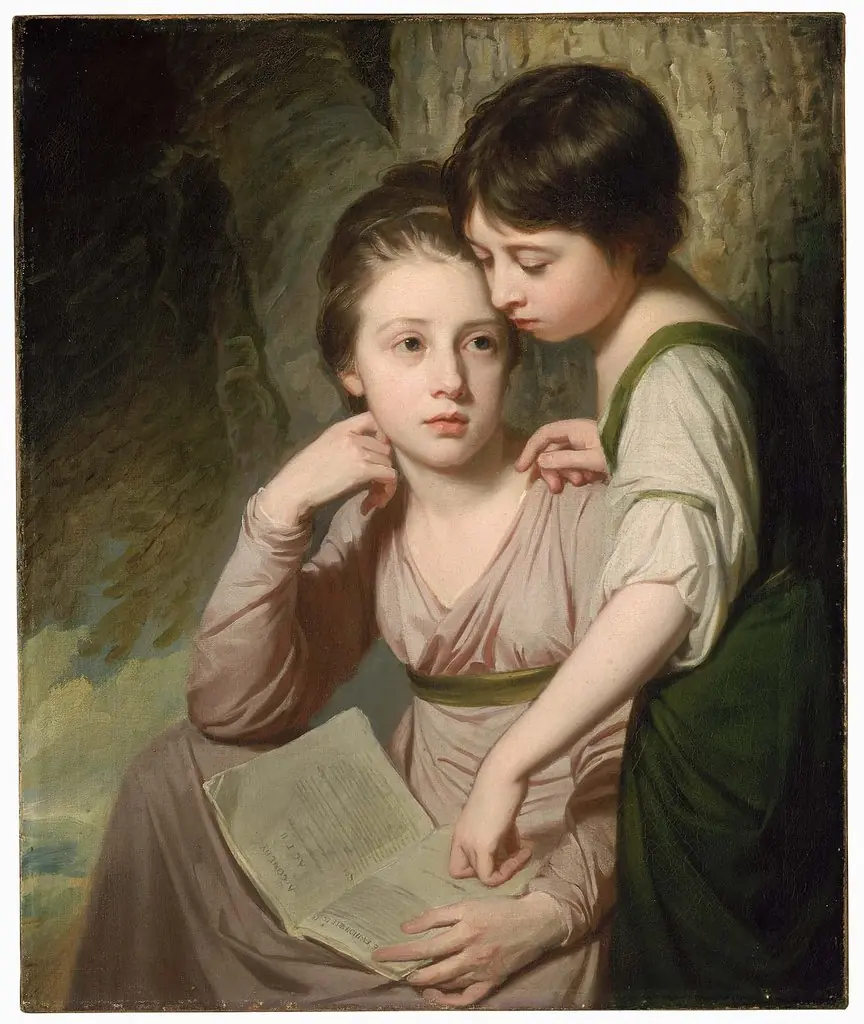 Portrait of Two Girls (Misses Cumberland)