Artwork
William Wragg
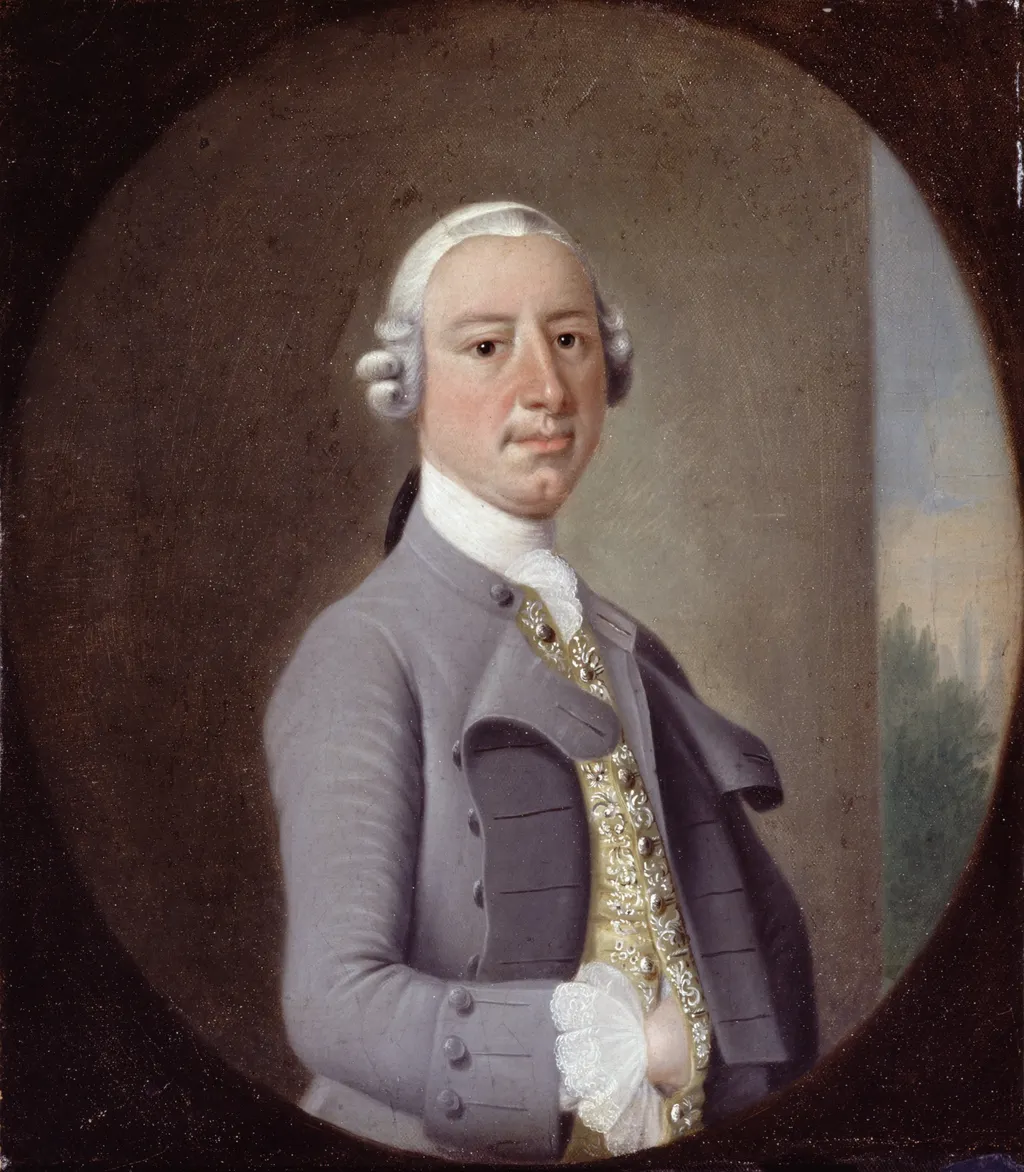
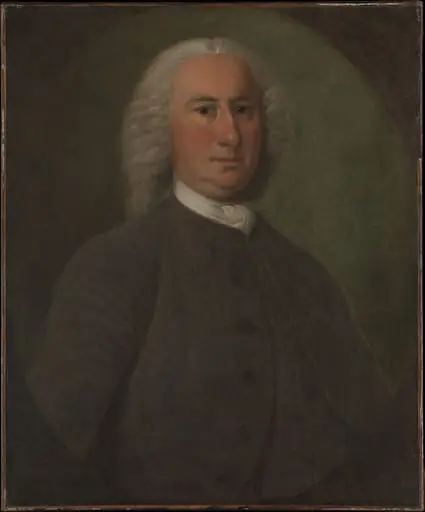
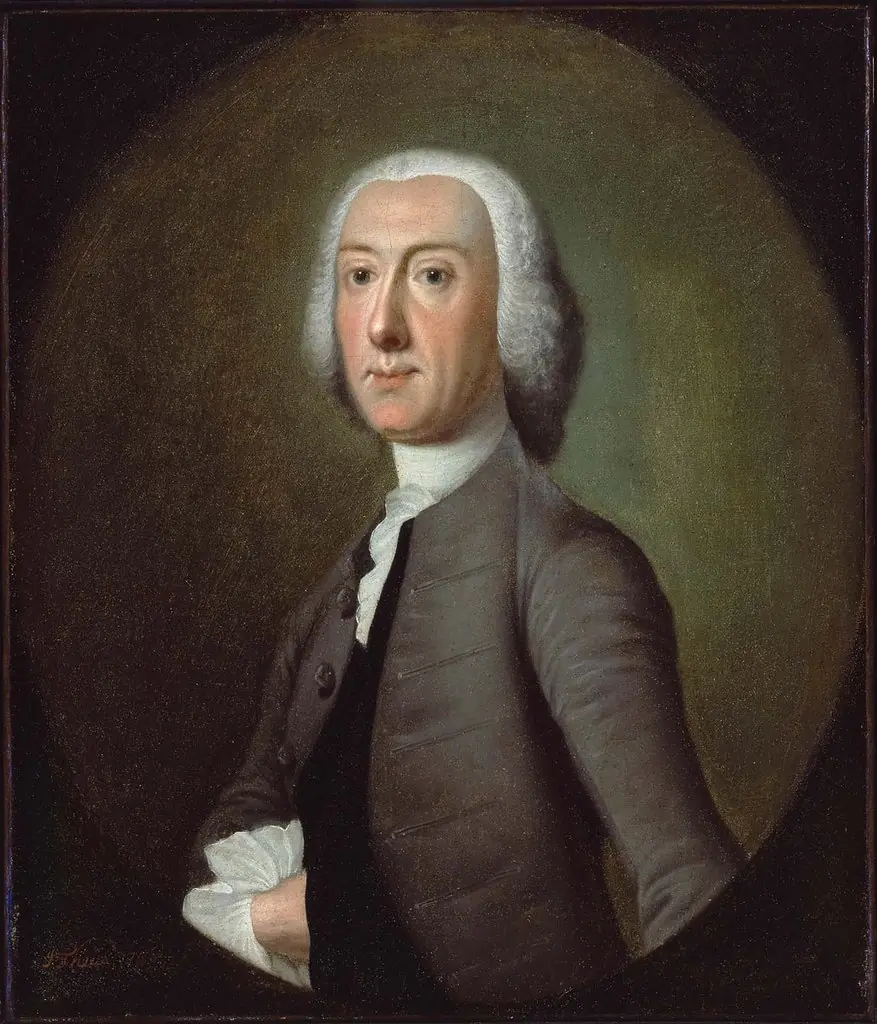
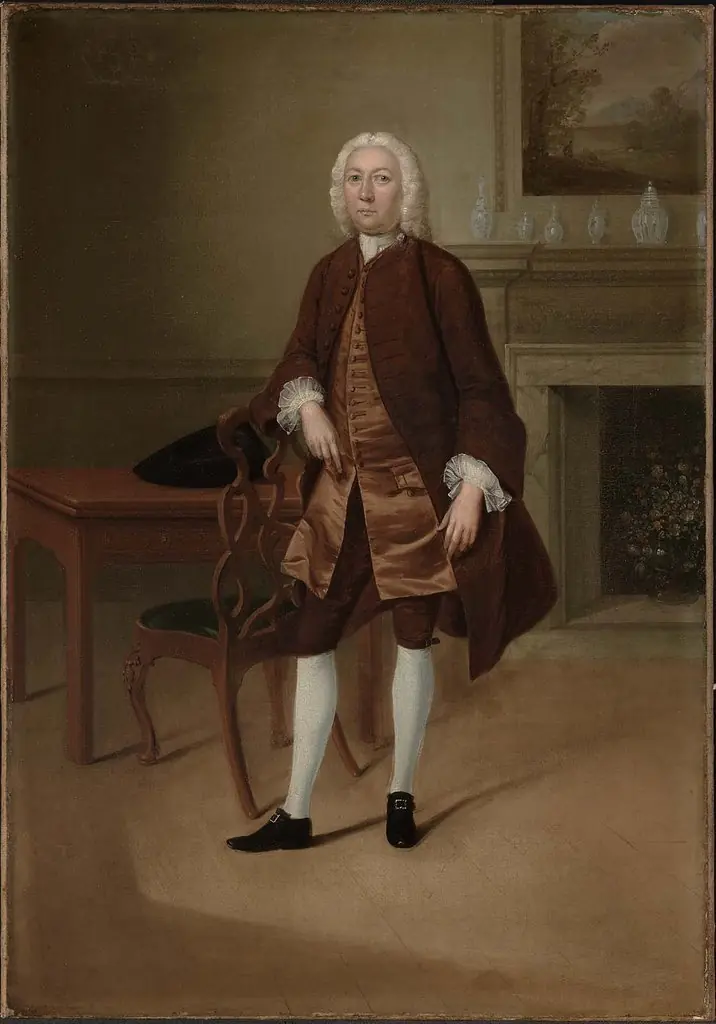
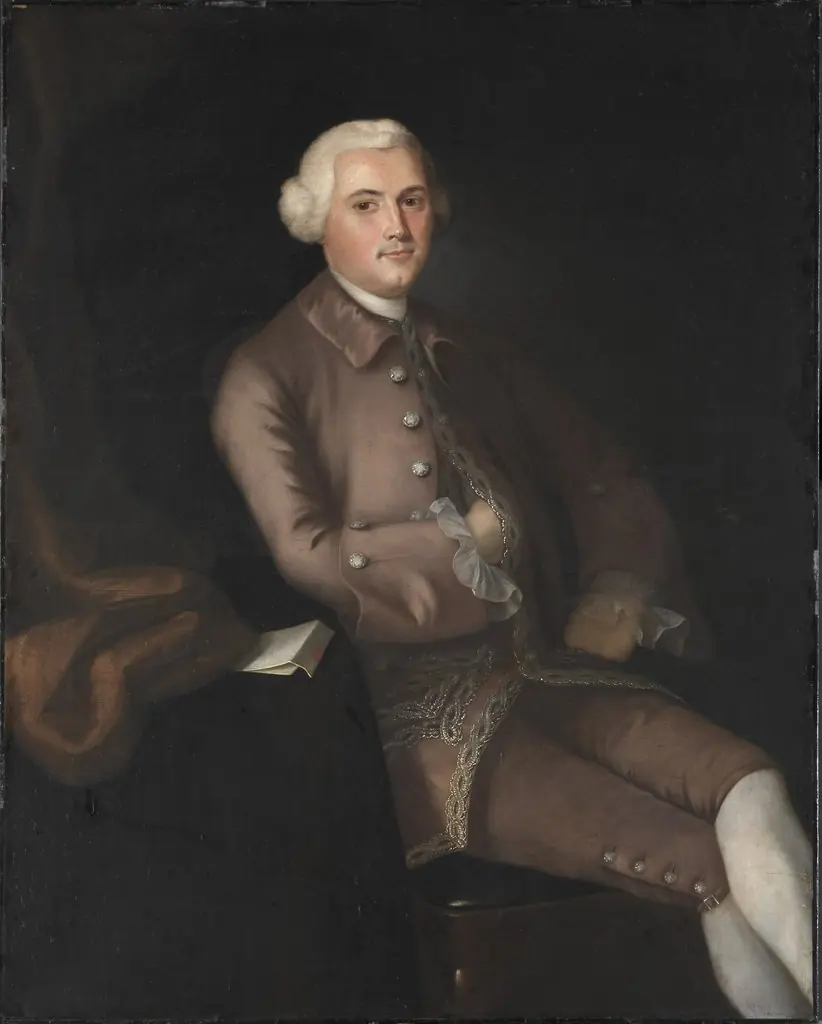
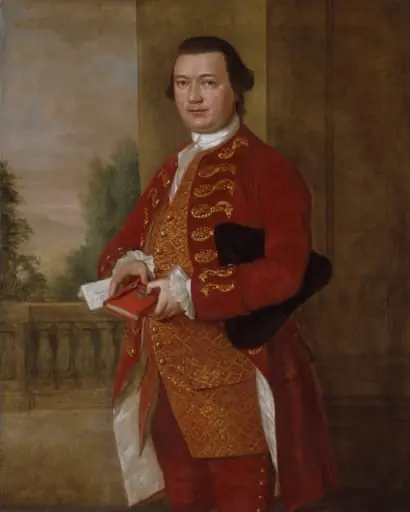
William Wragg is an oil painting by the Rococo painting artist Jeremiah Theus. It dates from 1750 and is held in the collection of the Detroit Institute of Arts.
About this work
If you're interested in learning more about this style of portraiture, you might want to explore the work of Jeremiah Theus, the artist who created this piece.
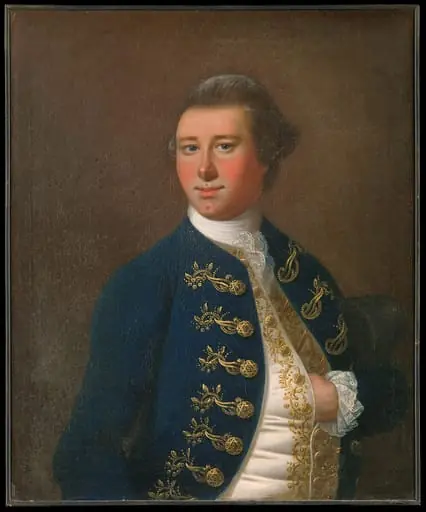
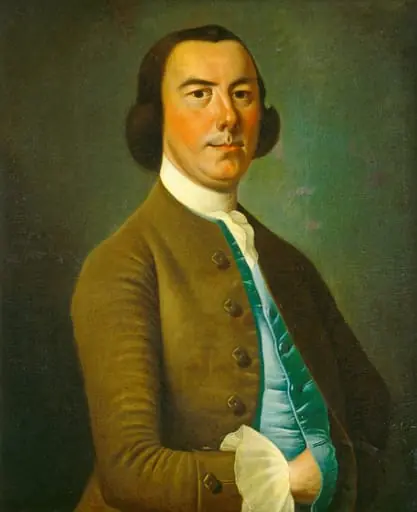
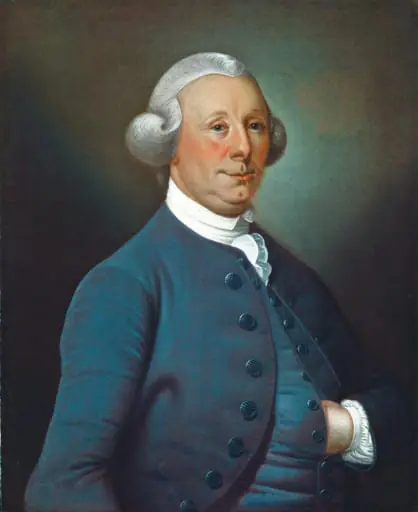
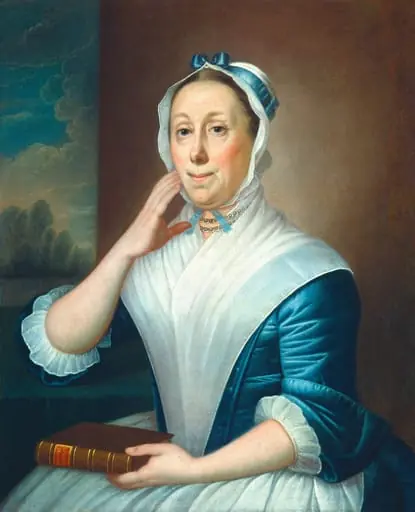
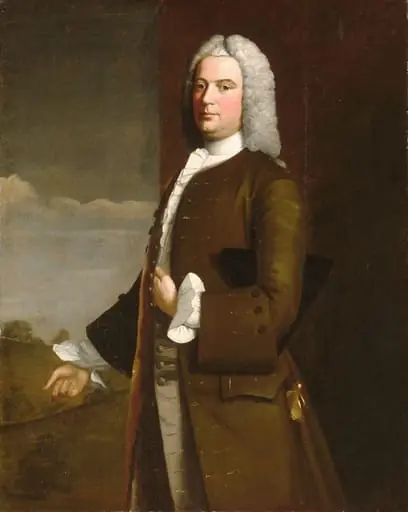
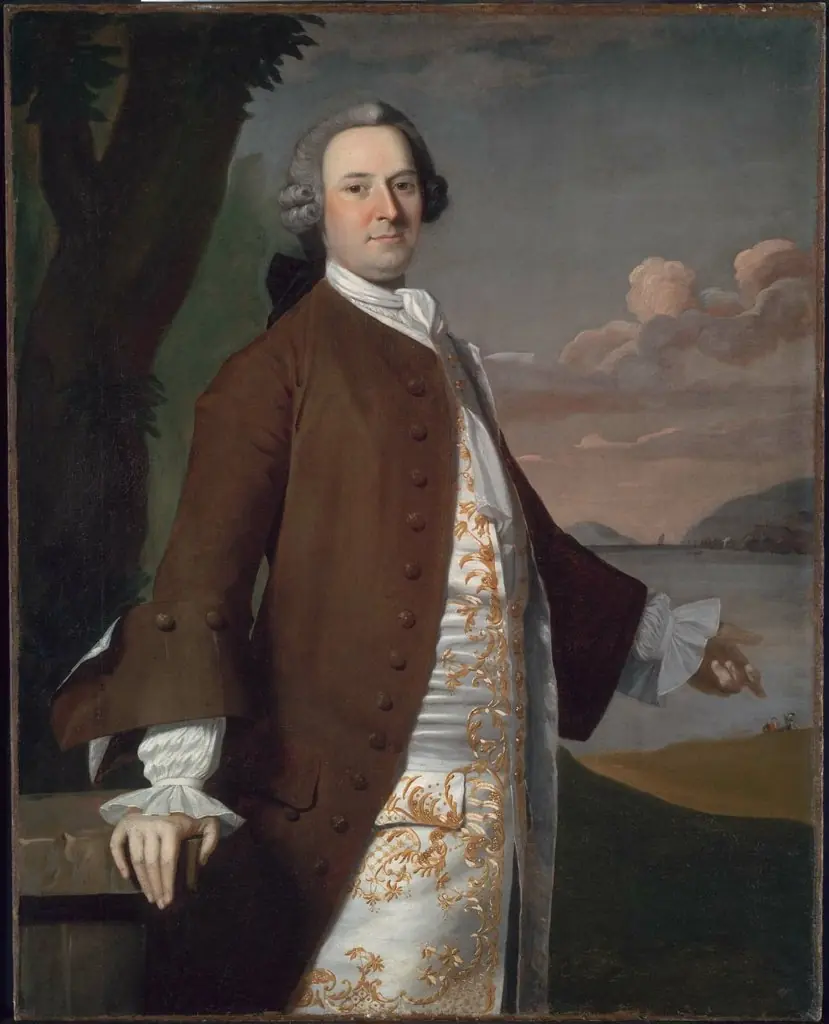
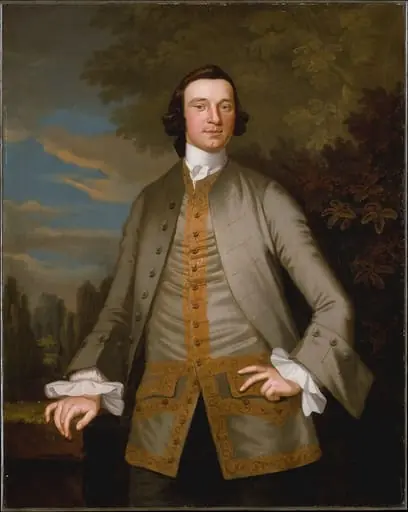
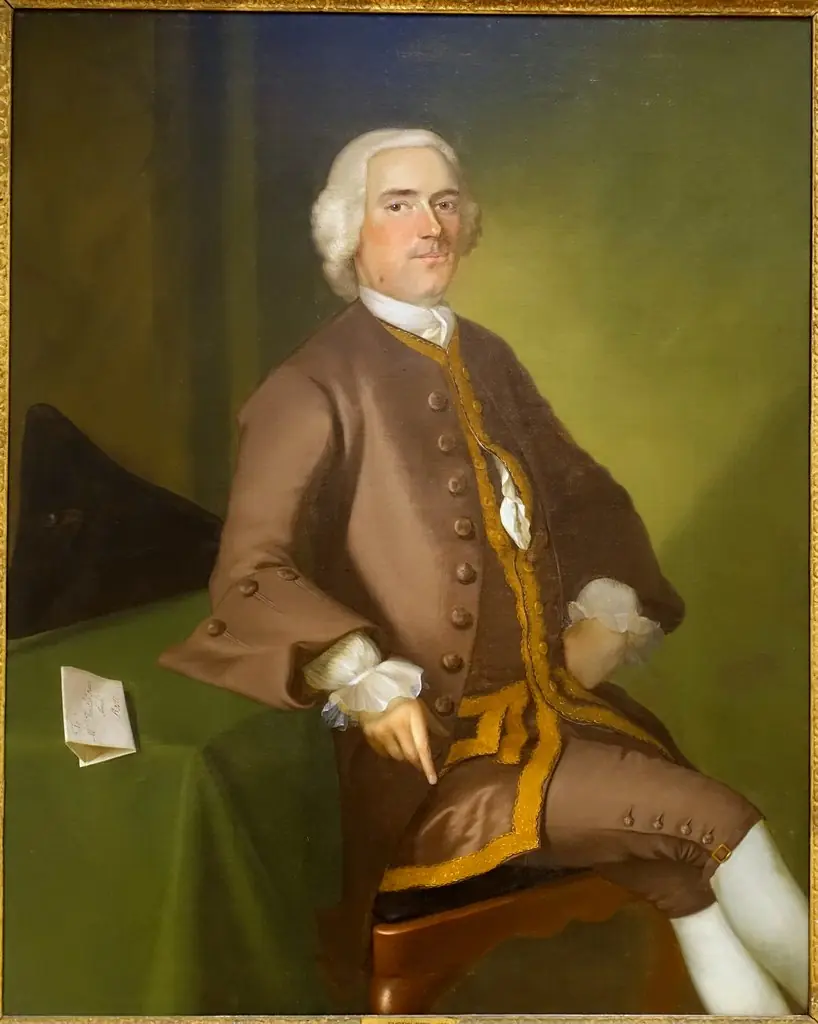
This painting is a portrait of a man with white hair, wearing a gray jacket over a gold vest and white shirt. The background is a plain wall with a small section of a landscape visible on the right side.
The man's attire and hairstyle suggest that the painting was created in the 18th century. The artist's use of oil paint and attention to detail in the subject's clothing and accessories are notable.
If you're interested in learning more about this style of portraiture, you might want to explore the work of Jeremiah Theus, the artist who created this piece.
Overview
Created circa 1750 by the Swiss‑born American artist Jeremiah Theus, this oil portrait presents a gentleman named William Wragg. Rendered in a light, decorative manner typical of mid‑eighteenth‑century rococo portraiture, the work now belongs to the Detroit Institute of Arts. The composition is straightforward, focusing on the sitter against a muted wall with a glimpse of landscape at the right.
Subject & Meaning
William Wragg is shown as a mature man with white hair, dressed in a gray coat over a gold‑toned vest and a crisp white shirt. The attire and dignified pose reflect the social standing of a colonial American figure, while the restrained background directs attention to his personal attributes and status within the community.
Technique & Style
Theus employed oil on canvas to achieve a smooth finish and subtle modeling of flesh and fabric. Fine brushwork captures the texture of the velvet vest and the sheen of the coat, while delicate highlights convey the sheen of hair and skin. The palette of muted grays and warm golds aligns with the rococo’s preference for elegance and lightness.
History & Provenance
After its creation in Charleston, South Carolina, the portrait entered private collections before being acquired by the Detroit Institute of Arts, where it remains on view. Its provenance traces the movement of colonial American art into major museum holdings, illustrating the broader interest in early American portraiture.
Context
The painting belongs to a period when portraiture served both as a record of individual identity and as a display of wealth in the American colonies. Theus, active primarily in Charleston, catered to a clientele seeking European‑influenced styles, integrating rococo decorative elements into the visual language of colonial society.
Artist & collection

Artist
Jeremiah Theus (né Theüs; April 5, 1716 – May 17, 1774) was a Swiss-born American painter, primarily of portraits.