Artwork
Mary Augusta Riddell, later Mrs Cunliffe (1823 - 1879)
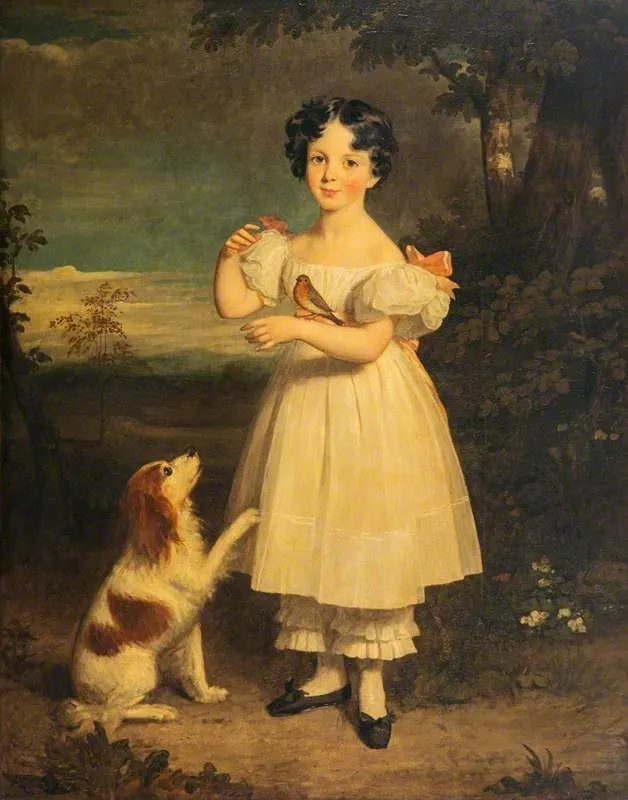
Mary Augusta Riddell, later Mrs Cunliffe (1823 - 1879) is an oil painting by George Watson. It dates from 1812 and is held in the collection of the National Galleries Scotland.
About this work
Overview
The composition balances the figure against a softly rendered landscape of trees, shrubbery and a cloud‑dotted sky, creating an atmosphere of quiet repose.
George Watson’s oil portrait of Mary Augusta Riddell, later known as Mrs. Cunliffe, presents a young woman in a tranquil garden setting. Dressed in a white gown with puffed sleeves and a cinched ribbon, she cradles a small bird while a dog sits attentively at her side. The composition balances the figure against a softly rendered landscape of trees, shrubbery and a cloud‑dotted sky, creating an atmosphere of quiet repose.
Subject & Meaning
The sitter, Mary Augusta Riddell (1823–1879), is portrayed at a youthful age, suggesting themes of innocence and domestic harmony. The inclusion of a bird and a dog may symbolize affection, fidelity, and the gentle virtues associated with genteel femininity in the early nineteenth century, reinforcing the portrait’s role as both personal record and moral illustration.
Technique & Style
Watson employs a refined, academic approach typical of early‑19th‑century Scottish portraiture. The oil medium allows for delicate modeling of flesh tones and the luminous quality of the white dress, while the brushwork in the background remains looser, suggesting foliage and sky without distracting from the central figure. Light falls softly across the scene, highlighting textures such as the satin of the gown and the fur of the dog.
History & Provenance
Created around 1812, the painting entered the collection of the Scottish National Gallery, where it remains on display. Its attribution to Watson, the first president of the Royal Scottish Academy, underscores the work’s significance within the institution’s early holdings and reflects the artist’s reputation for commissioned portraiture among Scotland’s middle and upper classes.
Context
The portrait exemplifies the conventions of commissioned family portraiture in early nineteenth‑century Scotland, where sitters were often placed in idealized natural settings to convey refinement and moral virtue. Watson’s practice aligned with the Royal Scottish Academy’s emphasis on academic training and the promotion of a distinctly Scottish artistic identity during a period of burgeoning national cultural confidence.
Artist & collection
Artist
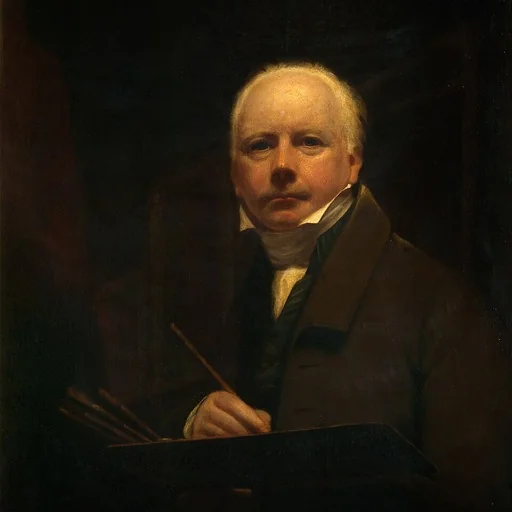
George Watson (20 October 1766 – 24 August 1837) was a Scottish portrait painter and the first president of the Royal Scottish Academy.

 Mary MacKay Caird, later Mrs James Glen (1847 - 1940)
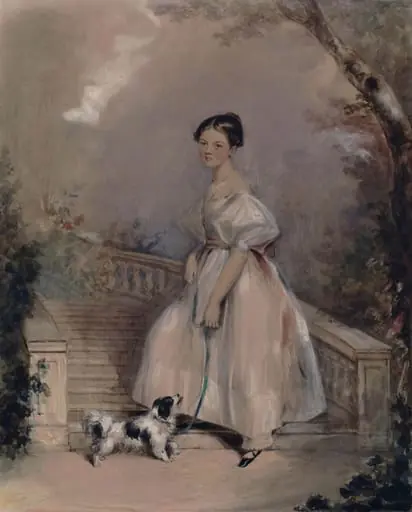 Young Girl with a Dog on the Terrace
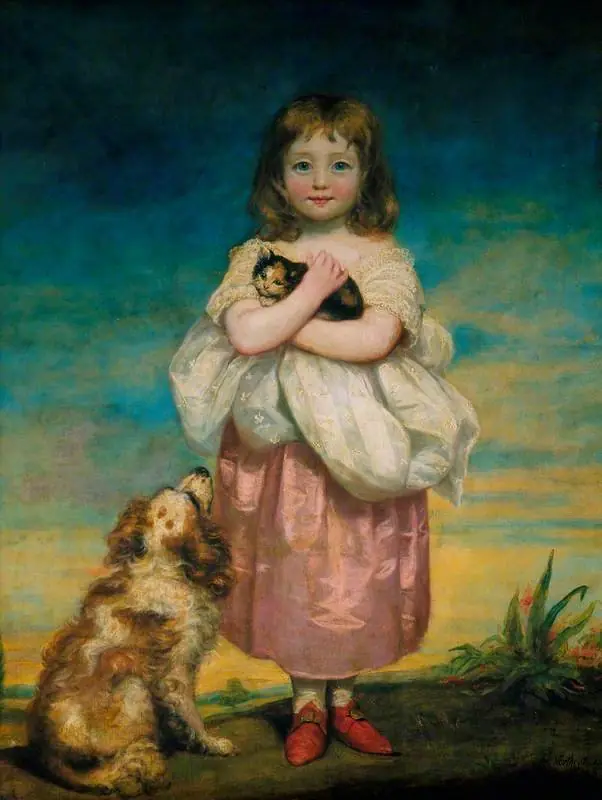 A Little Girl Nursing a Kitten
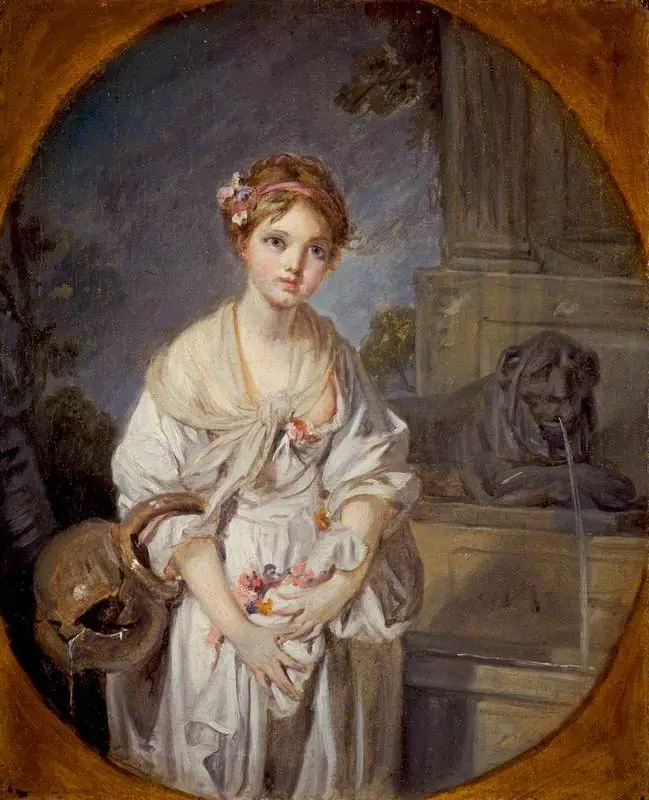 The Broken Pitcher
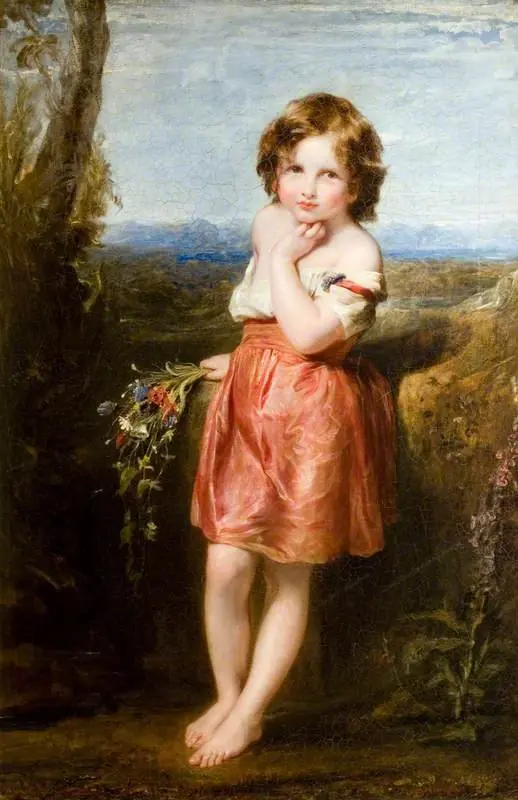 The Little Roamer
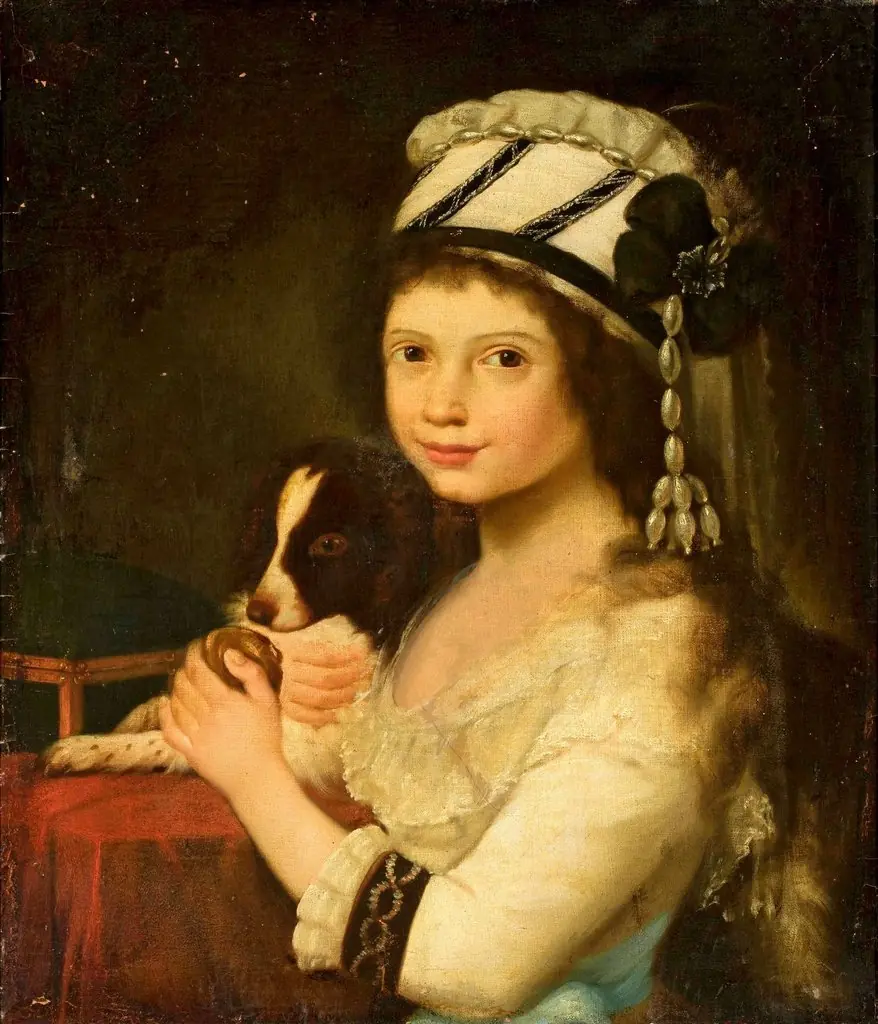 Girl with a dog
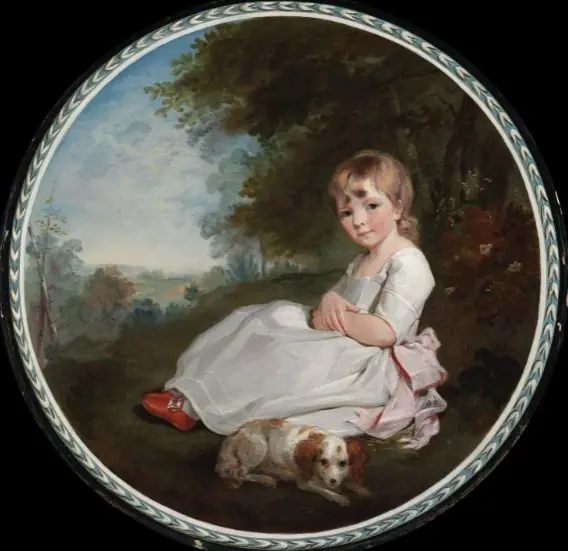 Child with a Dog
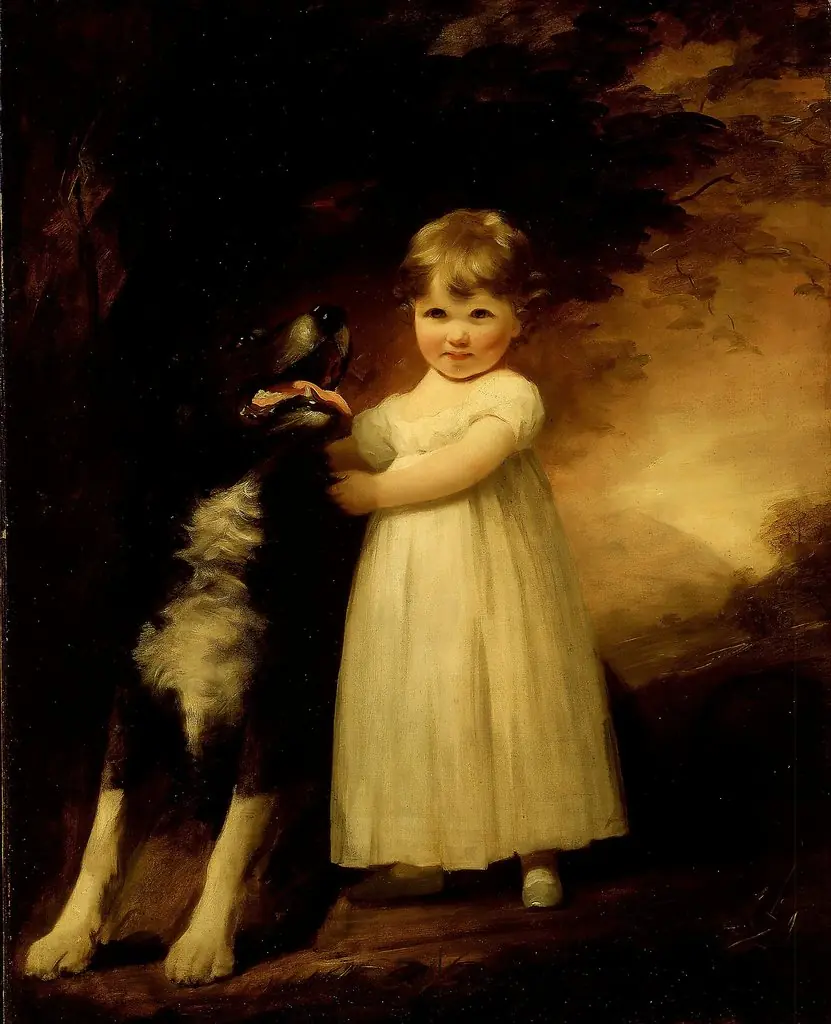 Eleanor Margaret Gibson-Carmichael
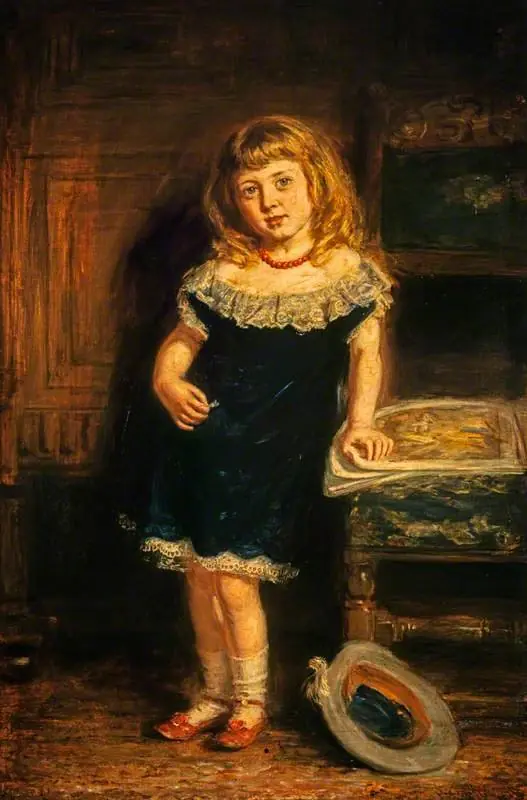 Molly (Mary Gavin, 1870 - 1942)
 Mary Wright, the Carpenter's Daughter
 Portrait of a Child Holding a Cat