Artwork
Der Alchemist
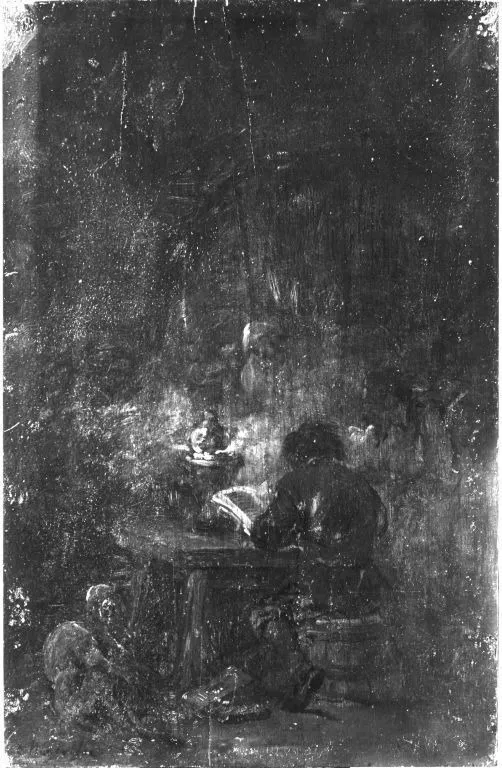
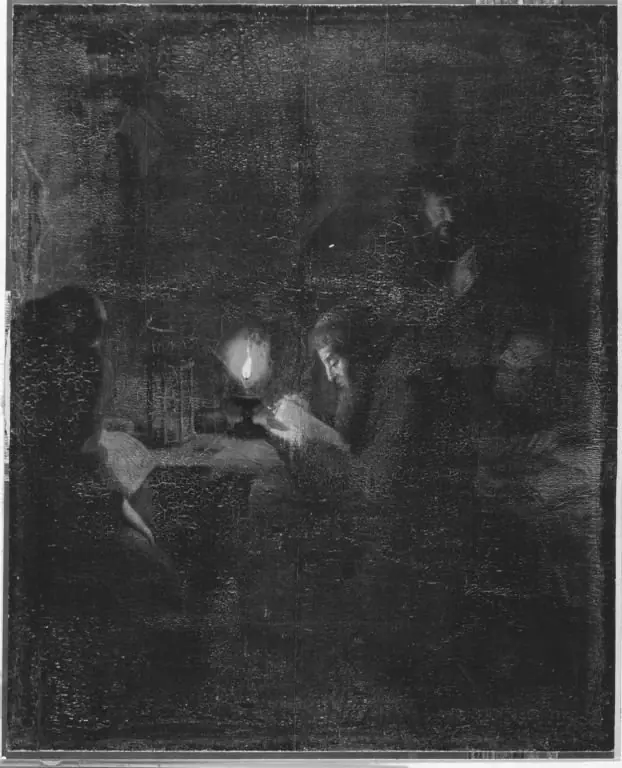
Der Alchemist is an unspecified painting by the Rococo painting artist Georges-Frédéric Meyer. It dates from 1757 and is held in the collection of the Bavarian State Painting Collections.
About this work
Overview
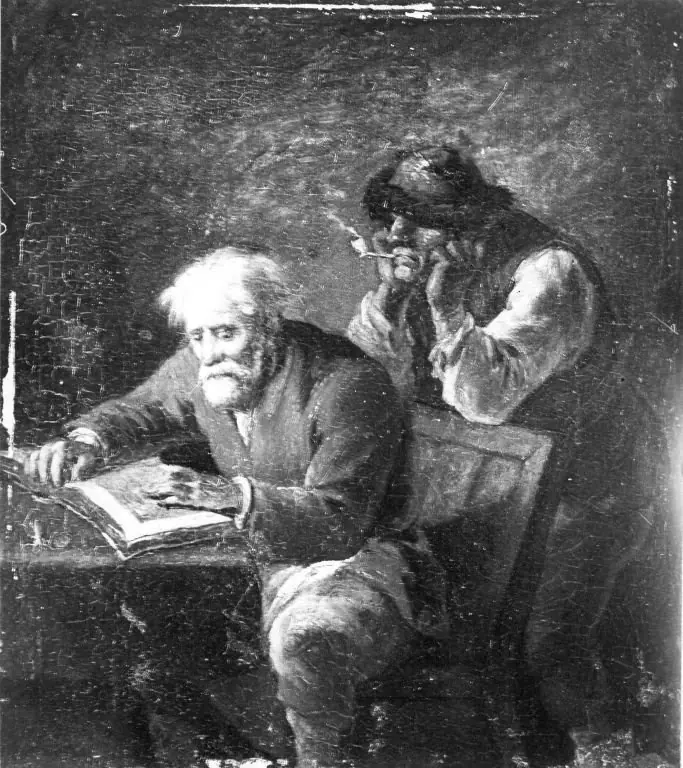
Painted in 1757 by Georges-Frédéric Meyer, this work depicts a solitary figure engaged in quiet study. Executed in oil on canvas, it belongs to a tradition of introspective portraiture common in 18th-century European art. The painting is part of the collection at the Alte Pinakothek in Munich, where it is displayed among other works from the same period.
Subject & Meaning
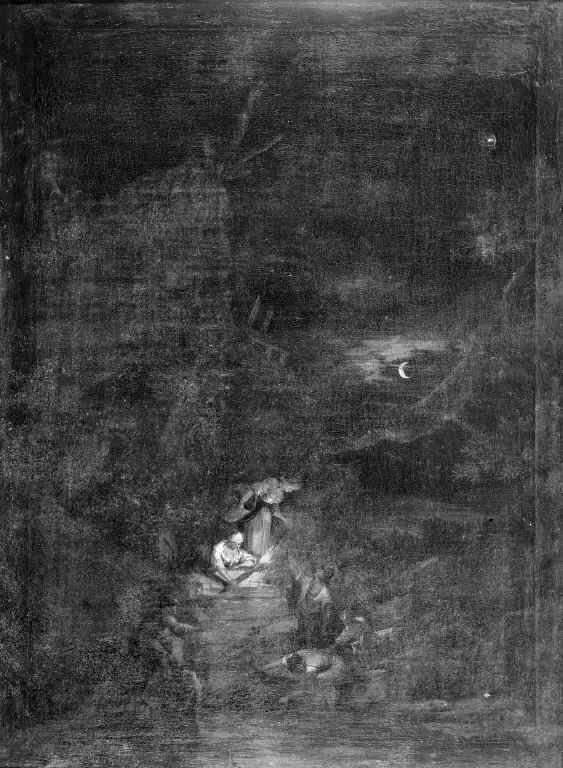
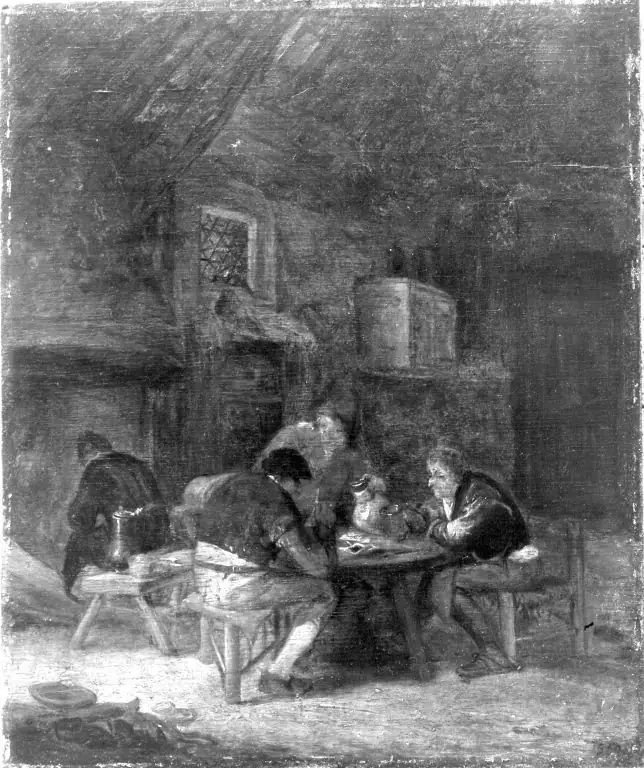
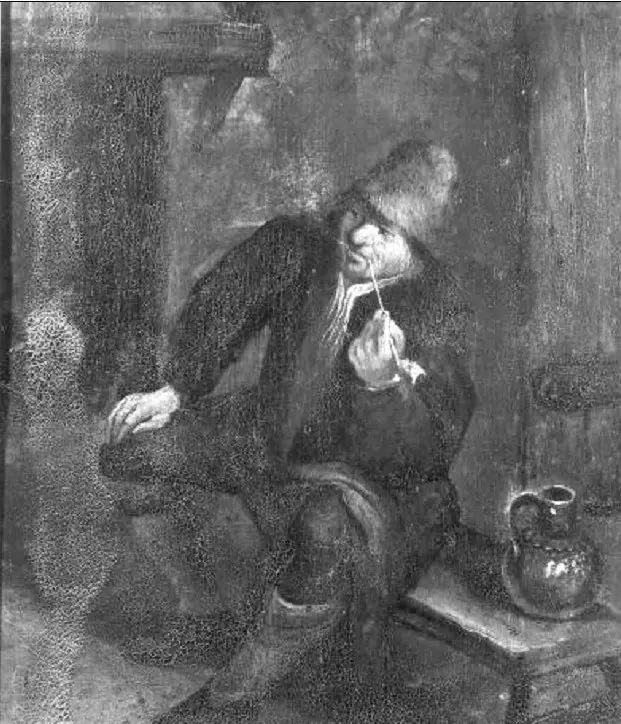
The figure, dressed in dark attire and seated before a desk, appears absorbed in reading. Though labeled 'The Alchemist,' the subject’s identity remains ambiguous; the title may suggest scholarly pursuit rather than literal occult practice. The focused gaze and dim lighting emphasize inner reflection, aligning the image with ideals of intellectual solitude rather than mystical ritual.
Technique & Style
Meyer employs a restrained palette dominated by deep browns and blacks, with a narrow band of light illuminating the book and the figure’s face. The contrast between shadow and illumination draws attention to the act of reading, creating a sense of intimacy. Brushwork is subtle, avoiding dramatic flourish, reinforcing the painting’s quiet, contemplative tone.
History & Provenance
The painting was completed in 1757 and entered the collection of the Alte Pinakothek at some point before the 20th century. Its early ownership is undocumented, but its presence in the museum suggests it was acquired as part of a broader effort to preserve German and Central European artistic output from the Enlightenment era.
Context
This work reflects a broader cultural interest in scholarly figures during the 18th century, when the boundaries between natural philosophy, alchemy, and early science were still fluid. While not a literal depiction of alchemical practice, the image resonates with contemporary ideals of intellectual pursuit, echoing similar themes in Dutch and German genre painting of the previous century.
Legacy
Though not widely reproduced or studied today, the painting exemplifies a quiet, psychologically nuanced approach to portraiture that persisted in regional European art beyond the grand narratives of the Baroque. Its subdued lighting and introspective subject anticipate later 19th-century realist tendencies, offering a modest but distinct contribution to the evolution of private, contemplative imagery.
Artist & collection