Artwork
The Kiss of Peace and Justice
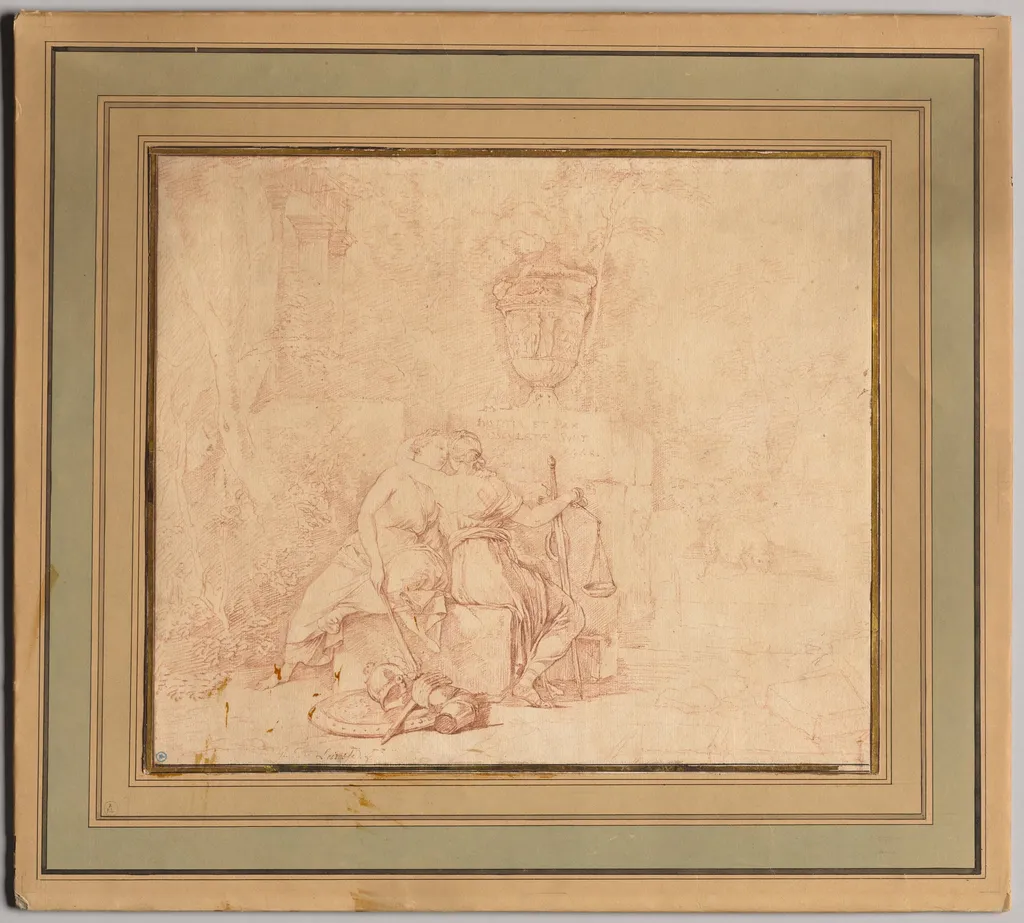
The Kiss of Peace and Justice is a drawing by the Baroque artist Gerard de Lairesse. It dates from 1654 and is held in the collection of the Cleveland Museum of Art.
About this work
Overview
Created in 1654 by Gerard de Lairesse, this drawing is a symbolic allegory rooted in classical tradition.
Created in 1654 by Gerard de Lairesse, this drawing is a symbolic allegory rooted in classical tradition. De Lairesse, a Dutch artist with broad intellectual interests, produced this work during a period when his reputation in the Netherlands was rising, following the death of Rembrandt. The piece is part of the Cleveland Museum of Art’s collection and exemplifies the era’s interest in moral and political ideals rendered through mythological forms.
Subject & Meaning
The drawing depicts two figures in a tender embrace: one holds a sword, symbolizing authority or defense, while the other cradles a scale, representing fairness and law. Together, they personify Peace and Justice, their union suggesting harmony between order and tranquility. The stone pedestal and urn reinforce the gravity of the theme, evoking ancient civic virtues and the enduring nature of just governance.
Technique & Style
De Lairesse employs fine, precise lines to render the drapery of classical robes and the rough texture of stone. The figures are composed with calm symmetry, reflecting French and Italian classical influences, particularly from Cesare Ripa’s iconographic manuals. The background, softly suggested with trees and architectural forms, frames the central figures without distraction, emphasizing their symbolic roles over narrative detail.
History & Provenance
The drawing was made in 1654, during de Lairesse’s early career, before his later prominence as an art theorist. It entered the Cleveland Museum of Art’s collection through documented acquisition, though its earlier provenance prior to the 20th century remains unclear. Its survival as a standalone work reflects its value as a study in allegorical composition rather than a preparatory sketch for a larger painting.
Context
In mid-17th century Dutch art, allegorical subjects were increasingly used to express civic ideals amid political stability and economic prosperity. De Lairesse’s work aligns with broader European trends that favored classical models over Dutch realism. His engagement with French and Italian sources distinguished him from contemporaries focused on everyday life, positioning him as a bridge between local traditions and continental humanism.
Legacy
Though de Lairesse is better known for his later theoretical writings, this drawing illustrates his early commitment to moral allegory as a visual language. It contributes to the understanding of how classical symbolism was adapted in the Dutch Republic to articulate values of governance and social order. The work remains a quiet but significant example of intellectual artistry in a period dominated by genre and portraiture.
Artist & collection
Artist
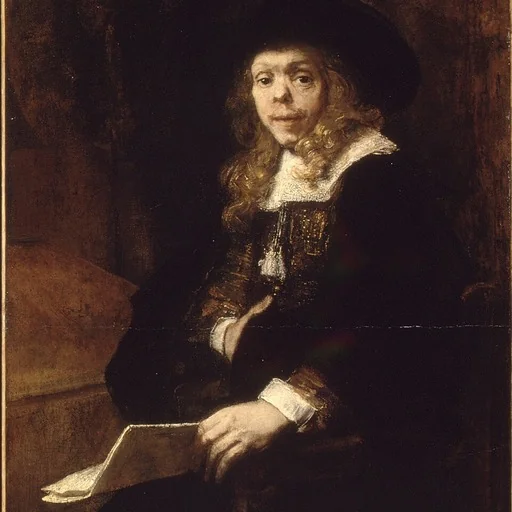
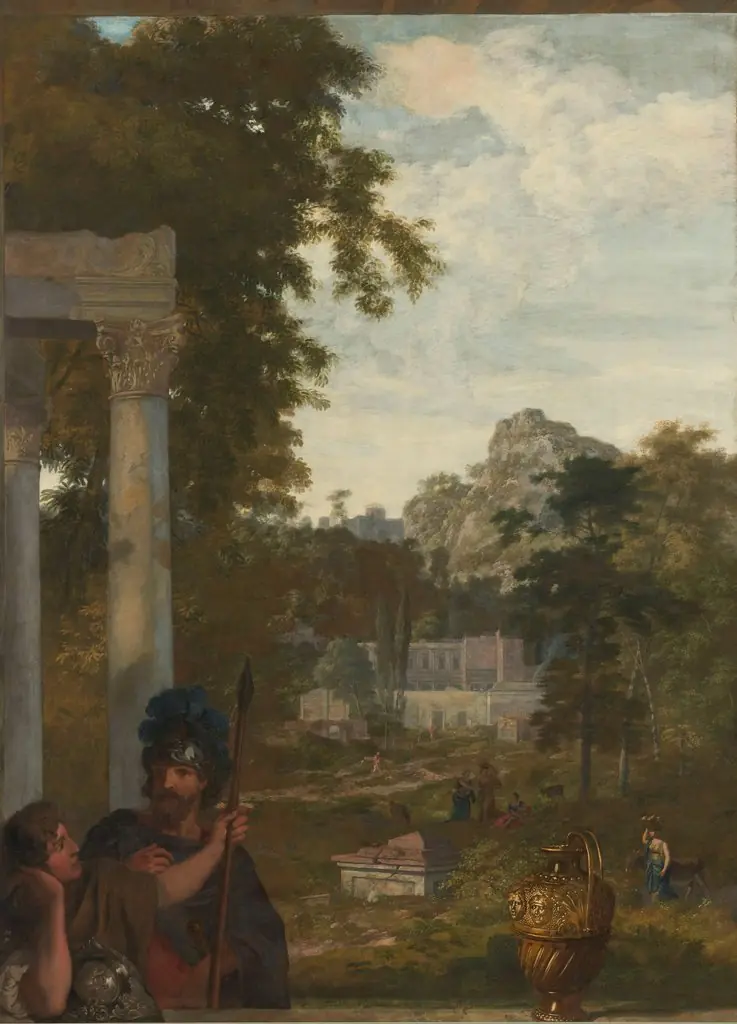
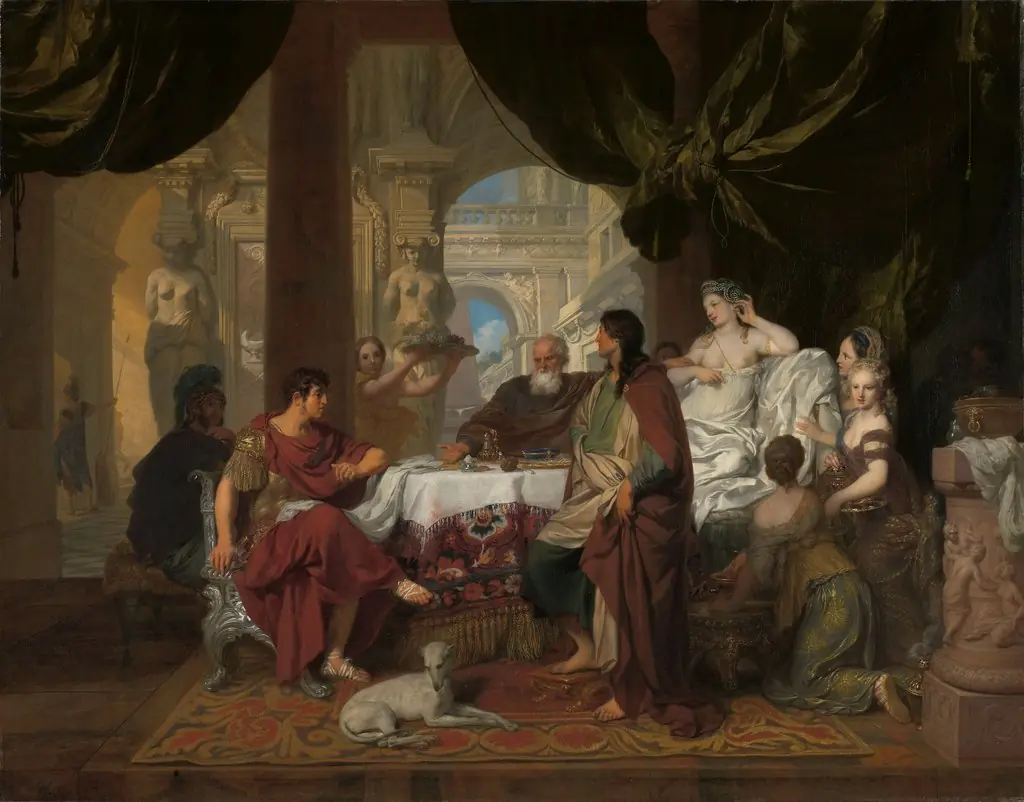
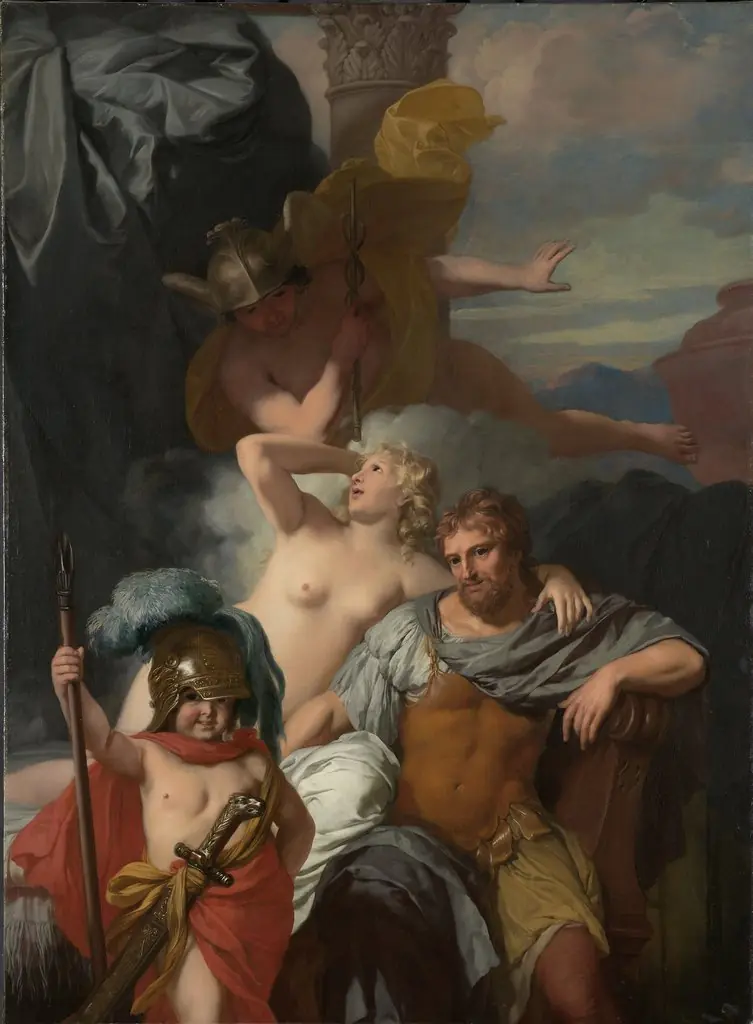
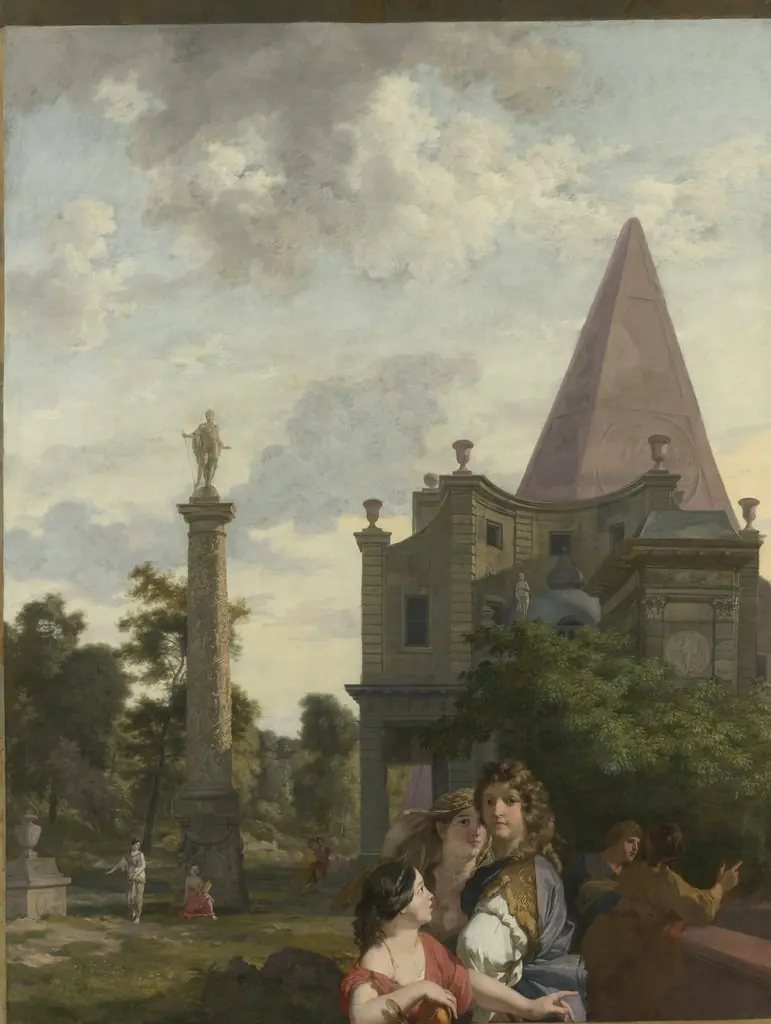
Gerard or Gérard (de) Lairesse (French pronunciation: ; 11 September 1641 – June 1711) was a Dutch Golden Age painter and art theorist.

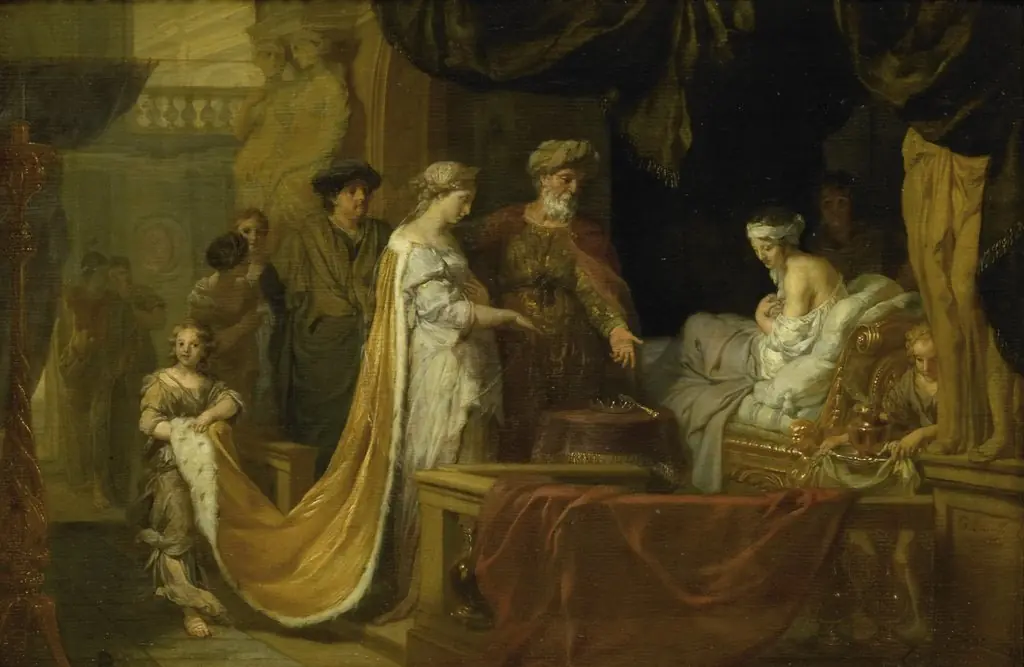
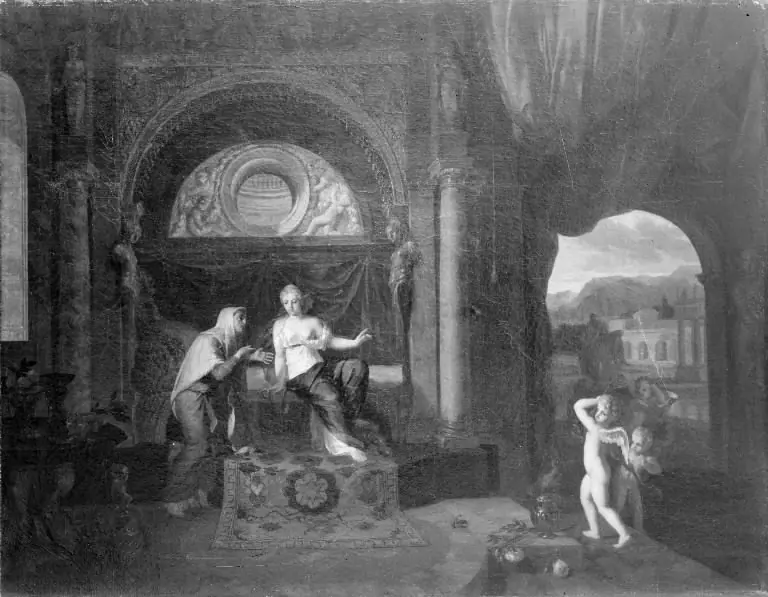
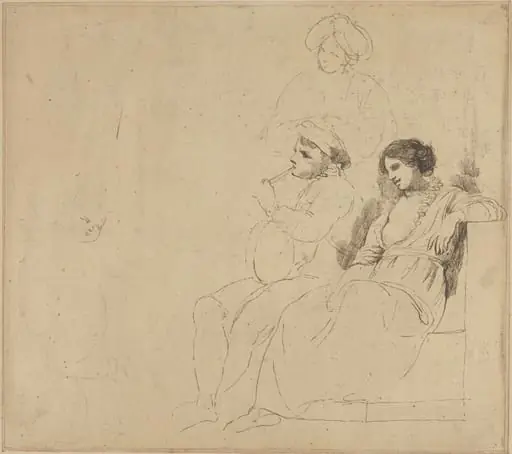 Study for "The Rustic Dancers"
 Figure Sleeping in a Doorway
 A Seated Man
 The Sacrifice of Iphigenia (recto) / Study of a Male Nude (verso)
 A figure seated beside a portrait, and other sketches
 Tobias Healing His Father's Blindness
![The Fantastic Rocks and Castle at Bomarzo [verso], by Bartholomeus Breenbergh](https://artifactworldgallery.com/img/bartholomeus-breenbergh--the-fantastic-rocks-and-castle-at-bomarzo-verso--5a96047e30ba1d0f-w320.webp) The Fantastic Rocks and Castle at Bomarzo [verso]
The Fantastic Rocks and Castle at Bomarzo [verso]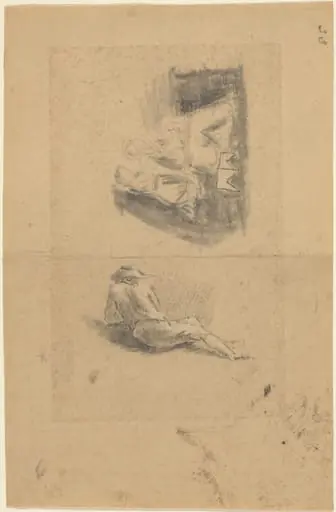 Reclining Man; Two Women
![Figure Studies [verso], by Thomas Sully](https://artifactworldgallery.com/img/thomas-sully--figure-studies-verso--951eb42592bb5e4f-w320.webp) Figure Studies [verso]
Figure Studies [verso]![Seated Guitarist [recto], by Jean Antoine Watteau](https://artifactworldgallery.com/img/jean-antoine-watteau--seated-guitarist-recto--1923603ffd027bd7-w320.webp) Seated Guitarist [recto]
Seated Guitarist [recto]![Sheet of Studies [recto and verso], by John Flaxman](https://artifactworldgallery.com/img/john-flaxman--sheet-of-studies-recto-and-verso--af59e52d5279d768-w320.webp) Sheet of Studies [recto and verso]
Sheet of Studies [recto and verso]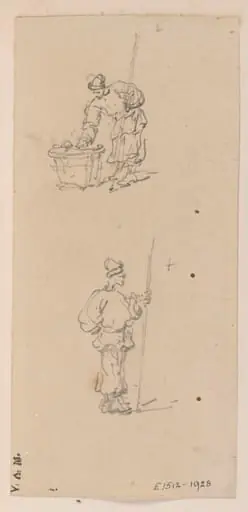 Two drawings of Chinese men