Artwork
Joseph's dream
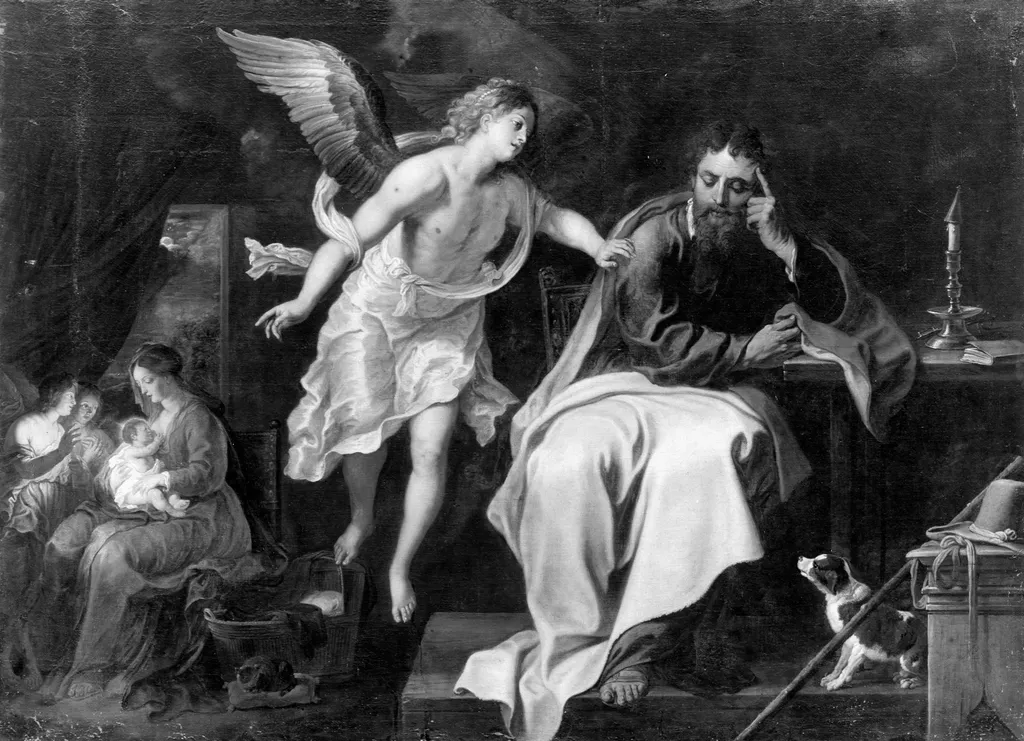
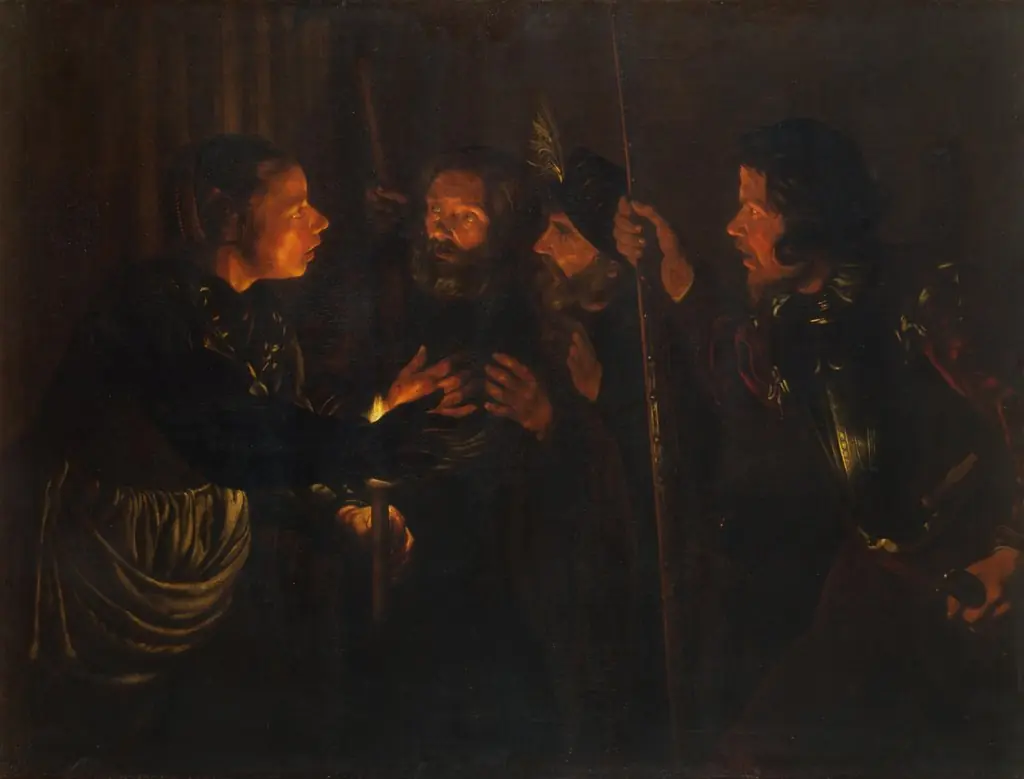
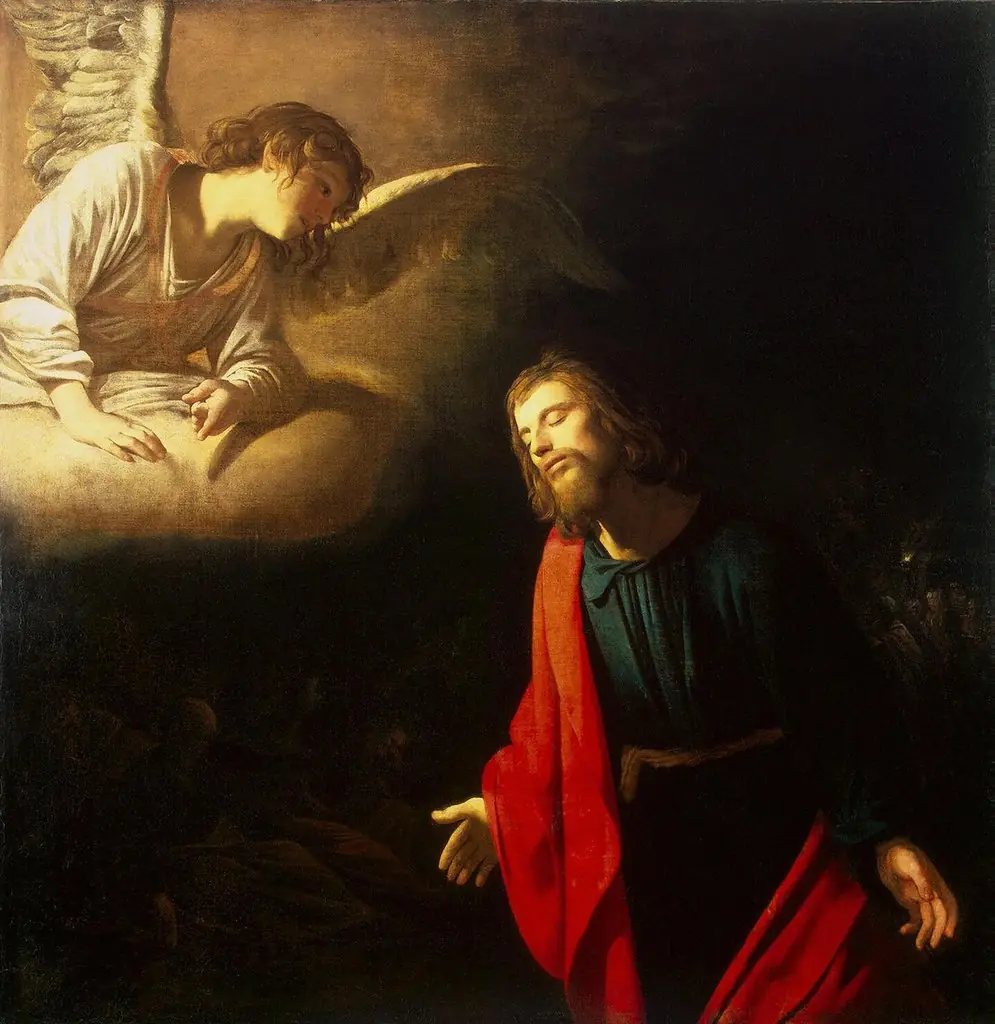
Joseph's dream is a paint painting by the Flemish Baroque painting artist Gerard Seghers. It dates from 1630 and is held in the collection of the Gemäldegalerie Berlin.
About this work
Overview
Painted in 1630 by the Flemish artist Gerard Seghers, this work depicts a moment from the biblical narrative of Joseph’s divine revelation.
Painted in 1630 by the Flemish artist Gerard Seghers, this work depicts a moment from the biblical narrative of Joseph’s divine revelation. Executed in oil on panel, it reflects Seghers’ engagement with Italian Caravaggism during his early career. The painting is part of the collection at the Gemäldegalerie in Berlin, where it stands as an example of religious imagery from the Flemish Baroque era, marked by quiet intensity rather than dramatic spectacle.
Subject & Meaning
The scene illustrates Joseph’s nocturnal vision, in which an angel delivers a divine message concerning the destiny of the infant Jesus. Joseph, seated and bearded, is shown in a moment of quiet reception—his expression suggests awe rather than alarm. The angel, hovering nearby with outstretched wings, appears to communicate silently, reinforcing the spiritual intimacy of the encounter. The composition emphasizes inner revelation over external action, aligning with contemplative devotional practices of the time.
Technique & Style
Seghers employs chiaroscuro to model the figures with strong contrasts of light and shadow, lending volume and focus to Joseph and the angel. The drapery of Joseph’s robe and the angel’s wings are rendered with careful attention to texture and fold, while the background remains softly blurred, isolating the sacred encounter. Brushwork is precise yet restrained, avoiding theatricality in favor of psychological stillness, a hallmark of Seghers’ adaptation of Caravaggio’s naturalism to Flemish sensibilities.
History & Provenance
Created during Seghers’ Italian-influenced phase, the painting predates his later shift toward large ecclesiastical commissions. It entered the Gemäldegalerie Berlin’s collection in the 19th century, likely through acquisitions of Northern European works. Its survival in relatively intact condition reflects its early recognition as a significant example of Flemish Caravaggism, though it never achieved widespread fame beyond scholarly circles.
Context
In early 17th-century Flanders, religious imagery was shaped by Counter-Reformation ideals emphasizing personal devotion and emotional clarity. Seghers, having absorbed Italian innovations in naturalism and lighting, translated these into compositions suited to private and ecclesiastical contemplation. This work reflects a broader trend among Flemish artists to merge Italianate realism with Northern attention to detail, creating images that invited quiet meditation rather than public spectacle.
Legacy
Though Seghers is better known for his later altarpieces, this early work remains a refined example of his Caravaggesque period. It contributes to the understanding of how Flemish painters adapted Italian stylistic advances to suit local devotional needs. The painting’s restrained emotion and controlled lighting influenced subsequent generations of religious painters in the Low Countries, even as its own prominence remained modest within broader art historical narratives.
Own this work as a print
Artist & collection
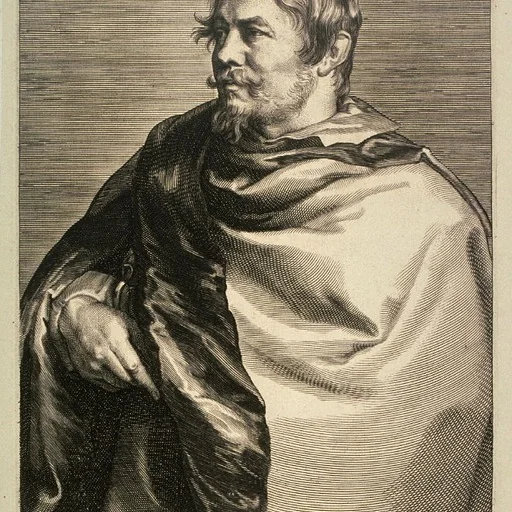
Artist
Gerard Seghers (c. 17 March 1591 – 18 March 1651) was a Flemish painter, art collector, and art dealer. After a period of study and residence in Italy, he returned to Flanders where he became one of the leading…