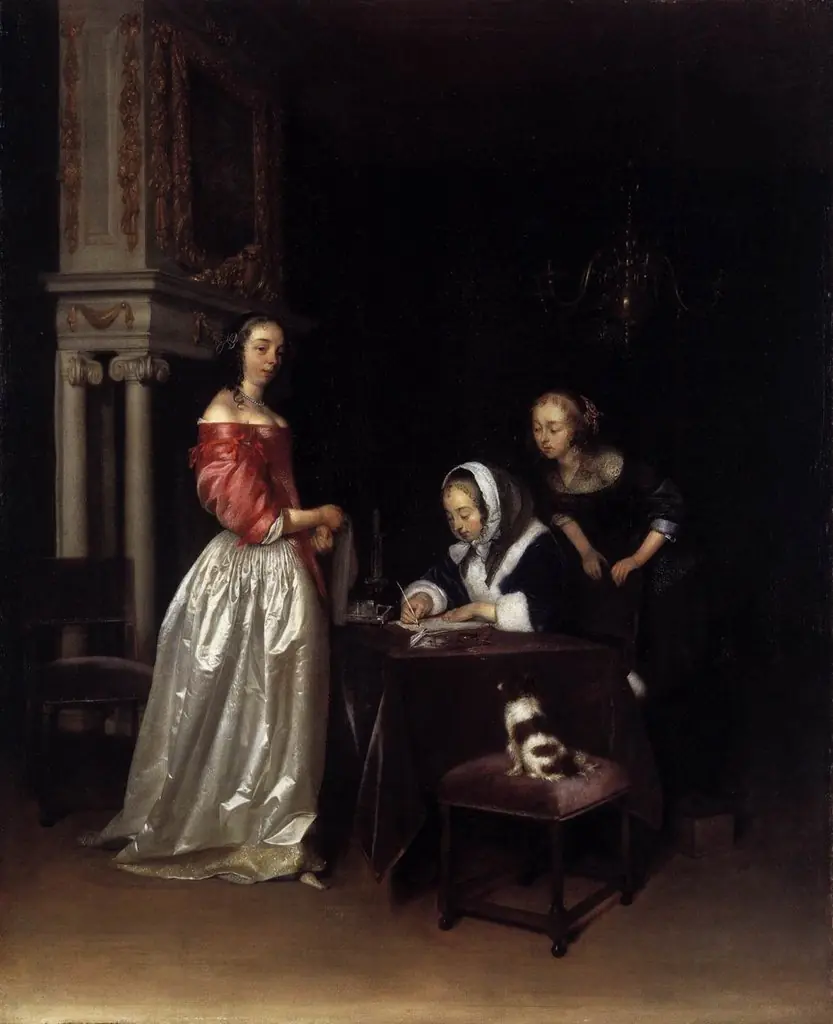
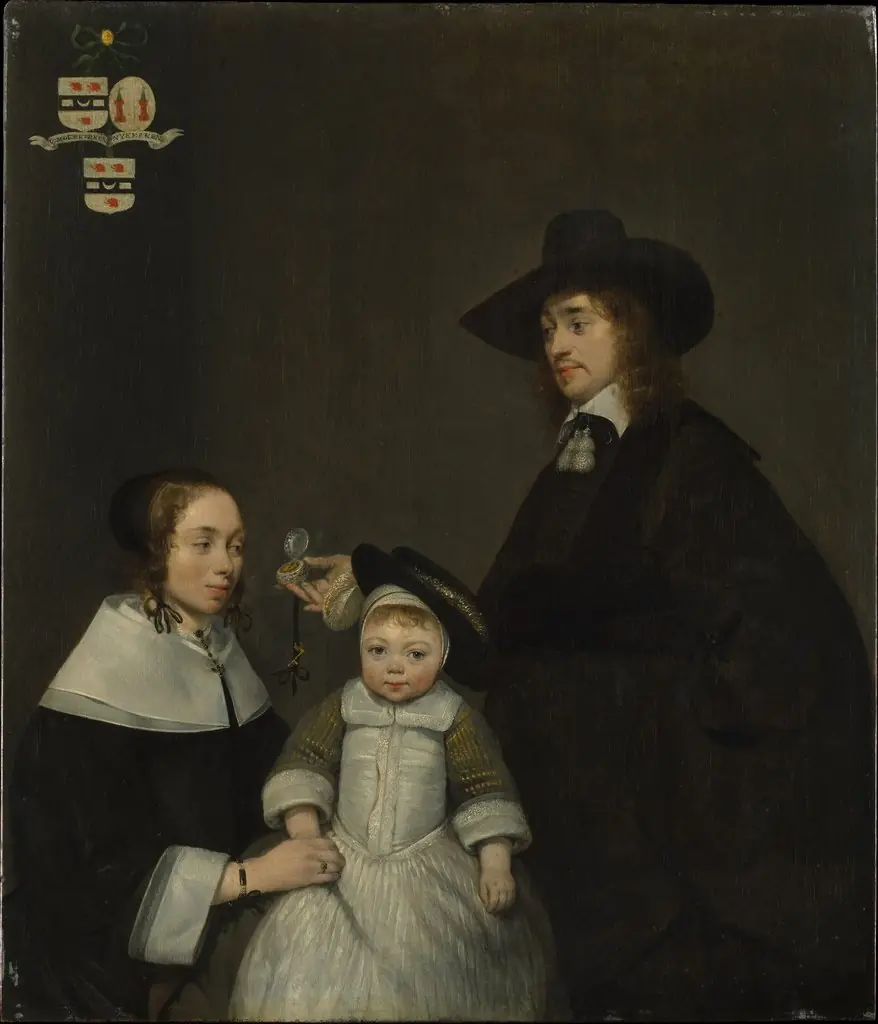
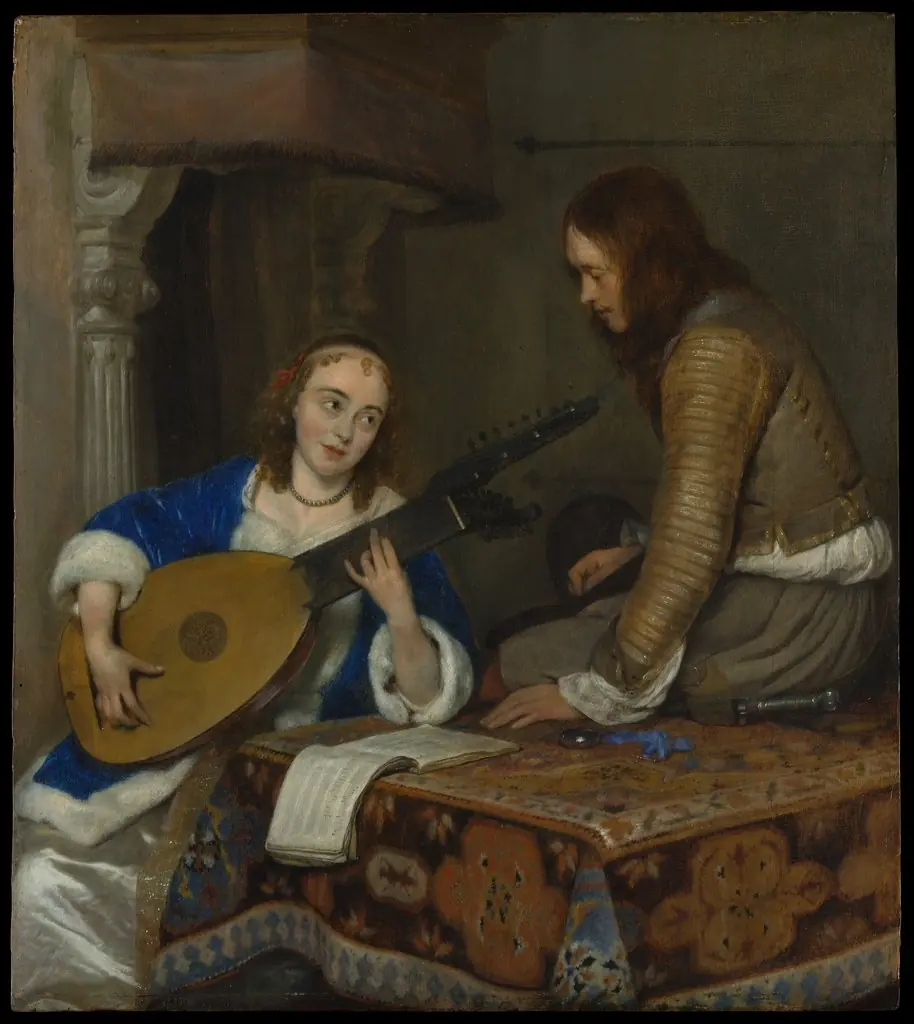
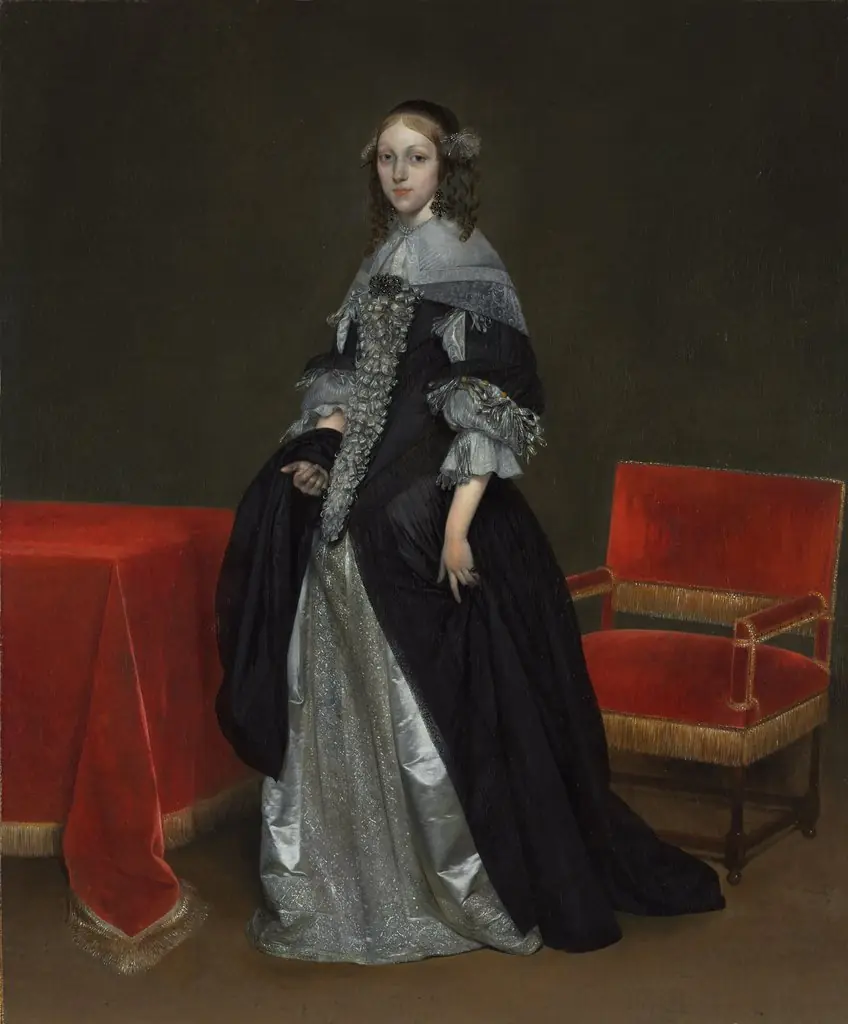
Artwork
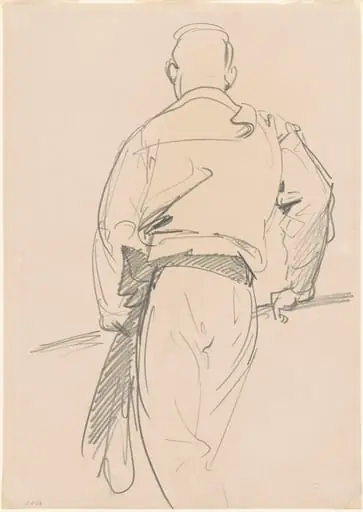
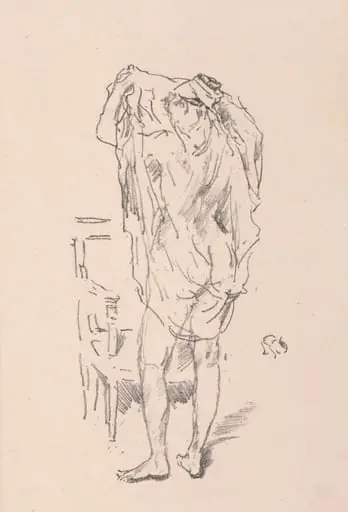
A Man Standing Seen from the Back
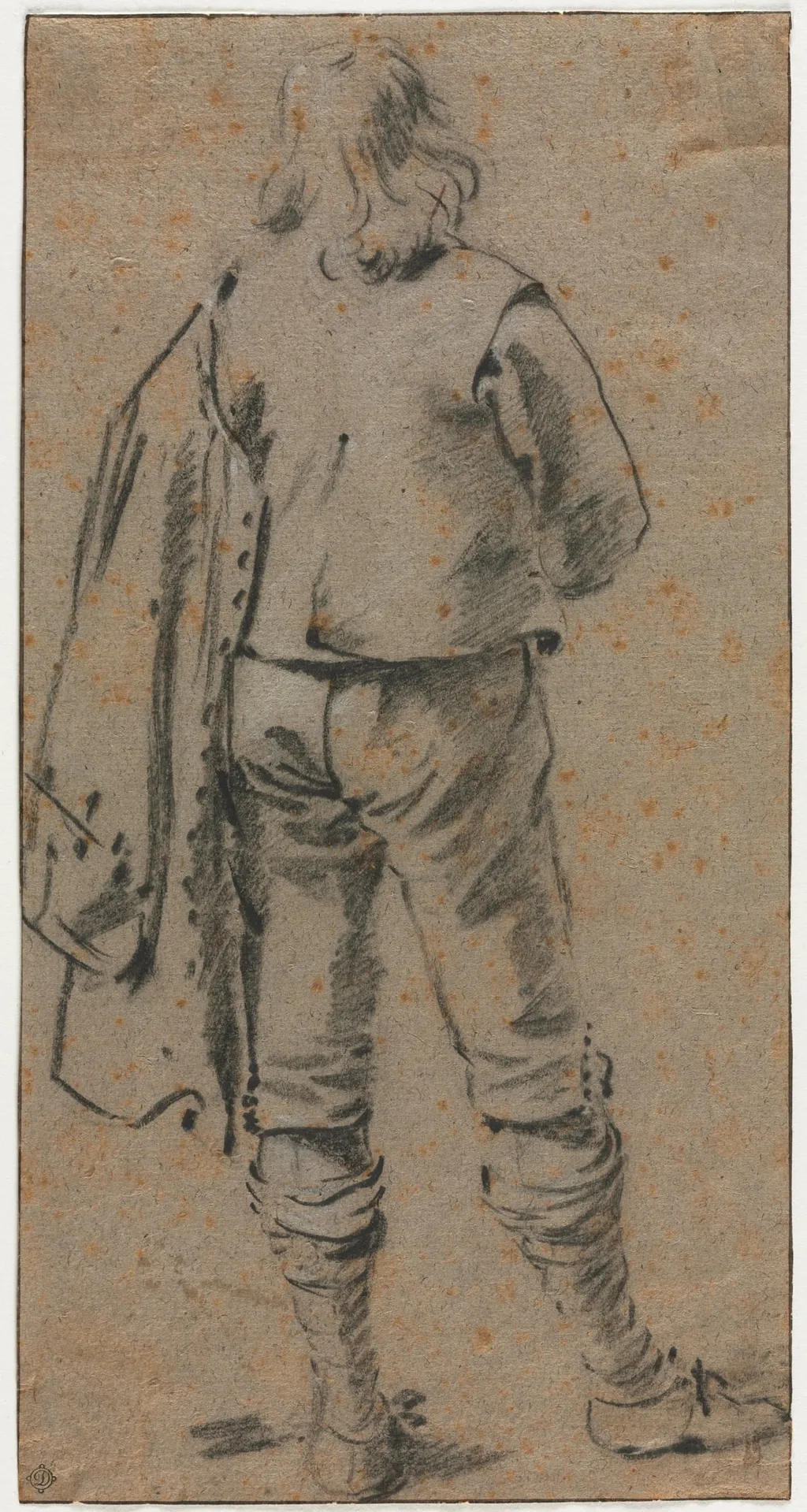
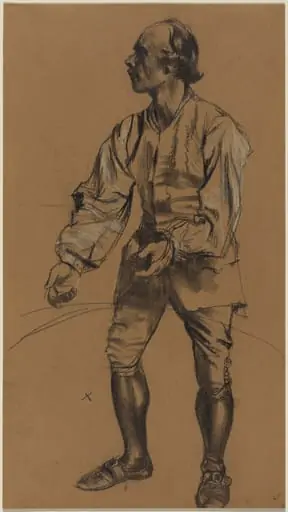
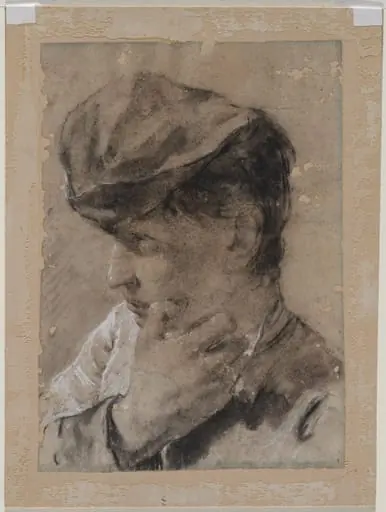
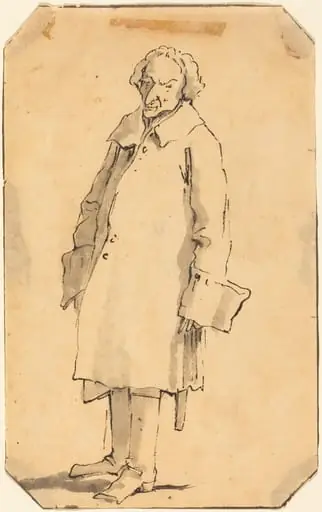
A Man Standing Seen from the Back is a drawing by the Baroque artist Gerard ter Borch. It dates from 1630 and is held in the collection of the Cleveland Museum of Art.
About this work
Overview
Though small in scale, the work conveys presence through posture and attire, distinguishing it from larger narrative paintings of the period.
Created circa 1630 by Gerard ter Borch, this drawing captures a solitary male figure viewed from behind. Executed in a refined, meticulous hand, it reflects the artist’s interest in quiet, introspective moments. Though small in scale, the work conveys presence through posture and attire, distinguishing it from larger narrative paintings of the period. It resides in the Cleveland Museum of Art’s collection as a testament to ter Borch’s skill in rendering subtle human presence.
Subject & Meaning
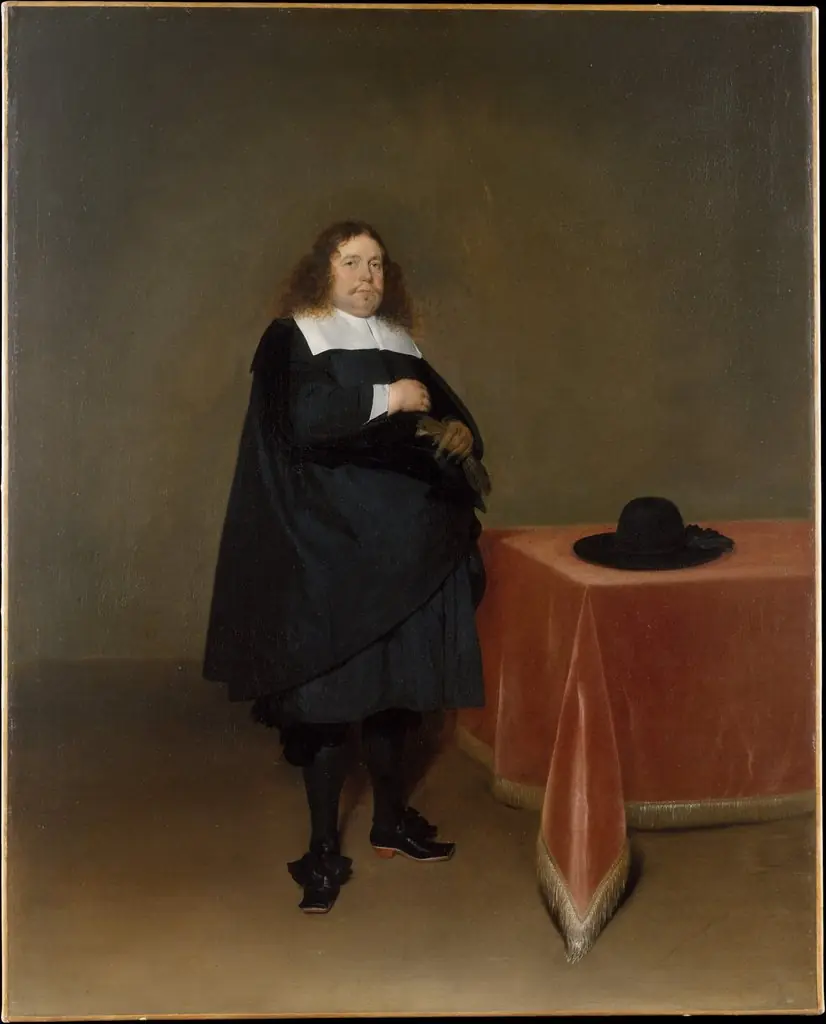
The figure, dressed in a long coat, cape, and hat, with a sword at his hip and a glove in hand, suggests a man of status, perhaps pausing before departure or in contemplation. His back turned to the viewer, he remains anonymous, inviting speculation about his intentions or inner state. The absence of facial expression shifts focus to gesture and attire, emphasizing dignity and restraint rather than emotion or action.
Technique & Style
Ter Borch employs precise draftsmanship and subtle chiaroscuro to model form and suggest volume. The dark background isolates the figure, enhancing the three-dimensionality of his clothing and accessories. Fine lines define fabric folds, the texture of leather, and the gleam of metal, demonstrating a mastery of detail. The restrained palette and controlled brushwork align with Northern European traditions of intimate observation over theatrical display.
History & Provenance
The drawing entered the Cleveland Museum of Art’s collection through documented acquisitions, though its earlier ownership remains unclear. It likely originated in the artist’s studio as a study or independent work, consistent with ter Borch’s practice of refining individual figures for larger compositions. Its preservation reflects its value as a refined example of 17th-century Dutch draftsmanship.
Context
In early 17th-century Holland, artists increasingly turned to private, everyday subjects over grand historical or religious themes. Ter Borch’s focus on solitary figures in controlled environments aligned with a broader cultural shift toward introspection and social nuance. This work reflects the era’s fascination with personal demeanor, attire as identity, and the quiet drama of ordinary moments.
Legacy
Ter Borch’s attention to detail and psychological subtlety influenced later genre painters, including Vermeer and Gerrit Dou, who similarly explored interiority through composed figures. This drawing exemplifies a shift in artistic priorities—from spectacle to stillness—helping shape the trajectory of Dutch genre painting. Its enduring presence in museum collections underscores its role as a quiet but significant artifact of its time.
Artist & collection
Artist
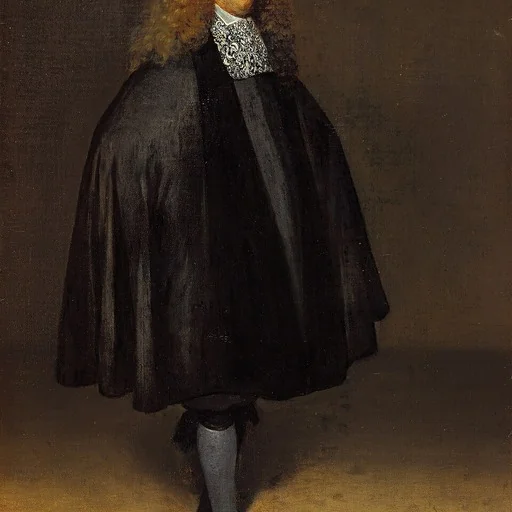
Gerard ter Borch (Dutch: ; December 1617 – 8 December 1681), also known as Gerard Terburg (Dutch: ), was a Dutch Golden Age painter mainly of genre subjects.