Artwork
Seated Man
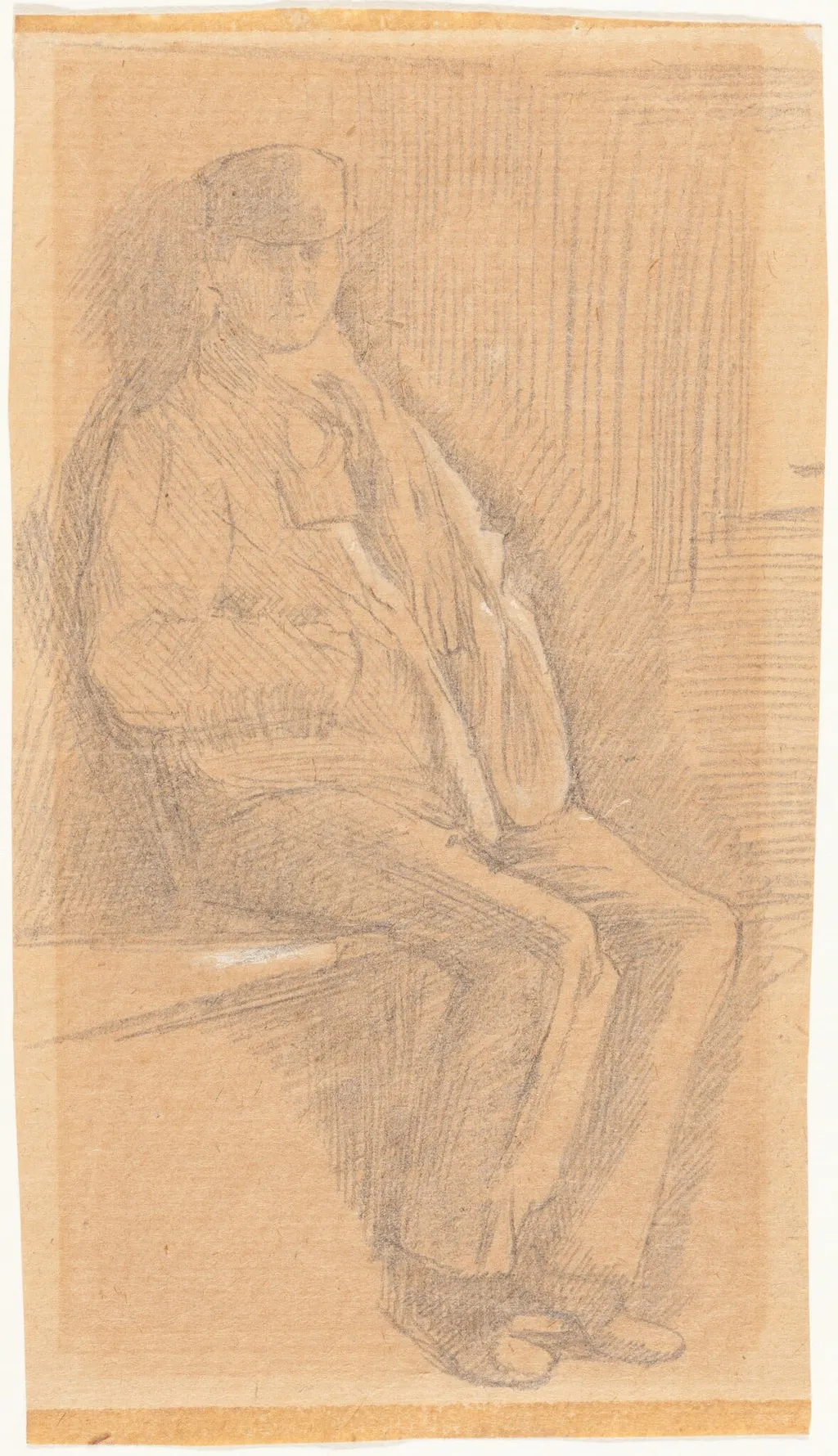
Seated Man is a gouache drawing by the Romanticist artist Charles Samuel Keene. It dates from 1857 and is held in the collection of the National Gallery of Art.
About this work
Overview
Created in 1857, this graphite and white gouache drawing by Charles Samuel Keene captures a solitary male figure in a quiet, seated posture.
Created in 1857, this graphite and white gouache drawing by Charles Samuel Keene captures a solitary male figure in a quiet, seated posture. Executed on wove paper, the work exemplifies Keene’s skill in monochromatic illustration, using minimal marks to suggest form and presence. The restrained use of white gouache adds subtle contrast, enhancing the figure’s volume without overwhelming the delicate graphite lines.
Subject & Meaning
The figure, unadorned and anonymous, sits in a relaxed, introspective pose, suggesting a moment of stillness amid daily life. No narrative context is provided, and the lack of environmental detail focuses attention on the individual’s posture and demeanor. This ambiguity invites contemplation rather than storytelling, reflecting a broader 19th-century interest in quiet human observation.
Technique & Style
Keene employed graphite for its flexibility in creating soft gradations, while white gouache was sparingly applied to suggest highlights—likely on the forehead, cheek, or fabric folds. Unlike opaque painting, here gouache functions as a tonal enhancer, not a colorant. The economy of line and absence of background detail align with journalistic illustration practices of the time, prioritizing clarity and immediacy.
History & Provenance
The drawing originates from Keene’s active period as a contributor to British periodicals such as *Punch* and *Once a Week*. Though not published, it reflects the same visual language used in his widely circulated illustrations. Its survival as a standalone work suggests it may have been a preparatory study or personal exercise, preserved for its technical refinement rather than its public function.
Context
Mid-19th-century British illustration thrived alongside print media expansion, favoring artists who could convey character and mood with speed and precision. Keene’s work, including this drawing, responded to the demand for expressive yet economical imagery. His approach diverged from academic traditions, embracing the immediacy of journalistic draftsmanship and the expressive potential of simple media.
Legacy
Keene’s drawings, including this one, influenced later illustrators by demonstrating how minimal means could evoke psychological presence. His use of white gouache as a tonal tool, rather than a decorative element, became a subtle precedent in graphic art. Though less celebrated than his published work, such private studies reveal the foundation of his distinctive visual language.
Artist & collection

Artist
Charles Samuel Keene (10 August 1823 – 4 January 1891) was an English artist and illustrator, who worked in black and white.

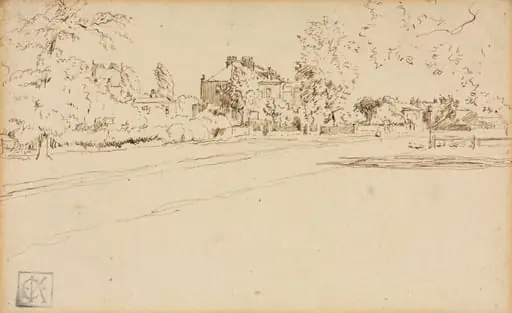
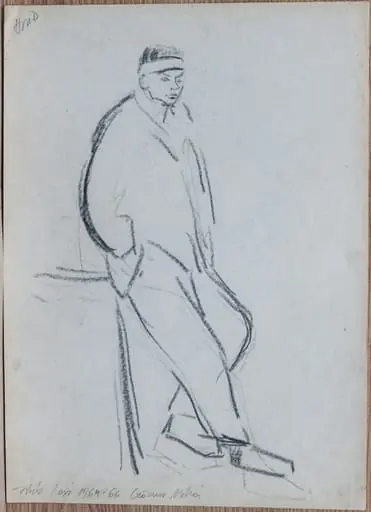 verso: Portret
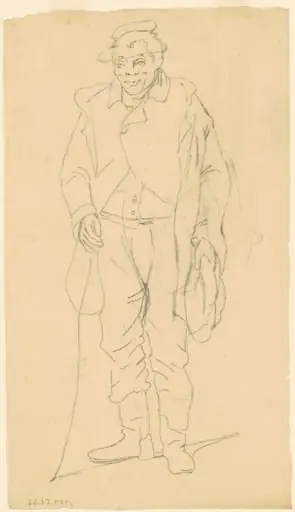 African-American Figure
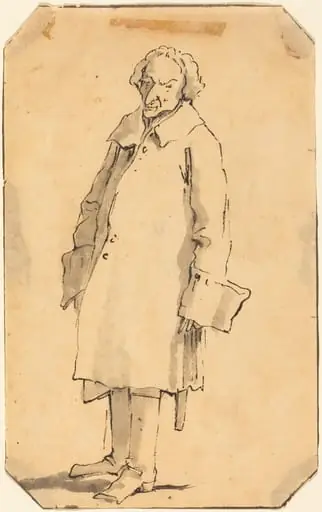 A Standing Man Wearing a Great Coat and Boots
 Drawing of a man
 Joseph Pennell, No. 2
 The Russian Schube
![Man Wearing a Cloak [verso], by Edouard Manet](https://artifactworldgallery.com/img/edouard-manet--man-wearing-a-cloak-verso--0bd057994533d120-w320.webp) Man Wearing a Cloak [verso]
Man Wearing a Cloak [verso] The Master Smith
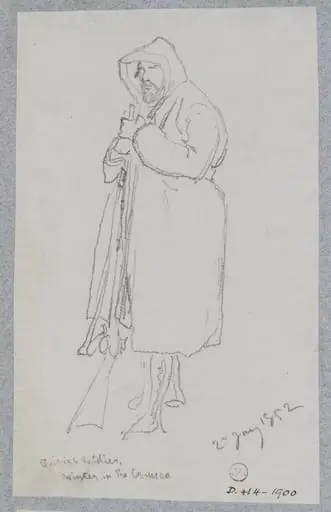 Sketches made during the Campaign of 1854-55 in the Crimea, Circassia and Constantinople
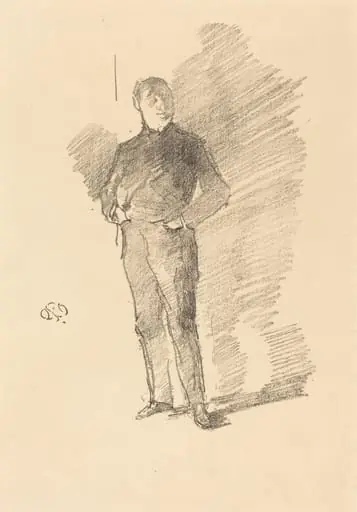 Study No. 2: Mr. Thomas Way
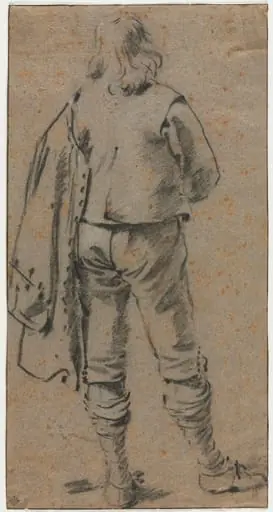 A Man Standing Seen from the Back
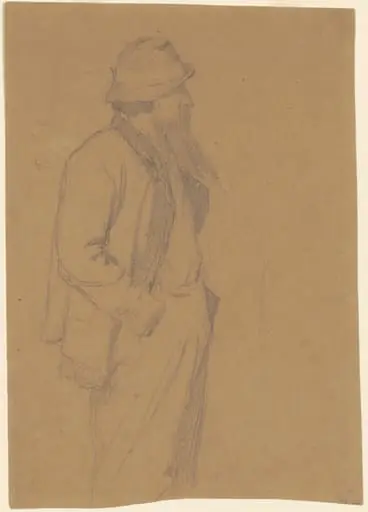 Fisherman