Artwork
Portrait of Frans van Hoogstraten, Poet and Bookseller in Rotterdam and Dordrecht
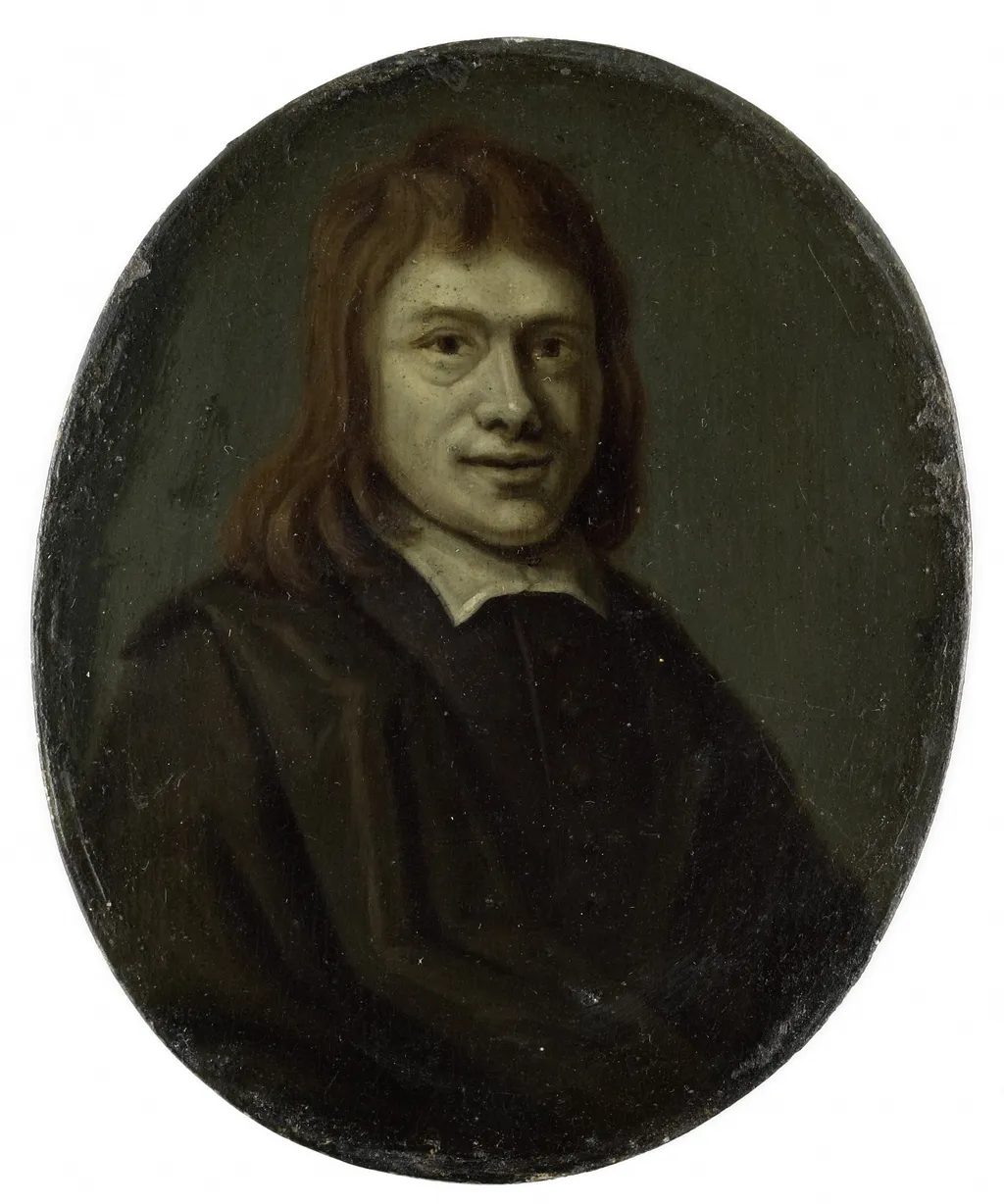
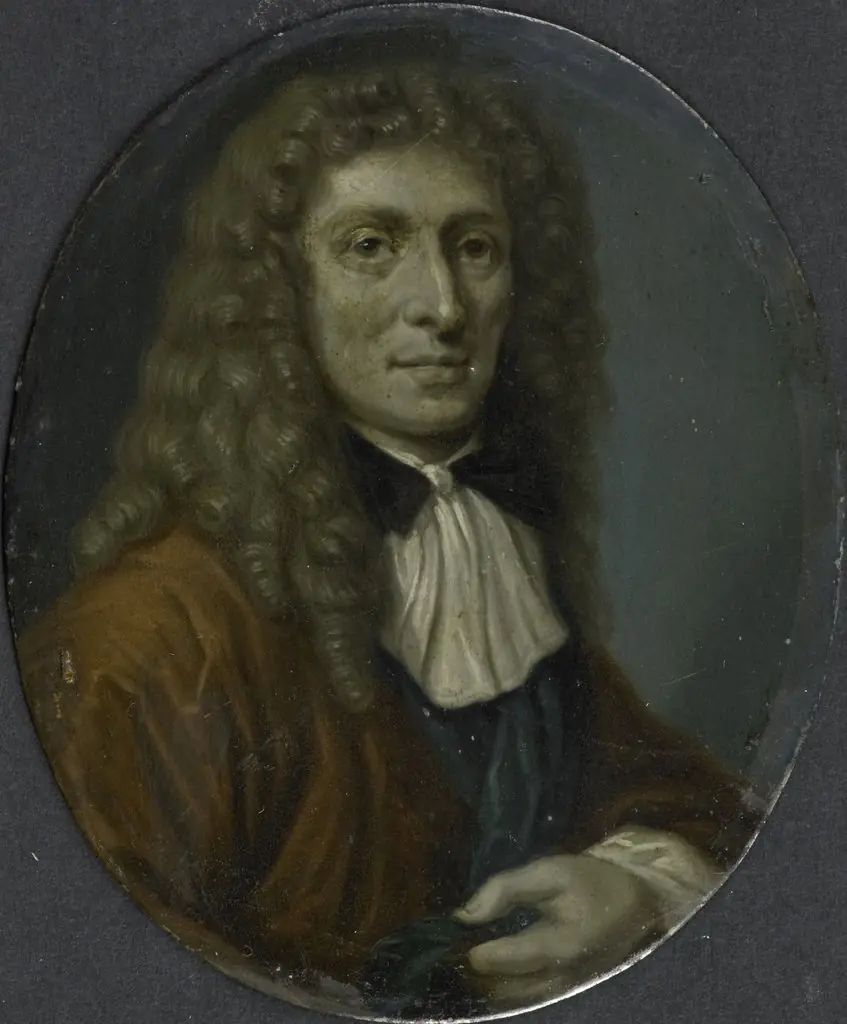
Portrait of Frans van Hoogstraten, Poet and Bookseller in Rotterdam and Dordrecht is an oil painting by the Rococo painting artist Arnoud van Halen. It dates from 1716 and is held in the collection of the Rijksmuseum.
About this work
Overview
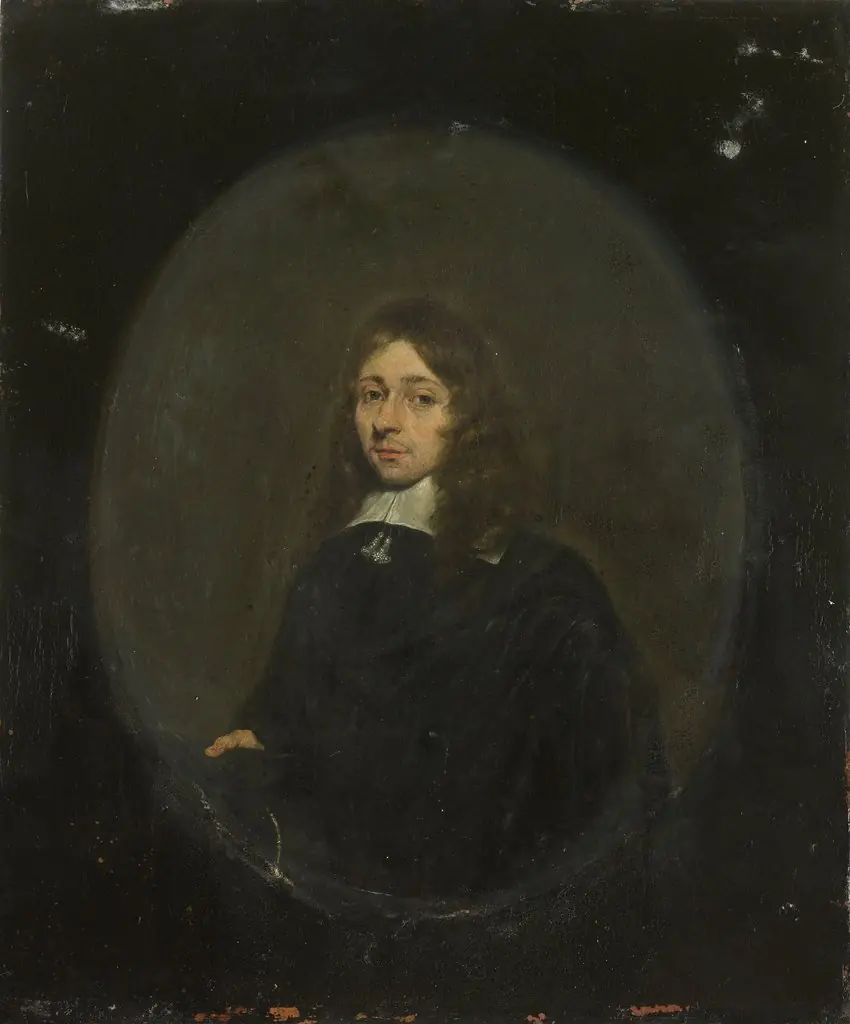
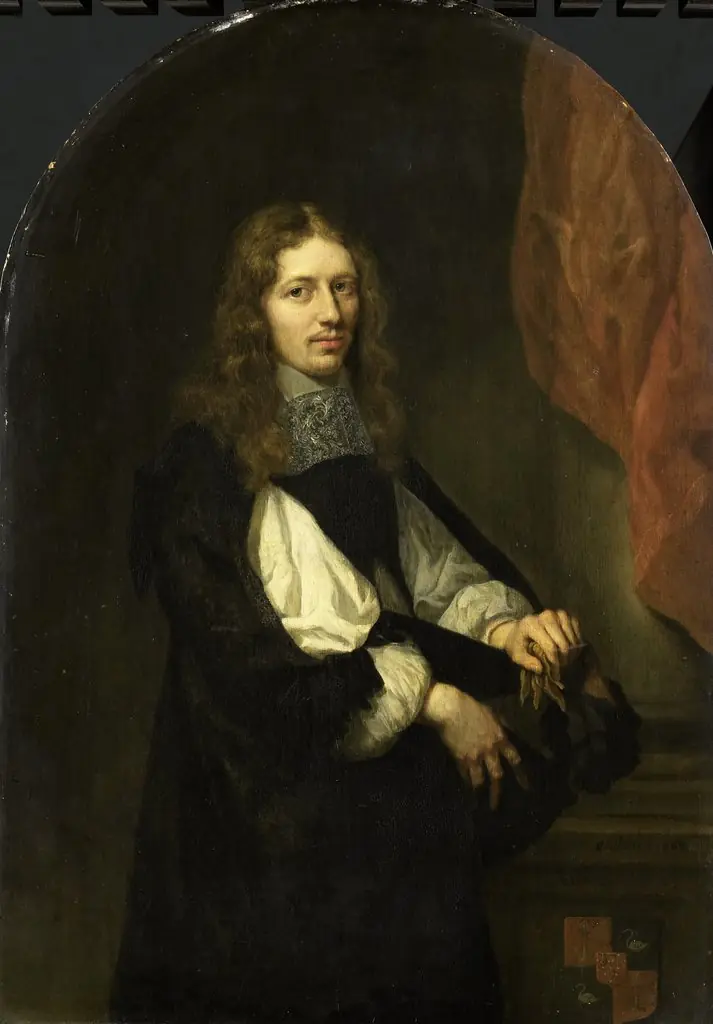
Arnoud van Halen’s 1716 portrait presents Frans van Hoogstraten, a poet and bookseller active in Rotterdam and Dordrecht. Executed on a circular tin panel, the work measures roughly a foot in diameter and is part of the Rijksmuseum’s collection. The composition isolates the sitter against an unadorned background, emphasizing his features and attire.
Subject & Meaning
Frans van Hoogstraten, known for his literary output and commercial activity in the book trade, is shown in a dignified pose that reflects his dual identity as a cultured author and a merchant. The inclusion of a white‑collared black garment suggests both modesty and professional respectability, aligning with the social expectations of early‑18th‑century Dutch intellectuals.
Technique & Style
The portrait employs a limited palette on a polished tin surface, allowing the metal’s sheen to interact with the painted pigments. Van Halen uses strong side lighting to model the sitter’s cheek and curls, creating a chiaroscuro effect that highlights texture while the opposite side recedes into shadow. The round format reinforces the intimate, almost sculptural presence of the figure.
History & Provenance
Created in 1716, the tin portrait entered the Rijksmuseum’s holdings through the museum’s early 20th‑century acquisitions of Dutch portraiture. Documentation traces its ownership back to the van Hoogstraten family, confirming its authenticity and continuous association with the subject’s lineage before its transfer to the public collection.
Context
In the Netherlands of the early 1700s, portraiture often served to affirm professional status and personal reputation. Van Halen’s choice of a metal substrate was uncommon, reflecting a desire for durability and a distinctive visual effect. The work thus exemplifies the period’s blend of commercial ambition and artistic experimentation within the Dutch Enlightenment milieu.
Artist & collection
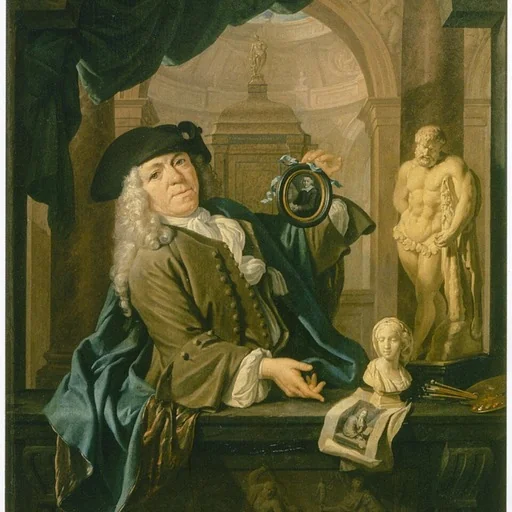

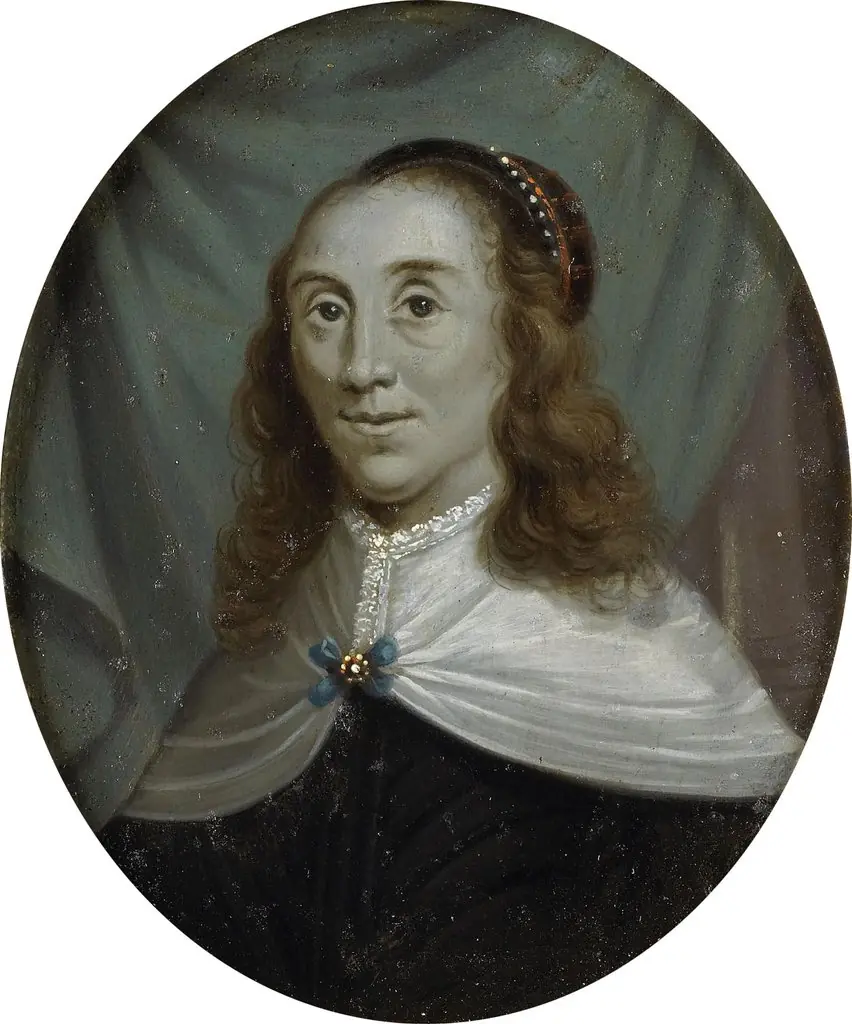 Portrait of Sibylle van Griethuysen (ca.1620-na 1662)
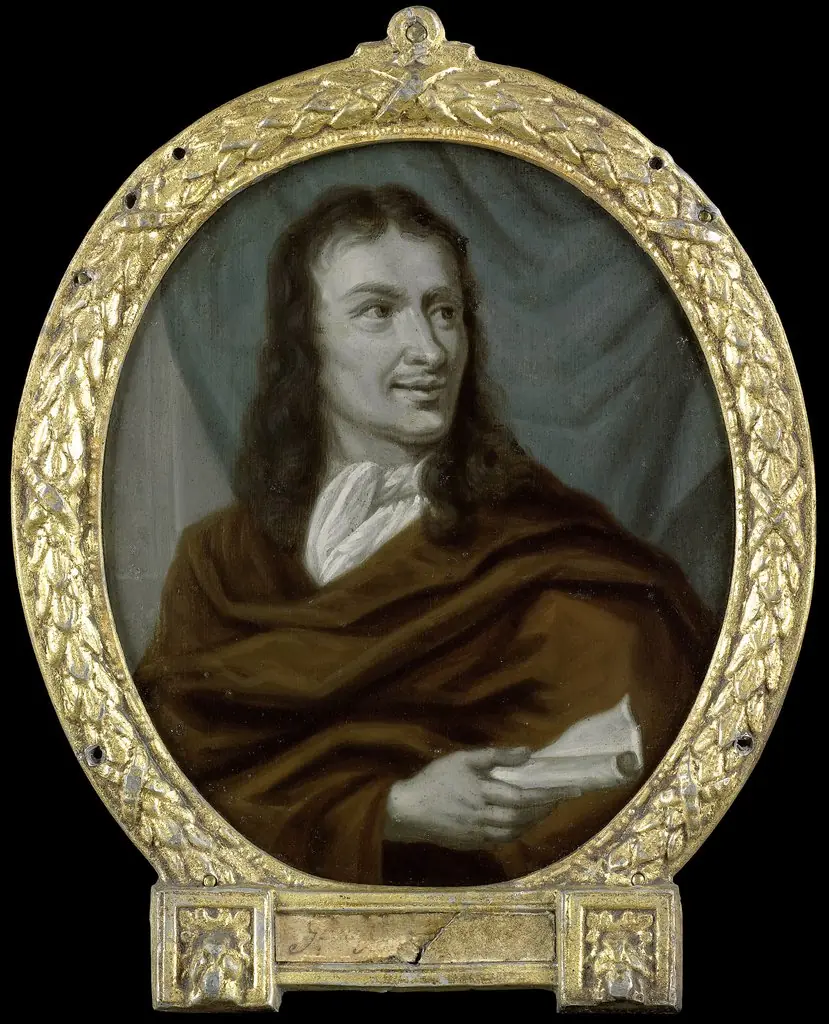 Portrait of Pieter Verhoek (1633-1702)
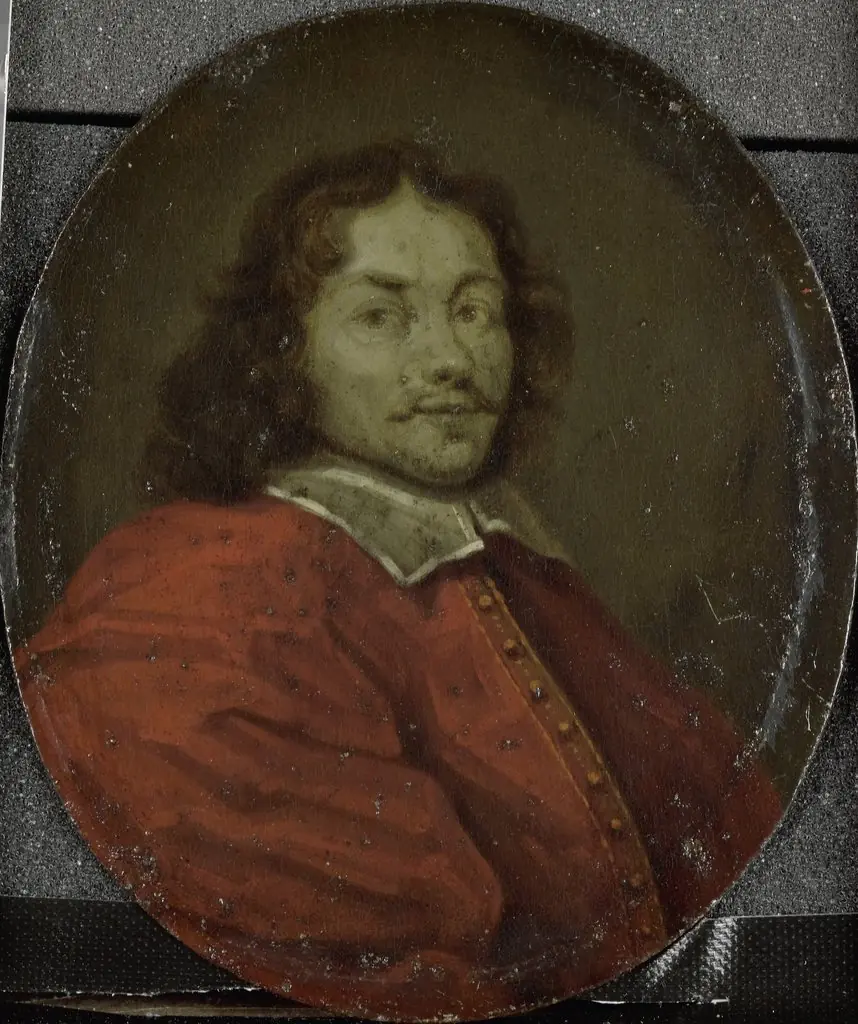 Portrait of Matthijs Gansneb, called Tengnagel, Poet in Amsterdam
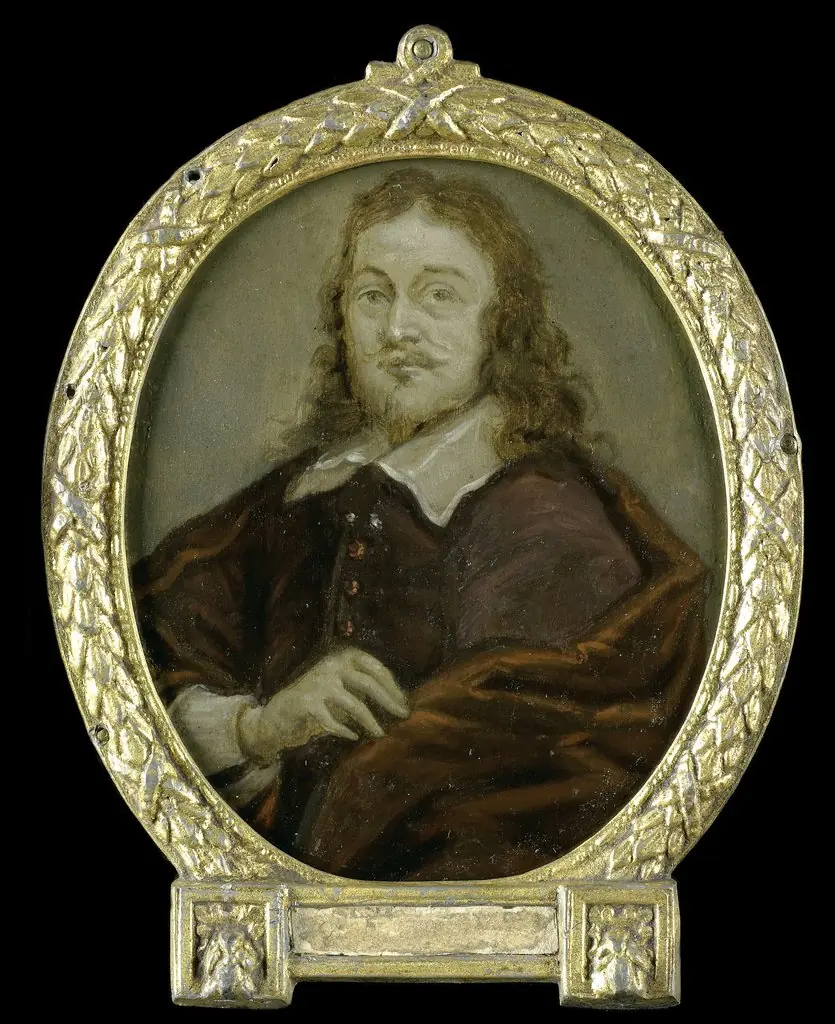 Portrait of the painter Bonaventura Peeters I (1614-52)
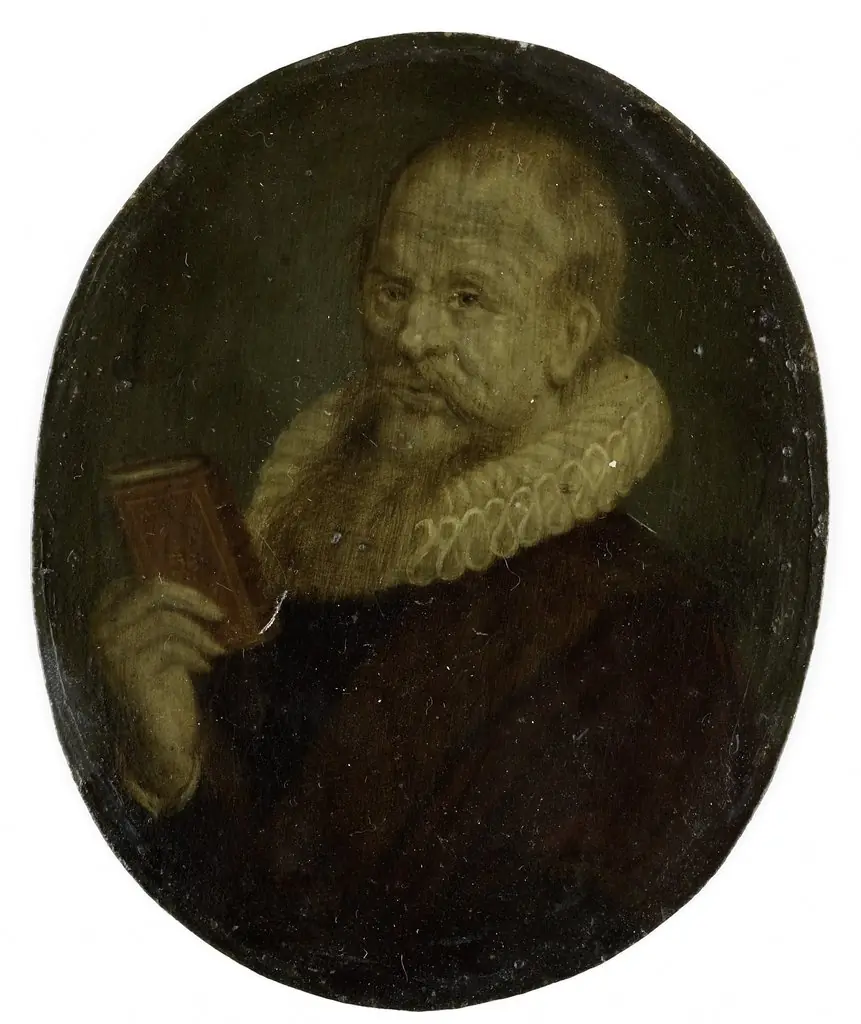 Portrait of Theodorus Schrevelius (1572-1653)
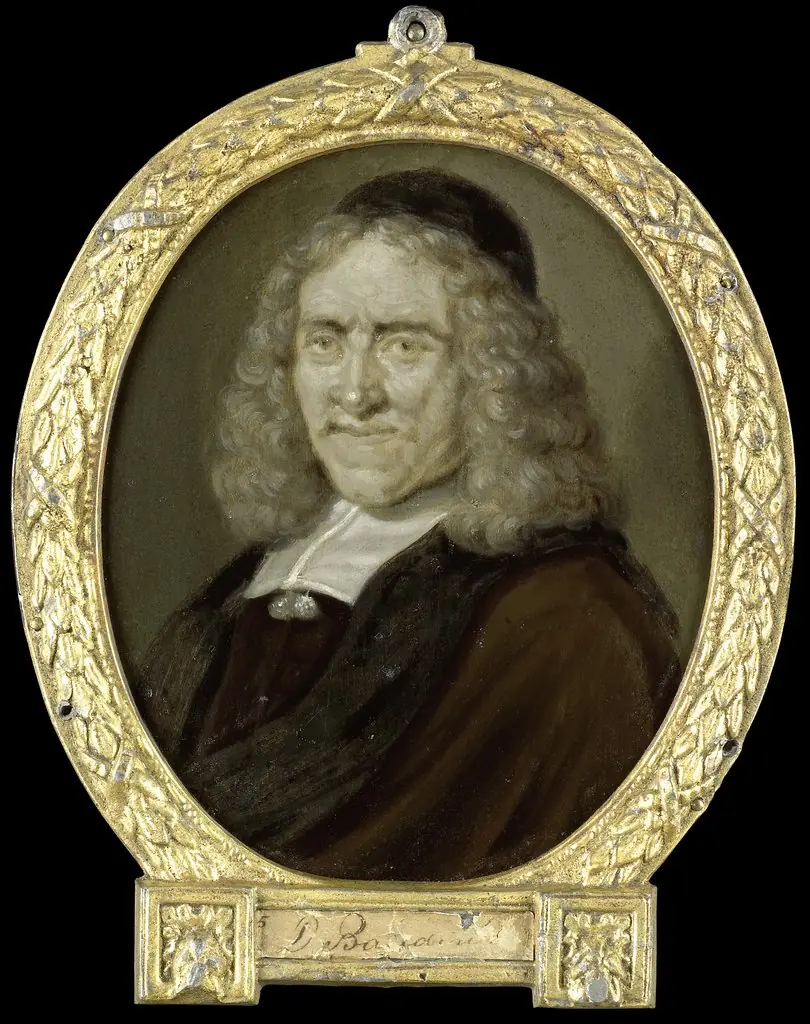 Portrait of Willem Jacobsz van Heemskerck, Poet and Engraver on Glass
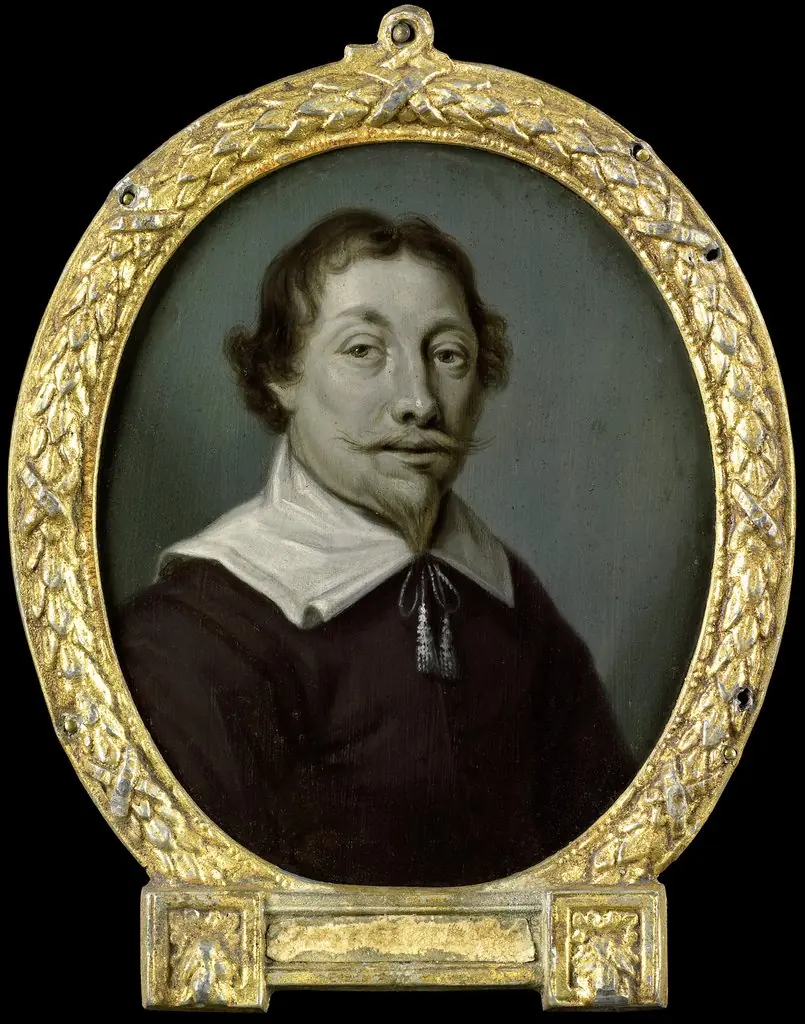 Portrait of Jan van der Veen, Pharmacist and Poet in Deventer
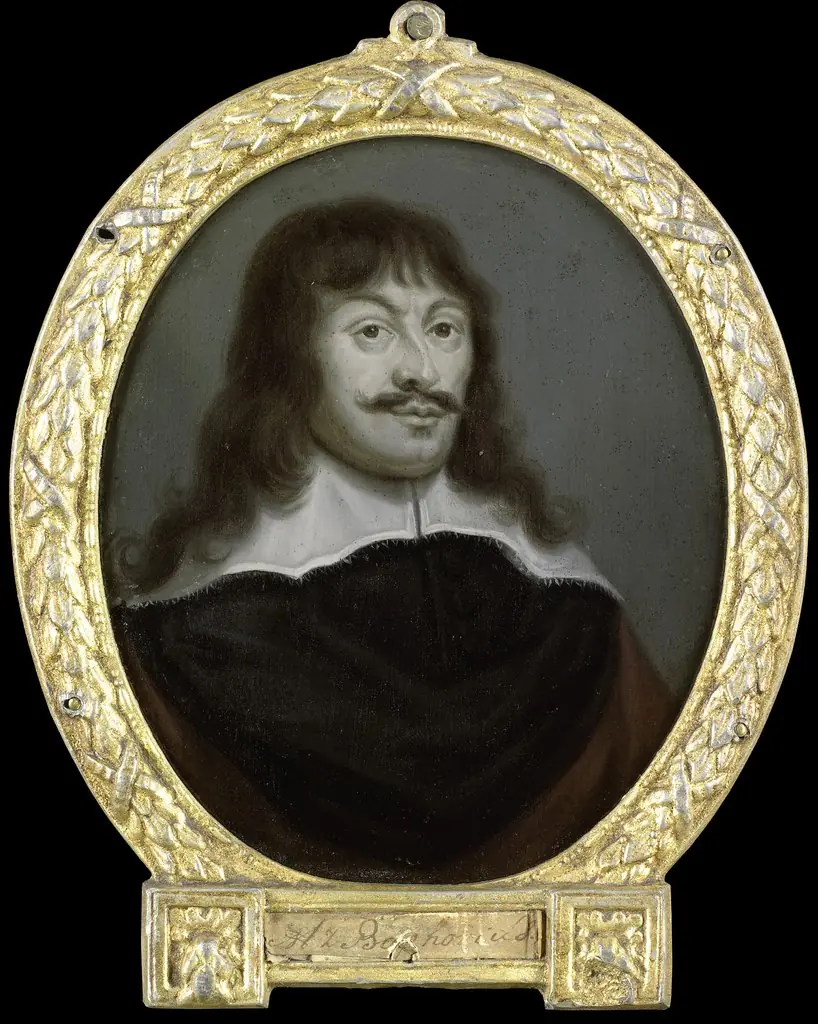 Portrait of Marcus Zuërius van Boxhorn, Historian and Professor at Leiden