Artwork
A Woman tuning a lute
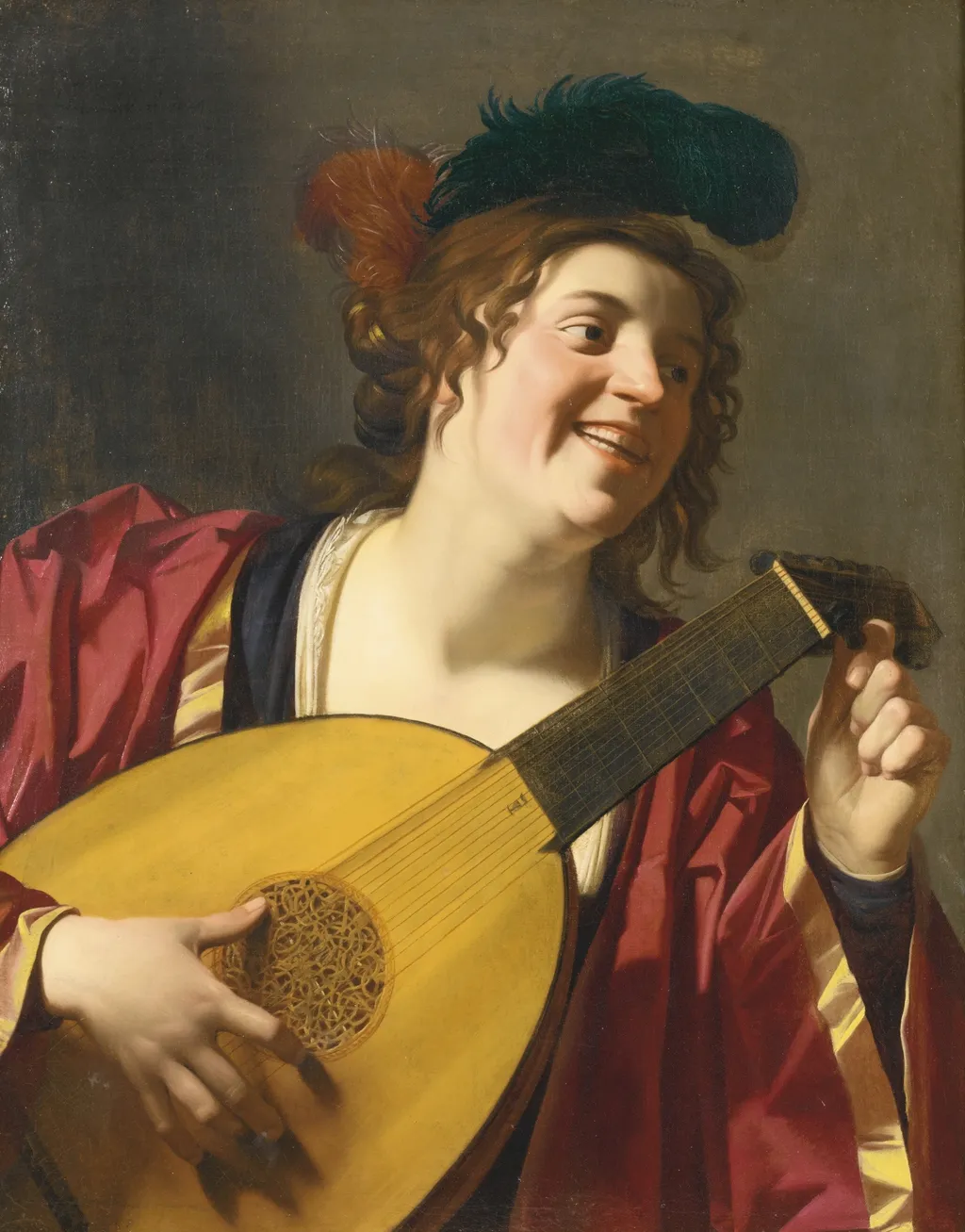
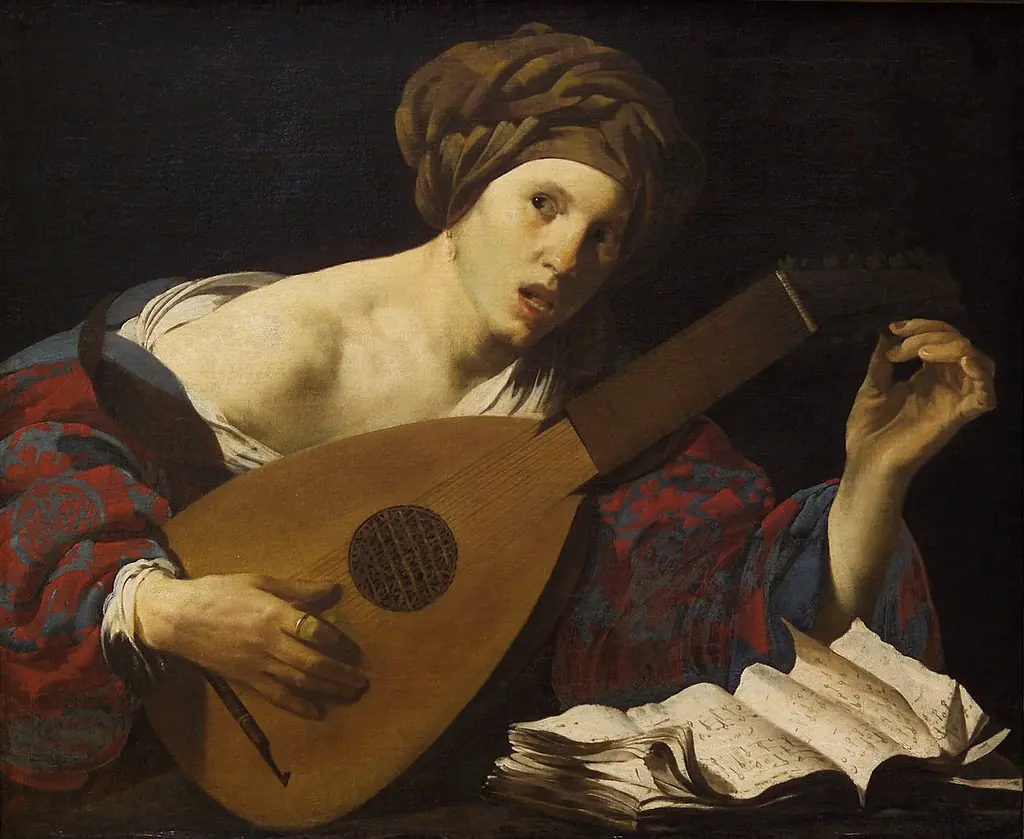
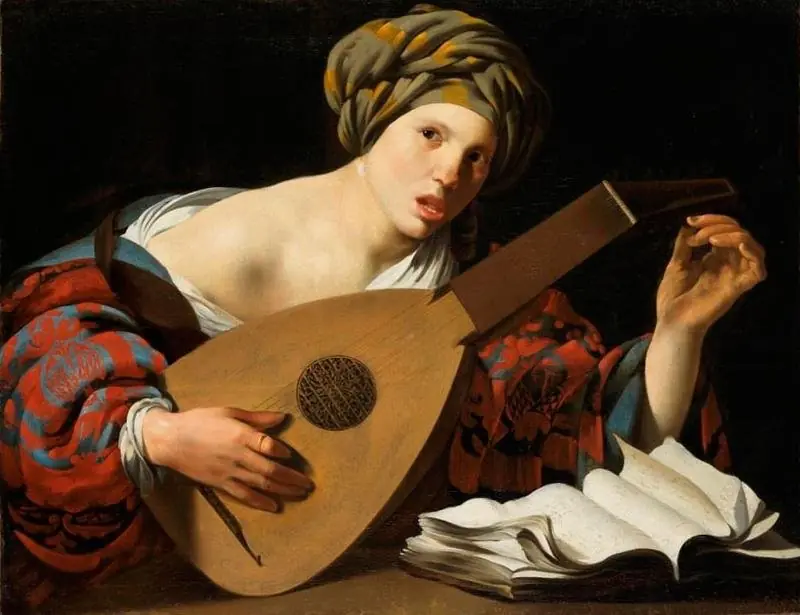
A Woman tuning a lute is an oil painting by the Dutch Golden Age artist Gerard van Honthorst. It dates from 1624 and is held in the collection of the Montreal Museum of Fine Arts.
About this work
Overview
Created in 1624, this oil on canvas by Dutch artist Gerard van Honthorst portrays a solitary woman adjusting a lute. The figure is rendered in a dimly lit interior, her posture focused on the instrument as she fine‑tunes the strings. The painting belongs to the Dutch Golden Age and is currently part of the Montreal Museum of Fine Arts collection.
Subject & Meaning
The central figure, dressed in a red robe trimmed with gold and a black hat feathered in red, is captured in the act of tuning a lute. Her gaze is lowered, suggesting concentration and a private moment of musical preparation, inviting viewers to contemplate the intimate relationship between performer and instrument.
Technique & Style
Honthorst employs a dramatic chiaroscuro, a hallmark of his Roman training among the Caravaggisti, to model the woman's form against a dark background. The contrast of light and shadow creates a three‑dimensional presence, while the subtle handling of textures—fabric, feather, and wood—demonstrates his mastery of oil paint.
History & Provenance
After his formative years in Italy, Honthorst returned to the Netherlands where he became a sought‑after portraitist. This work, dated to the early part of his Dutch period, entered the Montreal Museum of Fine Arts through acquisition in the 20th century, where it remains on display.
Context
The painting reflects the early‑17th‑century Dutch fascination with genre scenes that blend everyday activity with refined artistry. Musical subjects were popular, symbolizing harmony and education, while the use of artificial lighting echoed contemporary interest in theatrical effects derived from Caravaggio’s influence.
Own this work as a print
Artist & collection
Artist
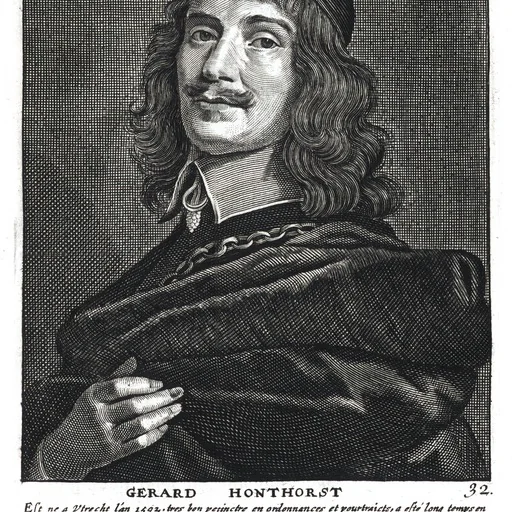
Gerard "Gerrit" van Honthorst (4 November 1592 – 27 April 1656) was a Dutch Golden Age painter who became known for his depiction of artificially lit scenes, eventually receiving the Italian nickname Gherardo delle Notti ("Gerard of the…

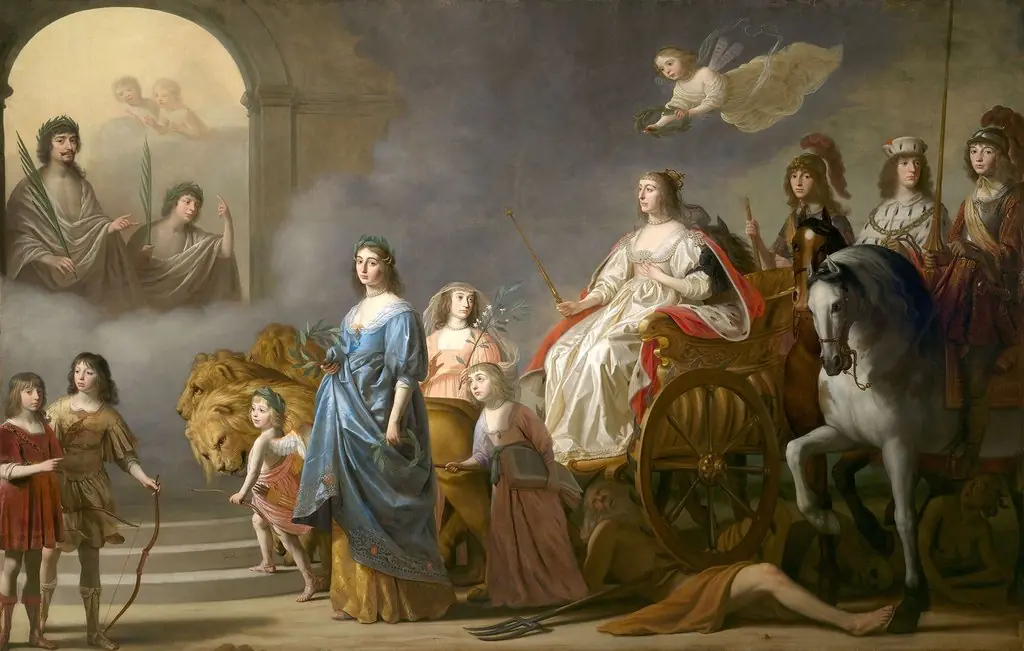 The Triumph of the Winter Queen: Allegory of the Just
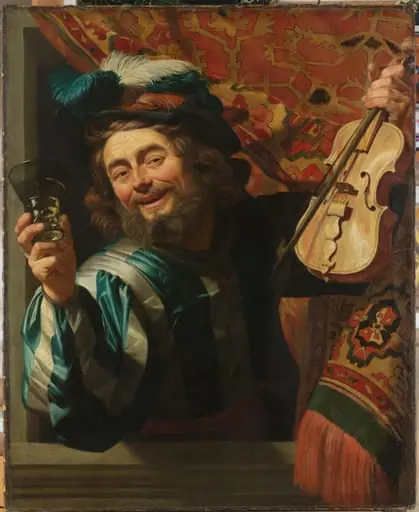 Een vrolijke vioolspeler
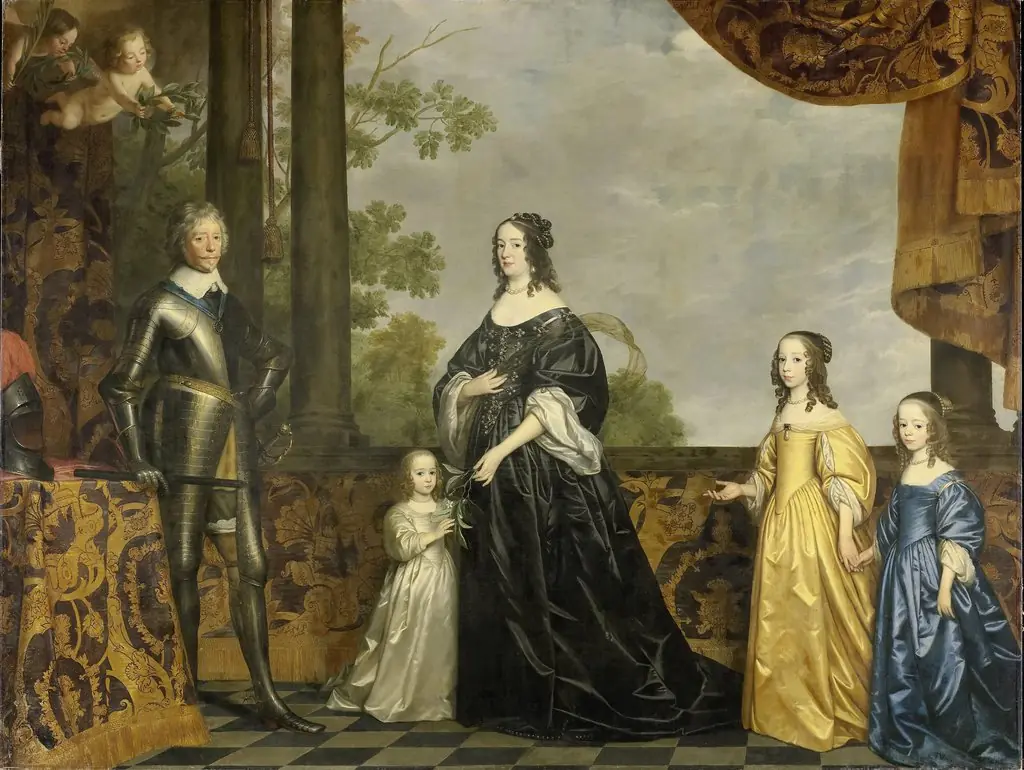 Frederik Hendrik (1584-1647), Prince of Orange, his wife Amalia van Solms (1602-75) and their three youngest daughters, Albertina Agnes (1634-96), Henrietta Catharina (1637-1708) and Maria (1642-88)
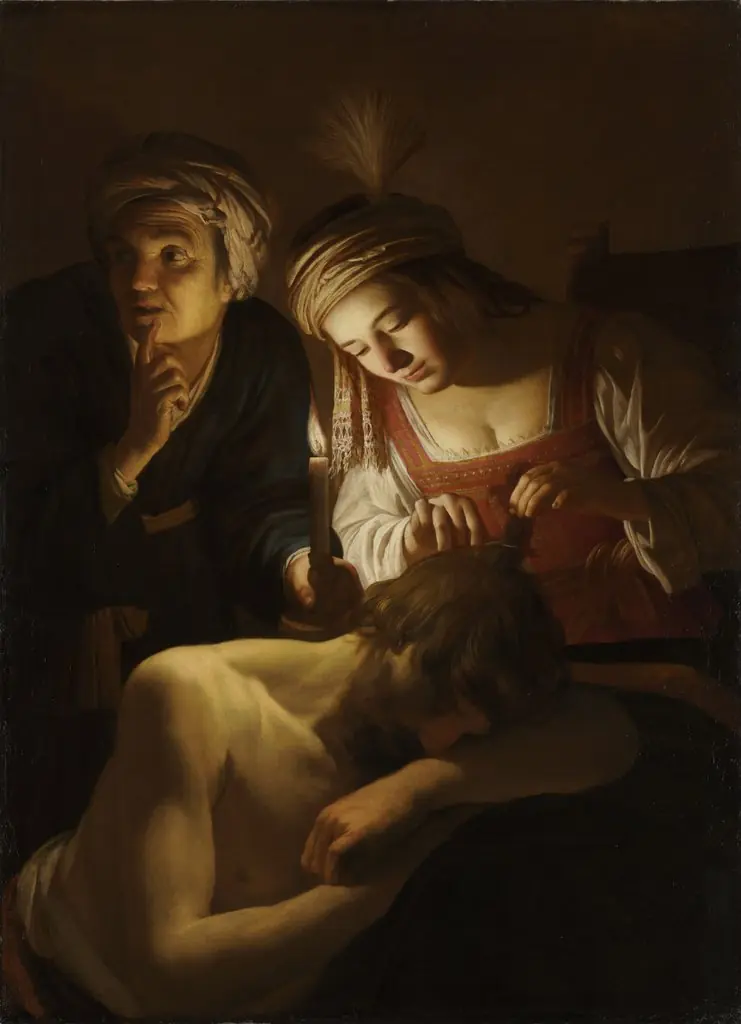 Samson and Delilah
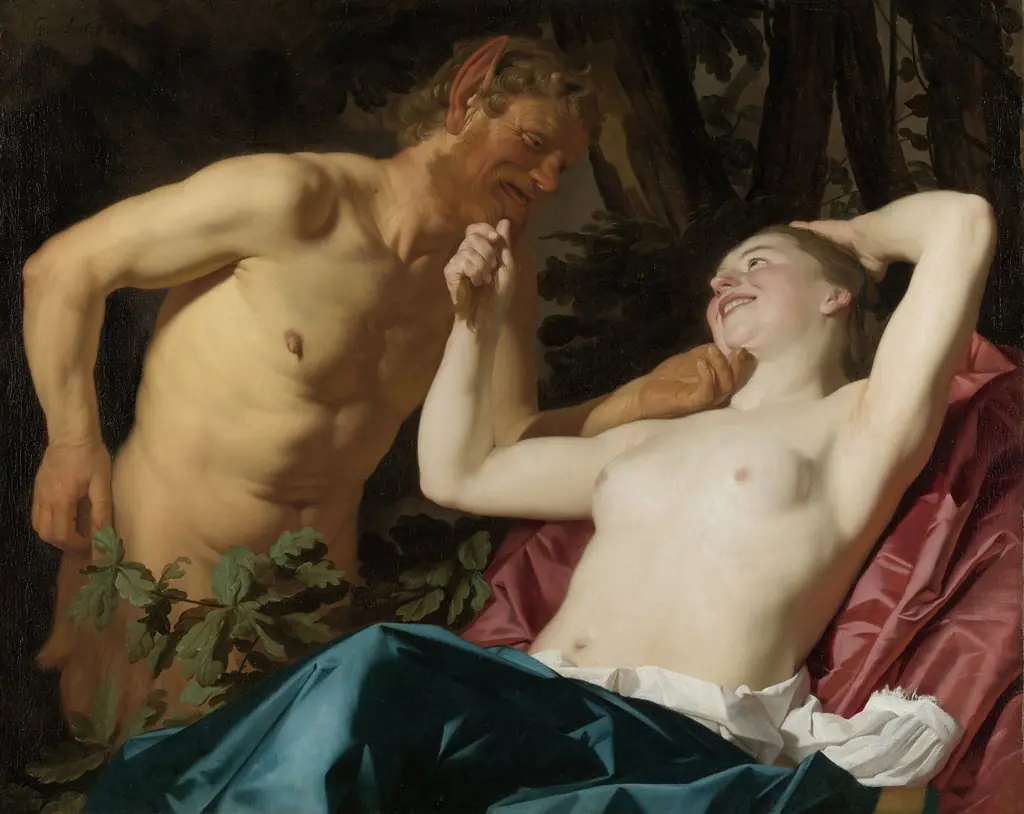 Satyr and Nymph
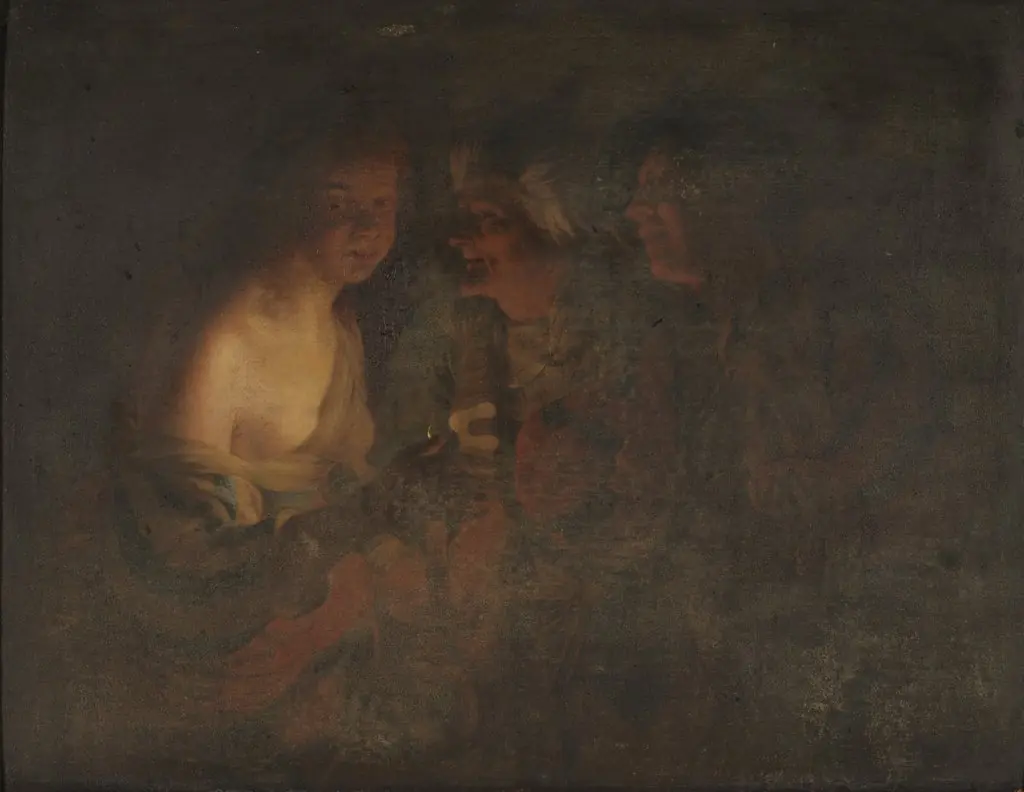 Young Woman with a Candlestick, Old Woman and a Violin Player
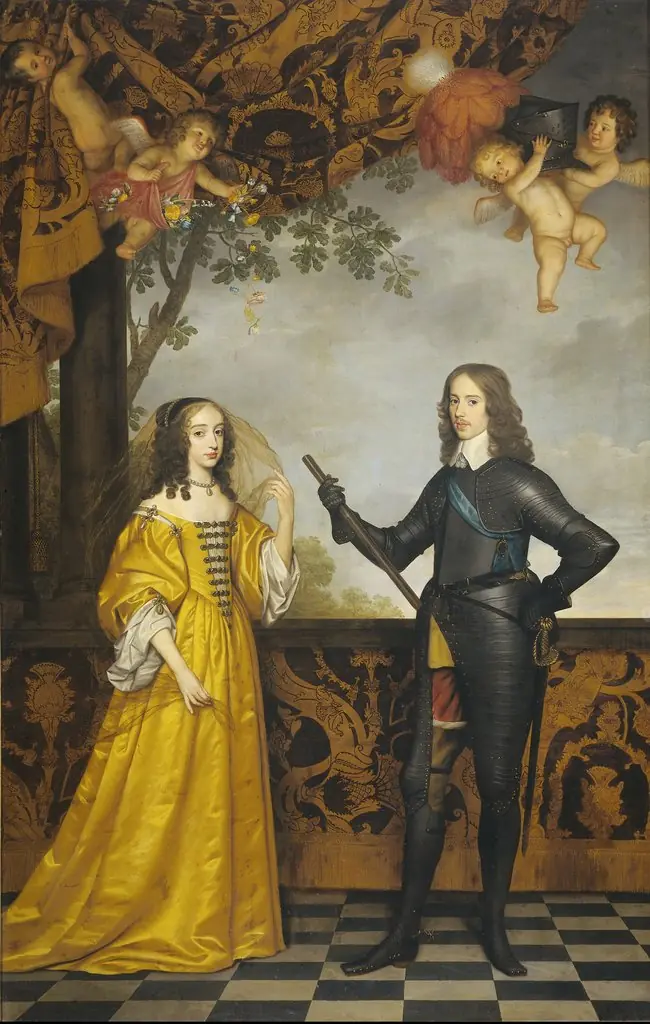 Willem II (1626-50), Prince of Orange, and his wife Maria Stuart (1631-60)
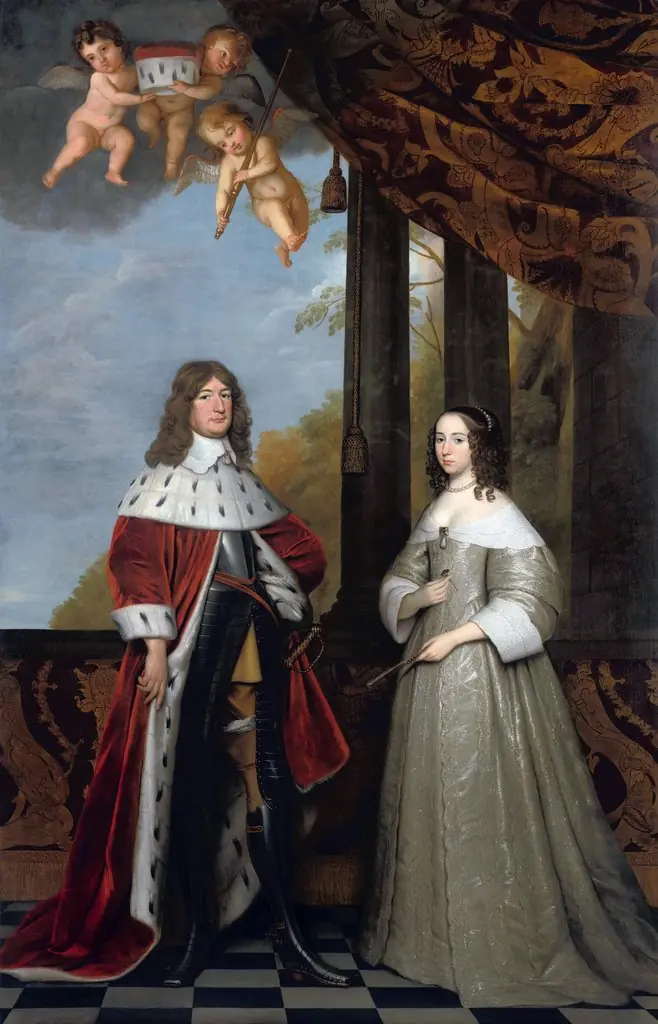 Friedrich Wilhelm (1620-88), Elector of Brandenburg, and his wife Louise Henriette (1627-67), Countess of Orange-Nassau