Artwork
Bildnis der Prinzessin Elisabeth von der Pfalz als Diana (1618-1680)
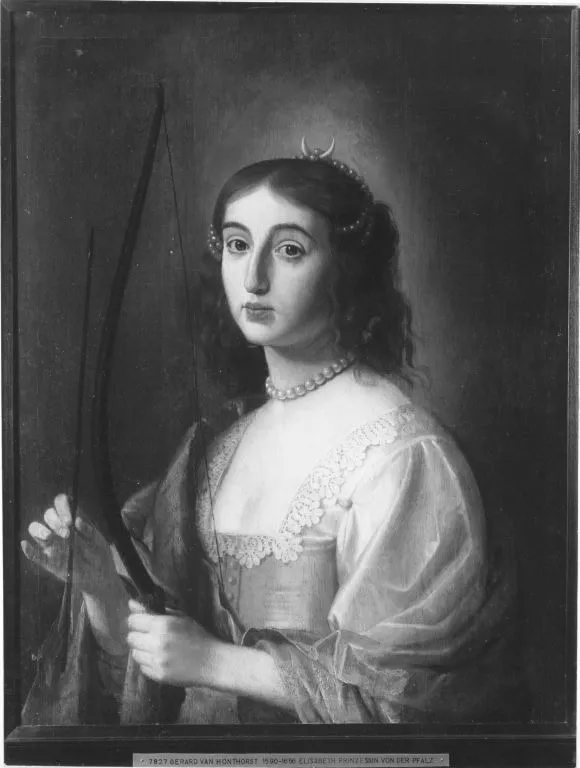
Bildnis der Prinzessin Elisabeth von der Pfalz als Diana (1618-1680) is an unspecified painting by Gerard van Honthorst. It dates from 1632 and is held in the collection of the Bavarian State Painting Collections. Executed in 1632, this oil painting presents Elisabeth of the Palatinate in the guise of the Roman goddess Diana.
About this work
Overview
Executed in 1632, this oil painting presents Elisabeth of the Palatinate in the guise of the Roman goddess Diana.
Executed in 1632, this oil painting presents Elisabeth of the Palatinate in the guise of the Roman goddess Diana. Rendered by Dutch artist Gerard van Honthorst, the work resides in Munich’s Alte Pinakothek. The composition isolates the sitter against a dark backdrop, emphasizing her elegant white dress, pearl necklace, and a fan she holds, while the lighting model creates a sculptural sense of form.
Subject & Meaning
Elisabeth, a 17th‑century princess, is portrayed as Diana, the huntress and virgin deity, a conventional allegorical device that linked noble virtue with classical ideals. The inclusion of a fan and the modest headpiece complement the goddess’s attributes, while the serene expression and poised stance convey both regal dignity and the mythological purity associated with Diana.
Technique & Style
Honthorst employs a pronounced chiaroscuro, lighting the sitter’s face from the side so that one cheek is illuminated and the other recedes into shadow. This contrast, derived from his study of Caravaggio during his Italian period, gives the figure a three‑dimensional presence. The smooth rendering of the white satin and delicate lace demonstrates his skill in depicting texture within a limited colour palette.
History & Provenance
After its completion, the portrait entered the collections of the Bavarian court before being transferred to the Alte Pinakothek, where it has been displayed since the museum’s foundation. Its attribution to Honthorst has been consistent, supported by stylistic analysis and documentation linking the work to his prolific portraiture phase in the early 1630s.
Context
The painting reflects the broader Dutch Golden Age fascination with dramatic lighting and classical allegory, trends that Honthorst shared with contemporaries such as Hendrick ter Brugghen and Dirck van Baburen. His nickname, Gherardo delle Notti, derived from his night‑scene expertise, underscores the significance of artificial illumination in his oeuvre, a quality evident in this portrait of a German princess.
Artist & collection
Artist
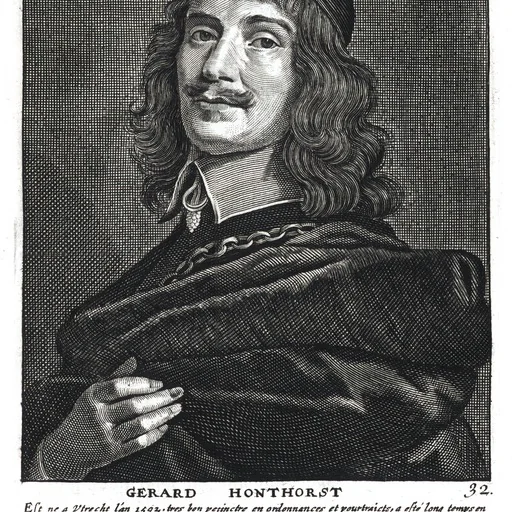
Gerard "Gerrit" van Honthorst (4 November 1592 – 27 April 1656) was a Dutch Golden Age painter who became known for his depiction of artificially lit scenes, eventually receiving the Italian nickname Gherardo delle Notti ("Gerard of the…

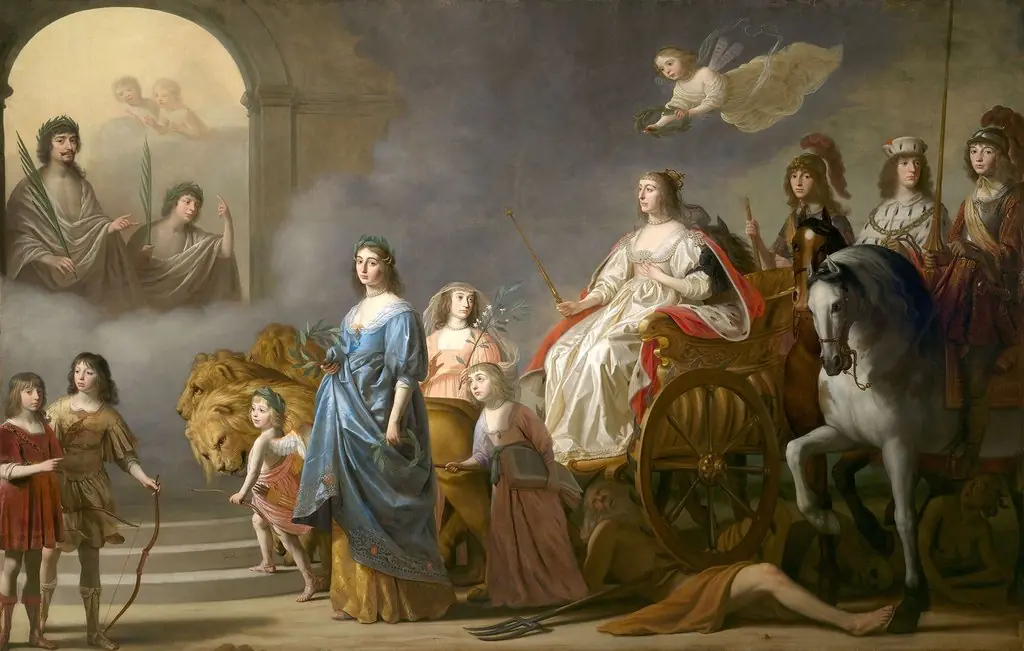 The Triumph of the Winter Queen: Allegory of the Just
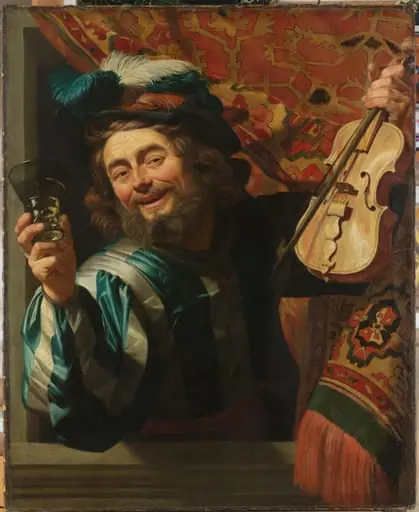 Een vrolijke vioolspeler
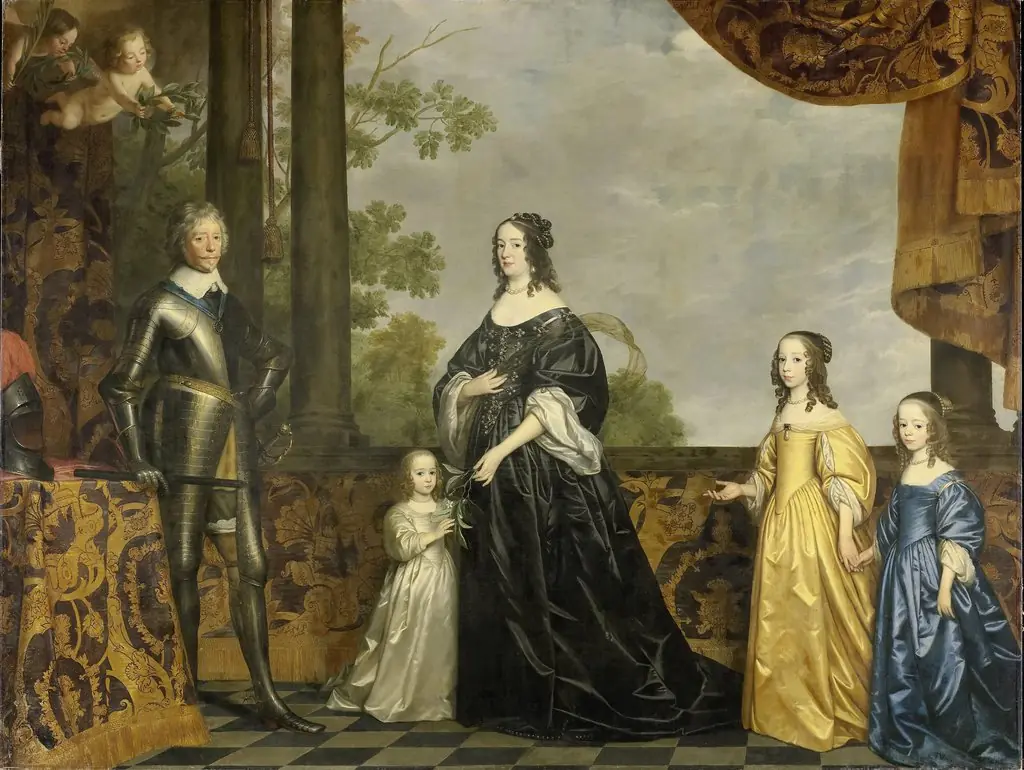 Frederik Hendrik (1584-1647), Prince of Orange, his wife Amalia van Solms (1602-75) and their three youngest daughters, Albertina Agnes (1634-96), Henrietta Catharina (1637-1708) and Maria (1642-88)
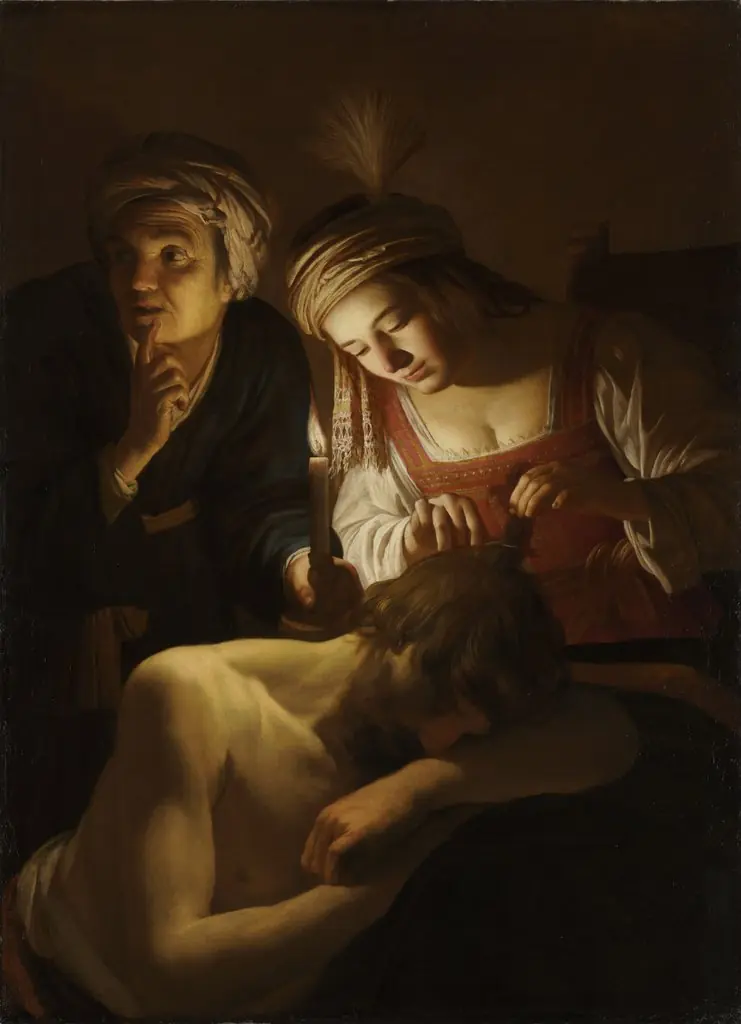 Samson and Delilah
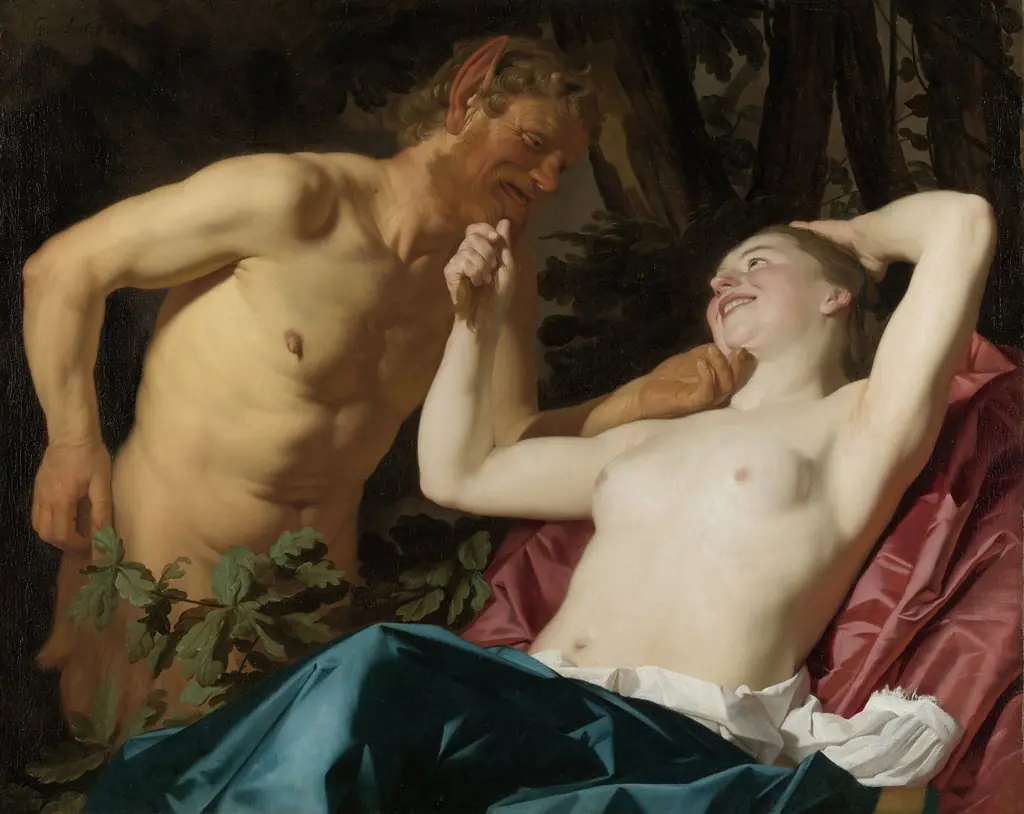 Satyr and Nymph
 Young Woman with a Candlestick, Old Woman and a Violin Player
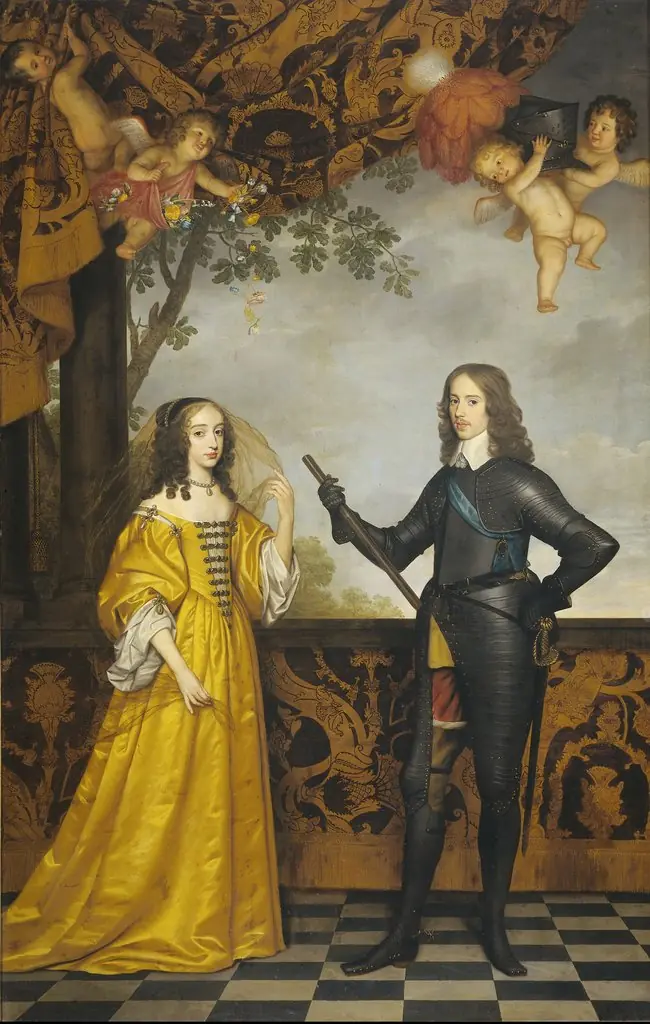 Willem II (1626-50), Prince of Orange, and his wife Maria Stuart (1631-60)
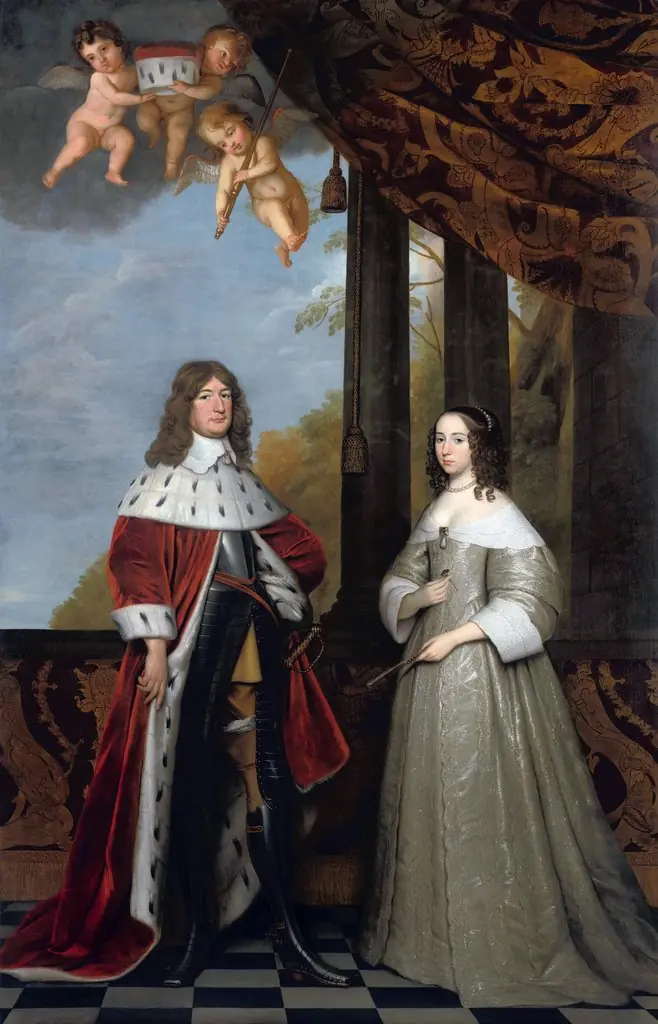 Friedrich Wilhelm (1620-88), Elector of Brandenburg, and his wife Louise Henriette (1627-67), Countess of Orange-Nassau
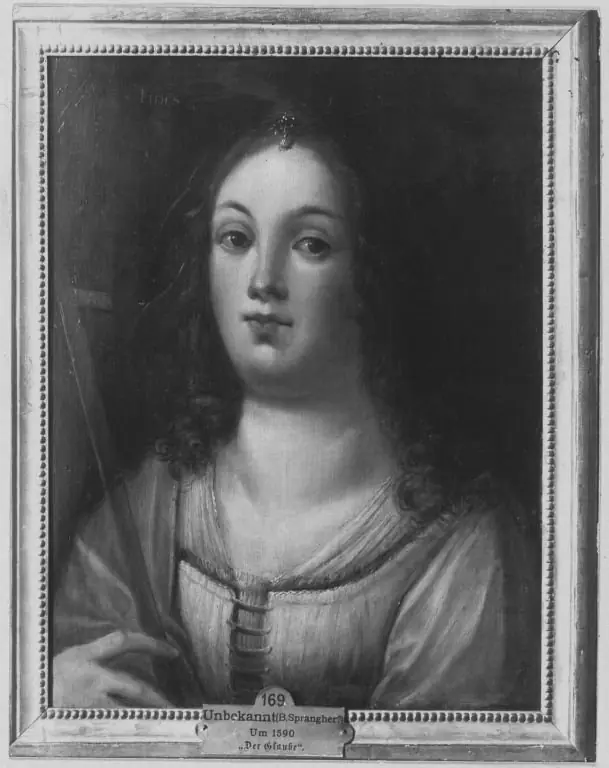 Der Glaube
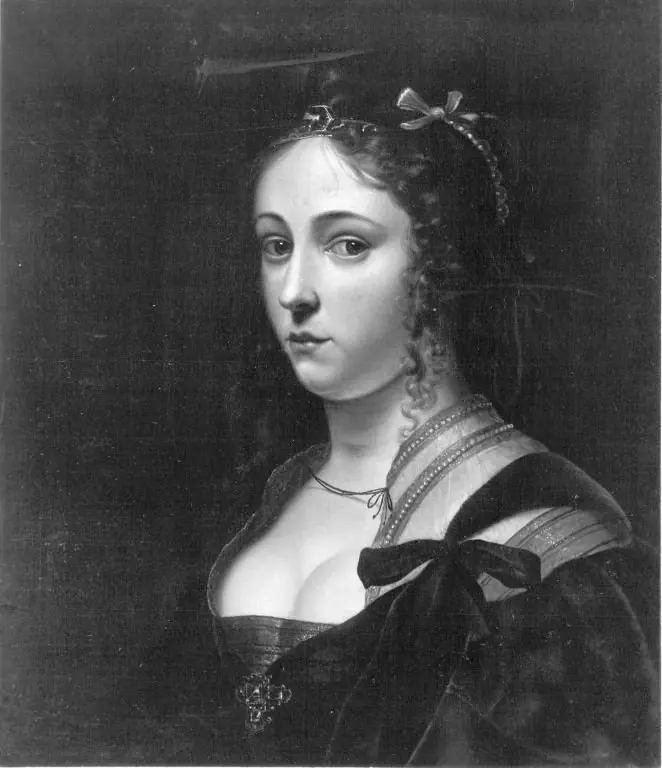 Portrait of a Young Woman
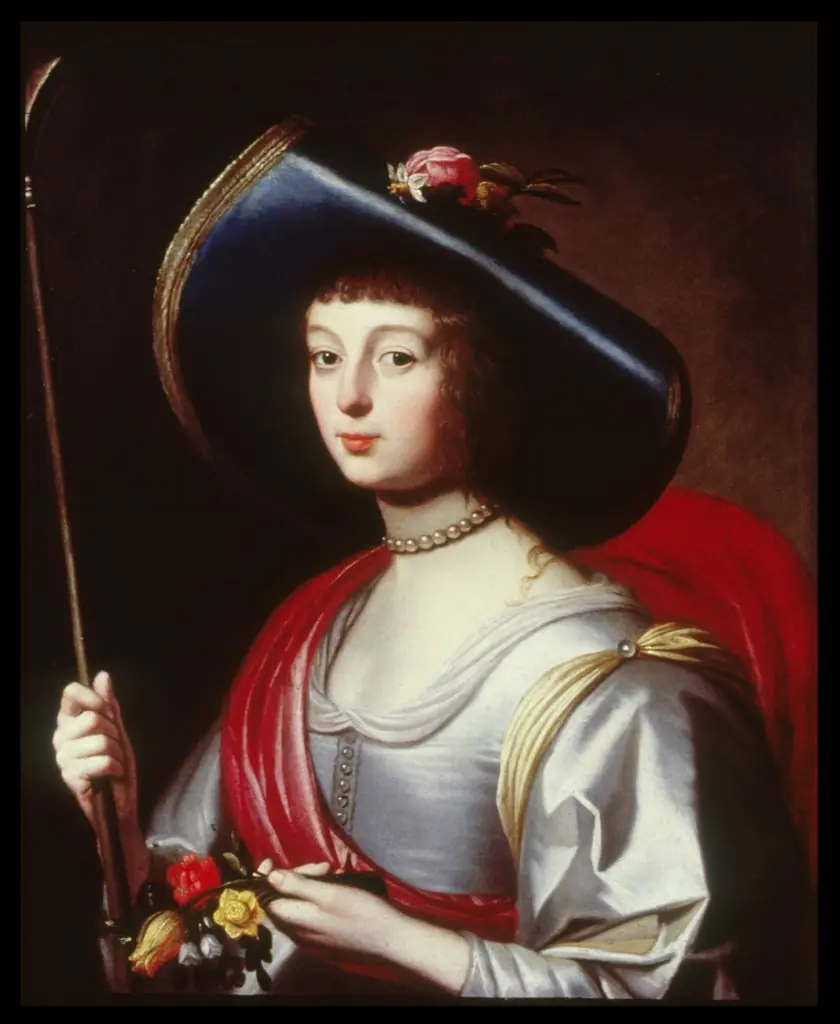 Portrait of a Lady of the Court as a Shepherdess
 Shepherdess
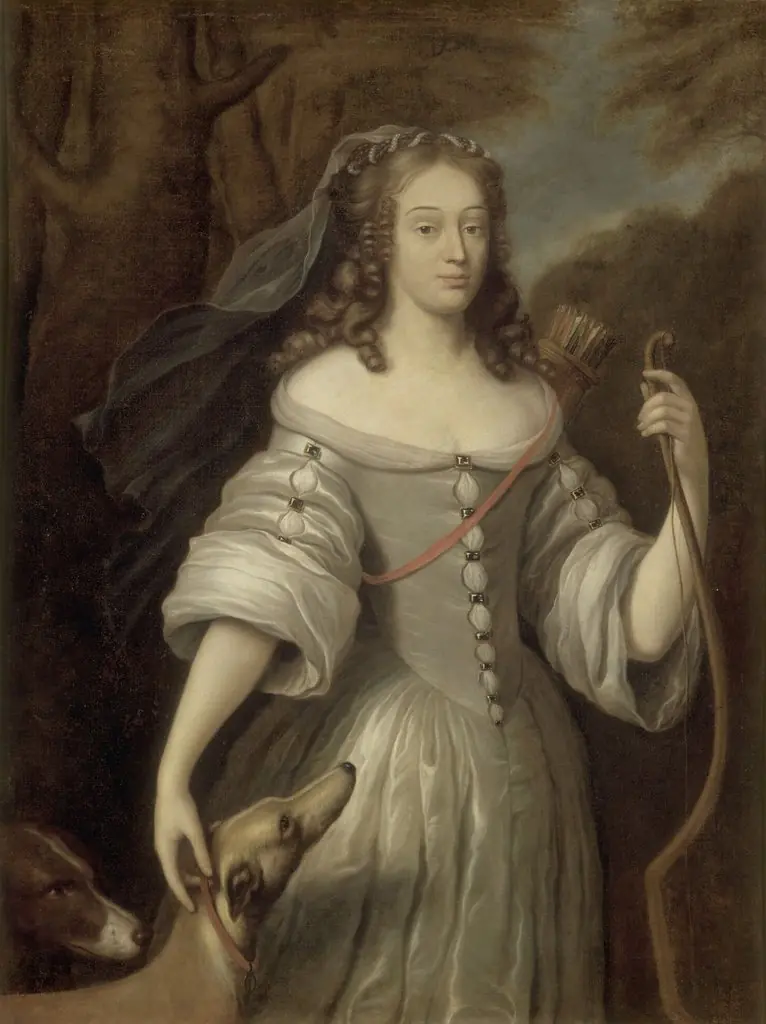 Presumed portrait of Louise-Françoise de La Baume Le Blanc, duchesse de La Vallière as Diana
 Shepherdess
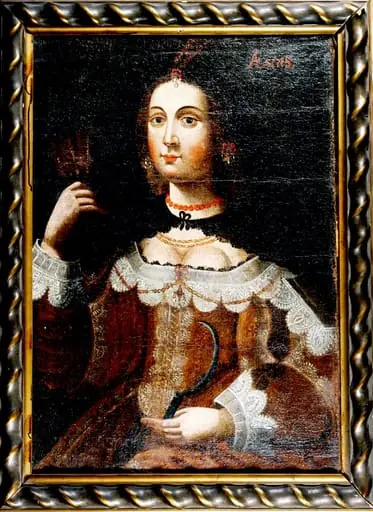 Portret de femeie
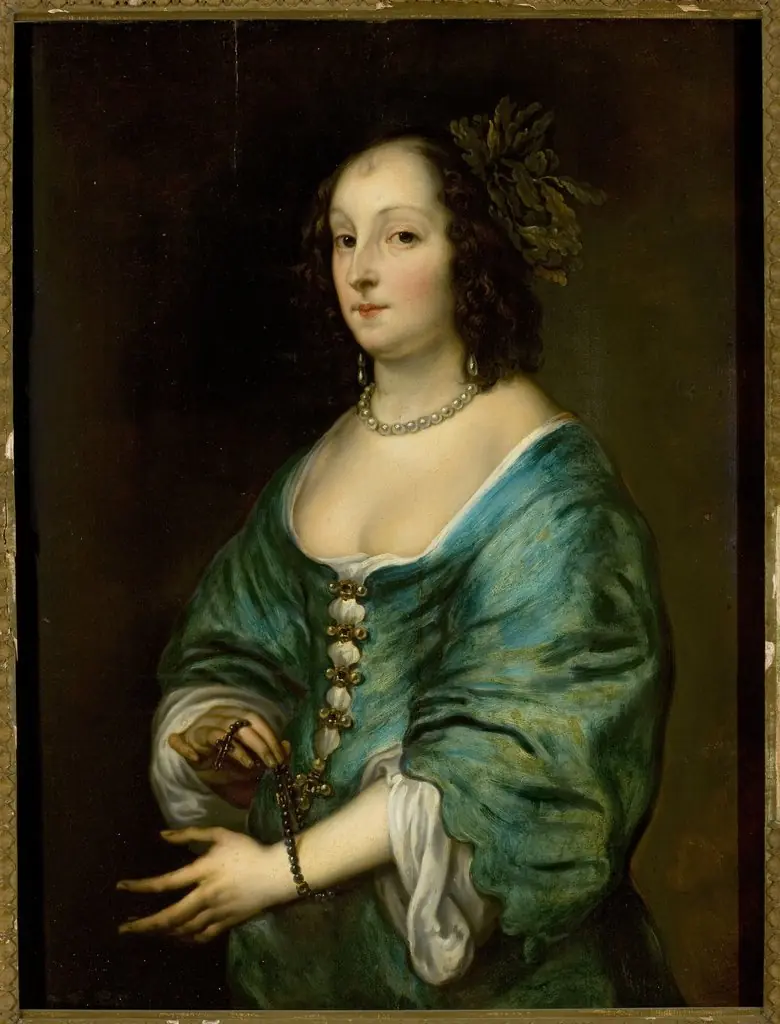 Portrait of Anthony van Dyck's wife Mary Ruthven
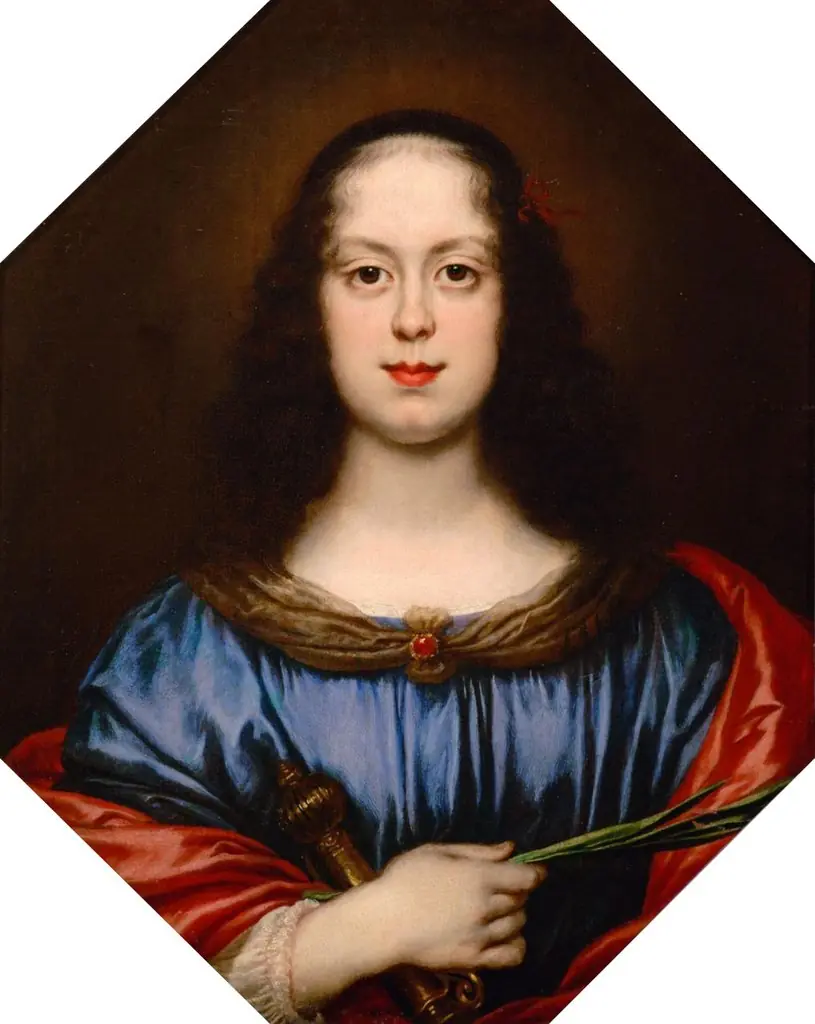 Portrait of Vittoria della Rovere (1622-1694) as St. Catherine
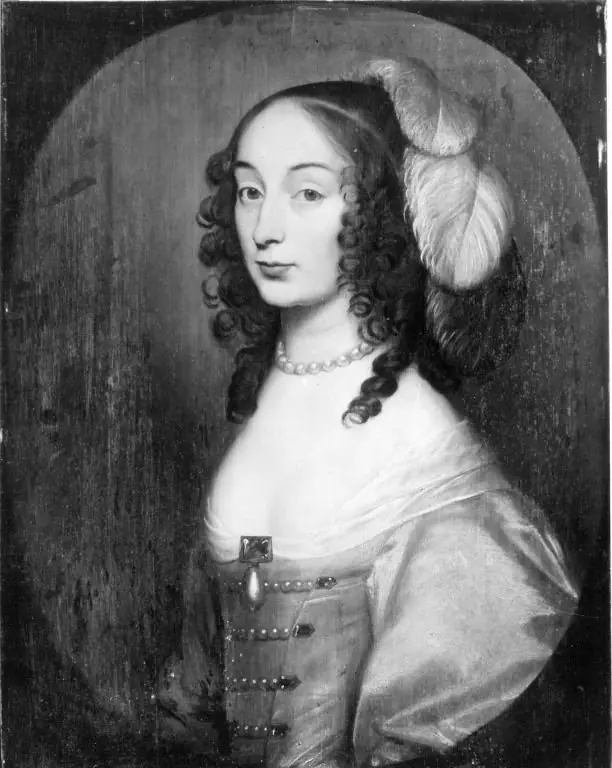 Bildnis der Louise Hollandine, Prinzessin von der Pfalz
 Portrait de Landgrave Elisabeth Amalie de Hesse,
 Bildnis der Luise Maria, Tochter des Kurfürsten Friedrich V. von der Pfalz