Artwork
Endpaper
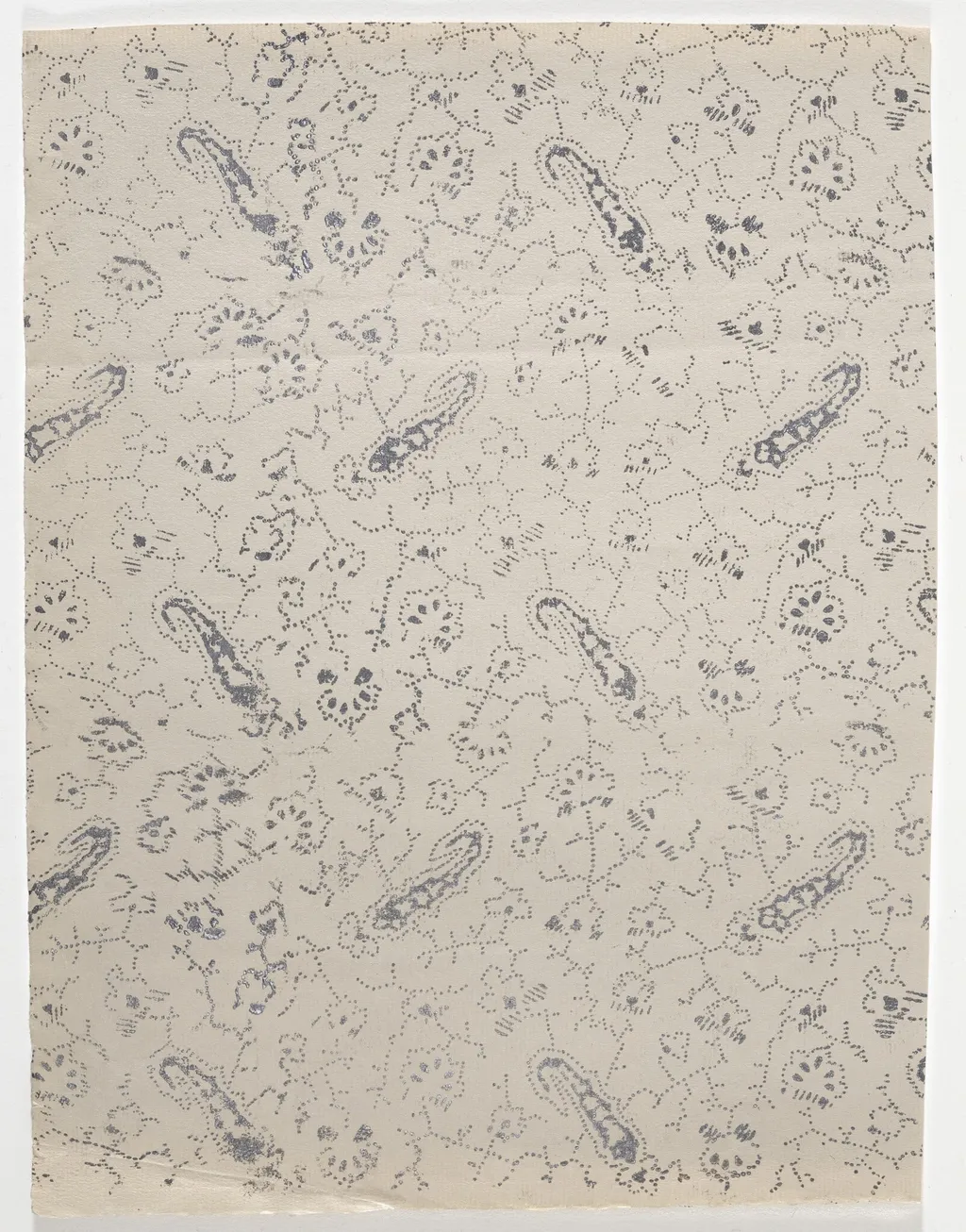
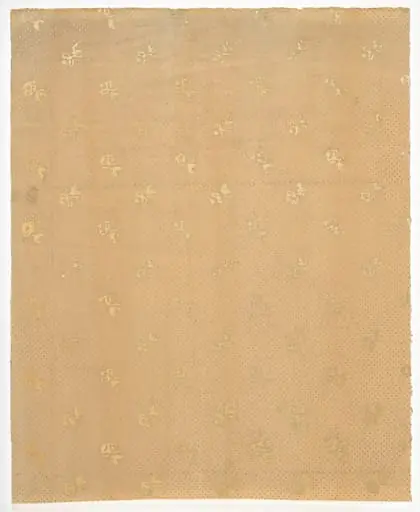
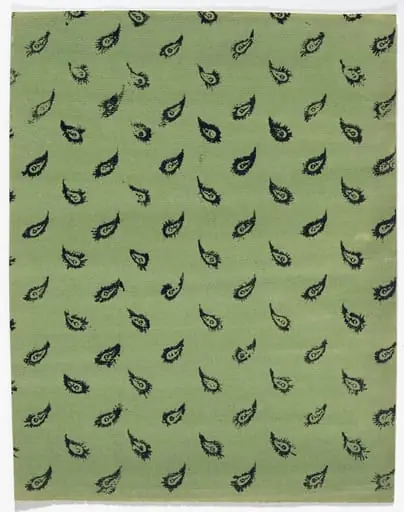
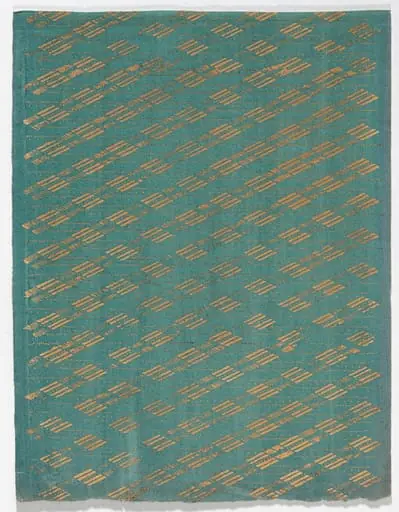
Endpaper is an ink print by the Romanticist artist German 19th Century. It dates from 1850 and is held in the collection of the National Gallery of Art.
About this work
Overview
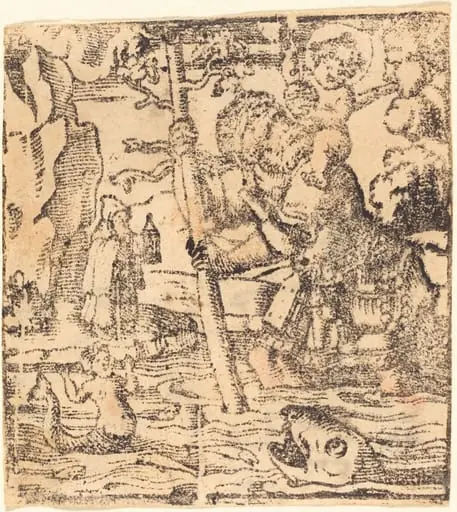
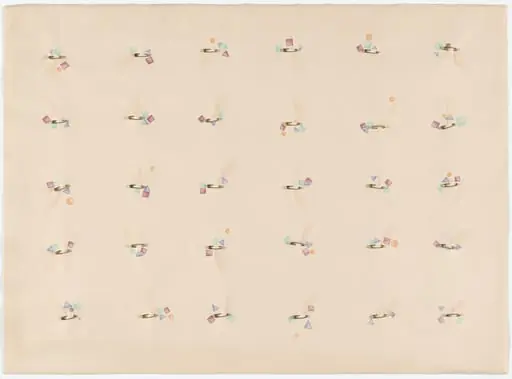
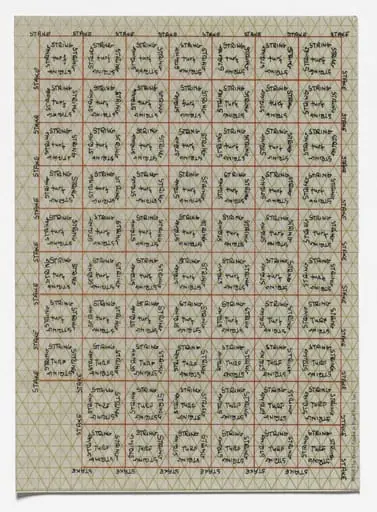
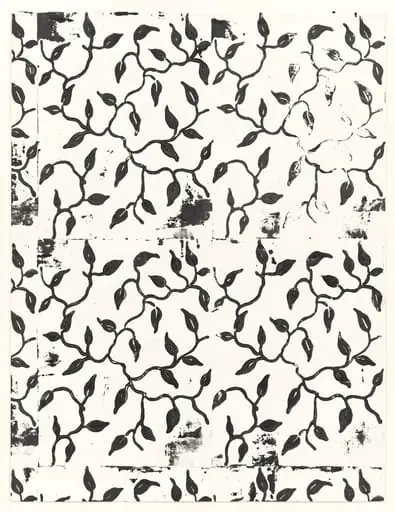
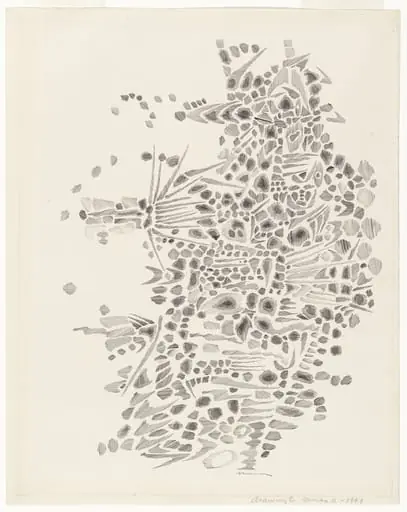
The work titled “Endpaper” is a print executed in black on tan paper. Its appearance resembles a loose, sketch‑like composition, with small marks and lines suggesting vague forms that could be interpreted as trees, figures, or abstract shapes. The distribution of the marks is uneven, creating areas of dense stippling alongside expanses of near‑blank surface, imparting a raw, unfinished quality.
Subject & Meaning
No explicit narrative is provided for the image; the ambiguous marks invite open interpretation. The sparse, scribbled gestures may allude to natural elements or human presence, while the overall sense of incompleteness suggests a focus on process rather than a definitive representational scene.
Technique & Style
The print appears to be a woodcut, a relief printing method in which a design is carved into a wooden block, inked, and pressed onto paper. The black pigment on a light‑colored support emphasizes contrast, and the irregular, sketch‑like marks reflect a deliberately informal approach to the medium, emphasizing spontaneity over refined finish.
History & Provenance
Specific details regarding the creation date, artist, or ownership history of “Endpaper” are not supplied. Consequently, its provenance remains undocumented within the available information.
Context
Within the broader tradition of printmaking, works that foreground the materiality of the process—such as visible wood grain, uneven ink application, and a draft‑like aesthetic—often challenge conventional expectations of polish. “Endpaper” aligns with this lineage, emphasizing the immediacy of mark‑making.
Artist & collection

Artist
This artist left only tiny, perfect fragments—endpapers and saints, no bigger than a postcard.