Artwork
The Nieuwezijds Voorburgwal with the Flower and Tree Market in Amsterdam
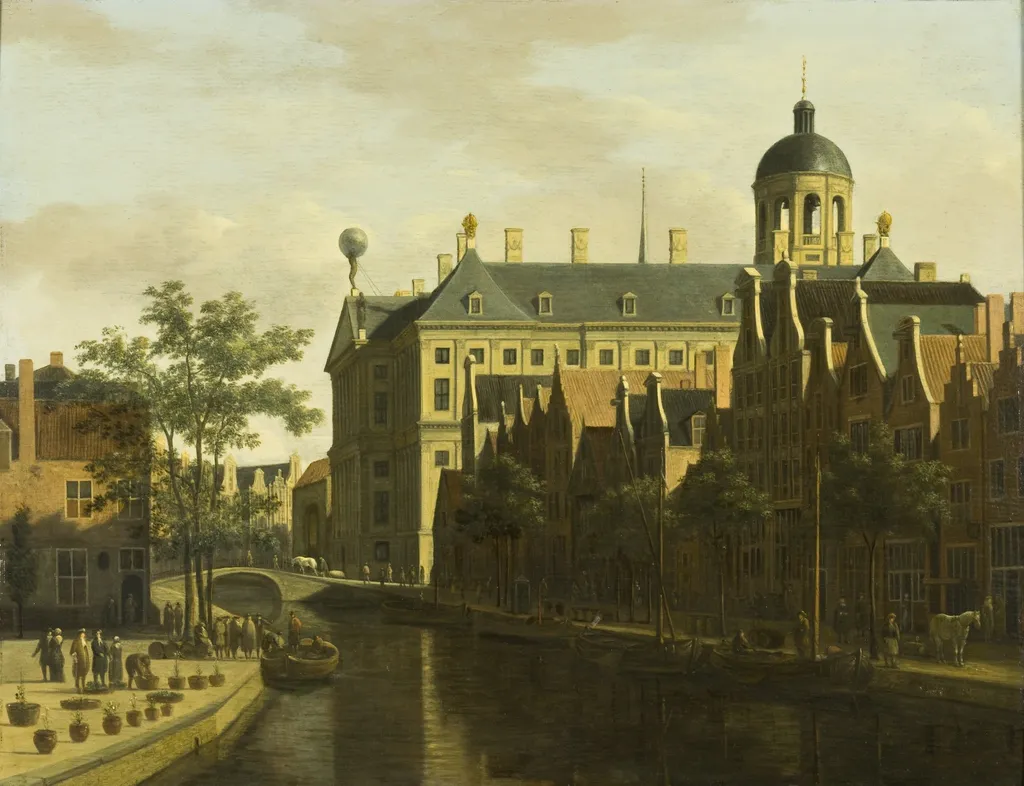
The Nieuwezijds Voorburgwal with the Flower and Tree Market in Amsterdam is an oil painting by the Dutch Golden Age artist Gerrit Adriaenszoon Berckheyde. It dates from 1675 and is held in the collection of the Los Angeles County Museum of Art.
About this work
Overview
The scene captures daily urban life with restrained detail, focusing on architecture, water, and pedestrian movement rather than grand spectacle.
Painted in 1675 by Gerrit Adriaenszoon Berckheyde, this oil on canvas depicts a quiet stretch of Amsterdam’s Nieuwezijds Voorburgwal canal. The scene captures daily urban life with restrained detail, focusing on architecture, water, and pedestrian movement rather than grand spectacle. It reflects the artist’s consistent interest in topographical accuracy and atmospheric tone, characteristic of Dutch cityscape painting in the late seventeenth century.
Subject & Meaning
The painting presents a modest commercial canalfront, where a tree and flower market operates near a stone quay. A single boat rests at the water’s edge, and a horse-drawn cart moves along the distant path, suggesting routine commerce. No dramatic events occur; the quiet rhythm of urban life is the subject. The scene conveys order, stability, and the quiet dignity of Amsterdam’s civic space.
Technique & Style
Berckheyde employed soft, diffused light to model the narrow brick facades, creating a sense of solidity without harsh contrast. Shadows are muted, enhancing the impression of a winter afternoon. The palette is restrained—earthy browns, gray-greens, and pale ochres—reinforcing the calm mood. Brushwork is precise yet unobtrusive, favoring clarity over flourish, typical of his architectural focus.
History & Provenance
The painting entered the collection of the Los Angeles County Museum of Art in the twentieth century, following earlier ownership by European collectors. Its provenance traces back to the Dutch Republic, where Berckheyde’s city views were sought after by middle-class patrons. It has remained relatively unchanged in condition, preserving the original tonal harmony and compositional balance.
Context
In 1675, Amsterdam was at the height of its economic and cultural influence. Berckheyde, trained in Haarlem and active in Amsterdam, specialized in documenting the city’s evolving infrastructure. His works served as both records and quiet celebrations of urban order. This painting aligns with a broader trend among Dutch artists to depict ordinary civic spaces with precision and calm authority.
Legacy
Berckheyde’s cityscapes, including this one, contributed to the documentation of Dutch urban life during its Golden Age. Though less celebrated than contemporaries like Rembrandt or Vermeer, his work offers valuable insight into the texture of daily existence. His method of rendering architecture with quiet realism influenced later topographical painters and remains a reference for historians of urban form.
Own this work as a print
Artist & collection
Artist
Gerrit Adriaenszoon Berckheyde
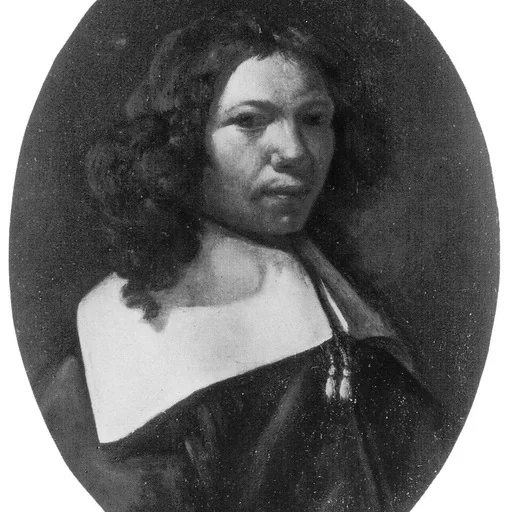
Gerrit Adriaenszoon Berckheyde (1638 – 10 June 1698) was a Dutch Golden Age painter, active in Haarlem, Amsterdam, and The Hague, who is best known today for his cityscapes.

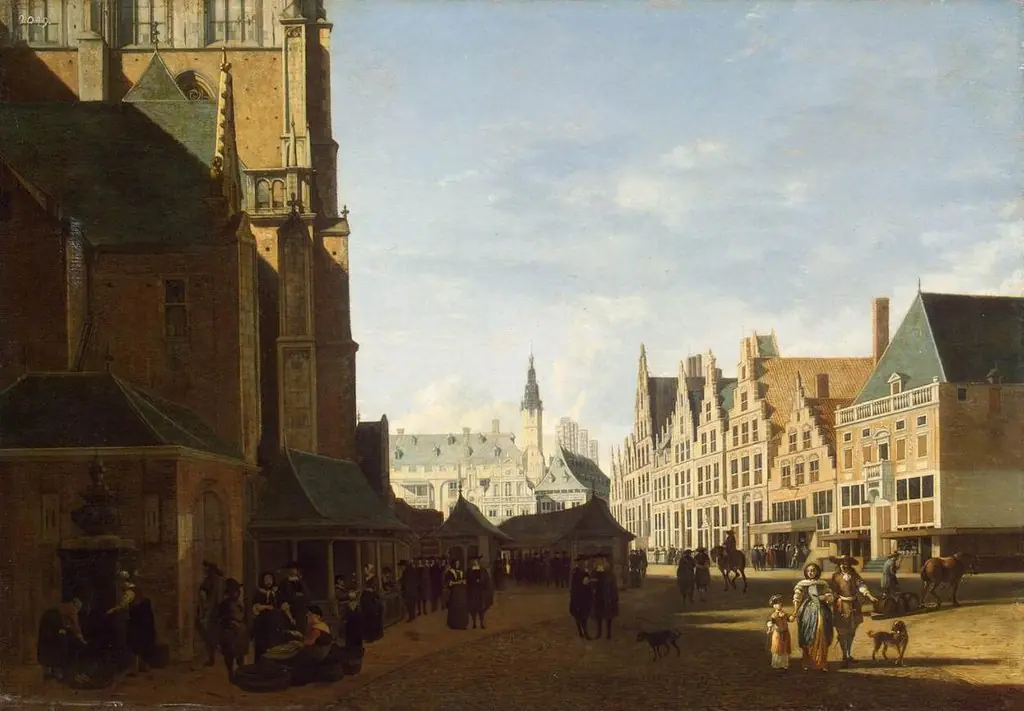
 View of the Houtmarkt in Amsterdam
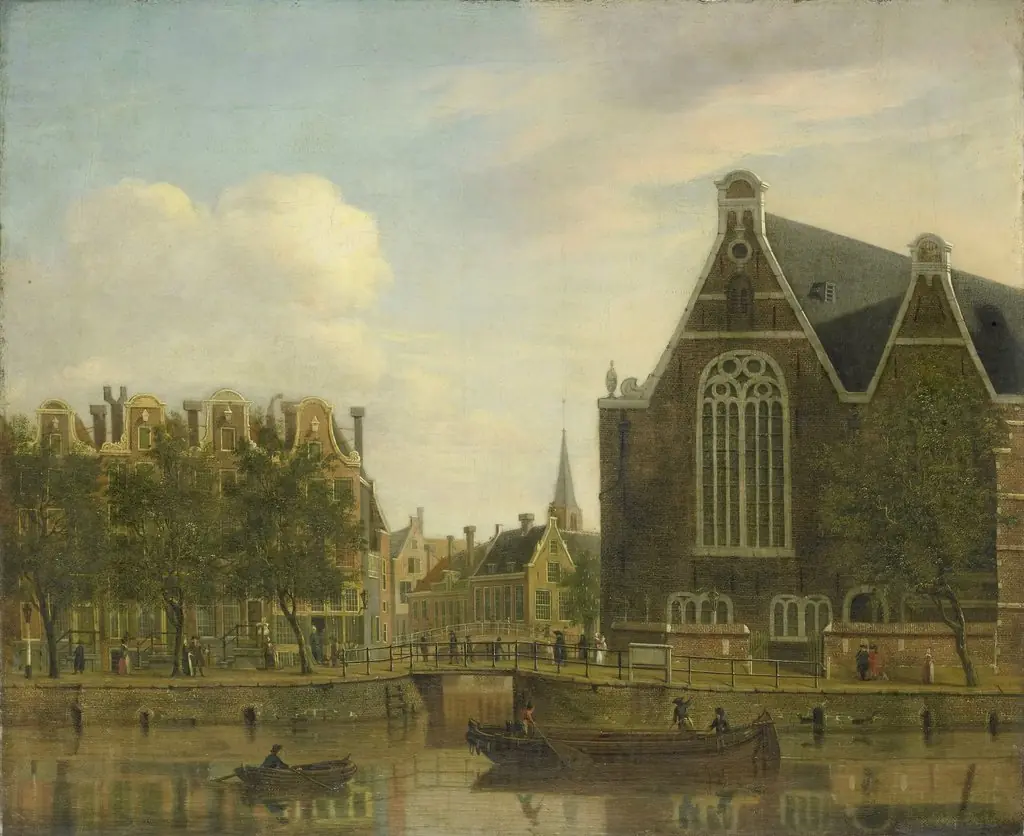 The so-called Boerenverdriet on the Spui, Amsterdam
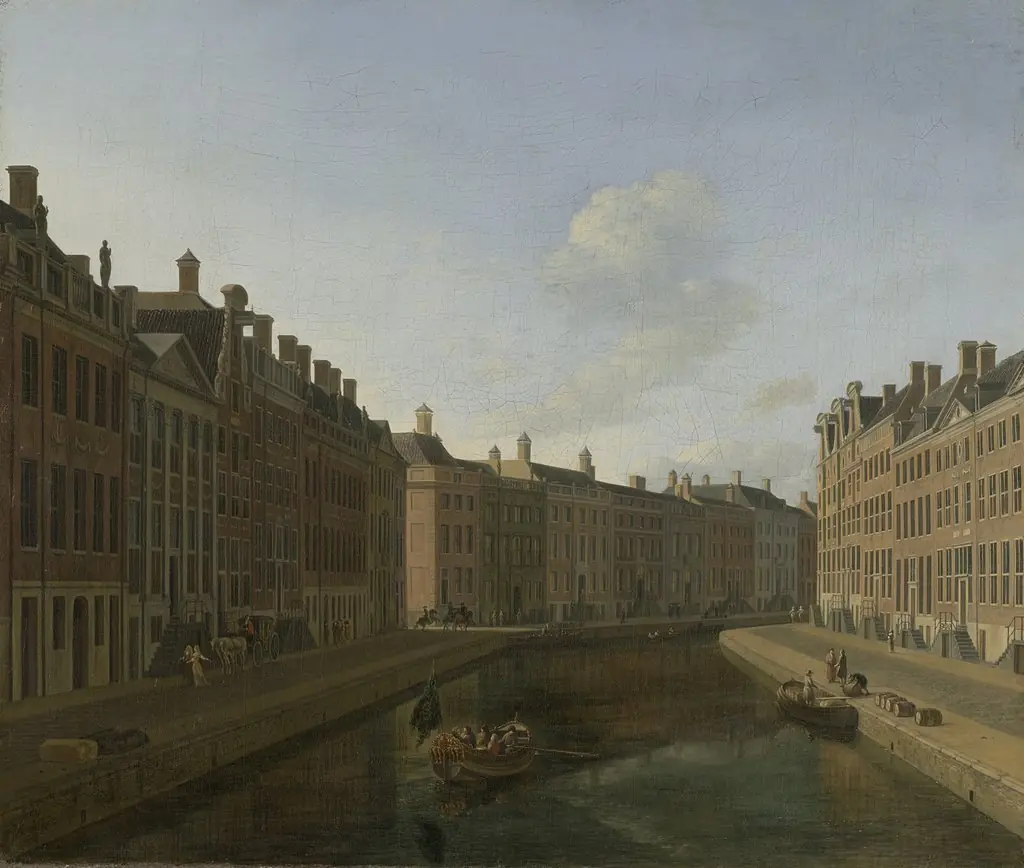
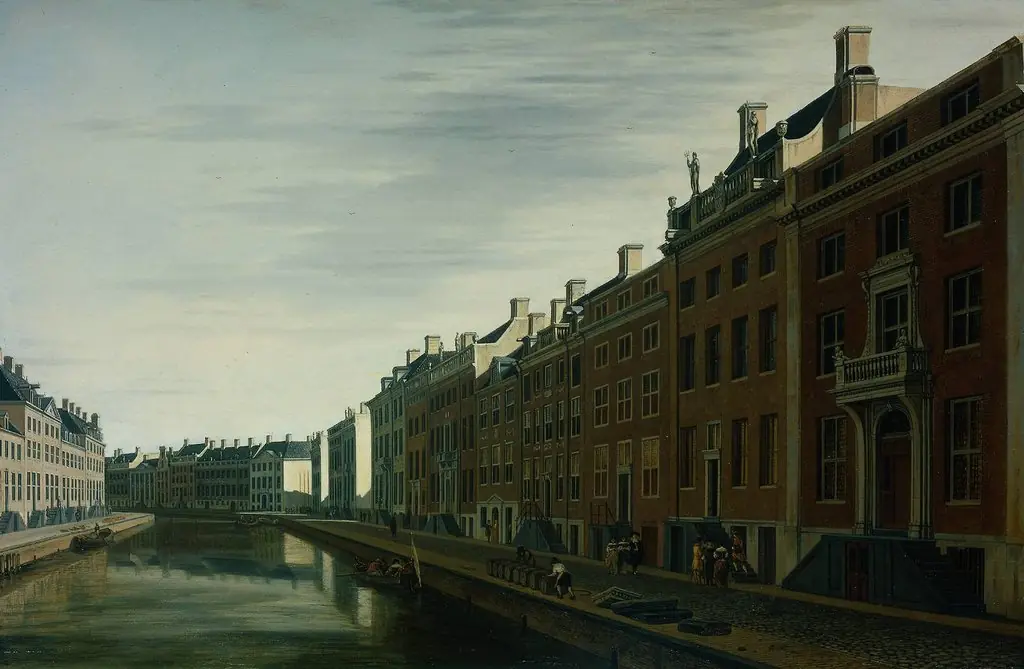 The ‘Golden Bend’ in the Herengracht, Amsterdam, Seen from the West
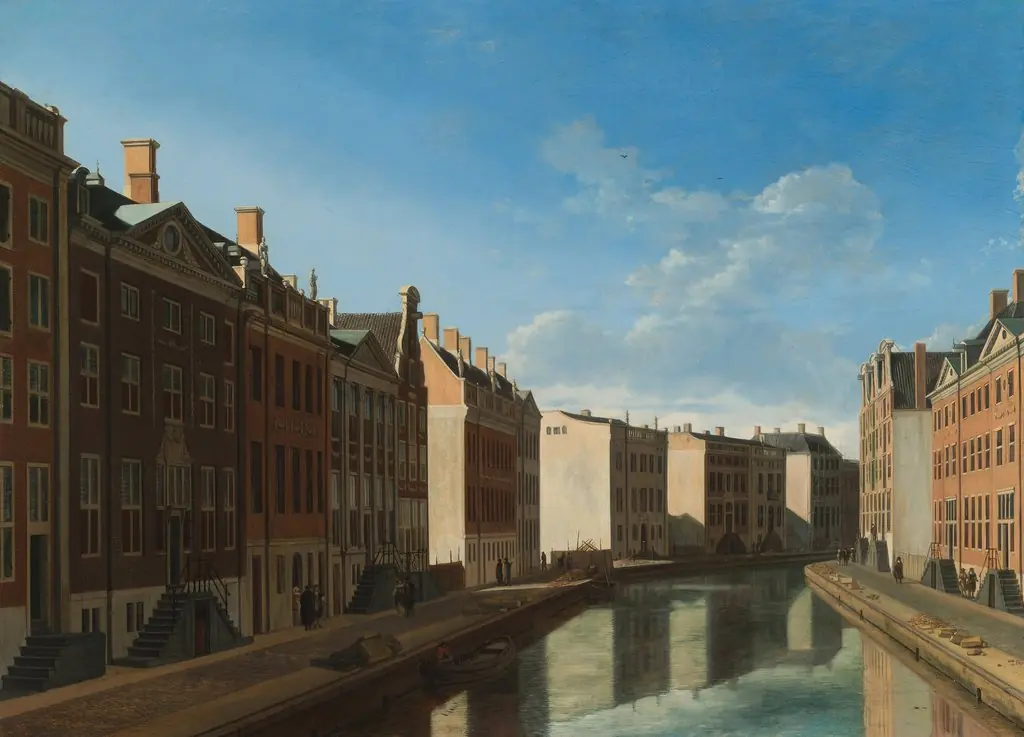 The ‘Golden Bend’ in the Herengracht, Amsterdam, Seen from the East
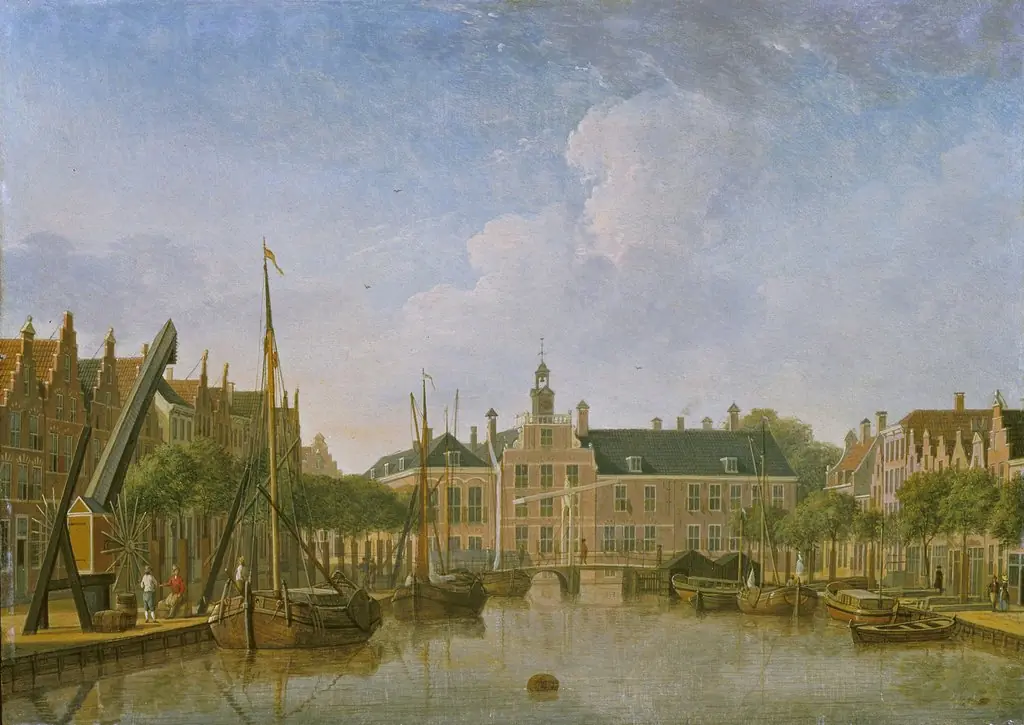 The Bierkade and Groenewegje at The Hague seen towards the Spui
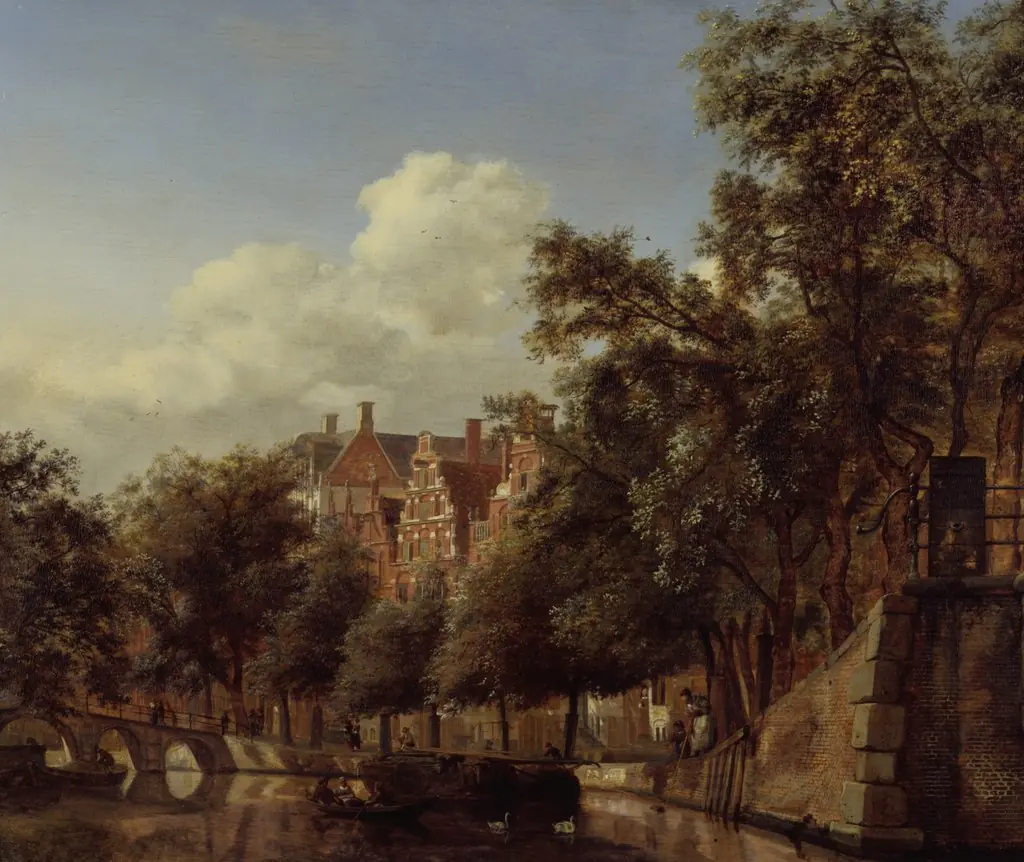 View of the Herengracht, Amsterdam, from the Leliegracht
 Schloß Temsch an der Schelde