Artwork
Cu fața-n jos
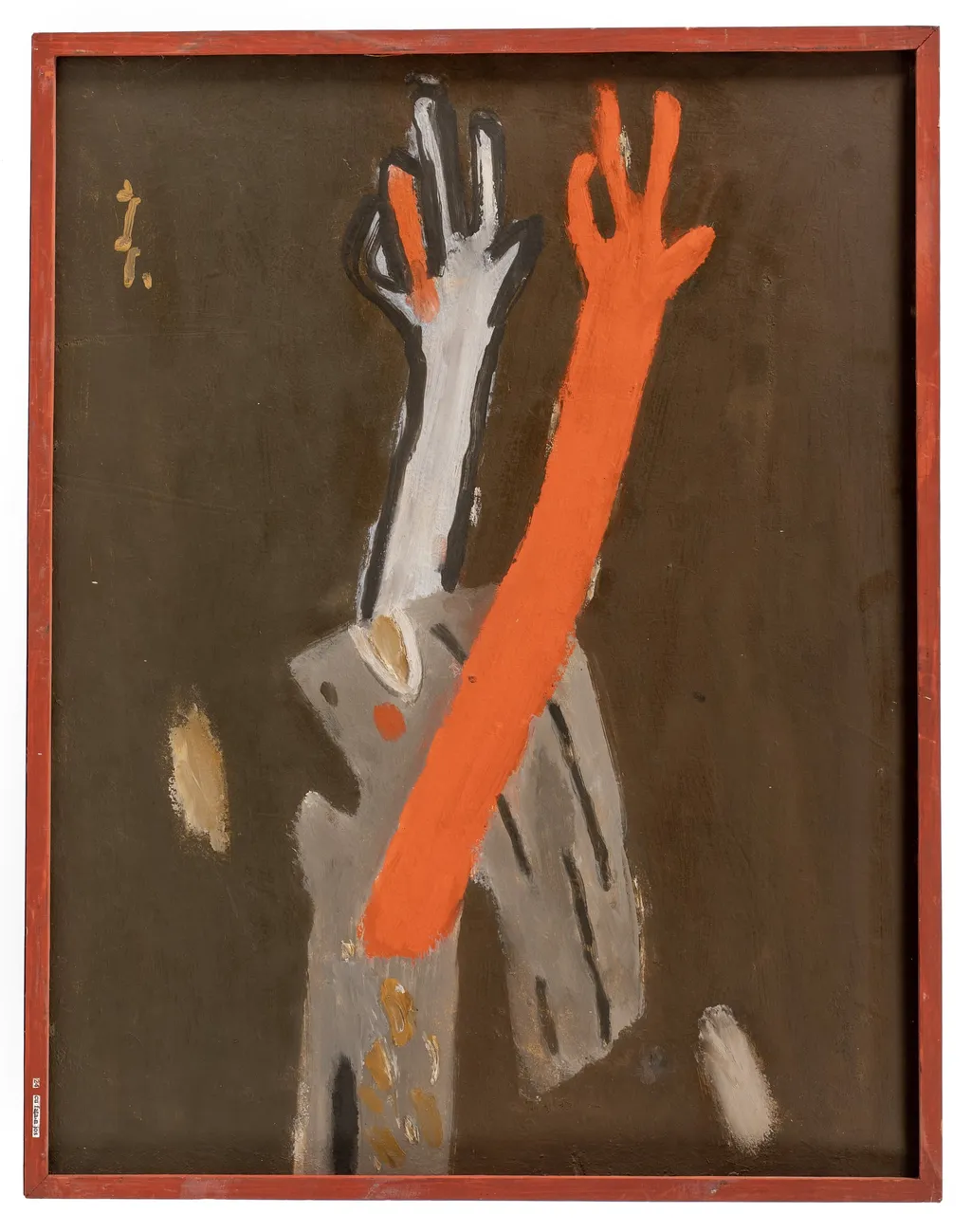
Cu fața-n jos is an unspecified painting by Gheorghiu Val. It dates from 1984 and is held in the collection of the Moldova National Museum Complex.
About this work
Overview
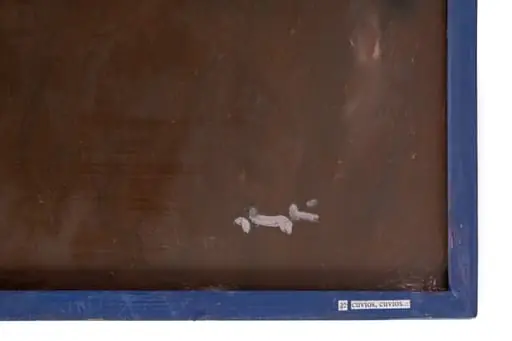
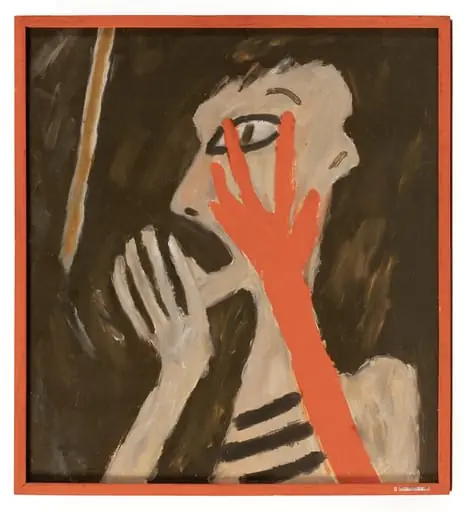
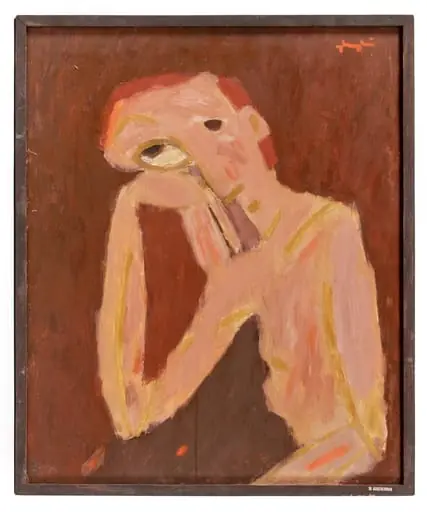
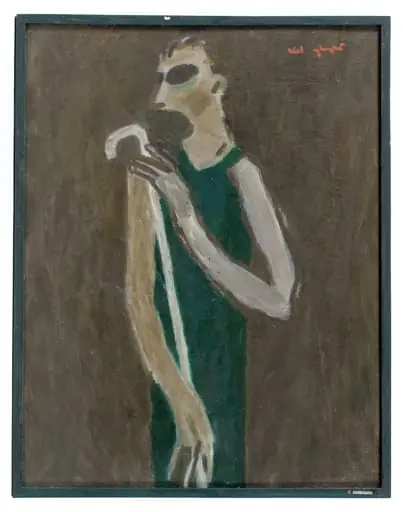
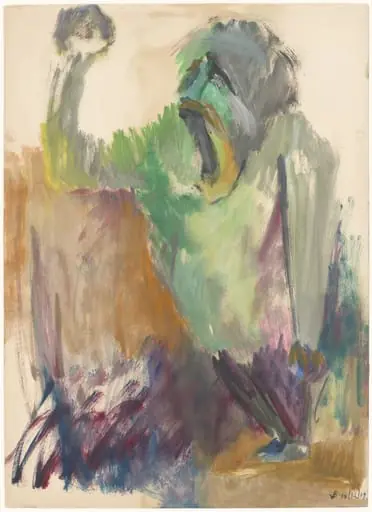
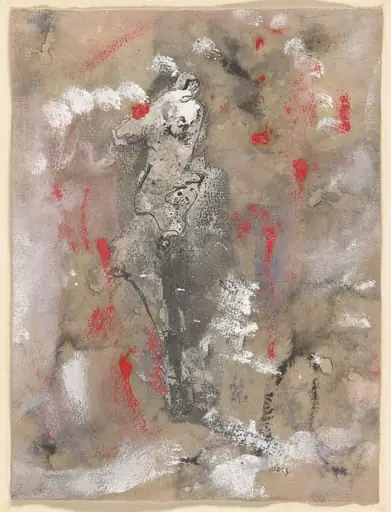
Created around 1984 by Gheorghiu Val, this oil painting depicts a solitary figure prone on the ground, face downward. The composition is dominated by muted earth tones—brown and gray—with abrupt contrasts of red, orange, and white. The surface is heavily textured, built up with thick layers of paint that catch light unevenly, suggesting urgency and physicality in the artist’s application.
Subject & Meaning
The crimson streak slicing through the scene introduces a violent or emotional rupture, possibly symbolizing injury, blood, or a sudden disruption.
The figure lies motionless, arms extended as if in surrender or reaching toward an unseen horizon. Its posture evokes vulnerability, exhaustion, or resignation, though no narrative context is provided. The crimson streak slicing through the scene introduces a violent or emotional rupture, possibly symbolizing injury, blood, or a sudden disruption. The ambiguity invites contemplation without prescribing interpretation.
Technique & Style
Val employs impasto to build dense, tactile surfaces, particularly around the figure and the red mark. Paint is applied with visible, forceful strokes, creating ridges and valleys that catch ambient light. The palette is restrained except for the jarring red and occasional white highlights, which seem to emerge from the darkness rather than be painted atop it. This contrast enhances the sense of emotional intensity.
History & Provenance
The work emerged during the final years of Romania’s communist regime, a period marked by state control over artistic expression. While Val’s broader oeuvre is not widely documented, this piece reflects a personal, non-conformist approach. It remained in private hands until entering a public collection in the early 2000s, where it was recognized for its emotional resonance amid state-sanctioned aesthetics.
Context
Produced under a regime that favored socialist realism, this painting diverges sharply from official norms. Its abstraction, emotional rawness, and lack of ideological messaging suggest a quiet act of resistance. Val’s use of physicality in paint and ambiguous symbolism aligns with broader Eastern European avant-garde practices that sought expression beyond state-imposed themes.
Legacy
Though not widely exhibited during its creation, the work has since become a touchstone for discussions of dissent in Romanian art. Its raw technique and psychological weight have influenced younger artists exploring trauma and silence in post-communist visual culture. It remains a quiet but potent example of individual expression under constraint.
Artist & collection
Artist
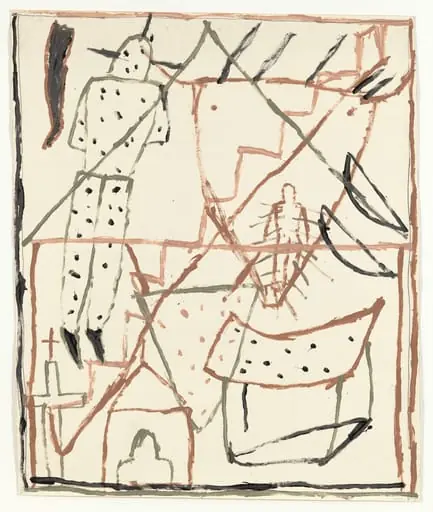
Gheorghiu Val made prints and paintings in a raw, direct style that feels like a punch to the ribs.