Artwork
Untitled
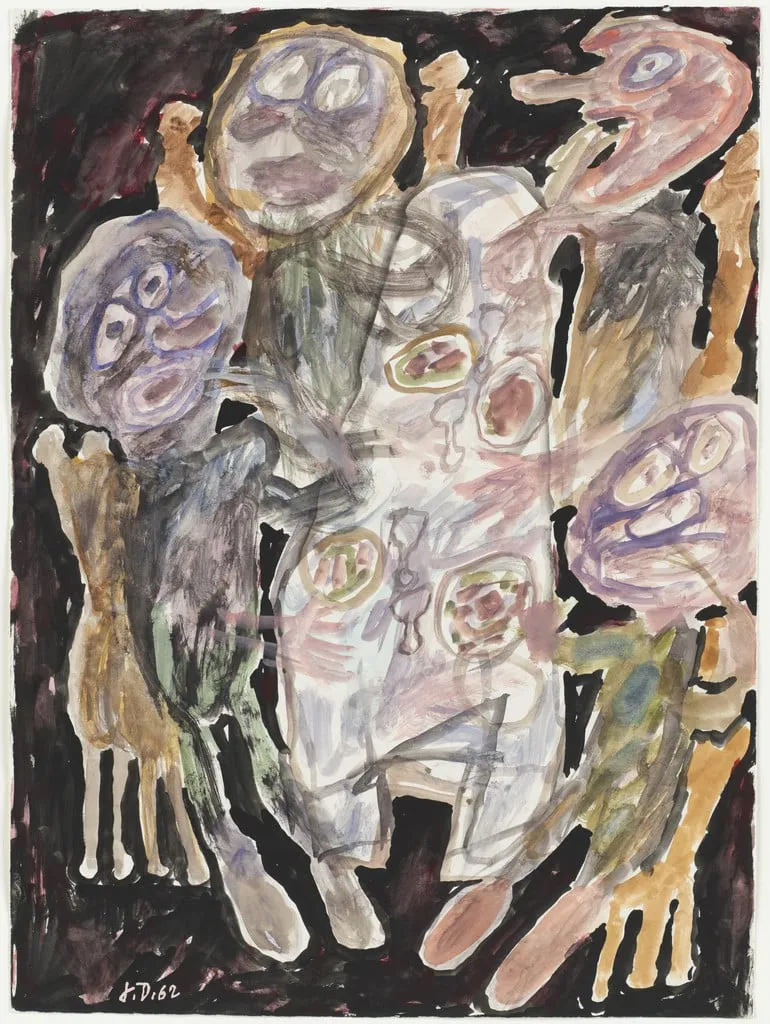
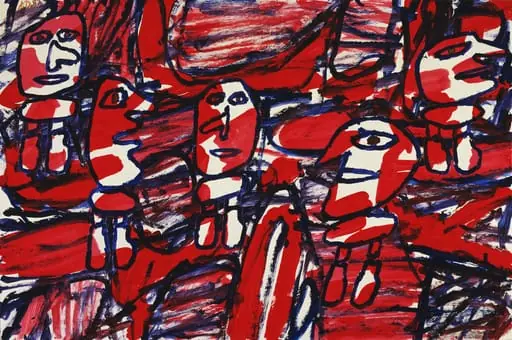
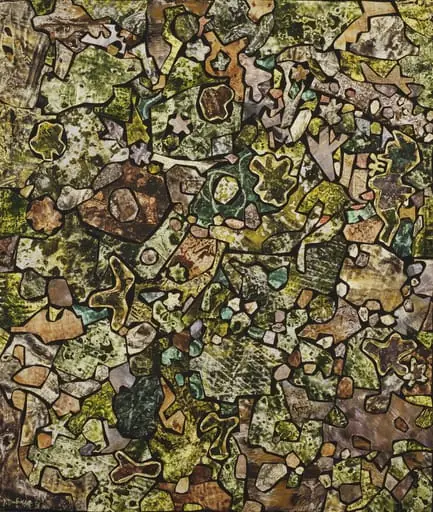
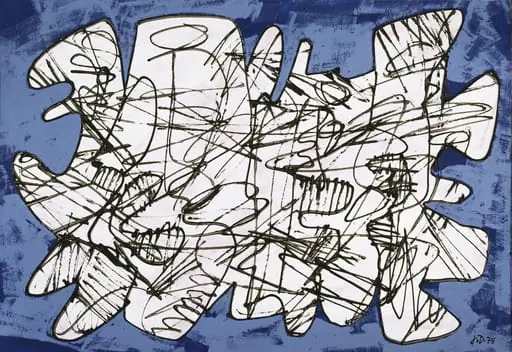
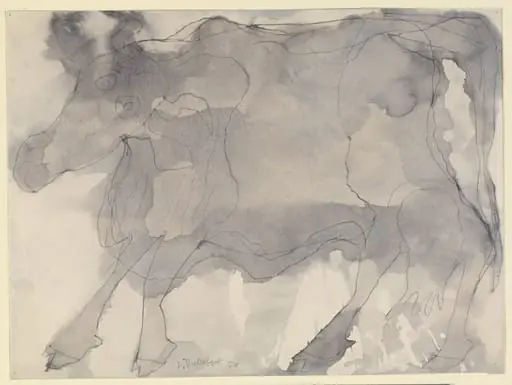
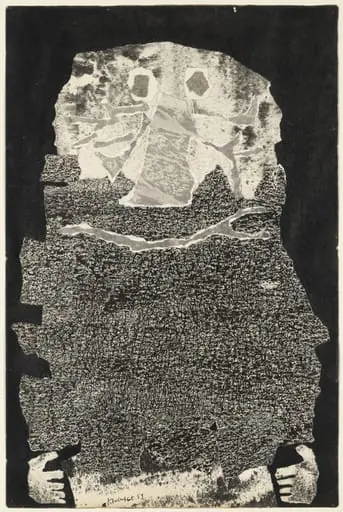
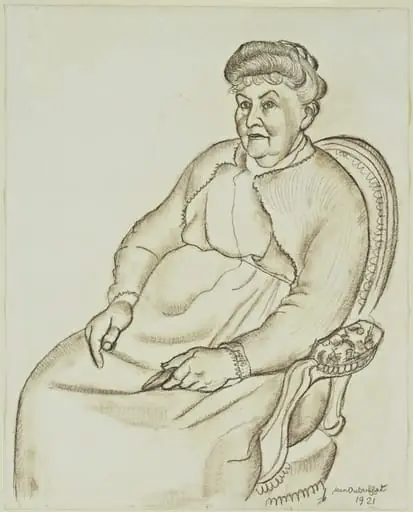
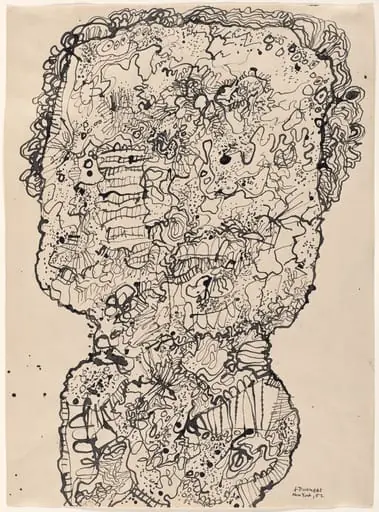
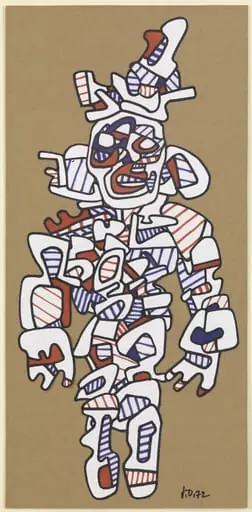
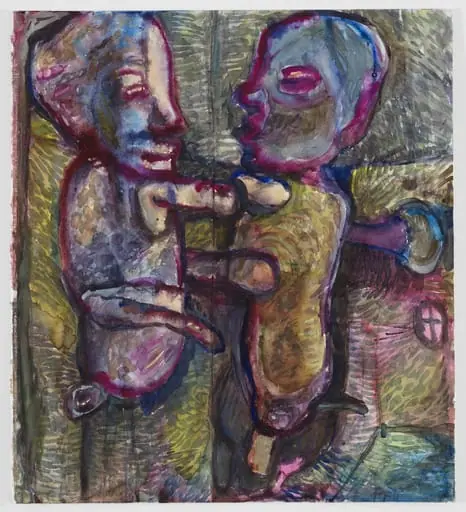
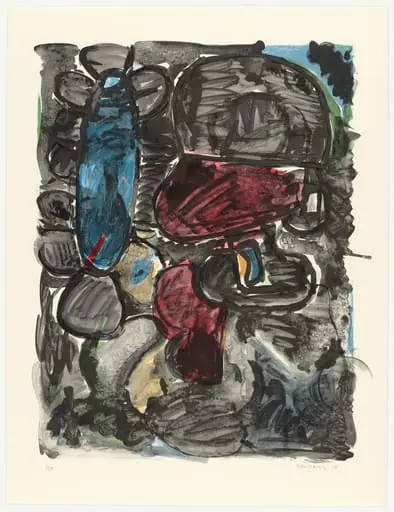
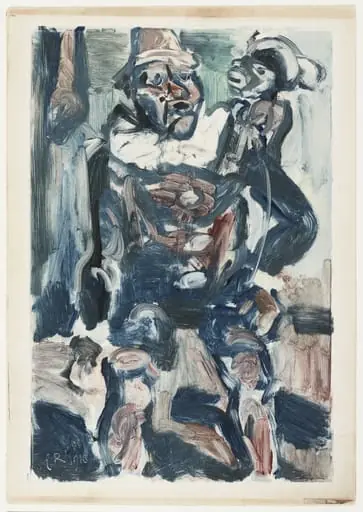
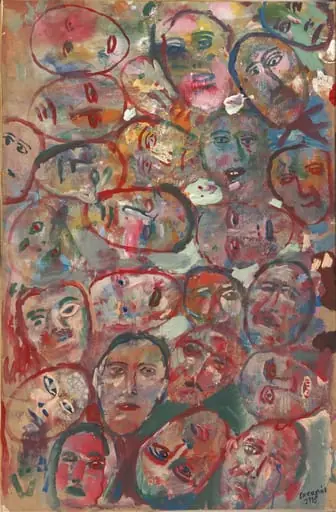
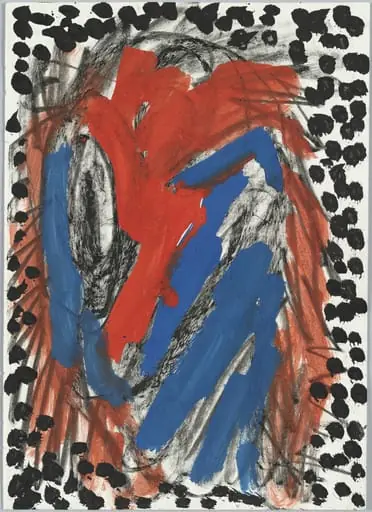
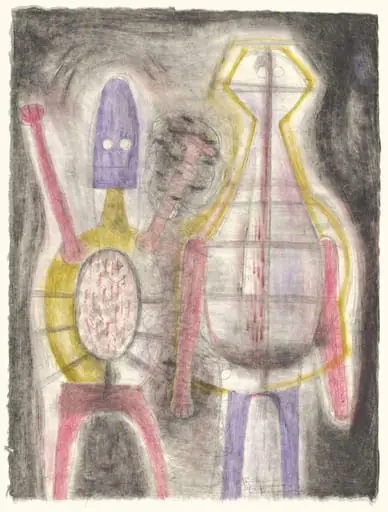
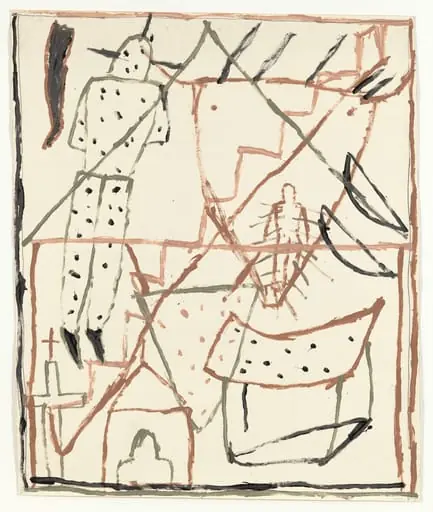
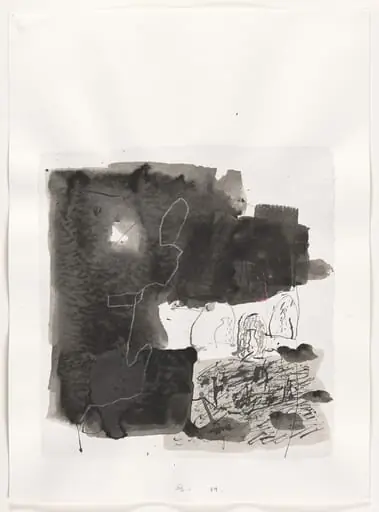
Untitled is a watercolor drawing by Jean Dubuffet. It dates from 2 and is held in the collection of the Museum of Modern Art.
About this work
Overview
The piece exemplifies his interest in psychological presence over physical realism, using minimal pigment and fluid lines to evoke emotional ambiguity.
Created in 1952, this watercolor and ink drawing by Jean Dubuffet belongs to a series of works exploring the human form through non-traditional means. Executed on paper, it reflects his rejection of academic conventions in favor of spontaneous, unrefined expression. The piece exemplifies his interest in psychological presence over physical realism, using minimal pigment and fluid lines to evoke emotional ambiguity.
Subject & Meaning
Four indistinct figures cluster together, their forms barely defined by faint outlines and smudged contours. Their exaggerated hands suggest reaching or grasping, while hollow eyes and blurred features obscure individual identity. The grouping implies connection or isolation, but no narrative is fixed. Dubuffet avoids symbolism, instead inviting viewers to confront the unease of ambiguous human presence without resolution.
Technique & Style
Dubuffet employed diluted watercolor and ink to create translucent layers, allowing the paper’s texture to show through. Forms are built with loose, gestural strokes and accidental bleeds, rejecting precision. The palette—pale blues, grays, and muted pinks—enhances a sense of ephemerality. Dark, chaotic backgrounds contrast with the spectral figures, heightening their fragility and detachment from a defined space.
History & Provenance
This work dates from Dubuffet’s most active period of exploring art brut aesthetics, following his founding of the Compagnie de l’Art Brut in 1948. It was likely produced in his Paris studio during a time he was systematically collecting and studying outsider art. The drawing remained in private hands until entering a public collection in the late 20th century, where it is now preserved as part of his broader experimental output.
Context
In the early 1950s, Dubuffet was challenging postwar European art’s return to classicism and abstraction. He aligned himself with marginalized creators—psychiatric patients, prisoners, self-taught artists—whose work he deemed more authentic. This drawing reflects his belief that true expression emerges from instinct, not training, positioning his practice as a counterpoint to mainstream modernism.
Legacy
Dubuffet’s rejection of technical polish and embrace of raw, untrained forms influenced later movements including Neo-Expressionism and contemporary figuration. His emphasis on psychological depth over formal beauty expanded the definition of what art could depict. This drawing, though modest in scale, remains a quiet testament to his enduring challenge to artistic norms and institutional hierarchies.
Artist & collection
Artist
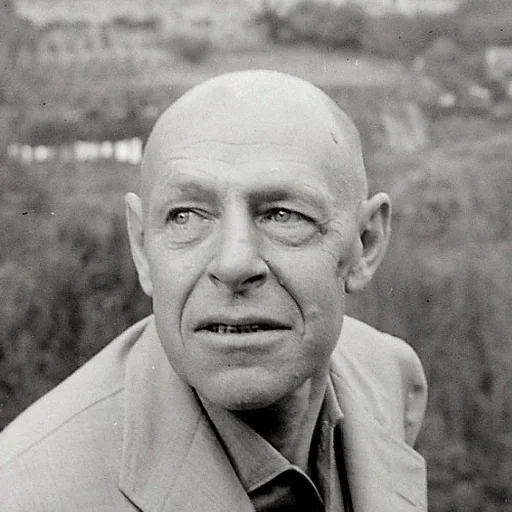
Jean Philippe Arthur Dubuffet (French pronunciation: ; 31 July 1901 – 12 May 1985) was a French painter and sculptor of the École de Paris (School of Paris).