Artwork
Catherine Morgan
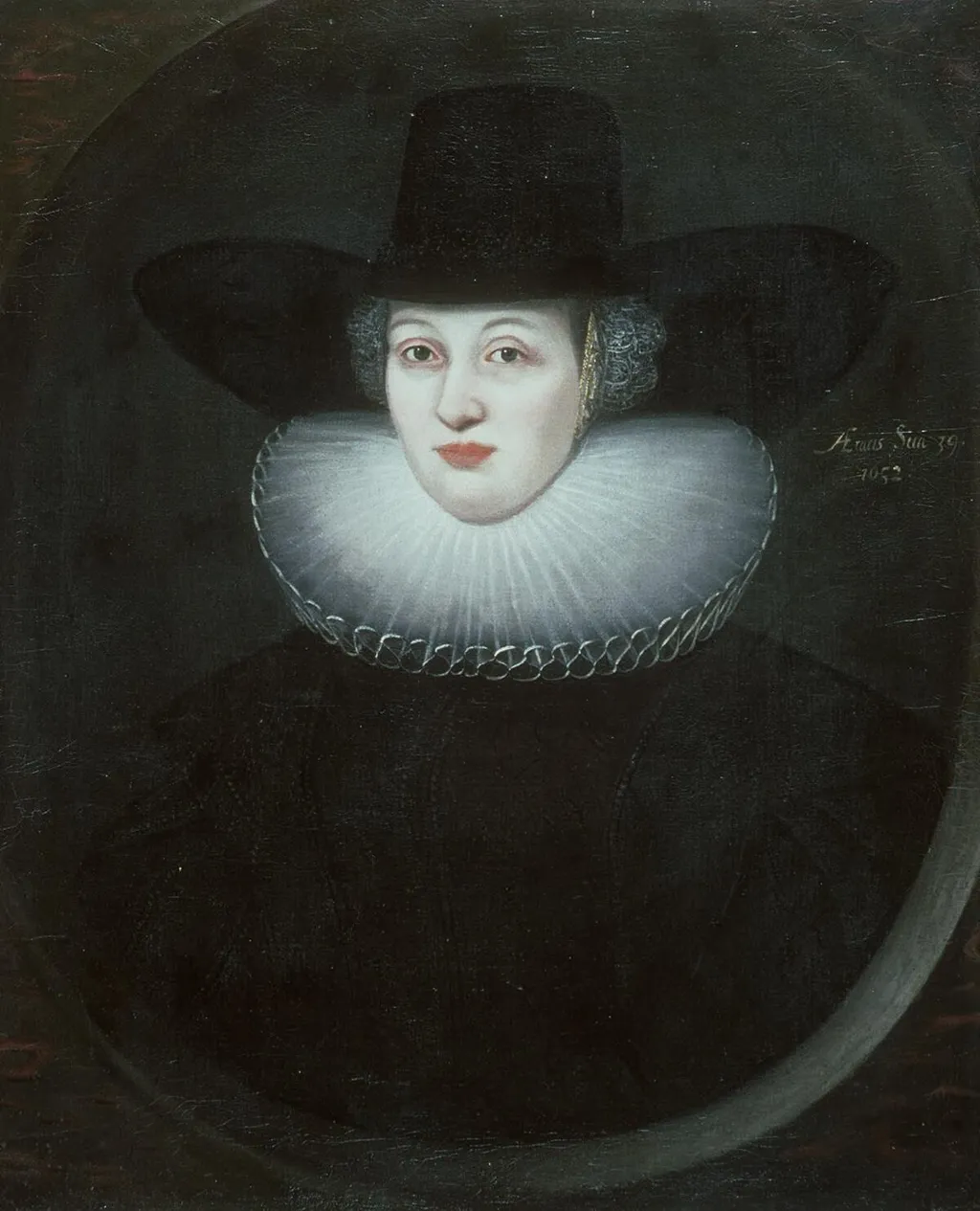
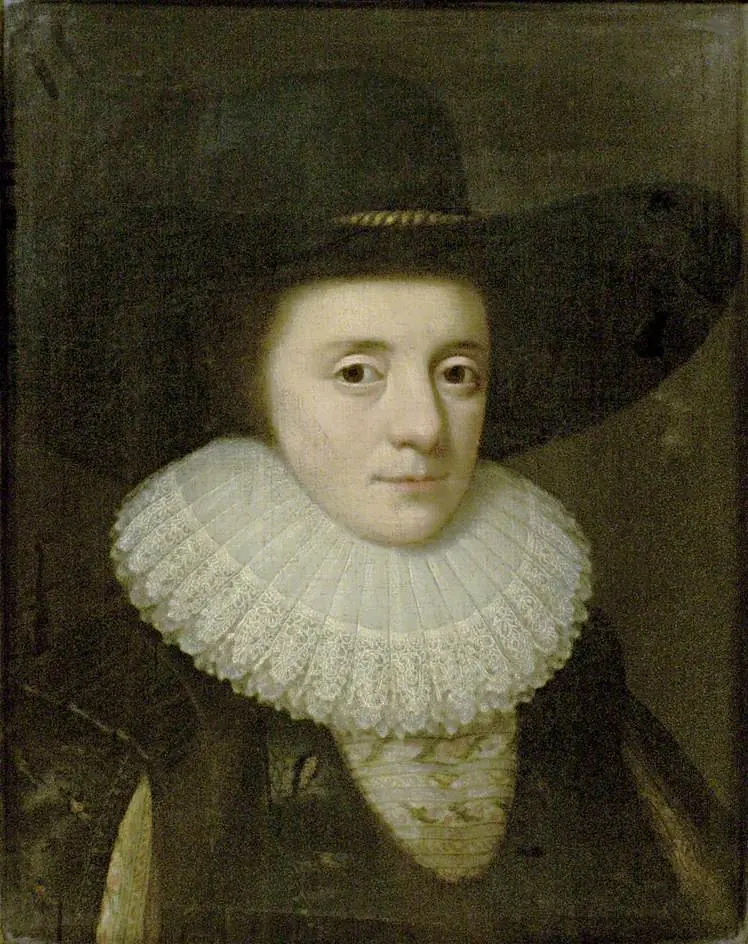
Catherine Morgan is an oil painting by the Early Baroque Italian artist Gilbert Jackson. It dates from 1632 and is held in the collection of the National Library of Wales.
About this work
The level of detail in the painting, particularly in the subject's clothing and accessories, indicates that the artist was skilled in their craft.
The painting depicts a woman with a serious expression, wearing a black dress and a large white ruffled collar. Her hair is covered by a black hat, and she has a subtle smile on her face. The background of the painting is dark, which helps to highlight the subject's features.
The woman's attire and hairstyle suggest that the painting was created during the 17th century. The level of detail in the painting, particularly in the subject's clothing and accessories, indicates that the artist was skilled in their craft.
If you're interested in learning more about the artist who created this painting, you might want to look up the work of Gilbert Jackson.
Overview
Painted in 1632 by Gilbert Jackson, *Catherine Morgan* is an oil portrait of a woman from the English provincial elite. Jackson, active in the early 17th century, operated outside royal patronage, catering instead to local gentry and professionals. The work reflects the influence of Italian Baroque portraiture, adapted to English sensibilities of the time. It is now held in the National Library of Wales, where it remains a rare surviving example of Jackson’s non-courtly output.
Subject & Meaning
The sitter, identified as Catherine Lewis (later Morgan), is portrayed with quiet composure, her expression neither formal nor intimate but restrained. Her attire—a black dress, wide white ruff, and dark hat—signals modest status and moral seriousness, typical of Protestant middle-class ideals. The subtle smile suggests individuality, distinguishing her from more rigid court portraits. The painting functions less as a statement of power than as a personal record of identity and social standing.
Technique & Style
Jackson employs a dark, neutral background to isolate the figure, emphasizing texture and form. The ruff and fabric folds are rendered with careful brushwork, revealing attention to detail without overt theatricality. The lighting is soft and even, avoiding dramatic chiaroscuro, aligning more with Northern European traditions than Italian models. The brushwork is precise but unshowy, reflecting a practical, professional approach rather than flamboyant artistry.
History & Provenance
The painting remained in private hands until entering the National Library of Wales’ collection. Its journey from a provincial home to a national archive suggests gradual recognition of its historical value. No documentation survives regarding its original commission, but its survival implies the sitter’s family preserved it across generations. Jackson’s relative obscurity contributes to the scarcity of verified works, making this piece a key reference for his oeuvre.
Context
In 1630s England, portrait painting flourished beyond the court, especially among urban professionals and landed gentry. Jackson’s work reflects this trend, bridging the gap between aristocratic grandeur and middle-class restraint. While Italian influences were fashionable, English artists often tempered them with local austerity. This portrait exemplifies how regional painters adapted continental styles to suit domestic tastes and social norms.
Legacy
Though Gilbert Jackson never achieved national fame, *Catherine Morgan* endures as a representative example of early 17th-century provincial portraiture. It offers insight into the visual culture of non-royal subjects during a period of shifting social identities. The painting contributes to scholarly understanding of artists who operated outside major centers, preserving the dignity and presence of ordinary elites in an age dominated by courtly imagery.
Artist & collection
Artist
Gilbert Jackson (c.1595/1600 – after 1648) was an English portrait painter active ca.

 Portrait of a Lady
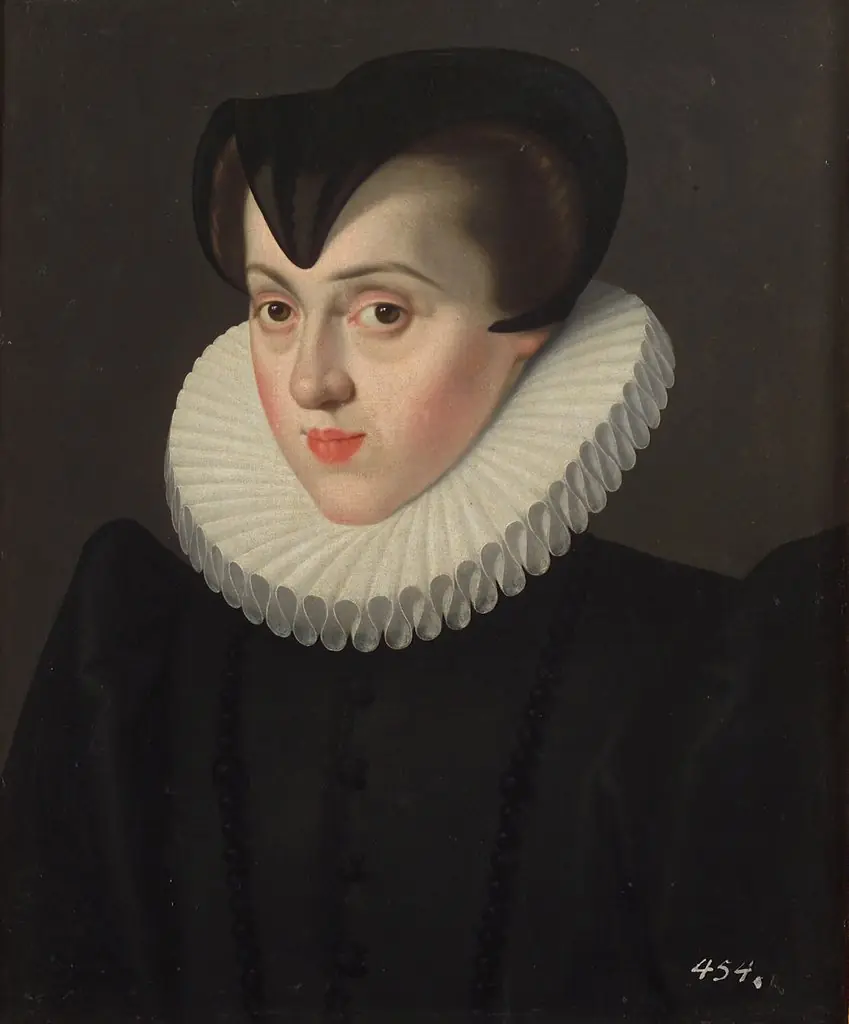 Erzherzogin Elisabeth (1554-1592), Königin von Frankreich, in Witwentracht, Brustbild
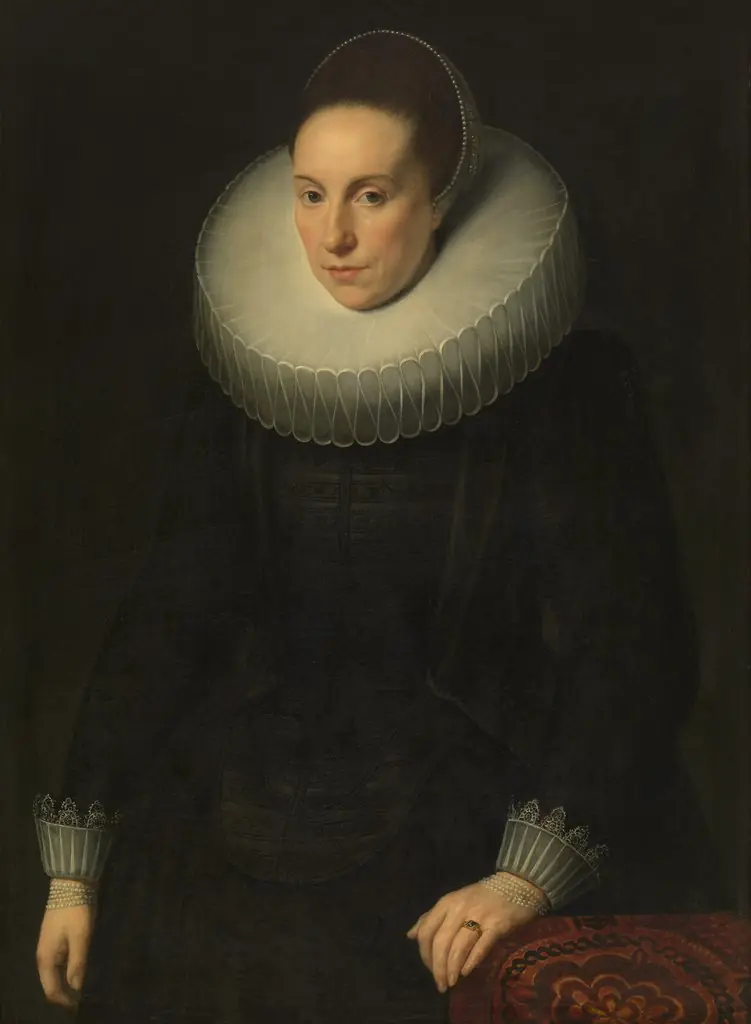 Portret van een vrouw
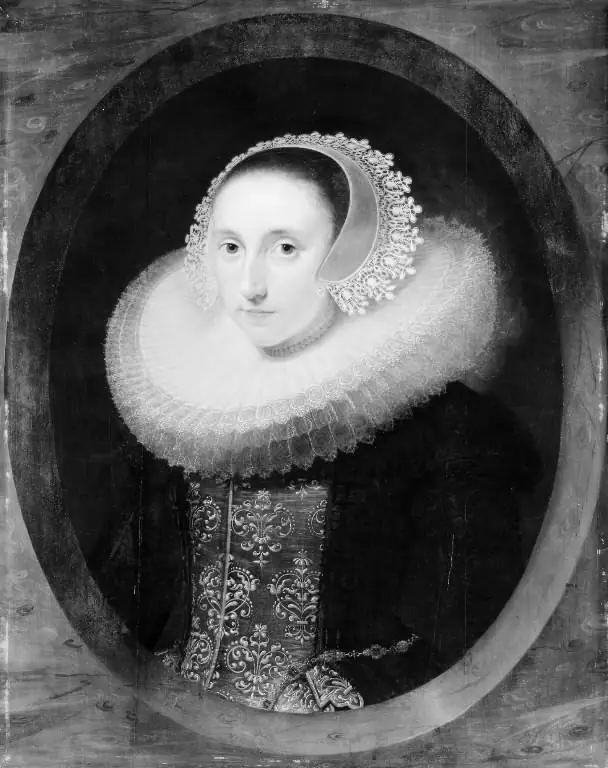 Portrait of a Young Lady
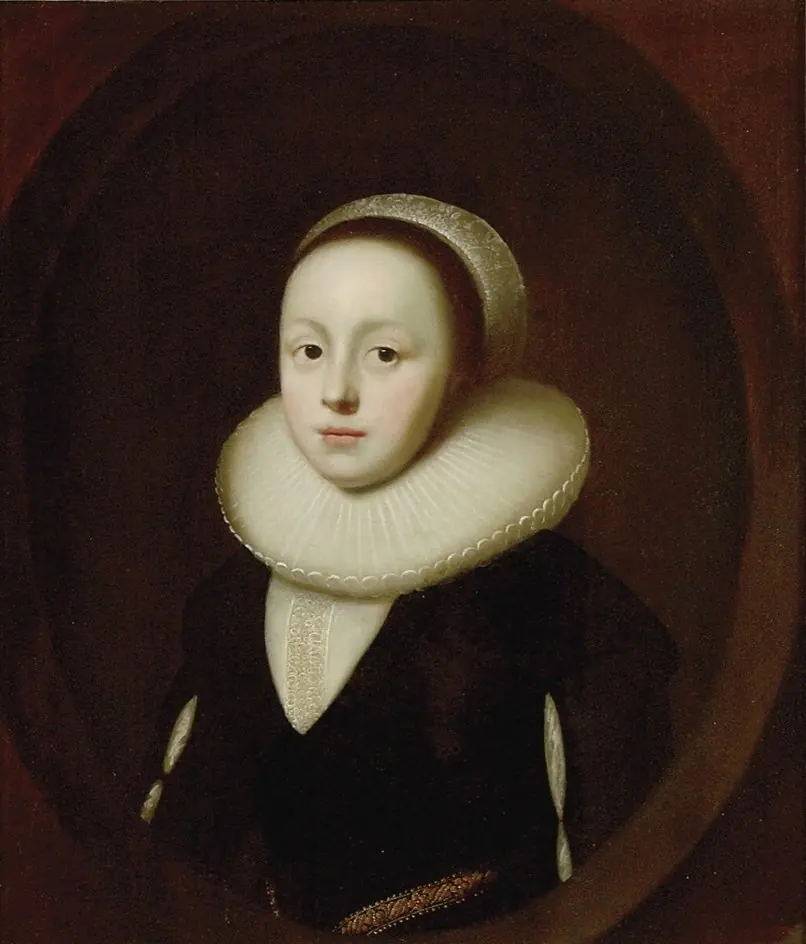 Portrait of a young Woman
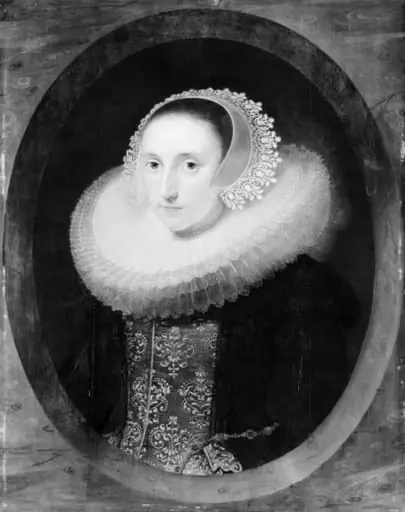 Portrait of a Young Lady
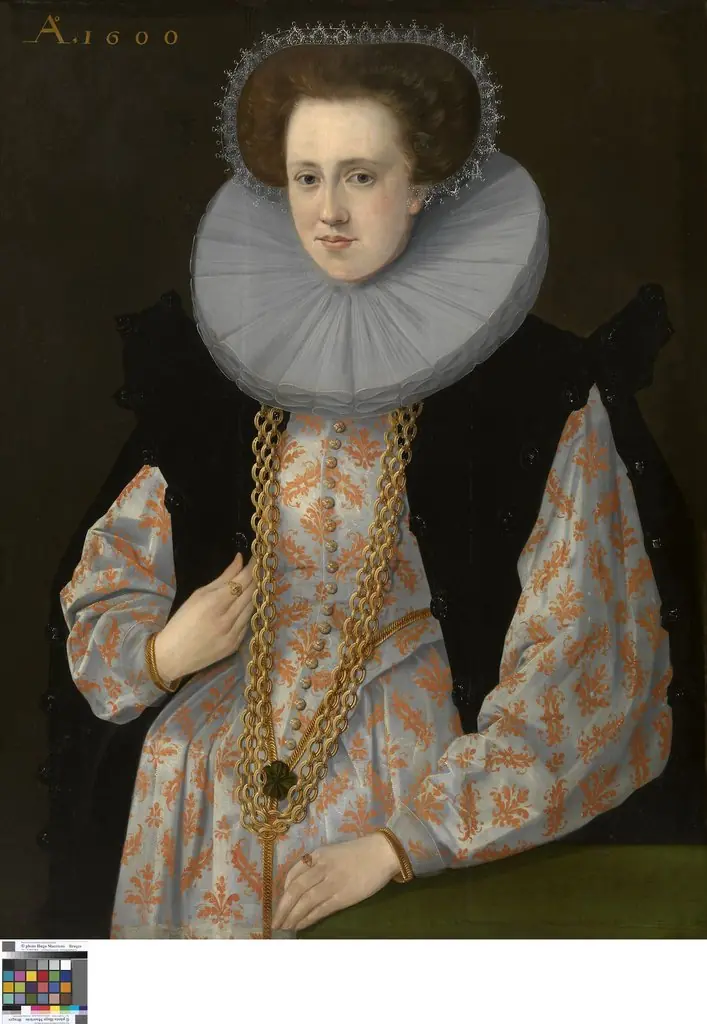 Portret van een vrouw
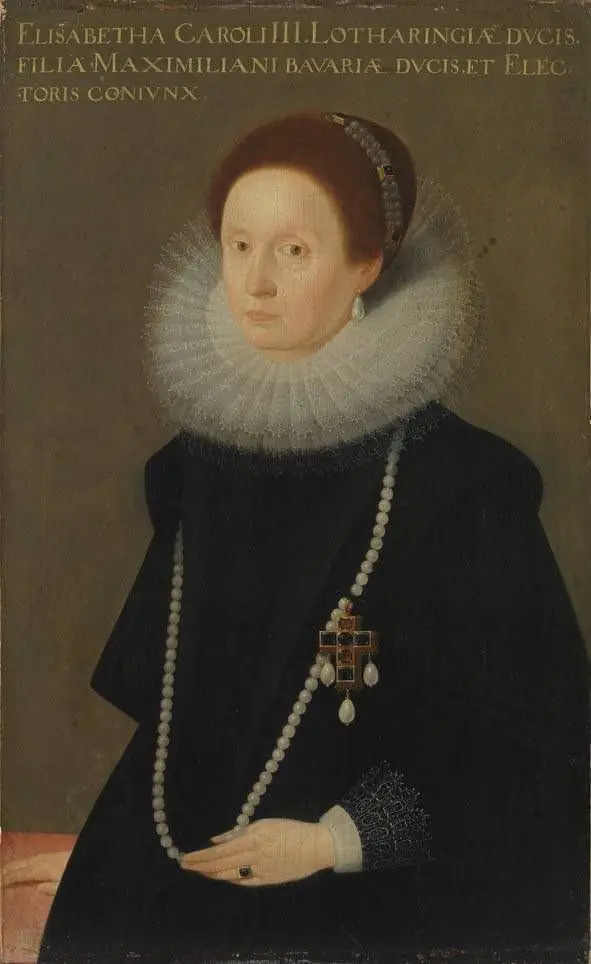 Bildnis der Elisabeth von Lothringen (1574-1635), erste Gemahlin des Kurfürsten Maximilian I. von Bayern (Schule)
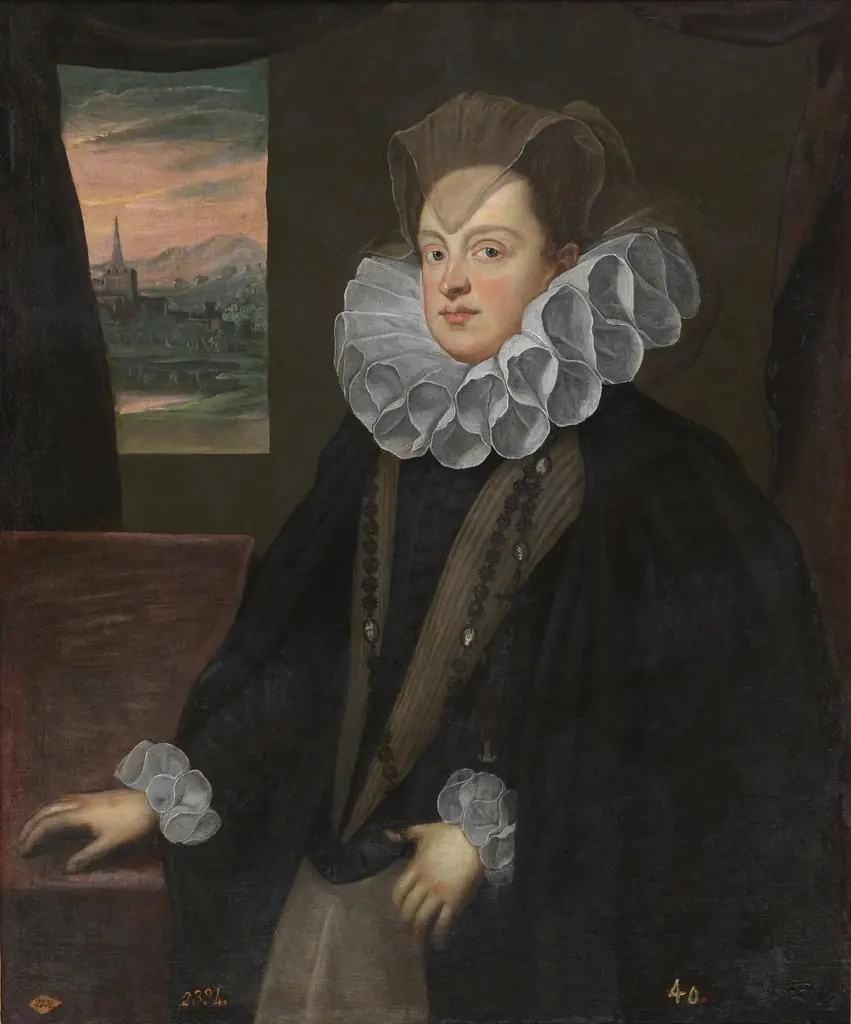 Eleanor de' Medici, Duchess of Mantua
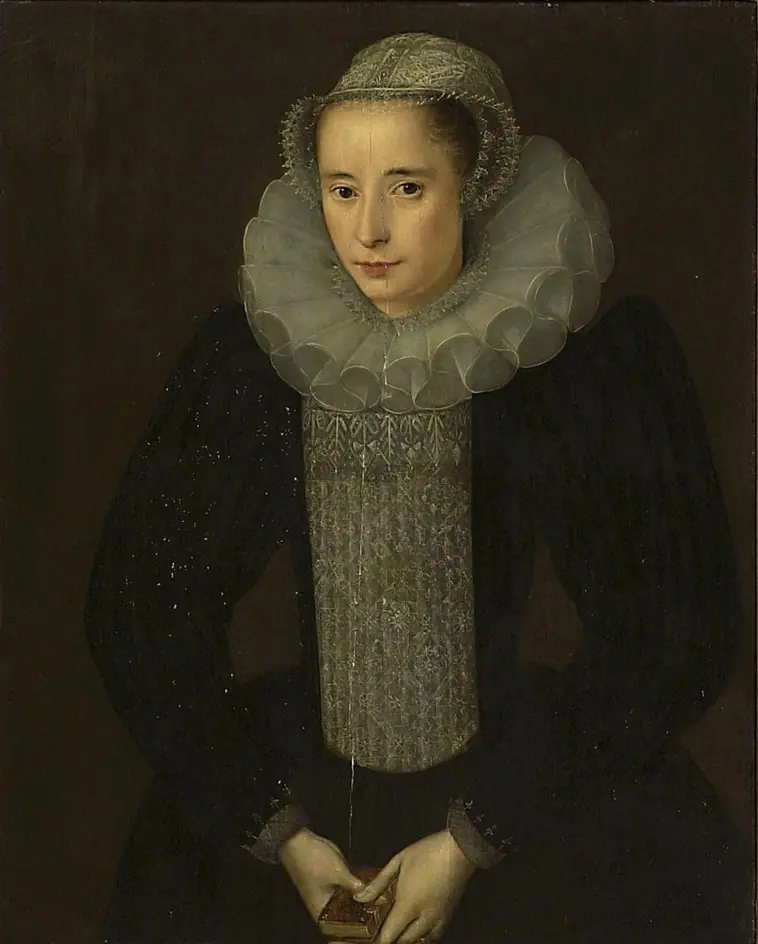 Portrait of a Lady holding a Book
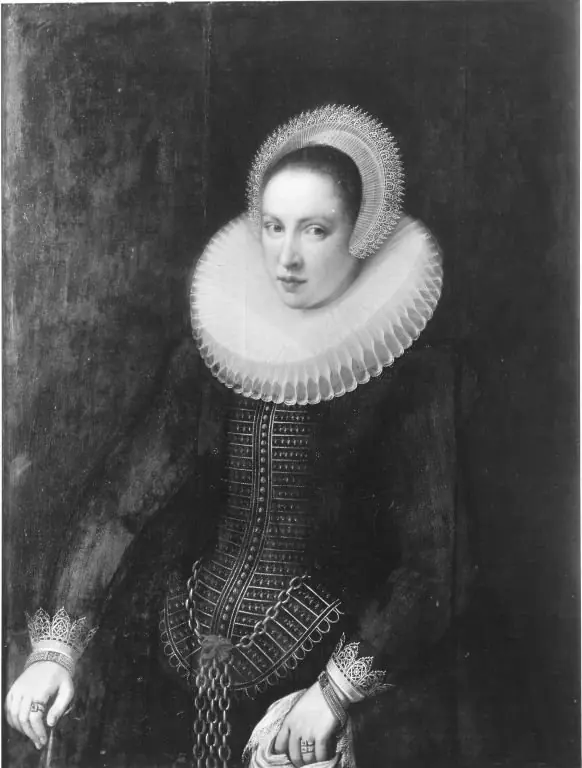 Portrait of an unknown woman aged 28 year
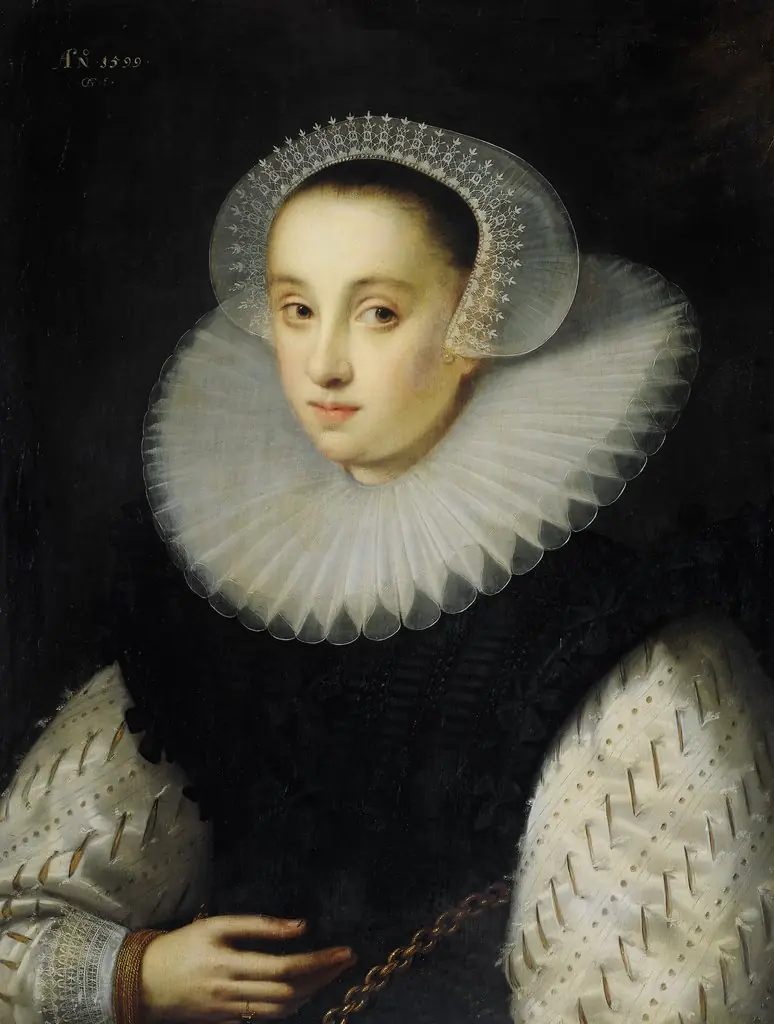 Portrait of Hortensia del Prado (died 1627)