Artwork
Simon Thelwall
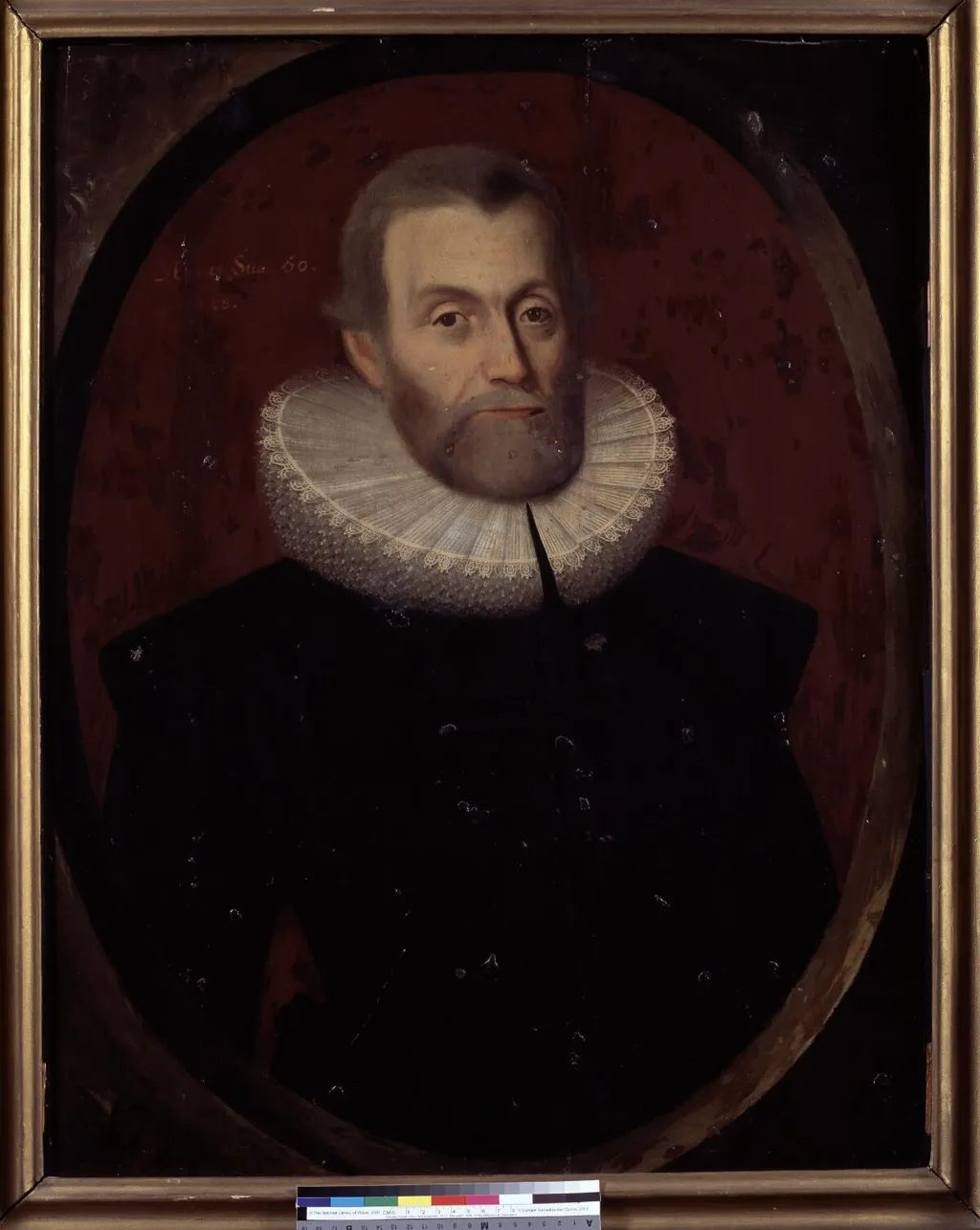
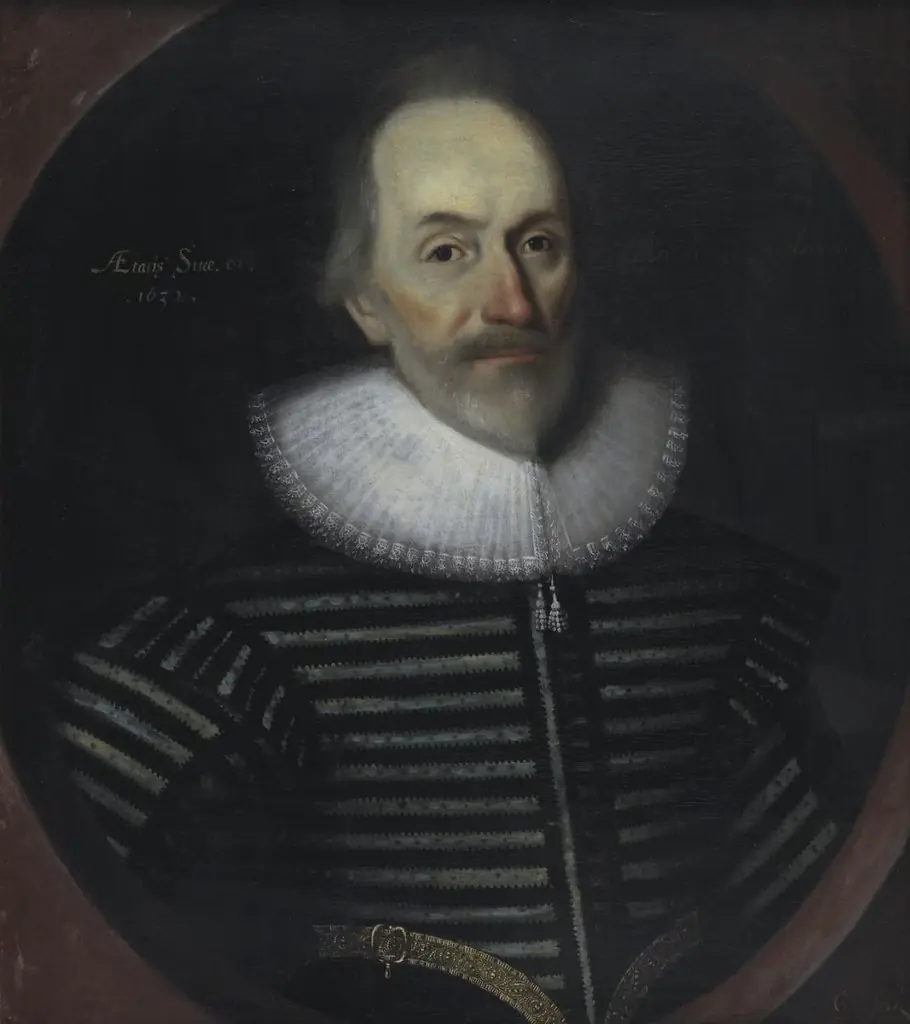
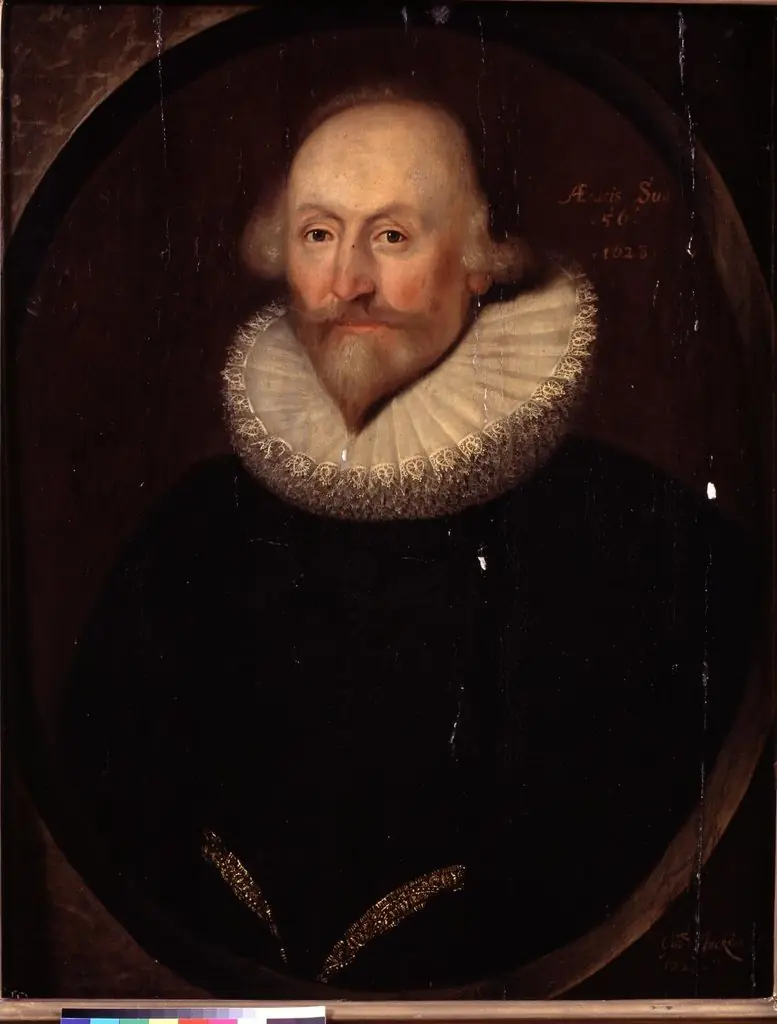
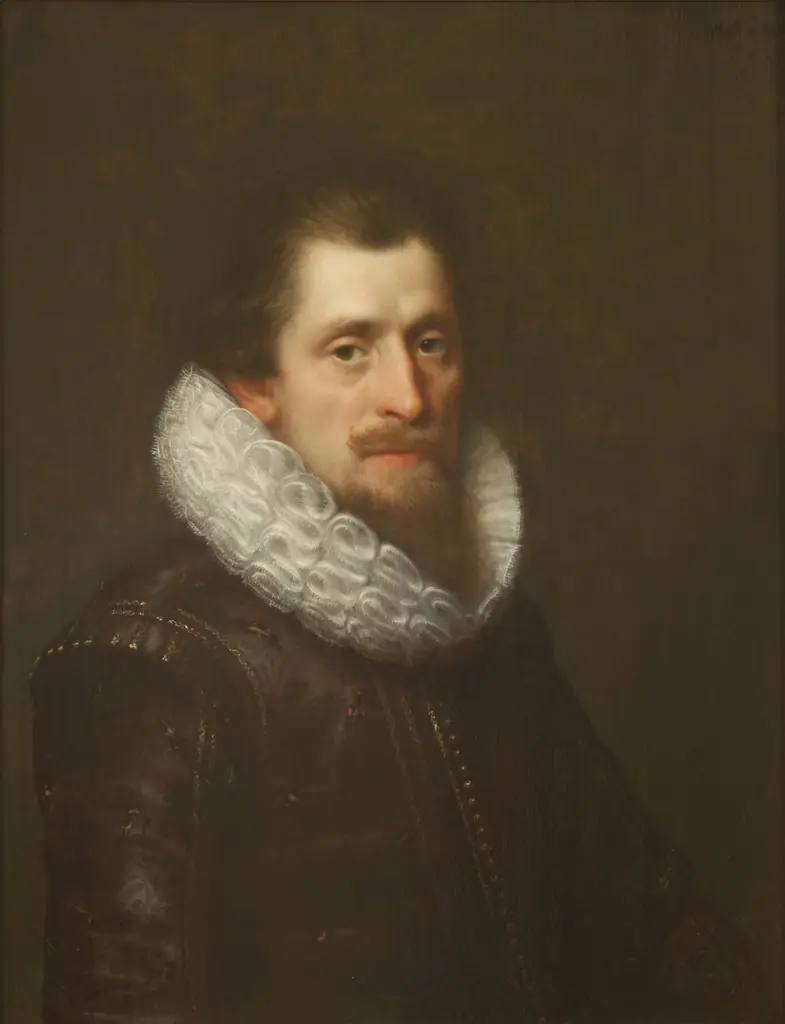
Simon Thelwall is an oil painting by the Early Baroque Italian artist Gilbert Jackson. It dates from 1630 and is held in the collection of the National Library of Wales.
About this work
Overview
The work reflects the quiet dignity of its sitter and exemplifies the regional portrait tradition that flourished outside London’s courtly circles.
Painted in 1630 by Gilbert Jackson, this oil portrait captures Simon Thelwall, a member of the Welsh gentry. Jackson, active in early 17th-century England, specialized in portraits of provincial elites rather than aristocratic or royal subjects. The work reflects the quiet dignity of its sitter and exemplifies the regional portrait tradition that flourished outside London’s courtly circles. It is now part of the National Library of Wales’s collection.
Subject & Meaning
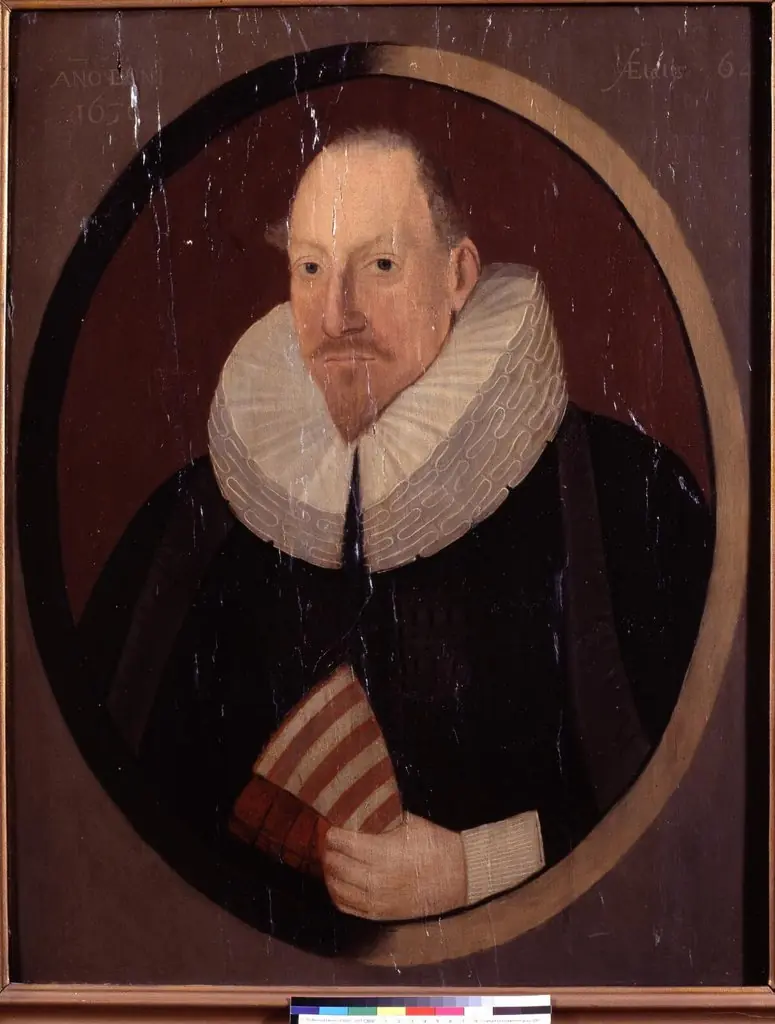
Simon Thelwall is portrayed with a composed, introspective gaze, his attire suggesting modest affluence rather than ostentation. The high collar and lace ruff indicate his social standing, while the absence of symbols of office or wealth points to a personal, rather than institutional, identity. The serious expression and restrained composition convey a sense of individual character, typical of portraits commissioned by landed families seeking to affirm their status through quiet dignity.
Technique & Style
Jackson employed oil paint to achieve subtle tonal gradations and a tactile surface, particularly in the rendering of fabric and skin. Chiaroscuro is used deliberately to model the face and collar against a deep red background, enhancing the three-dimensionality of the figure. The dark, unadorned setting focuses attention on the sitter’s form, while the circular frame, though not painted, suggests a traditional medallion format common in early modern portraiture.
History & Provenance
The portrait remained in Welsh private collections for centuries before entering the National Library of Wales. Its survival reflects the enduring cultural value placed on regional portraiture in Wales. Jackson’s reputation as a provincial artist meant his works were rarely documented in court records, making this painting a rare surviving example of his output and a key reference for understanding non-courtly English portraiture of the period.
Context
Created during the reign of Charles I, the portrait aligns with a broader trend in provincial England where local elites commissioned artists to record their likeness in a style influenced by Flemish and Italian Baroque conventions. Though not part of the royal court’s artistic milieu, Jackson’s work reveals how continental techniques were adapted by regional painters to serve local tastes, blending realism with a restrained elegance suited to gentry identity.
Legacy
As one of the few securely attributed works by Gilbert Jackson, this portrait provides insight into the practices of lesser-known English painters of the early 17th century. It contributes to scholarly understanding of how portraiture functioned outside London, offering a counterpoint to the more documented works of court artists. The painting remains a vital artifact for studying regional identity and visual culture in Stuart-era Wales.
Artist & collection
Artist
Gilbert Jackson (c.1595/1600 – after 1648) was an English portrait painter active ca.