Artwork
Dr. Thomas Bartlett
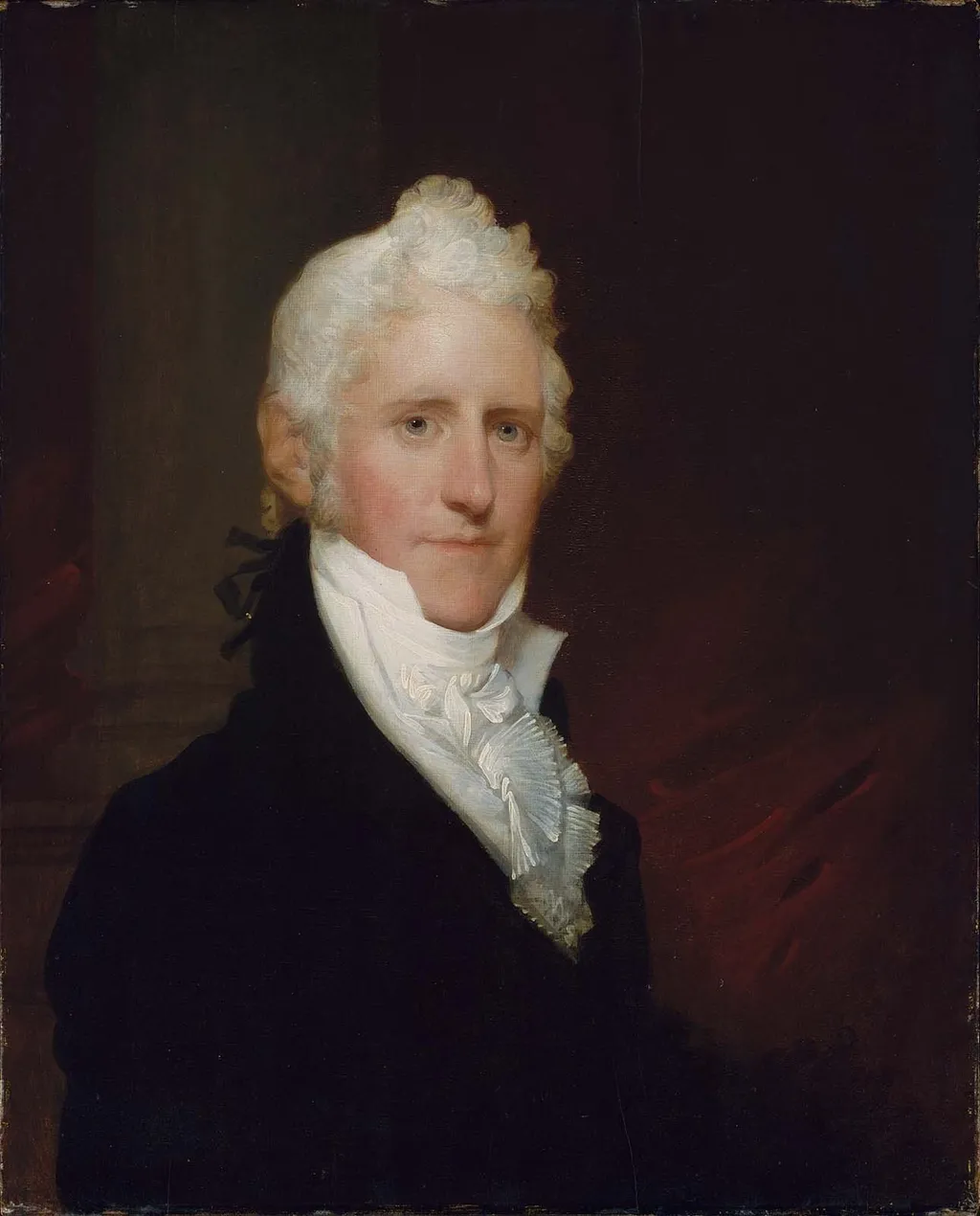
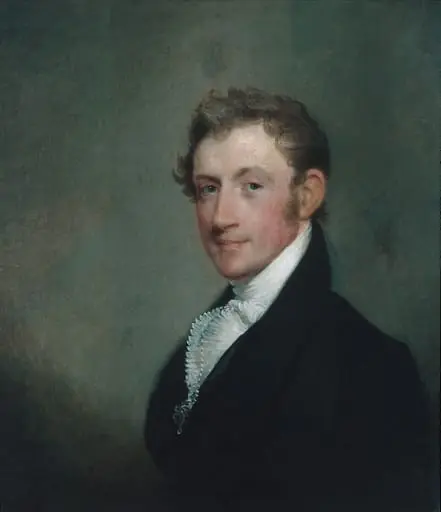
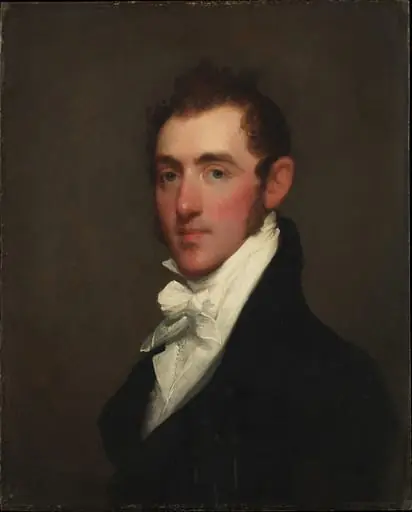
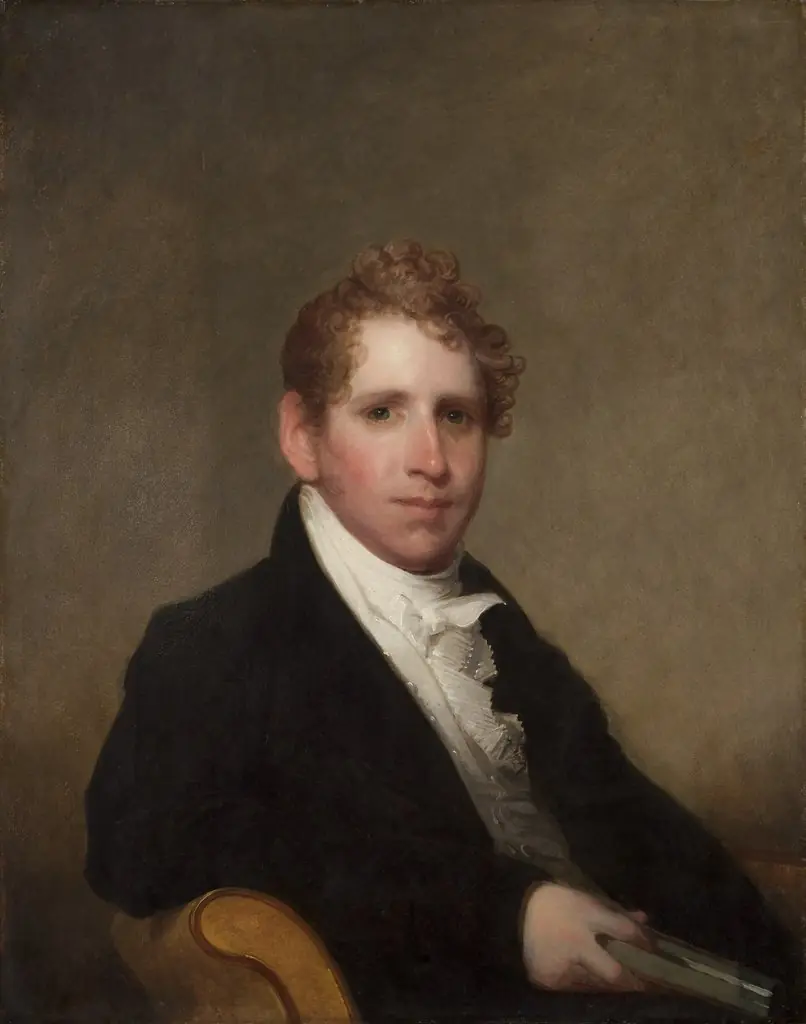
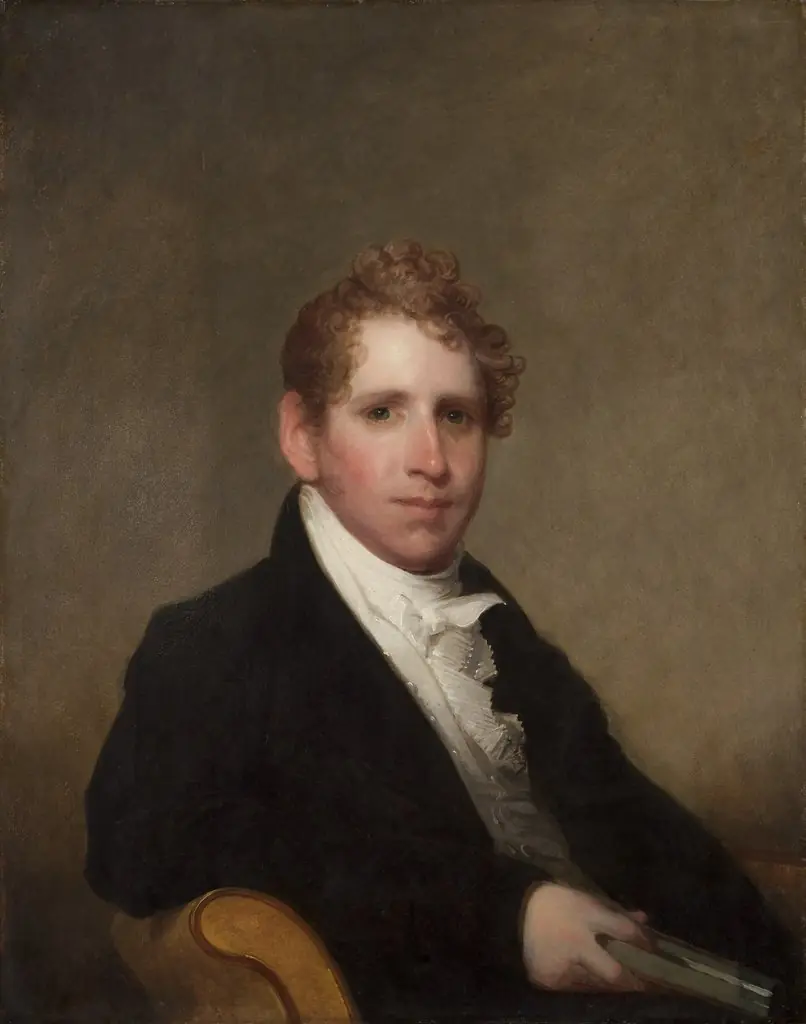
Dr. Thomas Bartlett is an unspecified painting by the American Impressionist artist Gilbert Stuart. It dates from 1805 and is held in the collection of the Museum of Fine Arts Boston.
About this work
Overview
Stuart, trained in London and active in the United States, was known for his precise rendering of facial features and psychological presence.
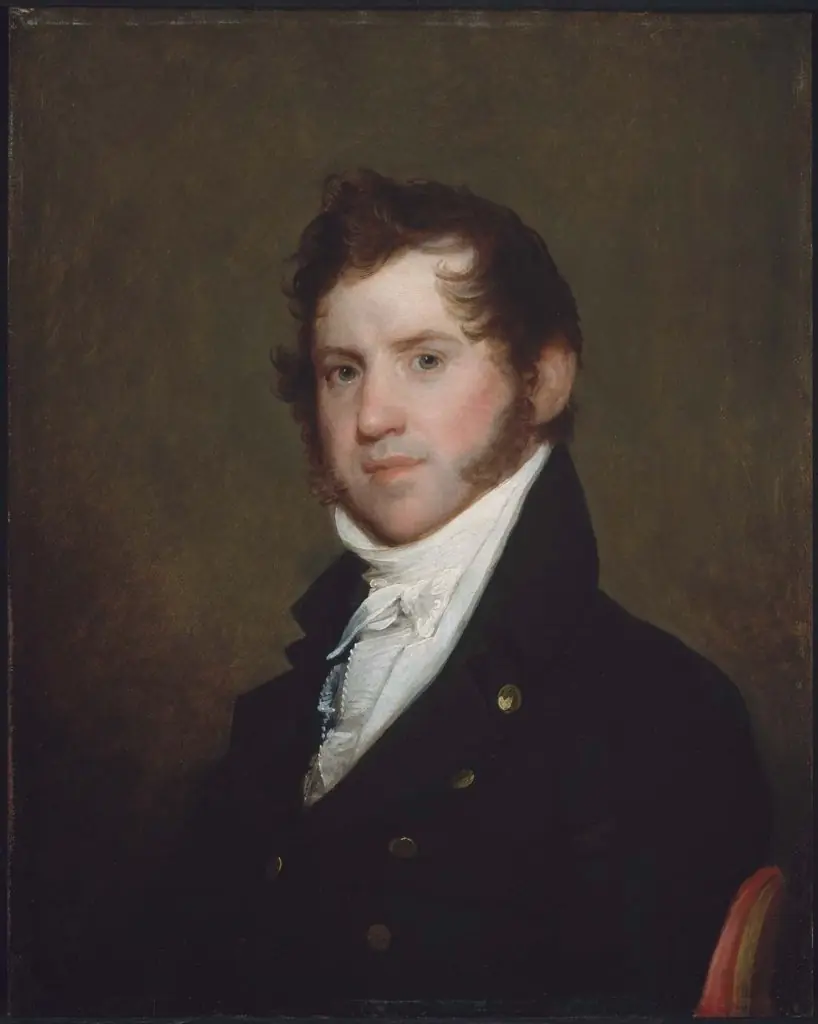
Painted in 1805 by Gilbert Stuart, this portrait depicts Dr. Thomas Bartlett, a respected figure in early American society. Stuart, trained in London and active in the United States, was known for his precise rendering of facial features and psychological presence. The work reflects his mature style, developed through decades of portraiture, and stands as one of many commissioned likenesses of New England’s professional class during the early republic.
Subject & Meaning
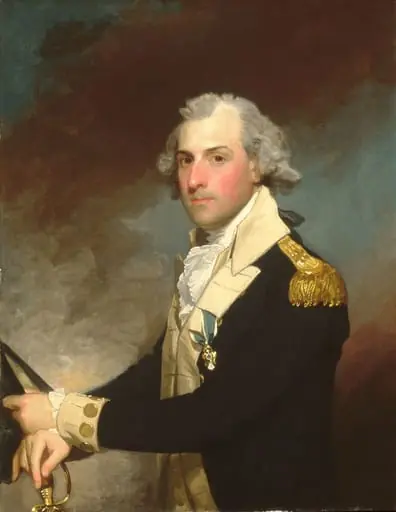
Dr. Bartlett, a physician from Massachusetts, is portrayed with quiet authority. His composed expression—slight smile, raised brows, direct gaze—conveys intellect and restraint, traits valued in professional men of the era. The absence of symbolic objects or elaborate settings focuses attention on his character rather than status. The portrait functions as a personal and social document, affirming his identity within a community that prized education and civic responsibility.
Technique & Style
Stuart employed subtle tonal gradations to model the face and hands, using soft transitions between light and shadow to create volume. The dark background enhances the figure’s presence, while a muted red accent on the right adds depth without distraction. Brushwork is controlled yet fluid, particularly in the rendering of the cravat and hair, where fine strokes suggest texture without overt detail. The palette remains restrained, emphasizing naturalism over ornamentation.
History & Provenance
The portrait remained in the Bartlett family until its acquisition by the Museum of Fine Arts, Boston, in the early 20th century. It was not widely exhibited until after its inclusion in the museum’s permanent collection, where it now serves as an example of Stuart’s post-Revolutionary portraiture. No records indicate public display during the artist’s lifetime, suggesting it was commissioned privately and kept within the sitter’s household.
Context
In the early 1800s, American elites increasingly sought portraits to assert social standing and intellectual identity. Stuart, though based in Boston and later Philadelphia, catered to this demand among professionals and politicians. Unlike European traditions that emphasized heraldry or grandeur, American portraits of this period favored understated dignity. Dr. Bartlett’s image aligns with this emerging national aesthetic, valuing character over ceremony.
Legacy
Though less famous than Stuart’s portraits of Washington, this work exemplifies his consistent approach to capturing individuality with psychological nuance. It contributes to a broader understanding of how early American professionals wished to be seen: composed, thoughtful, and grounded. The painting remains a quiet but significant record of the era’s visual culture, reflecting the values of a society defining itself through personal integrity rather than inherited privilege.
Own this work as a print
Artist & collection

Artist
Gilbert Stuart (né Stewart; December 3, 1755 – July 9, 1828) was an American painter born in the Rhode Island Colony who is widely considered one of America's foremost portraitists.